Why Are My Brownies Cakey? Fudgy vs Cakey vs Chewy Explained
Why Did My Sugar Cookies Puff Up? Cakey Cookies and Lost Detail, Fixed
Updated Nov 20, 2026
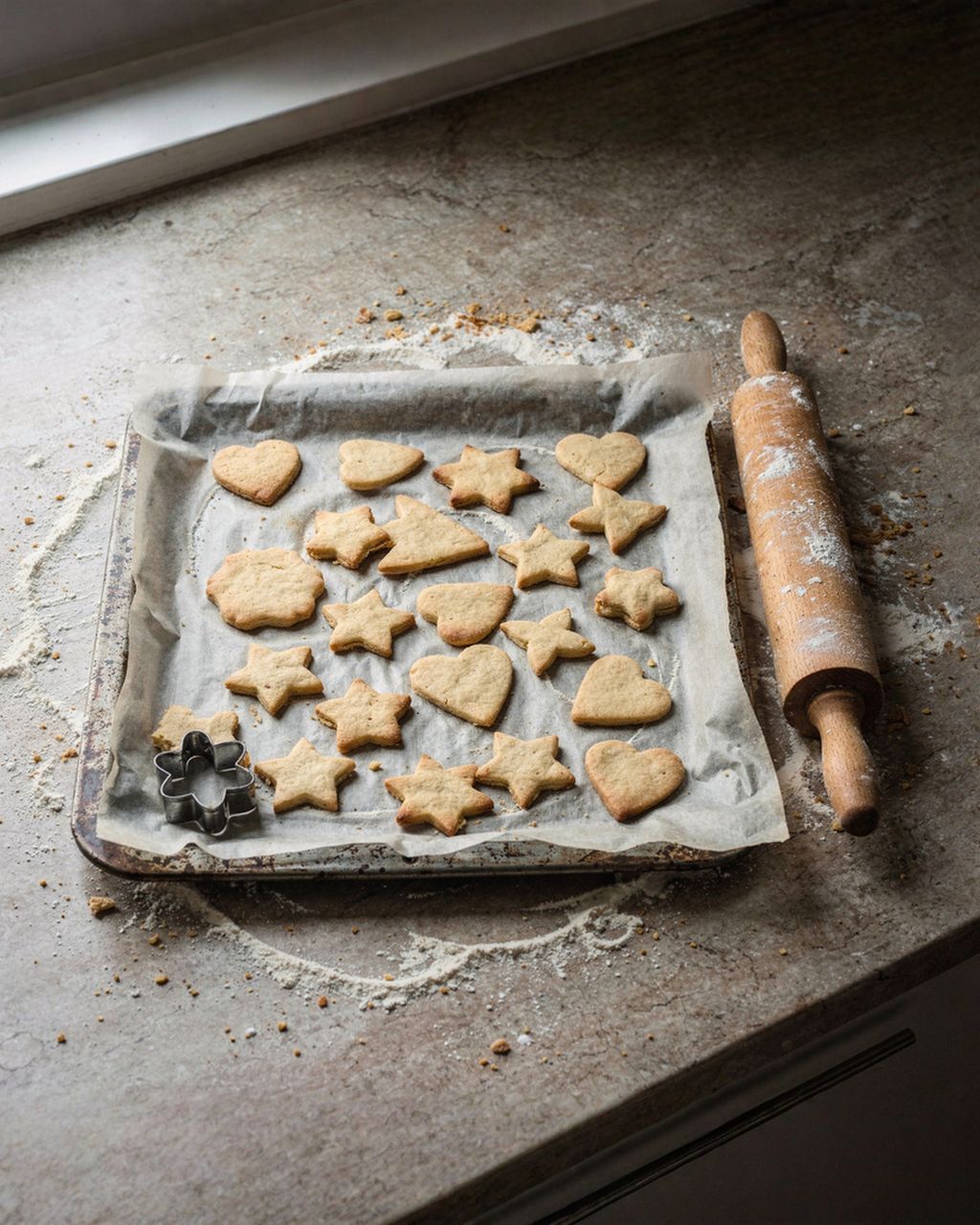
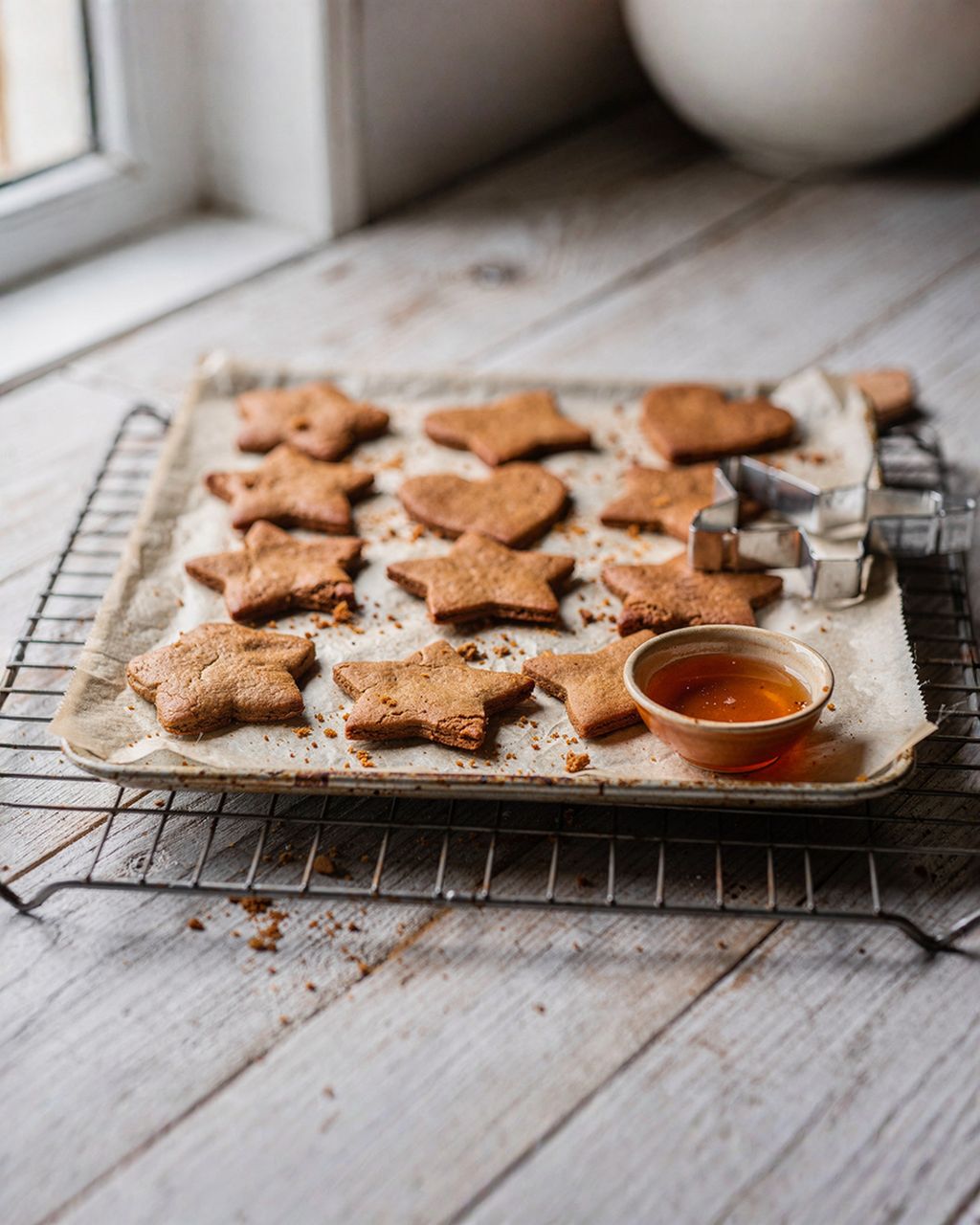
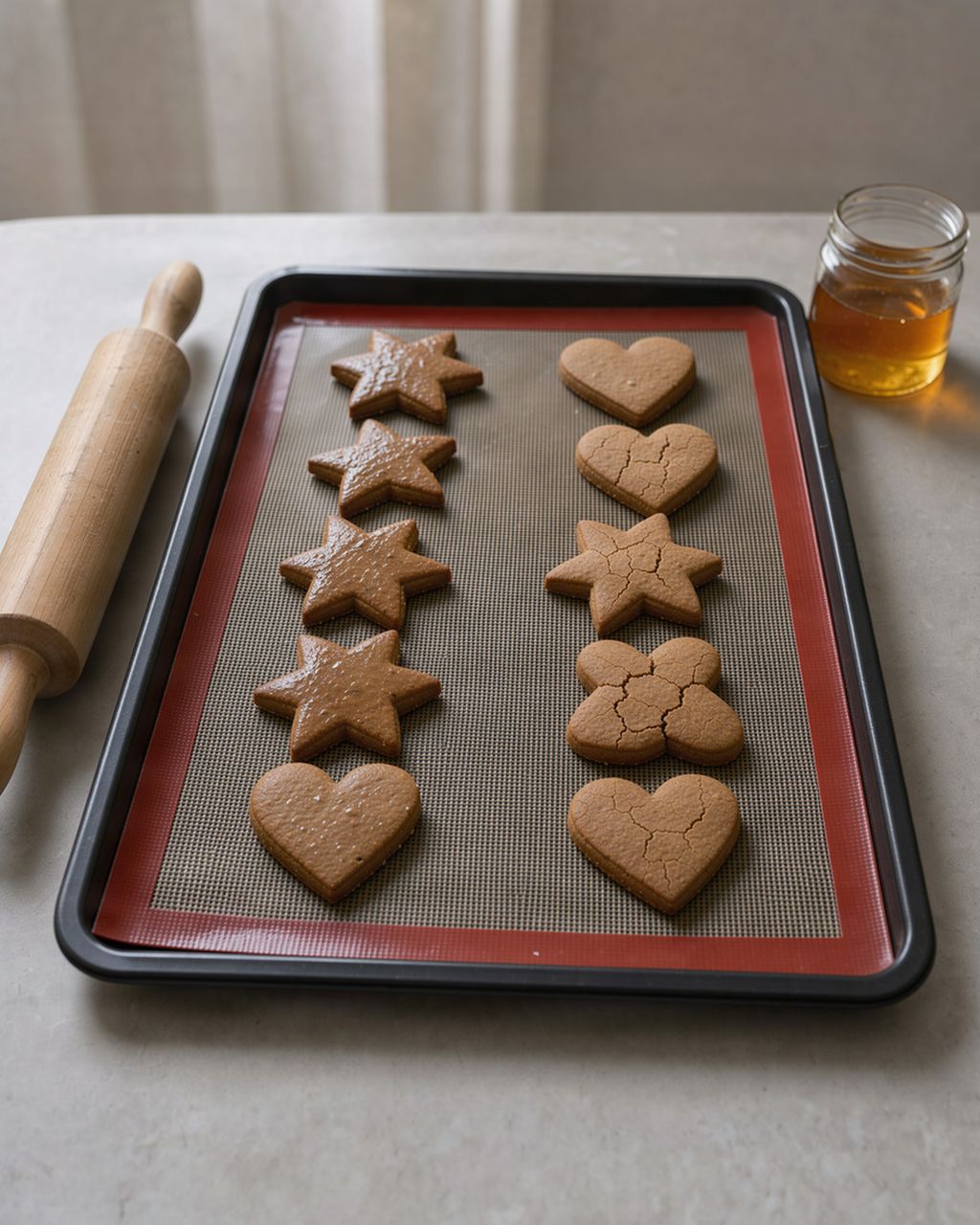
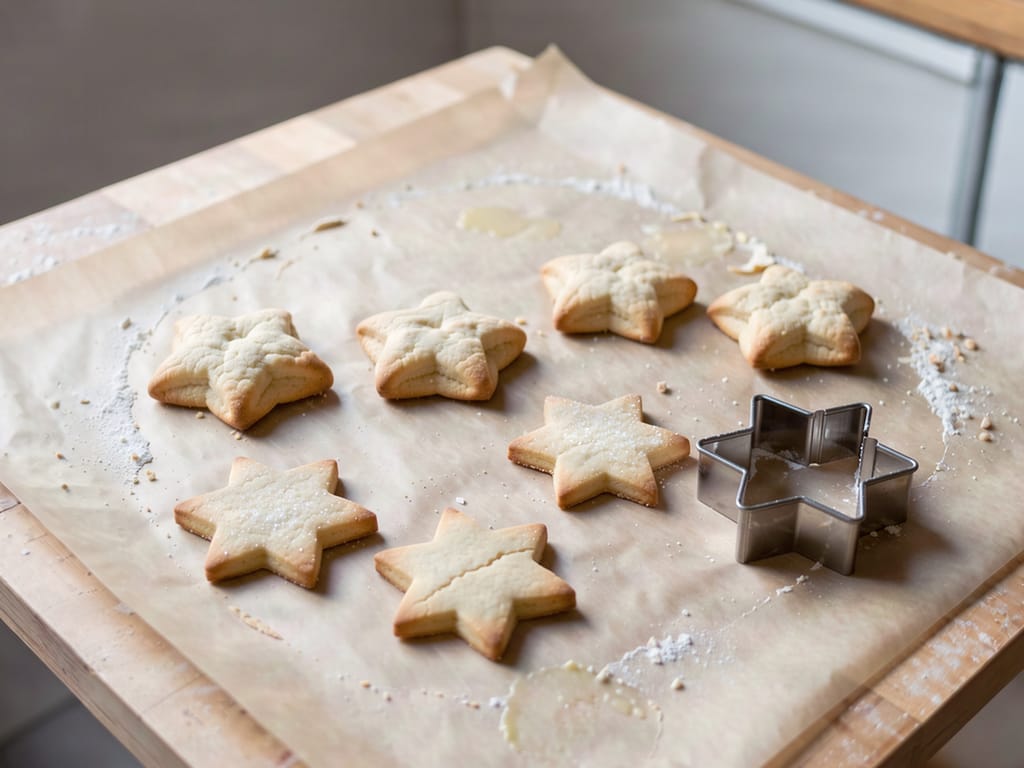
Sugar cookies puff up for three main reasons: too much baking powder or baking soda, butter and sugar creamed into a fluffy foam, or dough that went into the oven warm. All three put extra gas or soft fat into the dough, so the cookie rises like a little cake and the sharp edges of your cutter blur. Each one has a simple fix, and none of them needs a new recipe.
A sugar cookie puffs when something inside it makes gas faster than the dough can set. There are three usual suspects:
Leavening. Baking powder or baking soda releases gas in the heat, and the cookie rises.
Air from creaming. Butter and sugar beaten until pale and fluffy hold thousands of tiny air bubbles, which expand in the oven.
Warm dough. Soft butter melts early, the dough slumps and bubbles before the edges set, and the cookie domes and loses its lines.
One quick way to tell them apart: if the cookies rose evenly and taste soft and cakey, look at the leavening and creaming first. If they puffed in the middle and the points went round, the dough was probably too warm.
If your cookies did the opposite and spread into flat puddles, that is a different problem, with its own causes. Our guide on why cut-out cookies lose their shape covers spreading in detail, so this article sticks to puffing.
Seasonal baking plans, tested recipes and kitchen tricks that save you time. Unsubscribe in one click.
Most cut-out sugar cookie recipes need no raising agent at all. Some American recipes add ½ to 1 teaspoon of baking powder for a softer, thicker cookie, and that is exactly what makes them puff.
For sharp shapes: leave the baking powder out completely. The cookie will be a little denser and crisper, and it will keep the outline of the cutter.
For a soft, thick cookie: halve the baking powder rather than dropping it, and accept a slightly rounder edge.
Check the measuring spoon: a heaped teaspoon holds noticeably more than a level one.
Do not swap soda for powder one to one: baking soda is roughly three to four times stronger and needs an acid to react. Our baking powder page explains how the two differ.
In Czech kitchens, the cut-out cookies most families bake at Christmas, such as linzer cookies, use no raising agent at all for the same reason: the shape comes first.
Cake recipes ask you to cream butter and sugar until light and fluffy. Cookie dough borrows the habit, but for cut-out cookies it works against you.
The sugar crystals cut tiny pockets into the butter, and the mixer fills them with air. In the oven, that air expands. King Arthur Baking warns that creaming butter and sugar for too long beats in too much air, so cookies can puff excessively and turn cakey. For cut-out cookies, we cream far less than the usual few minutes:
Use butter that is soft enough to dent but still cool to the touch, not shiny or greasy.
Mix the butter and sugar on low speed, or with a wooden spoon, just until the mixture looks even. About a minute is plenty.
Add the egg and flour on low speed and stop as soon as the dough comes together.
If you are using a stand mixer, the paddle beats in far less air than the whisk. Never use the whisk for cookie dough.
Warm dough is the most common cause of puffed cookies with blurred edges. When the butter is already soft as the tray goes in, it melts within the first minutes. Steam and the air in the dough lift the soft middle before the outside can set, so the cookie domes and the fine points of a star or snowflake round off.
What helps:
Chill the dough for at least an hour after mixing, wrapped, in the fridge.
Roll it between two sheets of baking paper, so you need less extra flour and handle it less.
Chill the cut shapes again on the lined tray for 15 to 20 minutes in the fridge, or 10 minutes in the freezer, while the oven heats.
Use a cool tray. A tray straight from the last batch warms the dough from below.
Work in batches. Keep the rest of the dough in the fridge while you cut the first sheet.
Our guide to cutting out Christmas cookies so they keep their shape walks through the whole rolling and cutting routine.
If the leavening, the creaming and the temperature were all fine, look at the balance of the dough:
Too much flour. A scooped cup of flour packs in more than a spooned and leveled one. Our tool counts 125 g per US cup (236.6 ml) and 132 g per metric cup (250 ml); if your cookies are thick, dry and bready, weigh the flour or use the cups and spoons to grams calculator.
An extra or very large egg. Egg adds water, which turns to steam and lifts the cookie. Recipes are written for a medium-to-large egg; with extra-large eggs, beat the egg and leave a spoonful out.
Dough rolled too thick. Thick cookies always look puffier. Most cut-out recipes aim for about 6 mm (¼ inch); use rolling guides or two wooden strips of the right thickness.
An oven that runs hot. A burst of high heat makes the leavening and steam act faster. Bake cut-out cookies at a moderate temperature; our chart of Christmas cookie baking temperatures and times has the figures by type. An oven thermometer tells you whether the dial is honest.
Partly, and only while they are hot.
Press them flat. As soon as the tray comes out, press each cookie gently with the back of a spatula or the base of a glass. This works for cookies you plan to ice, since a flat top takes royal icing better.
Re-cut them. Put the same cutter back over each hot cookie and press. It trims the bulge at the edge and restores the outline. Eat the trimmings.
Ice them anyway. A thick flood of icing hides a lot of puff. Domed cookies are harder to flood evenly, so use a slightly thicker icing at the edge.
Then change one thing for the next tray, not all three at once. That way you learn which cause it was in your kitchen.
Cakey sugar cookies usually have too much leavening, too much air beaten into the butter, or too much egg or flour for the fat. Cut the baking powder down or out, mix the butter and sugar only until combined, and weigh the flour instead of scooping it.
No, detailed cut-out cookies hold their shape best with no raising agent at all. Many recipes add a little for a softer bite, but every pinch makes the cookie puff and the edges soften, so leave it out when the shape matters most.
The dough was most likely too warm when it went into the oven, so the butter melted before the cookie set. Chill the cut shapes on the tray for 15 to 20 minutes and put them straight into a fully preheated oven.
Yes, creaming for several minutes beats in air that expands in the oven and makes the cookies dome and turn cakey. For cut-out dough, mix soft but cool butter with the sugar just until it looks even, about a minute.
Yes, if you are quick: press each cookie gently with the back of a spatula or re-cut it with the same cutter while it is still hot on the tray. Once the cookies cool, they set and will crack instead.
One recipe worth heating the oven for, one tip, and one deal from the shop. Nothing else.