Quick answer
How long do goulash and stock keep in the fridge?
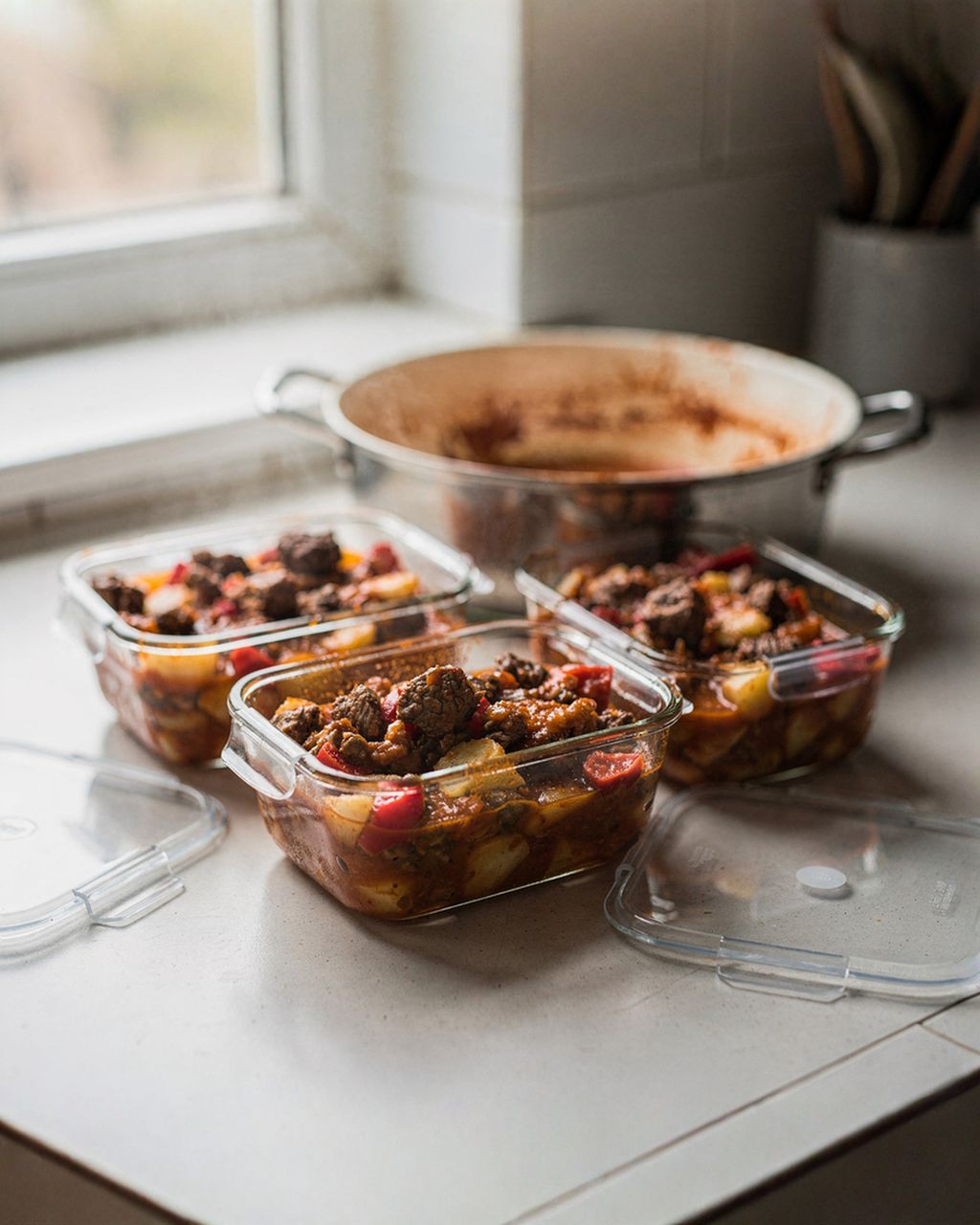
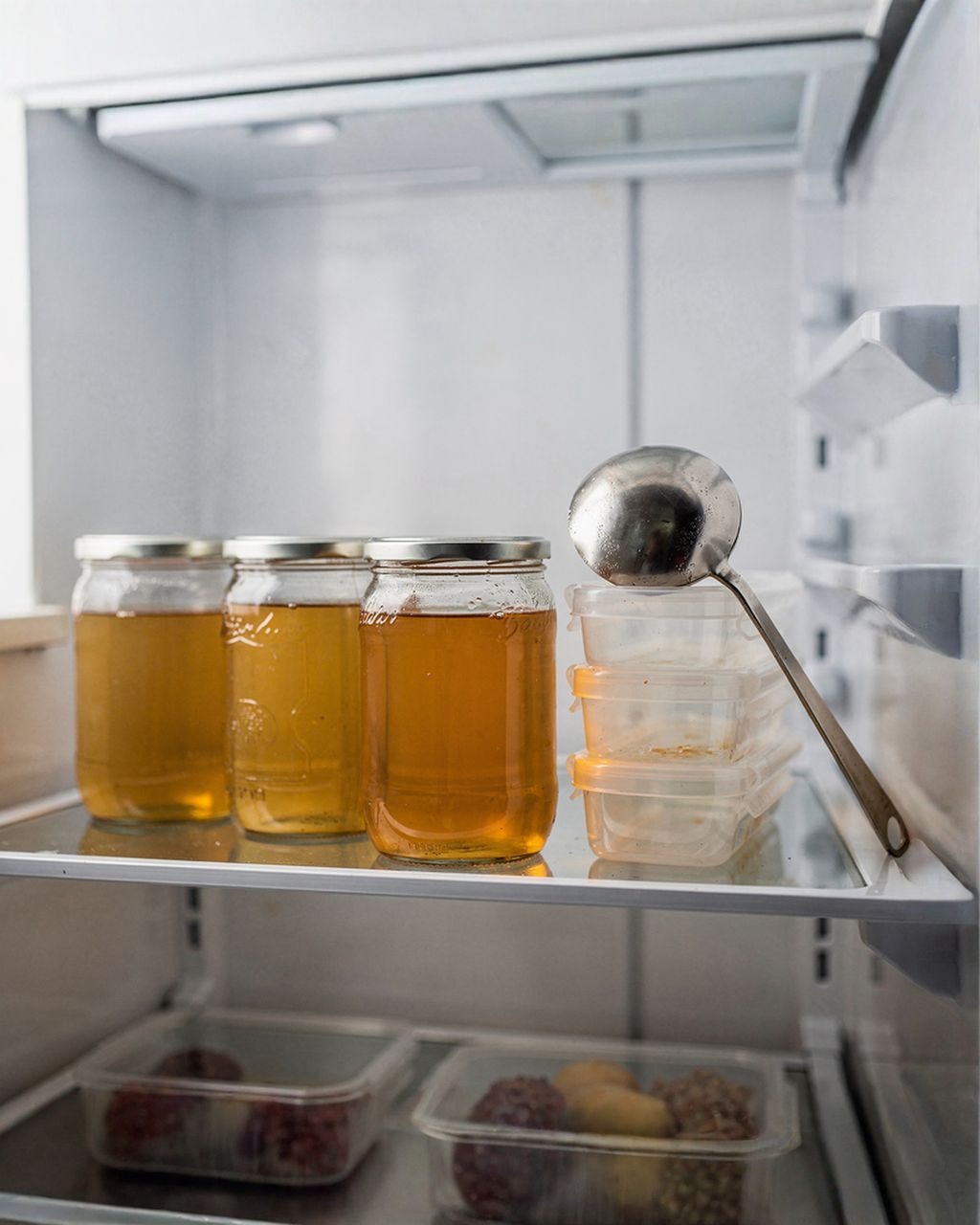
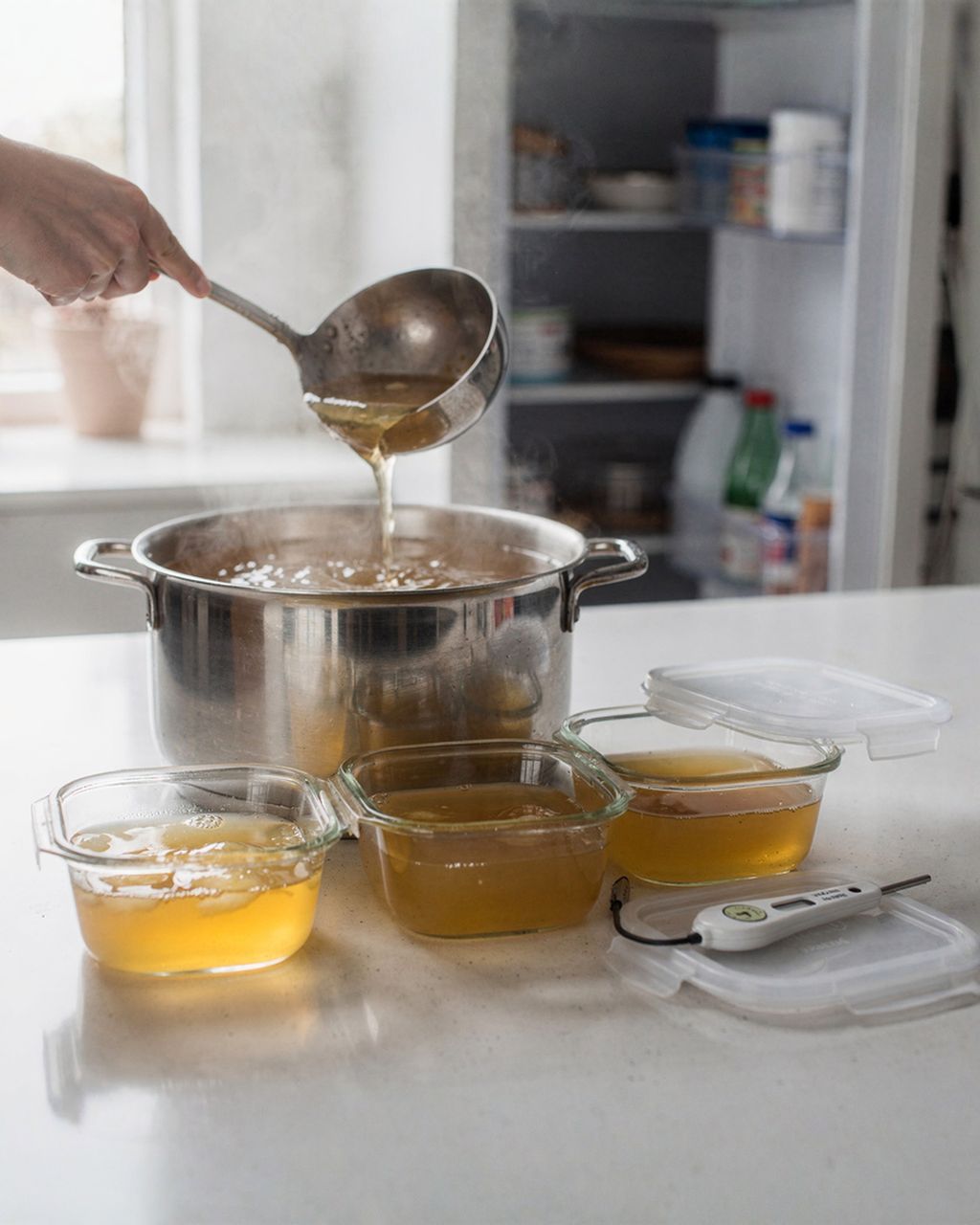
Both 3–4 days, as long as they go into the fridge within 2 hours of cooking. Cool a big pot quickly, for example in cold water in the sink or split into smaller containers.
How to thicken goulash, make a lump-free roux and season ground meat. Stocks, soups, sauces and Czech classics, plus Sunday lunch ideas and what to put on the table when guests come over.
Quick answer
Both 3–4 days, as long as they go into the fridge within 2 hours of cooking. Cool a big pot quickly, for example in cold water in the sink or split into smaller containers.
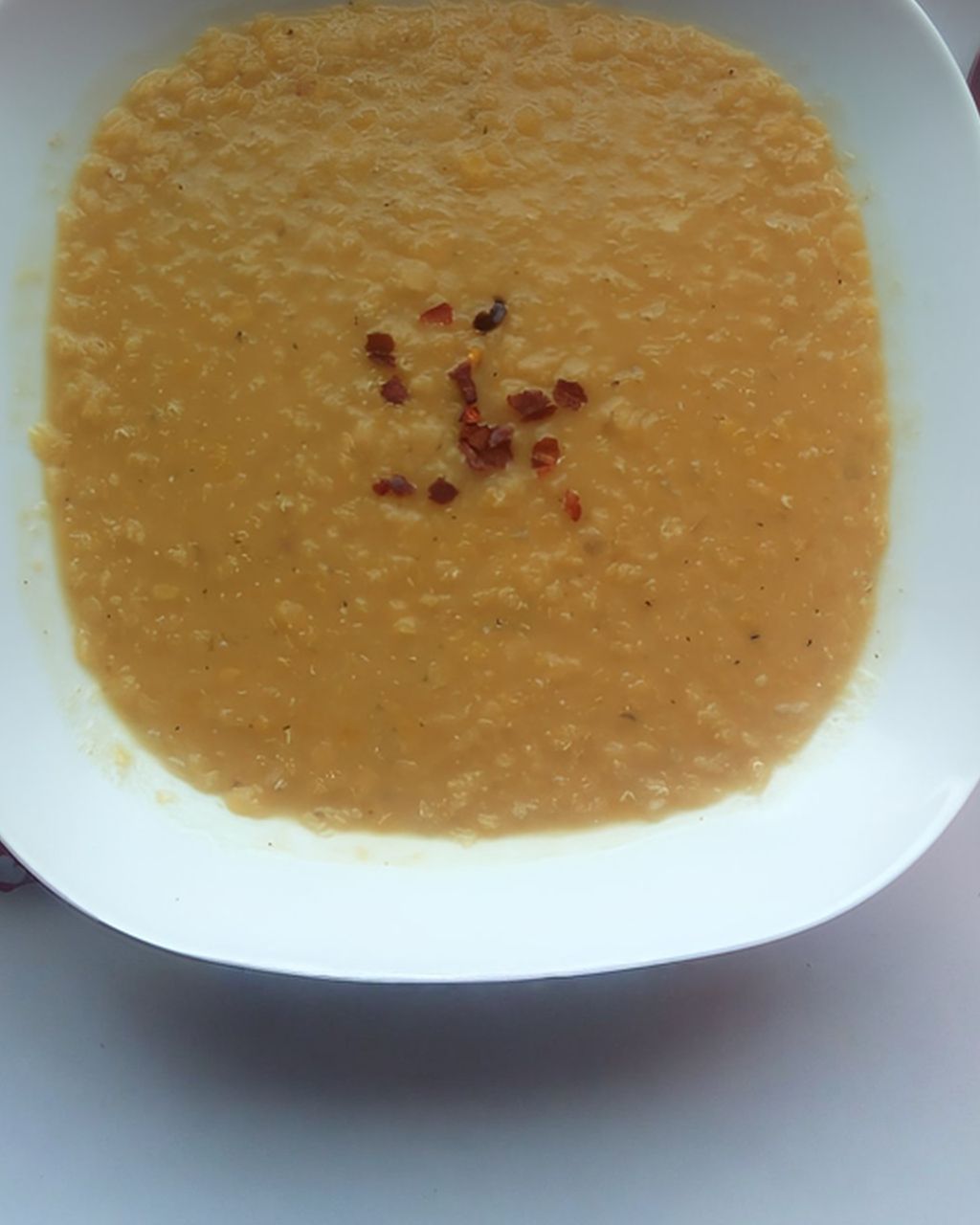
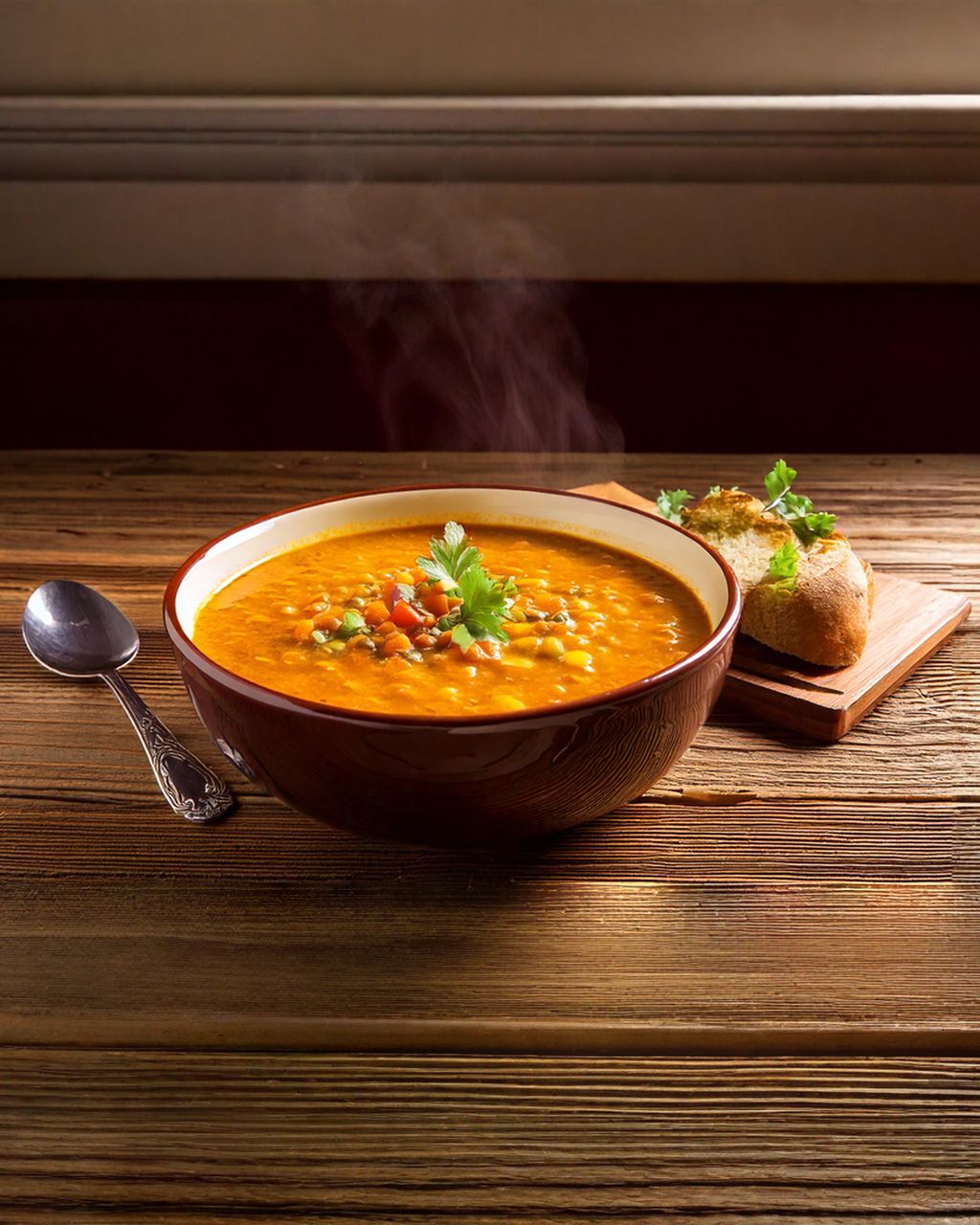
Red lentil soup with coconut milk and chilli
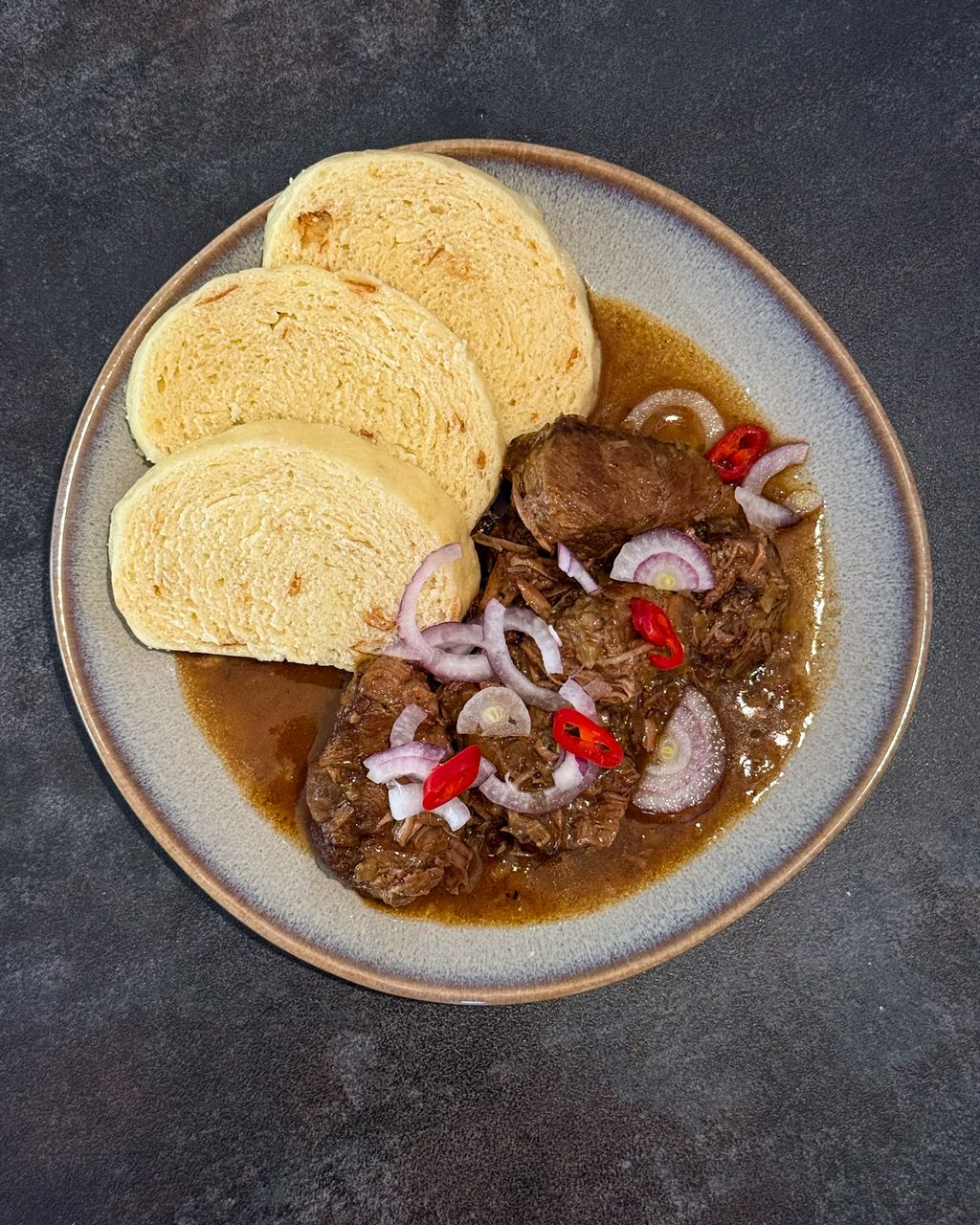
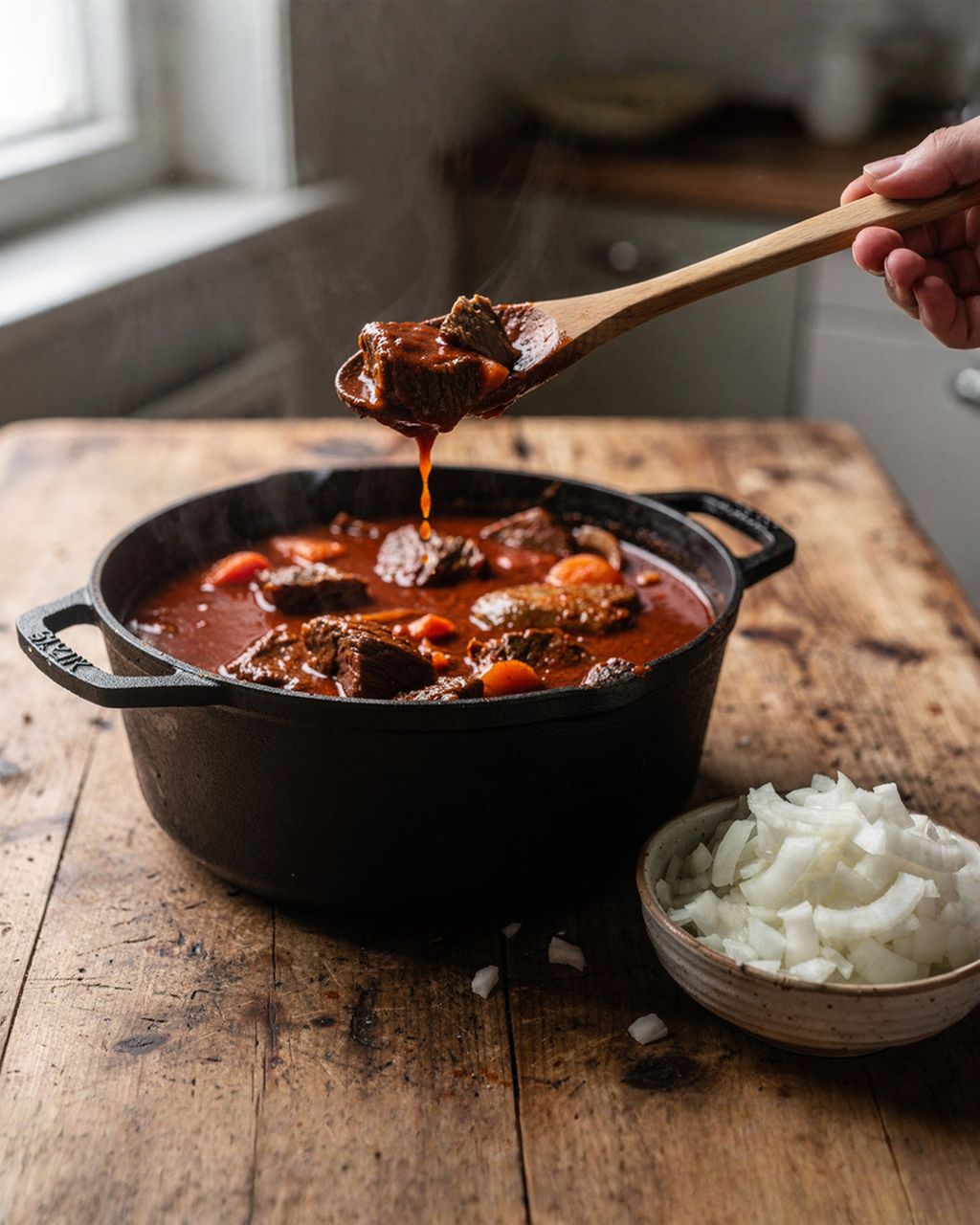
Classic czech beef goulash with chilli and bread dumplings
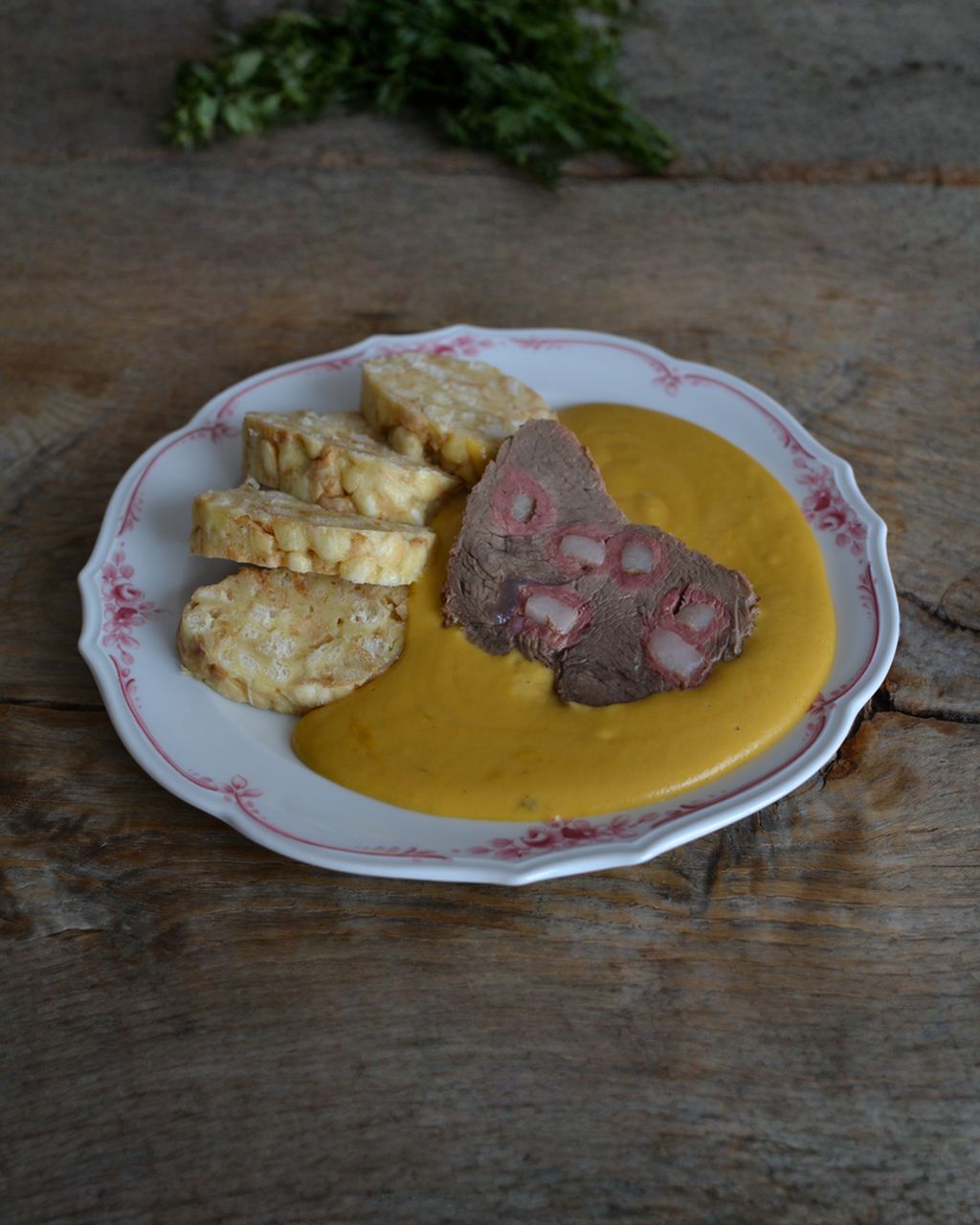
Beef sirloin in cream sauce (svíčková)
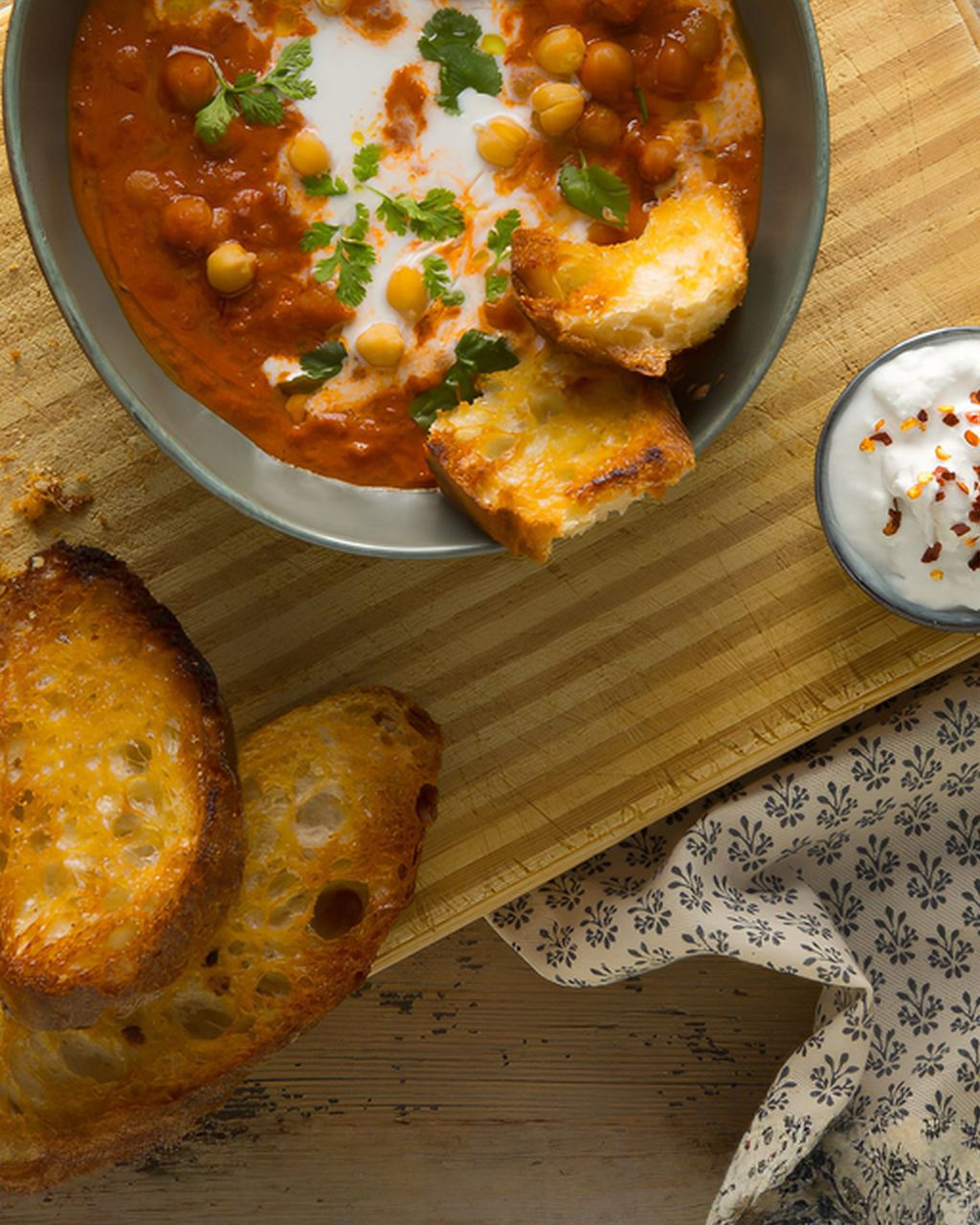
Chickpea curry with coconut cream and fresh apple juice
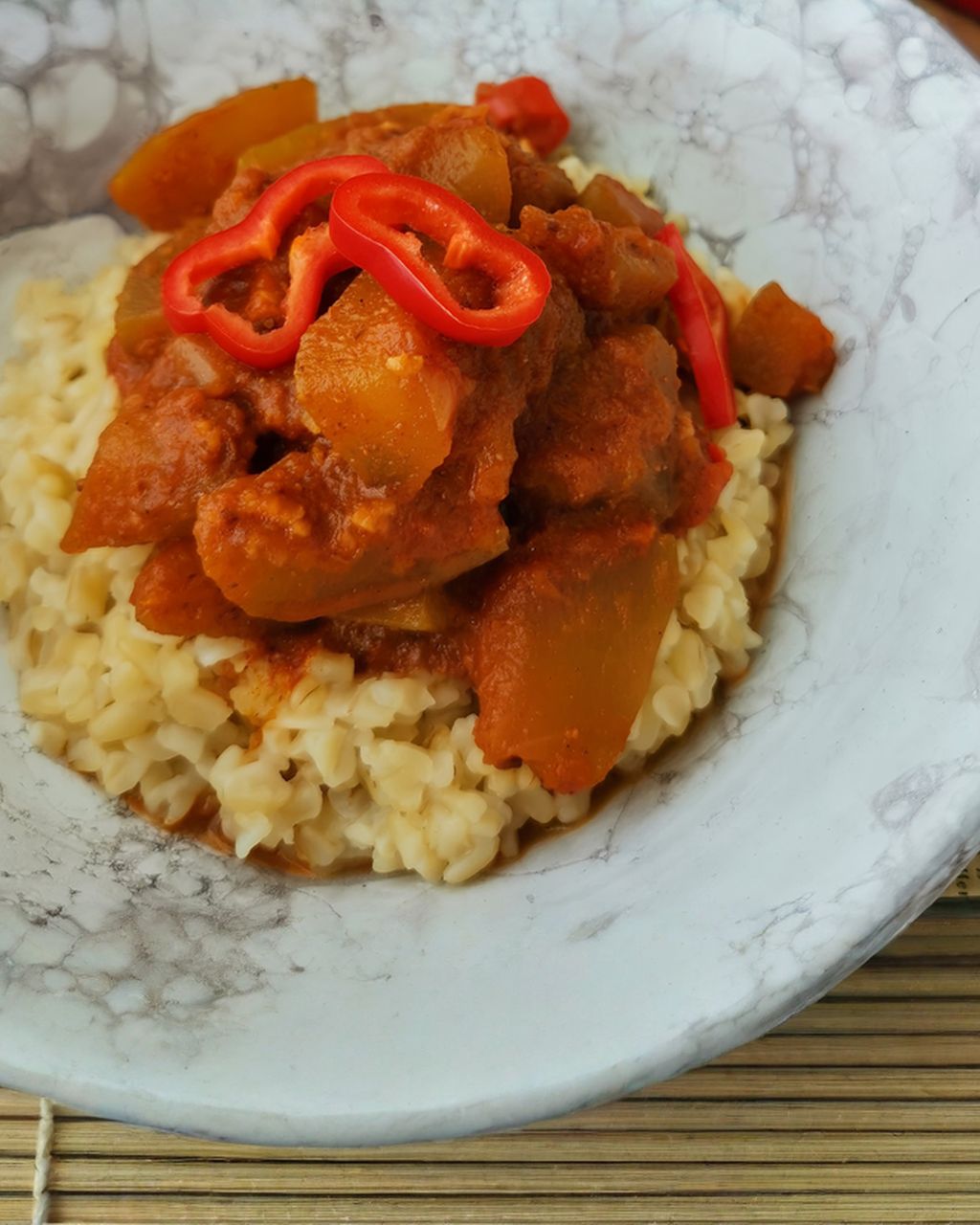
Zucchini goulash
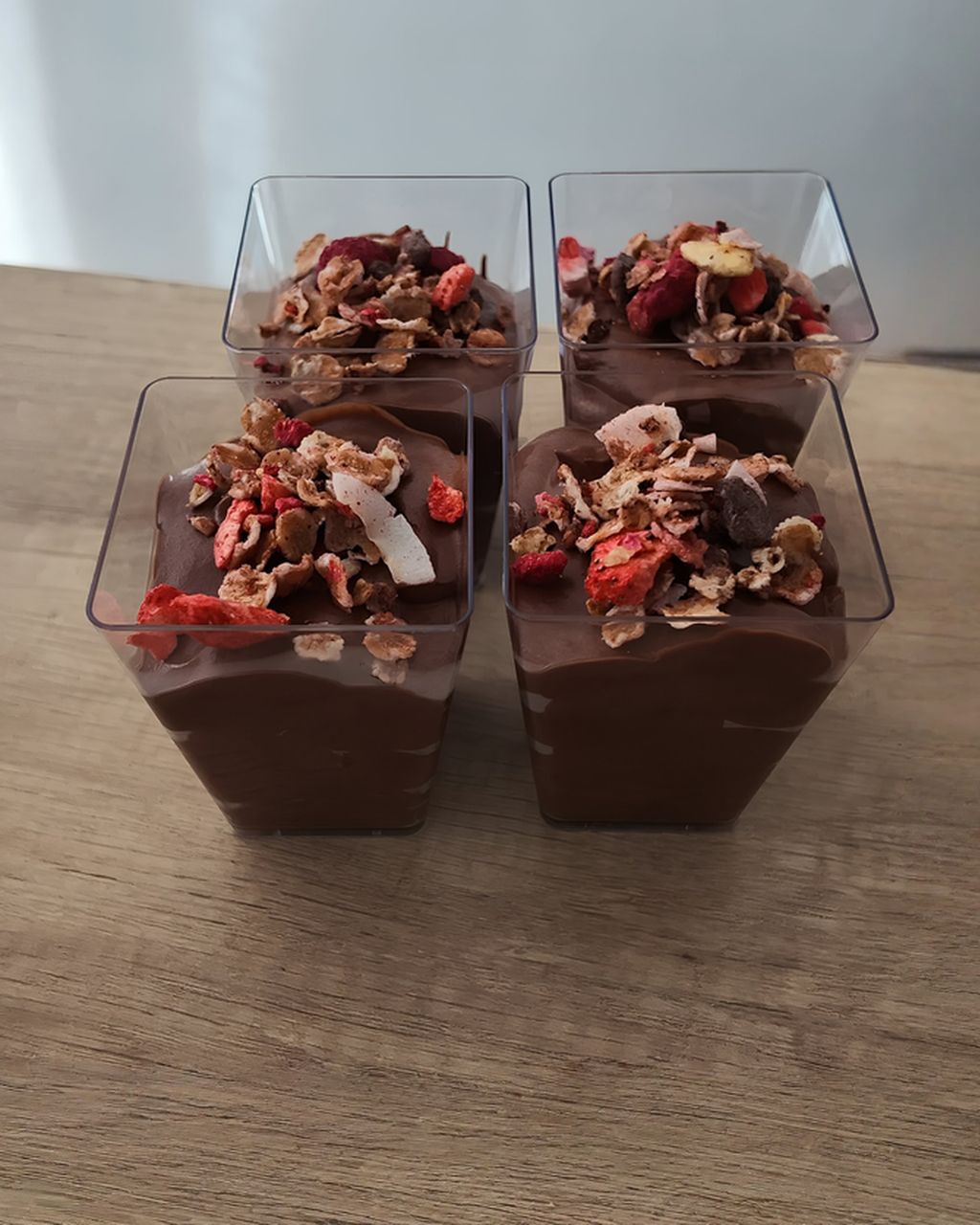
Chocolate mousse
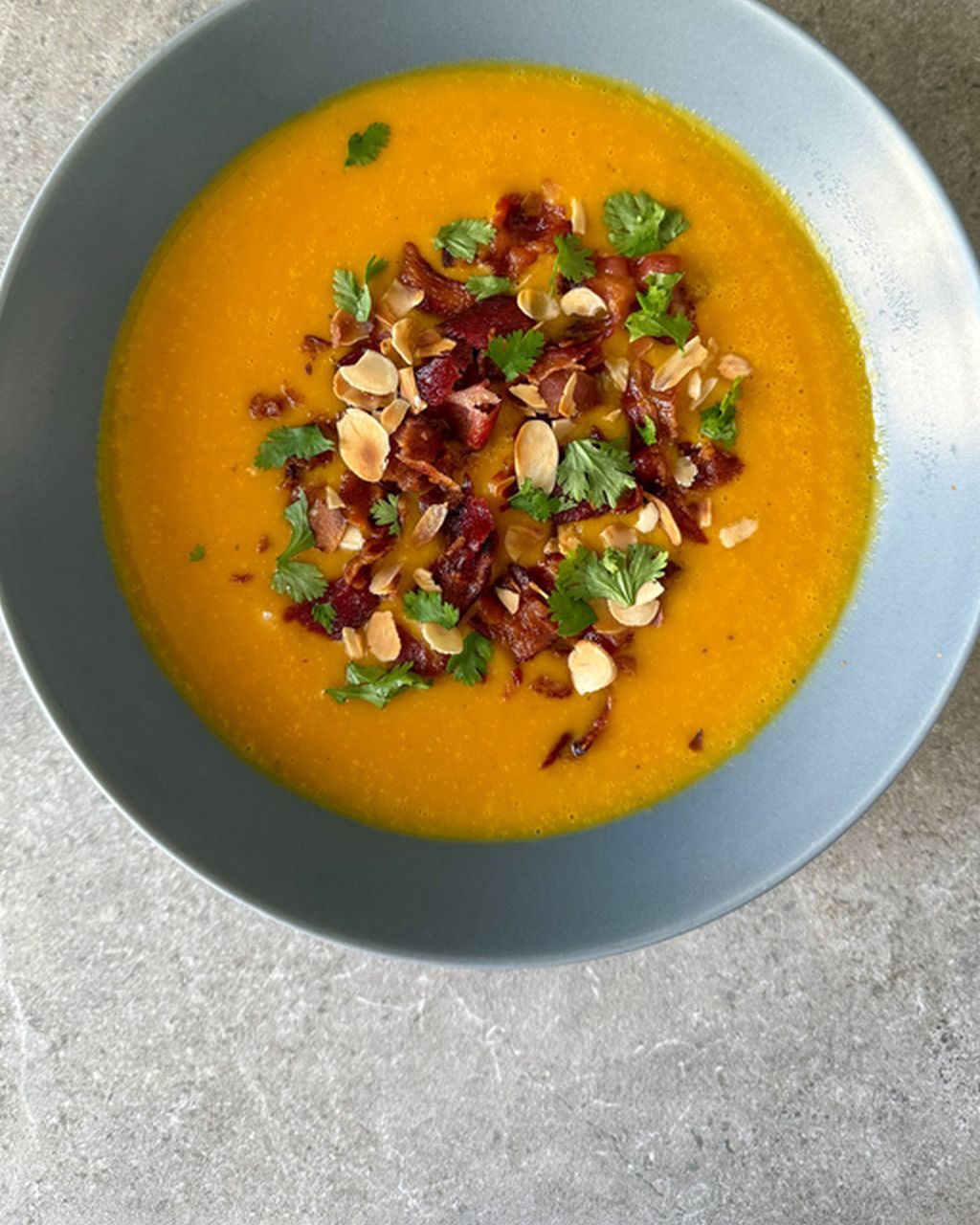
Pumpkin soup with crispy bacon
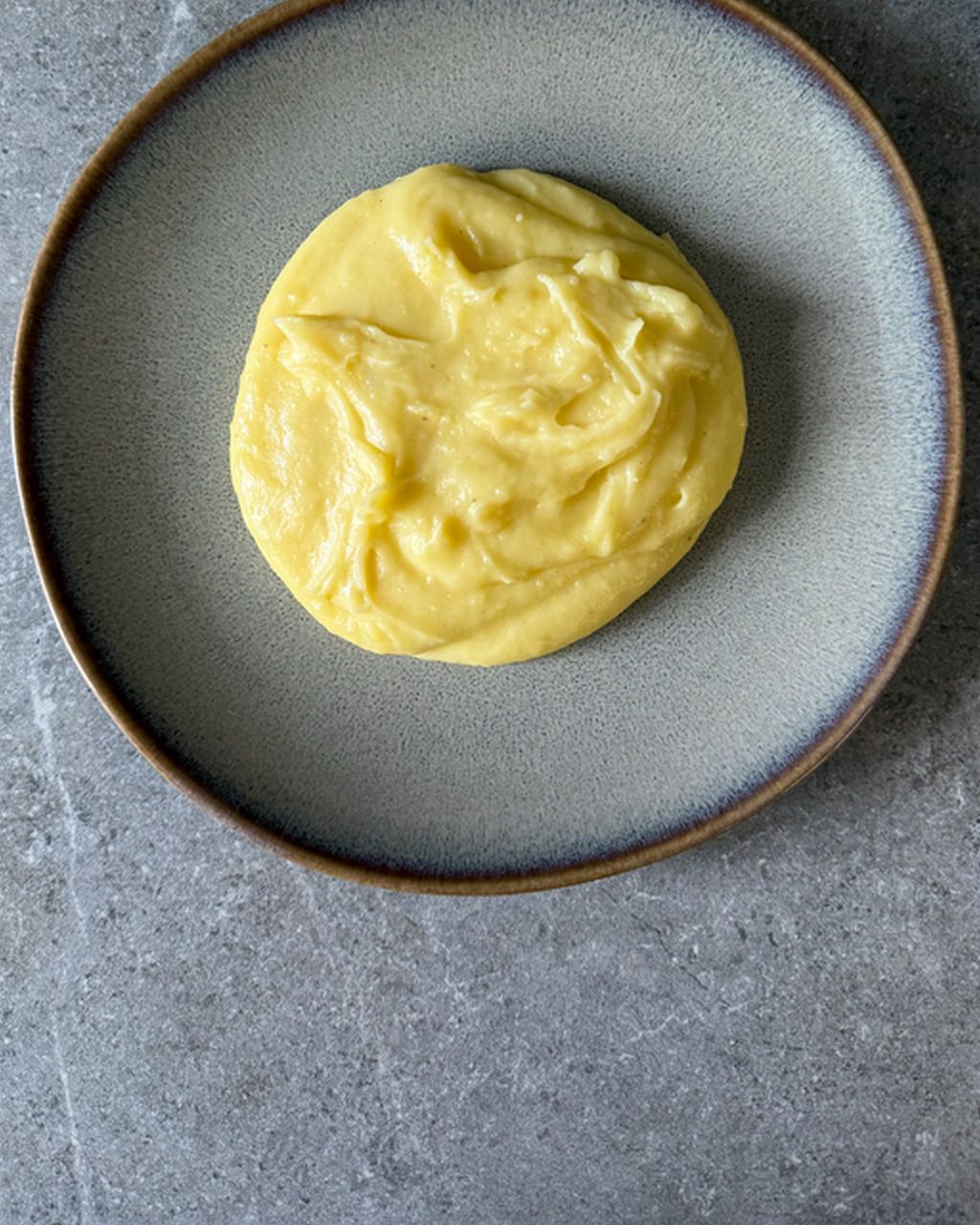
Silky smooth creamy mashed potatoes with nutmeg
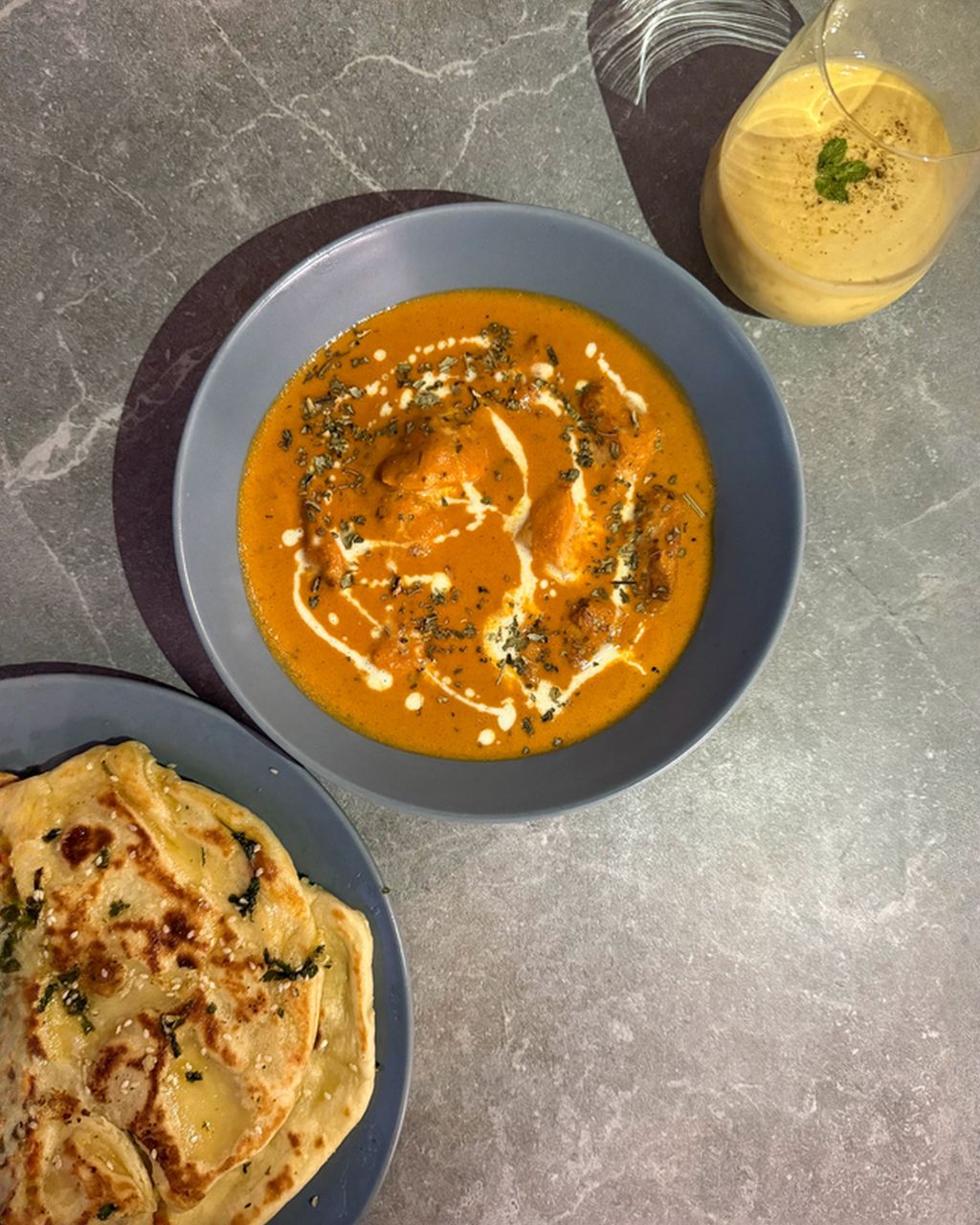
Restaurant-style butter chicken (murgh makhani)
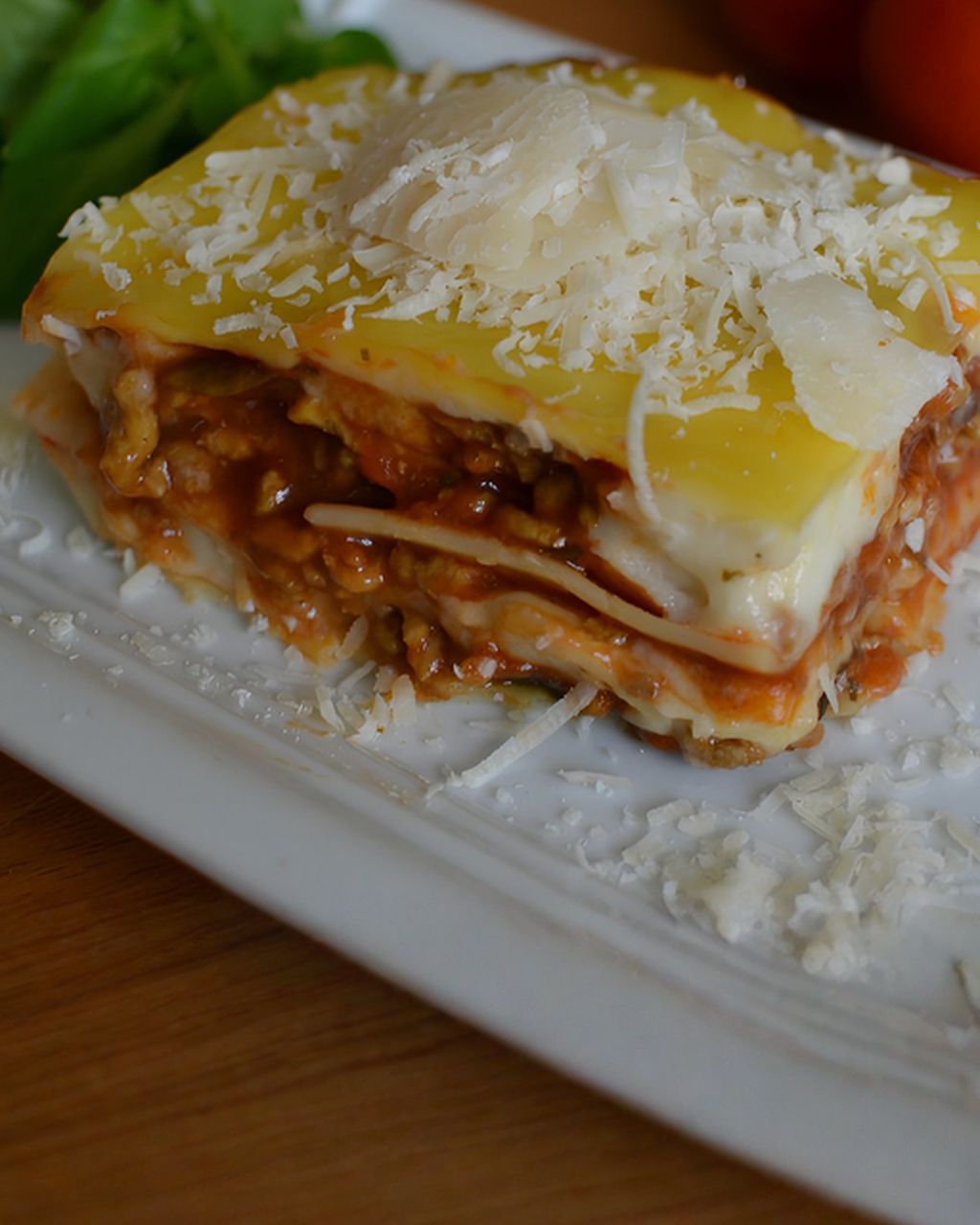
Dolmio mushroom lasagne
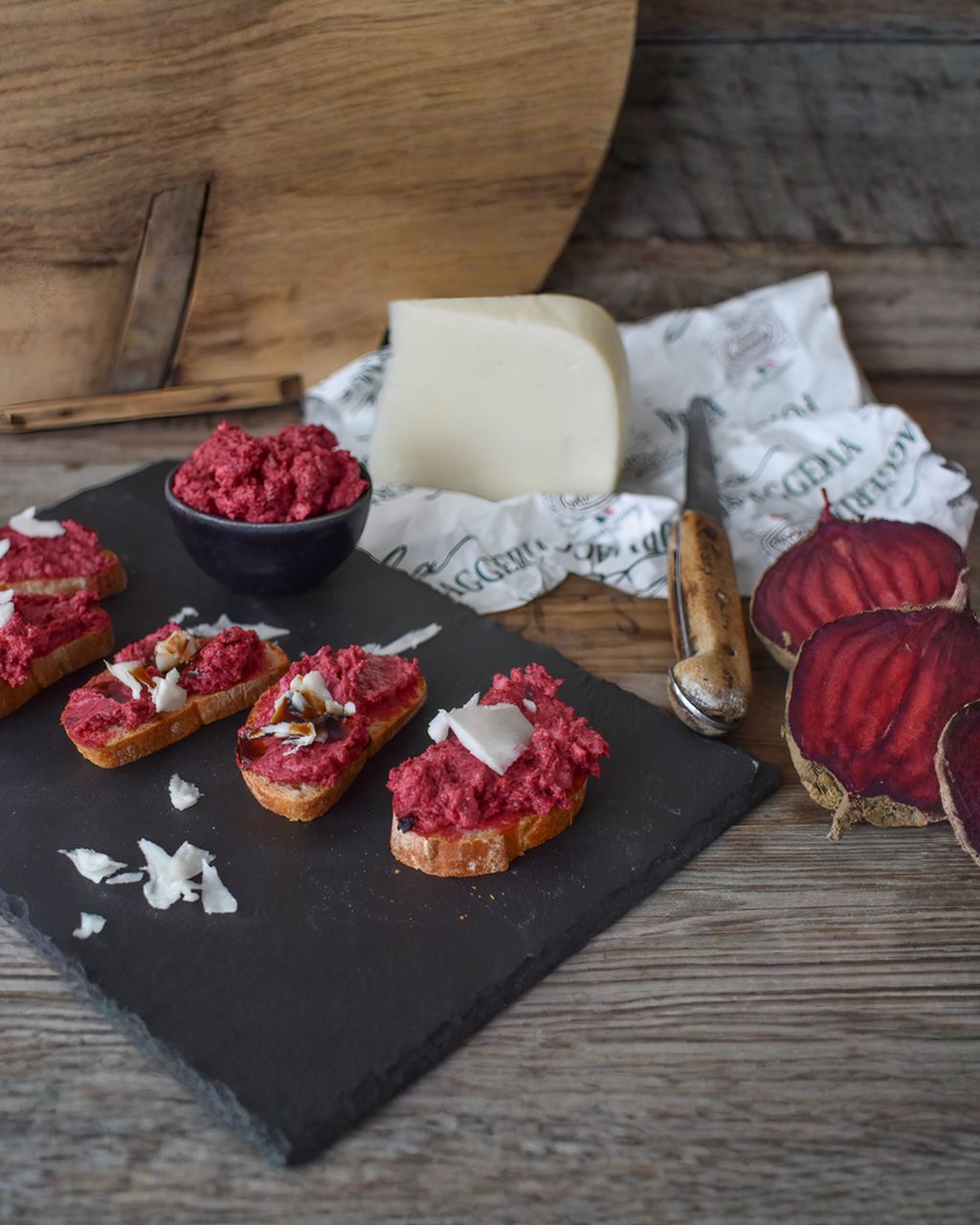
Roasted beetroot spread with ricotta and goat cheese
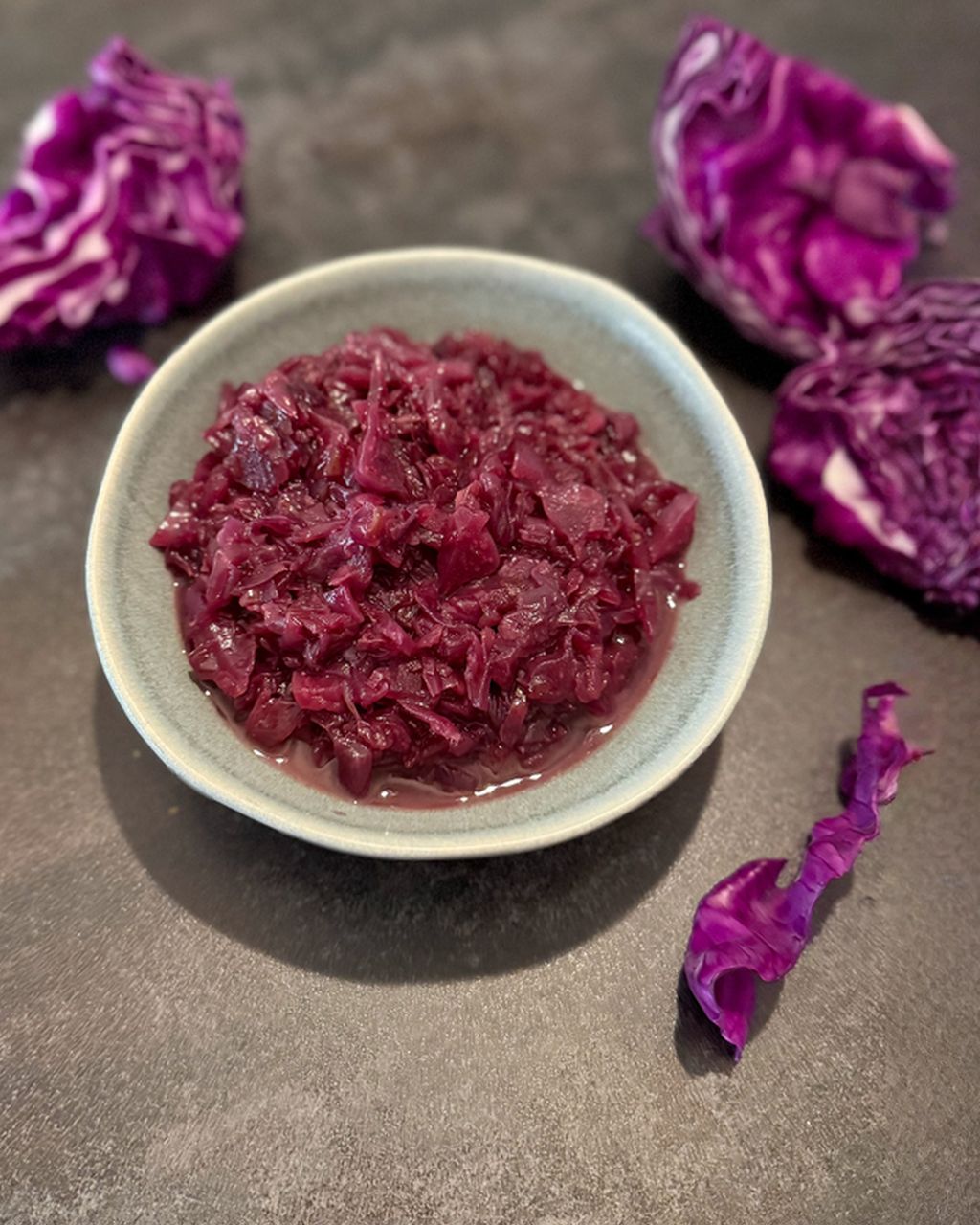
Sweet and sour braised red cabbage
Sauce slides off pasta when the pasta's surface starch is gone, the sauce is too thin or too oily, or the pasta and sauce only meet in the bowl. The fix is to save some starchy pasta water, drain the pasta a minute early and finish it in the pan with the sauce. Don't rinse it, and don't add oil to the cooking water.
Stew is usually watery because it started with too much liquid, cooked with the lid on so nothing evaporated, or vegetables and frozen meat released more water than expected. Slow cookers make it worse because they barely evaporate anything. Simmer it uncovered to reduce it, or thicken it with flour, cornstarch or mashed potato.
Stew usually turns bitter because something burned: the browned bits on the pan bottom went black, or the paprika, garlic or tomato paste scorched before the liquid went in. Tannic red wine that didn't cook down, too many bay leaves or herbs, and a scorched pot bottom are the other common causes. Salt, a little sweetness and fat can balance mild bitterness, but burnt flavor can only be diluted.
Soup turns greasy when fat from meat, bones, skin, sausage or butter melts out and floats on top, and a hard boil can churn it through the broth. Skim it with a ladle, blot it with paper towel, or chill the soup so the fat sets into a layer you can lift off. Trimming and browning the meat first prevents most of it.
Foam on soup and stock is mostly proteins from meat and bones that set as the liquid heats and trap air, along with some fat. With beans, it comes from saponins and starch. It is harmless, but skimming it off makes a clearer, cleaner-tasting broth.
Soup usually turns bitter because something burned at the start (garlic, onions, paprika or tomato paste), a bitter vegetable or herb cooked too long, or citrus peel and pith went into the pot. You can soften bitterness with salt, a little sweetness, fat or acid, but you can't remove burnt flavor. Find the cause first, then balance it.
A sauce is usually watery because it hasn't been reduced enough, the ingredients released more liquid than expected, or the thickener wasn't cooked long or hot enough to work. You can fix it by simmering it uncovered in a wide pan, or by adding a thickener such as a cornstarch slurry, a roux or tomato paste. Which one is right depends on the sauce.
A sauce separates when the fat and the water in it stop holding together, usually because it got too hot, the fat went in too fast, or there wasn't enough liquid to hold it. Cream and cheese sauces can also curdle when they boil or meet acid. Most split sauces can be rescued if you catch them early.
Soup or stock turns to jelly in the fridge because long simmering dissolved collagen from the bones, skin and joints into gelatin, which sets when it is cold. It is normal and a sign of a rich stock, not spoilage. Reheated, it turns back into liquid.
Stew dumplings fall apart when the dough is too wet, the stew is boiling instead of simmering, or they get stirred while they cook. A firmer dough, a gentle simmer and a closed lid keep them whole. Here is what went wrong and how to save the pot.
Stew dumplings come out dense or hard when the baking powder has failed, the dough has been overmixed, or they cooked without enough steam under the lid. Fresh leavening, a soft dough and a covered, gently simmering stew fix most of it. Here is how to tell which went wrong.
Dumpling wrappers tear when they dry out, are overfilled, or a wet filling soaks through them. Keeping wrappers covered, using less filling and squeezing water out of the vegetables fix most tears. Here is how to handle store-bought and homemade wrappers.
Gravy stays thin when there is too little thickener for the amount of liquid, or when the starch has not been heated enough to swell, or has been cooked or stirred so long that it breaks down again. For a medium gravy, use about 2 tablespoons of flour or 1 tablespoon of cornstarch per US cup (236.6 ml) of liquid. Flour needs a few minutes of simmering; cornstarch only thickens fully once the gravy comes to a simmer or gentle boil, about 95°C (203°F), and then needs gentle handling.
Gravy turns greasy or separates when it holds more fat than the flour can bind, so the extra fat floats to the top as an oily layer. Keep the roux to roughly equal parts fat and flour, about 2 tablespoons of each per US cup of liquid, and skim the rest of the drippings fat off before you start. A separated gravy can usually be saved by skimming, whisking in a little hot stock and a spoonful of starch slurry.
A cornstarch slurry usually fails to thicken because the sauce never came to a boil, since cornstarch only thickens fully once the sauce comes to a simmer or gentle boil, about 95°C (203°F). If it thickened and then went thin again, it was boiled too long or whisked too hard, it is very acidic, or, in custards and pastry cream, enzymes in the egg yolks broke the starch down. Freezing can also make it weep. Here is how to tell which, and how to fix it.
Use a roux when you are building a sauce from the start and want an opaque, rich, stable result, a cornstarch slurry when you need to thicken at the end and want a glossy, clear sauce, and beurre manié when a finished sauce or stew is a little thin and you want to fix it with flour and butter. For a medium sauce, about 2 tablespoons each of butter and flour, or 1 tablespoon of cornstarch, thickens 1 US cup (236.6 ml) of liquid. Below are the ratios, how each behaves in the freezer, and what to use if you cook gluten-free.
Yes, gravy can be made ahead: the FDA's storage chart gives gravy 1 to 2 days in the fridge and 2 to 3 months in the freezer. Cool it quickly and refrigerate it within 2 hours, then reheat it to a rolling boil, as USDA advises for gravies. Gravy thickened with waxy rice or corn flour, or plain stock you thicken on the day, freezes best; whisk in a splash of stock to loosen it and cover the surface to stop a skin forming.
A roux should be as dark as the dish needs: white for béchamel and cream sauces, blond for gravies and light soups, brown for richer gravies and brown sauces, and dark chocolate-brown for gumbo. The darker it gets, the more nutty, toasty flavor it has and the less it thickens, so a dark roux needs more of it. Black specks or a sharp, burnt smell mean it has gone too far and needs to be started again.
You can make a good gravy without drippings by cooking butter and flour into a roux and whisking in a well-flavored stock, at about 2 tablespoons each of butter and flour per US cup (236.6 ml) of stock. What drippings normally add is browned, savory depth, so the trick is to put that back with browned onion, mushrooms, tomato paste, soy sauce or a dash of Worcestershire. It also works with oil instead of butter, and with cornstarch instead of flour.
Kulajda is a creamy, tangy Czech soup of potatoes, mushrooms and dill, soured with a splash of vinegar and served with an egg. It most likely comes from South Bohemia, and its vinegar tang sets it apart from most Czech soups. Here is what it tastes like, where it comes from and how it differs from the other soups on a Czech menu.
Slice Czech bread dumplings while they are still hot, with a loop of plain cotton thread or a thin knife, and reheat the slices with steam: in a steamer basket, or in the microwave under a damp towel. Leftover slices also make one of the best Czech lunches, fried in butter with beaten egg. Here is how to do each, and what to avoid so the dumplings do not turn gummy or dry.
The four Czech sauces you will meet most often are koprová (creamy dill sauce), rajská (sweet tomato sauce), svíčková (a root-vegetable cream sauce) and houbová (mushroom sauce), and almost all of them come with sliced bread dumplings. Each is thick, generous and meant to be mopped up. Here is what each one tastes like, what goes with it, and why Czechs call a whole category of lunches simply sauce with dumplings.
One-pot meals are goulashes, dhals, curries, ragùs and bean or lentil stews in which the meat or vegetables, spices and sauce all cook in a single pot. The flavor builds layer by layer, gentle heat does most of the work for you, and there's hardly any washing up. They're ideal for winter evenings: one batch gives you two dinners, and goulash or ragù often tastes even better the next day. Below you'll find a basic method that works for all of them, nine tried-and-tested recipes from Yumsto, quick, vegetable and meat-free ideas, and how to cool and reheat a big pot safely.
The French dishes you can make at home without culinary school are mainly beef bourguignon, French onion soup, croque monsieur, salmon en papillote and crêpes Suzette, plus tarte au citron, madeleines and pain au lait, soft milk rolls. None of them needs expensive ingredients. They rely on butter, onions, wine, good cheese and patience: the meat braises slowly, the onions caramelize for a long time and the dough rests in the fridge. Below you'll find twelve classics, each with a short description, the timing and the trick the whole dish depends on. Full recipes are always one link away.