Why Is My Stew Watery? How to Thicken a Thin, Runny Stew
Why Is My Sauce Watery? How to Reduce or Thicken It Properly
Updated Nov 21, 2026
A sauce is usually watery because it hasn't been reduced enough, the ingredients released more liquid than expected, or the thickener wasn't cooked long or hot enough to work. You can fix it by simmering it uncovered in a wide pan, or by adding a thickener such as a cornstarch slurry, a roux or tomato paste. Which one is right depends on the sauce.
There are two ways to make a thin sauce thicker, and they give different results:
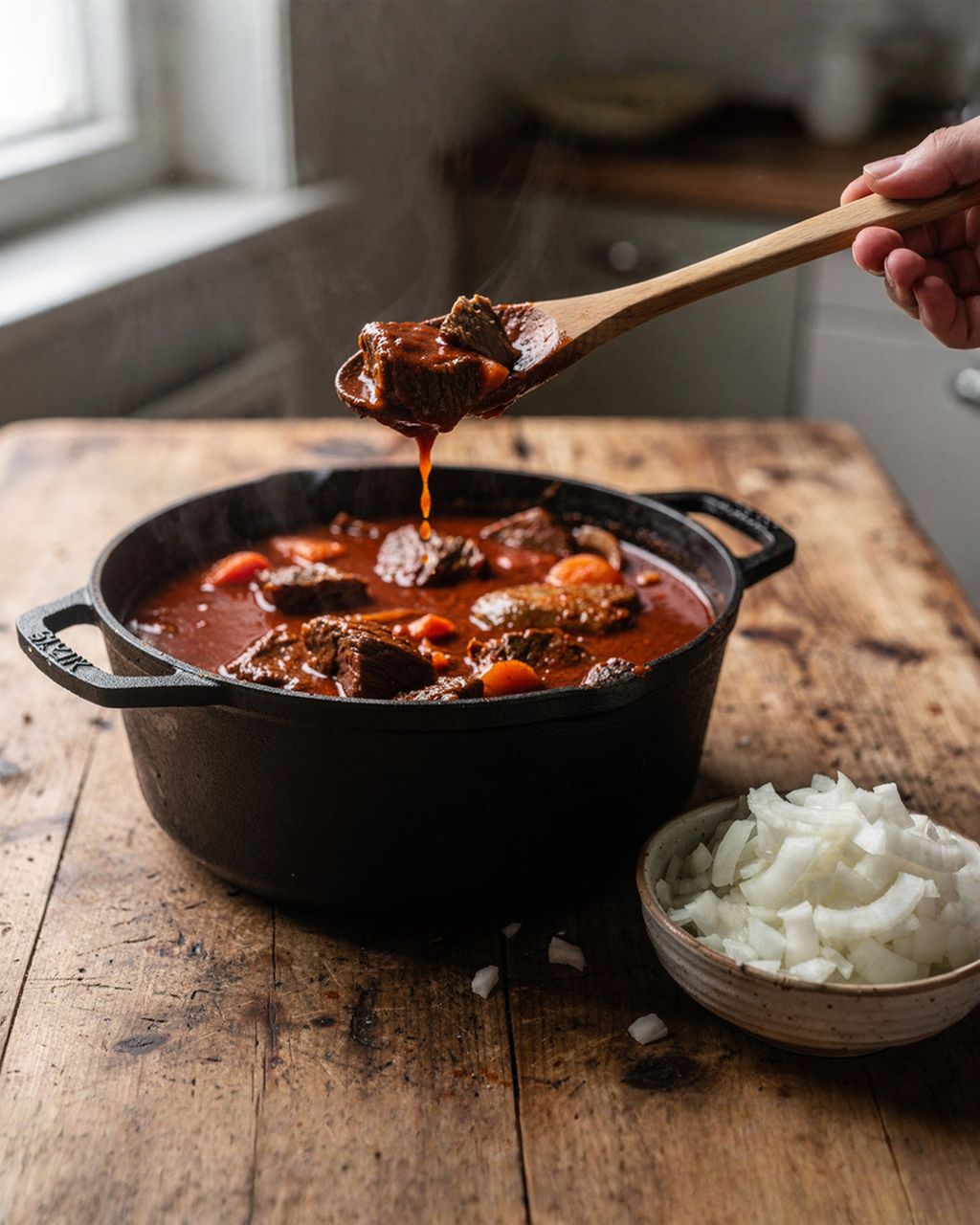
Reduction boils off water. The sauce gets thicker and stronger in flavor and saltier, because everything else stays in the pan. It is the right fix for tomato sauce, wine sauces, pan sauces and anything thickened by gelatin from stock.
A thickener (flour, cornstarch, potato starch, egg yolk, puréed vegetables) binds the water you already have. The flavor stays the same. It is the right fix when the sauce already tastes right, or is salty enough that reducing it would make it too salty.
So taste first. If the sauce tastes weak and thin, reduce it. If it tastes right but is thin, thicken it.
Recipe of the week, one tip that saves you time and one deal from the shop. Unsubscribe in one click.
The next issue goes out on Thursday, November 26.
Reduction is just evaporation, and evaporation needs surface area and heat.
The lid is on. Steam condenses on the lid and drips back in. Take it off.
The pan is too deep. A wide skillet or sauté pan reduces much faster than a tall pot with the same amount of liquid. Pour the sauce into the widest pan you have.
The heat is too low. A sauce that is barely steaming loses water slowly. Bring it to a steady simmer, with bubbles breaking across the surface.
There is a lot of it. A big batch simply takes longer. If you are short of time, reduce part of the liquid separately in a wide pan and pour it back.
Stir and scrape the bottom as it thickens. A reducing sauce gets more likely to catch and burn, and a scorched bottom can make the whole pot bitter. If that happens, see how to save a scorched sauce.
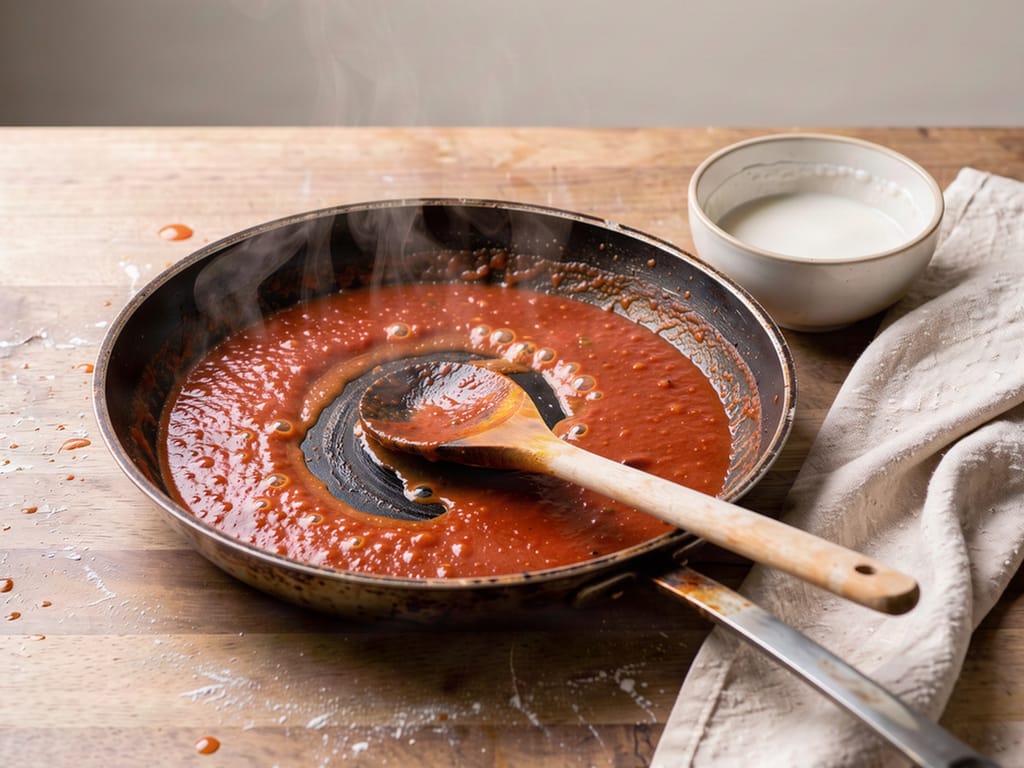
How do you know it is done? Draw a spoon or spatula through the sauce in the pan. When the trail stays open for a moment before it fills in, it is thick enough for most sauces.
Sometimes the sauce was the right thickness and then got thinner. Usually an ingredient let go of its water.
Tomatoes. Fresh tomatoes and whole canned tomatoes carry a lot of juice. Cook them down longer, or add a spoonful of tomato paste, fried briefly in the fat first, to add body.
Mushrooms, zucchini, onions and spinach release water as they cook. Brown mushrooms and zucchini separately, until their liquid has evaporated, before they go into the sauce.
Frozen vegetables or meat add their ice to the pan. Thaw meat in the fridge, in cold water or in the microwave (never on the counter, as USDA FSIS advises). Meat thawed in cold water or the microwave should be cooked straight away. Drain it well and pat it dry before it goes in.
Cooked pasta, rice or vegetables that weren't drained well dilute the sauce at the last minute.
Raw meat that wasn't browned releases juice into the sauce rather than browning.
A starch only thickens once it is cooked enough.
Cornstarch only thickens fully once the liquid comes to a simmer or gentle boil, about 95 °C (203 °F). A sauce that is merely steaming stays thin and tastes chalky. Let it bubble gently for a minute, stirring, until it turns glossy.
Flour needs longer. A flour-thickened sauce should simmer for several minutes, so it loses its raw taste and reaches full thickness. A roux (flour cooked in fat first) also stops lumps.
Too little starch for the amount of liquid. Add more in small amounts, always mixed with cold liquid first, then bring the sauce back to a simmer.
Stirring hard after it has thickened, long boiling, or a lot of acid can break a cornstarch sauce down again. Add lemon juice or vinegar at the end.
Our guides to a cornstarch slurry that won't thicken and roux vs cornstarch slurry vs beurre manié give amounts per cup and per liter.
Pick a thickener that suits the sauce:
Cornstarch or potato starch slurry: clear and glossy, good for stir-fry sauces, fruit sauces and gravies. Mix with cold water first.
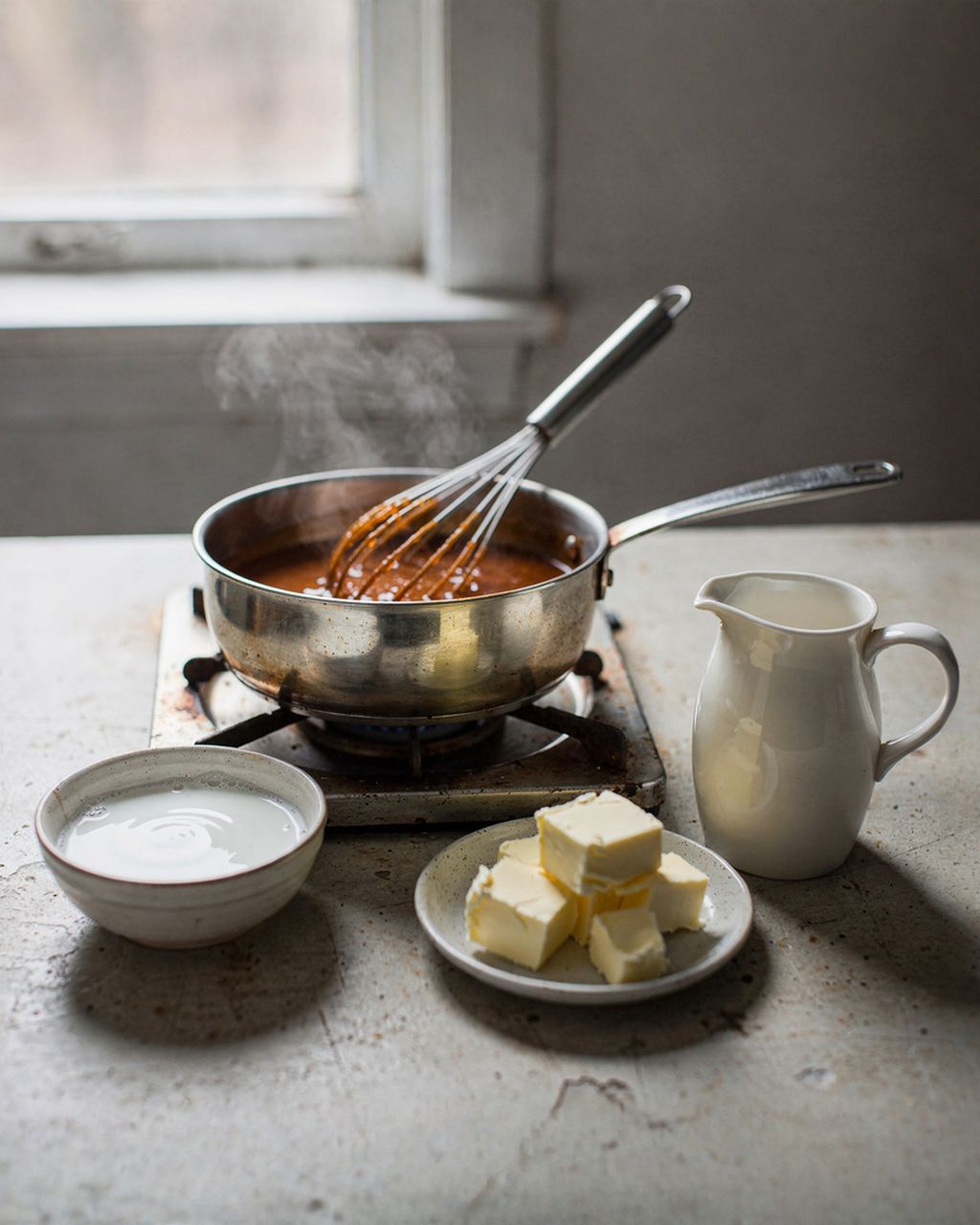
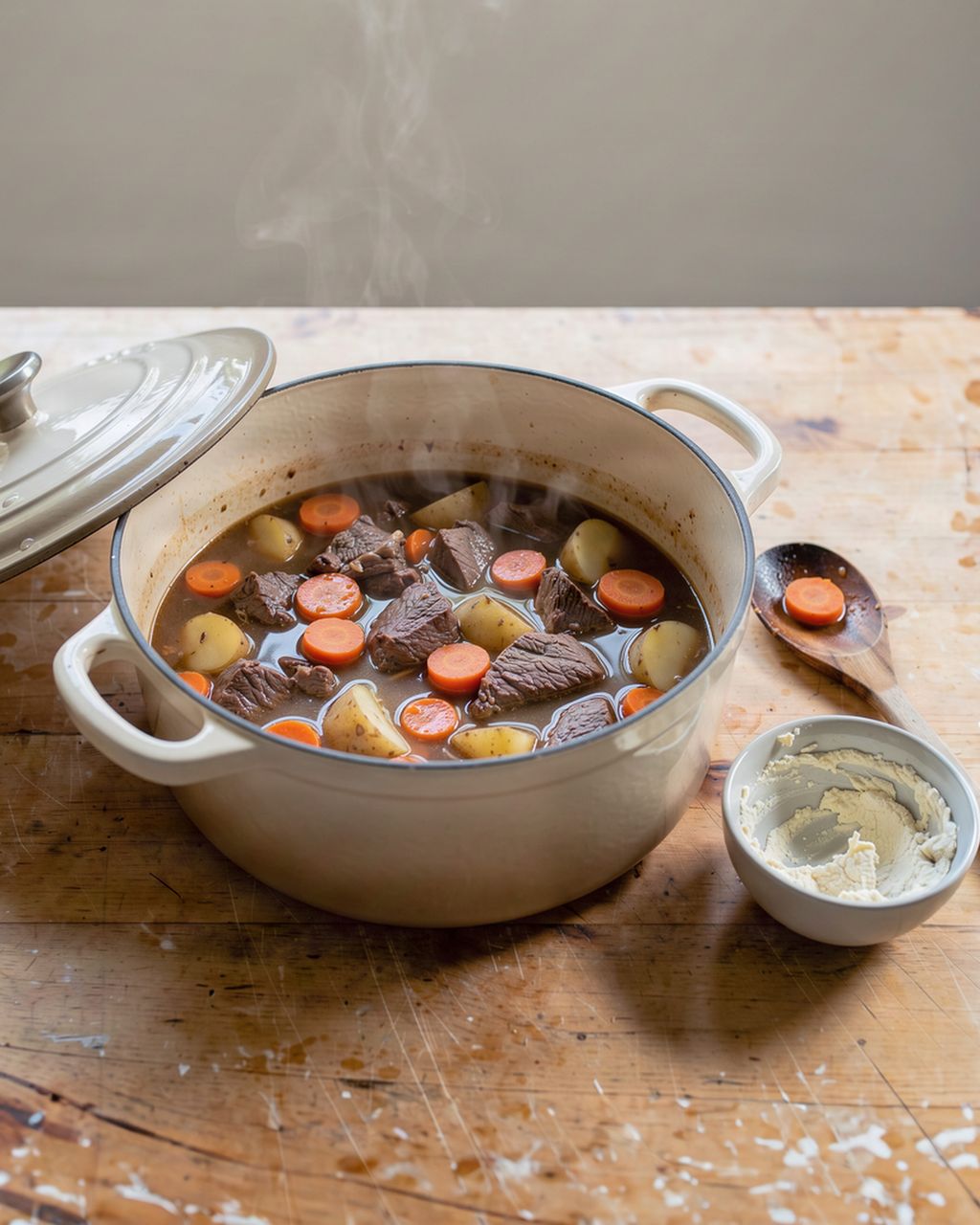
Beurre manié (equal parts soft butter and flour, kneaded together): whisk in small pieces into a simmering stew or pan sauce. Good for a last-minute fix.
Roux: the classic base for béchamel and many Czech sauces such as rajská omáčka (sweet-sour tomato sauce).
Puréed vegetables or beans: blend some of the cooked vegetables from the sauce and stir them back in. No starch needed.
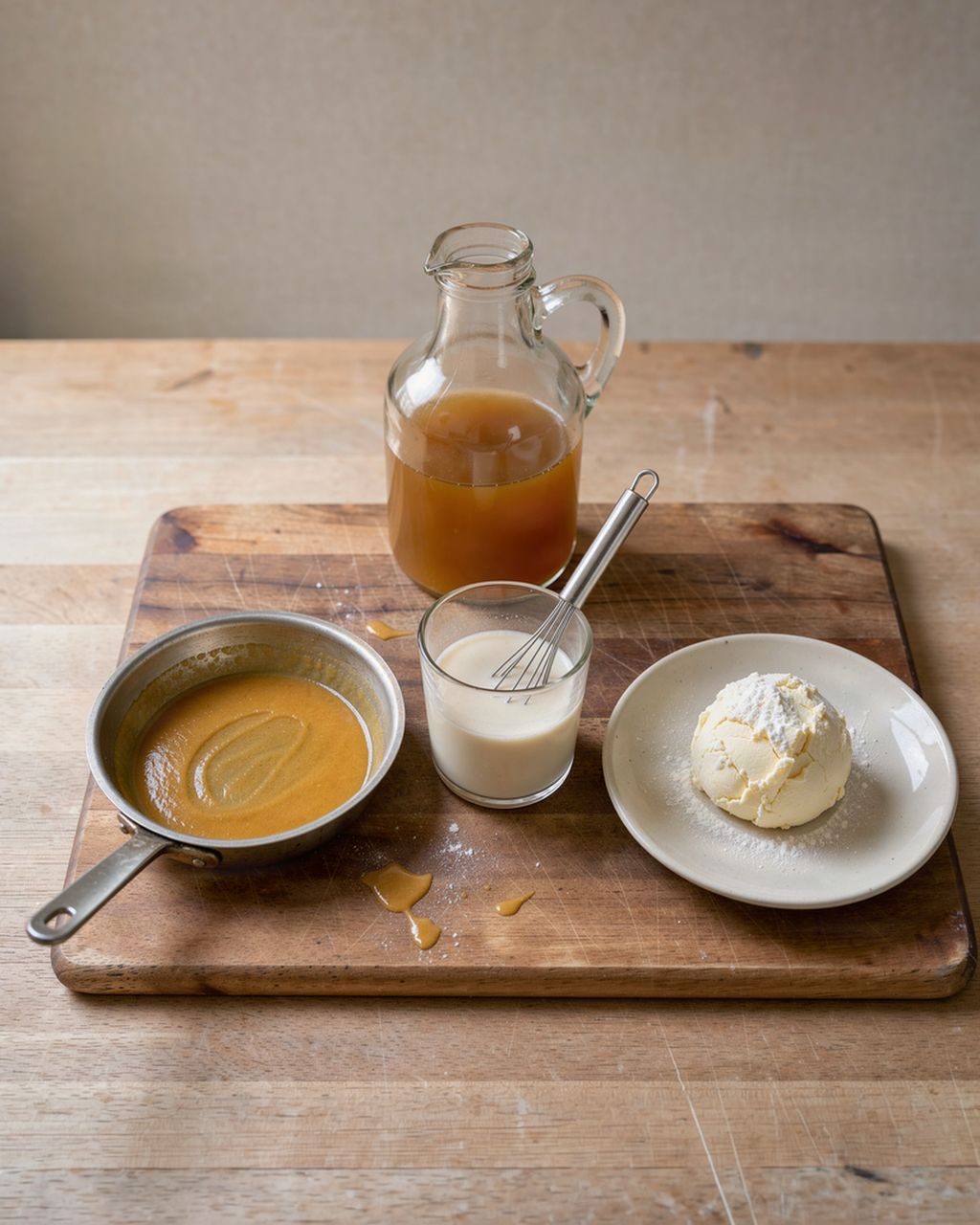
Egg yolk or cream: enriches and thickens cream sauces. Whisk a little of the hot sauce into the yolk first, then stir it back into the pan and heat gently, stirring, until the sauce coats a spoon and an instant-read thermometer shows 71 °C (160 °F), the temperature FDA advises for dishes containing eggs. Don't let it boil, or the yolk will scramble. Higher-fat cream can simmer; lower-fat dairy can curdle.
For more options, see how to thicken sauce without flour.
Pasta sauce has a few extra traps:
Undrained pasta brings water into the sauce. Drain it well, but keep a cup of the cooking water.
Sauce served on top of plain pasta sits in a thin pool. Finish the pasta in the pan with the sauce for a minute or two, adding pasta water a splash at a time. The starch in the water binds the sauce and helps it cling.
Fresh tomato sauces need longer than canned passata to lose their juice.
Our guide to cooking pasta covers the water and timing.
There is no single time, because it depends on how much liquid there is and how wide the pan is. As a rough guide:
A pan sauce (wine or stock in the skillet you cooked the meat in) reduces in a few minutes, because the layer of liquid is thin and the pan is wide.
A pot of tomato sauce can take from half an hour to well over an hour, depending on how watery the tomatoes were.
Stock reduced to a glaze takes longest of all, and needs watching at the end, when it can burn quickly.
Go by the result, not the clock. Use the spoon test, and taste as you go: once a sauce tastes strong enough, stop reducing and thicken it instead, or it will turn too salty or too intense.
A sauce reduced too far can be loosened again with a splash of water or stock.
A sauce is watery when there is more liquid than the sauce can hold: it hasn't reduced enough, watery ingredients like tomatoes or mushrooms released juice, or a starch thickener wasn't brought to a simmer. Simmer it uncovered or add a thickener, and cook it until it coats a spoon.
A sauce won't reduce when the lid is on, the pan is too narrow and deep, or the heat is too low for it to simmer. Take the lid off, move it to a wider pan, and keep it at a steady simmer, stirring now and then so the bottom doesn't catch.
It depends on the volume of liquid and the width of the pan, so go by the result, not the clock. A small pan sauce reduces in a few minutes in a wide skillet, while a large pot of tomato sauce can take an hour or more. Draw a spoon through the sauce: it is ready when the trail fills in slowly.
Cornstarch only thickens fully once the liquid comes to a simmer or gentle boil, about 95 °C (203 °F). If it is still thin after bubbling for a minute, add a little more slurry. Too much stirring after it has thickened, or a lot of acid, can thin it again.
Simmer the sauce uncovered until it is thicker, stir in a spoonful of tomato paste, or finish the drained pasta in the sauce with a splash of pasta water so the starch binds it. Avoid flour in a tomato sauce unless it is cooked out first in fat.
Yes, most sauces thicken as they cool, especially ones thickened with flour, cornstarch or gelatin-rich stock. Judge thickness while it is hot by how it coats a spoon, and expect it to be a little thicker on the plate.
One recipe worth heating the oven for, one tip, and one deal from the shop. Nothing else.