Homemade Aspic: How Much Gelatin for a Firm, Crystal-Clear Set
Why Did My Soup Turn to Jelly? Gelatin From Bones, Explained
Updated Nov 21, 2026
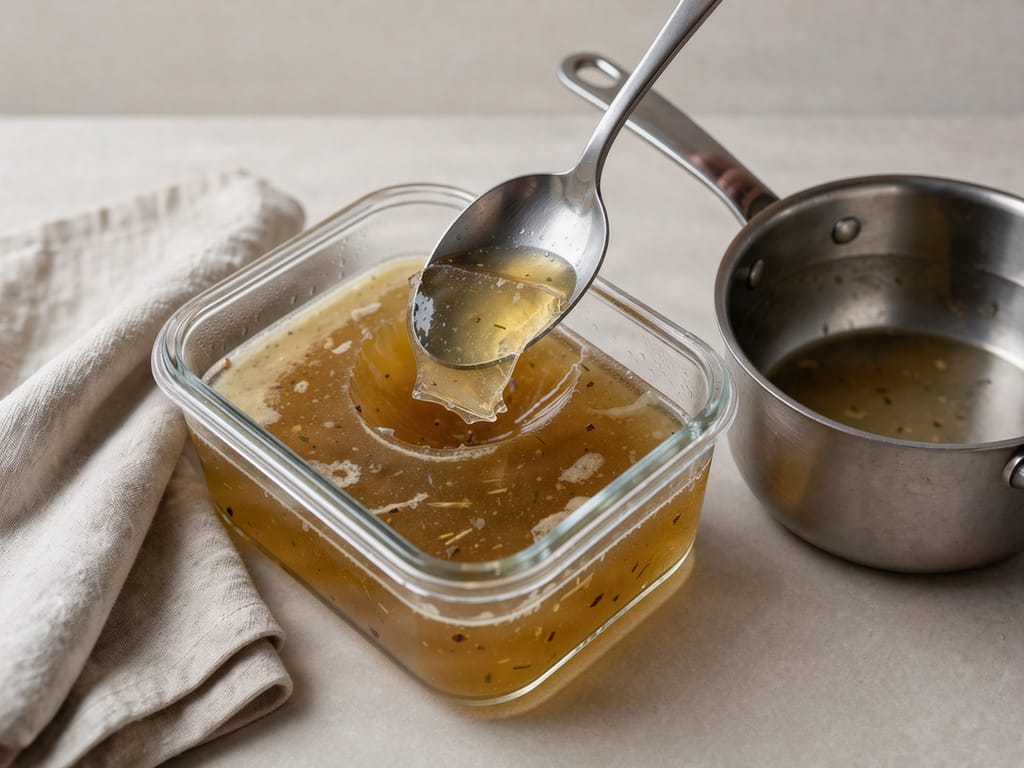
Soup or stock turns to jelly in the fridge because long simmering dissolved collagen from the bones, skin and joints into gelatin, which sets when it is cold. It is normal and a sign of a rich stock, not spoilage. Reheated, it turns back into liquid.
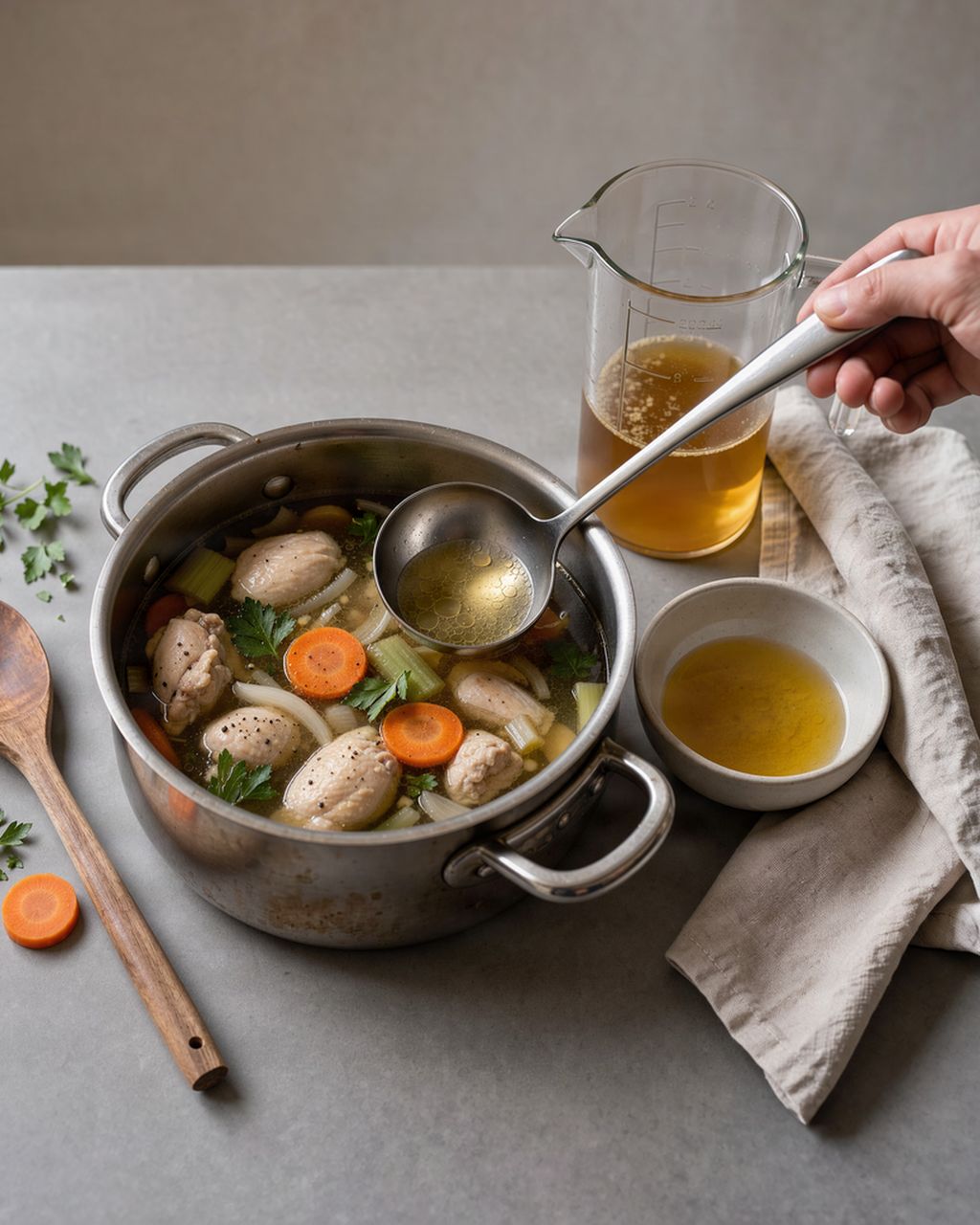
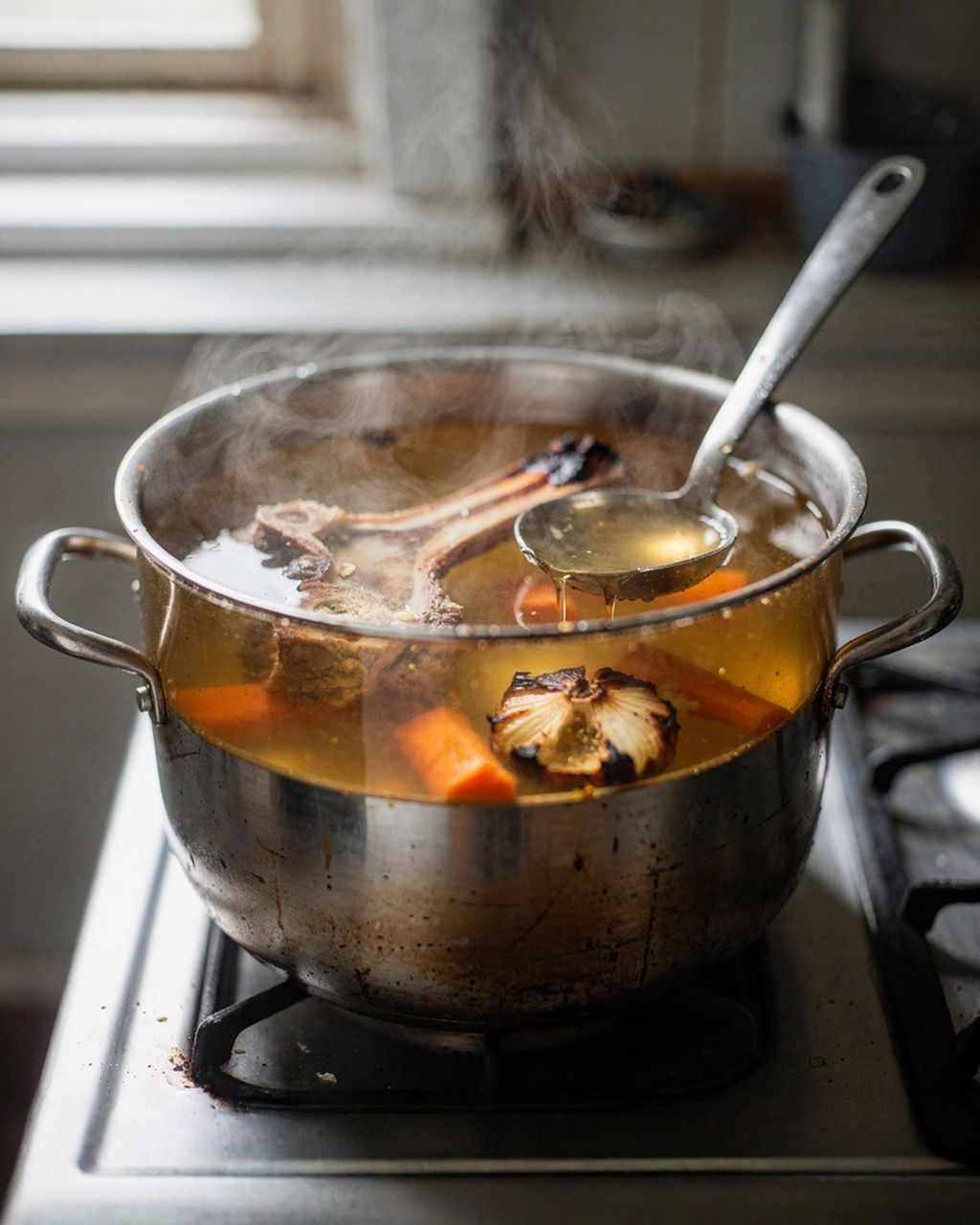
Bones, skin, cartilage, tendons and joints are rich in collagen, the tough protein that holds connective tissue together. When you simmer them for a long time, that collagen slowly breaks down and dissolves into the liquid as gelatin.
Gelatin is liquid when hot and sets into a jelly when cold. It is essentially the same substance you buy as gelatine sheets or powder, which is made from animal collagen too.
So a soup or stock that sets in the fridge has a lot of gelatin in it. Hot, that gives it a full, slightly sticky body that coats the lips. Cold, it wobbles.
Recipe of the week, one tip that saves you time and one deal from the shop. Unsubscribe in one click.
The next issue goes out on Thursday, November 26.
Yes. To a cook, a stock that sets firmly is a good stock. It means:
You used bones with plenty of connective tissue.
You simmered it long enough to dissolve the collagen.
You didn't drown it in water.
It is not a sign of spoilage, and it doesn't mean anything went wrong. Soup that smells sour, fizzes or looks slimy has spoiled, but harmful bacteria usually don't change how food looks or smells, so a normal smell doesn't prove it's safe. Go by how it was cooled and how long it has been in the fridge.
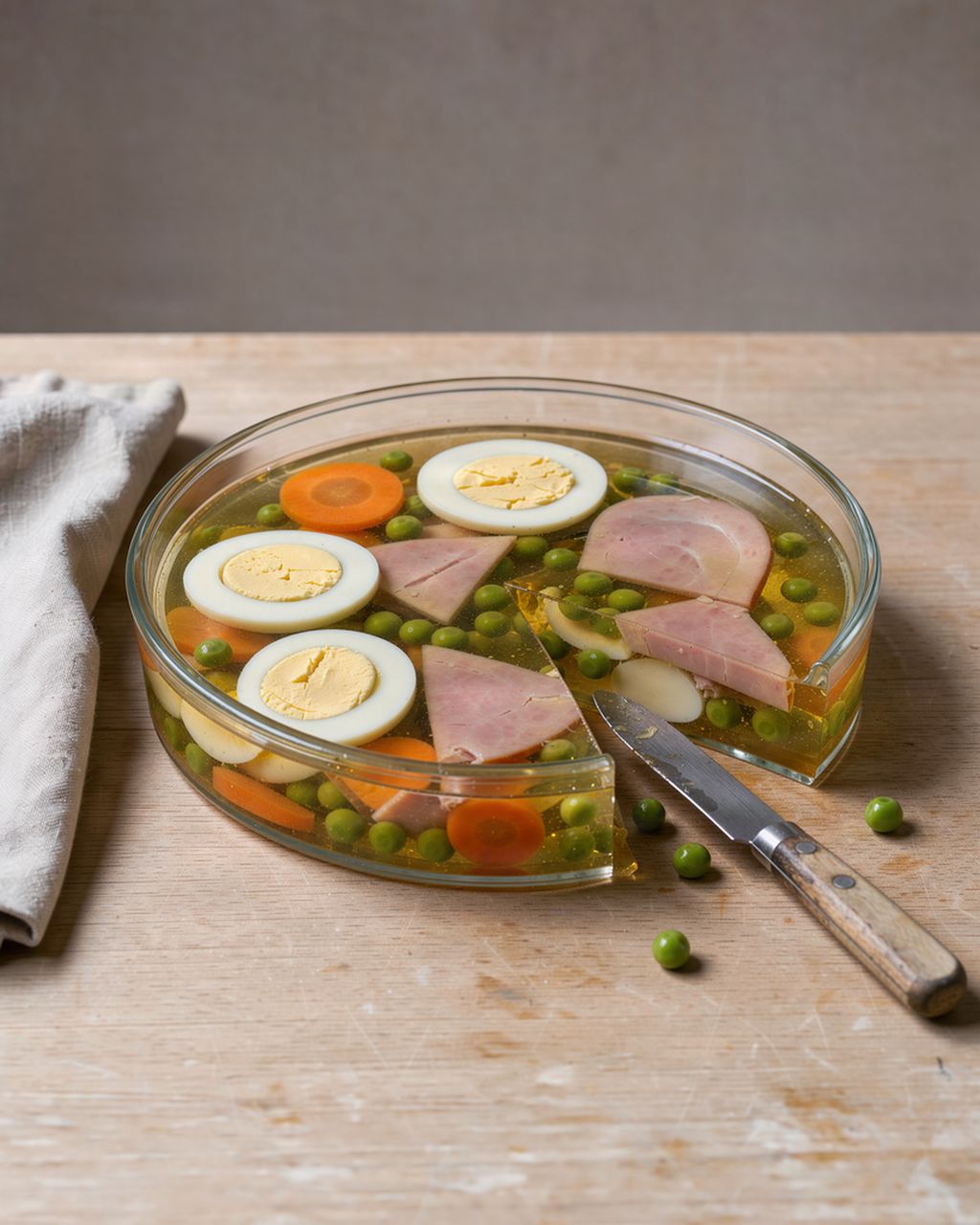
In Czech kitchens, a well-set stock is welcome. The same principle gives huspenina or sulc (Czech meat aspic), which traditionally set on the gelatin from pork trotters and skin; our guide to homemade aspic explains how much gelatin a firm set needs.
Cuts with lots of joints, skin and cartilage give the most gelatin:
Chicken: wings, backs, necks and feet. Chicken feet alone can make a stock that sets firm.
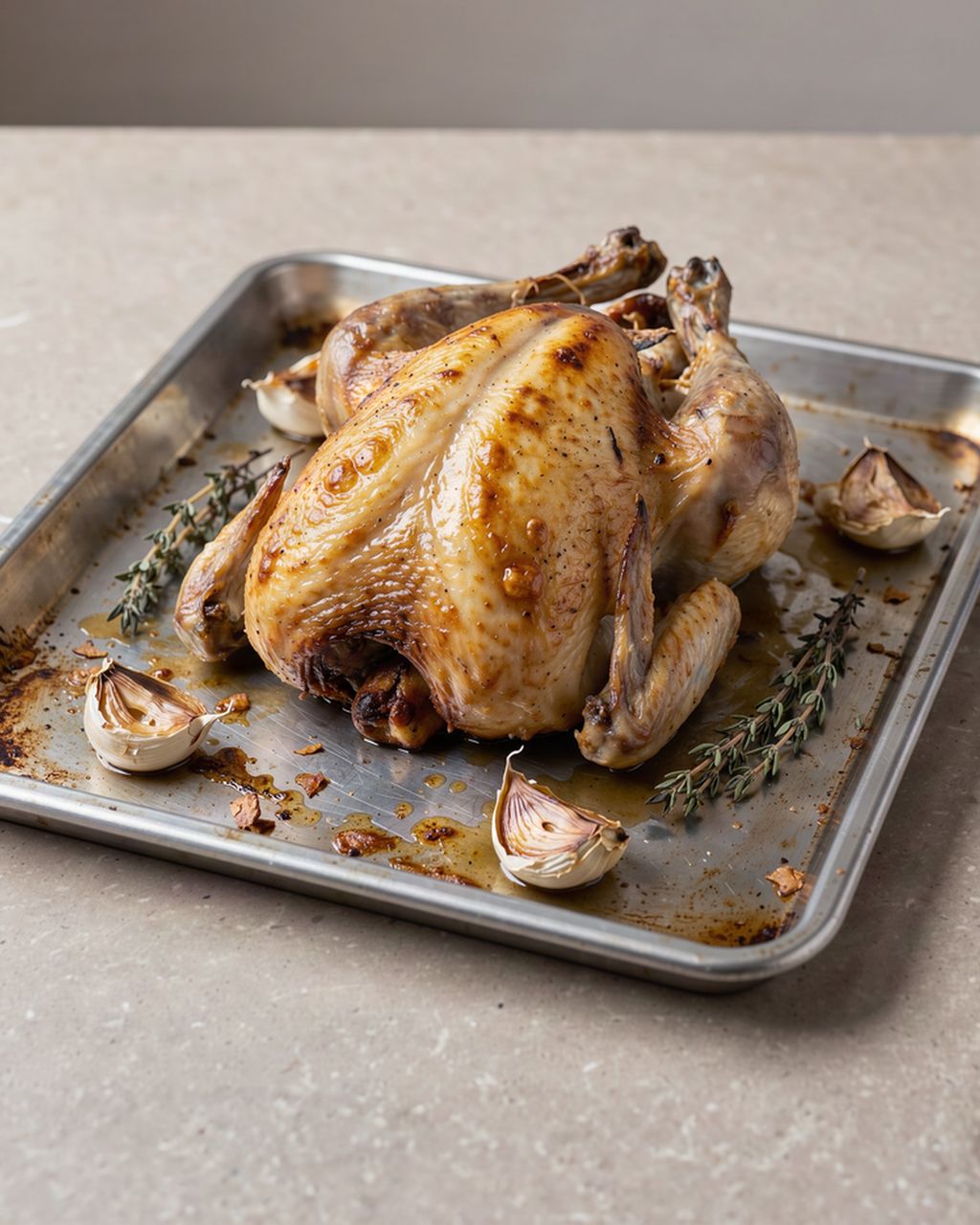
Turkey: the carcass, wings and neck left after a roast.
Beef: shin (shank), knuckle, oxtail and other joint bones.
Pork: trotters, skin and hocks. These set very firmly.
Fish: heads and frames, especially from fish such as carp. Fish stock sets more softly.
Lean meat on its own, or a bone broth made mostly from marrow bones, gives less gelatin. For more on the differences between beef and pork gelatin, see beef gelatin vs pork gelatin.
If your stock stays liquid in the fridge, one of these is usually why:
Too much water for the amount of bones. The gelatin is there, just too dilute to set. Next time use less water, or reduce the finished stock by simmering it uncovered.
Too short a simmer. Collagen dissolves slowly. Chicken bones need a few hours at a gentle simmer, and beef bones longer.
Bones without much connective tissue. Add wings, feet or joint bones.
A hard rolling boil while the stock is cooking makes it cloudy and greasy rather than clear. Keep it at a gentle simmer (once it is made, a brief boil to reheat is fine).
A stock that doesn't gel is still a perfectly good stock. It just has a lighter body.
Want more body now? Cooks sometimes add a little powdered gelatin or a soaked gelatin sheet to a thin stock destined for a glossy sauce or an aspic. Soak it in cold water, then stir it into the hot stock off the boil until it dissolves. Our guide to using gelatin explains sheets versus powder. Next time, simply add a few chicken wings or feet to the pot.
Stock is a cooked, perishable food, so cool it quickly:
Within 2 hours. USDA FSIS advises refrigerating cooked food within 2 hours (1 hour above 32 °C / 90 °F).
In smaller containers. USDA FSIS advises dividing a large pot of soup into smaller, shallow containers so it cools quickly. A big pot of hot stock cools far too slowly in one piece.
Covered, in the fridge. The fat rises and sets into a cap on top, which you can lift off before using the jelly underneath.
For how long stock keeps and how to freeze it, see broth in the fridge.
To reheat soup: put the jelly in a pan and heat it. It melts back to liquid within minutes. USDA FSIS advises bringing soups and sauces to a rolling boil when you reheat them, and checking leftovers reach 74 °C (165 °F) with a food thermometer.
Don't reheat it in a slow cooker. Heat it on the stove first.
To use as stock: scoop out what you need. Jellied stock is concentrated, so you may want to add a little water.
For sauces and gravies: gelatin-rich stock reduces to a glossy, sticky sauce without much thickener at all.
If you'd rather it didn't set: dilute it with water or a lighter stock. It will still taste rich.
Not every soup that firms up in the fridge has turned to jelly.
Gelatin set: a clear or slightly cloudy stock that wobbles in one piece and melts back to a thin liquid within a few minutes of heating. This comes from bones and skin.
Starch set: a thick, spoonable soup that stays thick when hot. Potatoes, lentils, split peas, beans, rice, barley, flour and noodles all release starch, and a soup made with them can turn almost solid overnight. Czech kulajda (potato, mushroom and dill soup) and lentil or pea soups behave this way.
Starch-thickened soups need a splash of water or stock when you reheat them, and stirring so they don't catch on the bottom. Gelatin-set stock needs nothing added; it just melts.
Both can freeze. Our guide to freezing soup and sauce explains which soups freeze well and which split.
Soup turns to jelly in the fridge because it contains gelatin, which formed when collagen in the bones, skin and joints dissolved during long simmering. Gelatin sets when cold and melts again when heated. It is normal and means the stock is rich.
Yes, jellied soup or stock is safe as long as it was refrigerated within 2 hours of cooking and is eaten or frozen within 3 to 4 days, as USDA FSIS advises for leftovers. The jelly is gelatin, not spoilage. Reheat it until it comes to a rolling boil, as USDA FSIS advises for soups, and check it reaches 74 °C (165 °F).
Chicken soup turns to jelly because chicken wings, backs, feet, necks and skin are rich in collagen, which simmers into gelatin. A carcass or a whole bird simmered for a long time gives plenty of it.
Turkey stock gels because the carcass, wings and neck hold a lot of connective tissue, which turns into gelatin as it simmers. A firm set means a well-made stock. It melts back into liquid as soon as you heat it.
Stock doesn't gel when there is too much water for the amount of bones, it simmered too briefly, or the bones had little connective tissue. Use more joints, wings or feet, less water, and a longer, gentle simmer, or reduce the finished stock.
Heat it. Jellied stock melts back into liquid as it warms up, well before it reaches a simmer. For leftover soup, bring it to a rolling boil before serving, as USDA FSIS advises.
One recipe worth heating the oven for, one tip, and one deal from the shop. Nothing else.