Why Is My Pasta Gummy? Overcooking, Water and the Rinsing Myth
Why Won't My Sauce Stick to Pasta? Pasta Water and Finishing in the Pan
Updated Nov 21, 2026
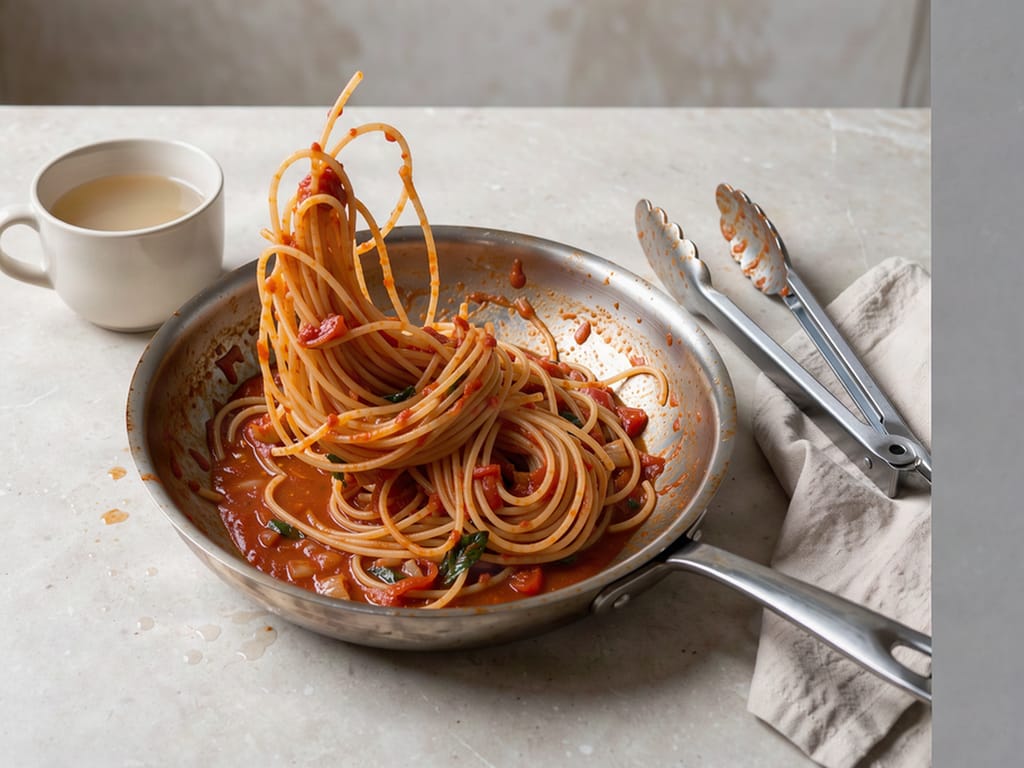
Sauce slides off pasta when the pasta's surface starch is gone, the sauce is too thin or too oily, or the pasta and sauce only meet in the bowl. The fix is to save some starchy pasta water, drain the pasta a minute early and finish it in the pan with the sauce. Don't rinse it, and don't add oil to the cooking water.
When pasta cooks, some of its starch dissolves into the water and some stays on the surface of the pasta. That starch is what helps sauce grip. It also thickens the sauce slightly and helps the oil or butter in it stay mixed with the water, so the sauce coats the pasta instead of pooling underneath.
Most sauce-won't-stick problems come from losing that starch, or never letting the pasta and sauce cook together.
The pasta was rinsed. Rinsing washes the surface starch away. Don't rinse pasta for a hot dish.
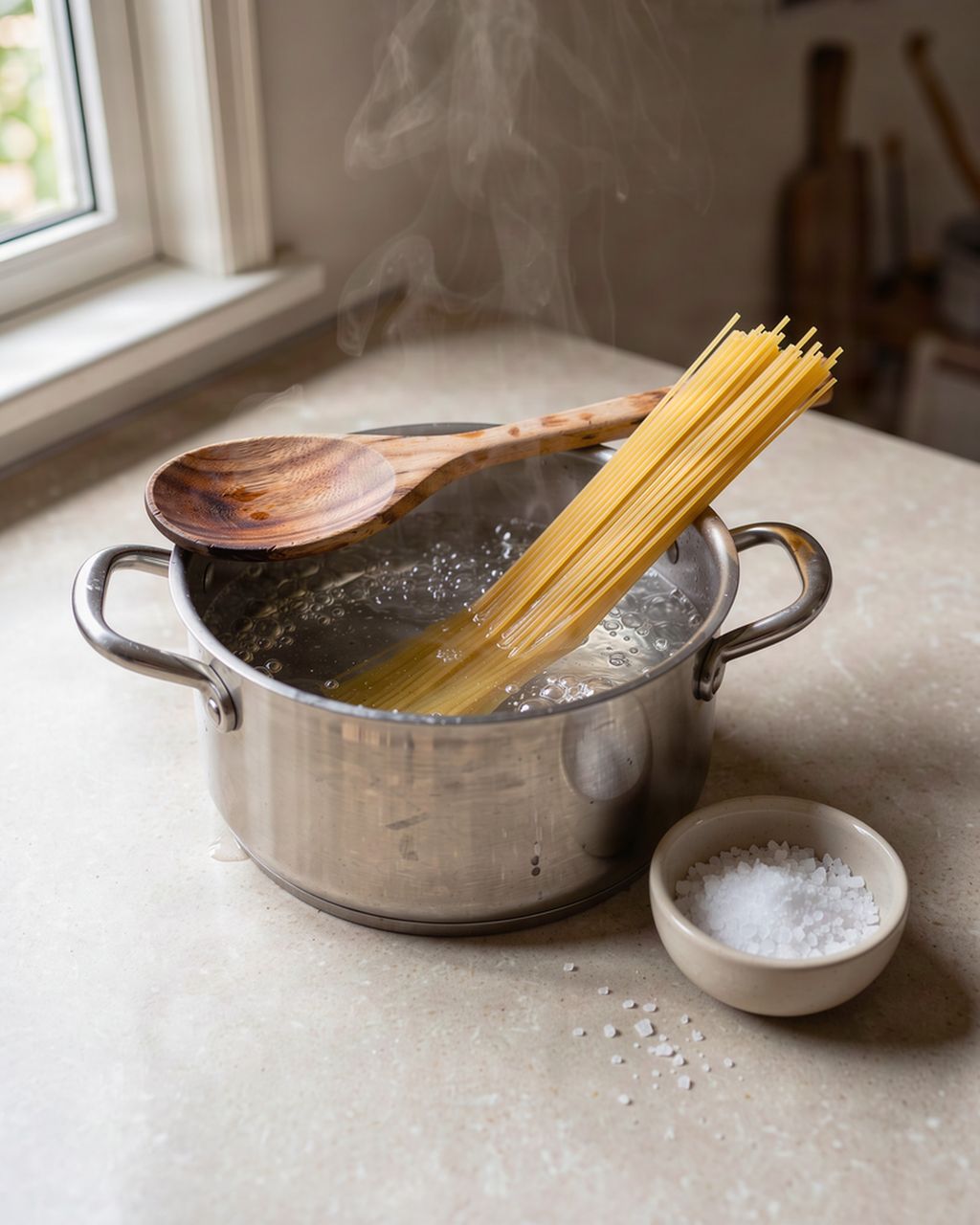
There was oil in the cooking water. The oil coats the pasta as you drain it, and the sauce slides off. Use plenty of water and stir early instead; our guide to cooking pasta explains how to keep it from clumping.
Sauce went on top in the bowl. Pasta and sauce that only meet on the plate never bind. Toss them together in the pan.
The sauce is too thin. A watery sauce runs off whatever you do. Reduce it first.
The sauce is too oily. A sauce with a lot of fat and little water has nothing to bind with the pasta's starch.
The pasta sat in the colander. As it cools, the starch on the surface sets and the strands stick to each other rather than to the sauce. Have the sauce hot and waiting.
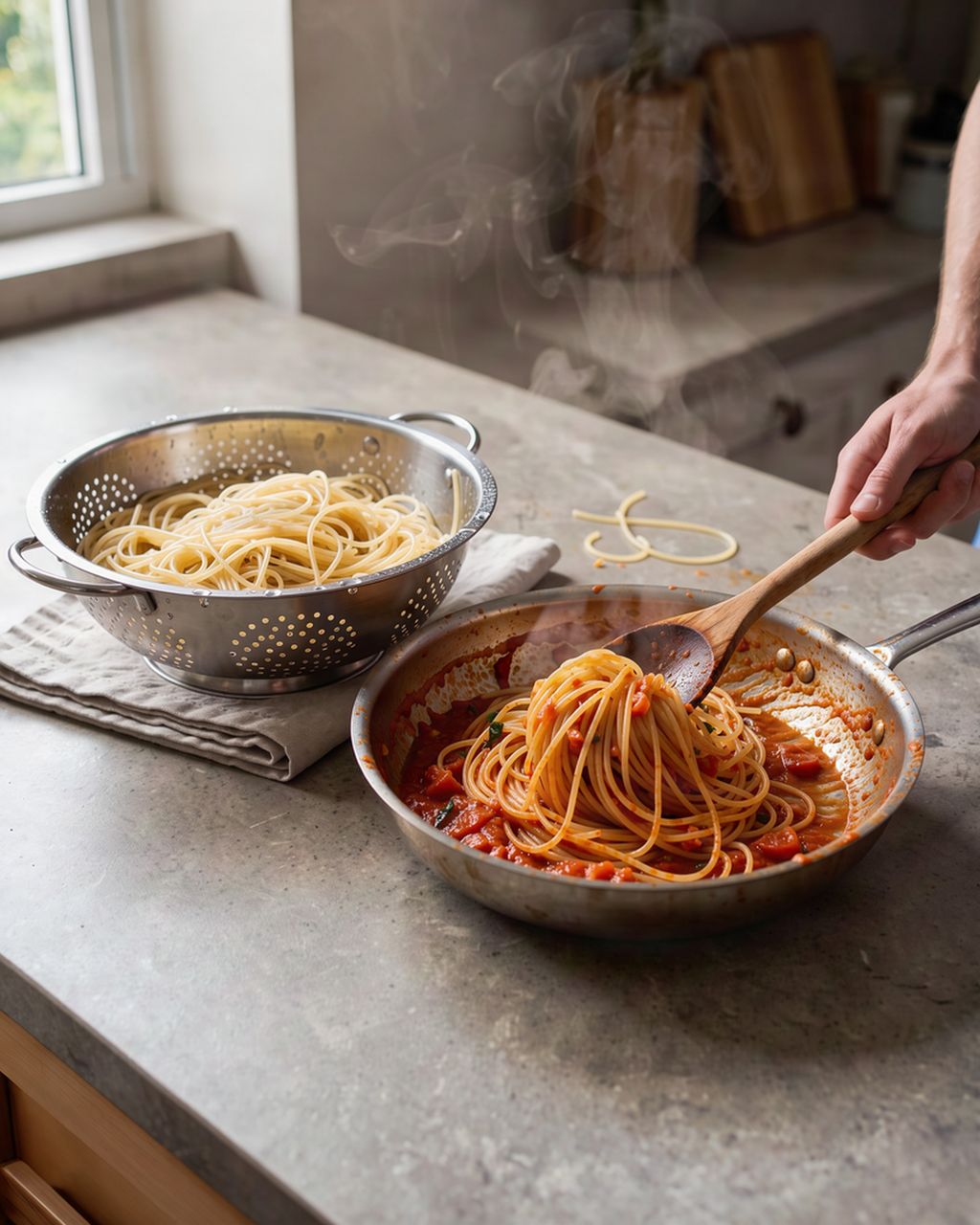
This is the habit that fixes most problems:
Save a mugful of pasta water just before you drain.
Drain the pasta a minute or two before it is done, while it still has a little bite.
Tip it straight into the pan of hot sauce, over medium heat.
Toss for a minute or two, adding pasta water a splash at a time. The sauce will tighten, turn glossy and coat the pasta.
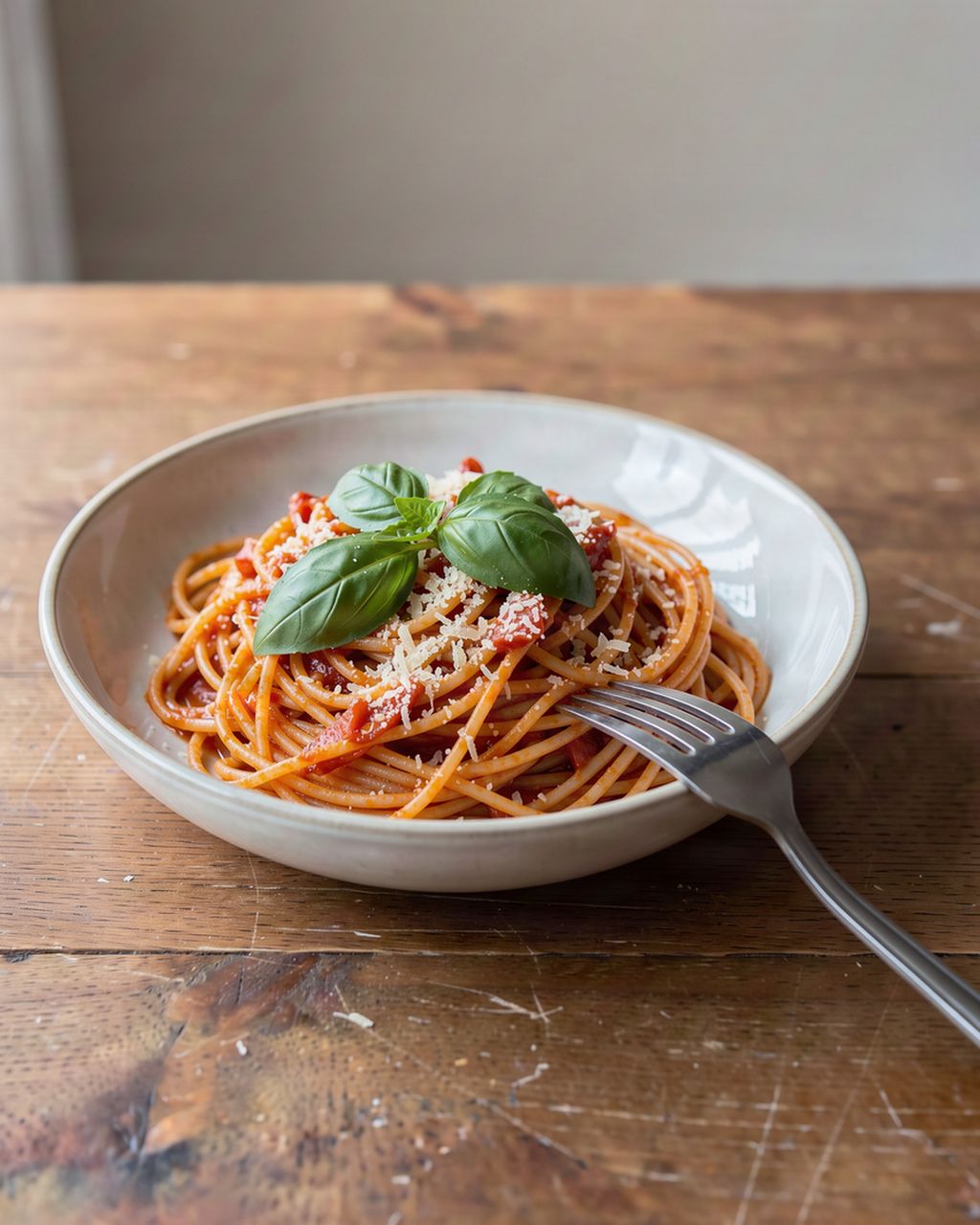
Take it off the heat and stir in grated cheese, butter or olive oil if the recipe uses them.
The pasta finishes cooking in the sauce and takes some of it in. If the sauce gets too thick, add another splash of water; if it is too loose, keep tossing over the heat for a few more seconds.
Salt the water to taste, but go easy if the sauce is already salty (cured pork, capers, parmesan, olives), because pasta water adds salt as well as starch.
Use a little less water if you want starchier water for a sauce built mainly on it, such as cheese-and-pepper or garlic-and-oil sauces. Use enough that the pasta can move freely, and stir often so it doesn't stick.
Add it gradually. A few tablespoons often does it for two portions.
Don't swap it for tap water. Plain water thins the sauce without binding it.
Some pastas hold sauce better than others:
Rough, matte pasta tends to hold sauce better than very smooth, shiny pasta. Packets labeled bronze-cut or bronze-die (trafilata al bronzo in Italian) are made through bronze dies, which leave a rougher surface.
Match the shape to the sauce. Long, thin pasta suits smooth, light sauces; ridged tubes and shells catch chunky sauces and ragù; wide ribbons such as tagliatelle and pappardelle suit rich meat and cream sauces.
Fresh egg pasta is softer and drinks up sauce quickly. Toss it briefly and serve at once.
If you want ideas that match pasta and sauce, see what to cook with pasta.
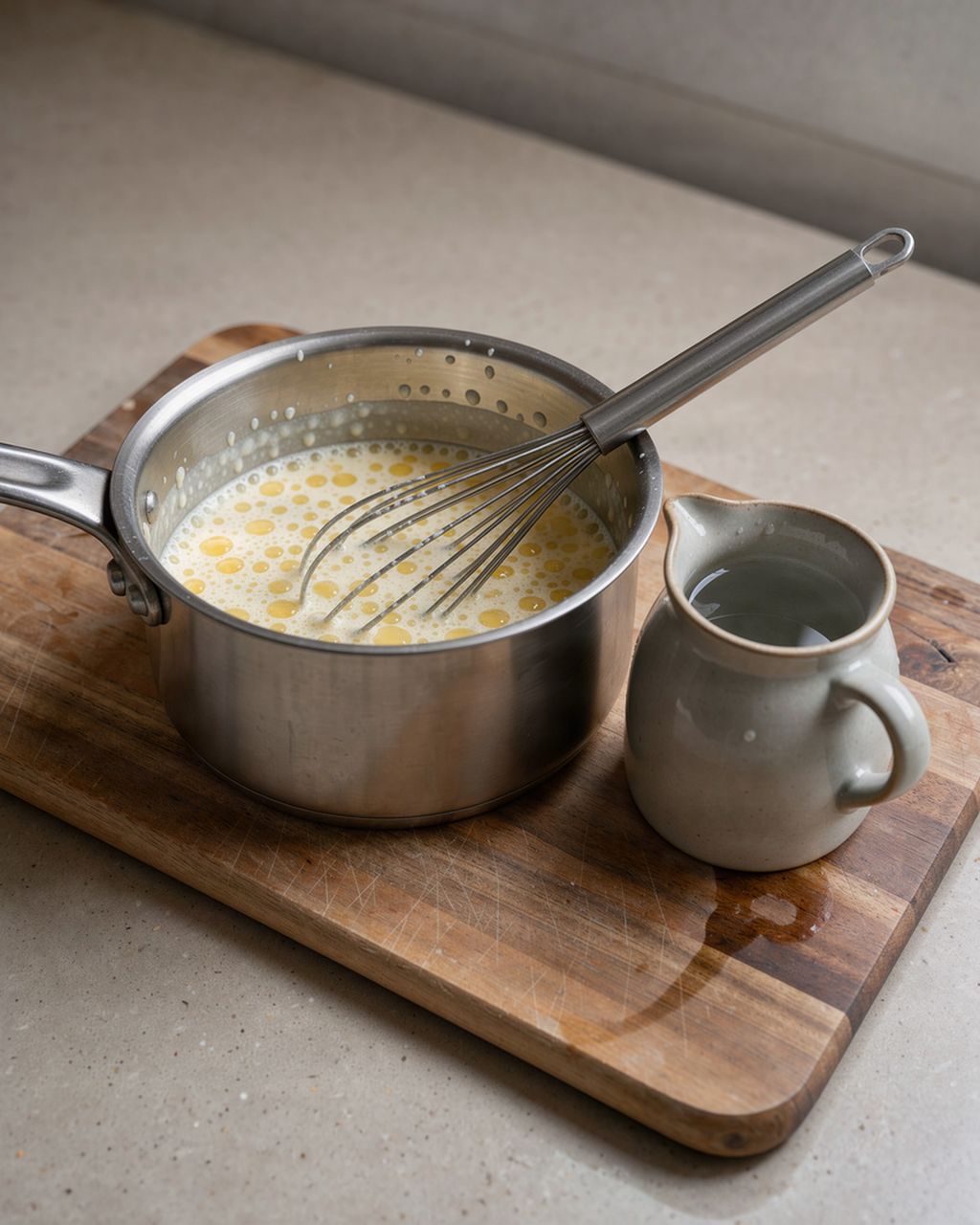
Cream and cheese sauces fail in a slightly different way: the cheese clumps into a ball or the fat separates into an oily layer.
The pan is too hot. Cheese proteins tighten and squeeze out fat. Take the pan off the heat before the cheese goes in.
The cheese went in all at once. Add finely grated cheese a handful at a time, tossing and adding pasta water as you go.
There is no starchy water. Pasta water is what lets cheese, fat and water turn into a smooth sauce rather than strings.
Finely grated parmesan or a similar hard cheese melts more evenly than coarse shavings. For the science of fat and water holding together, see our guide to emulsions in cooking.
Recipe of the week, one tip that saves you time and one deal from the shop. Unsubscribe in one click.
The next issue goes out on Thursday, November 26.
Every pasta sauce benefits from a minute in the pan with the pasta, but some sauces depend on pasta water almost entirely:
Oil- and butter-based sauces, such as garlic and olive oil, or butter and sage. Without starchy water, the fat just coats the pasta in a greasy film. With it, it turns into a light, clinging sauce.
Cheese-and-pepper sauces, where the sauce is little more than grated cheese, fat and pasta water.
Pesto, which is thick and oily straight from the jar. Loosen it with a few spoonfuls of pasta water, off the heat, before tossing.
Thick ragù or meat sauce, which can be too stiff to coat the pasta evenly. A splash of water loosens it.
Thin tomato sauces need the least pasta water. Reduce them first, then finish the pasta in them.
If you've already drained the pasta and lost the water, a spoonful of the sauce's own liquid, or a pinch of flour or cornstarch whisked into a little cold water, then stirred into hot water, is a weaker stand-in. Next time, put a mug in the colander as a reminder.
Sauce won't stick when the pasta has lost its surface starch, usually from rinsing or oil in the cooking water, or when a thin sauce is spooned over plain pasta in the bowl. Finish the drained pasta in the sauce for a minute or two with a splash of pasta water, and it will cling.
Yes. Pasta water carries starch from the pasta, and that starch helps the fat and water in a sauce hold together in a glossy coating that clings to the pasta. Add it a splash at a time while tossing over heat.
No, not for a hot pasta dish. Rinsing washes off the surface starch that helps sauce stick and cools the pasta down. The exception is pasta for a cold salad, or noodles a specific recipe tells you to rinse.
No. Oil floats on the water and does little to stop sticking while the pasta cooks, but what clings to the pasta as you drain it can make sauce slide off. Use plenty of water and stir in the first minute or two instead.
Save about a mugful before you drain. You usually need only a few tablespoons to a small ladleful to loosen and bind the sauce, but it is easy to add more and impossible to get it back once it is down the sink.
An oily pool means the fat in the sauce isn't bound in. Toss the pasta and sauce together over heat with a splash of pasta water until the sauce turns creamy and glossy, and add grated cheese off the heat.
One recipe worth heating the oven for, one tip, and one deal from the shop. Nothing else.