Czech

Czech cuisine is honest, hearty, and full of the flavors we grew up on — svíčková, goulash, schnitzel, dumplings, and no shortage of sweet baking. You'll find traditional classics passed down from grandma alongside lighter modern takes you can pull off after work. Whether you're after a Sunday lunch or a quick dinner, start here.

Frequently asked questions

What dishes are typical of Czech cuisine?

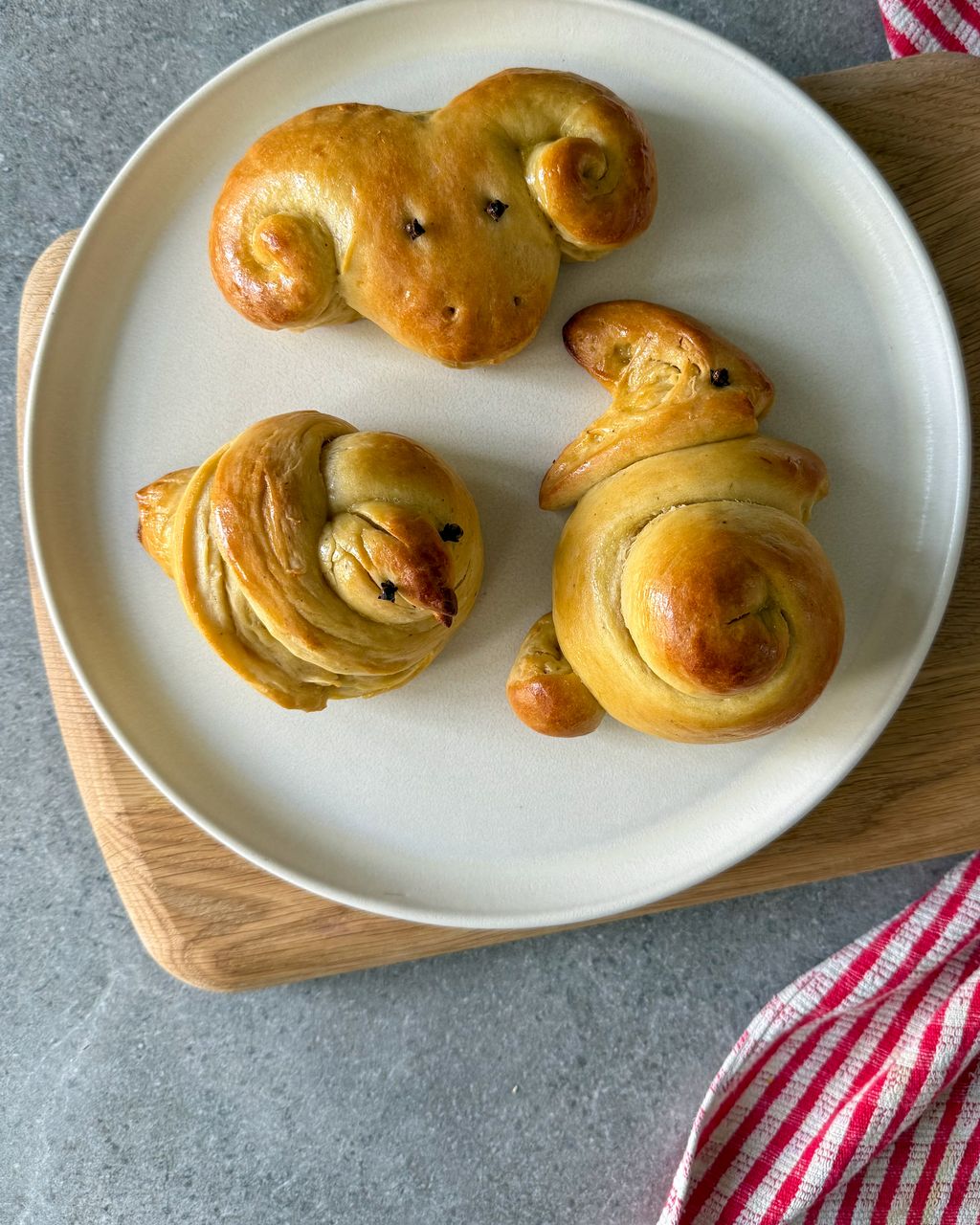
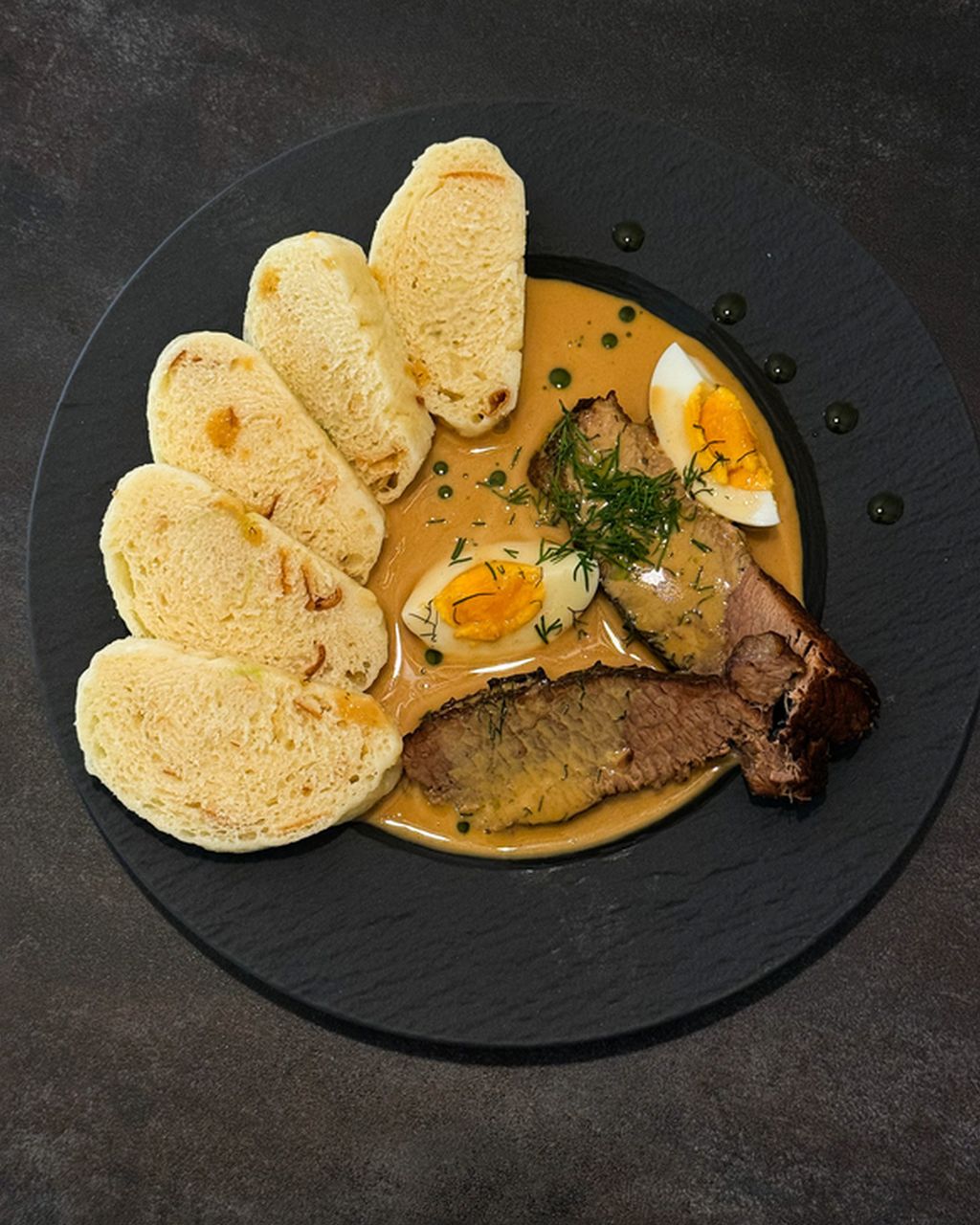
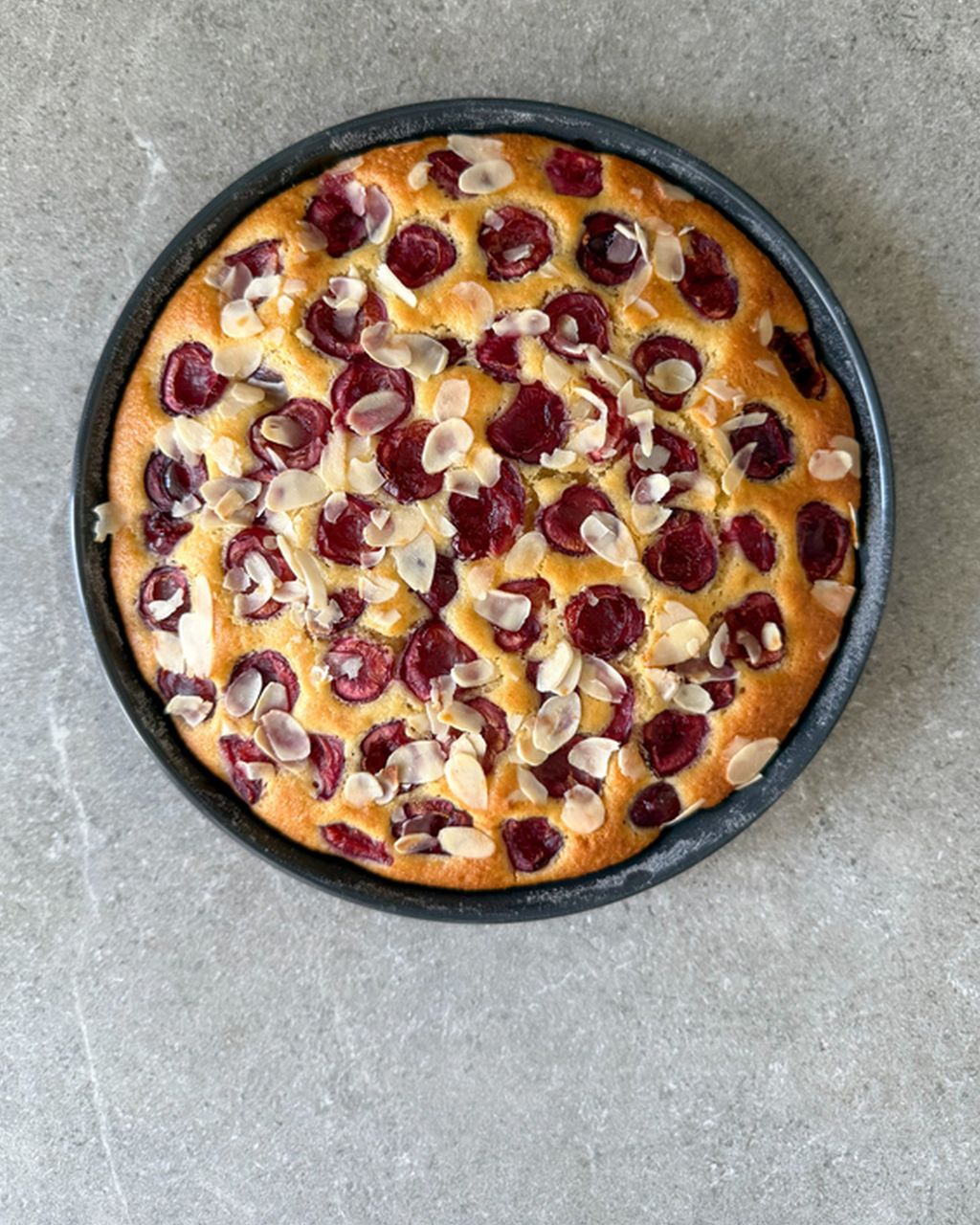
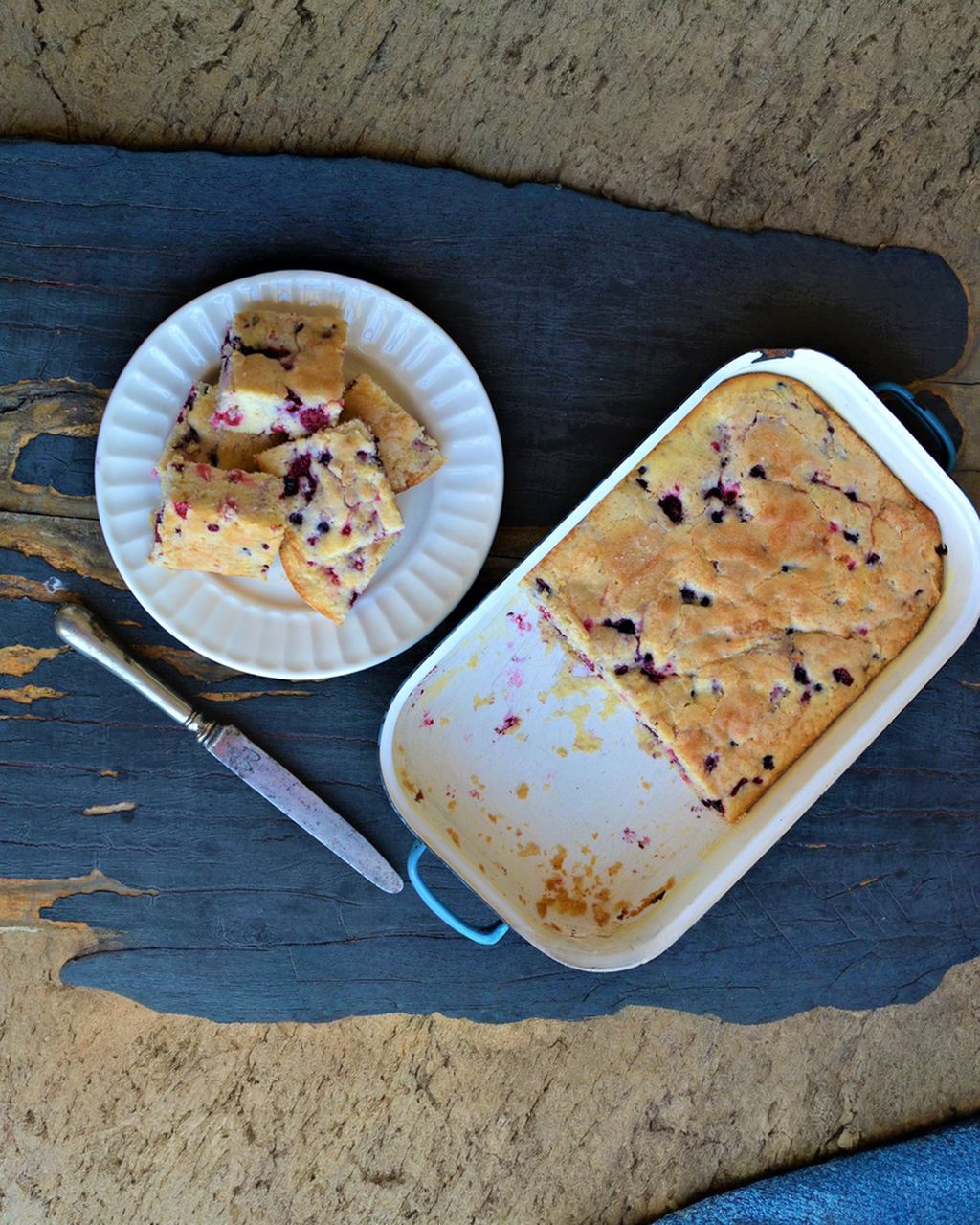
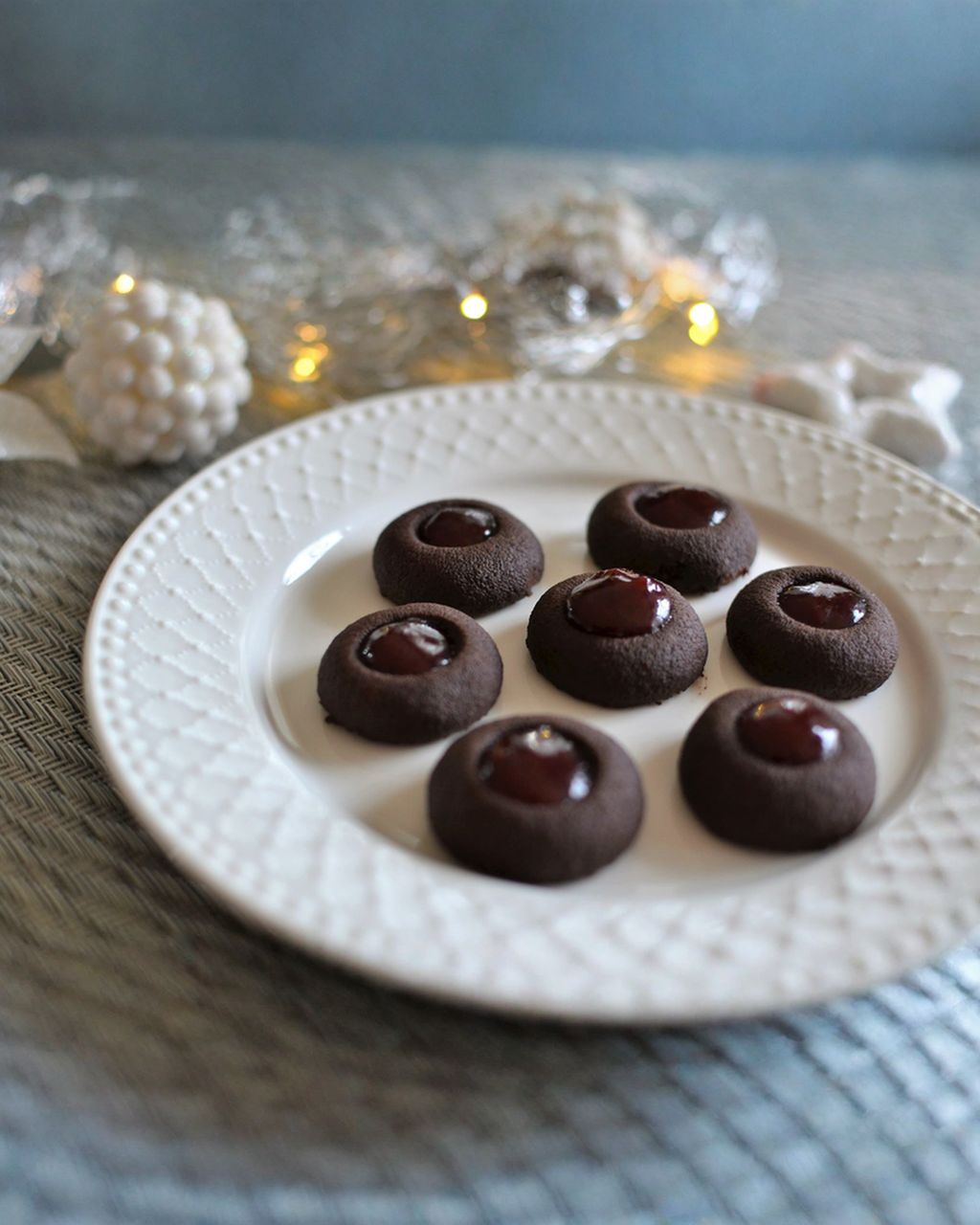
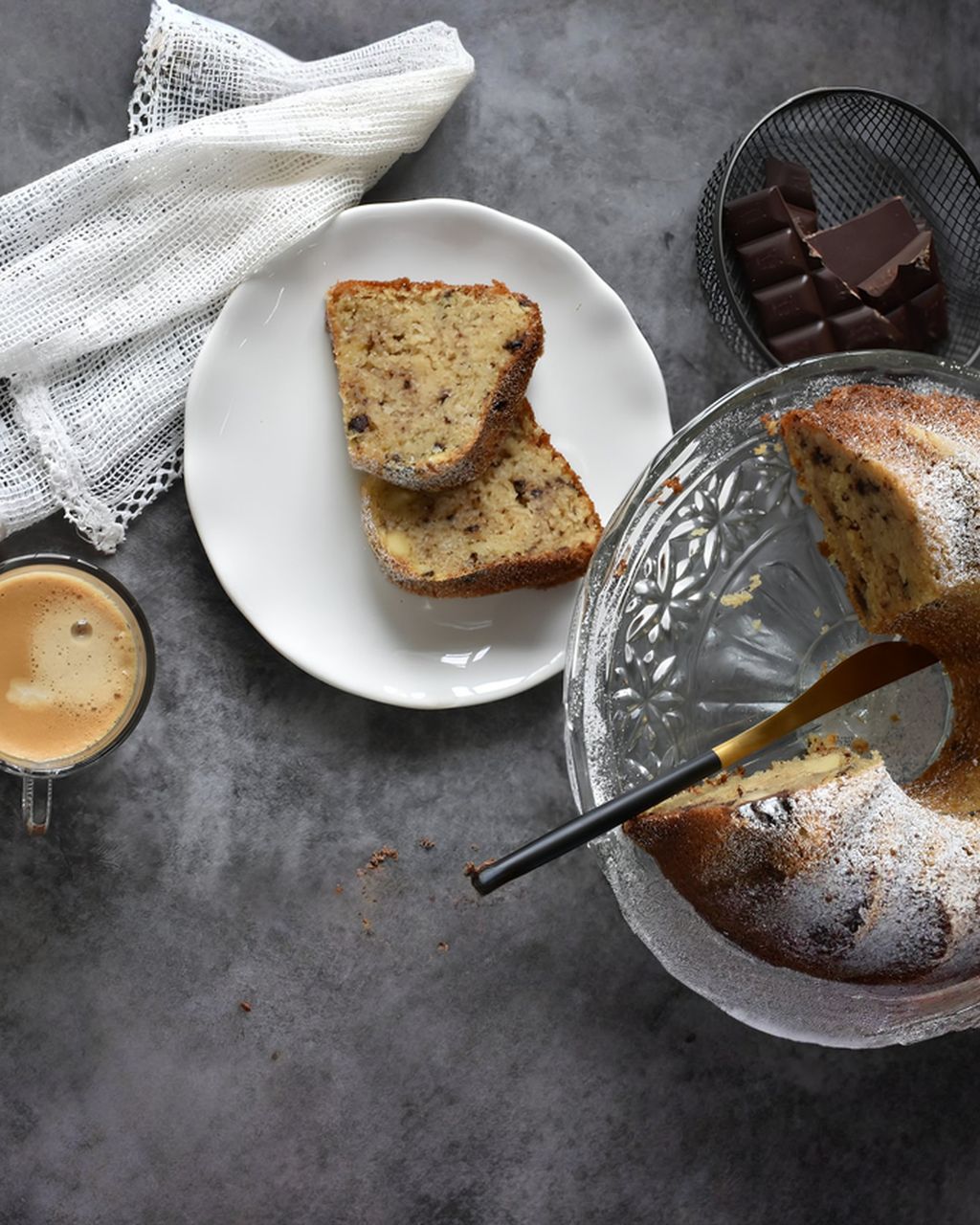
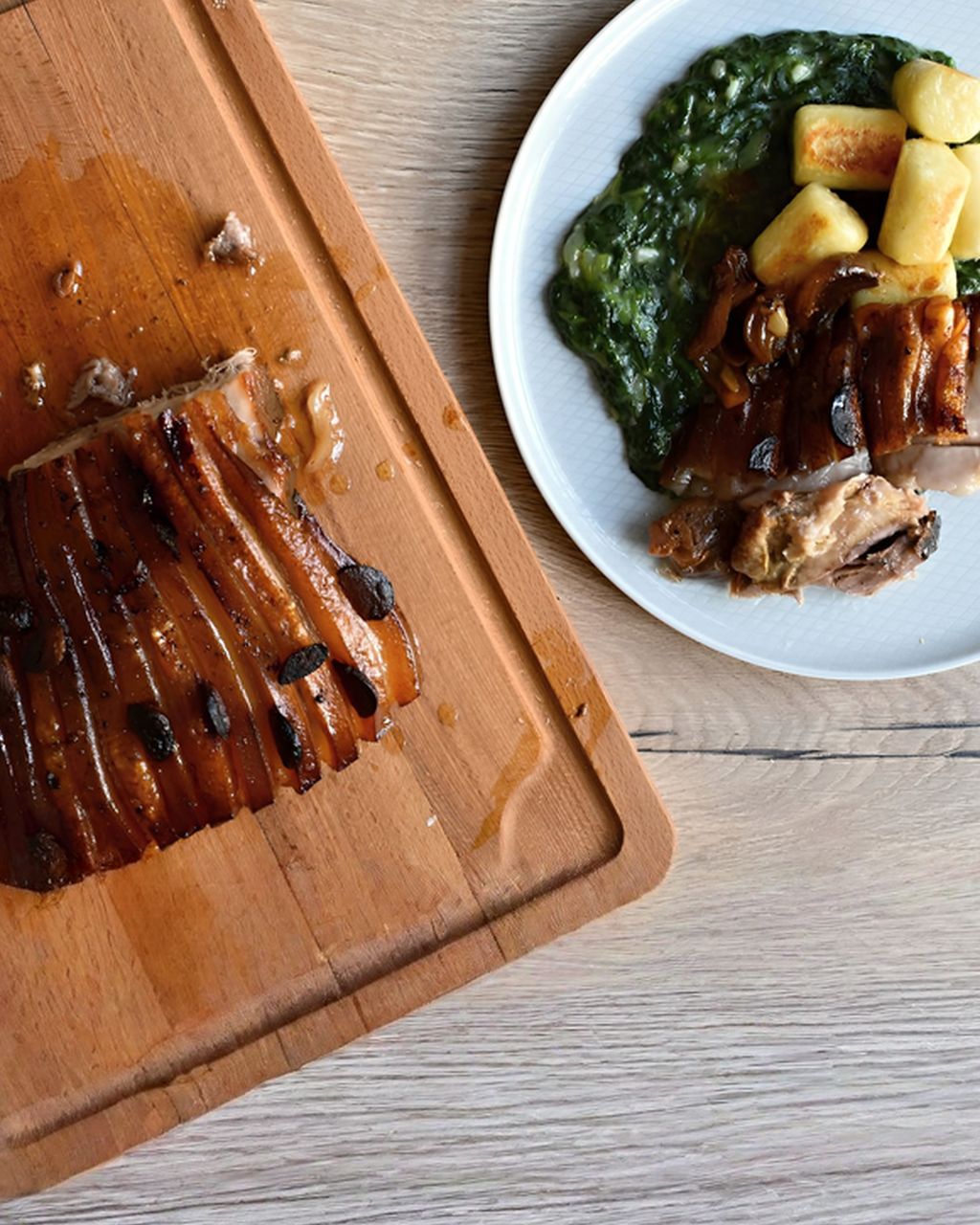
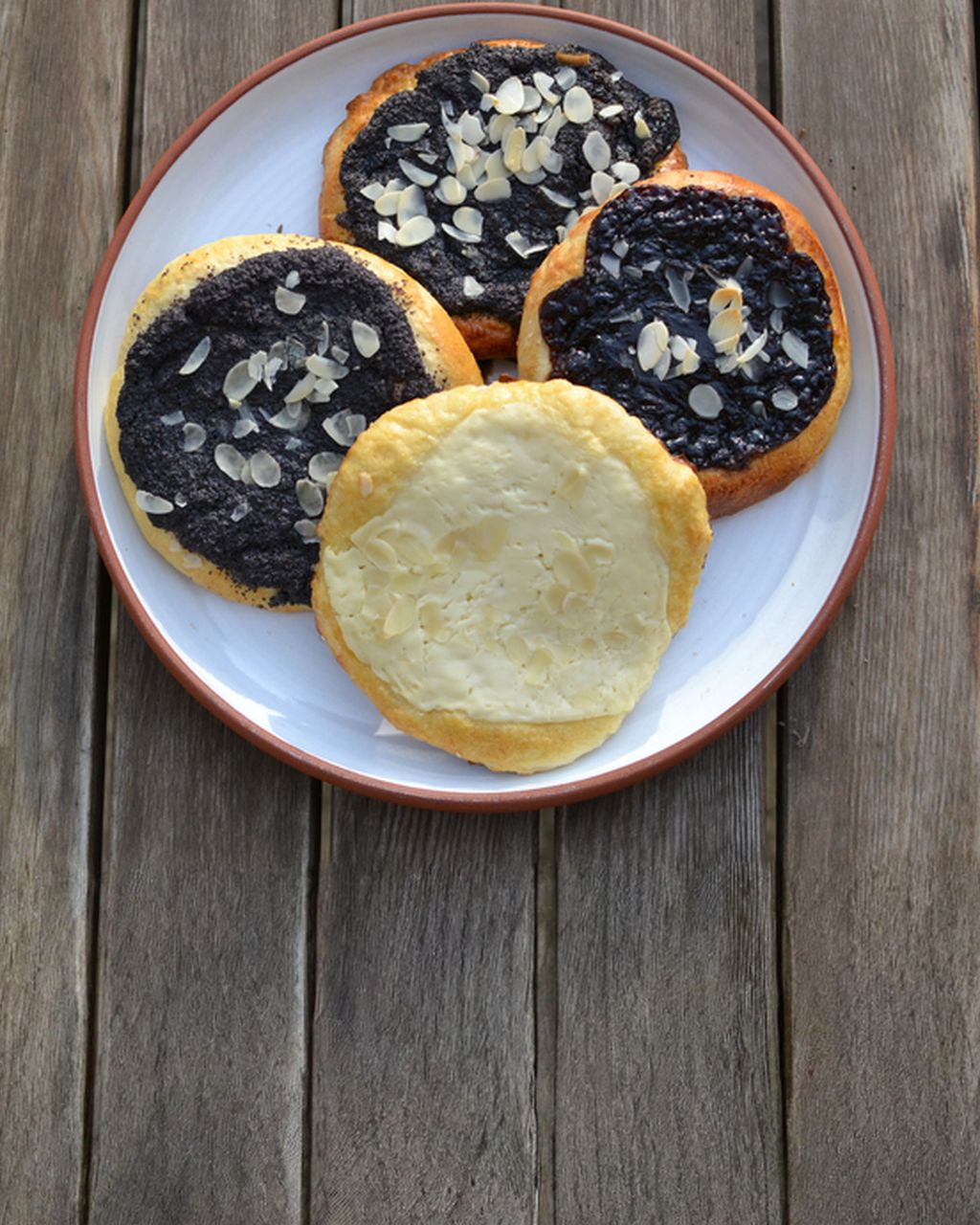
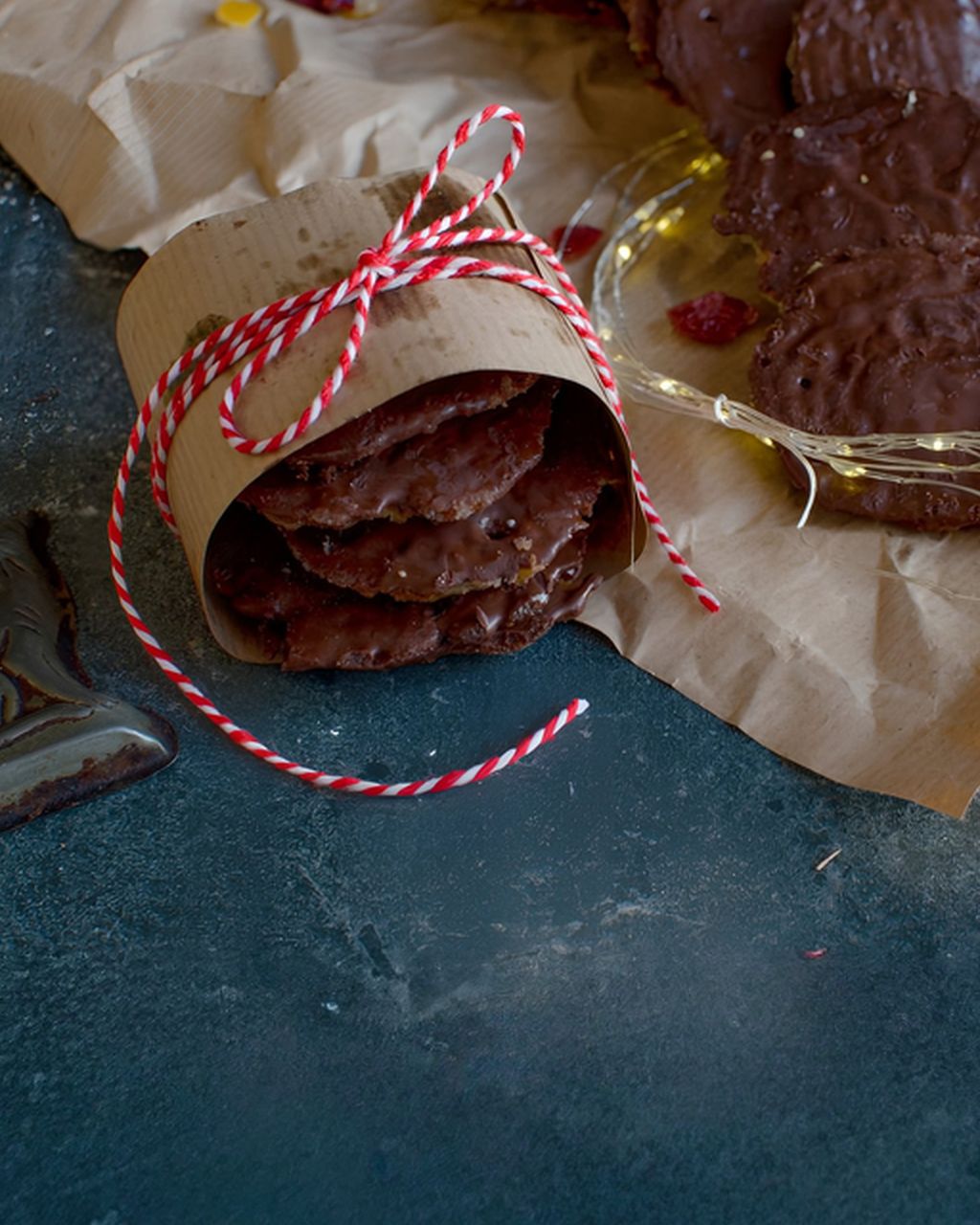
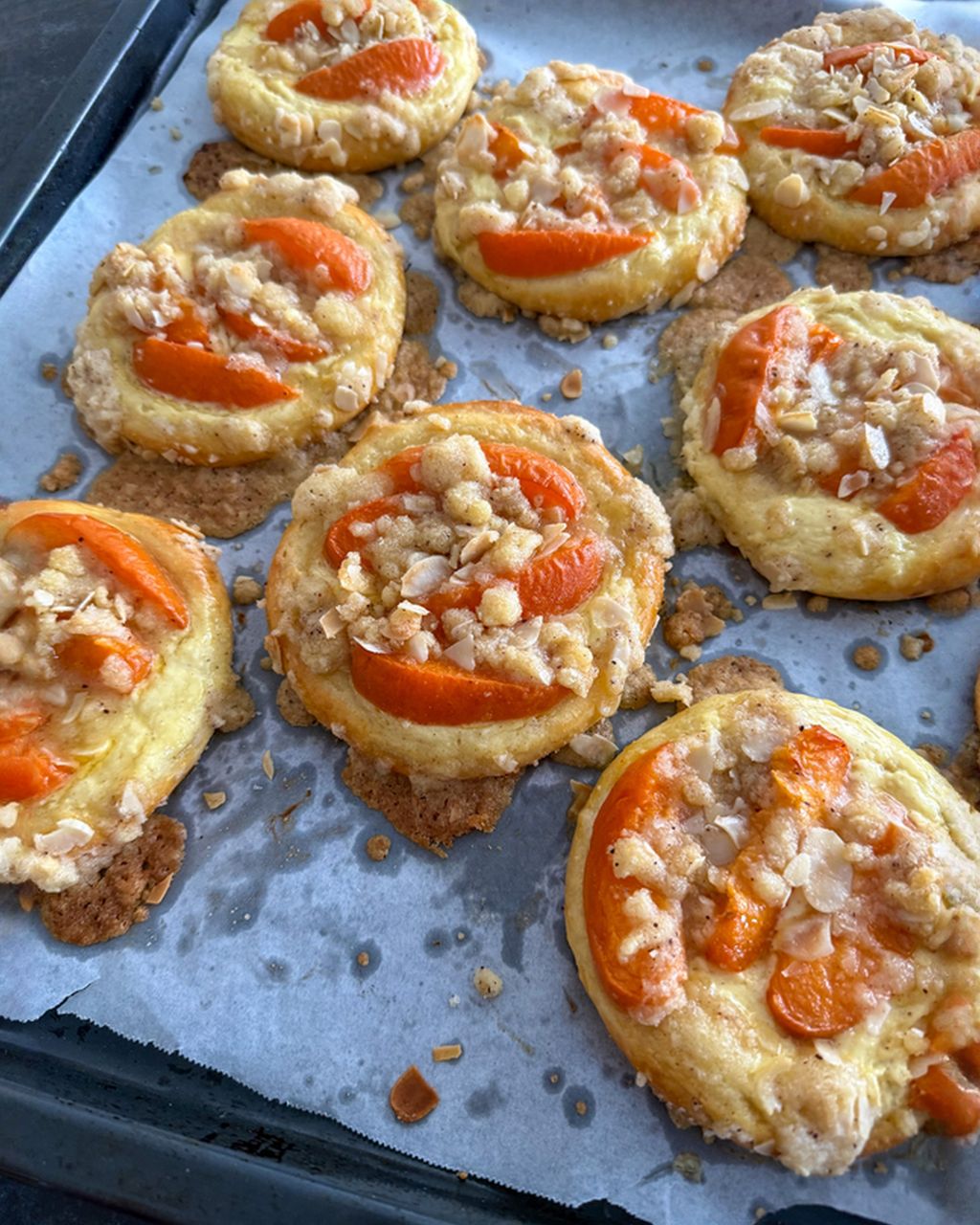
The staples are svíčková (beef in cream sauce), beef goulash, roast pork with dumplings and sauerkraut, fried schnitzel, and tomato sauce. On the sweet side there are buns, kolaches, sponge cakes, and Christmas cookies. Most dishes are built on meat, a sauce, and some form of dumpling or potato.
What should I cook for a traditional Sunday lunch?

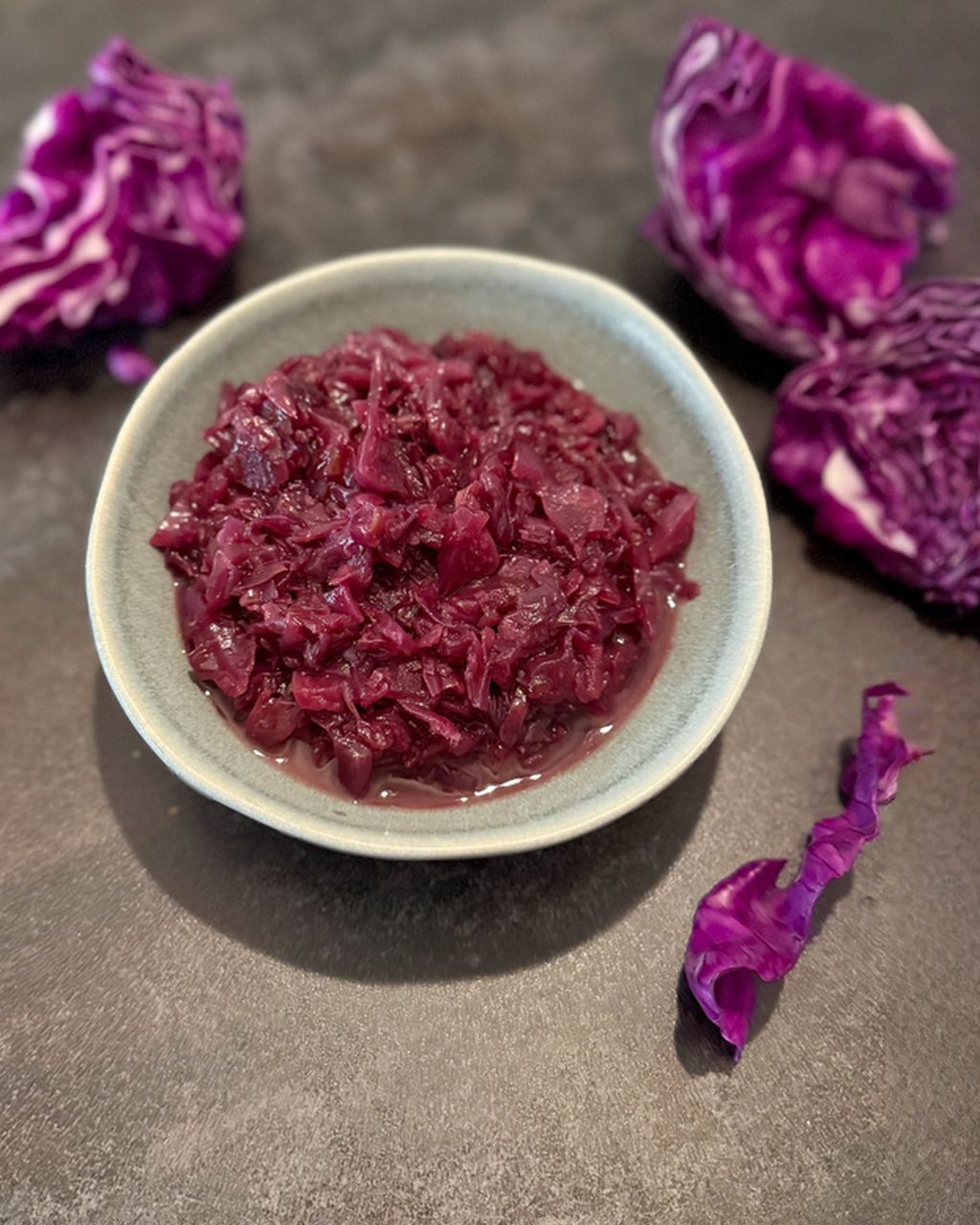
The classic is svíčková with bread dumplings, or a roast chicken with potatoes. With more time, go for roast pork with dumplings and cabbage — the smell that pulls the whole family to the table.

Are Czech dishes hard to make?

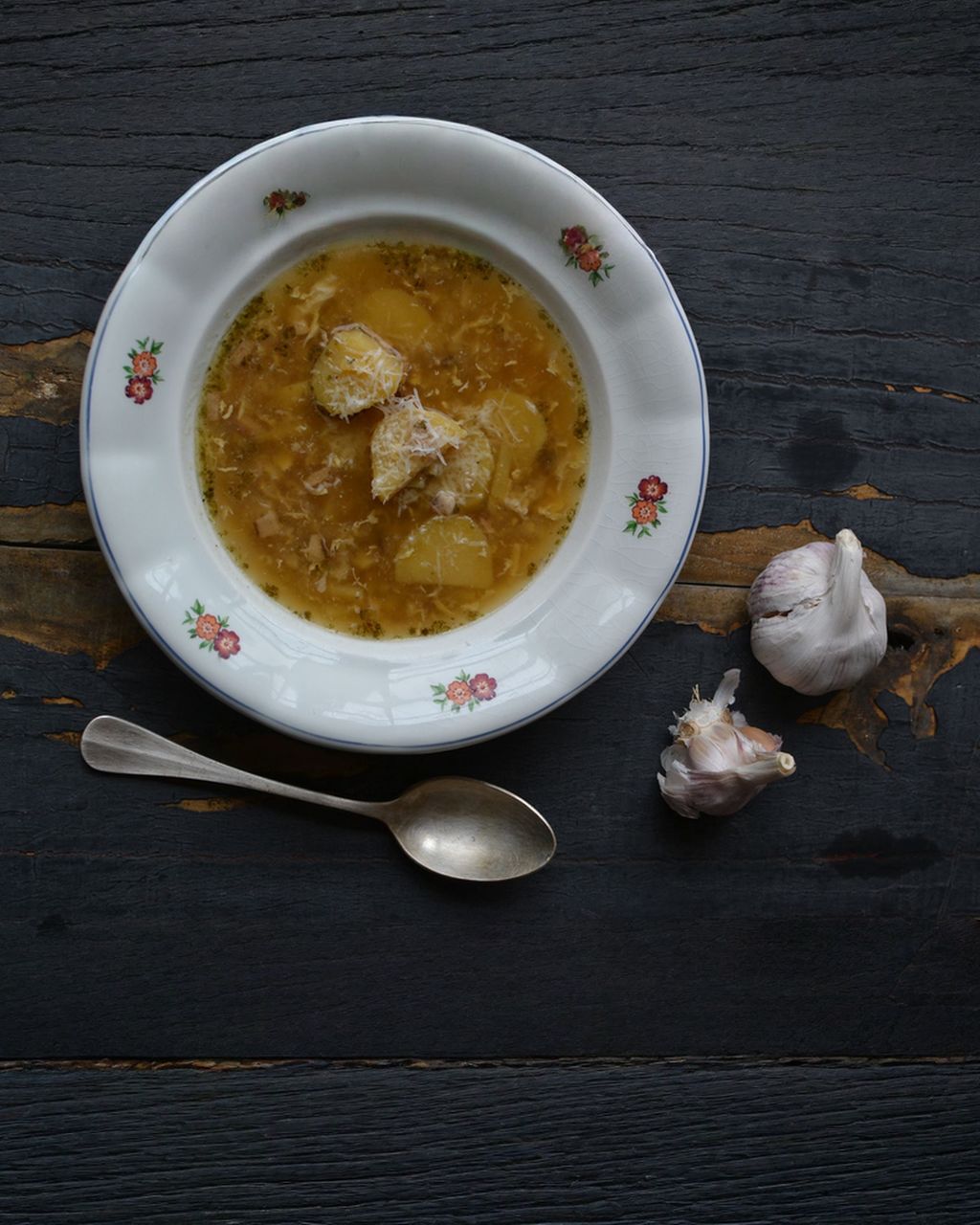
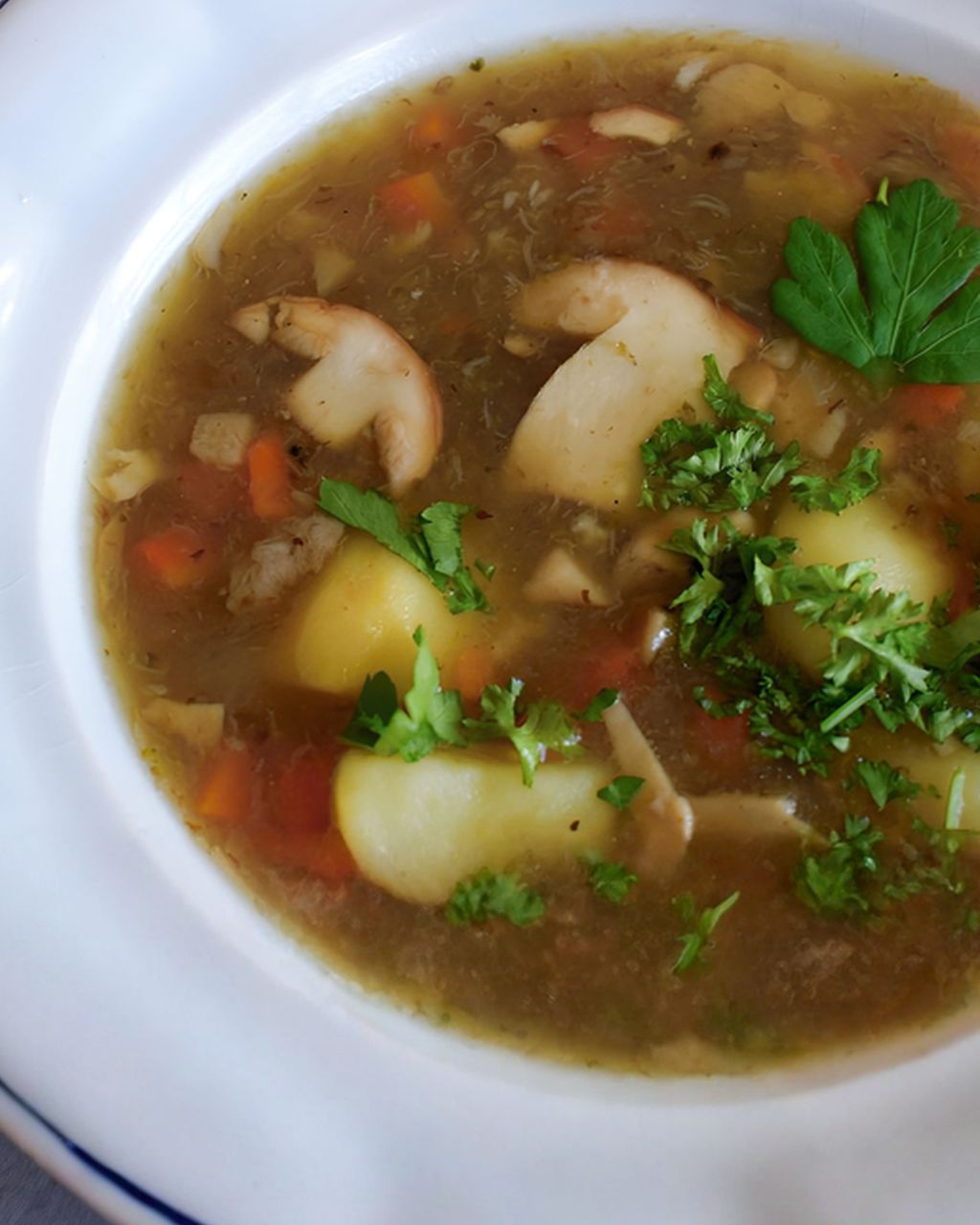
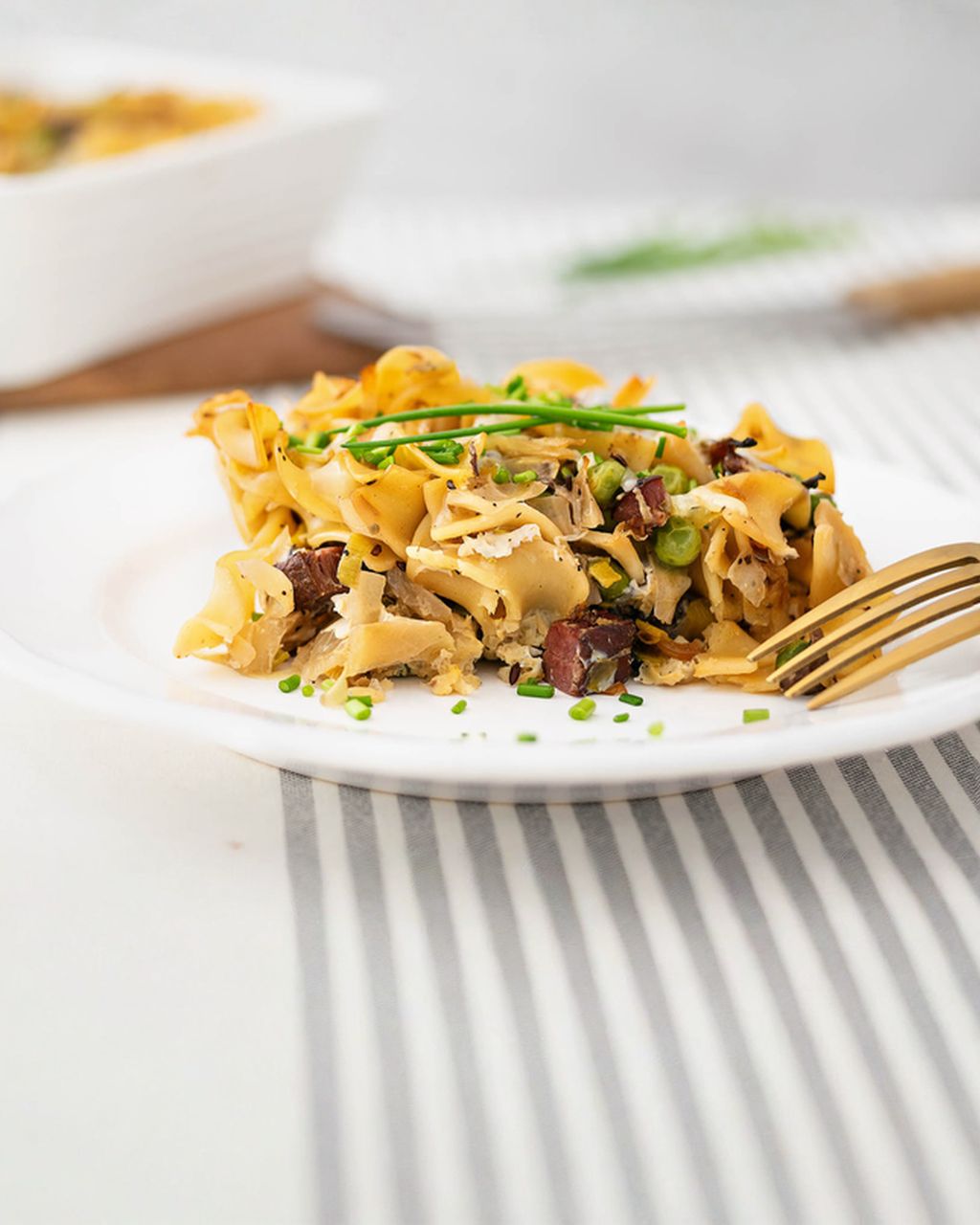
Some classics take their time — slow-braised meat, a proper sauce. But plenty of recipes work on a weeknight too: potato pancakes, spreads, simple soups, or Czech-style pasta. Every recipe lists its prep time so you know what you're getting into.

Can I cook Czech food without meat?

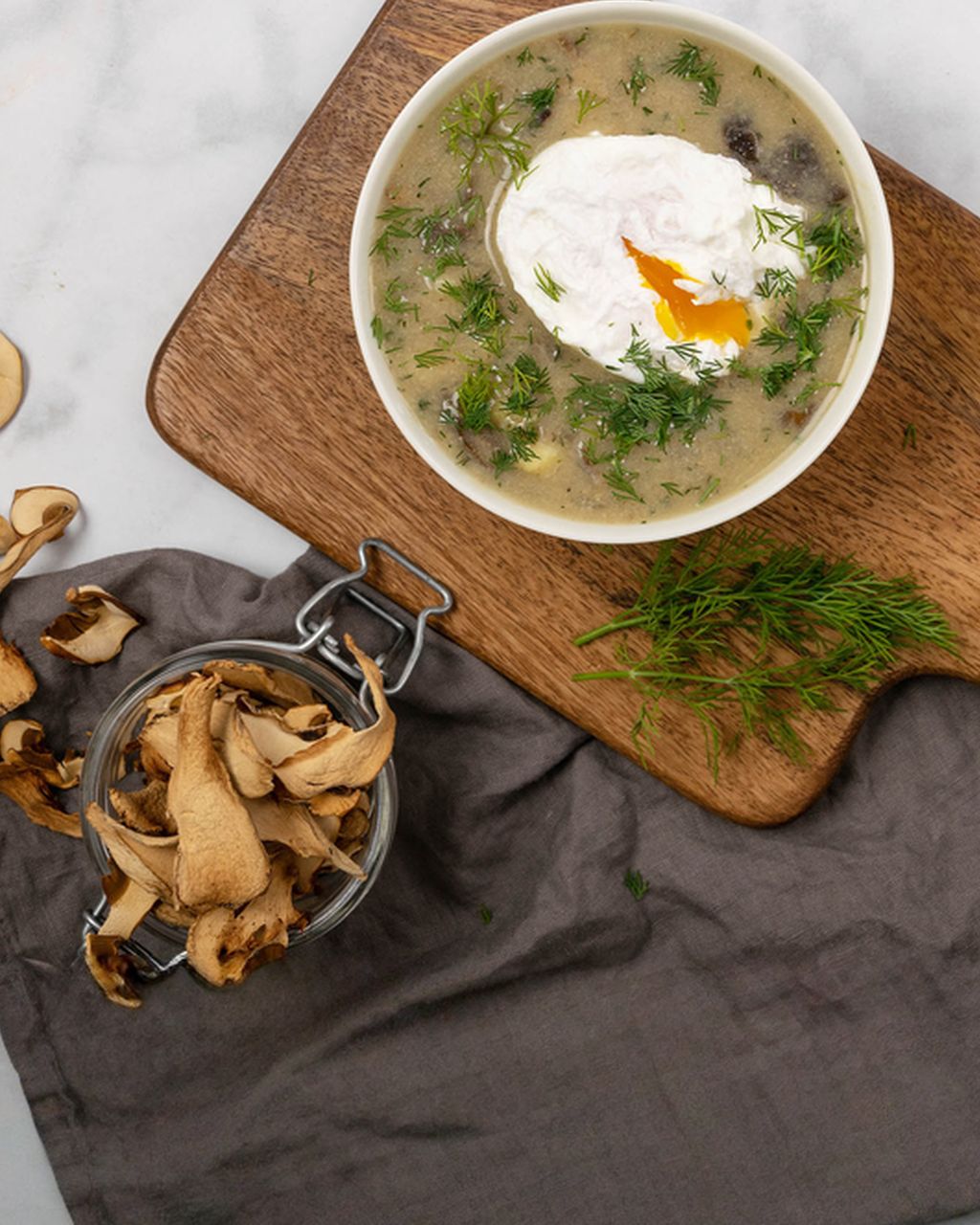
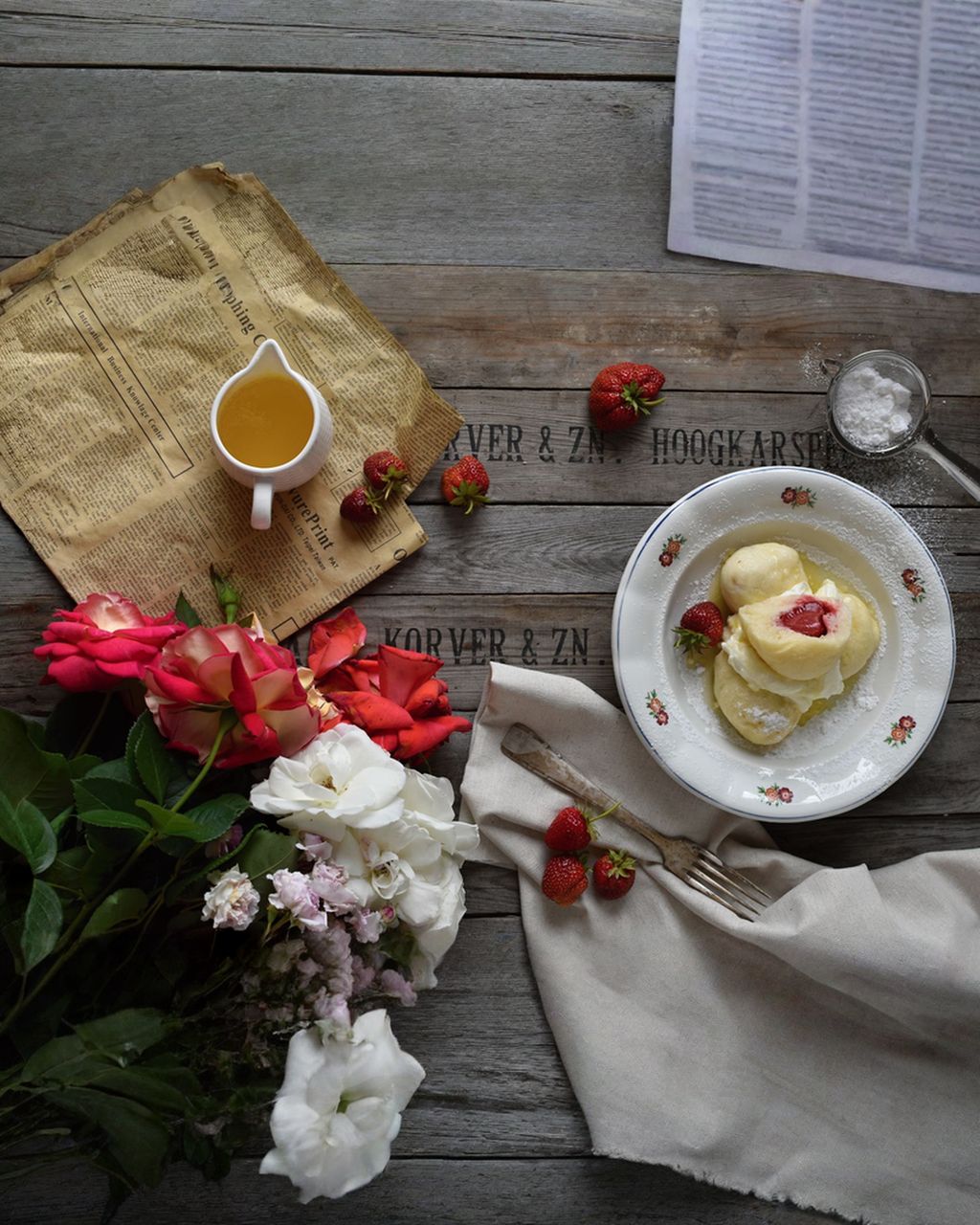
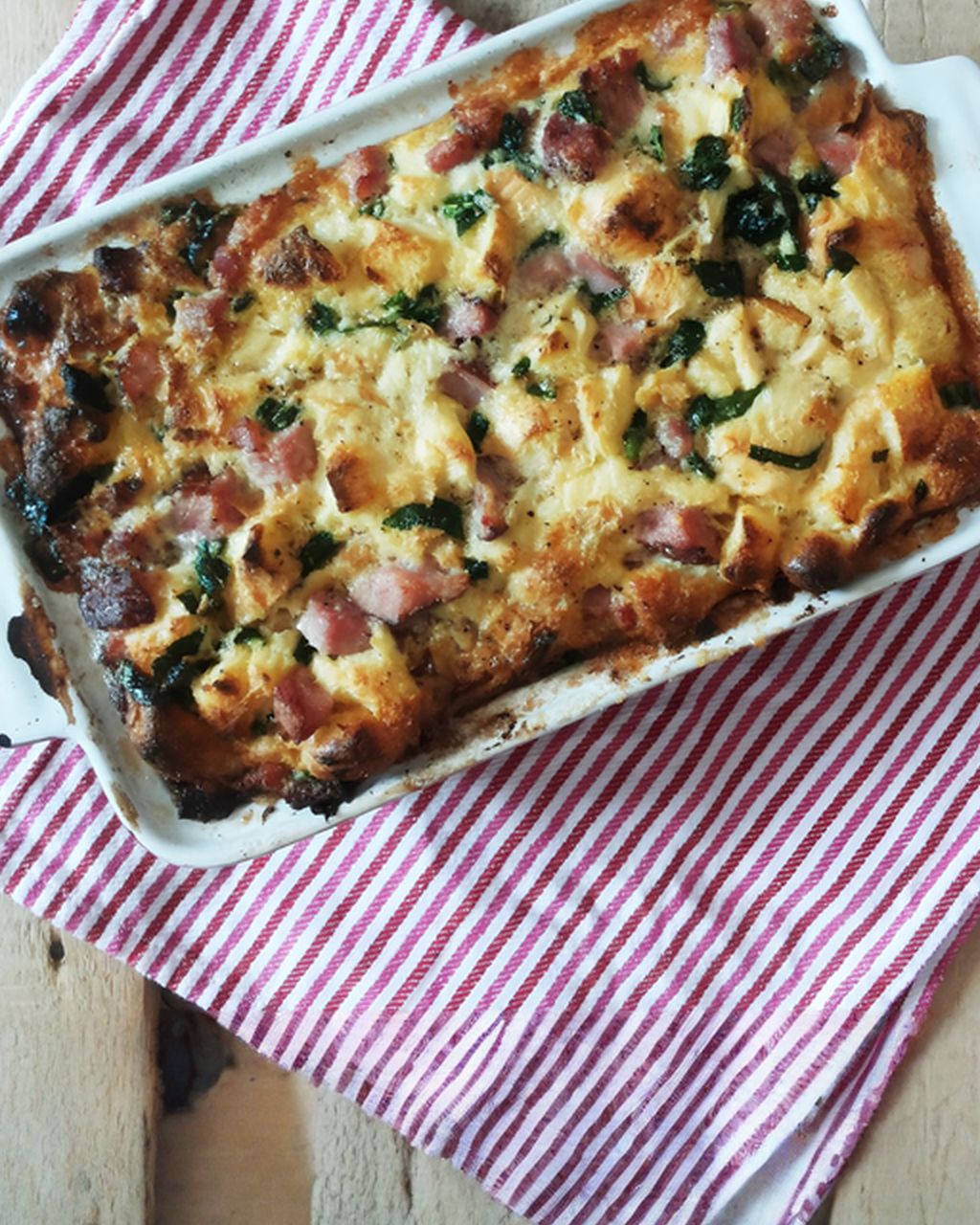
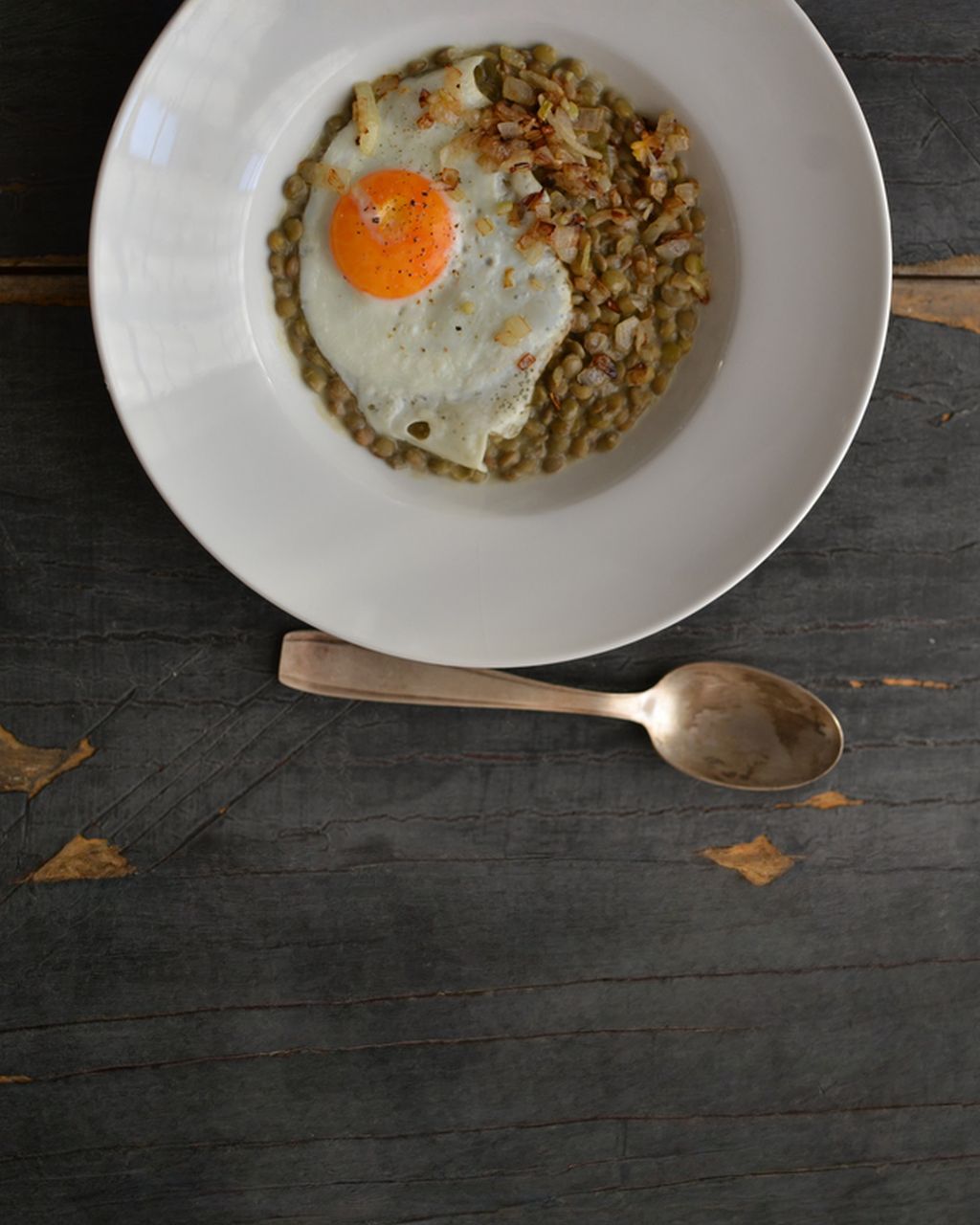
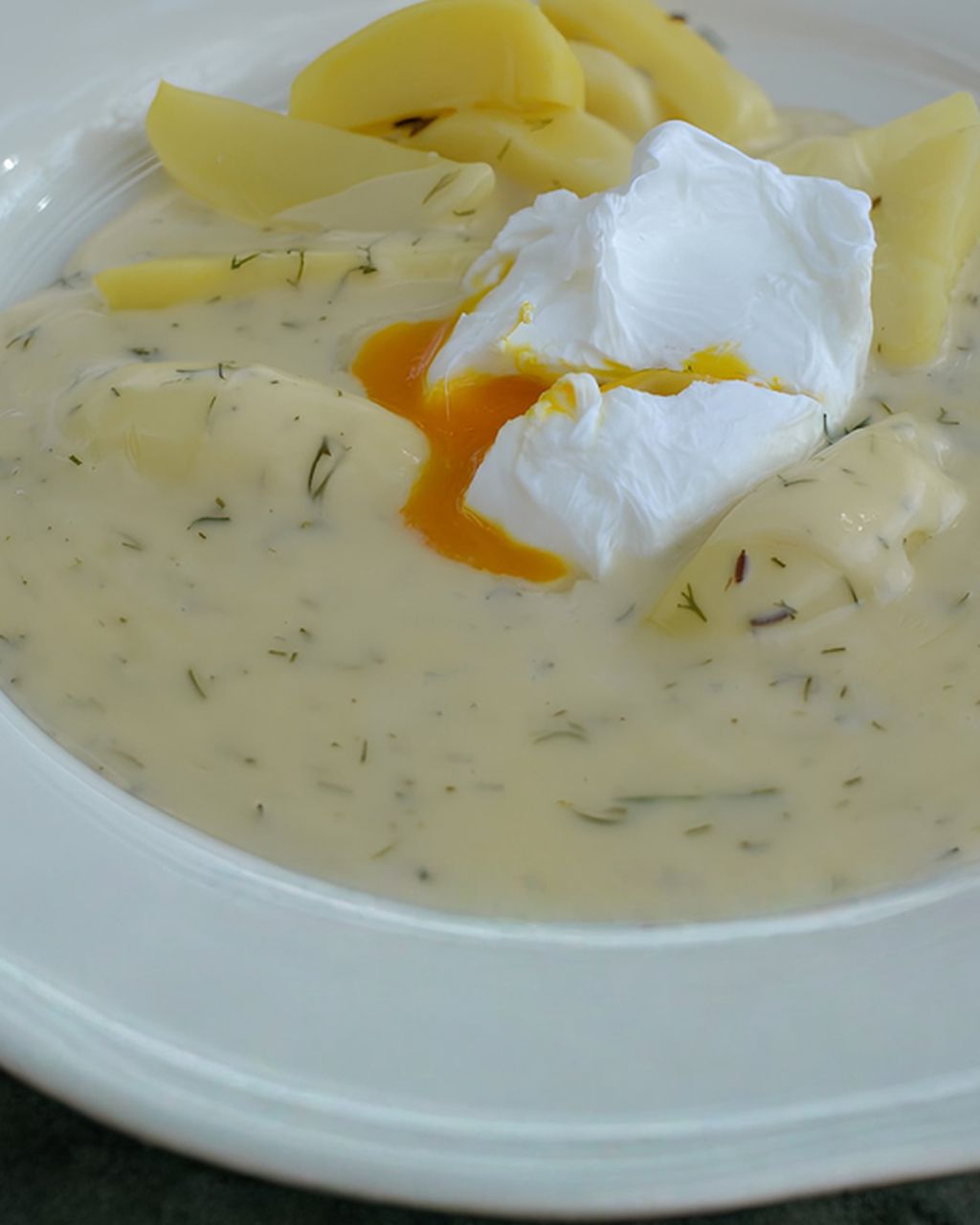
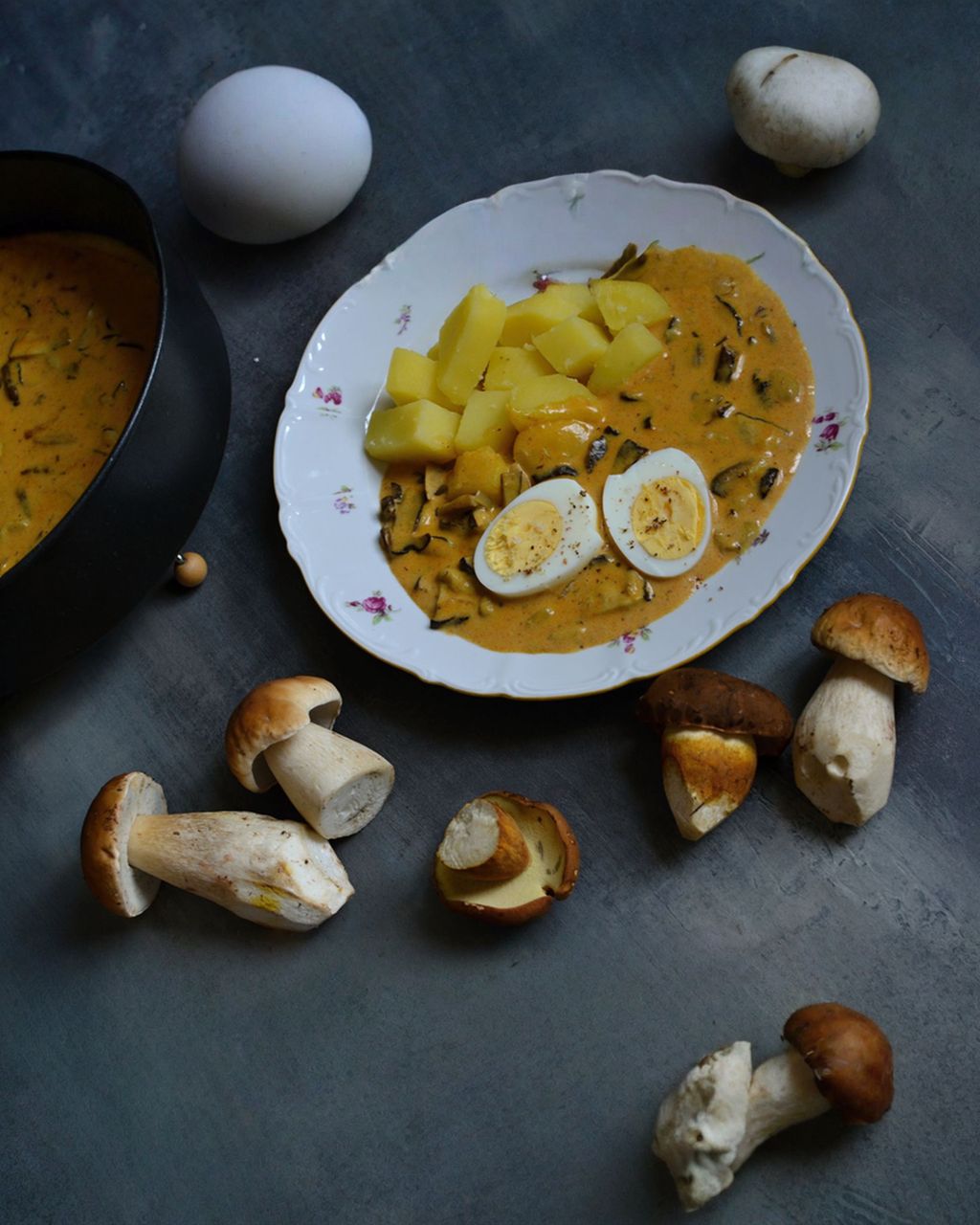
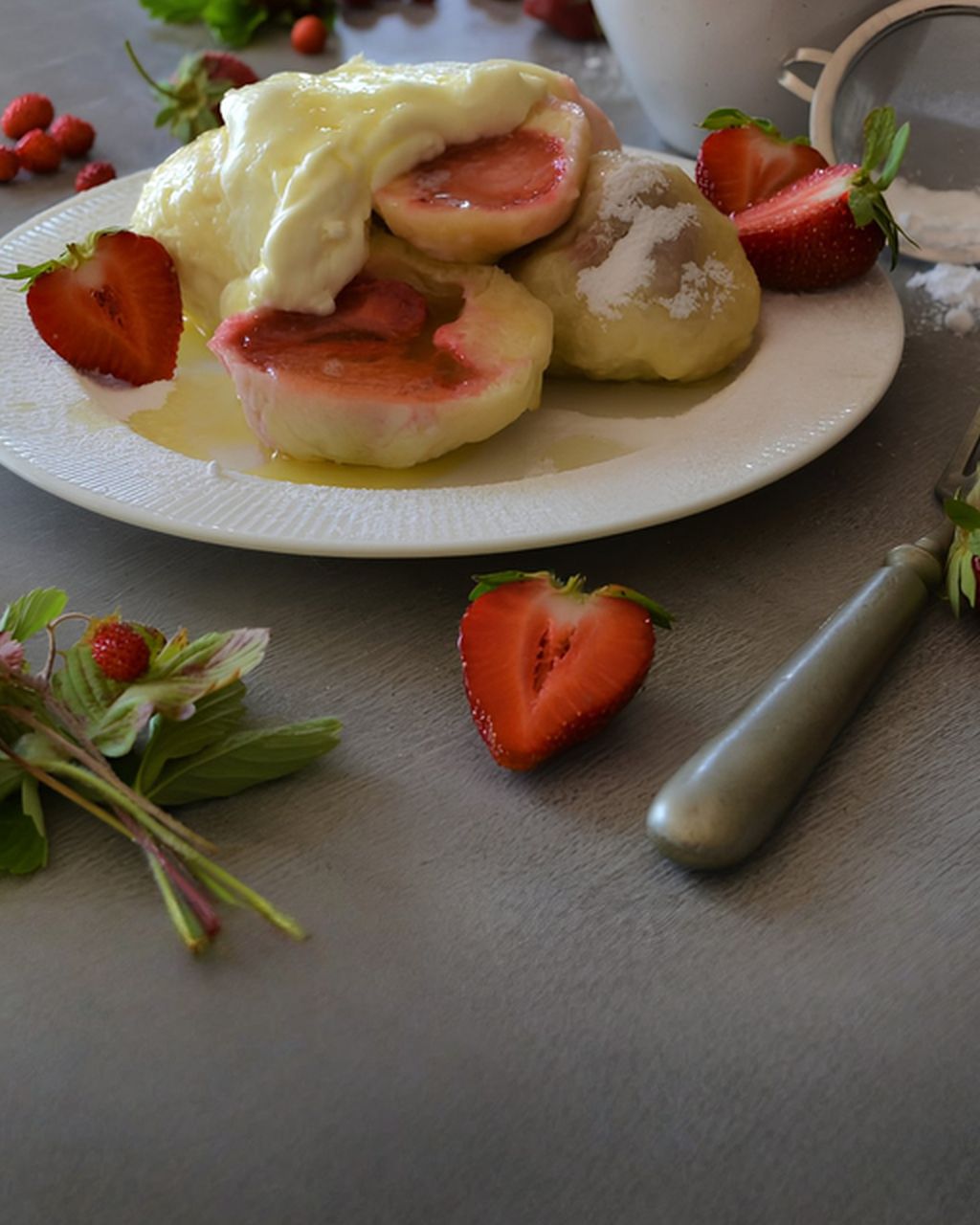
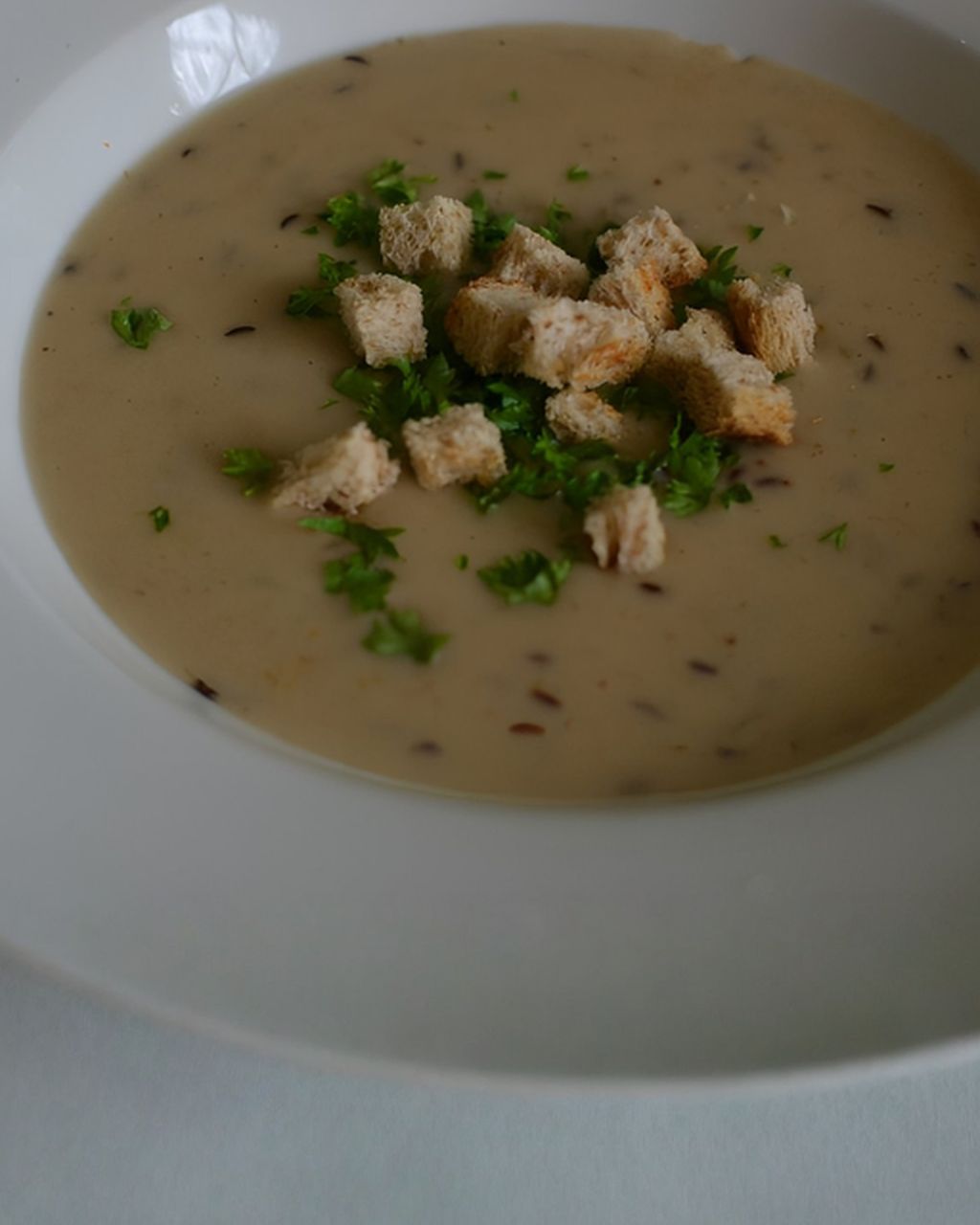
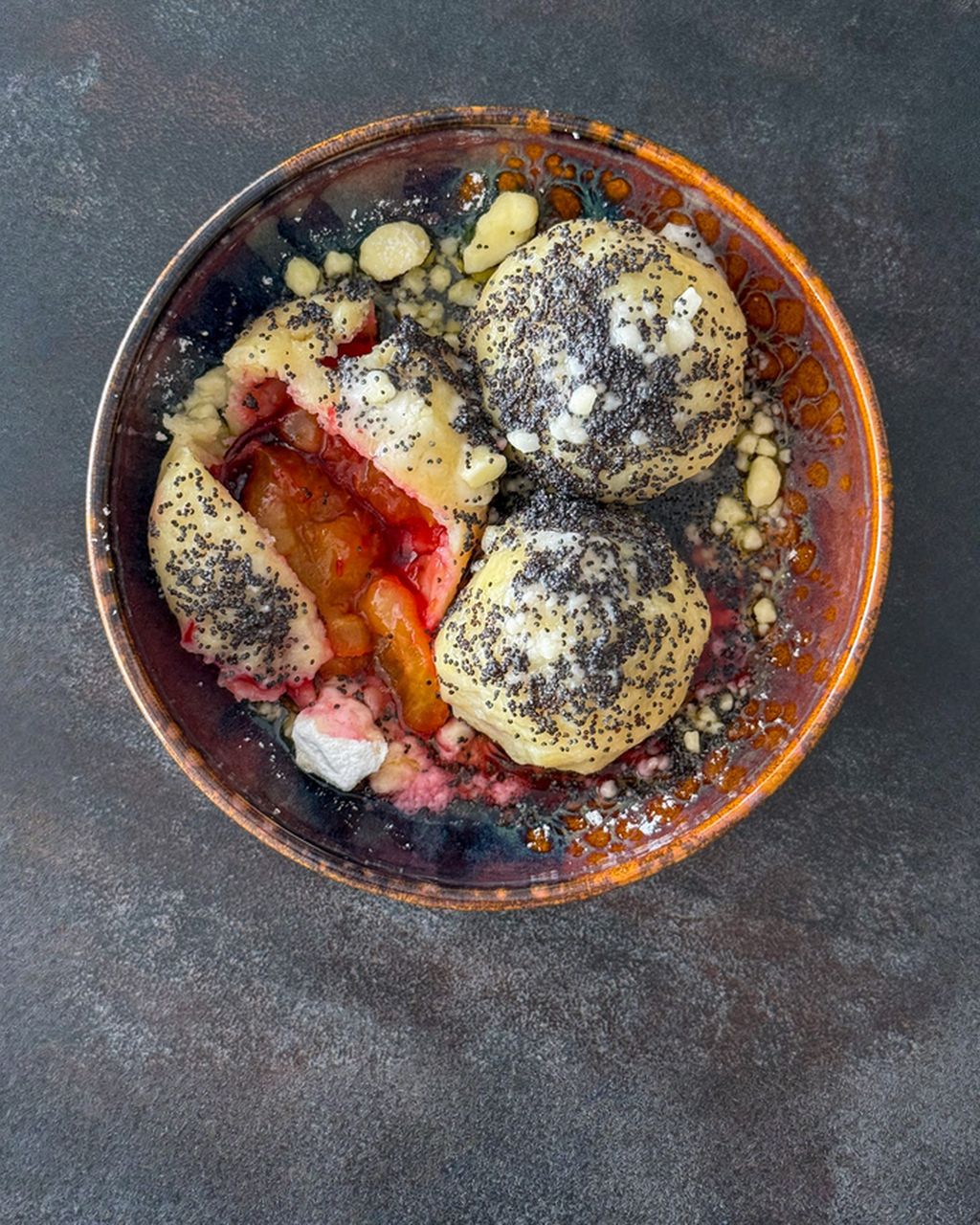
Absolutely — meat-free dishes have a long tradition in Czech cooking. Fried cheese, potato pancakes, creamy dill soup (kulajda), sour lentils, or sweet mains like fruit dumplings and žemlovka bread pudding fill you up without any meat.

How do I make dumplings that aren't dense?

Let the dough rise properly and cook it in gently bubbling salted water for about 20 minutes. Pierce the finished dumpling right away so the steam escapes, and slice it with a thread — a knife presses it flat.

Can Czech classics be lightened up?

They can. Bake the schnitzel instead of frying, thicken the sauce with vegetables instead of flour, and take one less dumpling and one more spoonful of veg. The flavor stays — the lunch won't put you to sleep.

0 products added