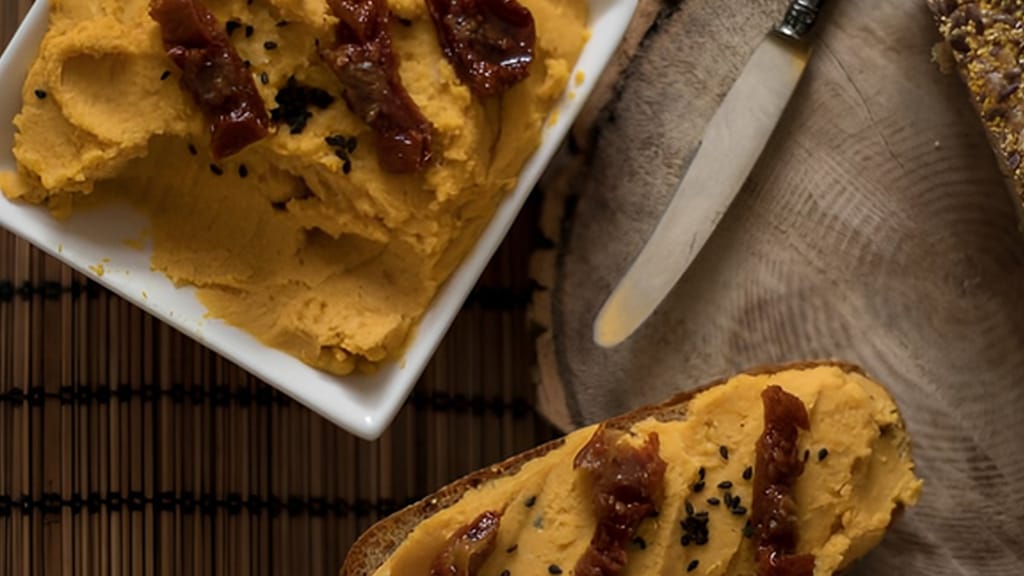
Carrot hummus

Updated Jul 19, 2026
A road trip menu is food you plan and prepare ahead of time so it survives a full day outside the fridge, keeps the whole crew full, and saves you from emergency fast-food stops. A good menu comes down to three things: shelf-stable food, smart packing, and keeping an eye on temperature. Below you'll find a concrete list of food that survives the journey, tips on how to pack and chill it, food safety rules, and ready-made recipes to prep the night before.
Bringing your own food on a trip pays off for four reasons: you save money, you control the quality of ingredients, you can cater to allergies and diets within the group, and you're not stuck relying on wherever the nearest open stop happens to be.
You'll save money. Lunch for a family at a highway rest stop can easily run into serious money. Sandwiches and snacks from home cost a fraction of that, and the money saved goes toward better experiences along the way.
You know what you're eating. You pick the fresh ingredients yourself and skip the oversalted, oversweetened snacks from the gas station.
You can plan around allergies and diets. If someone in the car is gluten-free or has an allergy, pre-made food means peace of mind — no last-minute label-reading at a petrol station.
You'll save time and stress. No more hunting for a restaurant or waiting in line. Instead, you pull over somewhere scenic and have a picnic with a view.
Good road trip food doesn't need refrigeration, won't turn your bag into a soggy mess in the heat, and can be eaten by hand without a plate or cutlery: nuts and seeds, dried fruit, whole-grain crackers, thick-skinned fresh fruit, and veggie sticks. Build your whole day of eating around these staples.
Shelf-stable foods are low in moisture and free of raw meat or soft dairy — they'll easily last a full day in a warm car. Good options include:
Nuts and seeds — almonds, cashews, pumpkin seeds; a handful (about 30 g) fills you up and delivers protein and healthy fats.
Dried fruit — apricots, dates, raisins; a quick sugar boost when your energy dips behind the wheel.
Whole-grain crackers and crispbread — they crumble less than bread and don't go stale as fast.
Hard cheese in a block (Edam, Gouda) — lasts longer unrefrigerated than soft cheese; slice it only once you stop.
Shelf-stable pouch spreads — legume-based pâtés or pouched tuna open up without a fridge or a fiddly tin lid.
The best road trip snack can be eaten with one hand, doesn't make a mess, and won't wilt before lunchtime. Reach for:
Thick-skinned fruit — apples, pears, clementines, grapes; a banana turns black and mushy within two hours, so eat it first.
Veggie sticks — carrot, celery, bell pepper; in a resealable bag or container they'll stay crunchy for several hours.
Hummus for dipping — a small tub plus whole-grain bread or veg turns a snack into a mini meal.
Carrot hummus
Carrot hummus for the road — dip veggies and whole-grain bread into it
The best drink for a road trip is plain water — it hydrates, doesn't leave a sticky mess, and won't cause trouble if it spills. Bring along:
Water in a stainless steel or glass bottle — stays colder for longer than plastic and won't leave an aftertaste.
Cold unsweetened herbal or fruit tea — brew it the night before, chill it overnight, and pour it into a bottle in the morning.
Diluted fruit juices with no added sugar — sweet fizzy drinks get old fast in the heat and actually make you thirstier instead of quenching it.
Keep your bottle within arm's reach, not in the boot — otherwise you'll end up drinking less than you need.
The key to fresh road trip food is keeping wet and dry separate, and chilling anything perishable. Dry snacks go in resealable bags and containers; heat-sensitive food goes in a cooler with ice packs. Pack dressing and tomatoes separately and combine them only right before eating so nothing goes soggy.
For small snacks (nuts, dried fruit, veg), use lightweight resealable bags — they take up little space and fold flat once empty. For sandwiches and salads, reach for sturdy containers, ideally with compartments: they keep ingredients separate, so bread doesn't turn soggy from tomato and salad stays crisp. Glass or hard plastic containers also protect food from getting crushed in an overpacked boot.
Heat-sensitive food — cheese, dairy, cooked meat, mayo-based salads — belongs in a cool bag or box with ice packs. A few tricks to make the cold last longer:
Freeze the ice packs overnight, not just for a few hours — a fully frozen pack chills for much longer.
Pack the cooler as full as possible. A full cooler holds a low temperature longer than a half-empty one; fill gaps with extra ice packs or a frozen water bottle, which turns into ice-cold drinking water along the way.
Keep it in the shade, on the floor behind the seats, not on the back window in direct sun.
Open it as little as possible — every time you open it, warm air gets in.
For longer trips and camping, consider a 12V electric cooler box — it holds a steady temperature without any ice melting.
Perishable food shouldn't sit out of refrigeration for more than two hours — and in heat above 32°C (90°F), just one hour. According to the USDA, bacteria multiply fastest in the so-called danger zone between 4°C and 60°C (40°F–140°F), where their numbers can double in as little as 20 minutes. In a hot car, where the temperature can easily climb past 30°C, that safe window shrinks even further.
What to take away for your trip:
Track time out of the cooler. Take food out, eat, and put leftovers straight back in the cold.
Don't trust looks or smell. The bacteria that actually make you sick often don't change food's appearance at all — no smell, no discoloration.
Think about hand hygiene. Wet wipes or hand sanitizer solve the problem of having nowhere to wash your hands by the road.
The best road trip meals can be made the night before, eaten cold, and hold up for a few hours in a container: sandwiches and savory baked goods, salads in a box, and homemade sweet snacks. Prep them a day ahead — the flavors meld overnight, and in the morning you just pack them into the bag.
A sandwich is a road trip classic because it's eaten one-handed and pairs with almost anything. To keep it from going soggy, spread the bread with a thin layer of butter or cheese as a moisture barrier and pack juicy tomato or cucumber separately. If you're into avocado, you'll love a hearty oyster mushroom sandwich with BBQ sauce; if salmon is more your thing, go for wraps, which pack well and taste great cold.
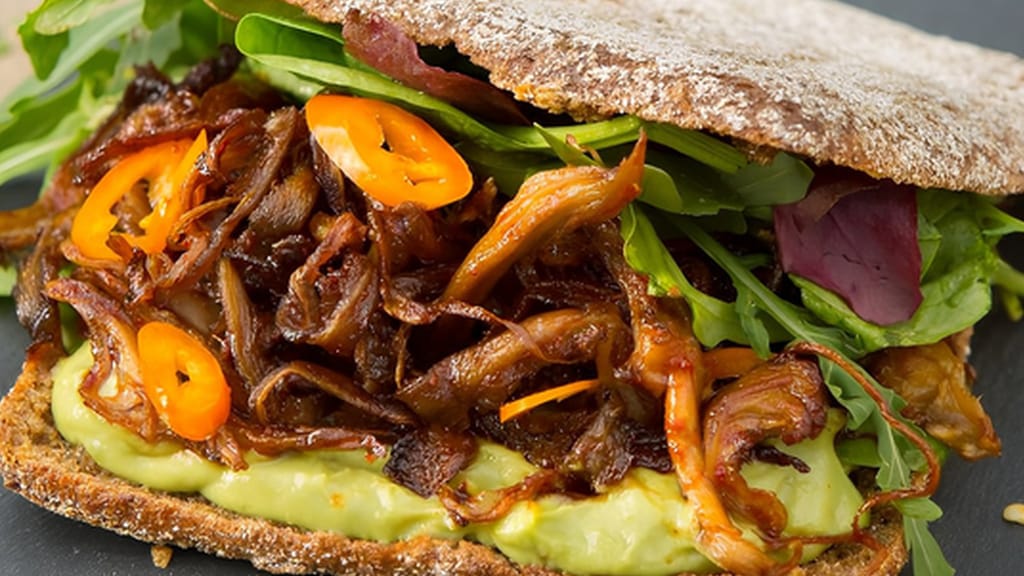
Oyster mushroom sandwich with bbq sauce, avocado and wasabi
Oyster mushroom sandwich with BBQ sauce and avocado — a hearty road trip sandwich
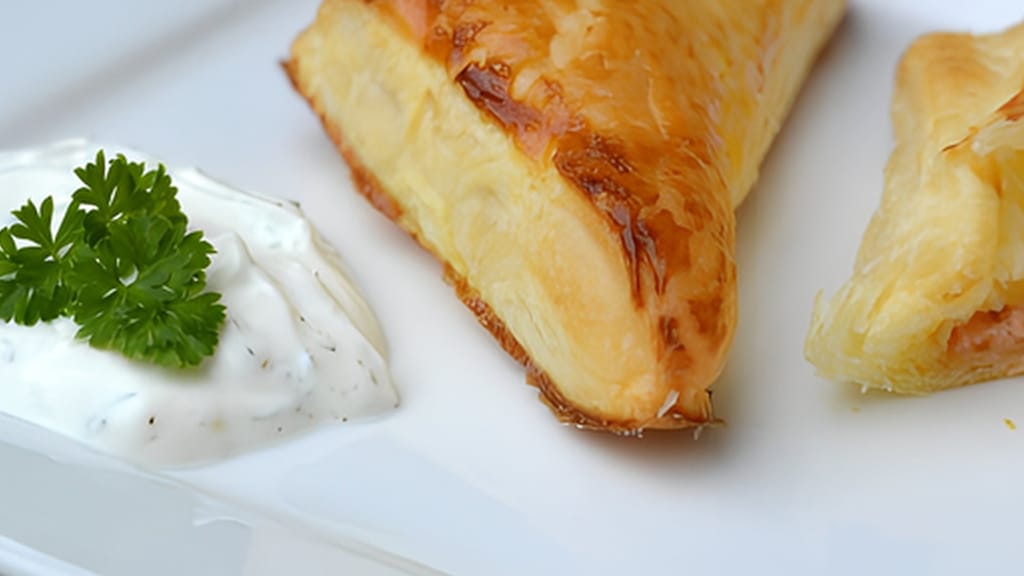
Salmon and goat cheese puff pastry parcels
Salmon and goat cheese wraps — pack well and taste great cold too
A salad in a container is a lighter lunch option that won't weigh you down behind the wheel. Choose grains and legumes over leafy greens — chickpeas, couscous, or pasta don't wilt and actually taste even better the next day. Always pack the dressing separately and toss it in just before eating.
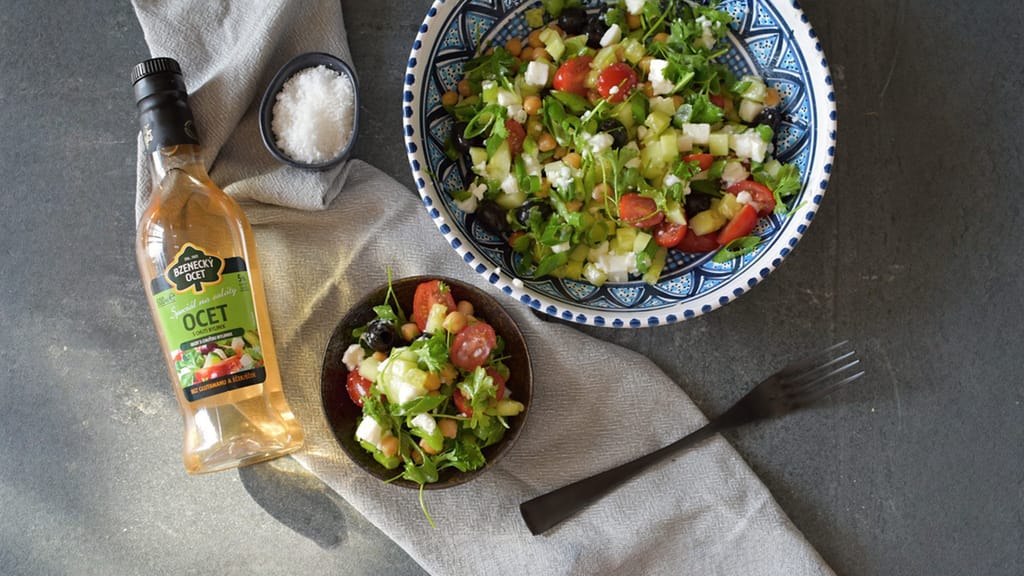
Mediterranean chickpea salad with goat cheese and vegetables
Mediterranean chickpea and feta salad — a hearty container salad for the road
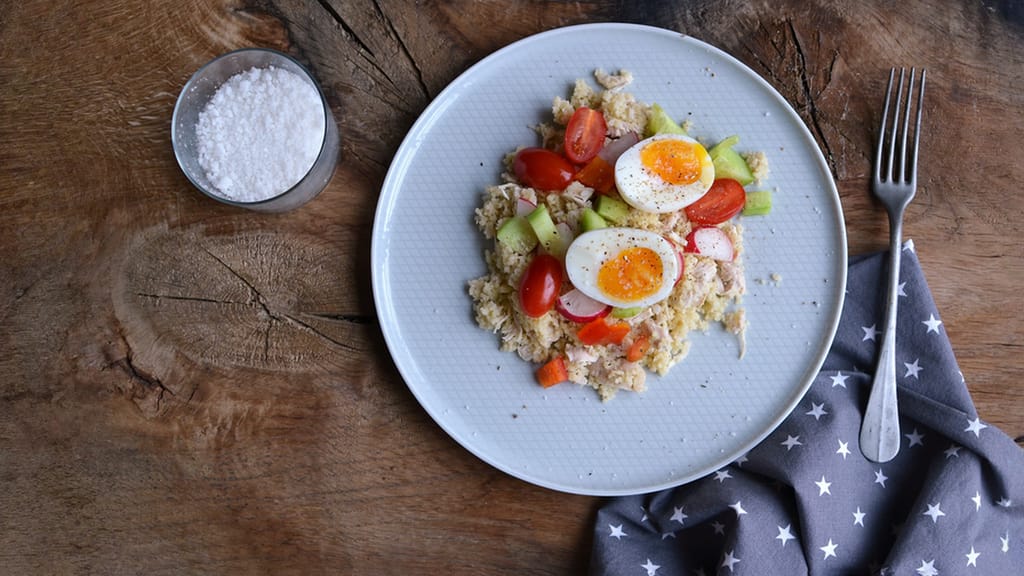
Couscous salad with pulled turkey and vegetables
Couscous salad with pulled meat and vegetables — stays fresh even after hours in the car
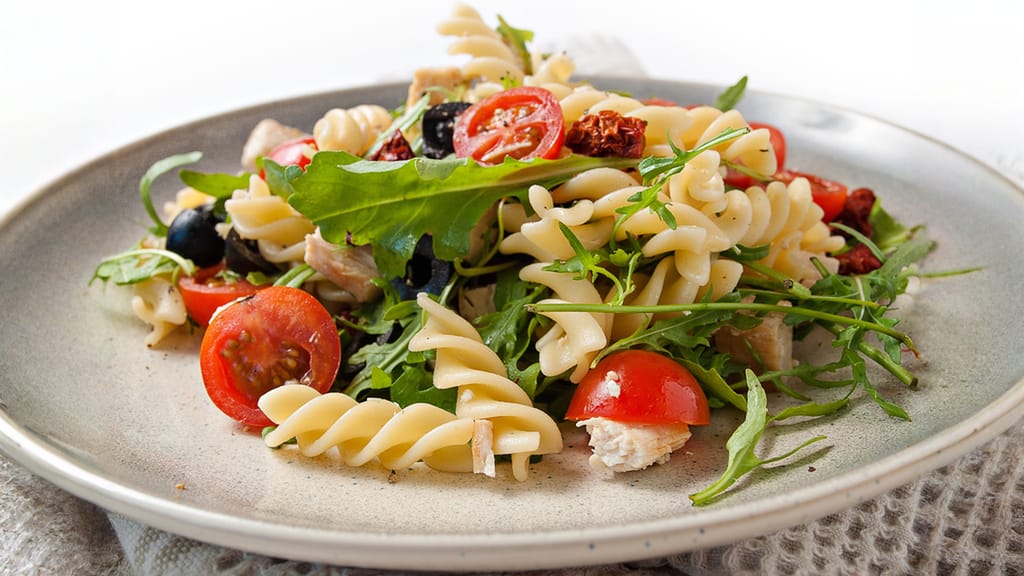
Pasta salad with chicken strips, tomatoes and arugula
Pasta salad with chicken strips and tomatoes — a filling container meal for a long drive
Homemade bars and energy balls are the best road trip snack because you bake them from ingredients you actually like, with no artificial additives or the excess sugar of store-bought versions. Oat granola bars keep you full for a long stretch, while date-and-nut energy balls give a quick energy boost when the crew starts getting cranky. Make both ahead of time and just pack them into a container.
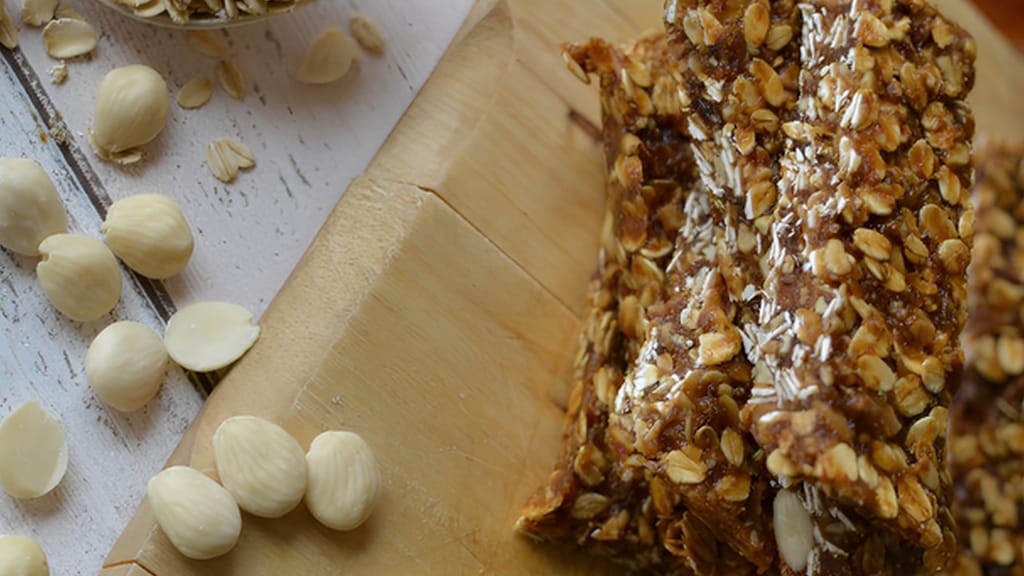
Homemade almond granola bars
Homemade almond granola bars — a filling road trip snack with no artificial additives
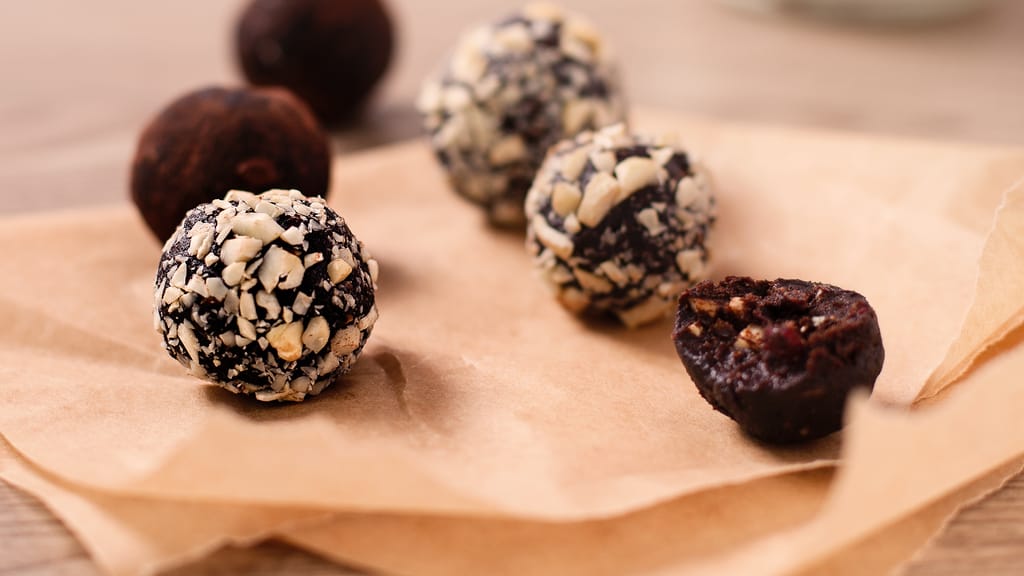
Cocoa date & oat balls
Cocoa energy balls with oats and dates — a quick energy boost for a long drive
A good road trip menu rests on three pillars: shelf-stable food (nuts, dried fruit, crackers, thick-skinned fruit), smart packing (containers with compartments, dressing packed separately, a full cooler kept in the shade), and food safety (the two-hour rule, one hour in the heat). Prep the specific meals — sandwiches, container salads, homemade bars and energy balls — the night before. You'll save money and stress, and instead of queuing at a gas station, you'll be having lunch with a view.
Without a cooler, stick to shelf-stable food that doesn't need chilling: nuts, dried fruit, whole-grain crackers, thick-skinned fruit, hard cheese in a block, and pouch-packed spreads. Skip mayo-based sandwiches, soft dairy, and cooked meat, which spoil quickly in the heat. A frozen water bottle wrapped in a tea towel next to your snacks can even work as an improvised cooler.
A sandwich won't go soggy if you spread a thin layer of butter, cheese, or hummus on both sides of the bread — it acts as a moisture barrier. Pack juicy ingredients like tomato, cucumber, or pickled veg separately and add them to the sandwich just before eating. Wrap it in paper or a container, not plastic wrap, which traps steam and makes it damp.
In hot weather, go for dry, shelf-stable foods with no raw meat or soft dairy: nuts, dried fruit, crackers, granola bars, and thick-skinned fruit. Above 32°C (90°F), don't leave perishable food out of the cooler for more than an hour. Keep the cooler in the shade on the car floor, not on the back window in direct sun.
Hard-boiled eggs and homemade spreads shouldn't sit out of refrigeration for more than two hours — just one hour in heat above 32°C (90°F) — so keep them in a cooler with ice packs. For a longer trip without cooling, it's best to skip them and swap in shelf-stable pouch spreads or hard cheese instead. Looks and smell won't save you: the bacteria that cause food poisoning often don't change food's appearance at all.
Good snacks for kids are ones that can be eaten one-handed and won't make a mess: cut-up fruit and veggie sticks, homemade granola bars, energy balls, and whole-grain crackers. Avoid crumbly, sticky food that ends up all over the seat. Give each kid their own small container so they're not fighting over snacks and always have theirs within reach.
I send one like it every week. A recipe, a tip, one deal — nothing else.