Why Is My Stew Bitter? Burnt Fond, Tomato Paste, Wine and Herbs
Why Is My Soup Bitter? Common Causes and How to Fix It
Updated Nov 21, 2026
Soup usually turns bitter because something burned at the start (garlic, onions, paprika or tomato paste), a bitter vegetable or herb cooked too long, or citrus peel and pith went into the pot. You can soften bitterness with salt, a little sweetness, fat or acid, but you can't remove burnt flavor. Find the cause first, then balance it.
Bitterness in soup almost always has a single source. Taste the soup and think back to how you made it:
Sharp, acrid, smoky: something burned. Usually garlic, onions, paprika or tomato paste at the start, or a scorched bottom later.
Harsh, sulfurous, cabbage-like: a brassica (cabbage, broccoli, kale, Brussels sprouts) cooked too long.
Grassy or medicinal: too many herbs, bay leaves, celery leaves or a strong green such as endive.
Sharp citrus bitterness: lemon or orange peel, especially the white pith, or squeezed rinds left in the pot.
Flat and harsh: often simply under-salted.
Knowing which one you have tells you whether you can balance it or need to dilute it.
The most common cause is a base that went too far before the liquid went in.
Garlic burns in seconds in hot fat and turns acrid. Add it after the onions have softened, on medium heat, and cook it only until fragrant.
Onions should turn soft and golden, not black at the edges.
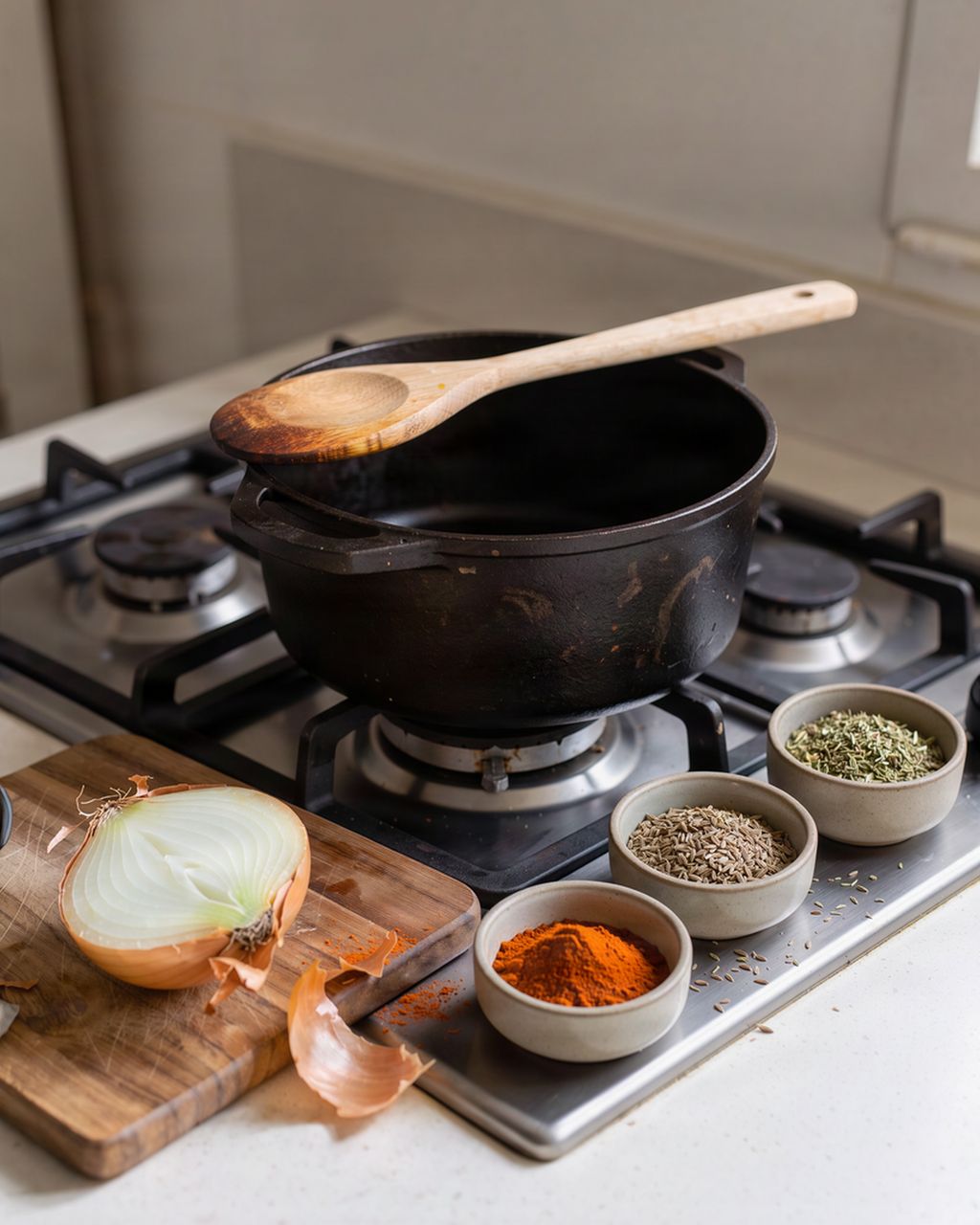
Paprika scorches very quickly in hot fat. In Czech and Hungarian kitchens, the pot comes off the heat before the paprika goes in, and the liquid follows within moments. Our guide to sweet, smoked and hot paprika explains the differences.
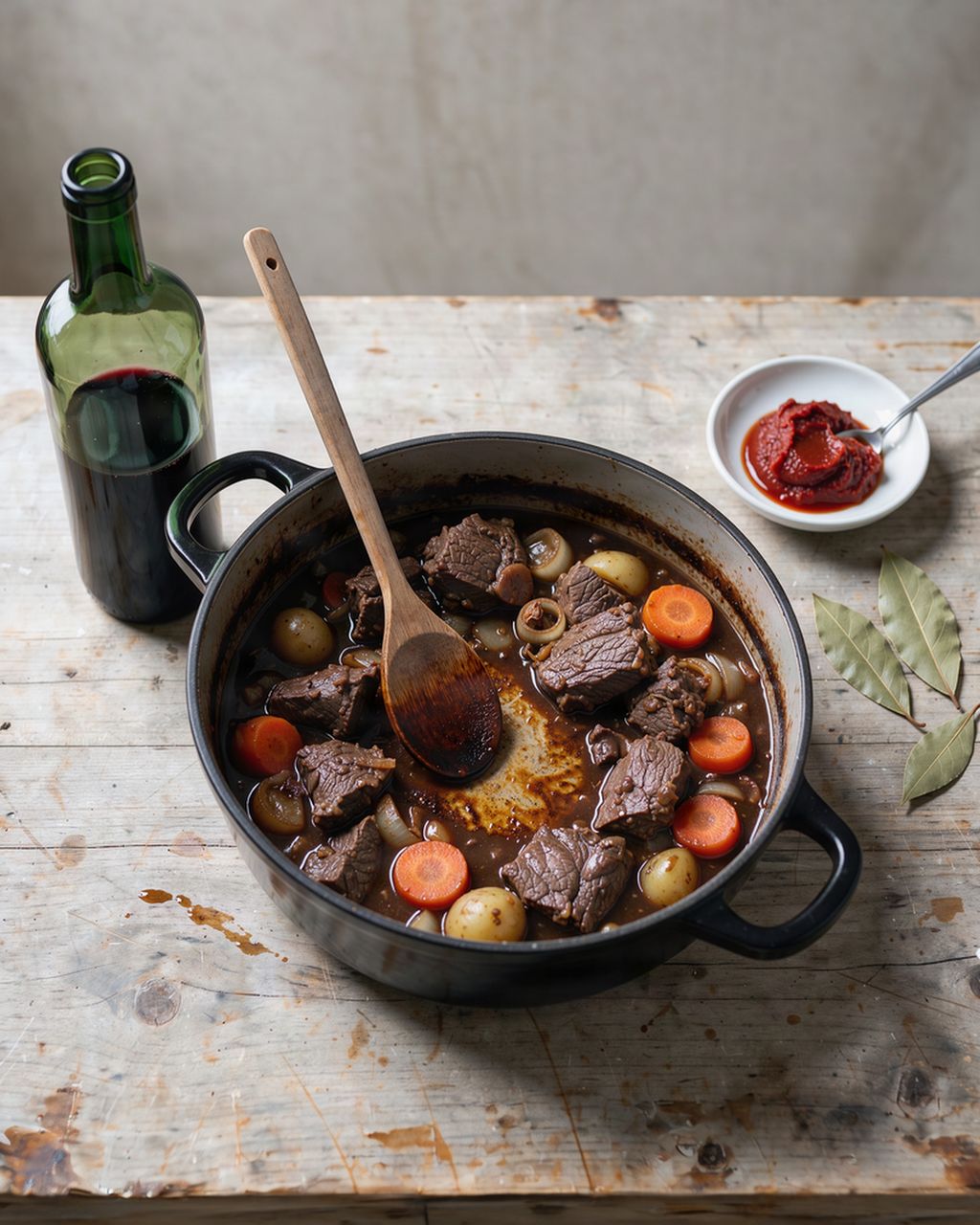
Tomato paste is meant to fry briefly until it darkens slightly. Leave it too long on high heat and it turns bitter.
If the base burned before any liquid went in, wipe the pan out and start again. It costs a few minutes and saves the whole pot.
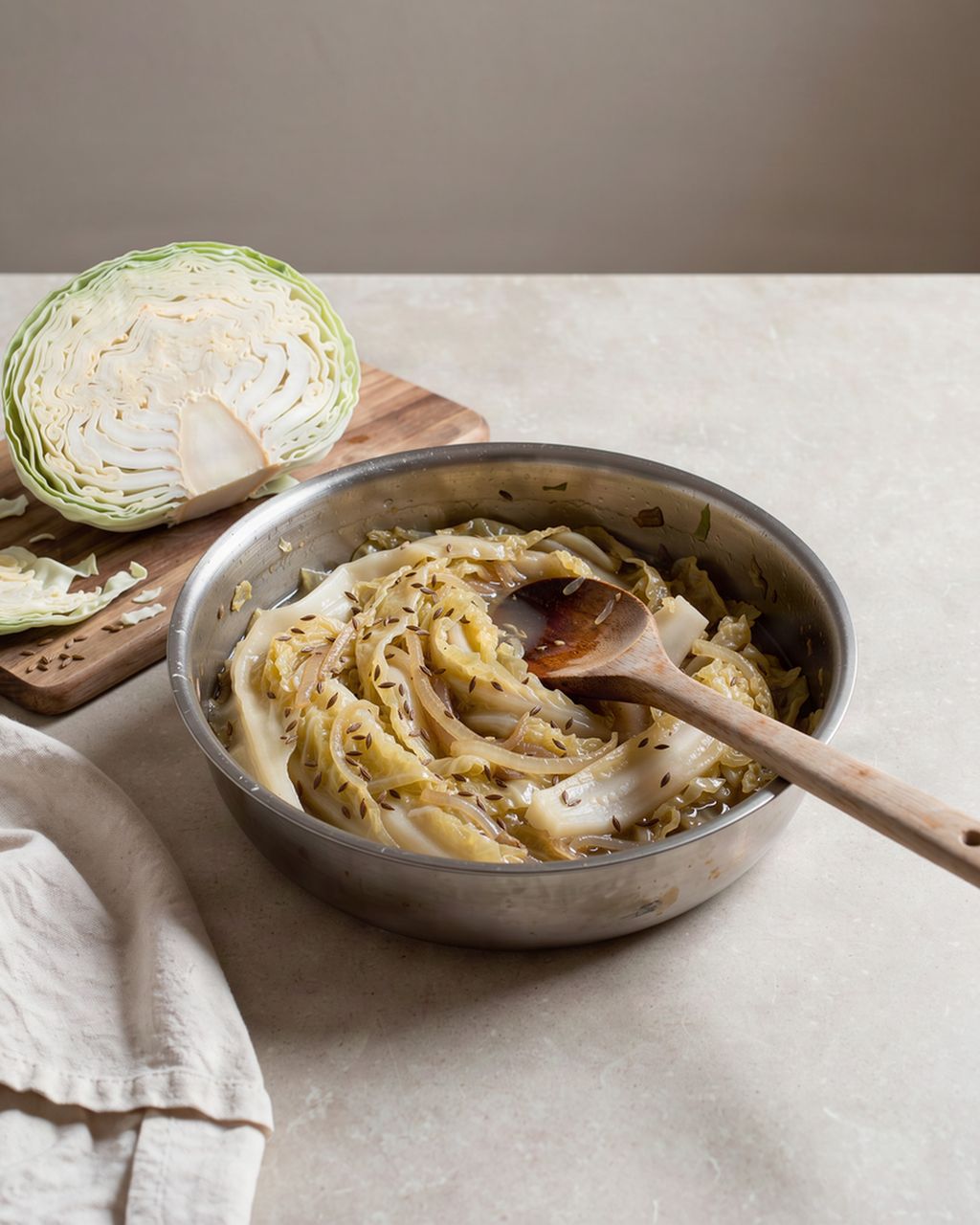
Kale, cabbage, broccoli, cauliflower and Brussels sprouts contain glucosinolates, sulfur compounds that are responsible for much of their bitter taste and sulfurous smell. Long boiling makes that smell stronger, and in a soup there is nowhere for it to go.
Add brassicas later in the cooking and cook them only until tender.
Cut them evenly so some pieces don't overcook while others finish.
Balance them with potato, cream, a little butter or sour cream, which soften the edge. Czech cabbage soup (zelňačka) pairs sauerkraut with potatoes, caraway and often sour cream.
Some greens, such as endive, dandelion or a lot of raw spinach stems, are simply bitter. Use them sparingly or add them at the end.
Bay leaves. One or two give depth. A handful, left in for hours, can taste medicinal. Fish them out once the soup tastes right.
Celery leaves and lovage are strong. A few leaves are plenty.
Citrus peel and pith. Lemon zest is fine; the white pith underneath is bitter. Don't drop squeezed lemon halves into the pot.
Burnt bones or vegetables in a stock. Roast them until deep golden, not charred.
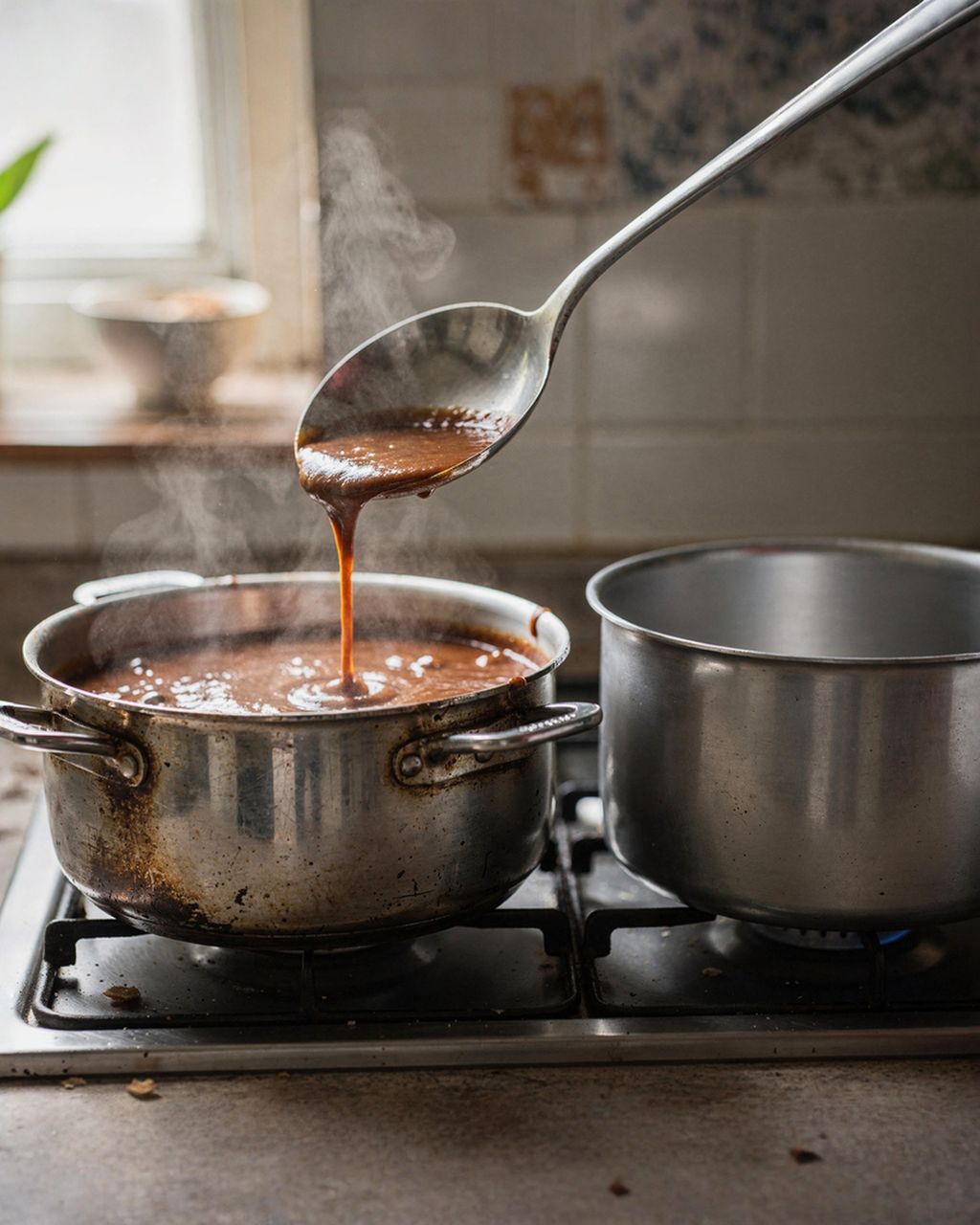
A scorched pot bottom. If the soup caught and stuck, don't scrape the bottom into the rest. Pour the soup off into a clean pot, leaving the burnt layer behind; our guide to saving a scorched sauce works for soups too.
Old or rancid oil, or stale spices. Taste a little of the oil or sniff the spice jar if nothing else explains it.
Work through these in order, tasting after each step:
Salt. Salt suppresses bitterness. A soup that tastes harsh is often just under-salted. Add it a pinch at a time.
A little sweetness. A pinch of sugar, a spoonful of honey, or a grated carrot simmered in. Go slowly; you want balance, not a sweet soup.
Fat. A spoonful of butter, cream or sour cream rounds off bitter edges, especially in vegetable and cabbage soups.
Acid. A squeeze of lemon or a dash of vinegar can make bitterness less noticeable, though too much makes it sharper again.
Dilute. Add more stock, water and fresh vegetables, then season again. This is the only real fix for burnt flavor.
If the soup is also too salty, see oversalted food before you add anything.
Cook the base on medium heat, and add garlic and spices after the onions.
Have the liquid ready before paprika or tomato paste goes in.
Add brassicas and greens late, and cook them only until tender.
Use bay leaves, celery leaves and strong herbs sparingly, and take them out when the soup tastes right.
Simmer stock gently rather than boiling it hard; our guide to clear, rich beef broth explains why.
Salt the soup properly, then taste again before you change anything else.
Recipe of the week, one tip that saves you time and one deal from the shop. Unsubscribe in one click.
The next issue goes out on Thursday, November 26.
Tomato soup has a few causes of its own, and some of what reads as bitter is really sharp acidity.
Scorched tomato paste or garlic in the base. Fry paste only briefly, stirring.
Underripe or watery fresh tomatoes, which taste sharp and thin. Out of season, good canned tomatoes are often better.
Seeds and skins blended in at length, which some cooks find adds a bitter edge. Pass the soup through a sieve if it bothers you.
Acidity mistaken for bitterness. A pinch of sugar, a little butter or cream, or a grated carrot simmered in rounds it off. Some cooks add a tiny pinch of baking soda to neutralize some of the acid; too much tastes soapy and flat.
Our guide to tomato soup covers the base, the tomatoes and the seasoning.
Soup most often tastes bitter because garlic, onions, paprika or tomato paste burned when you started it, or because bitter vegetables such as cabbage, kale or broccoli cooked too long. Citrus pith, too many bay leaves or a scorched pot bottom can also do it.
Balance bitterness by adding salt first, then a little sugar, honey or a sweet vegetable such as carrot, a spoonful of cream or butter, and a squeeze of lemon. If the bitterness comes from burning, you can only dilute it with more stock and vegetables, or start again.
Yes. Salt suppresses our perception of bitterness, so an under-salted soup often tastes more bitter than it is. Add salt a pinch at a time and taste after each addition before you reach for sugar.
Chicken stock turns bitter from burnt bits on roasted bones, too much of a bitter vegetable such as celery leaves, or very long hard boiling that breaks down the vegetables. Roast bones until golden, not black, keep the vegetables in proportion and simmer gently.
Yes, burnt garlic gives soup a sharp, acrid bitterness that is very hard to cover. If you notice it in the pan before any liquid goes in, wipe the pan out and start the garlic again on lower heat.
Brassicas such as broccoli, cabbage, kale and Brussels sprouts contain glucosinolates, sulfur compounds that give them their bitter edge, and the longer they cook, the stronger and more cabbage-like the smell becomes. Add them later, cook them only until tender, and balance the soup with salt, cream or potato.
One recipe worth heating the oven for, one tip, and one deal from the shop. Nothing else.