Quick answer
Which cake filling holds its shape best?
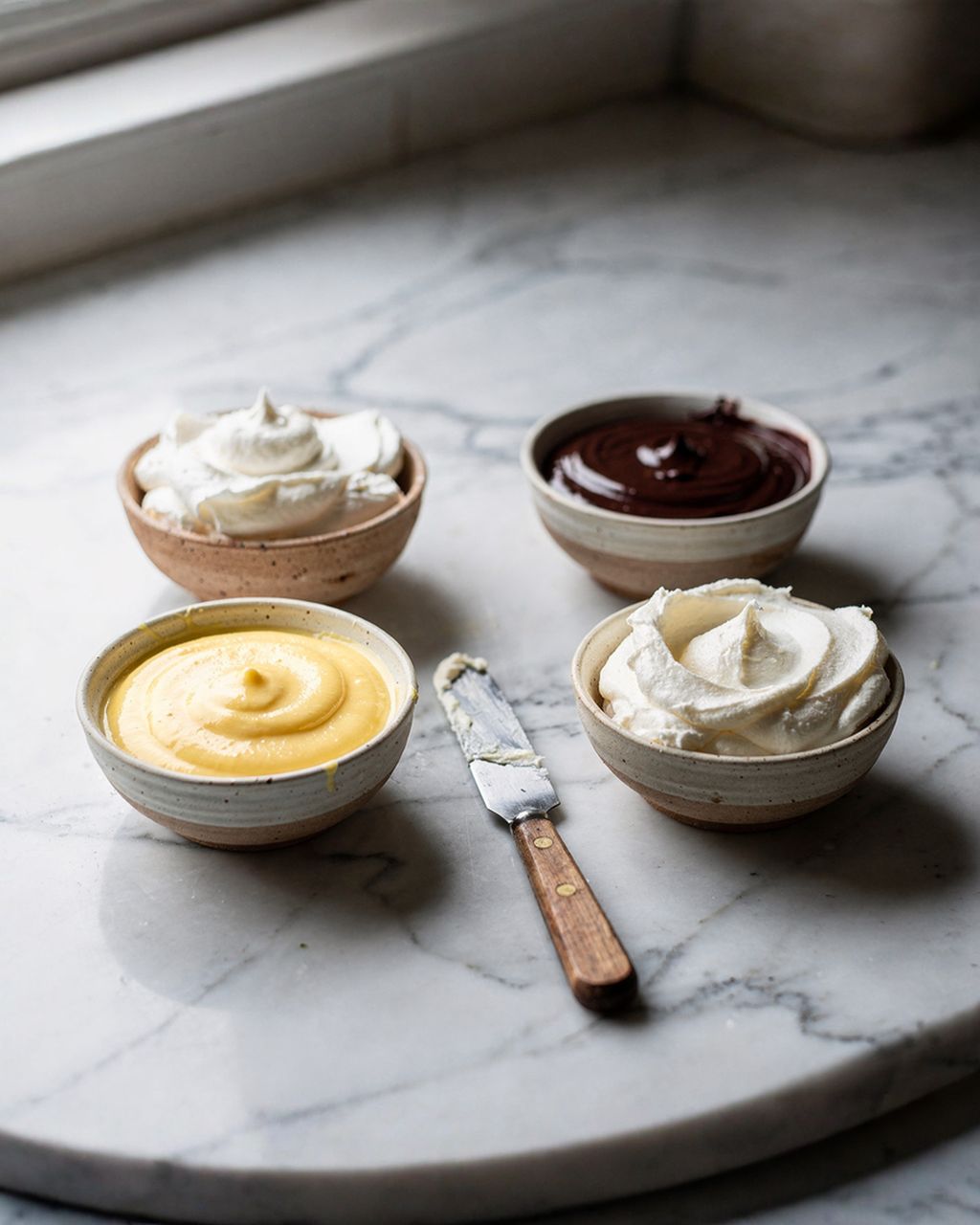
The firmest are a 2 : 1 ganache and meringue buttercream. Whipped cream and custard creams are softer and need stabilizing for a tiered or covered cake.
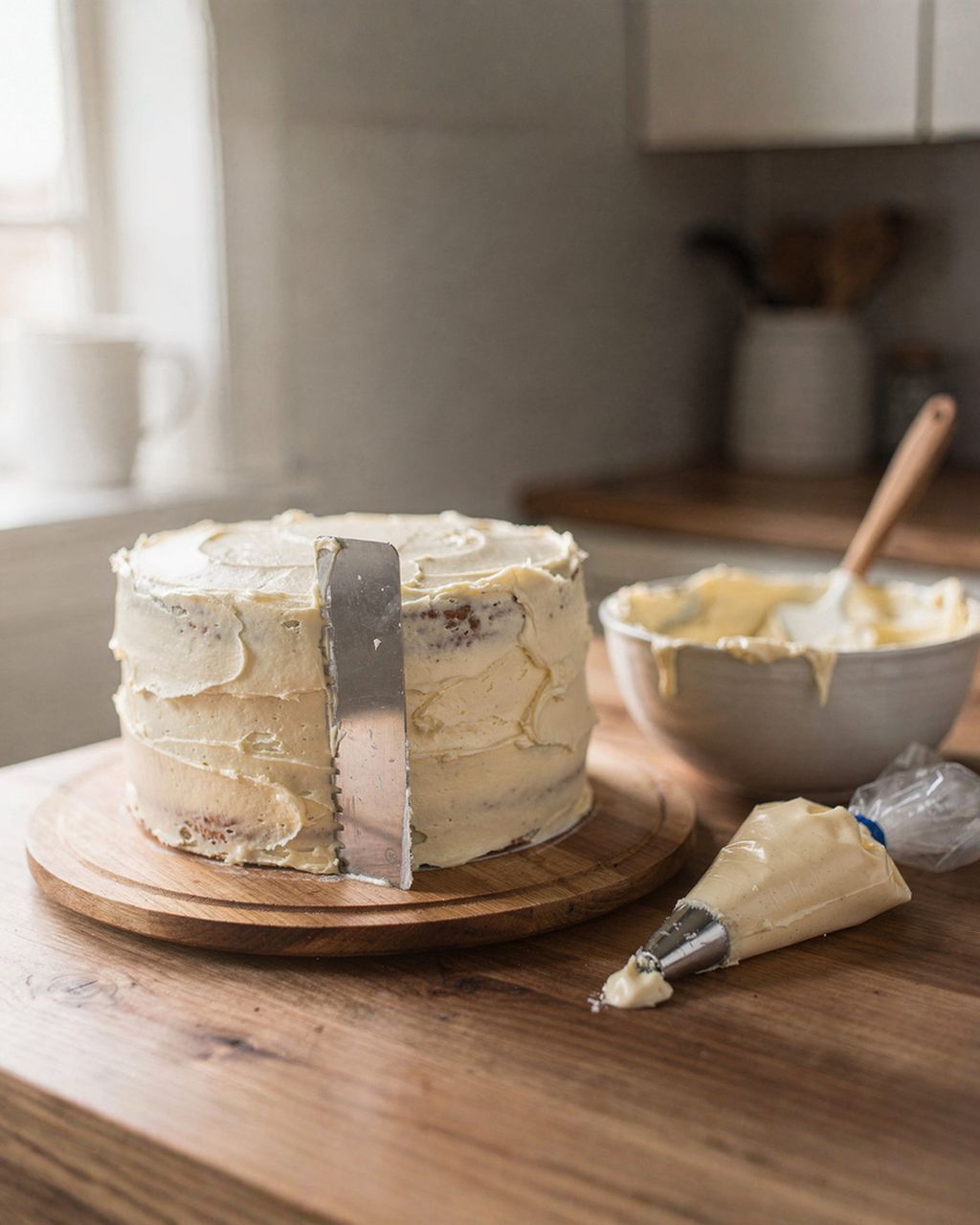
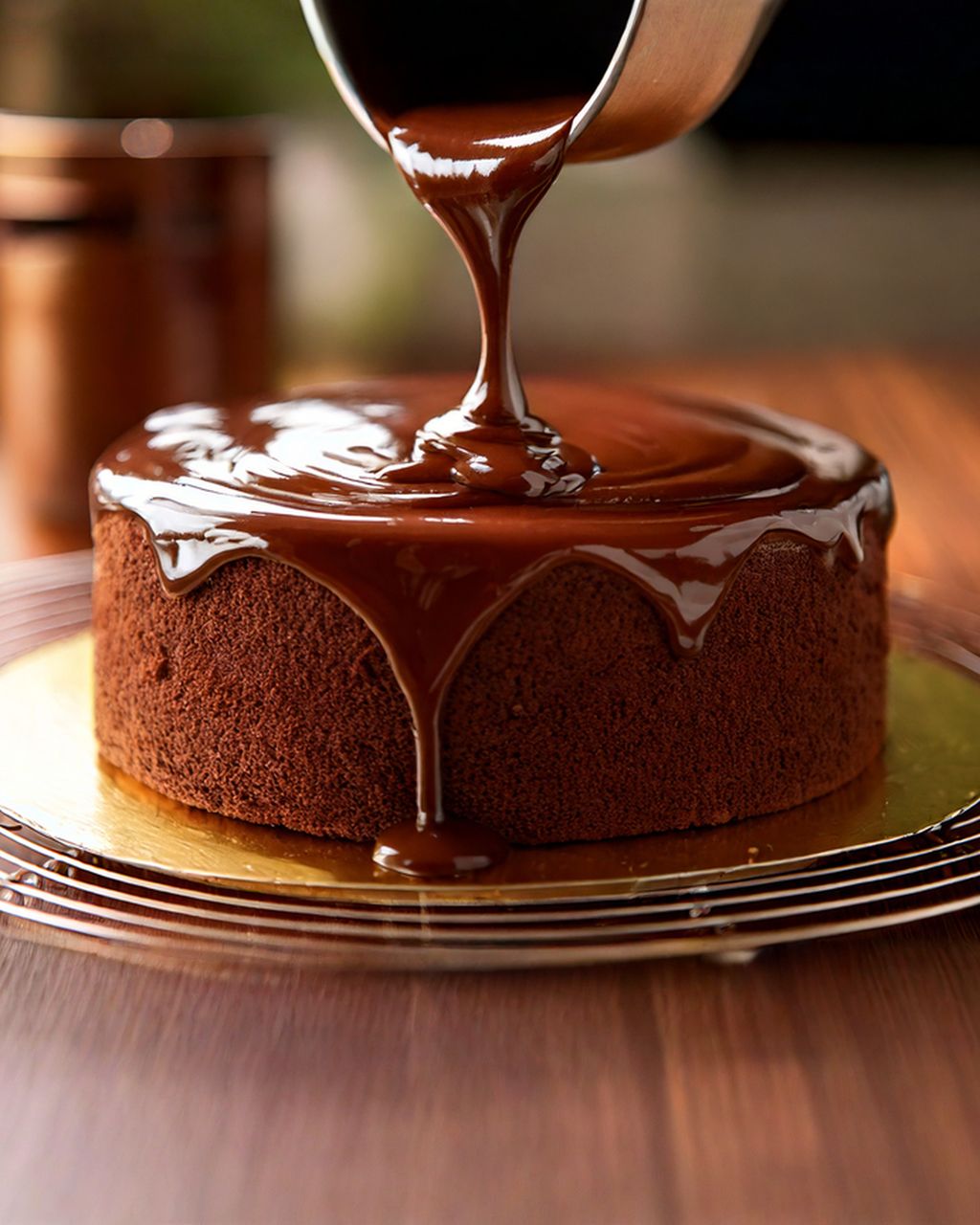
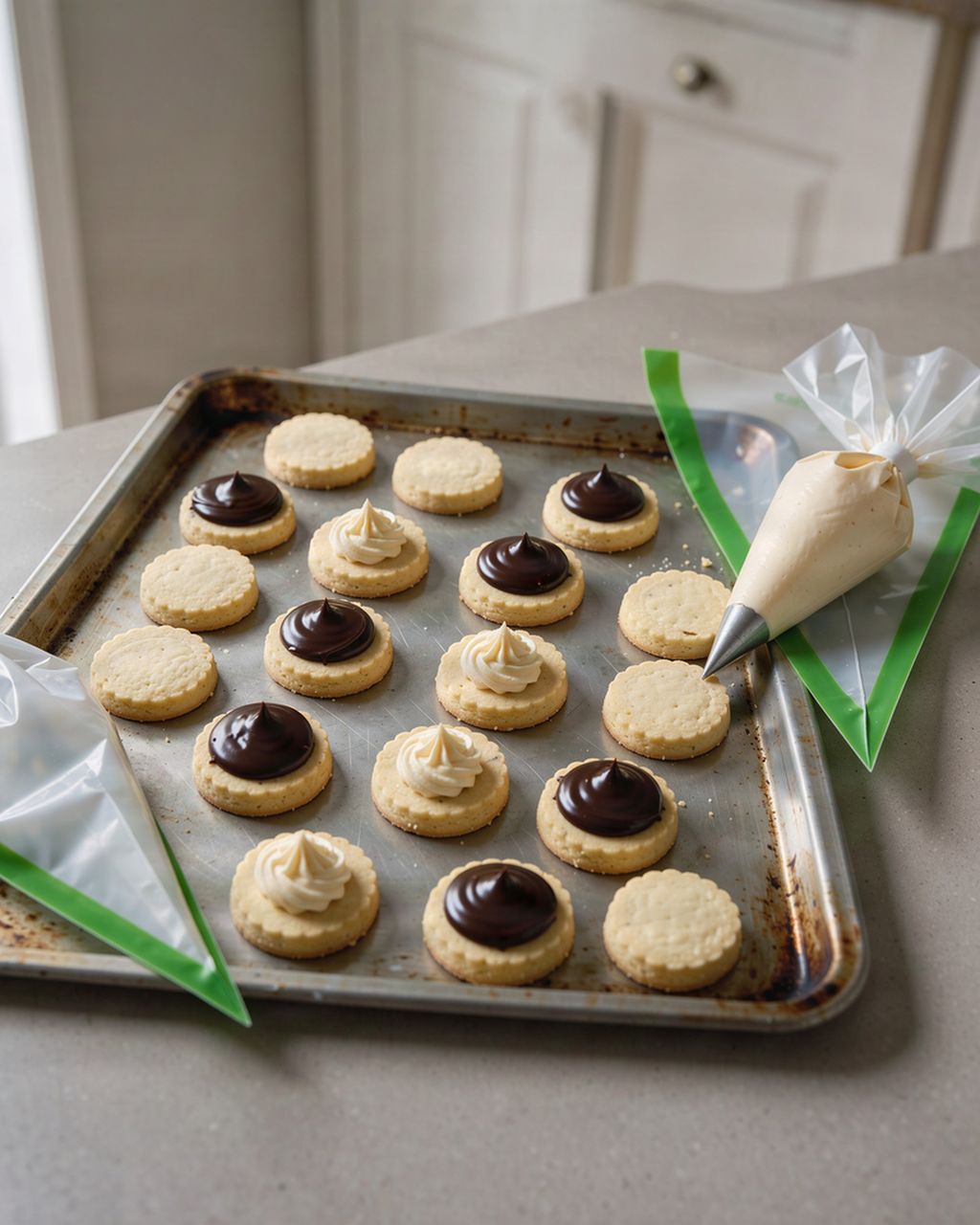
Cake fillings that hold, straight sides and sharp edges, ganache, fondant and piping with bags and tips. How to cover a cake, transport it and how many tiers to bake for your guest count, plus cupcakes, colors and edible gold.
Quick answer
The firmest are a 2 : 1 ganache and meringue buttercream. Whipped cream and custard creams are softer and need stabilizing for a tiered or covered cake.
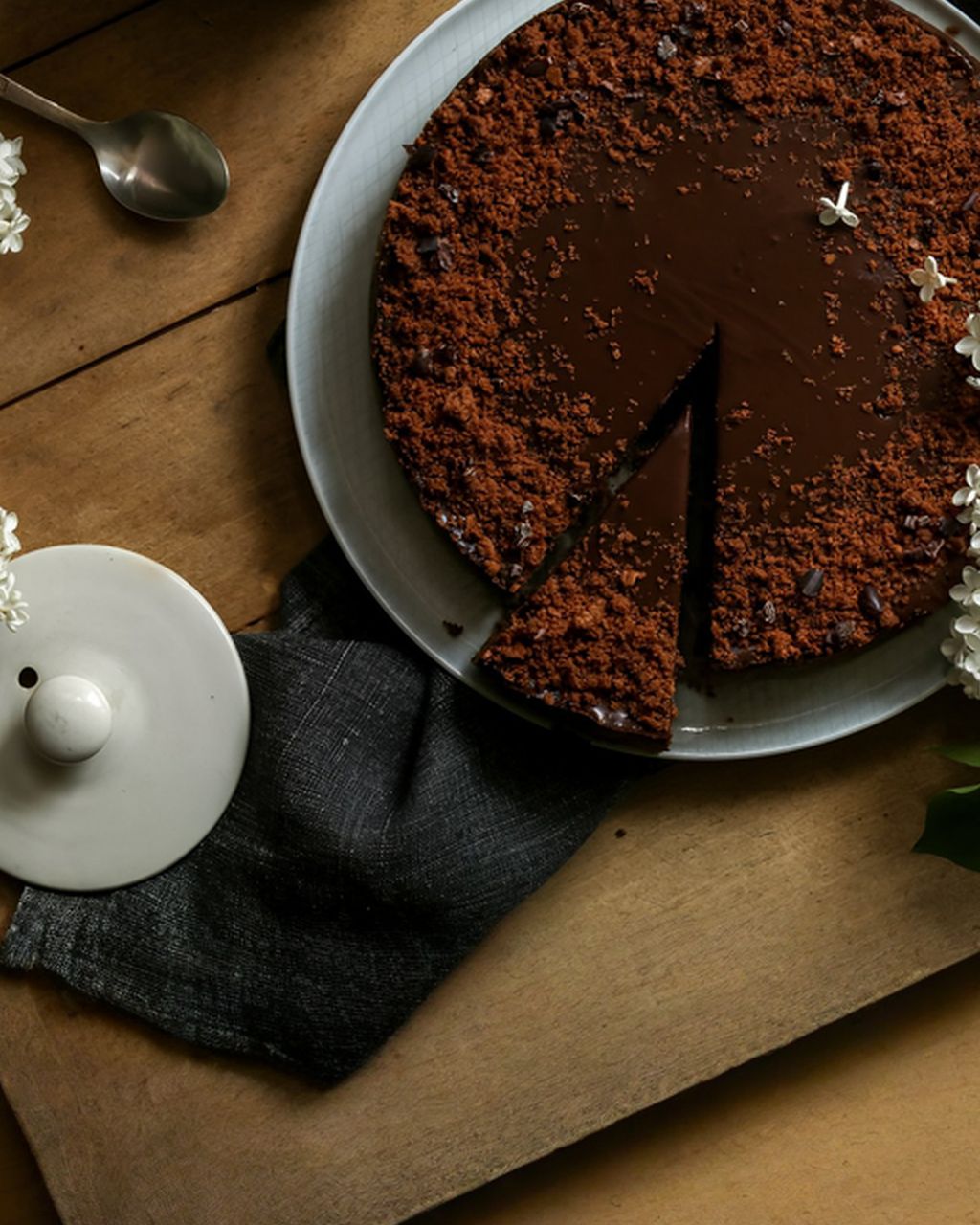
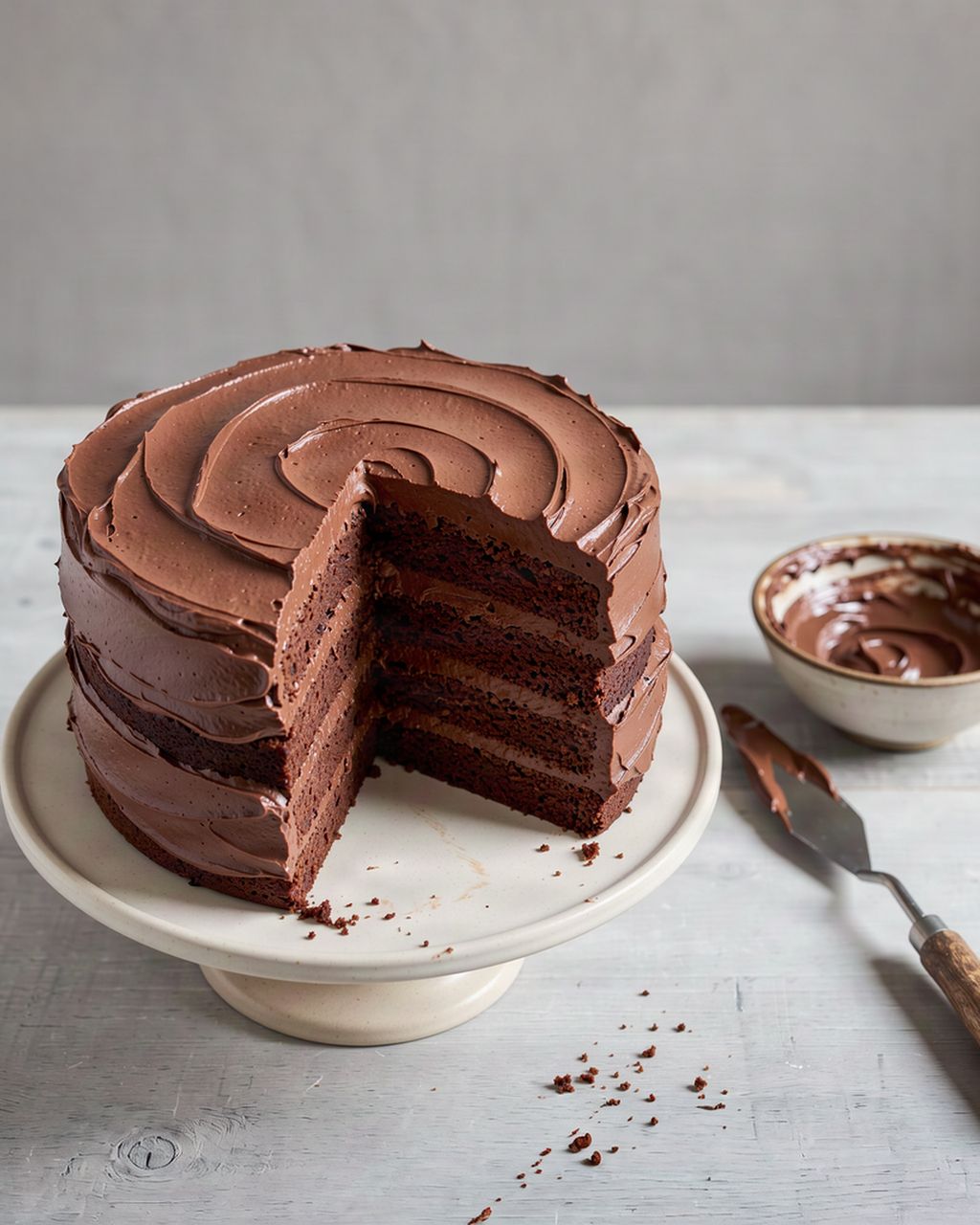
Simple chocolate cake
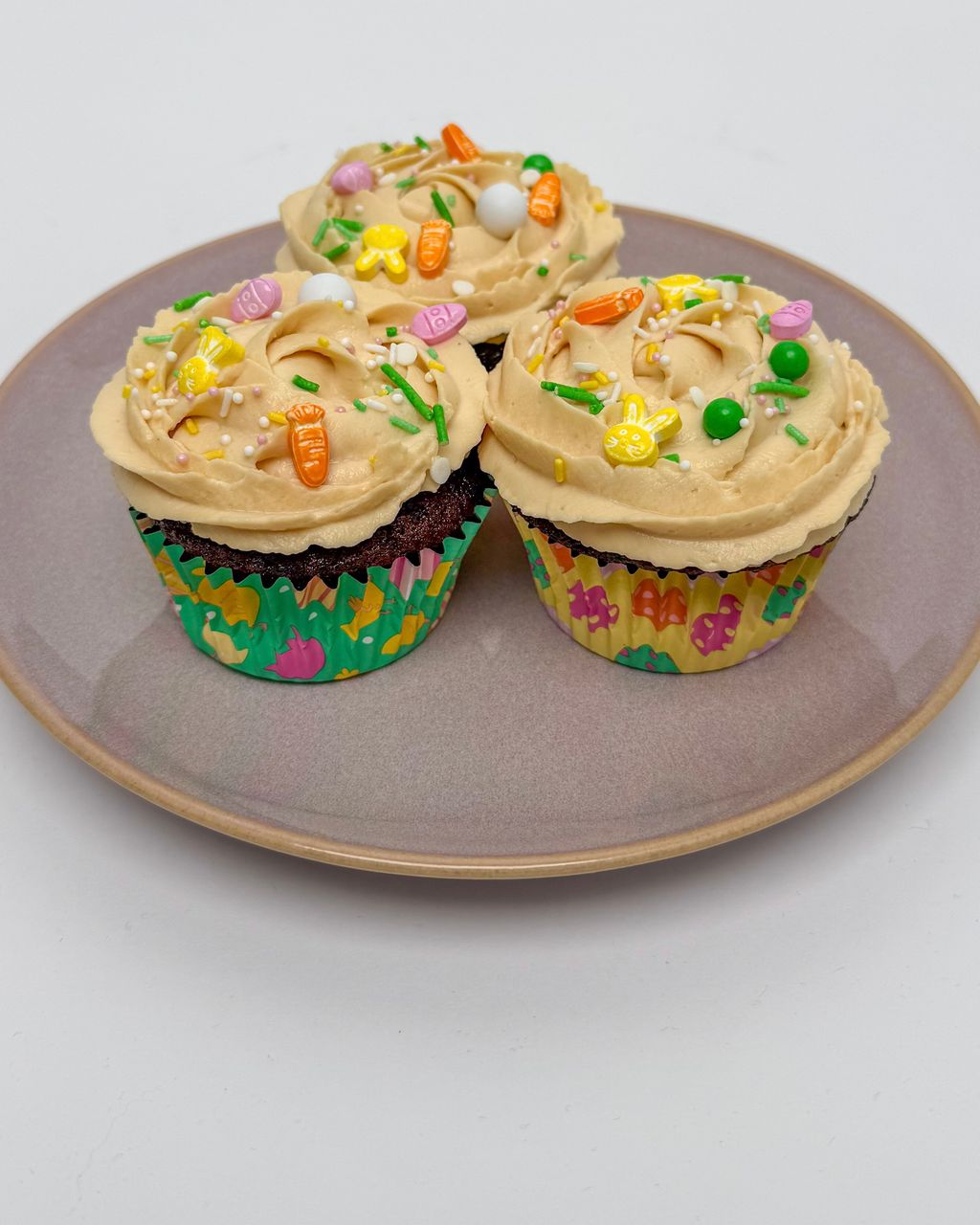
Chocolate cupcakes with salted caramel cream
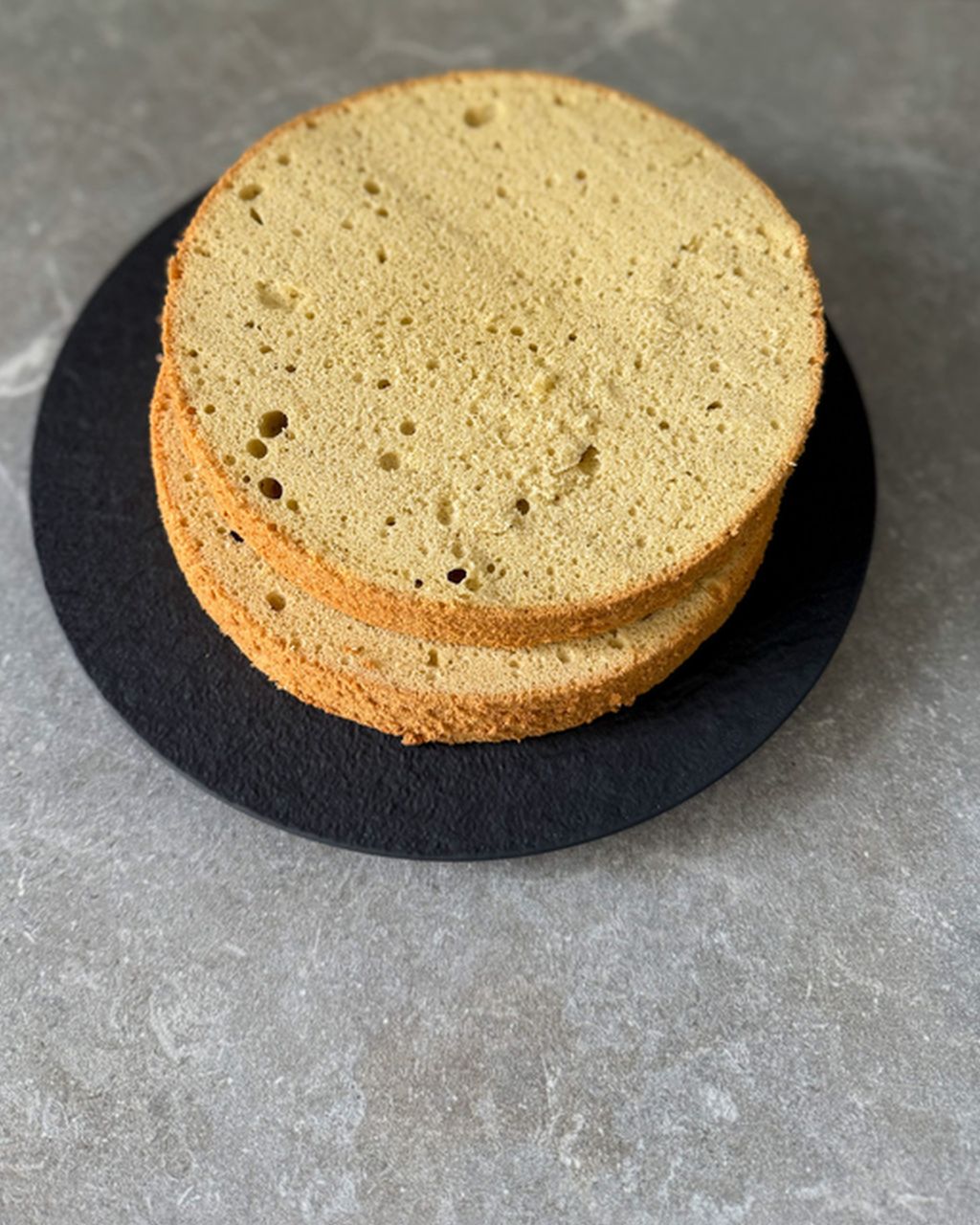
Light and airy génoise sponge cake
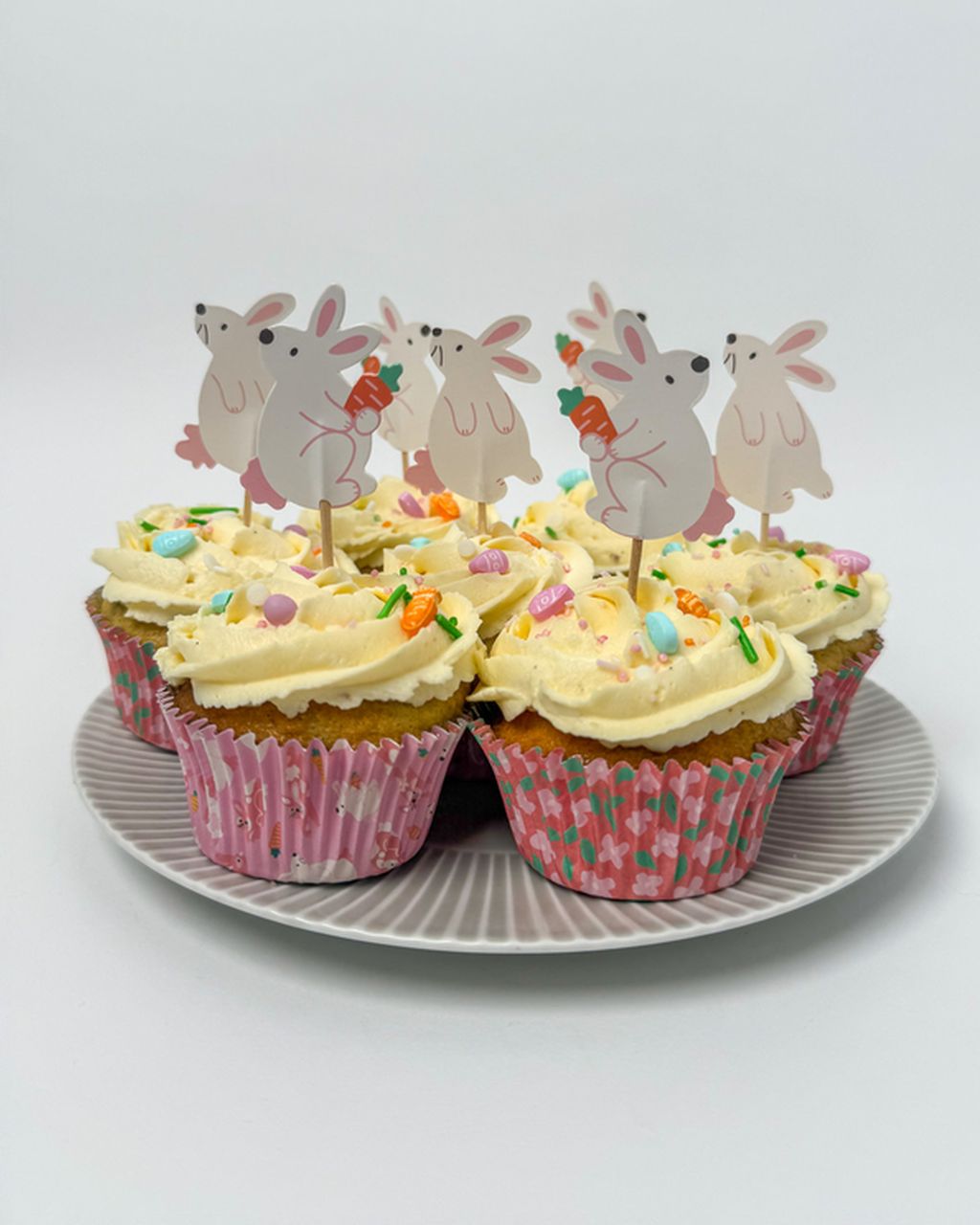
Pistachio cupcakes with lemon curd and mascarpone cream
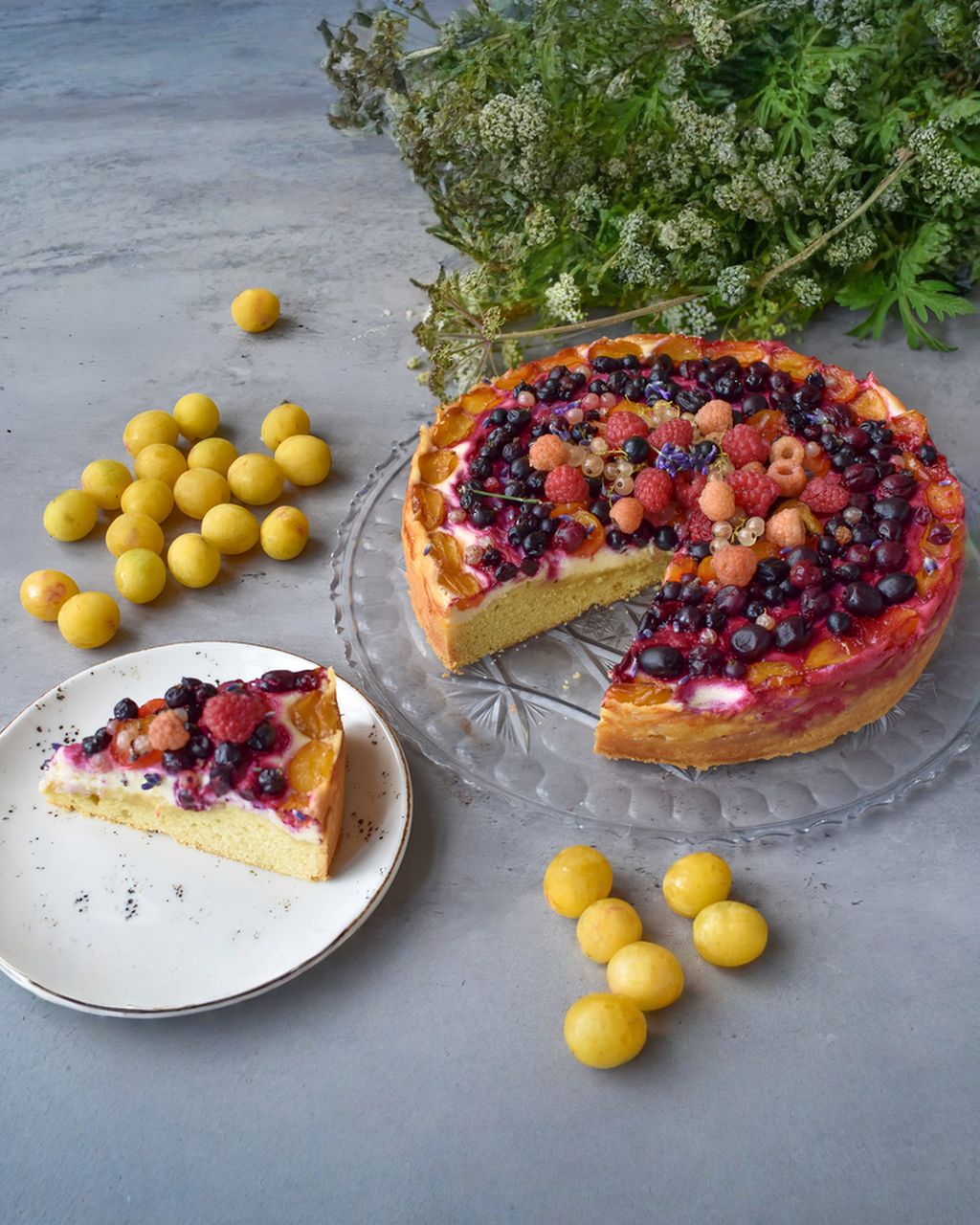
Summer cake with mascarpone, curd cheese and a mountain of fresh fruit
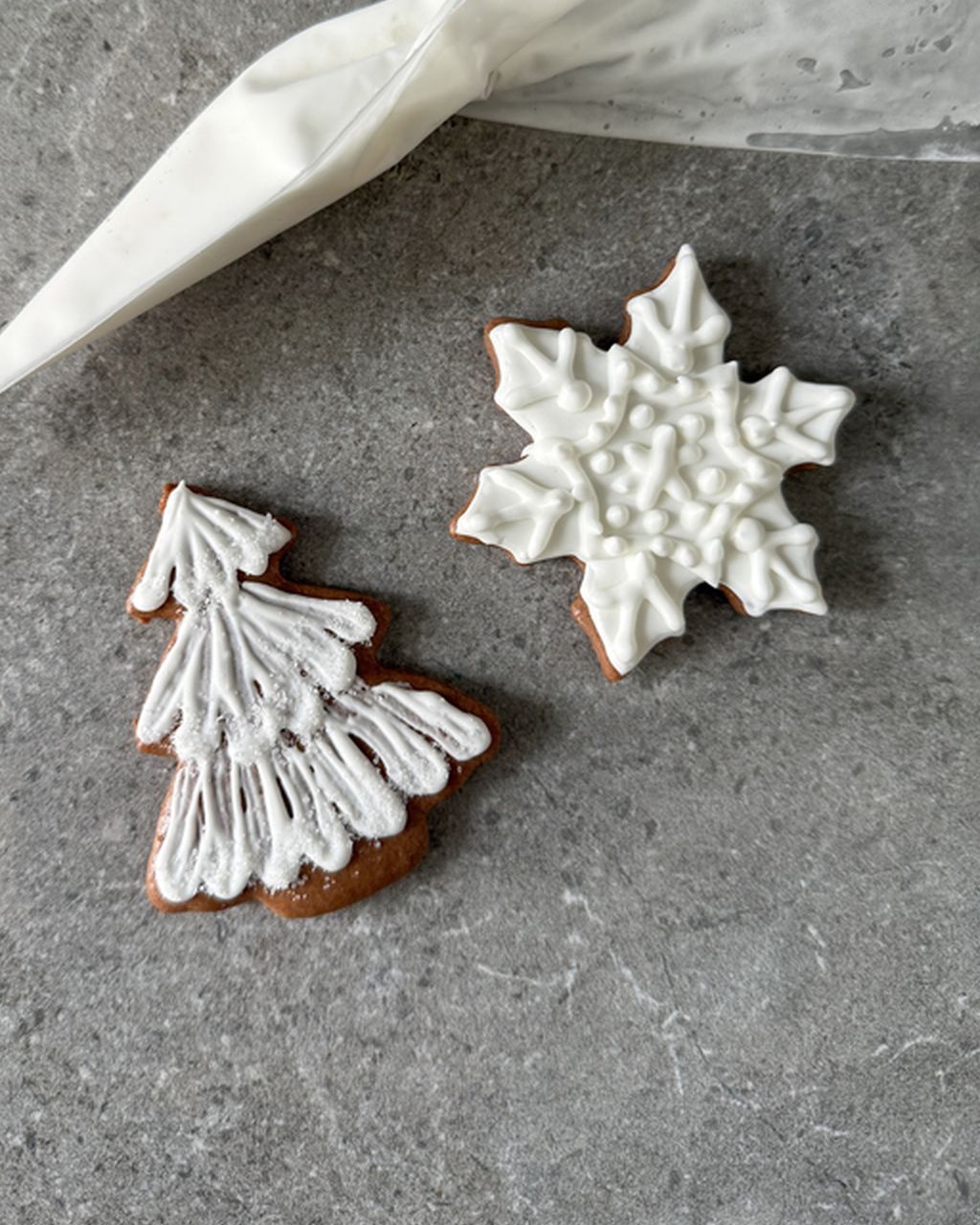
Royal icing for cookies: the perfect base for decorating

Soft gingerbread cookies
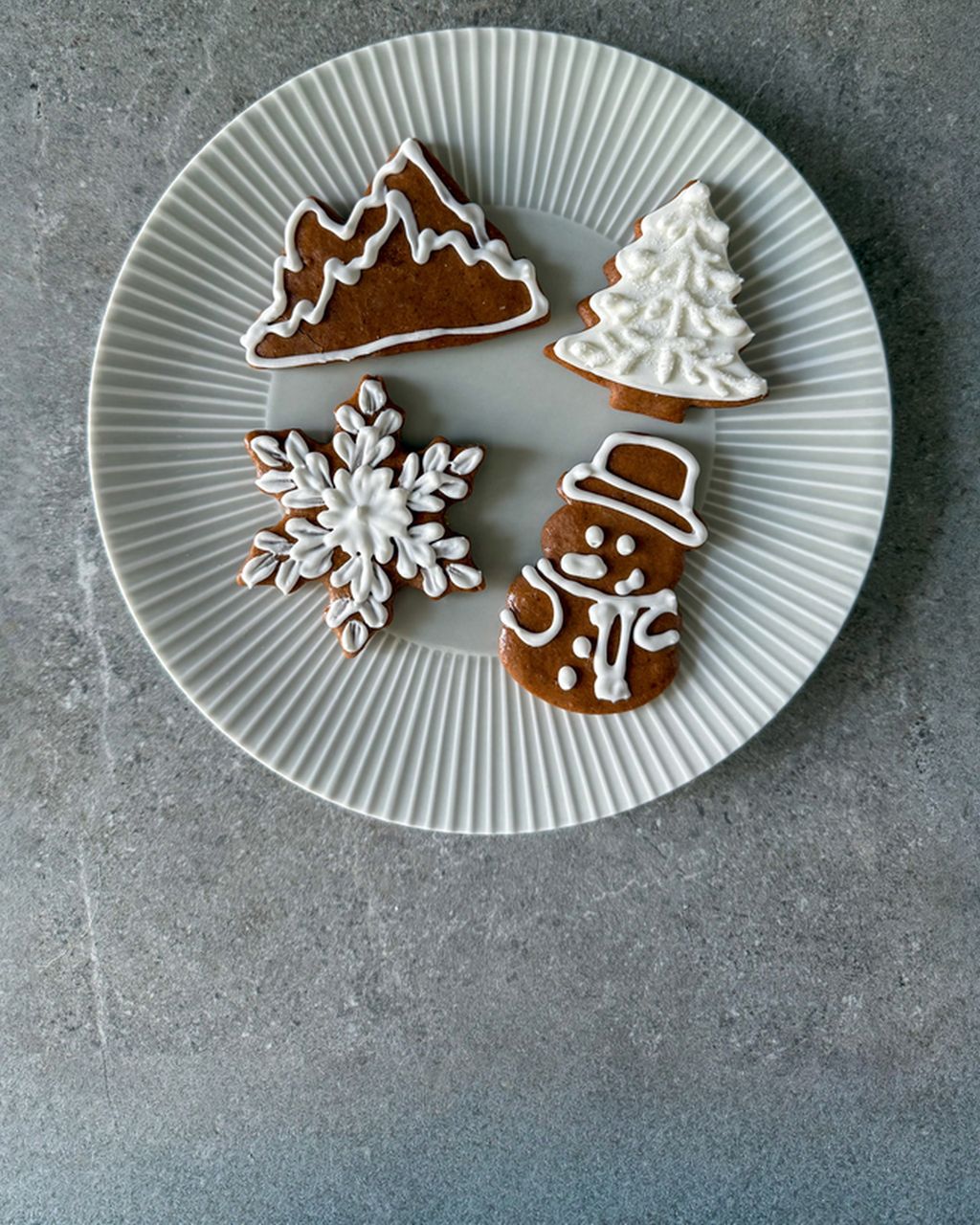
Soft honey gingerbread cookies that never go hard
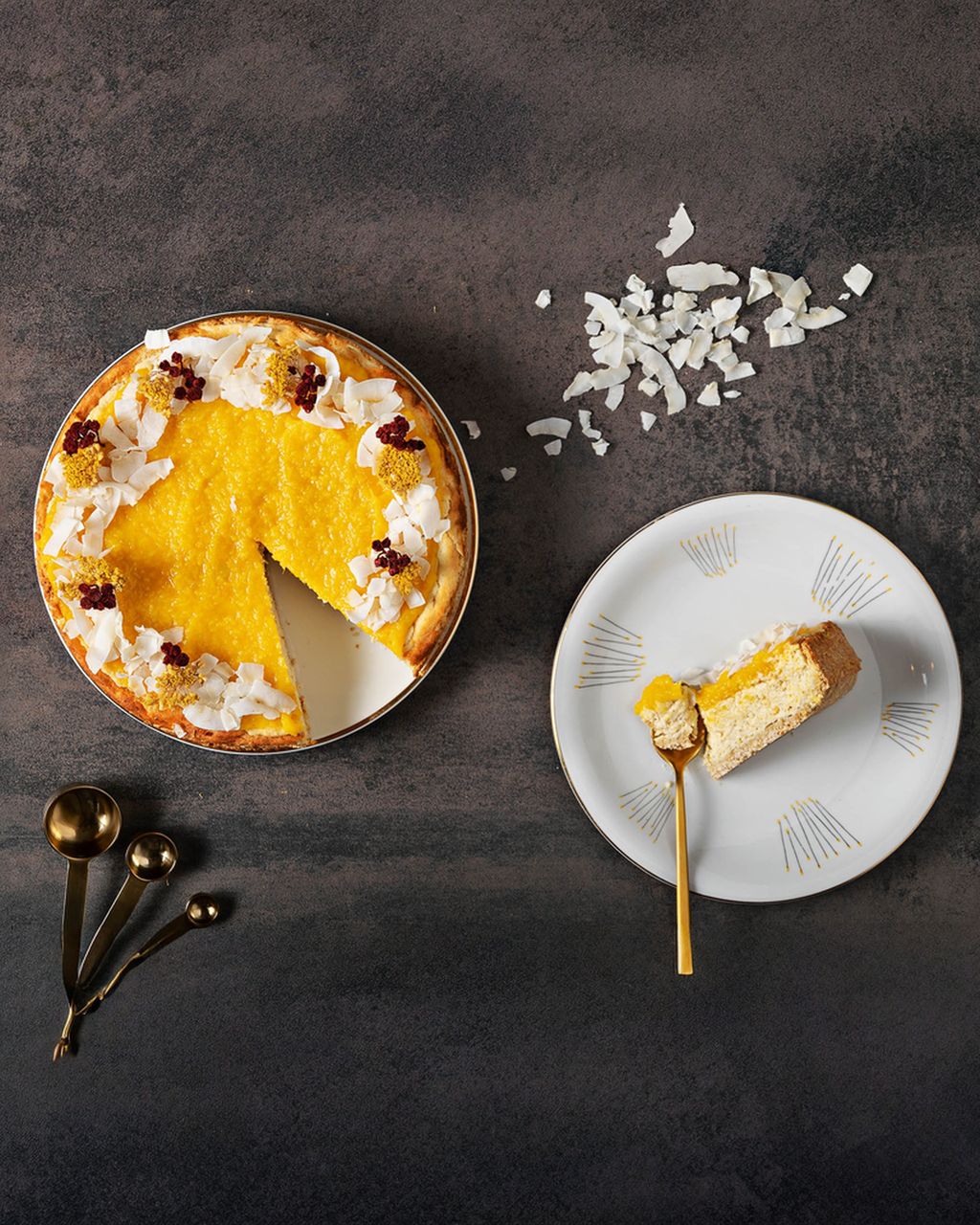
Mango cheesecake
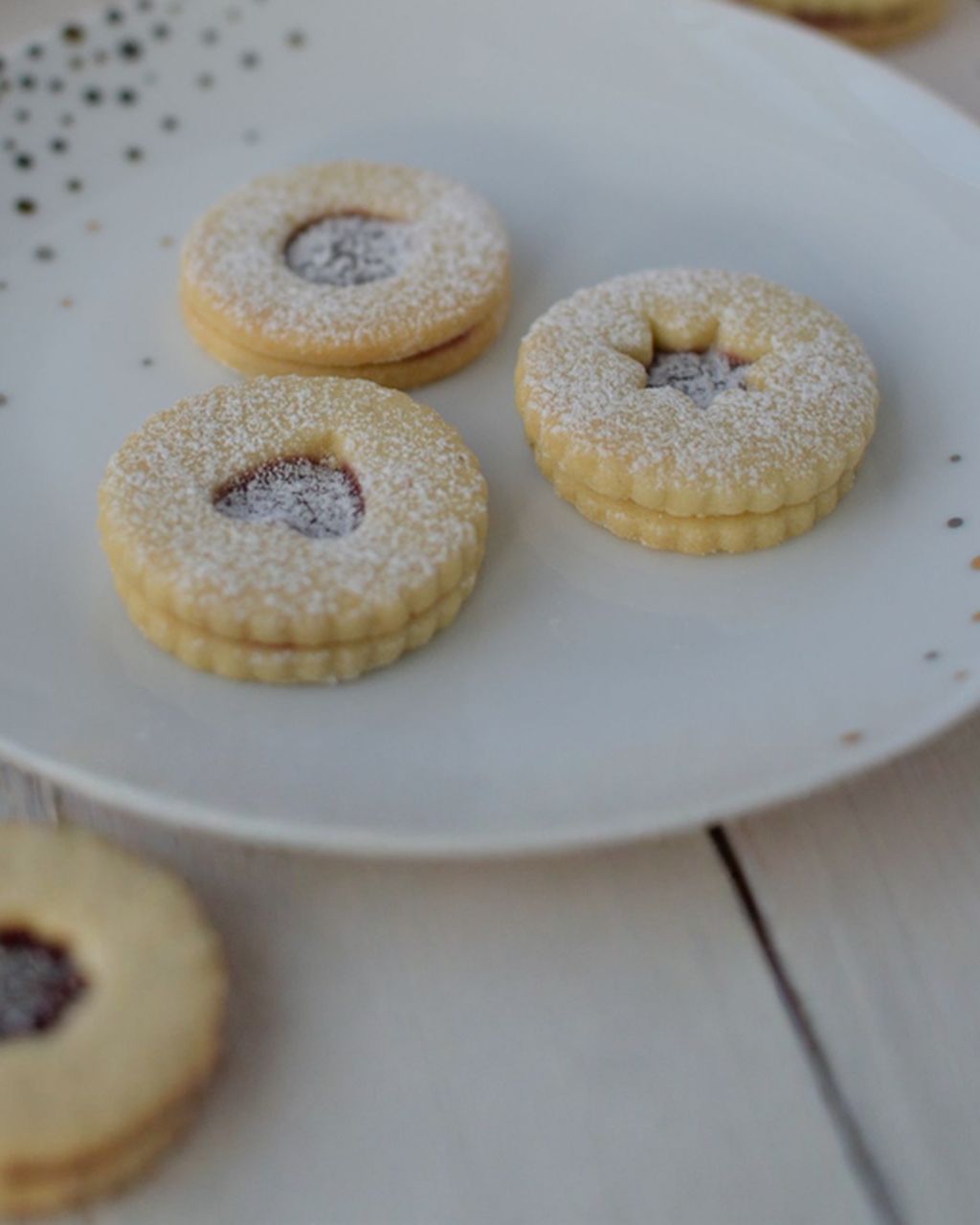
Classic christmas cookies: delicate linzer cookies
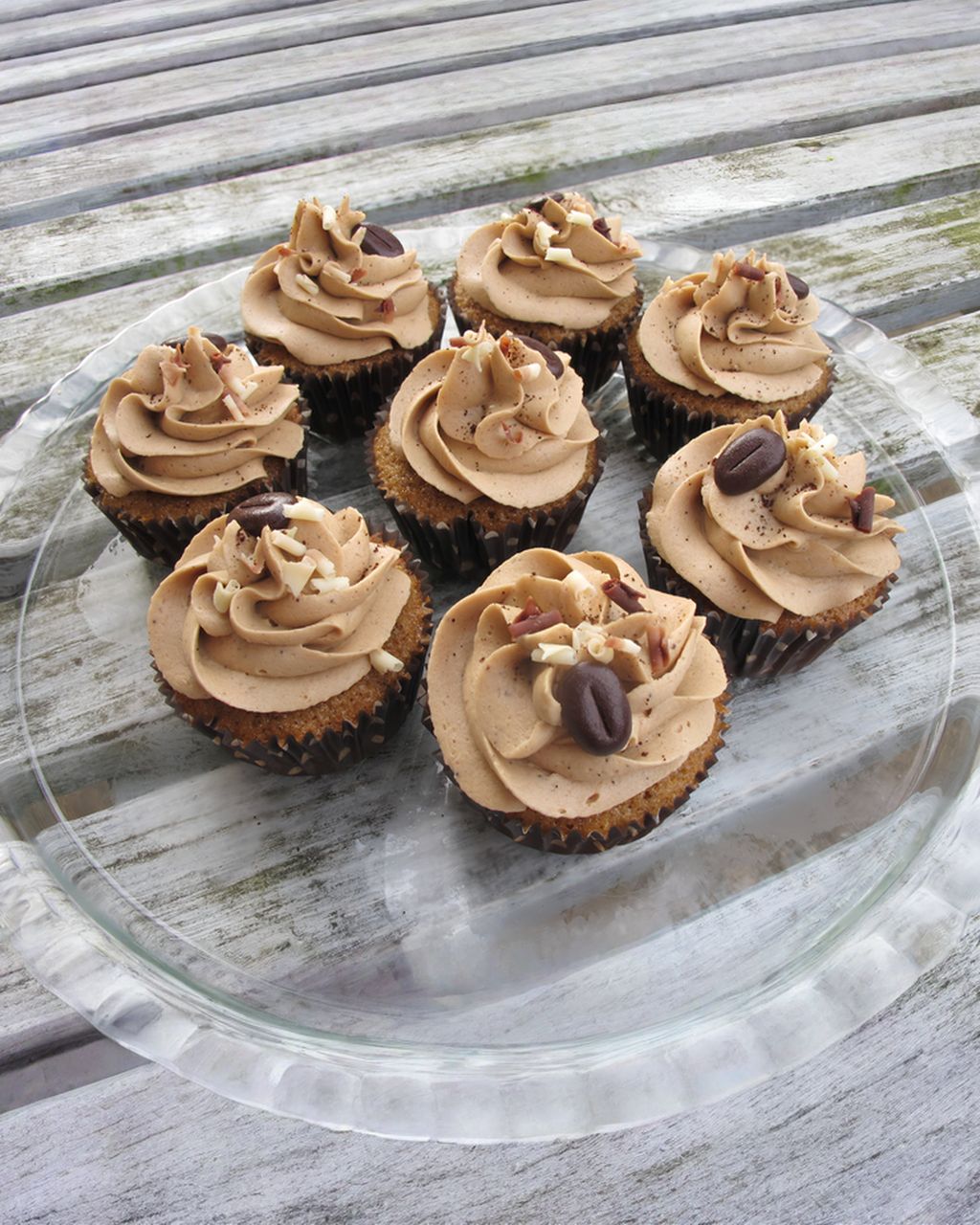
Coffee cupcakes with silky cream frosting
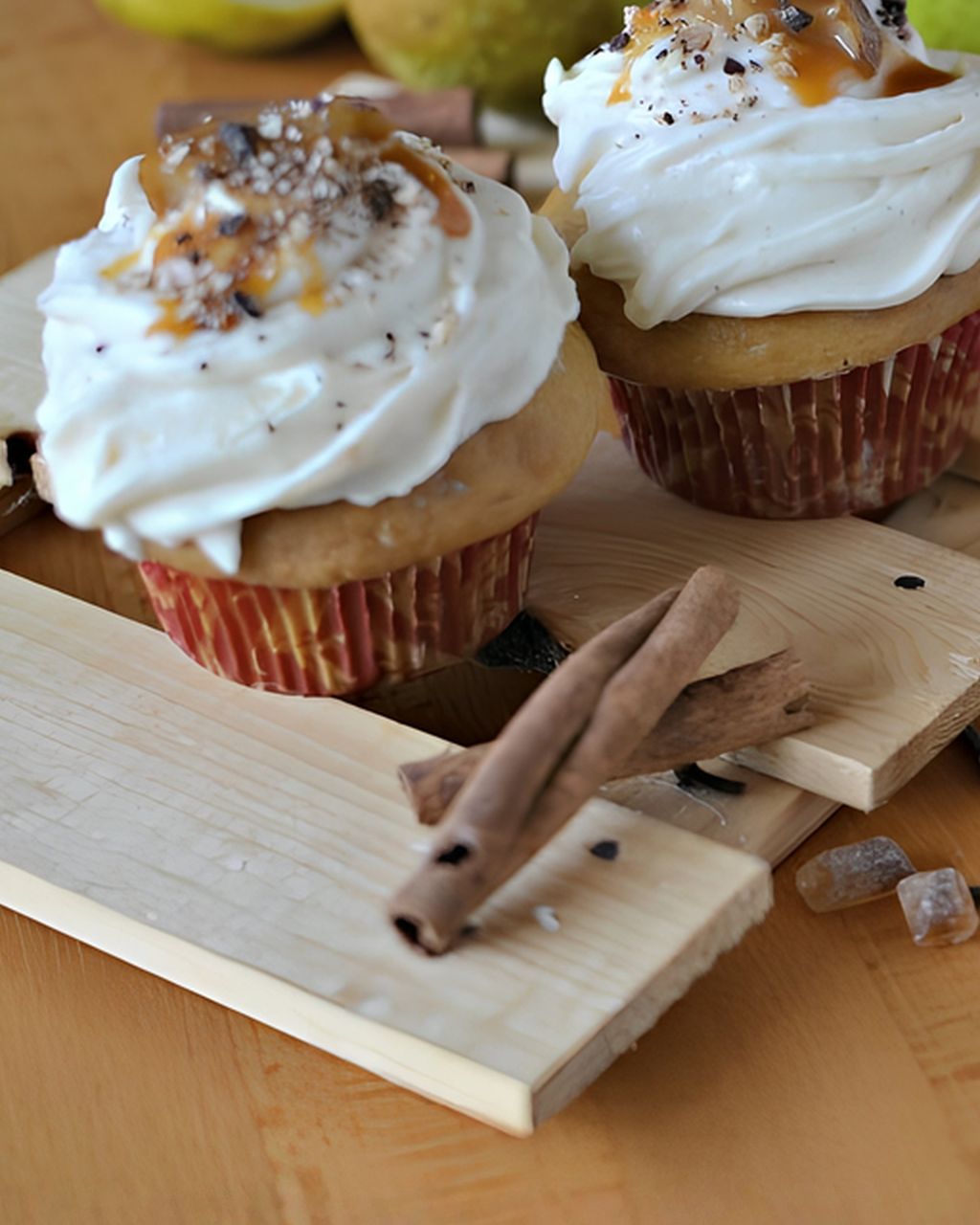
Roasted pear cupcakes with quark frosting
Frosting won't stick when loose crumbs, a warm or wet cake surface, or a frosting that is too stiff or too soft get in the way. A thin crumb coat, chilled until firm, fixes most of it, as long as the cake is fully cool and dry on the surface. Getting the frosting to a soft, spreadable texture does the rest.
American buttercream turns grainy or gritty when the sugar hasn't dissolved or broken down smoothly: usually because it was granulated instead of powdered sugar, the powdered sugar had lumps, or there was too little liquid. Cold butter and too little beating make it lumpy too. Most grainy frosting can be fixed with a splash of milk and more beating.
Cupcakes sink in the middle most often because they were underbaked, because the batter had too much baking powder or soda, or because the oven door was opened too early. The center rises, but before its structure sets it can't hold the gas, so it falls as it cools. Here is how to tell which cause is yours and how to stop it.
Cupcakes turn out dense when the batter is overmixed after the flour goes in, has too much flour, or didn't get enough air when creaming; they turn out dry when they are overbaked or have too much flour. Weighing the flour, mixing gently and pulling them from the oven on time fixes most batches. Here is how to tell which problem you have.
Sponge cake is made with whole eggs (or yolks and whites), while angel food cake uses only egg whites, with no yolks, butter or oil. That makes angel food cake snow-white, very light and springy, and sponge cake yellow, richer and sturdier. Here is how they compare in ingredients, method, pans and uses, plus where chiffon and the British Victoria sponge fit in.
Brownies turn out cakey when the batter has too much flour, egg or leavening compared with fat and chocolate, or when the eggs are beaten so long that they whip in air. Fudgy brownies have a high ratio of fat and chocolate to flour; chewy ones sit in between. Here is how to read your recipe and fix the texture next time.
A crack along the top of a pound cake is normal: the crust sets in the oven while the middle is still rising, so the batter underneath pushes up and splits it. You cannot stop it entirely in a loaf pan, but you can decide where it opens and how wide it gets with a line of butter, a score, the right pan and a moderate oven.
A pound cake turns dense when the batter holds too little air, usually because the butter was too cold or too warm, the creaming was cut short or the batter curdled, and it turns gummy when the middle is underbaked or a wet streak forms at the bottom. Below we go through each cause, how to spot it in the crumb, and what to change next time.
Fruit sinks to the bottom of a cake when the batter is too thin to hold it up, or when the pieces are too big, too wet or coated in syrup. Tossing fruit in flour helps only a little; a stiffer batter, smaller and drier pieces, and an oven that sets the batter on time do most of the work.
A pound cake sinks in the middle mostly because it came out of the oven underbaked, and less often because it rose on too much leavening or too much beaten-in air and then collapsed, or because the oven door opened before the crumb had set. Here is how to tell which one it was, how to check that a pound cake is really done, and what to do with one that has already fallen.
Macarons turn out hollow when the shell sets before the inside does: most often they are underbaked and the soft interior collapses as they cool, or the oven runs too hot so the top sets and lifts away from a still-wet center. A weak or overwhipped meringue, batter mixed too much or too little, and too long a rest add to it. Break one shell open, read the hollow, and change one thing per tray.
Yes, you can freeze sugar cookies decorated with royal icing, as long as the icing is completely dry and the cookies thaw in a closed container, but freezing the dough or the plain baked cookies and icing them later is safer. The two real risks with iced cookies are condensation, which leaves spots and sticky patches, and dark colors that bleed or blotch. Here is how each option works and how to thaw without damage.
Laskonky are Czech meringue sandwich cookies: two oval shells of coconut or walnut meringue, crisp outside and chewy inside, joined with a thick coffee or caramel buttercream. They look like oversized macarons, but they are made differently and taste different. Here is what they are, where the name comes from, and how they compare with French macarons.
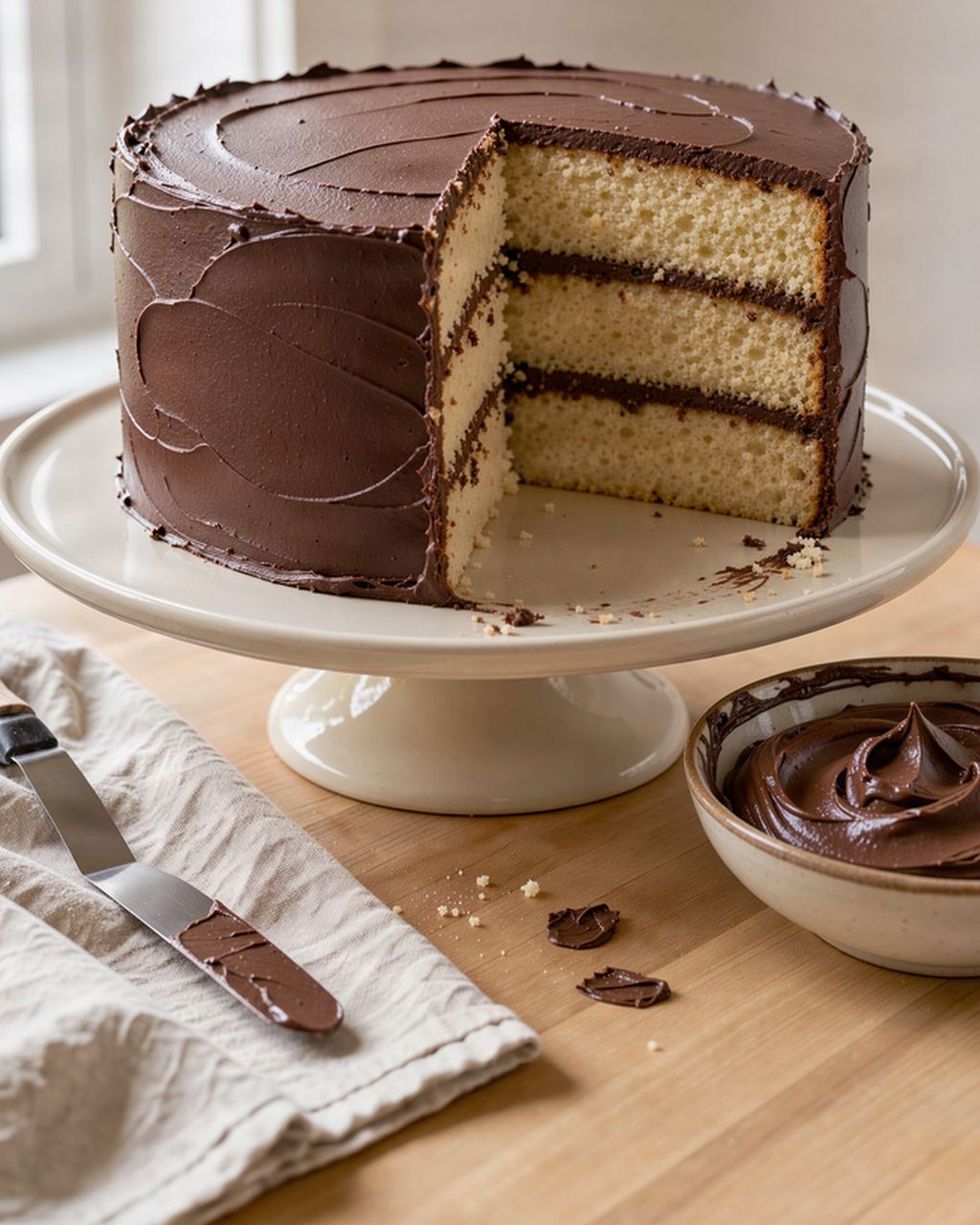
You can bake a chocolate cake at home without any pastry training. You just need to know which cake base you want and what you'll use to fill it. The fastest is a dense cake with apricot jam, ready in 70 minutes. The most festive is a tiered cake with mascarpone and raspberry pralines, and the most classic is Sachertorte. Below you'll find six recipes from our kitchen, each with the method in a nutshell, plus two bonuses and the tricks that keep the cake from drying out and the cream from splitting.
Dry soup vegetables at about 60°C (140°F), cut into slices 3–6 mm (about 1/8–1/4 inch) thick, until they're brittle and snap when bent. In a dehydrator, carrots take about 10–12 hours; in an oven with the door ajar, up to twice as long. Then seal them in a dry, airtight jar and keep it somewhere cool and dark. Below you'll find temperatures and times for each vegetable, which ones to blanch and which not to, and how to build your own soup mix.
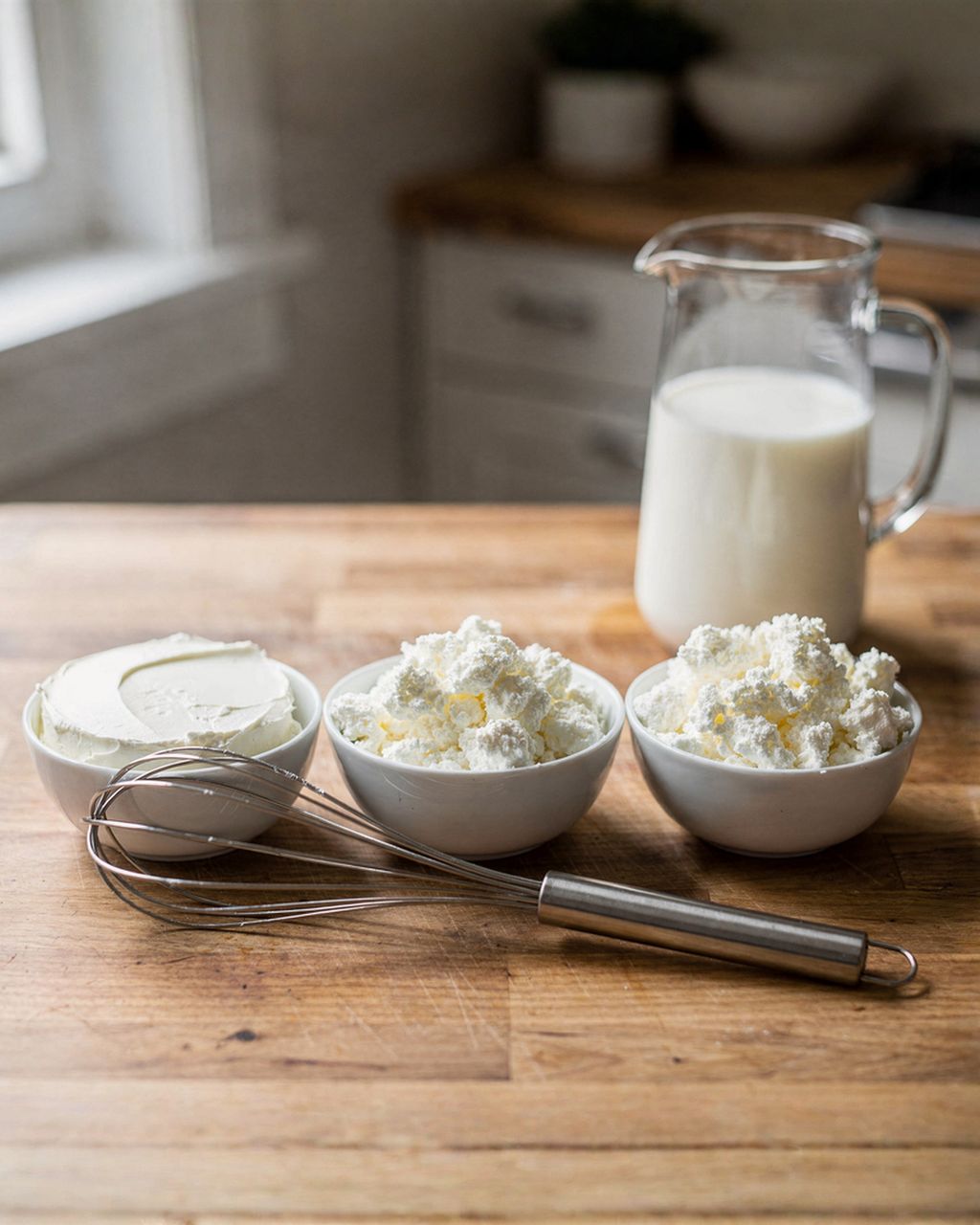
Cream cheese frosting for carrot cake holds if you stick to three things: a ratio of roughly 250 g cheese, 125 g butter and 150–200 g powdered sugar; cheese that goes in cold from the fridge; and only brief mixing once it's added. It works with žervé (a Czech fresh cream cheese), lučina (a soft Czech cream cheese), traditional pomazánkové (formerly pomazánkové máslo, a Czech soft dairy spread, not butter) and Philadelphia, but each behaves a little differently, and that's where most runny frostings come from. The same frosting suits red velvet and cupcakes too.
Edible cake paper sticks best to a firm, drier surface – buttercream, ganache or fondant – and goes onto a chilled, smoothed cake. On whipped cream, quark or fruit it turns damp: a sugar sheet bleeds, and a wafer sheet curls and dissolves. What matters most is which kind of sheet you have – wafer (made from potato starch) or sugar (fondant-based). Below you'll find which frosting goes with which sheet, when to apply it, and how long the sheet keeps in its packaging and on the finished cake.
You can make a ball, car or book cake without any special pans. Bake the ball as two hemispheres in ovenproof bowls, and carve the car and the book from a sheet cake using a paper template. To hold its shape, the cake needs a dense, sliceable sponge, firm chilled filling under the covering, and supports for larger cakes. Here's the method for all three shapes, from pan to fondant.
For a woman's 50th, 60th or 70th birthday, you can decorate the cake with one of five tried-and-tested ideas: piped buttercream flowers, dried edible flowers and rosebuds, an elegant number, a well-planned color palette, or a funny version with a message or figurine. None of them needs a pastry course, just the right tools and a bit of planning. Below, each idea comes with the method, the tools (and the exact piping tip where you need one) and what to avoid, plus how to tailor the cake for your mom.
A cake for a man works best when it's less sweet, made with dark chocolate or tart fruit, and decorated with one bold motif: a number, a clean inscription, or a nod to his hobby. In the Czech Republic, birthday cakes for men most often mark 18th, 40th and 50th birthdays, or celebrate hunters, anglers and soccer players. Below you'll find eight ideas, the technique each one needs, and how to make it at home without a pastry workshop.
A cake baked in a cake ring won't leak if you wrap the underside in a double layer of aluminum foil plus parchment paper, pull them at least 3 cm (about 1¼ in) up the outside of the ring, and set the whole thing on a baking sheet. A cake ring is a pan with no bottom, so you have to make one yourself, and how well it seals depends mostly on how thick the batter is. Here's how to wrap the ring, how to set the diameter on an adjustable round or square ring, which batters work in it, and how to get the cake out without torn edges.
You can freeze cake, but not every part of it. Cake layers, ganache, mostly-butter frostings and raw crumble topping all handle the freezer without trouble. Whipped cream, egg yolk custard and jelly release water or curdle after thawing. So it's best to freeze a cake in parts, or assemble it only from what survives freezing. Thaw it slowly in the fridge and keep it covered so condensation doesn't form on it.
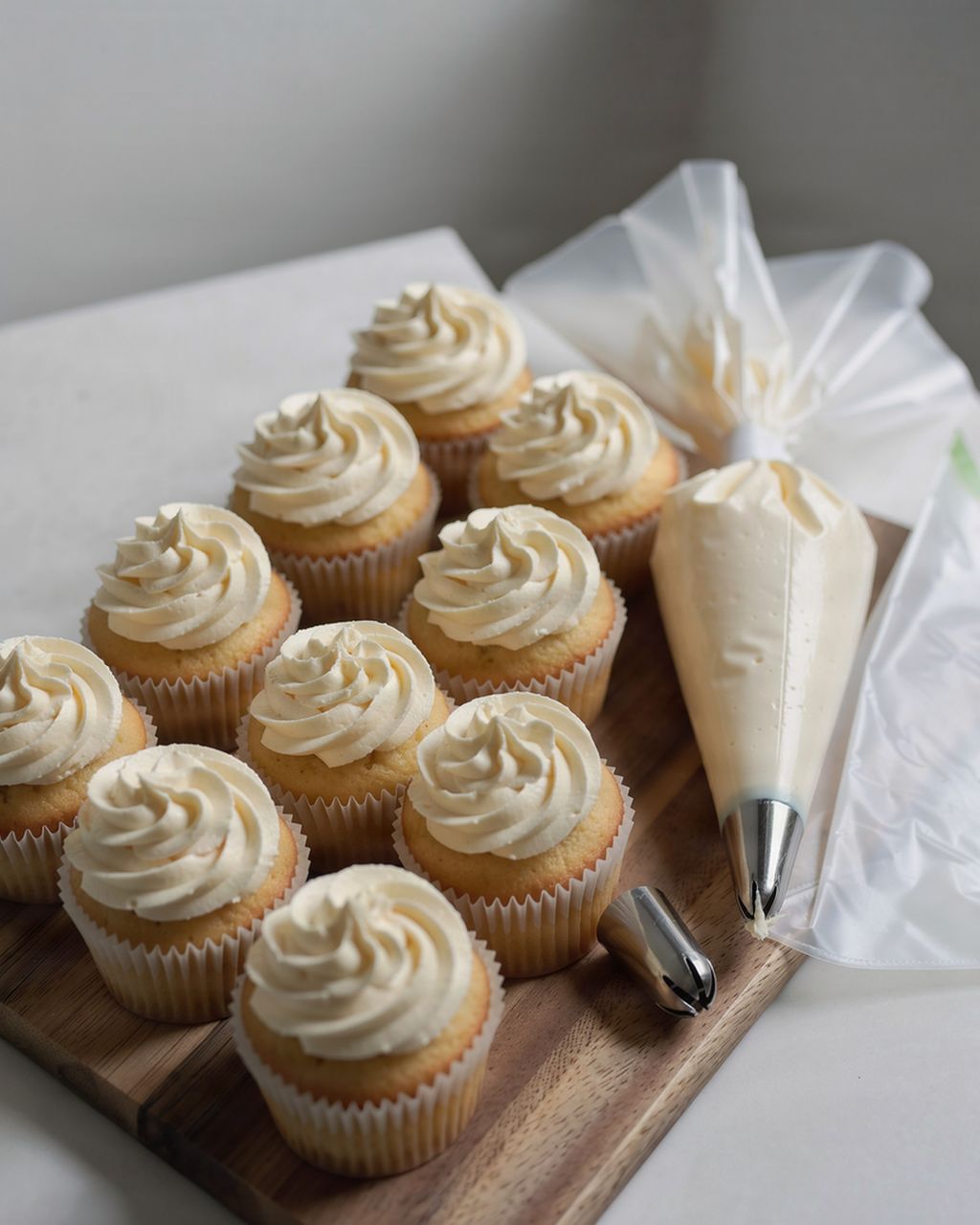
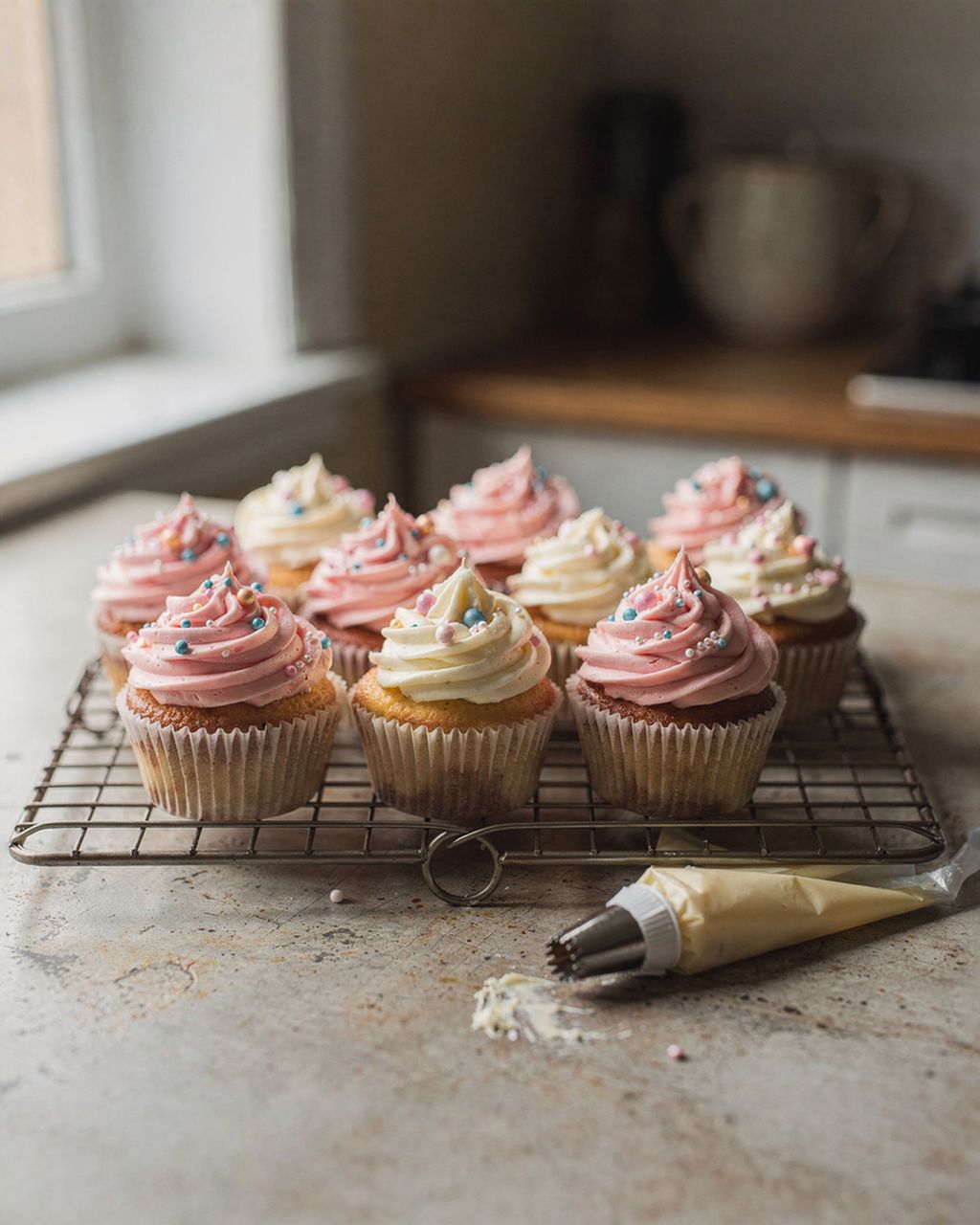
For Valentine's Day cupcakes with a piped rose that holds its shape, you need a firm buttercream or a mascarpone frosting (mascarpone whipped with 33% whipping cream). For 300 g of frosting, pink takes anything from a toothpick tip to 4 drops of gel color, while a deep red takes roughly 1–2 teaspoons of gel and a night in the fridge so the color can develop. The rest comes down to the piping tip, a few turns of the wrist and the right sprinkles. We'll walk through all of it: the frosting, color without a bitter aftertaste, the rose and the heart, the decorations, and cupcake liners that don't show grease through.
To make heart-shaped macarons, pipe two side-by-side drops with a round tip and pull them diagonally down into a single point (a V shape), with a template under your mat. The batter needs to be a little thicker than for round macarons, or the hearts will spread into circles. Everything else is the same as for classic macarons: drying before baking, baking and filling. Here you'll find only what's different for hearts.