Making Cupcakes Ahead: When to Bake, Decorate and Store Them
How to Freeze Cake: Layers, Frostings, Ganache and Finished Cakes, Plus How to Thaw Them
Updated Nov 17, 2026
You can freeze cake, but not every part of it. Cake layers, ganache, mostly-butter frostings and raw crumble topping all handle the freezer without trouble. Whipped cream, egg yolk custard and jelly release water or curdle after thawing. So it's best to freeze a cake in parts, or assemble it only from what survives freezing. Thaw it slowly in the fridge and keep it covered so condensation doesn't form on it.
Cake layers, ganache, mostly-butter frostings and raw crumble topping can go in the freezer. Keep out whipped cream, egg yolk custard and pudding fillings without butter, jelly and fresh fruit on top.
It all comes down to water and how well it's bound in the filling. When frozen, the water forms ice crystals that break up the delicate structure as it thaws. The US food safety agency USDA/FSIS says so directly: emulsions such as cream separate after thawing and look curdled. Fat, on the other hand, handles the freezer well, which is why buttercream and ganache hold up.
These parts of a cake can be frozen:
cake layers (sponge, creamed butter cakes, chocolate cakes, nut layers)
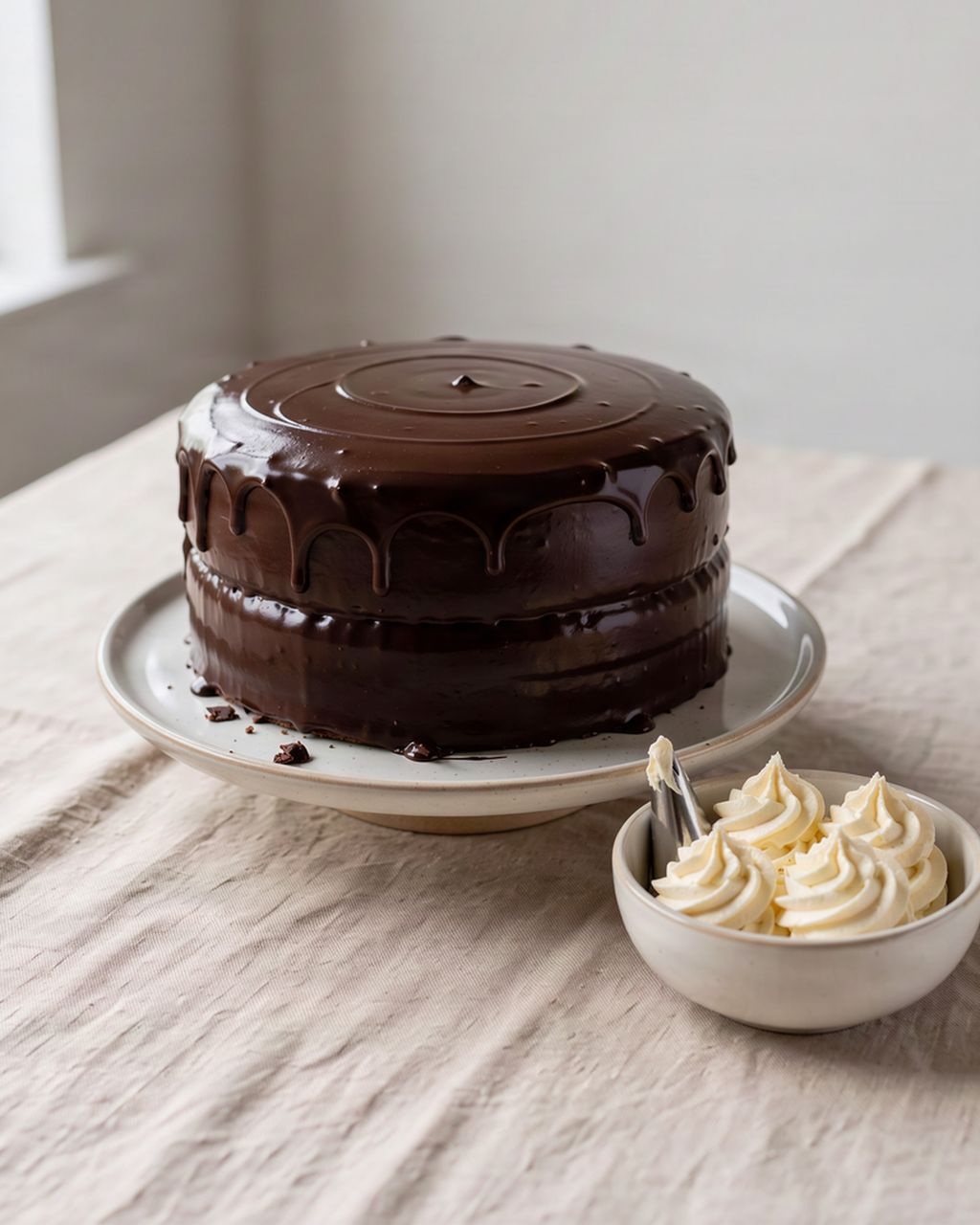
ganache (chocolate + cream)
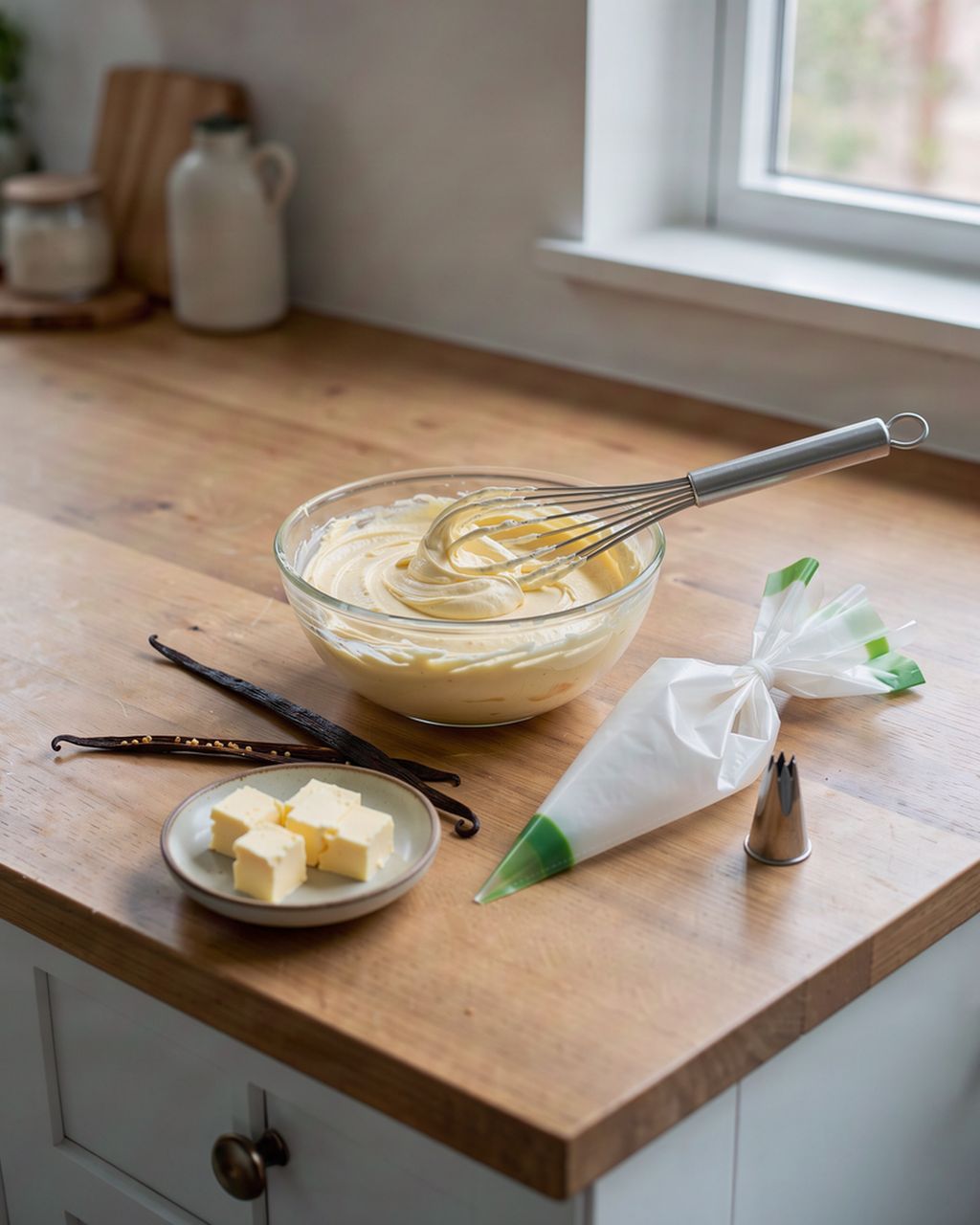
buttercreams: Swiss, French and Czech pudding buttercream
raw crumble topping
marzipan and fondant on a cake, though expect a damp surface after thawing
Keep these parts out of the freezer, or it isn't worth it:
whipped cream and fillings made only from whipped cream
egg yolk custard, vanilla custard with eggs and pudding fillings without butter
jelly and fruit layers set with gelatin
fresh fruit on top: strawberries, raspberries and kiwi turn soft and release juice after thawing
Seasonal baking plans, tested recipes and kitchen tricks that save you time. Unsubscribe in one click.
Unfilled cake layers keep 2–4 months in the freezer, and cake with frosting or icing about 1 month. These times come from the Illinois Extension chart for a freezer at −18 °C (0 °F).
These times relate to quality, not safety. According to USDA/FSIS, food stored constantly at −18 °C stays safe, it just gradually dries out and loses flavor. A cake that sat in the freezer for half a year won't hurt you, but it will be dry and will pick up freezer odors.
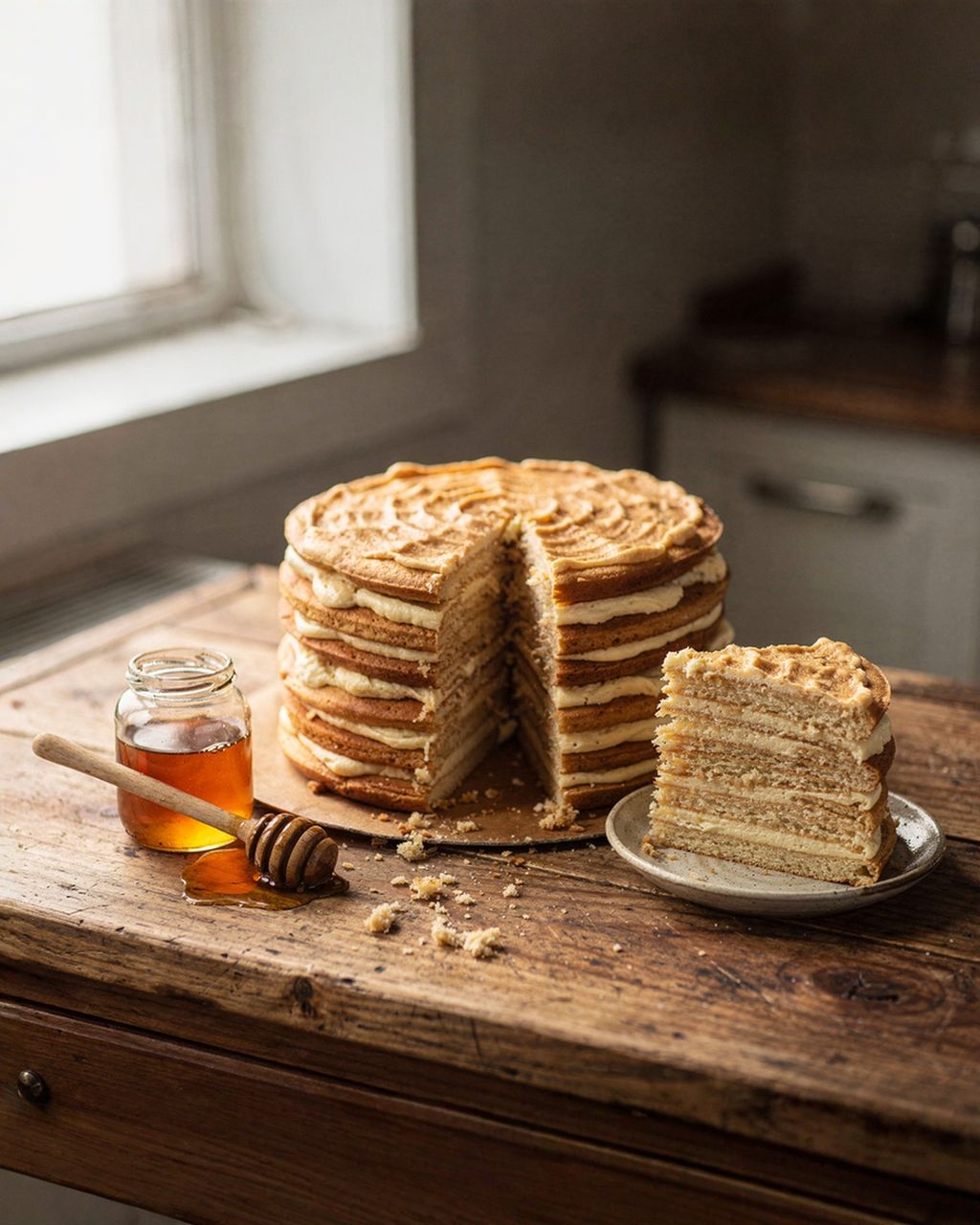
Medovník (Czech honey layer cake) is an exception: thanks to the honey and its long resting time, it behaves differently from an ordinary cake. You'll find how long it keeps in the fridge and freezer in our article how long medovník keeps.
Freeze cake layers completely cooled, wrapped twice and ideally whole rather than sliced. They're among the things that handle the freezer best.
Let it cool completely. A warm layer steams under the wrap, water condenses on the surface and turns to frost in the freezer.
Wrap it in plastic wrap tightly, with no air pockets. Air at the surface creates dried-out patches known as freezer burn. According to USDA/FSIS they aren't dangerous, just dry.
Add a second layer of aluminum foil or a resealable bag. That way the layer won't absorb freezer odors.
Write the date on it and lay the layer flat so it doesn't warp.
You can slice the layers ahead of time and put parchment paper between them, just make sure each one is wrapped separately. Incidentally, a frozen layer is easier to slice and fill than a fresh one: it doesn't crumble and the frosting spreads over it well.
The most forgiving choice is a springy sponge, such as a fluffy génoise sponge layer. It's low in fat and holds its shape after thawing.
Freeze ganache in a sealed container with plastic wrap pressed right onto the surface. The fat from the chocolate and cream protects it in the freezer, so it keeps its creamy texture.
Let it cool completely. Warm ganache makes the lid sweat in the container, and the water that runs back down can split it when you reheat it.
Press the wrap against the surface so no skin forms.
Thaw it in the fridge. Before stirring, blot any droplets off the surface with a paper towel.
Ganache already spread on a cake is one of the best "protective layers": it seals the layer and keeps the cake beneath from drying out.
Frostings that are mostly butter, meaning Swiss, French and Czech pudding buttercream, handle the freezer. After thawing they can be firm or look slightly grainy. Just let them soften and whip them briefly until smooth again.
The more milk and pudding there is in the frosting compared with butter, the greater the chance it will release a little water after thawing. A frosting where butter merely "flavors" a thick pudding behaves more like a pudding filling, see below.
Frostings with mascarpone or quark are a chapter of their own. How these cheeses behave in the freezer is covered in our article can you freeze cheese, quark and mascarpone. If your worry is more about keeping a frosting firm outside the fridge, say at an outdoor party, take a look at cake frosting that holds up outside the fridge.
Freeze raw crumble topping in a bag and sprinkle it on straight from frozen, without thawing. The cold butter in it then melts more slowly in the oven, so the crumble stays clumpy and crisp instead of melting away.
Make extra and spread it in a thin layer in the bag so it doesn't freeze into one block. Before using, shake the bag and pour out as much as you need. It suits cake and any buchty or other sweet bake, for example a summer fruit sponge cake with crunchy crumble.
Whipped cream, egg yolk custard, jelly and fresh fruit curdle, go limp or release water after thawing. They stay safe, but the look and texture don't. Add these parts to a cake once it has thawed.
Whipped cream: the air bubbles are held only by a thin film of fat and proteins. Ice breaks it, and after thawing the whipped cream deflates and weeps. USDA/FSIS states explicitly that cream emulsions separate after thawing. You'll find more on what the freezer does to whipping cream in our article can you freeze milk, whipping cream and yogurt.
Egg yolk custard and pudding cream: the starch "contracts" after freezing and squeezes out water. The cream turns thin and grainy, with a puddle at the bottom. Even whisking won't fully rescue it.
Jelly and gelatin layers: after thawing they release juice that soaks into the cake layer and turns it soggy.
Fresh fruit as decoration: frozen and thawed strawberries or raspberries go limp and stain the frosting. Put the decoration on the cake just before serving.
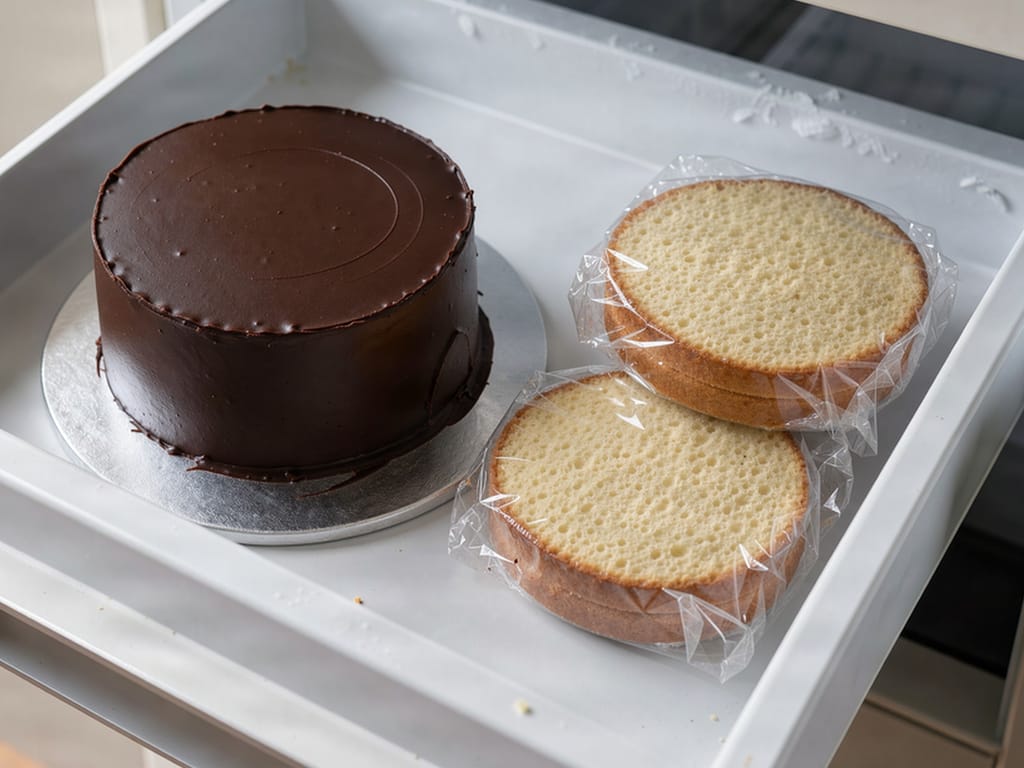
Freeze a finished cake unwrapped first so the frosting sets, and only then wrap it. That way the wrap won't stick to the surface or squash the decoration.
Assemble the cake only from what survives freezing: cake layers, ganache or buttercream. Fondant and marzipan can stay on the cake if you don't mind a damp surface after thawing. Save the whipped cream, fruit and delicate decorations for later.
Put it in the freezer unwrapped on a board or plate until the frosting is firm to the touch. Freeze it as fast as you can: according to USDA/FSIS, slow freezing creates larger ice crystals that damage the structure more. If your freezer has a quick-freeze shelf, use it.
Wrap it twice, in plastic wrap and then aluminum foil, or simply put it in a cake box or a large airtight container.
Write the date and what's inside on it. In a month you won't remember.
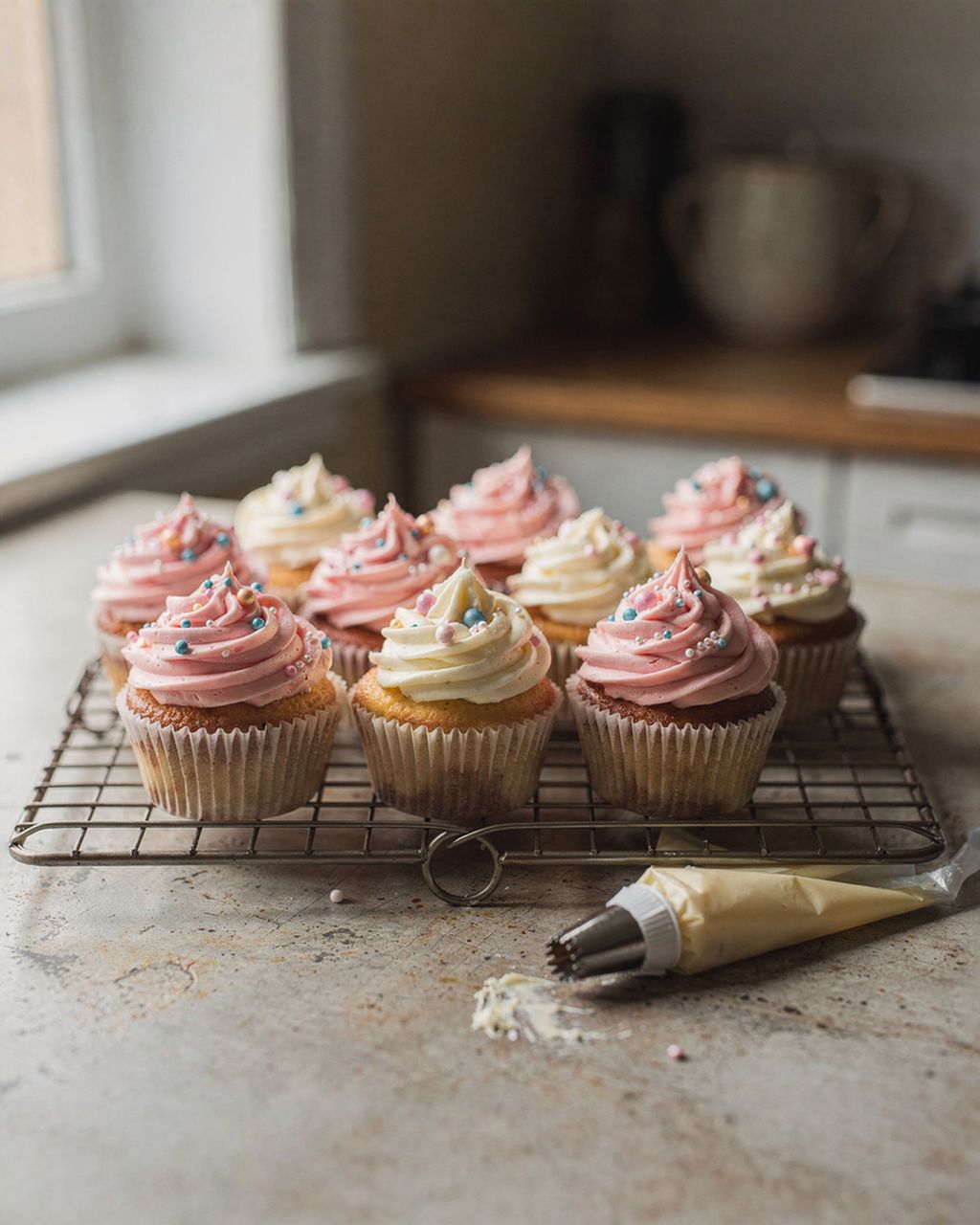
A whole cake takes up a lot of room. If there's some left over, slice it and freeze it in pieces: wrap each one separately and you can thaw only as much as you'll eat. It works well with, for example, a simple chocolate cake with ganache. Cupcakes have their own method, which you'll find in our article making cupcakes ahead: baking, decorating and storing.
Thaw a cake slowly in the fridge and covered, never straight on the counter. The water on the surface is condensation: warm, humid air condenses on the cold cake. The smaller the temperature difference, the less water.
Cake layers: thaw in the fridge right in their wrapping. The water collects on the wrap, not on the layer. Unwrap them once they're fully thawed.
A decorated cake is the opposite: unwrap it while it's still frozen solid. The wrap comes off cleanly, whereas it would tear the surface off soft frosting. Cover it right away with a cake dome or box and move it to the fridge.
How long it takes: USDA/FSIS says smaller pieces of food thaw in the fridge overnight and most foods need a day or two. For a whole cake, plan on the second option; a slice will manage overnight.
Before serving, leave the cake under a dome at room temperature for a while so the frosting softens. Skip long warming on the counter, though, especially with egg and cream fillings.
Fondant and marzipan are often sticky and shiny after thawing. Don't touch them; the moisture disappears on its own in dry air within a few tens of minutes. Add sugar decorations and fresh fruit once the cake has thawed.
Cakes and pastries with whipped cream and frostings have their own fridge rules. You'll find them in our article how long cakes with cream and whipped cream keep.
Yes, you can make and freeze a frosted cake up to about a month ahead. Bake and freeze the cake layers first, since they keep the longest. Ganache or buttercream can be made and frozen at the same time. A day or two before the party, thaw the layers and frosting in the fridge and assemble the cake. Add whipped cream, fresh fruit and delicate decorations on the day you serve it.
Yes, but a soaked layer turns softer after thawing than a dry one. It's safer to freeze the layers without syrup and soak them when you assemble the cake. If they're already soaked, use less syrup and thaw them in the fridge while still wrapped, so condensation doesn't add to the moisture from the syrup.
Yes, thawed ganache can be melted again and used as a glaze or drip. Thaw it in the fridge, then warm it gently over a water bath or in the microwave in short bursts, stirring in between. If it splits and the fat rises to the top, stir in a spoonful of warm cream to bring it back together.
Yes, a fondant-covered cake can be frozen, but expect a damp surface after thawing. Fondant often turns sticky and shiny as it thaws. Don't touch it; the moisture disappears on its own in dry air. It helps to unwrap the cake while it's still frozen solid and cover it right away with a cake dome or box.
Yes, baked crumble topping can be frozen in an airtight container, but it's usually less crisp than fresh after thawing. Toast it briefly on a dry baking sheet in the oven and the crunch returns. It's a good stash for sprinkling over a cake or yogurt, but for baking koláče or other bakes it's better to freeze the crumble raw.
One recipe worth heating the oven for, one tip, and one deal from the shop. Nothing else.