How to Tell When Brownies Are Done (and Why the Middle Stays Gooey)
Why Are My Brownies Cakey? Fudgy vs Cakey vs Chewy Explained
Updated Nov 21, 2026
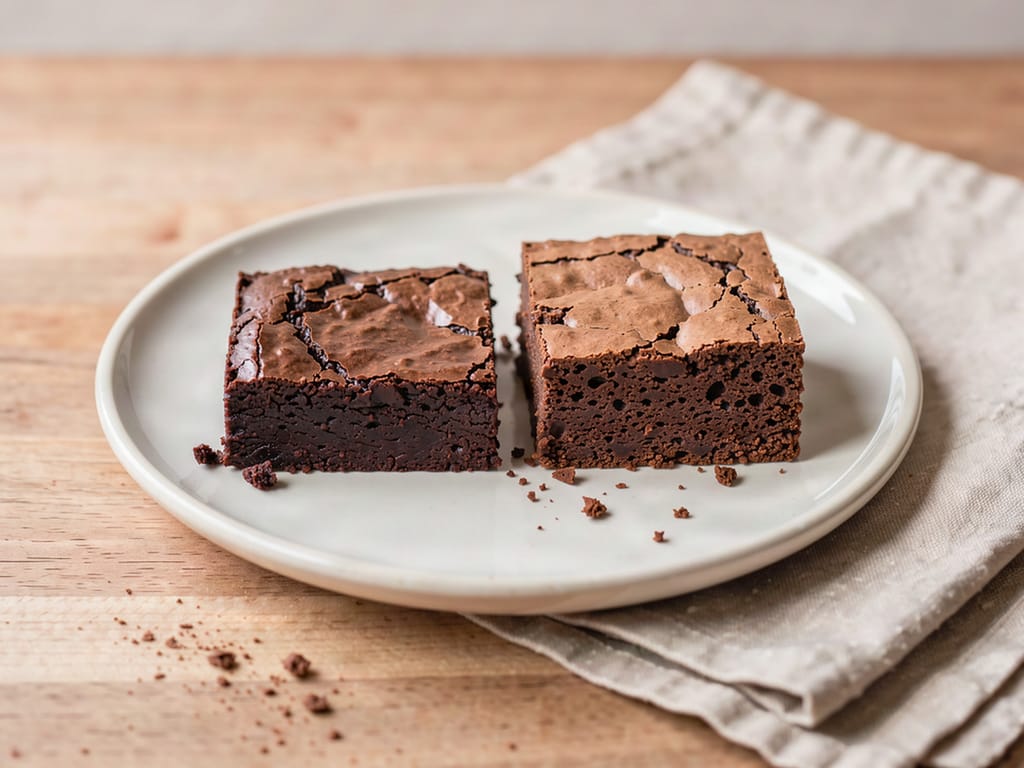
Brownies turn out cakey when the batter has too much flour, egg or leavening compared with fat and chocolate, or when the eggs are beaten so long that they whip in air. Fudgy brownies have a high ratio of fat and chocolate to flour; chewy ones sit in between. Here is how to read your recipe and fix the texture next time.
Brownie texture comes down to balance. Fat and chocolate make a brownie dense and fudgy. Flour, eggs and leavening build structure and air, which makes it cakey. When the second group outweighs the first, you get chocolate cake in brownie shape.
The usual causes:
Too much flour, often from scooping it with a cup.
Baking powder or soda in the recipe, or more than it needs.
Too many eggs, or eggs whipped with sugar until thick and pale.
Overmixing after the flour goes in.
Overbaking, which dries out even a fudgy batter.
Cocoa-only recipes with little fat, which tend to bake up lighter.
Sometimes it isn't a mistake at all: some recipes are written to be cakey.
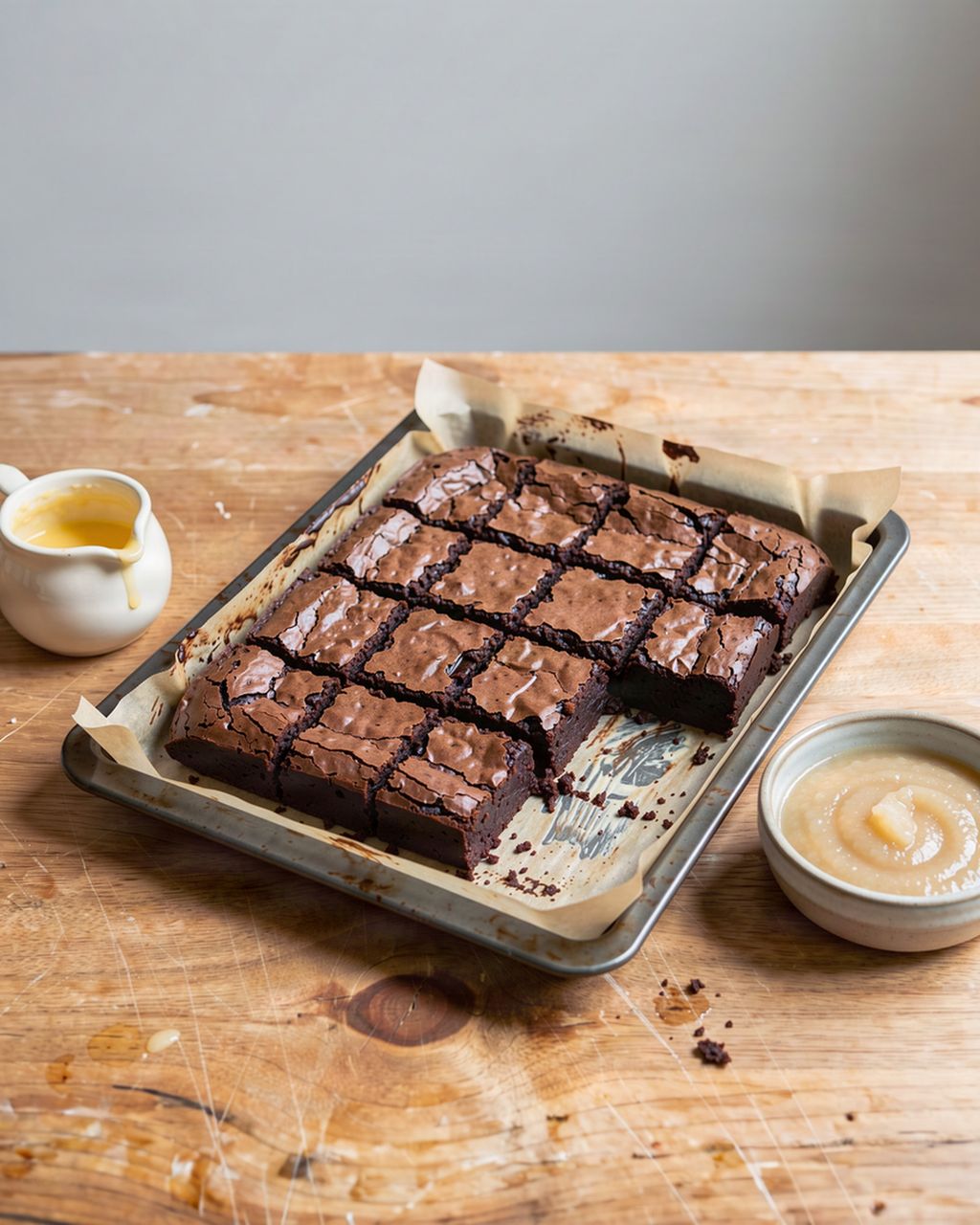
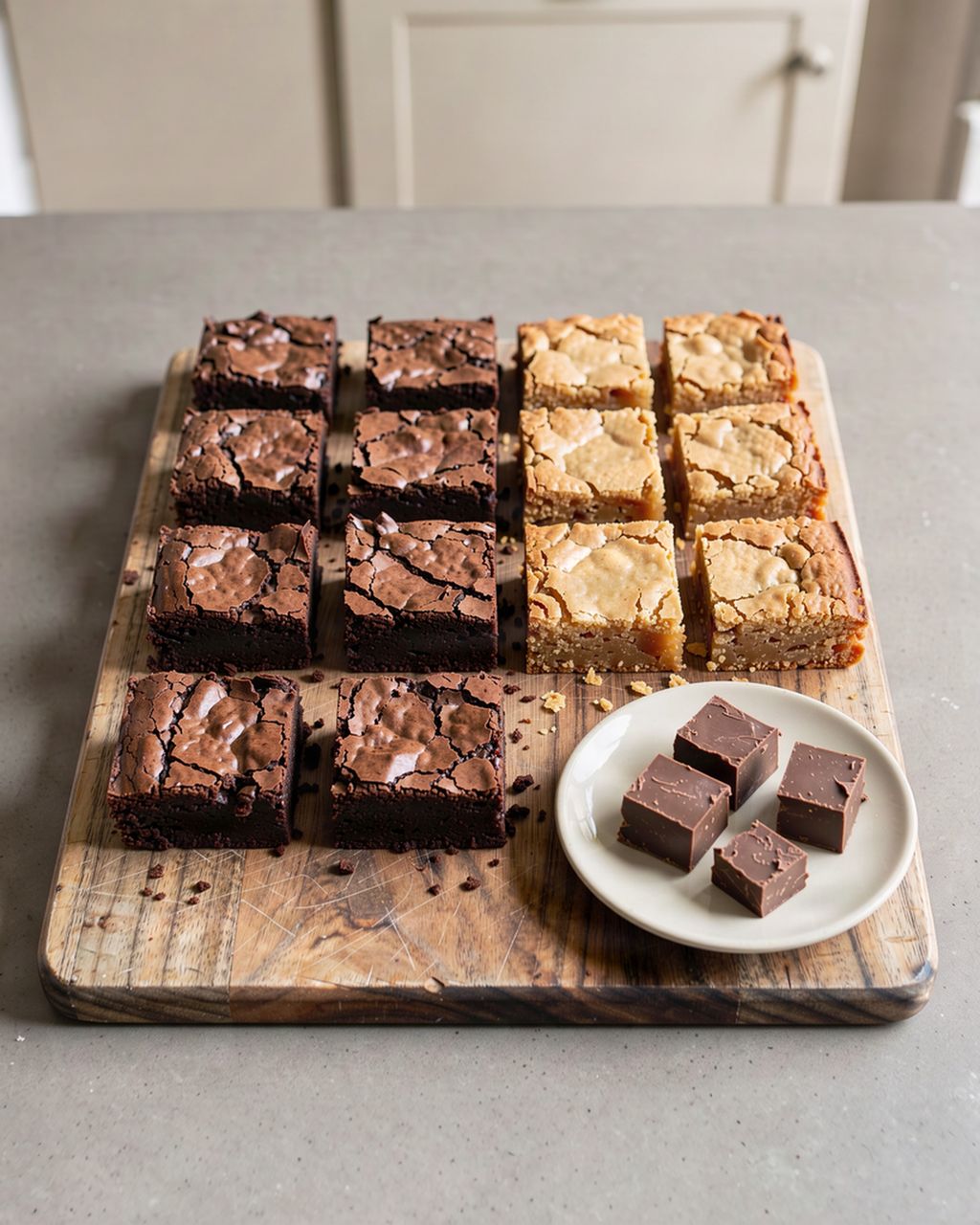
Fudgy: a high ratio of fat and chocolate to flour, often melted chocolate and butter, little flour and no or almost no leavening. Dense, moist, almost truffle-like in the middle.
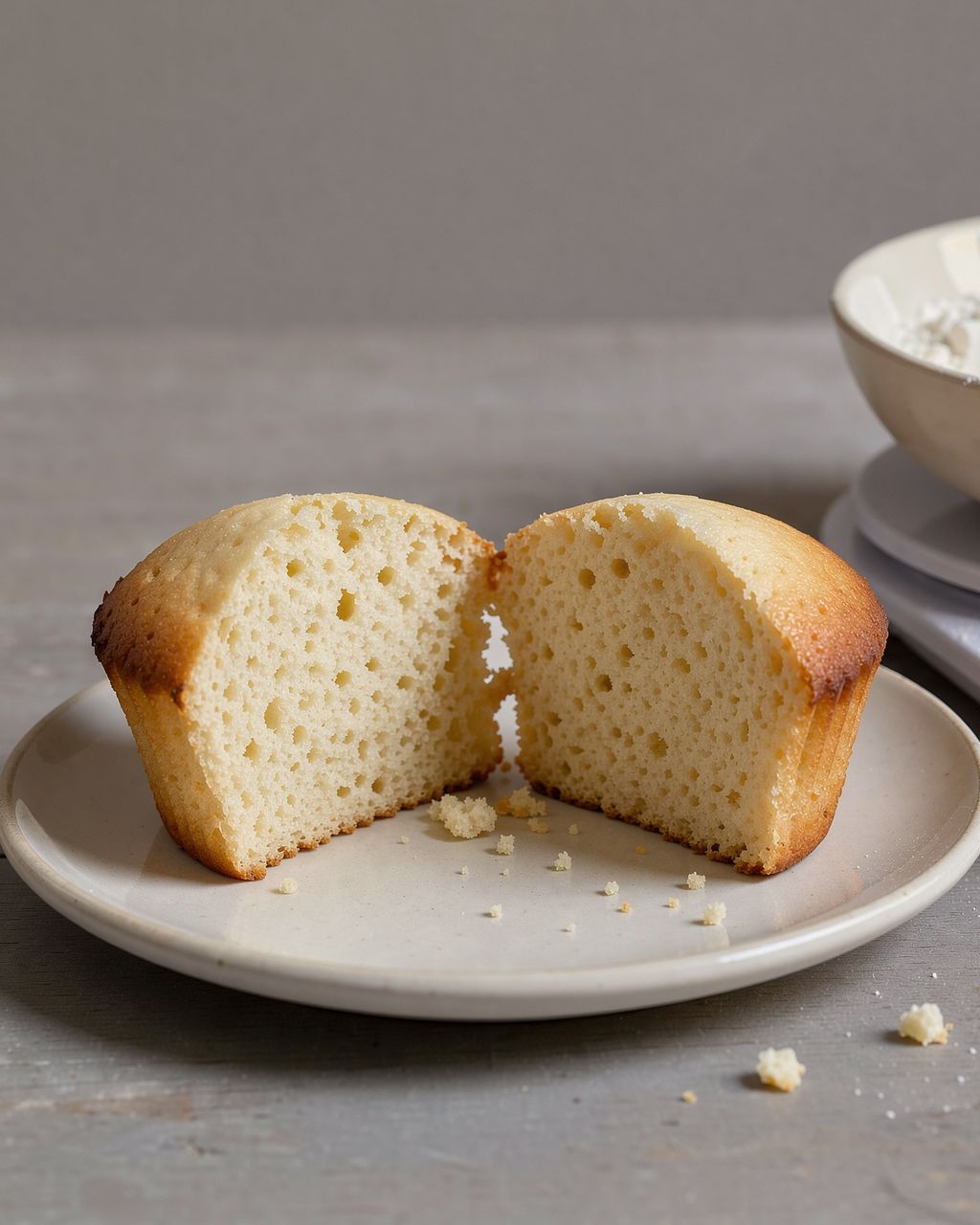
Cakey: more flour, often creamed butter or more eggs, and baking powder. Lighter, springy and dry to the touch.
Chewy: somewhere in between, often with some oil, brown sugar and an extra yolk. Holds together, bends before it breaks.
King Arthur Baking's guide to types of brownies looks at the balance of fat, flour, eggs and leavening. Compare the flour in your recipe with the butter plus chocolate, then check the eggs and leavening. More flour, more eggs and any baking powder all push a brownie toward cake.
Scooping flour with a cup packs it down, which can add a lot of extra flour. In a recipe with only 1/2 to 3/4 US cup of flour, that extra spoonful or two is enough to tip a brownie from fudgy to cakey.
Weigh it. Our tool uses 125 g of all-purpose flour per US cup (236.6 ml) and 132 g per metric cup (250 ml); a level tablespoon is about 7.9 g. The cup of flour in grams page shows the conversion.
If you have no scale, spoon the flour into the cup and level it with a knife.
If your recipe's own cup weight is different, follow the recipe.
Eggs set the batter and add lift. How you handle them matters as much as how many there are.
Beating eggs and sugar for a few minutes gives the shiny, crackly top many people love. Beat them much longer, until thick and pale, and you are making a sponge, which pushes the brownie toward cake.
Creaming soft butter with sugar also whips in air, which is why creamed-butter brownies are usually cakier than melted-butter ones. Our article on creaming butter and sugar explains what that air does.
Extra yolks add fat and lean fudgy; extra whites lean cakey.
After the flour goes in, fold just until no dry streaks remain. More mixing builds gluten.
Cocoa powder brings flavor but very little fat. Melted chocolate brings both flavor and cocoa butter. So a recipe that uses only cocoa needs plenty of butter or oil to stay fudgy.
Using lower-percentage chocolate, or swapping chocolate for cocoa without adding fat, makes brownies drier and cakier.
Oil keeps brownies softer than butter, because it stays liquid at room temperature.
Our guide on which chocolate to use for brownies covers cocoa percentages, and cocoa vs baking chocolate explains swapping one for the other.
Even a fudgy recipe turns dry and cakey if it bakes too long. Brownies keep cooking from the heat of the pan after they leave the oven.
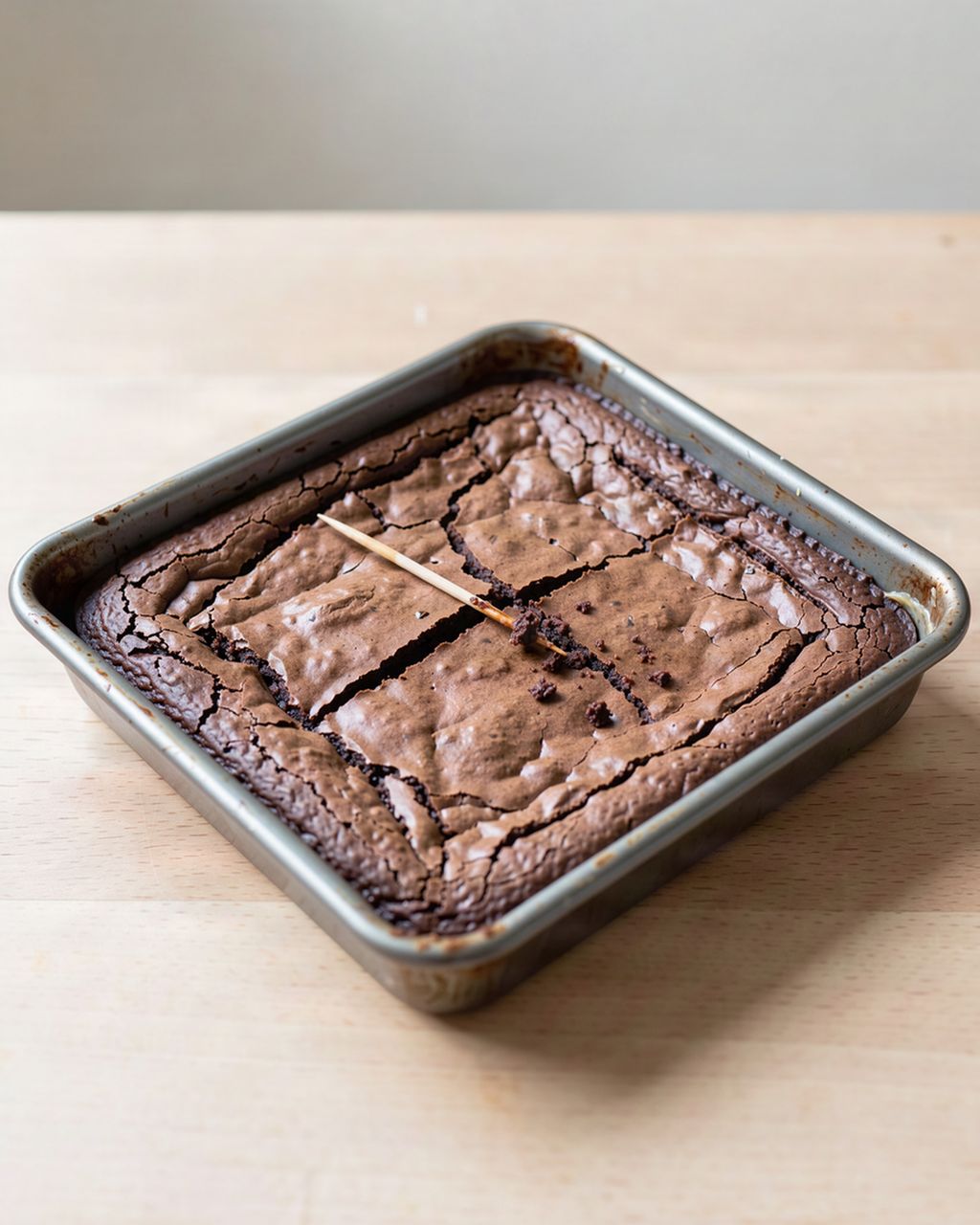
Take them out when a toothpick in the center shows moist crumbs, not wet batter and not a clean stick.
Check 5 minutes before the time in the recipe.
Ovens can run hotter or cooler than the dial. An oven thermometer tells you what yours really does.
A pan smaller than the recipe asks for makes thicker brownies that need longer; a bigger pan makes thin ones that overbake fast.
Recipe of the week, one tip that saves you time and one deal from the shop. Unsubscribe in one click.
The next issue goes out on Thursday, November 26.
The same balance explains the other common complaints:
Hard after baking: overbaked, or too much sugar cooked into a candy-like crust at the edges. Bake a few minutes less, and line the pan with parchment so the edges don't overcook against hot metal.
Rubbery or spongy: too much egg, or eggs beaten too long, plus overmixing after the flour. Mix gently by hand once the flour is in.
Rose high, then sank in the middle: too much baking powder or beaten egg lifted the batter more than it could hold, or the center was underbaked. Cut the leavening and check doneness in the middle.
Bubbling on top in the oven: air whisked into the batter, or a very hot oven. A few bubbles are normal and settle as it cools.
Crumbly: too much flour or cocoa for the fat, or cut while still warm. Let the pan cool completely first.
Most often the recipe has too much flour, egg or baking powder for the amount of fat and chocolate, or the eggs and sugar were beaten until fluffy. Measuring flour by volume, which usually packs in extra, is another common cause.
A higher ratio of fat and chocolate to flour makes brownies fudgy. Melted butter, melted chocolate, little or no baking powder, an extra yolk, and gentle mixing all push the texture toward fudgy.
Yes. Baking powder or baking soda adds lift and opens the crumb, which is the opposite of fudgy. The more baking powder a recipe uses for its amount of flour, the cakier it is meant to be. Many fudgy recipes use 1/2 teaspoon or less, or none at all.
Usually yes. King Arthur Baking notes that a higher ratio of eggs gives a cakier brownie because of the structure eggs add. Extra yolks alone lean fudgy, while extra whites lean cakey.
Dry, crumbly brownies are usually overbaked or have too much flour. Take them out when a toothpick shows moist crumbs, and weigh the flour instead of scooping it with a cup.
One recipe worth heating the oven for, one tip, and one deal from the shop. Nothing else.