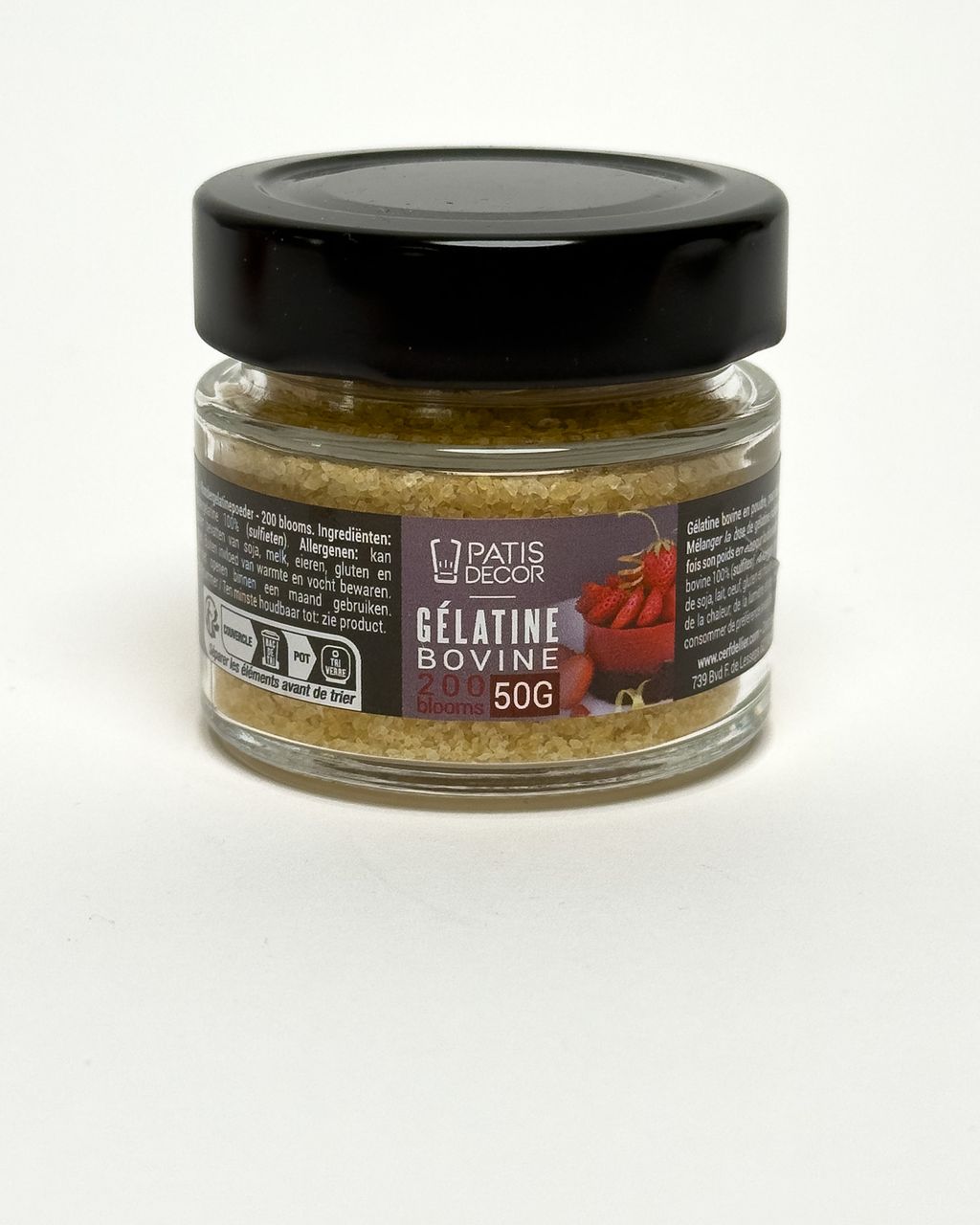
Beef Gelatin Powder 200 Bloom
Quark Cake Filling That Holds Its Shape: Gelatin, Mascarpone or Whipped Cream
Updated Oct 15, 2026
A quark cake filling that holds its shape comes down to three things: well-drained quark, gelatin that's properly dissolved and mixed in (roughly 1–1.5 g of 200 Bloom gelatin per 100 g of filling), and enough time in the fridge. Mascarpone thickens and softens the filling, but it can't hold it up in the warmth on its own, and whipped cream alone lasts only a few hours. Below you'll find a comparison of all three approaches, the exact ratios, and the mistakes that make a filling split, run or turn stringy.
For a cake that needs to be sliced and stand on the table, stabilize the quark filling with gelatin. Mascarpone and whipped cream change the flavor and texture, but only a gelling agent gives real stability.
Gelatin – holds even on a cake with unsupported sides, slices cleanly, and the filling stays creamy. The most reliable choice for a tiered cake.
Mascarpone – thickens and rounds out the flavor thanks to its fat (around 40%). It holds in a cake ring and in the fridge, but softens at room temperature. Ideal combined with gelatin.
Whipped cream with no stabilizer – makes the filling fluffy, but within 4–8 hours whey starts to seep out of the quark. Good for a roulade or a dessert you'll eat right away.
Agar – a plant-based alternative; it has to be boiled and gives a firmer but more brittle texture than gelatin, and it doesn't melt in the mouth.
Whipped cream stabilizer (starch-based, from the supermarket) – fine for whipped cream alone, but not enough for a load-bearing layer of moist quark filling.
In practice: if you want a cake with no compromises, combine quark, a little mascarpone, whipped cream and gelatin. Each ingredient does what it does best.
Use 1–1.5 g of powdered 200 Bloom gelatin per 100 g of finished filling. For a filling in a cake ring that you won't remove until it's chilled, 1 g is enough; for a filling that supports another tier or forms an unsupported side, use 1.3–1.5 g.
A sample batch for a cake 20–22 cm (8–9 in) in diameter (about 1 kg of filling):
500 g quark
100 g mascarpone
300 ml whipping cream, 33% fat
90–110 g powdered sugar
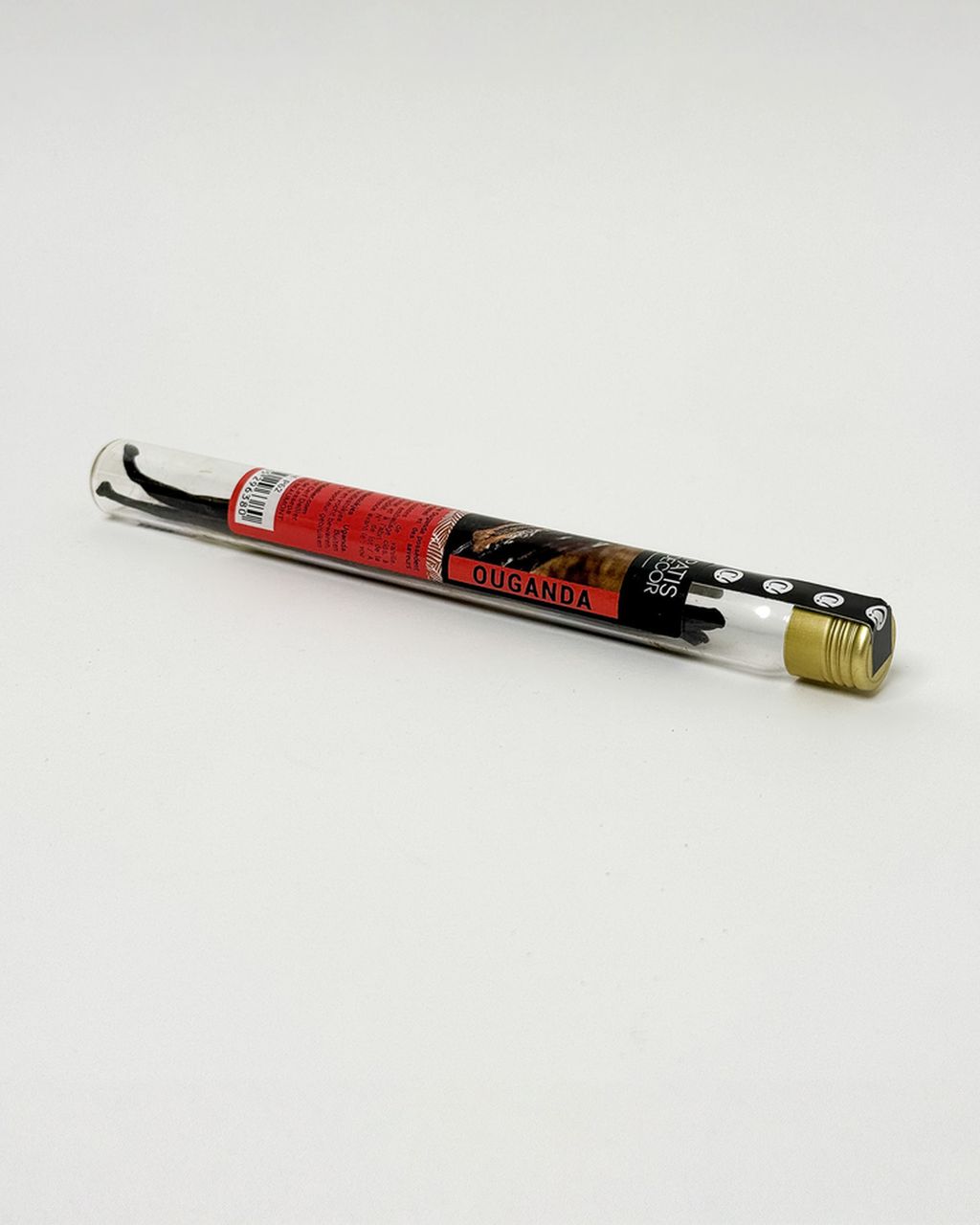
1 vanilla bean
12 g 200 Bloom gelatin + 60–70 ml cold water
Why weigh it instead of counting packets or sheets: gelatin strength (Bloom) and the weight of a sheet vary by brand. Powdered beef gelatin at 200 Bloom can be weighed to the exact gram, so the result is the same every time. You'll find it alongside other binders in the gelling agents and binders category.
Got a different strength? Pastry chefs adjust using the formula new weight = original weight × √(original Bloom / new Bloom). For 160 Bloom, multiply by 1.12 (12 g → about 13.5 g); for 250 Bloom, multiply by 0.89 (12 g → about 10.7 g).
Let the gelatin bloom first, then dissolve it at up to 60 °C (140 °F) and mix it into the filling through an "in-between step" with a small amount of the filling. Strings and lumps almost always form because warm gelatin hits cold quark and sets instantly.
Blooming: sprinkle the powder over 5–6 times its weight in cold water (12 g in 60–70 ml), stir, and leave it for 10 minutes.
Dissolving: warm it in a water bath or briefly in the microwave to 50–60 °C (120–140 °F), until the liquid is clear. Don't boil it – boiling weakens the gel.
The quark must not be ice-cold: take it out of the fridge at least 30 minutes ahead, ideally to 18–20 °C (65–68 °F).
Tempering: stir 2–3 spoonfuls of the quark base into the warm gelatin until smooth, and only then return this mixture to the rest and whisk it in right away.
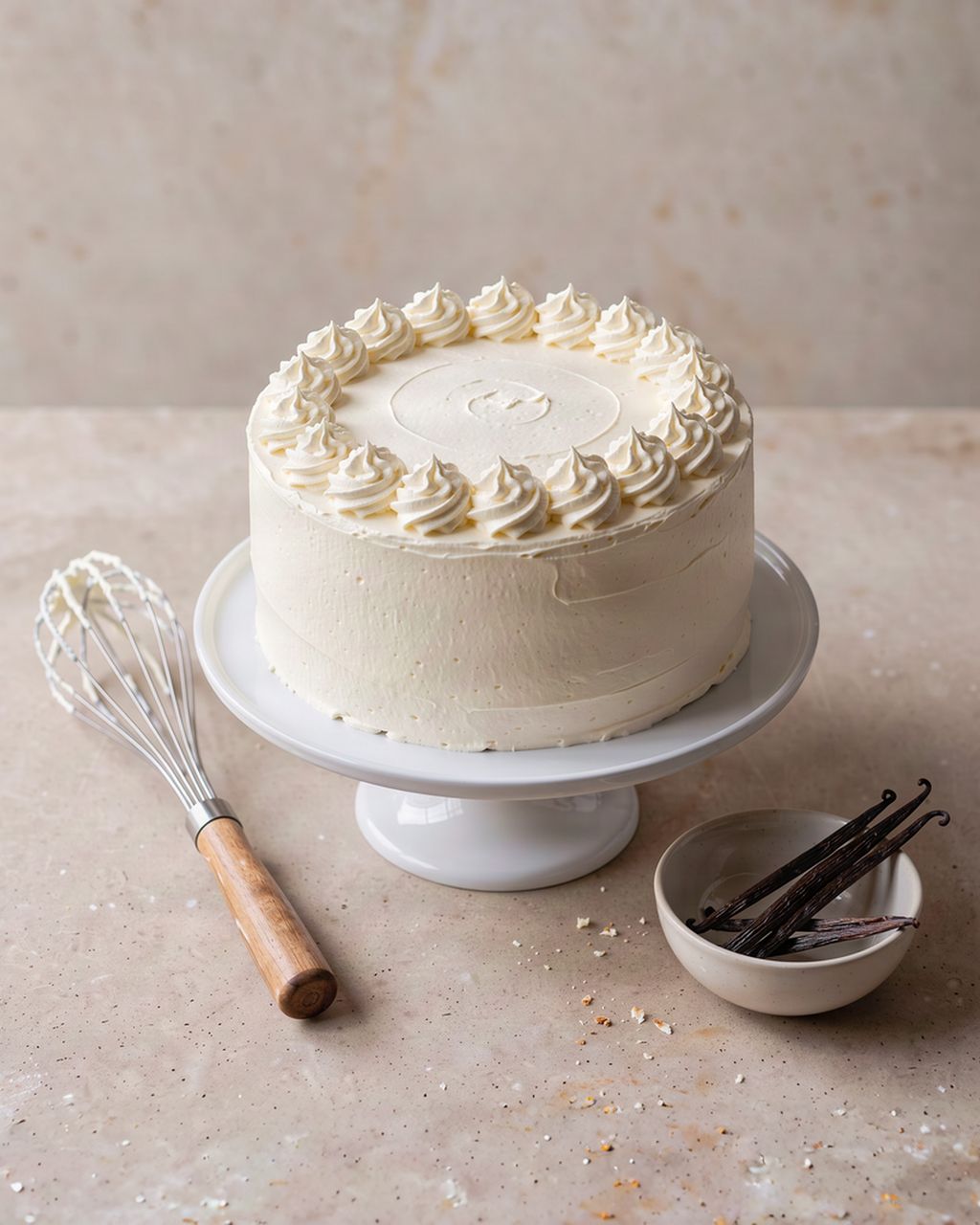
Cream last: whip the cream to soft peaks and fold it in with a spatula in 2–3 batches. Spread the filling into the ring immediately – it starts to set within 10–15 minutes.
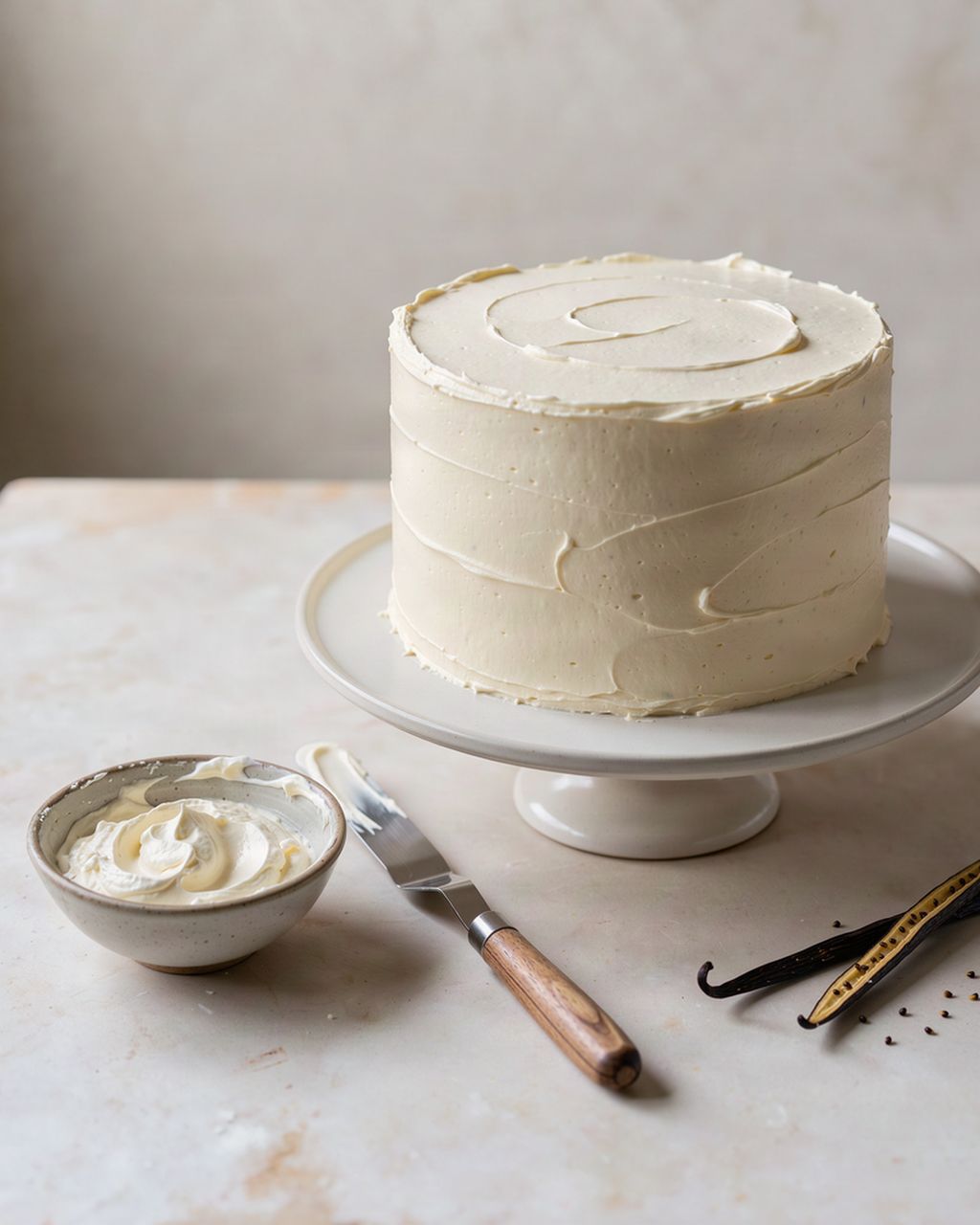
A quark filling with mascarpone in a ratio of roughly 1 : 1 and whipped cream holds as a filling between thinner layers in a cake ring and in the fridge. But without gelatin it won't hold an unsupported side or a taller cake at room temperature – mascarpone is fat, and fat softens when warm.
2 : 1 ratio (quark : mascarpone) – a fresher, lighter filling; without gelatin, don't go for a layer thicker than 1.5 cm (½ in).
1 : 1 ratio – denser, creamier and easier to spread; it works as a filling in a cake ring even without a stabilizer, as long as the cake stays in the fridge.
Don't overwhip the mascarpone. Whip it only briefly, ideally together with cold cream. If you whip it for too long, the fat separates and the filling turns grainy – and there's no coming back from that.
Want a filling built only on mascarpone and white chocolate? It has its own rules, covered in the article mascarpone and white chocolate cake filling.
Quark and whipped cream without a stabilizer runs because the quark gradually releases whey and the whipped cream can't hold it – the foam collapses and the liquid flows down into the cake layer. Within a few hours, liquid appears at the bottom and soaks the sponge.
Without gelatin, use it only where it doesn't have to support anything: in a roulade, a cup, a small glass, or a cake you'll eat within a few hours. A nice example of a light filling in a roulade is a fluffy pink roulade with quark filling.
If you want mainly a whipped cream filling with quark only as an addition, take a look at a firm whipped cream filling stabilized with gelatin – the principle is the same, just with different ratios.
For a cake filling, reach for full-fat or soft tub quark and get rid of the excess water. The drier the quark, the less gelatin you need and the lower the risk that the filling will release water.
Draining: put the quark in a sieve lined with cheesecloth or a paper towel and leave it in the fridge to drain for 2–3 hours. From 500 g, 50–80 g of whey can easily run off.
Smoothness: press crumbly quark (the block or foil-wrapped kind) through a sieve or briefly blend it with an immersion blender. Otherwise the filling will be grainy.
Fat content: full-fat quark is creamier and less tart. Low-fat quark makes a filling that feels drier on the tongue and is more sour – balance that with a larger share of mascarpone.
Sugar: use powdered sugar. Granulated sugar won't dissolve in thick quark, and the filling will then crunch between your teeth.
For 500 g of quark, 1 vanilla bean is enough. Split it lengthwise, scrape out the seeds with a knife and mix them into the sugar – they'll spread evenly and won't leave clumps in the filling.
Don't throw away the scraped pod: put it in the cream and leave it in the fridge overnight. The cream absorbs the aroma, and you just strain it before whipping. Real vanilla beautifully softens the tartness of quark, so the filling needs less sugar. Extract or vanilla sugar work too, but they lack the depth and the black specks that show the filling is the real thing.
Quark filling with gelatin needs at least 4–6 hours in the fridge, ideally overnight. After the first hour it's merely thick; the gelatin reaches full firmness gradually.
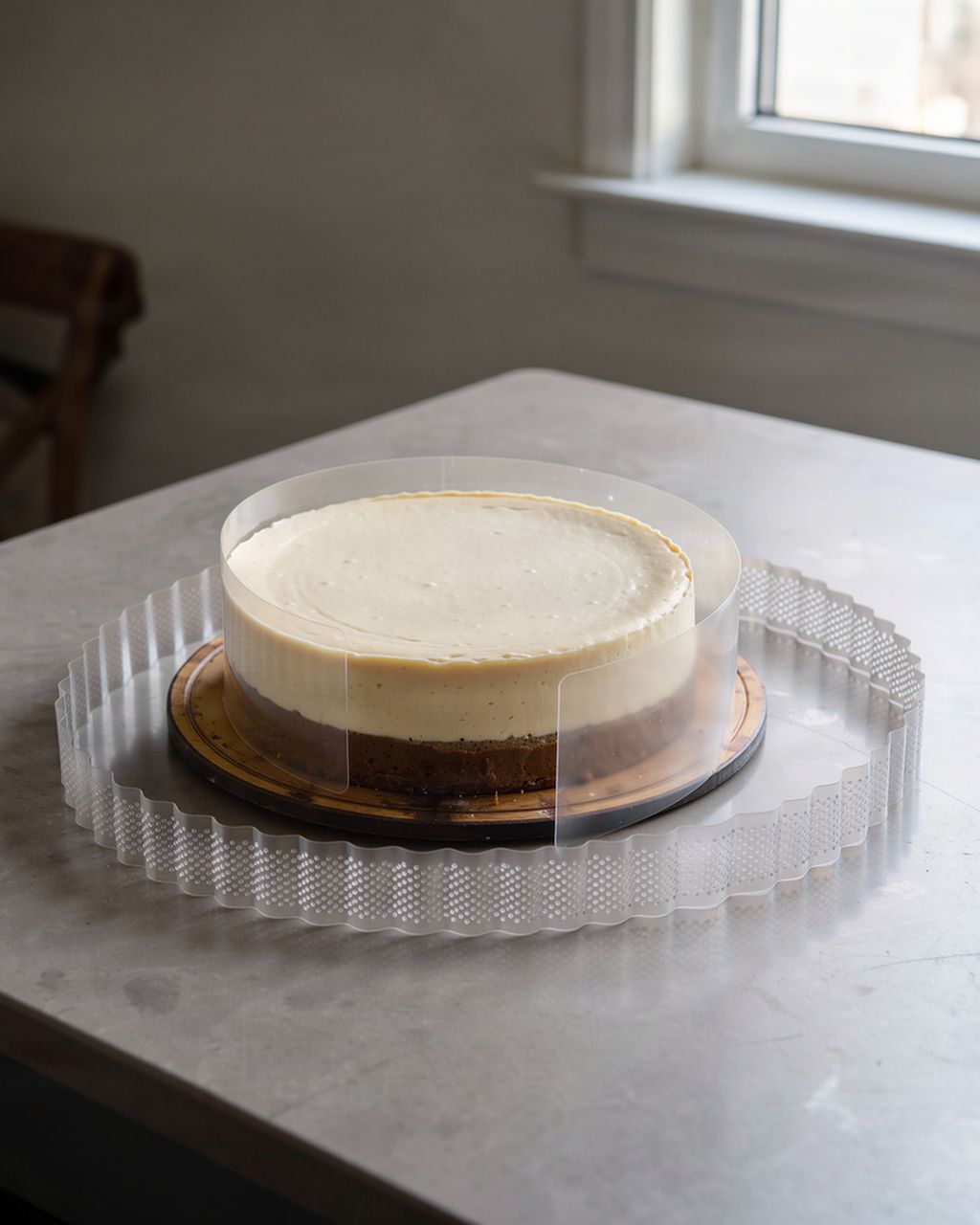
Remove the cake ring or acetate strip only once the cake is fully chilled. Warm the ring briefly with a hair dryer, or run a knife heated in hot water along its inner side; just peel off the acetate strip carefully, without warming it.
Slice with a knife dipped in hot water and wiped dry, repeating after every cut.
Take the finished cake out of the fridge 15–20 minutes before serving, no sooner. A gelatin filling holds at room temperature for a few hours, while a mascarpone filling without gelatin starts to soften much sooner.
To see what quark filling looks like in a finished cake, check out this quark cake with salted caramel and peanuts.
Adding more gelatin will only rescue a filling that hasn't set if you used too little, boiled the gelatin, or started with watery quark. In that case, lift the filling out of the cake ring into a bowl, dissolve another 0.5 g of gelatin for every 100 g of filling, and stir it in the same way as before, through a few spoonfuls of the filling first. Then spread the filling back into the ring and leave it to set overnight. If the filling contains raw pineapple, kiwi, papaya, figs or other fruit with enzymes, more gelatin won't help, because the enzymes will break down the new gelatin too. You'll need to make the filling again with cooked or stewed fruit.
Yes, quark filling made with gelatin can be frozen for up to 1 month. Freeze the cake whole and well wrapped, and thaw it slowly in the fridge overnight. A filling without gelatin usually releases water and turns grainy after thawing.
Ideally, make a quark filling cake the day before and eat it within 2–3 days. Quark is a fresh dairy product, so keep the cake in the fridge at 5 °C or below, and don't leave it out for more than a few hours.
Quark filling can be piped only to a limited extent: it works for simple dollops, not for sharp details. Spoon the gelatin filling into the piping bag right after mixing, before it sets, then chill the cake. For fine decoration, buttercream or ganache is a better choice.
One recipe worth heating the oven for, one tip, and one deal from the shop. Nothing else.