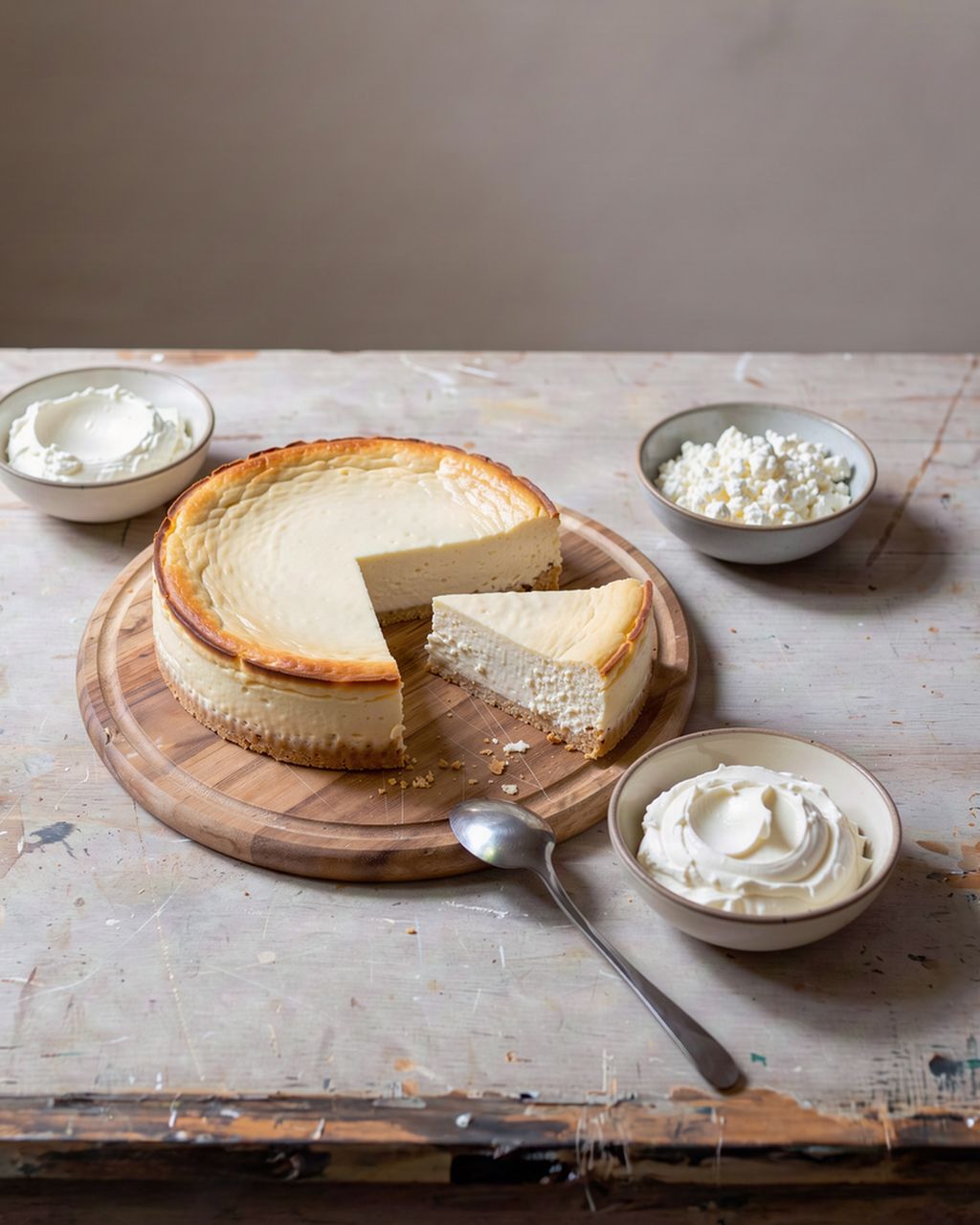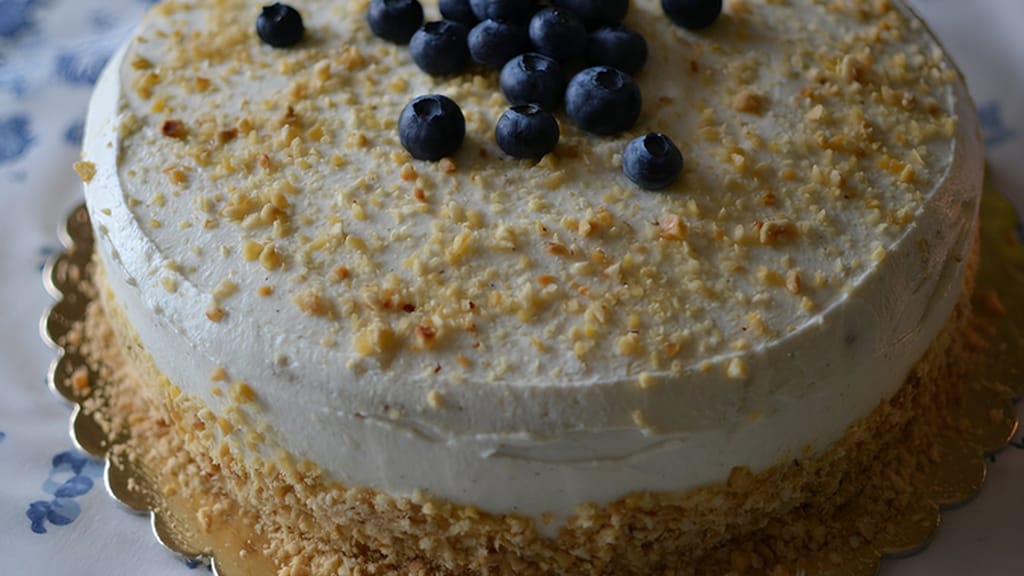
Carrot cake with quark frosting
Carrot Cake Frosting with Žervé, Lučina or Philadelphia: How to Make It Hold
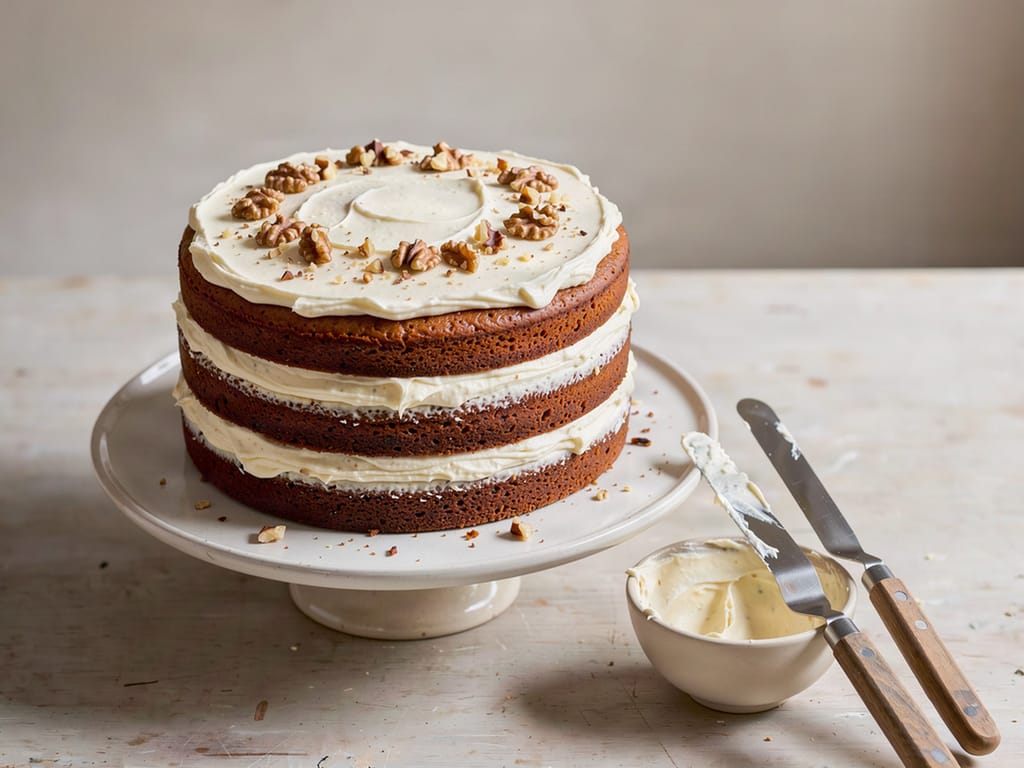
Updated Nov 17, 2026
Cream cheese frosting for carrot cake holds if you stick to three things: a ratio of roughly 250 g cheese, 125 g butter and 150–200 g powdered sugar; cheese that goes in cold from the fridge; and only brief mixing once it's added. It works with žervé (a Czech fresh cream cheese), lučina (a soft Czech cream cheese), traditional pomazánkové (formerly pomazánkové máslo, a Czech soft dairy spread, not butter) and Philadelphia, but each behaves a little differently, and that's where most runny frostings come from. The same frosting suits red velvet and cupcakes too.
The basic ratio is 2 : 1 : 1.5: two parts cream cheese, one part butter and one and a half parts powdered sugar (all by weight). In practice:
250 g full-fat cream cheese (žervé, lučina, Philadelphia or traditional pomazánkové)
125 g butter (82% fat), softened to room temperature
150–200 g powdered sugar, sifted
a pinch of salt, a teaspoon of vanilla extract and, if you like, a teaspoon of lemon juice
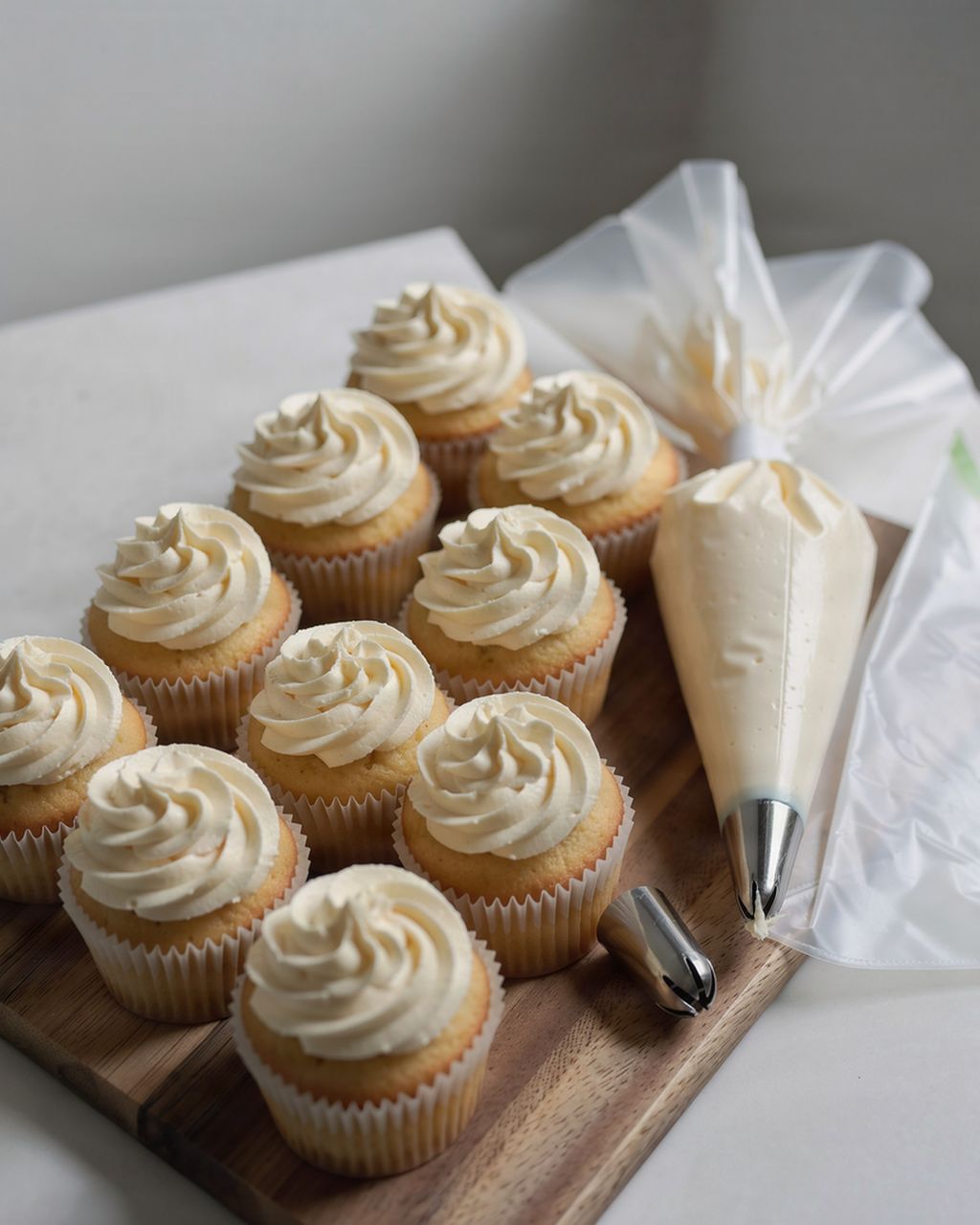
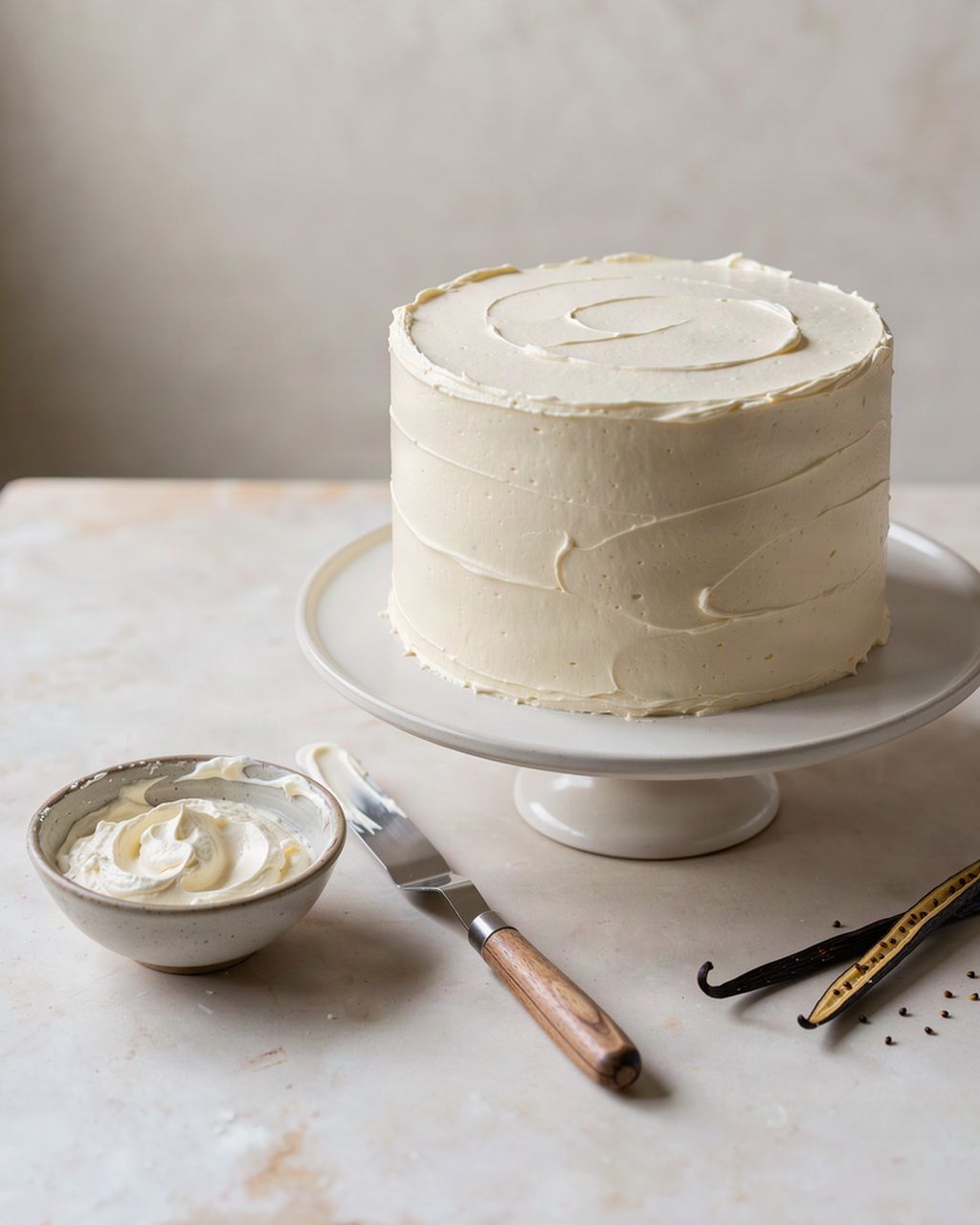
This amount covers the top and sides of a 20–22 cm (8–9 in) cake, or 12 cupcakes with a piped swirl. The butter gives the frosting its structure: it firms up in the fridge and holds its shape. The cheese brings flavor and a light tang, but also water. The more cheese relative to butter, the smoother and softer the frosting. Don't add more than 250 g sugar "for firmness": the frosting won't get sturdier, just too sweet, and the sugar also draws water out of the cheese.
For spreading a cake that then goes into the fridge, the basic 2 : 1 ratio (cheese : butter) is enough. For piping, or if your kitchen is warm, shift the ratio to 1 : 1. The frosting is then firmer and stands up to more.
Seasonal baking plans, tested recipes and kitchen tricks that save you time. Unsubscribe in one click.
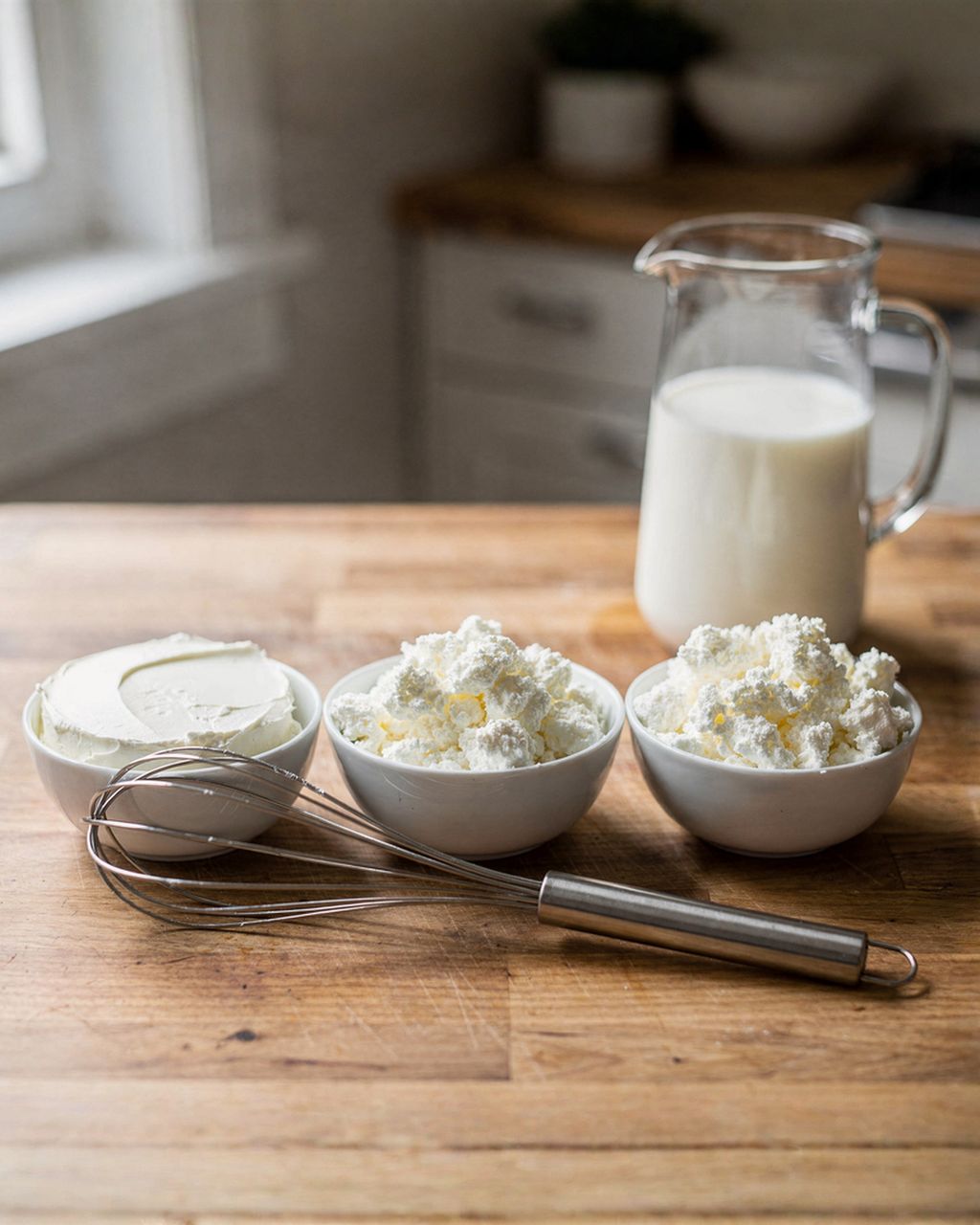
For a frosting that has to hold, the best choice is a full-fat cream cheese with as little loose whey as possible. In practice that means Philadelphia or lučina, or žervé after a short draining. The differences:
Lučina Originál – 30 g fat per 100 g according to the manufacturer. It's smooth, mildly tangy and one of the most stable cheeses on this list.
Žervé – Jihočeské žervé has 24 g fat per 100 g according to Madeta; other brands vary. The tub often contains a little whey. It tastes fresh and tangy and pairs beautifully with a carrot cake layer. Before using, pour off the liquid from the tub, turn the cheese out onto a double layer of paper towel and leave it to drain in the fridge for 20–30 minutes.
Philadelphia – in the Czech Republic it's sold in a tub as a spreadable version, not as the firm American block. It's smooth and stable, but softer than people expect from American recipes. Choose Original, never Light.
Traditional pomazánkové (formerly pomazánkové máslo) – 31 g fat per 100 g according to Madeta, so roughly the same as lučina. The frosting made from it is smooth, less tangy and firm when cold, but it's saltier, so don't add any salt. It can be slightly grainy now and then, so beat it on its own until smooth before adding it to the butter.
Reduced-fat versions (Light, Linie) and low-fat fresh cheeses – they contain more water and less fat. Frosting made from them almost always runs. Don't use them for a cake, or plan on the fixes in the firming section.
Quark (tvaroh) is a different case: it has a different structure and behavior, and frosting made from it is firmed up differently. You'll find that in our article on quark cake frosting that holds.
The order matters more than the recipe: butter and sugar first, cheese last and cold.
Take the butter out of the fridge 1–2 hours ahead. It should be soft enough for a finger to sink in, but not shiny and melting.
Beat the butter on its own for 2–3 minutes until it lightens.
Add the powdered sugar by the spoonful and keep beating for another 2–3 minutes until pale and fluffy. Add the salt and vanilla.
Take the cheese straight from the fridge, drained. Add it by the spoonful on low speed.
Stop as soon as the frosting is smooth. On low speed that takes roughly 30–60 seconds. After that, just fold it from the bottom with a spatula.
Chill the frosting for 20–30 minutes before you spread or pipe it. It firms up briefly and is easier to work with.
The carrot cake layers must be completely cool, ideally wrapped in plastic wrap in the fridge overnight. On a warm cake the frosting melts, however good it is.
Cream cheese frosting most often runs for one of three reasons: the cheese is warm, the frosting is overbeaten, or there's too much water in it.
Warm cheese. The butter needs to be soft, but the cheese needs to be cold. If you leave both to soften on the counter, the cheese's structure loosens and the frosting is sloppy from the start. So the butter comes out early, and the cheese comes out of the fridge at the last moment.
Overbeating after adding the cheese. Long beating on high speed breaks down the cheese's structure and releases water from it. A frosting that was nicely firm after a minute turns to soup after five. You beat the butter; the cheese is only folded in.
Extra water. Whey from the tub, a reduced-fat cheese, a big splash of lemon juice or liquid coloring. Every spoonful of liquid shows. Drain the cheese, use full-fat and color with gel coloring.
A fourth thing often joins in: a warm cake layer or a warm kitchen. Cream cheese frosting is basically a buttercream with cheese in it, and butter softens in a 25°C (77°F) room.
If your frosting has already gone runny, put it in the fridge for 30–60 minutes and then stir it briefly with a spatula. If even that isn't enough, the firming methods in the next section will help. Don't keep adding more and more sugar, as that only thins the frosting further.
You can firm up cream cheese frosting in four ways: more butter, white chocolate, some mascarpone, or chilling between layers. You need this when you're piping tall decorations, stacking a tall layer cake, or the cake will sit in the warm. For simply spreading a carrot cake that goes straight into the fridge, the basic ratio and the right order are enough.
More butter. The easiest route: shift the ratio to 1 : 1 (250 g cheese to 250 g butter). The frosting is more buttery, but when cold it holds like buttercream.
White chocolate. 100 g white chocolate, melted and cooled to lukewarm, per 250 g cheese, folded in at the end. After chilling, the frosting firms up noticeably. Use 50 g less sugar.
Mascarpone in place of part of the cheese. Replace a third of the cream cheese with cold mascarpone. The frosting is thicker and creamier, and the tang remains.
Chilling between layers. For a layer cake, first spread a thin crumb coat, put the cake in the fridge for 30 minutes and only then spread the final layer. No ingredient works as reliably as a cold cake.
Cupcakes and piping swirls specifically, including tips and frosting temperature, are covered in our article on cupcake frosting that holds its shape.
Red velvet takes the same frosting as carrot cake. A pale, creamy white frosting against a deep red cake is the whole point. Go for the sweeter version (200 g sugar) with vanilla and leave out the lemon, since a cocoa cake doesn't need the acidity as much. How to get that red into the batter is covered in red velvet: deep red batter. A ready-made idea for smaller portions: Red velvet love mini desserts.
For carrot cupcakes, pipe a thicker frosting (cheese : butter ratio 1 : 1, or with white chocolate) and leave the swirls in the fridge for 30 minutes before serving. Carrot muffins with an orange aroma are a good match, and you can grate the orange zest into the frosting too.
And if you want a classic: carrot cake with quark handles the cheese frosting from this article just as well as its original filling. You'll find both recipes below.
Carrot cake with quark frosting
Carrot cake with quark – a cake layer that cream cheese frosting suits just as well
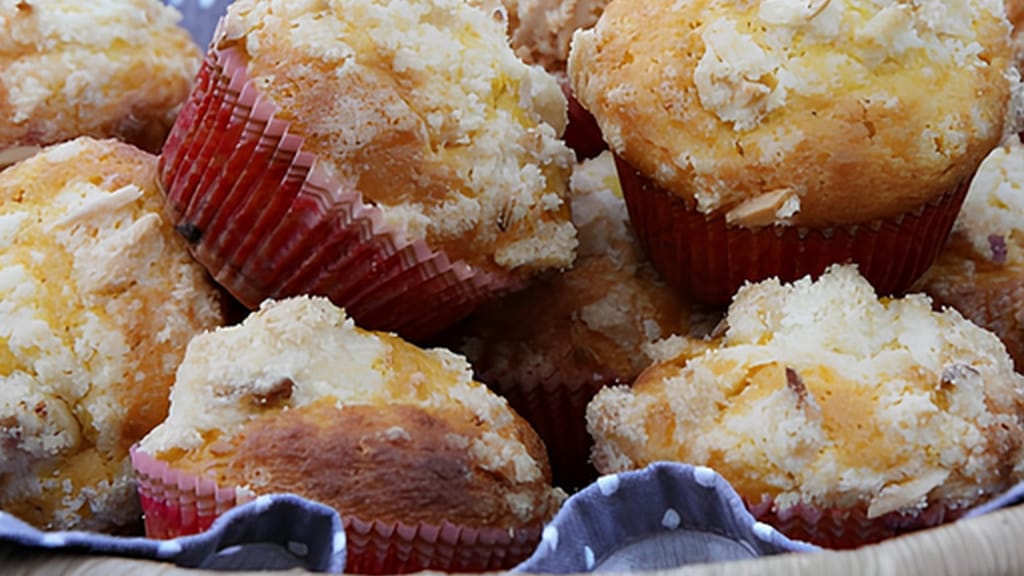
Carrot muffins with a hint of orange
Carrot muffins with an orange aroma – like cupcakes with a cheese swirl
A cake or cupcakes with cream cheese frosting belong in the fridge and shouldn't be at room temperature for more than 2 hours in total; above 32°C (90°F), such as outdoors in summer, only 1 hour. That is the general rule for perishable food according to USDA FSIS. After that, throw the cake away rather than returning it to the cold.
Fridge: according to USDA FSIS, keep perishable food at 4°C (40°F) or below. Cover the cake so it doesn't absorb odors.
How long in the fridge: the frosting won't last longer than the cheese it's made from. Follow the manufacturer's use-by time for opened cheese (usually on the packaging), not the date on the unopened pack, and use the shortest one if you combine several kinds.
To the table: take the cake out roughly 20–30 minutes before slicing so the frosting softens a little and isn't hard like butter. That time counts toward the two-hour limit.
If you're preparing the cake a day ahead, bake and wrap the cake layers, make the frosting and frost the cake the evening before the celebration.
Quark frosting holds when you drain the quark thoroughly and firm it up with butter, mascarpone or gelatin. Quark with sugar alone always loosens. Leave soft quark to drain overnight in a sieve in the fridge and mix it only briefly. If you want to spread it without any firming agents, a cream cheese such as lučina or Philadelphia in a 2:1 ratio with butter is the safer bet.
Yes, a hand mixer is perfectly fine for cream cheese frosting, and the method and order stay the same. Beat the butter and sugar until pale and fluffy, then add the cold cheese by the spoonful on the lowest speed, or fold it in with a spatula. A hand mixer makes it easy to overbeat, so stop as soon as the frosting is smooth.
You can, but it runs, so you need to firm it up another way, best with melted white chocolate or whipped whipping cream. For 250 g of cheese, use 100–150 g white chocolate, or 200 ml whipping cream (33%) whipped stiff and folded in at the end. Frosting made with cream is fluffier, but it isn't suited to tall piping or a warm table.
You can make it ahead, but we don't recommend freezing it. Cream cheese doesn't freeze well and tends to turn grainy after thawing. Keep it in a sealed container in the fridge and follow the manufacturer's use-by time for opened cheese. Before using, give it a short stir with a spatula or a few seconds on low speed, no longer, or it will loosen.
Yes, but only with gel or powdered food coloring. Liquid coloring thins the frosting and makes it run. Add color drop by drop at the very end and fold it in briefly with a spatula. Cream cheese frosting has a slightly yellowish tint, so you won't get a bright white or a perfectly clean pastel. Darker shades also deepen after an hour in the fridge.
One recipe worth heating the oven for, one tip, and one deal from the shop. Nothing else.