Why Is My Cheesecake Grainy or Lumpy? Batter and Texture Fixes
Why Is My American Buttercream Grainy? Causes and Quick Fixes
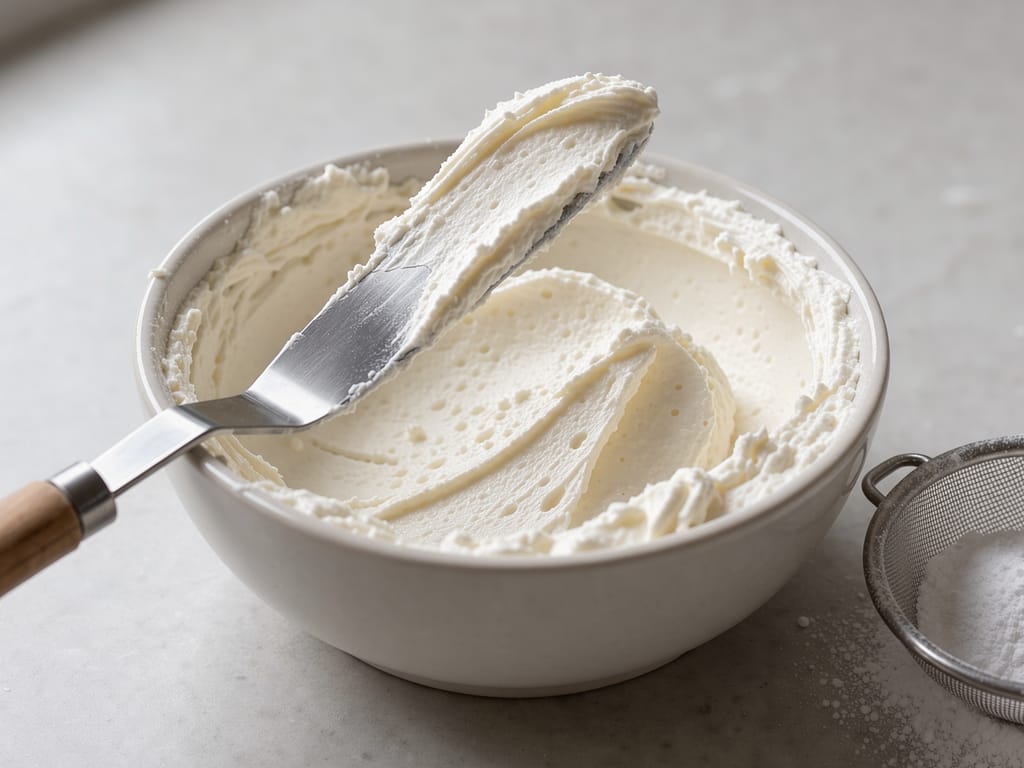
Updated Nov 21, 2026
American buttercream turns grainy or gritty when the sugar hasn't dissolved or broken down smoothly: usually because it was granulated instead of powdered sugar, the powdered sugar had lumps, or there was too little liquid. Cold butter and too little beating make it lumpy too. Most grainy frosting can be fixed with a splash of milk and more beating.
American buttercream is simple: butter beaten with powdered sugar, a little milk or cream and flavoring. About two parts powdered sugar to one part butter by weight is a common starting ratio. Because butter is mostly fat and there's very little liquid, the sugar never fully dissolves. That is why the kind of sugar, and how it's mixed, decide the texture.
The usual causes of grainy, gritty or lumpy frosting:
Granulated or caster sugar instead of powdered sugar.
Lumpy powdered sugar that wasn't sifted.
Too little liquid to smooth the sugar out.
Butter at the wrong temperature, too cold or too warm.
Not enough beating.
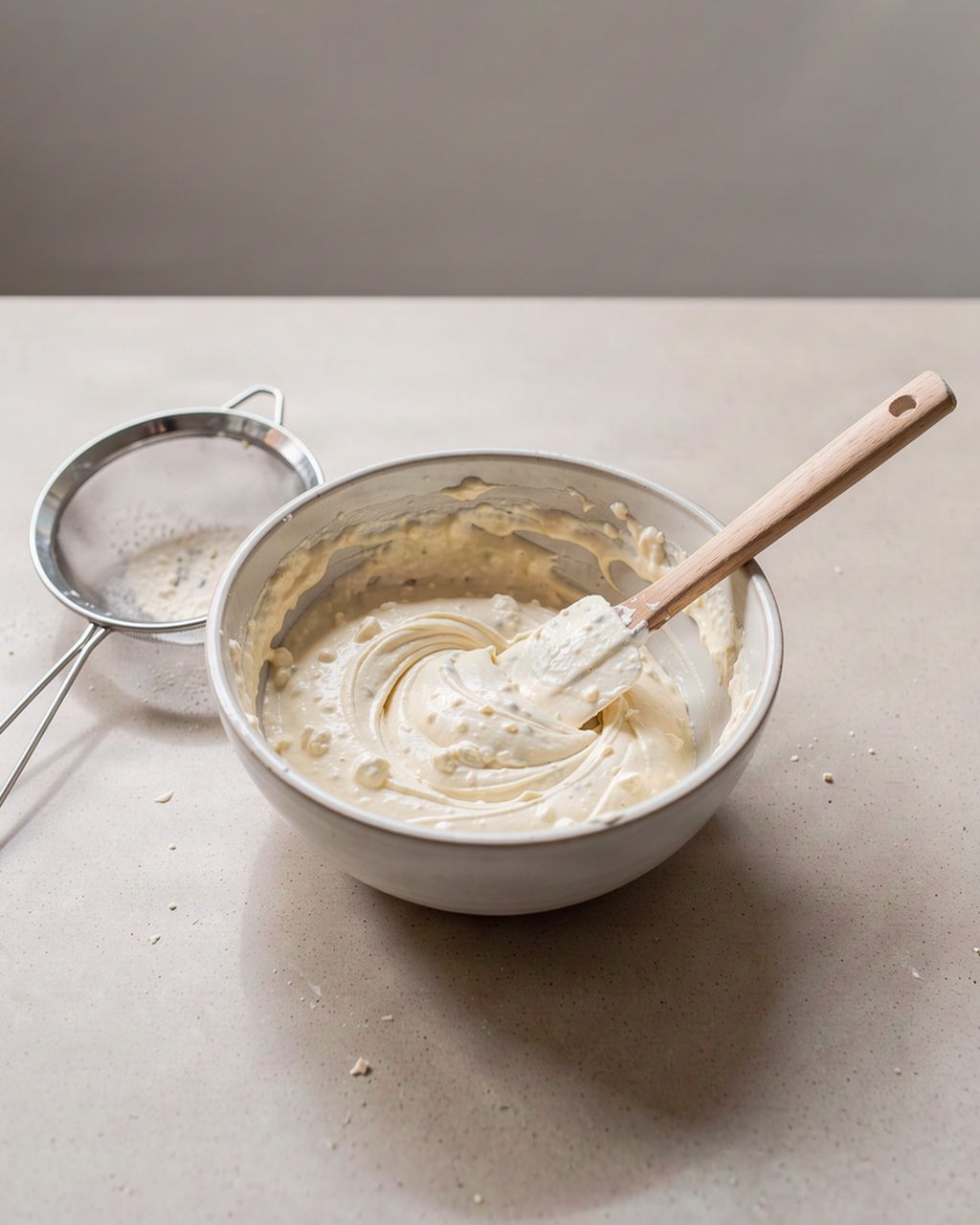
Grainy feels sandy on your tongue. Lumpy shows as little white specks or butter bits. Each has a different fix.
Granulated sugar. Its crystals are far too big to dissolve in butter. You can beat for ten minutes and the frosting will still crunch. For American buttercream, only powdered sugar works. If you only have granulated sugar, make a Swiss meringue buttercream instead. There the egg whites and sugar are whisked over simmering water until the sugar dissolves and the mixture reaches 71 °C (160 °F) on a thermometer, the temperature FoodSafety.gov gives for egg dishes.
Home-ground sugar. Blitzing granulated sugar in a blender helps, but it is rarely as fine as bought powdered sugar, so the frosting can stay slightly gritty.
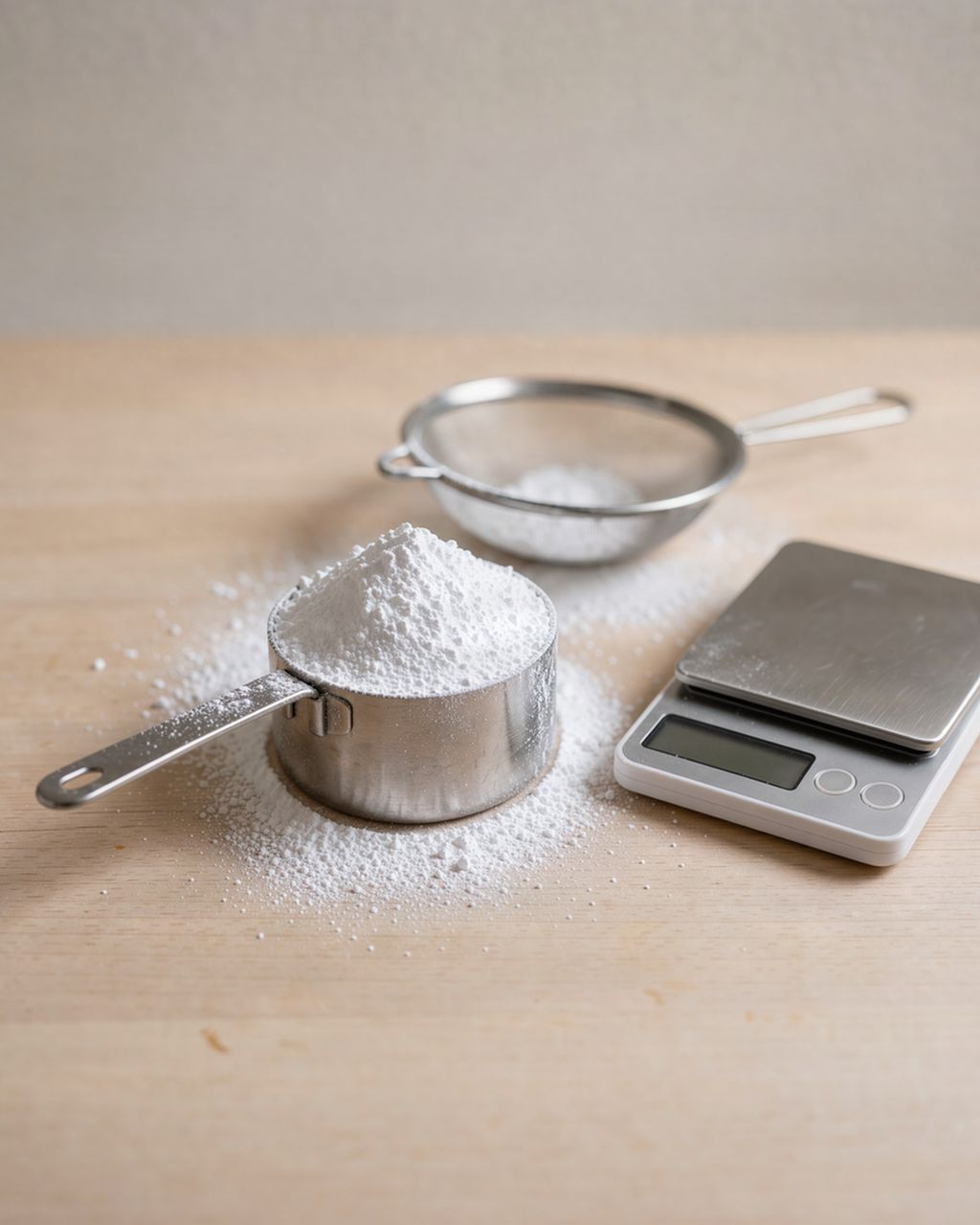
Lumpy powdered sugar. Bags that sat open or in a humid kitchen form hard clumps that won't beat out. Sift it first, every time.
Powdered sugar in Europe. It's called icing sugar in the UK and Australia, and moučkový cukr in Czech shops. US powdered sugar usually contains a little cornstarch. European icing sugar may be pure sugar, or contain an anti-caking agent such as tricalcium phosphate or maize starch, so check the label. Both work in buttercream. Our guide to types of sugar for baking explains the names, and our powdered sugar cup conversion gives grams.
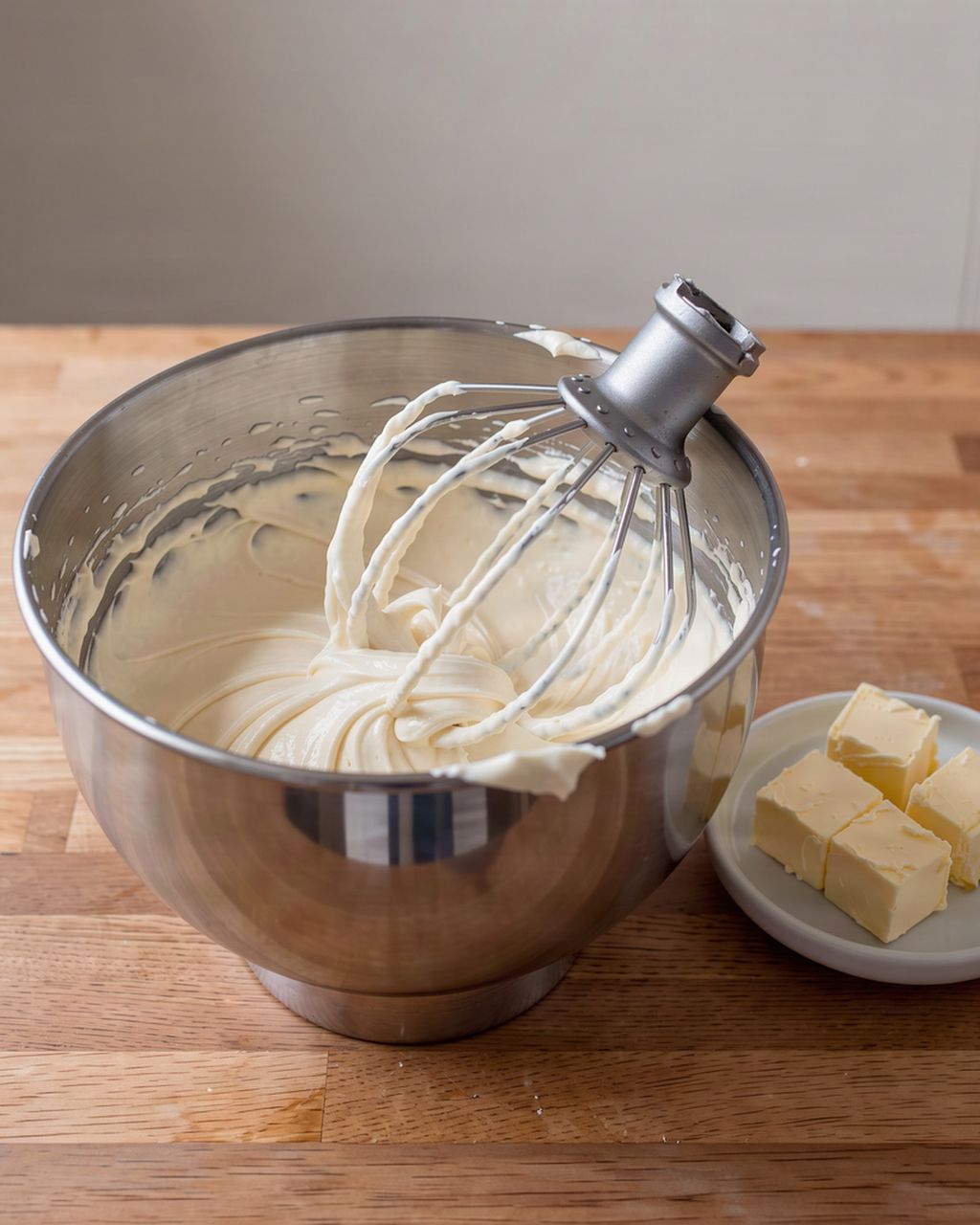
Butter too cold. Hard butter breaks into small pieces that look like curds or white specks in the frosting. It should be soft enough to dent easily with a finger but still cool, not shiny or greasy. Our guide to creaming butter and sugar shows the right softness.
Butter too warm. Melting butter makes the frosting greasy and soft, and the sugar seems to separate from it.
Not enough beating. Beat the butter alone first until pale and creamy, then add the sugar in batches on low speed, then beat on medium-high for several minutes. Scrape the bowl, because lumps hide at the bottom.
Cold liquid. Milk straight from the fridge can make softened butter seize into small lumps. Use it at room temperature.
Add liquid. Beat in milk or cream a teaspoon at a time. A little more liquid smooths sugar that's almost there.
Beat longer. Give it three to five minutes on medium-high.
Warm it slightly. If it looks lumpy or curdled from cold butter, hold the bowl over a pan of warm water for a few seconds, or warm a few spoonfuls and beat them back in. Stop as soon as the edges soften.
Chill it slightly. If it's greasy and sliding, chill the bowl briefly in the fridge, then beat again.
Restart if it's granulated sugar. Real grit from big crystals doesn't go away. Use it as a filling between layers, where texture matters less, and make a fresh batch for the outside.
Frosting made ahead and chilled firms up and can look grainy. Let it soften at room temperature, then beat it smooth again before using. If it's cream cheese frosting, keep its total time out of the fridge under 2 hours, including softening, mixing and decorating, or under 1 hour if your kitchen is above 32 °C (90 °F), per FoodSafety.gov's rule for perishable food.
Cream cheese frosting is the fussiest of the lot.
Different temperatures. Cold cream cheese beaten into soft butter, or the other way round, leaves small lumps. Bring both to the same cool room temperature, usually 30 to 60 minutes out of the fridge.
Beat the cheese and butter first, until completely smooth, before any sugar goes in. Lumps left now stay lumps.
Don't overbeat after the sugar. Long beating thins cream cheese frosting and makes it runny.
The cheese matters. Spreadable tub cream cheese is softer and wetter than block cream cheese. In Europe, check the fat content and pick the firmest full-fat one you can find.
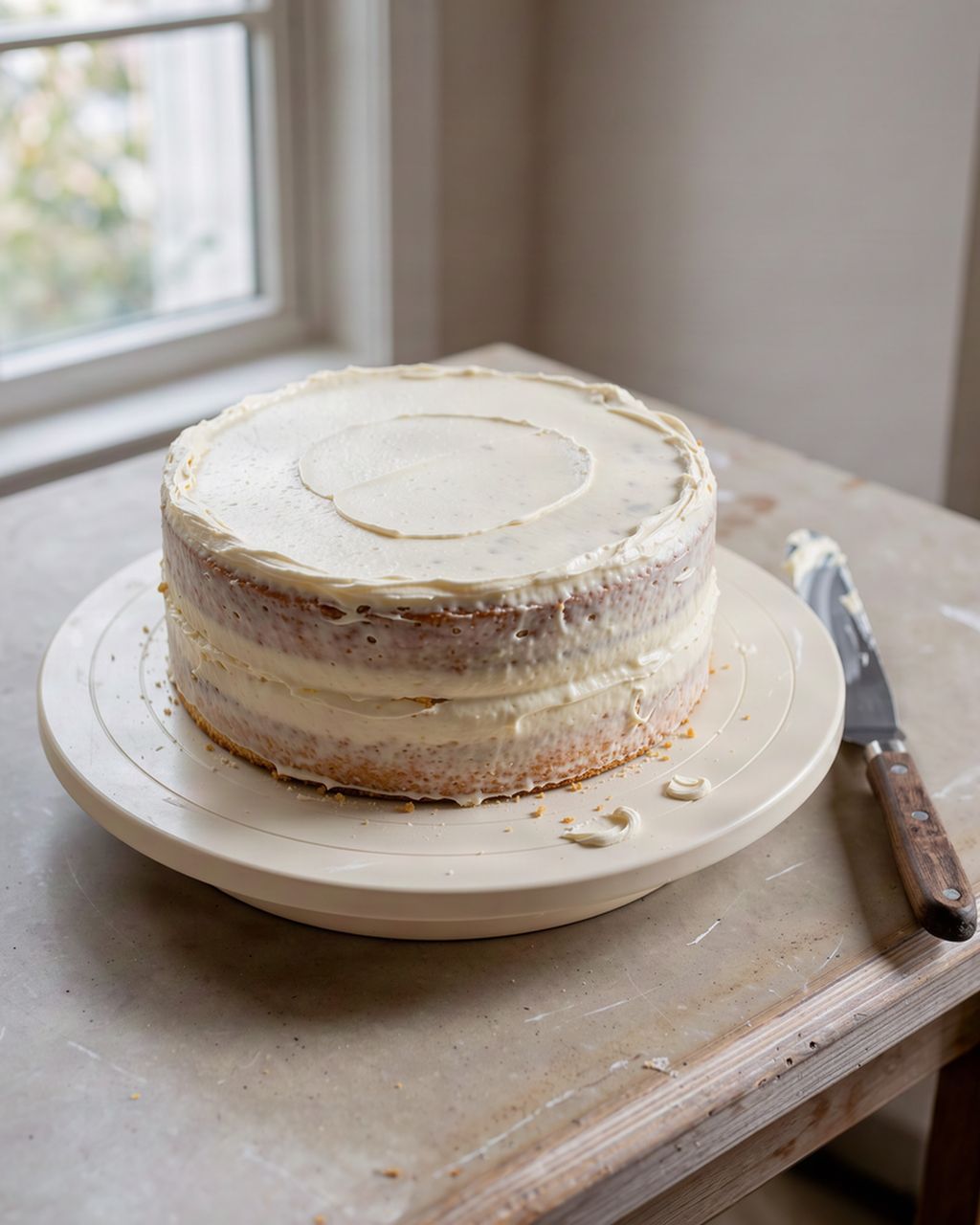
Cream cheese frosting is perishable, so keep the frosted cake covered, in the fridge. Our guide to carrot cake frosting covers which European cream cheeses hold their shape.
Recipe of the week, one tip that saves you time and one deal from the shop. Unsubscribe in one click.
The next issue goes out on Thursday, November 26.
Royal icing turns grainy when the powdered sugar isn't sifted or the icing isn't mixed long enough. Sift, and beat until glossy. Royal icing is made with egg white, whether fresh, as meringue powder or already mixed into royal icing sugar, so it isn't safe for anyone with an egg allergy unless you use an egg-free recipe. If you make it from scratch, use pasteurized egg whites or meringue powder rather than raw egg whites, especially for pregnant women, young children, older people or anyone with a weakened immune system.
Swiss or Italian meringue buttercream is grainy when the sugar didn't fully dissolve before whipping. Rub a little of the warm mixture between your fingers: it should feel smooth, not sandy.
Pudding-based buttercream curdles rather than goes grainy, usually because the pudding and the butter were at different temperatures.
Not sure American buttercream is the one you want? Our guide to buttercream for cakes compares the main types.
Usually because the sugar crystals are too big or haven't dissolved: granulated sugar was used, the powdered sugar was lumpy, or there wasn't enough liquid. Beat in a teaspoon or two of milk or cream and keep mixing.
Add a little milk or cream, a teaspoon at a time, and beat for several minutes. If the butter is cold and lumpy, warm the bowl slightly and beat again. Grit from granulated sugar won't fully go, so start again with powdered sugar.
Not for American buttercream. Granulated sugar barely dissolves in butter, so it stays gritty. Use powdered sugar, or make a Swiss meringue buttercream, where the egg whites and sugar are whisked over simmering water until the sugar dissolves and the mixture reaches 71 °C (160 °F), the FoodSafety.gov temperature for egg dishes.
The cream cheese or butter was colder than the other, so the two didn't blend. Let both soften to the same cool room temperature, usually 30 to 60 minutes out of the fridge, beat them smooth before adding sugar, and don't overbeat once the sugar is in.
Usually too much liquid with sugar that didn't dissolve, or butter that got too warm. Chill the bowl briefly, then beat in sifted powdered sugar a little at a time until it firms up.
One recipe worth heating the oven for, one tip, and one deal from the shop. Nothing else.