Why Are My Cupcakes Dense or Dry? Mixing, Flour and Baking Time
Why Did My Cupcakes Sink in the Middle? Causes and Fixes
Updated Nov 21, 2026
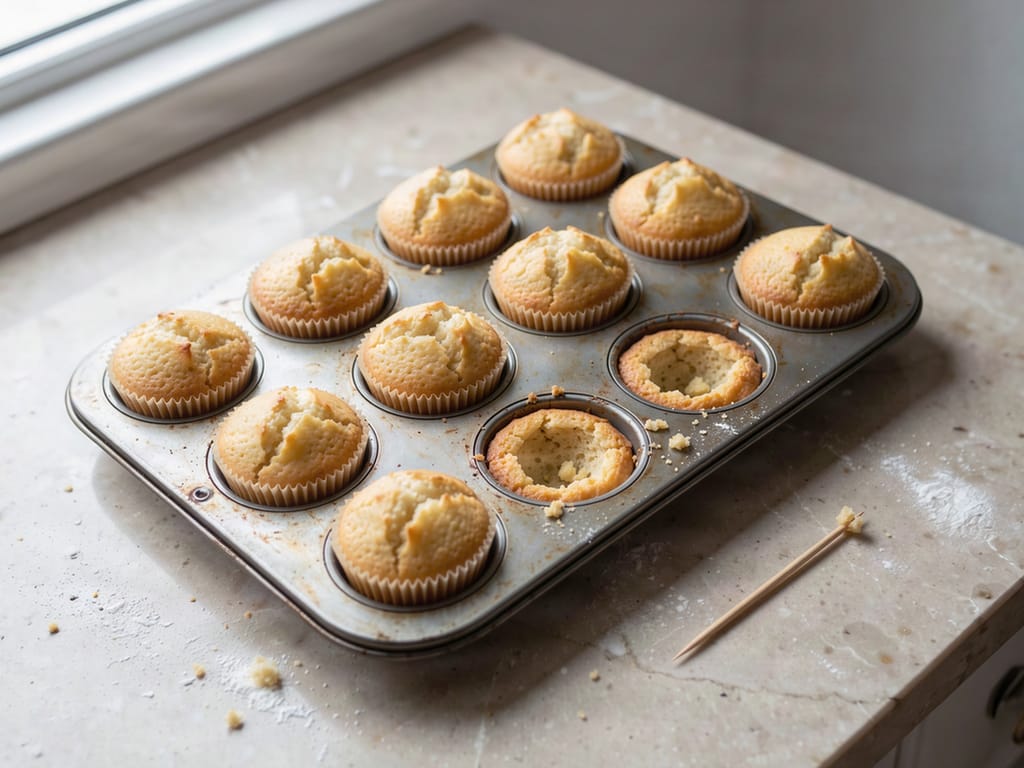
Cupcakes sink in the middle most often because they were underbaked, because the batter had too much baking powder or soda, or because the oven door was opened too early. The center rises, but before its structure sets it can't hold the gas, so it falls as it cools. Here is how to tell which cause is yours and how to stop it.
A cupcake rises because gas from baking powder or baking soda, and air beaten into the batter, expands in the heat. At the same time, the eggs and flour set around those bubbles. If the bubbles grow faster than the structure can set, or the structure never sets fully, the middle collapses as it cools.
The usual causes, most common first:
Underbaked. The outside looks done, but the center is still wet.
Too much leavening. Too much baking powder or soda, often from a misread recipe or heaped spoons.
Oven door opened too early, or the tin banged while the batter was unset.
Oven temperature off. Too cool and they rise slowly and set weakly; too hot and they rise fast before the center bakes.
Overfilled liners, which take longer to bake in the middle.
Too much liquid or sugar, which weakens the crumb.
Recipe of the week, one tip that saves you time and one deal from the shop. Unsubscribe in one click.
The next issue goes out on Thursday, November 26.
A cupcake that sinks as it cools, with a dense or gummy band in the middle, was most likely underbaked.
How to tell they are done:
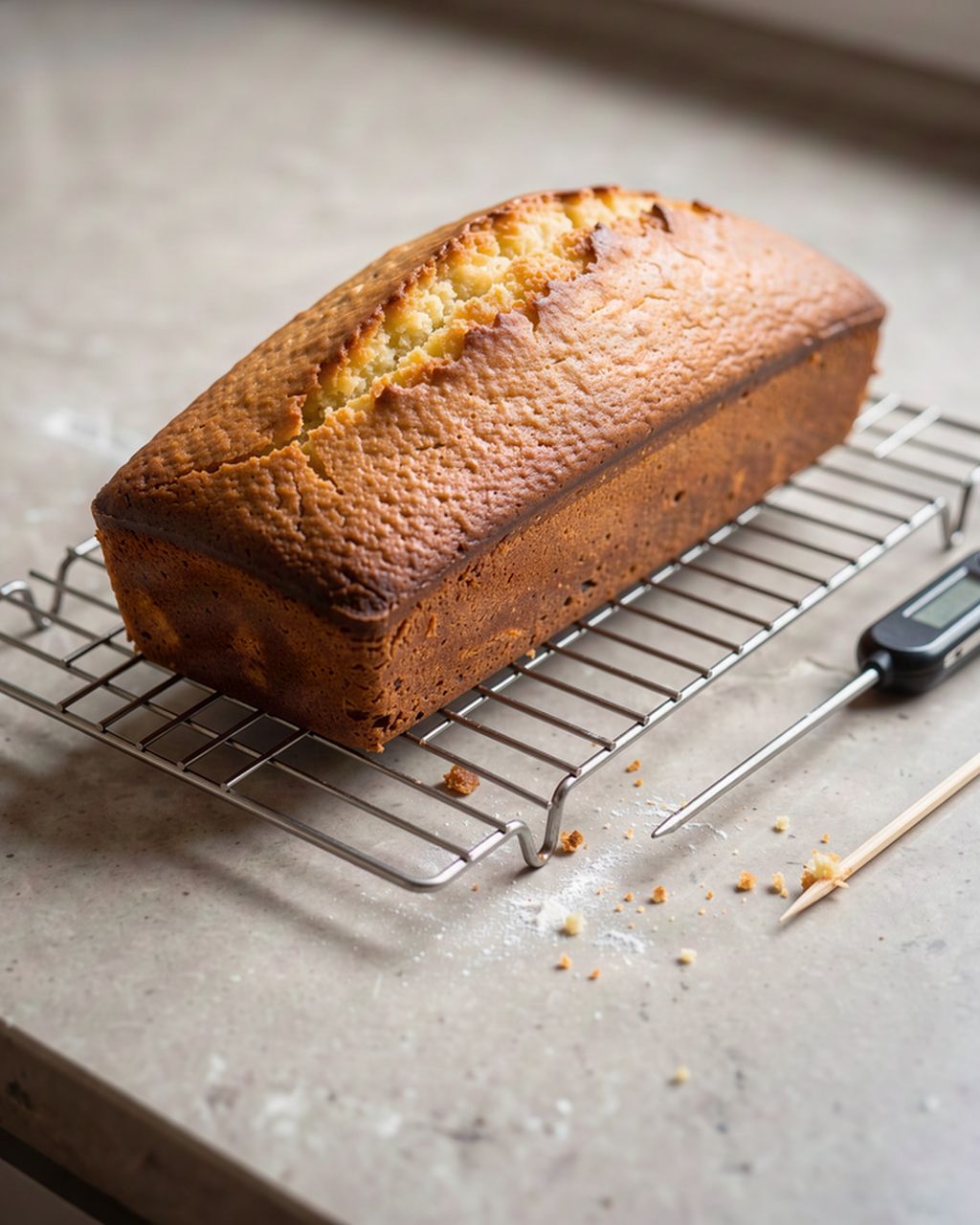
A toothpick or skewer pushed into the center of a cupcake in the middle of the tin comes out clean or with a few dry crumbs.
The top springs back when pressed lightly.
The edges are just starting to pull away from the liner.
Check the cupcakes in the middle of the tin, not those at the edge, which bake faster.
Ovens can run hotter or cooler than the dial, so a recipe's time is a guide only. An oven thermometer tells you what yours really does. If you bake in a fan oven, a recipe written for a conventional oven usually needs a lower setting; our oven temperature converter gives the equivalent.
Cupcakes that are raw inside are not worth rescuing. Raw batter contains raw flour and usually raw egg.
More leavening doesn't mean a higher cupcake. Past a point, the bubbles grow too big, join up and escape, and the cupcakes rise high and then collapse. They often taste bitter or soapy too, which our guide to why a cake tastes like baking powder explains.
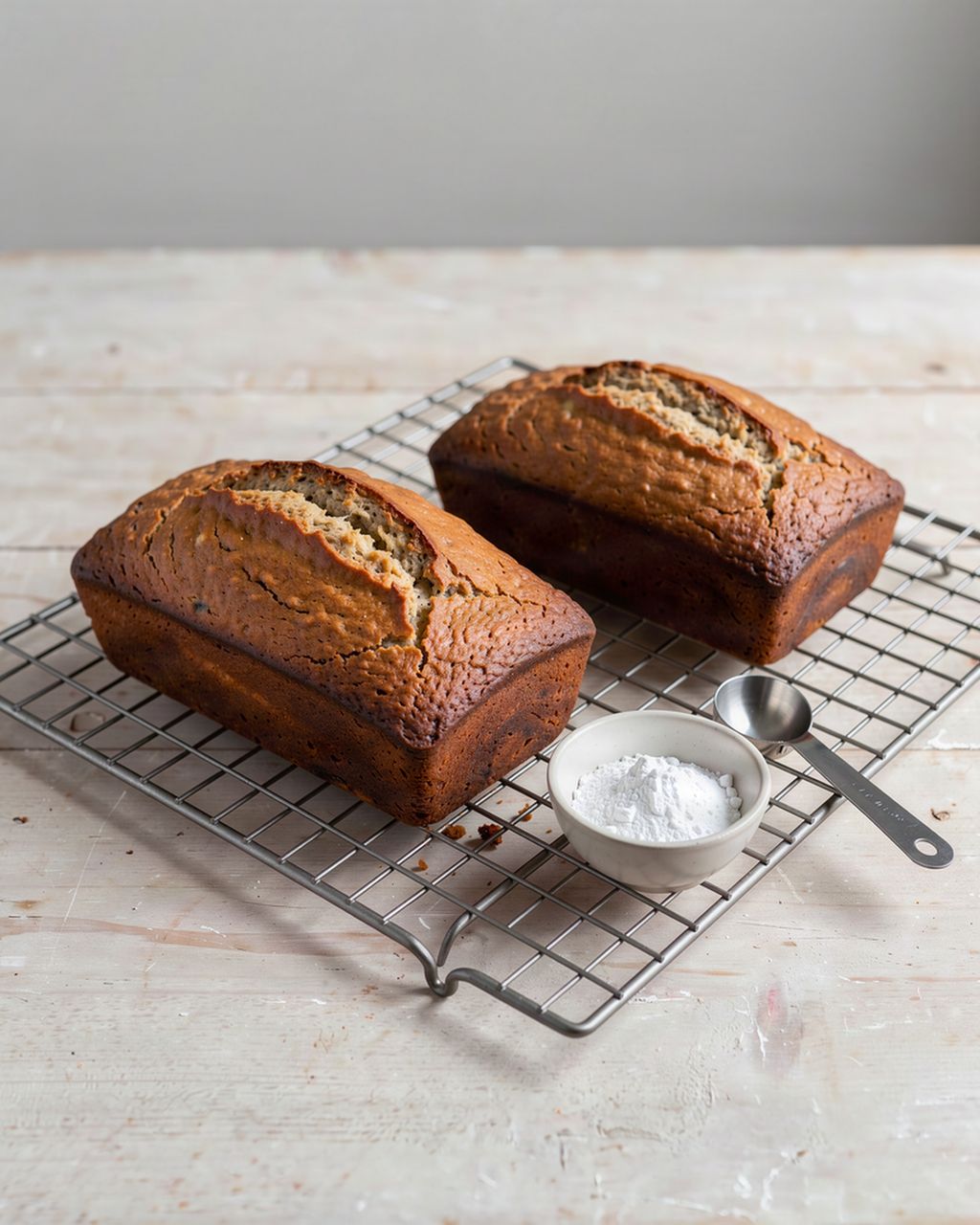
Use proper measuring spoons and level them off with a knife.
Don't confuse teaspoons with tablespoons, or baking powder with baking soda. Soda is about three to four times stronger.
If you are converting a European recipe, check the sachet size: a Czech or German sachet of baking powder is meant for a set weight of flour, usually printed on the packet.
Old, weak baking powder causes the opposite problem: flat, dense cupcakes. Here is how to test your baking powder.
For the first part of baking, the batter is a fragile foam held up by gas. A blast of cool air or a knock can deflate it before the crumb sets.
Keep the door shut until the cupcakes have risen and the tops look dry and set.
Preheat fully before the tin goes in. A cool start means a slow rise and a weak set.
Don't bang the tin on the counter after baking to "settle" cupcakes. That is a trick for some cakes, not for light cupcakes.
Middle shelf. Too near the top element and the tops set fast and crack; too near the bottom and the bases overbake before the middles set.
Fill liners about two-thirds full. More batter means a deeper cupcake that takes longer to bake through, so the edges are done while the middle is still wet. Overfilled cupcakes also spill over and form a flat "muffin top".
If you want flat tops for decorating, see our flat-top cupcakes guide, which fills differently on purpose.
A batter that is too thin for its structure also sinks. The usual reasons:
Measuring by cup. A scooped US cup of flour can vary a lot from the same cup spooned and leveled. Too little flour means a weak crumb. Weigh it: a spooned-and-leveled US cup (236.6 ml) of all-purpose flour is about 125 g; if your recipe gives a weight, use that. Our cups and spoons to grams tool converts other ingredients.
Extra liquid or fruit. Adding purée, more milk or juicy fruit without adjusting adds weight the crumb can't carry.
Too much sugar. Sugar slows the setting of eggs and flour, so a sweeter batter sets later and can collapse.
Creaming butter and sugar adds air, which helps cupcakes rise. But beating far longer than the recipe asks, or whisking eggs until very foamy in a recipe that doesn't call for it, can add more air than the batter can hold. The cupcakes dome high, then sink.
Cream until pale and fluffy, not past it, then mix the flour in gently, only until no dry streaks remain.
These look similar but have different causes.
Sunk in the middle, edges fine: the center didn't set. Underbaking or too much leavening, as above.
Shrank all over and pulled away from the liners: usually overbaked, or a batter with a lot of air beaten in that settled as it cooled. A little shrinking is normal.
Wrinkled, sunken tops after cooling: often too much leavening or too much sugar, so the top rose and then wrinkled as the gas escaped.
Liners peeling off: steam trapped as the cupcakes cooled in the tin. Lift them out onto a rack after a few minutes. See why muffins stick to their paper cases.
If the whole batch sinks every time with a trusted recipe, suspect the oven first.
Cupcakes usually sink in the middle because they are underbaked, have too much leavening, or were shaken by an opened oven door before they set. The center rises on gas but collapses when it cools because its crumb hasn't firmed up. Bake until a toothpick comes out clean and measure leavening exactly.
You can't make sunken cupcakes rise again, but you can hide the dip. Fill the hollow with frosting, jam or a spoonful of cream, then pipe frosting over the top. Cupcakes filled or topped with cream, lemon curd or cream cheese frosting go in the fridge. If they sank because they are raw inside, though, don't serve them.
Yes, too much baking powder or baking soda makes cupcakes rise fast, then collapse. The bubbles grow too big, merge and escape before the crumb sets. Measure leavening with proper measuring spoons, level, and check the recipe's amount.
Cupcakes that rise and then fall either came out before they were fully baked or had more leavening than their structure could hold. Underbaked centers set too weakly to support themselves once they cool. Bake a few minutes longer and check the leavening amount.
Opening the oven too early can make cupcakes sink, because the rush of cooler air and the jolt hit them while the batter is still unset. Wait until they have risen and look set on top before you open the door to test.
Fill cupcake liners about two-thirds full for most batters. Overfilled liners take longer to bake through, so the centers stay underdone and can sink, and the batter may spill over the edge.
One recipe worth heating the oven for, one tip, and one deal from the shop. Nothing else.