Why Is My Fruitcake Dry or Crumbly? Oven, Lining, Soaking and Feeding
Why Does Fruit Sink to the Bottom of a Cake? And Does Flour Help?
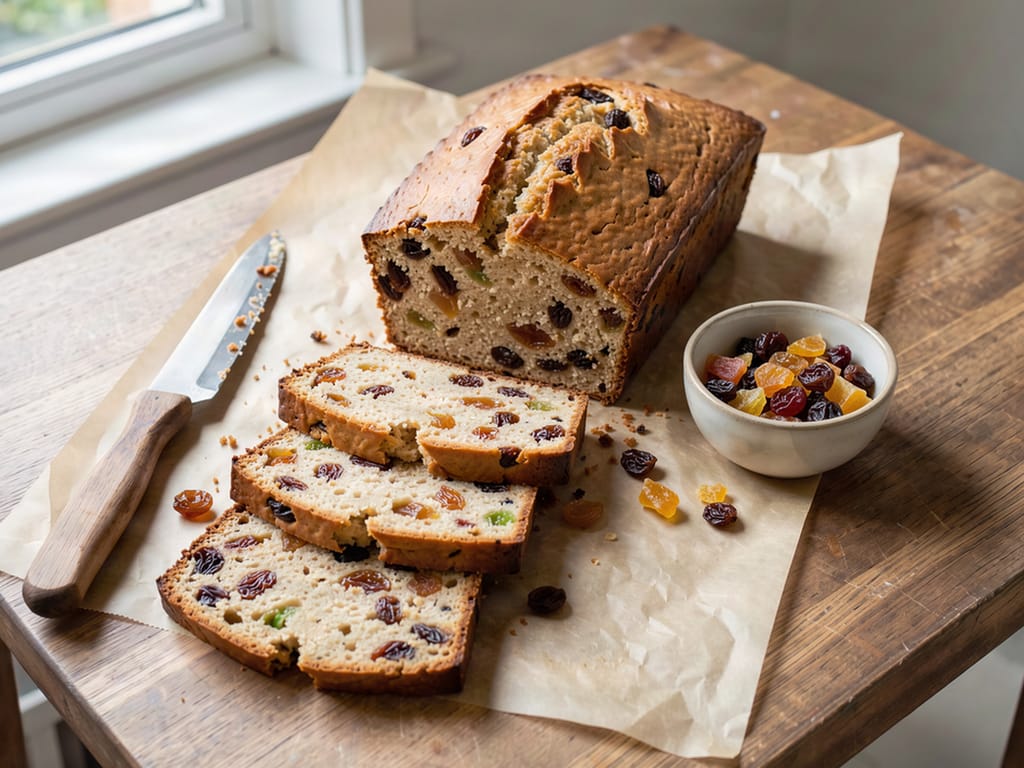
Updated Nov 20, 2026
Fruit sinks to the bottom of a cake when the batter is too thin to hold it up, or when the pieces are too big, too wet or coated in syrup. Tossing fruit in flour helps only a little; a stiffer batter, smaller and drier pieces, and an oven that sets the batter on time do most of the work.
A piece of fruit in batter is like a stone in honey. It will sink unless the batter is thick enough to hold it up until heat sets the crumb around it. In the oven the batter first gets warmer and runnier, then sets. Anything heavy has those first minutes to drop.
So the questions are:
Is the batter thick enough? A spoonable, stiff batter holds fruit. A pourable one does not.
How heavy and big are the pieces? A whole cherry sinks; a quartered one hangs on.
Is the fruit wet or syrupy? Syrup and juice make a slick layer around each piece, and the batter can't grip it.
Does the batter set in time? A cool oven leaves it runny for longer.
Singapore food blogger Leslie Tay, who tested this side by side, reached the same conclusion: fruit sinks mainly because the batter is not thick enough to hold it up.
Seasonal baking plans, tested recipes and kitchen tricks that save you time. Unsubscribe in one click.
Batters get too thin for several reasons:
The recipe is a light one. Sponge, chiffon and many muffin batters are designed to be airy and loose. They hold small berries at best.
Too much liquid. Extra milk, juice or soaking liquid from the fruit loosens the batter.
Butter too warm. Melted or very soft butter makes a slack, greasy batter.
Overcreamed or overbeaten batter. Lots of large air bubbles make the batter light and weak, and fruit falls through the foam.
Too much leavening. The batter rises and thins before it sets.
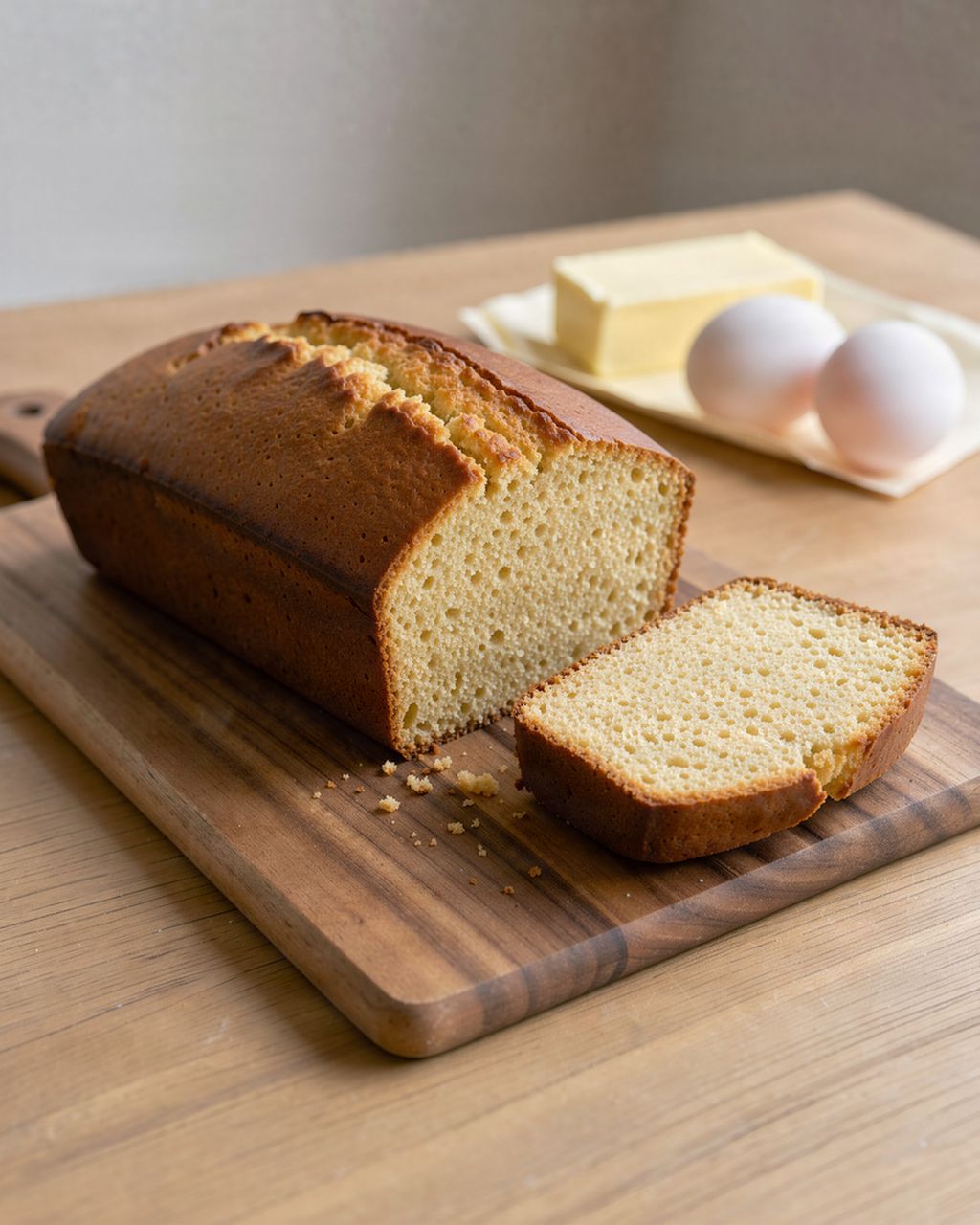
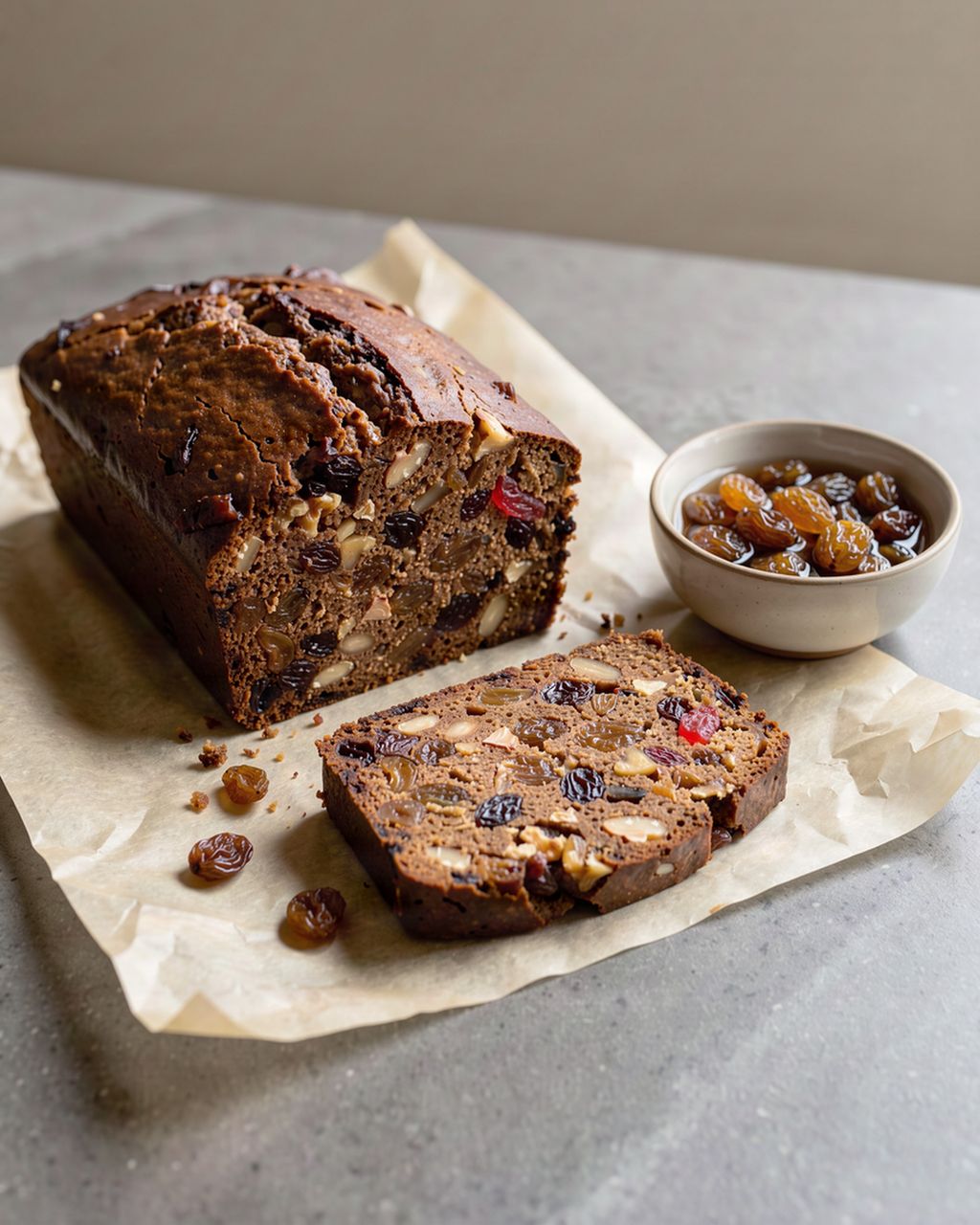
For a heavily fruited cake, choose a recipe designed for it, such as a pound cake, a rich fruitcake or a Czech biskupský chlebíček (a dense loaf with fruit and nuts), rather than adding a lot of fruit to a sponge.
Candied and glacé fruit comes coated in syrup. The syrup melts in the oven and the fruit slides down. Rinse candied cherries and syrupy mixed candied fruit in warm water, then dry them very well on paper towels, ideally for an hour or so.
Soaked dried fruit is heavier than dry fruit. Drain it in a sieve and pat it dry before it goes into the batter, so no soaking liquid goes in with it.
Oil-coated dried fruit: some dried fruit is lightly coated in oil, which makes it slippery in the batter. A quick rinse and a thorough dry help here too.
Big pieces sink faster than small ones. Cut cherries into halves or quarters, and chop dates, prunes and apricots to about raisin size. Sultanas and currants rarely cause trouble in a proper batter.
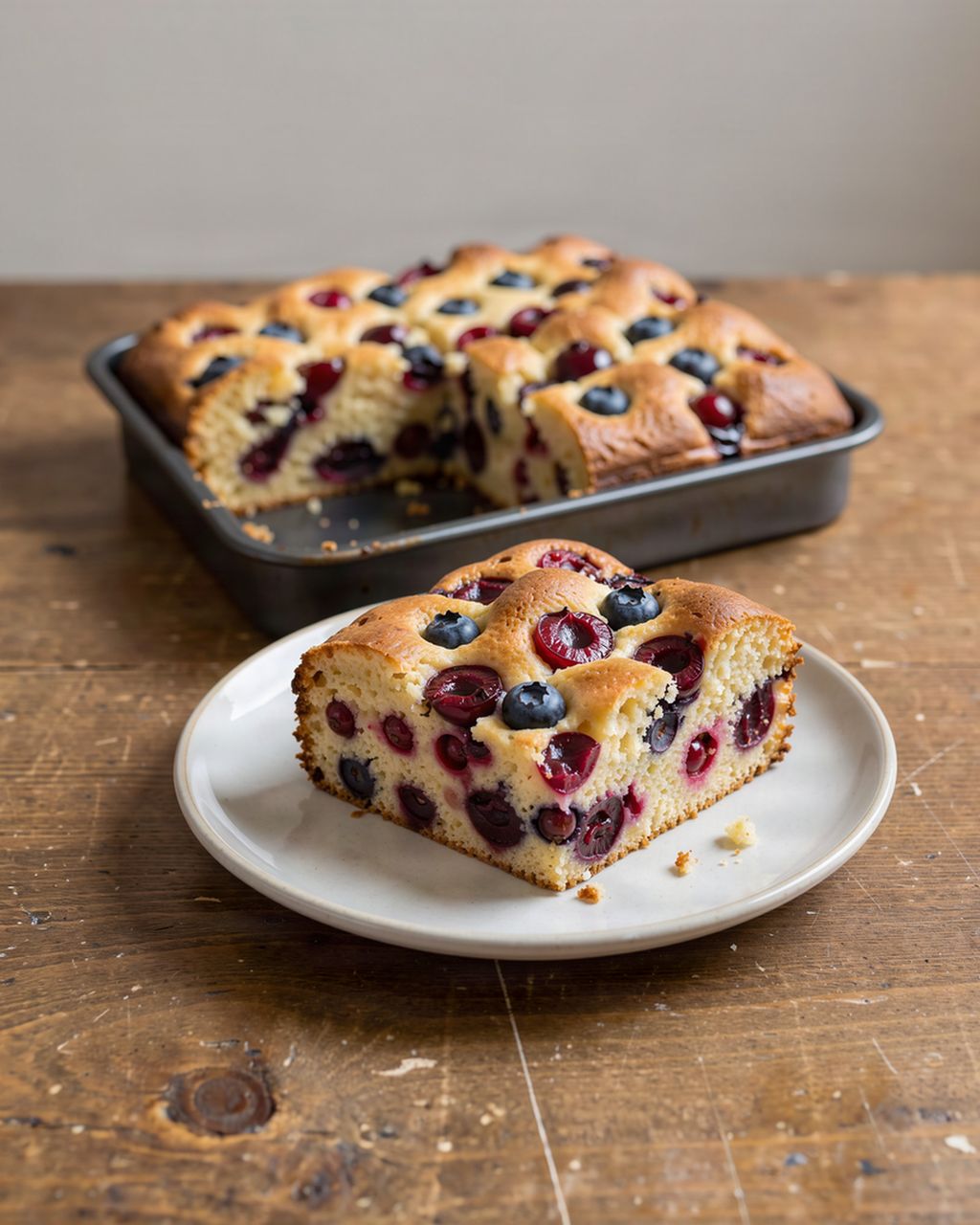
Fresh fruit releases juice as it heats. Berries hold better if they are small, dry and cold; frozen berries should go in still frozen so they bleed less.
Tossing fruit in flour is the tip everyone knows. It is not useless, but it is not the fix people expect.
What it does:
soaks up surface moisture and leftover syrup, so the batter can grip the fruit;
stops pieces clumping together;
slightly thickens the batter right around each piece.
What it doesn't do:
make fruit lighter;
hold fruit up in a batter that is too thin.
Nigella Lawson's team notes that whole glacé cherries are simply too large and will sink even when dusted with flour, and bakers who have tested it side by side often report the same thing in loose batters. Use the flour, but take it from the recipe's measured flour so the ratio stays the same, and fix the batter and the fruit first.
Use a thick batter. It should drop from a spoon in a heavy dollop, not pour.
Make fruit small and dry. Chop, rinse syrup off, drain soaked fruit, pat dry.
Toss it in a spoonful of the measured flour to take off any remaining moisture.
Fold it in last, gently, so you don't thin the batter by overmixing.
Spoon a plain layer into the pan first, then the fruited batter on top. Fruit that sinks lands in the cake, not on the pan.
Scatter some fruit over the top once the batter is in the pan. It sinks partway as the cake rises, filling the upper part.
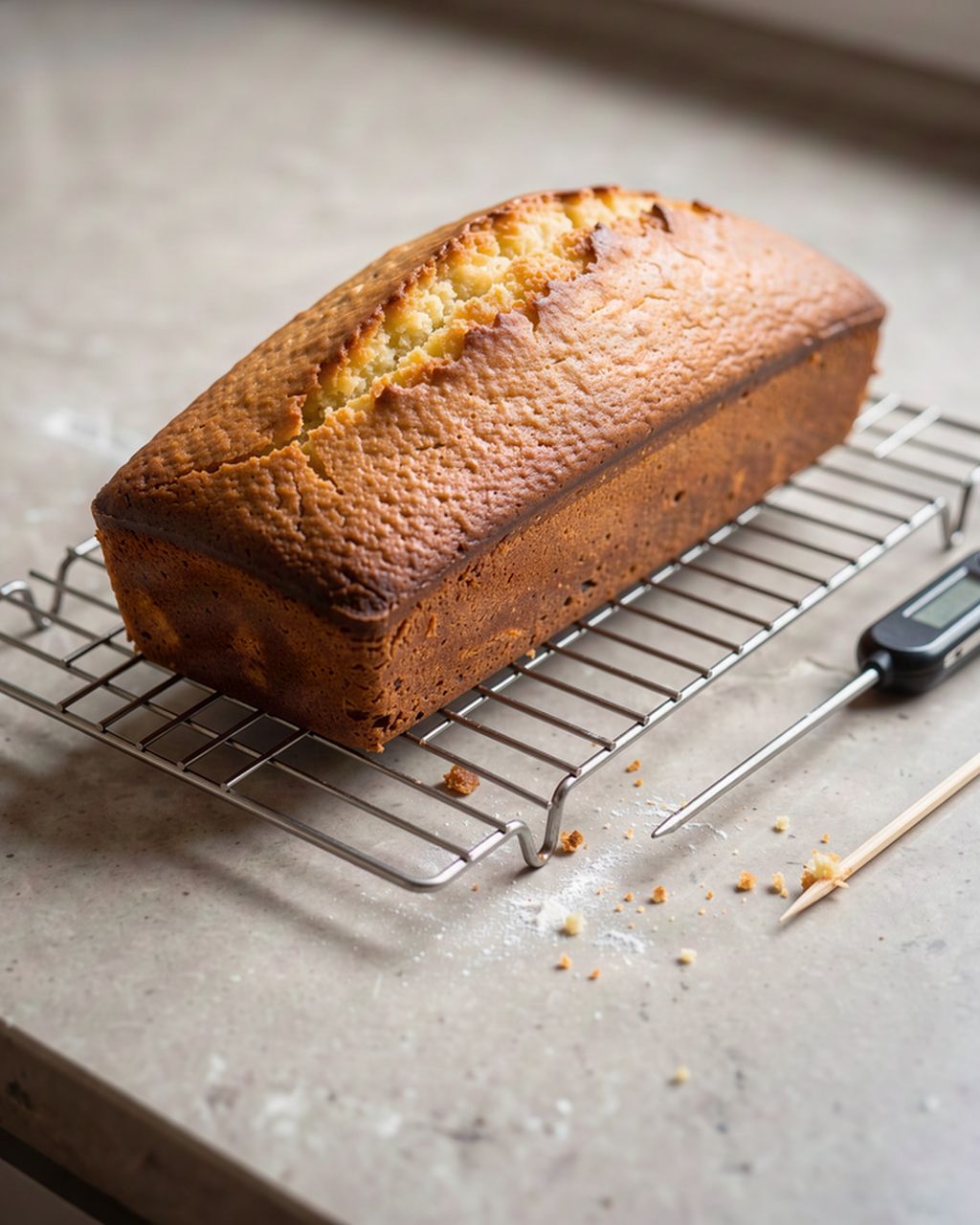
Bake at the right temperature. An oven that runs cool leaves the batter liquid for longer. Check it with a thermometer, and use our oven temperature converter if your recipe gives a different oven type.
Some batters are too loose to hold fruit evenly, whatever you do. For those, change how you place the fruit rather than fight it.
Sponge cakes: scatter berries over the batter once it is in the pan, or put the fruit between layers after baking.
Muffins: fill the cups halfway with plain batter, add a few berries, then top with batter and a few more berries on top.
Quick breads and loaf cakes: fold in fruit last, then sprinkle a handful over the top before baking.
Upside-down and sheet cakes: let the fruit sit on the bottom or top on purpose.
Small fruit like currants and blueberries works best in light batters. Save chunky dried fruit for dense cakes.
If the fruit has sunk and there is also a gummy layer at the bottom, the batter itself collapsed. That is a mixing or baking problem rather than a fruit problem: underbaking, too much leavening or undermixed batter. Our article on why a Bundt cake sinks in the middle goes through those causes. For a dense, dry fruit cake, the problems are usually the oven and the pan lining rather than sinking fruit.
Dried fruit sinks because it is heavier than the batter around it, and a thin or runny batter cannot hold it up until the cake sets. Large pieces, syrupy candied fruit and wet soaked fruit sink fastest.
Only a little. A flour coating soaks up surface moisture and syrup and helps the fruit grip the batter, but it cannot hold fruit up in a thin batter. Nigella Lawson's team notes that whole glacé cherries sink even when floured.
Rinse the syrup off glacé (candied) cherries, dry them very well on paper towels, cut them into halves or quarters and toss them in a little of the measured flour. A stiff batter matters more than any of these.
Fresh berries are heavy and wet, and muffin or sponge batters are loose, so they sink as the batter warms and thins in the oven. Use smaller berries, spoon a plain layer of batter into the pan first, and scatter some berries on top.
Soaked fruit is heavier and wetter, so it can sink more if you add it dripping. Drain soaked fruit well, pat it dry and let it stand for a while before folding it in.
One recipe worth heating the oven for, one tip, and one deal from the shop. Nothing else.