- Season
- Year-round.
- Price
- Low
- Nutrition per 100 g
- 227 kcal
- 0 g protein
- 0 g fat
- 56.3 g carbs
Food coloring
Baking ingredients
Food coloring
Food coloring refers to a broad class of natural and synthetic substances added to foods and beverages to impart, restore, or standardize color, thereby shaping visual expectation and cultural meaning without materially altering caloric content.
In practice
How to store
- On the counter
Store tightly sealed in a cool, dark cupboard to prevent photodegradation and evaporation.
- In the fridge
Refrigeration is unnecessary but may extend the vibrancy of natural colorants prone to oxidation.
- In the freezer
Freezing is not recommended, as phase separation and precipitation may occur.
How to choose
Choose food coloring according to medium and intensity. Water-based gels and liquids disperse evenly in batters and icings, while oil-dispersible powders are essential for chocolate and fat-rich matrices. Verify EU approval by E number and check allergen statements — cochineal/carmine (E 120) is a recognised cause of allergic reactions — and note that the six Southampton colours (E 102, E 104, E 110, E 122, E 124, E 129) require the warning 'name or E number of the colour(s): may have an adverse effect on activity and attention in children'; prefer light-stable pigments for products exposed to display lighting.
What to swap in
Best swap
Natural concentrates such as beetroot red, turmeric yellow, and spirulina blue.
In a pinch
Strongly colored purees or teas reduced to a syrupy intensity.
Preparation
Incorporate incrementally, dispersing thoroughly to avoid streaking. For powders, prehydrate or dissolve to ensure uniform distribution and predictable hue.
Don't toss it
Natural food coloring residues from beet juice, spinach water, or berry skins can be repurposed as artisanal dyes for frostings or glazes.
Buy it from us
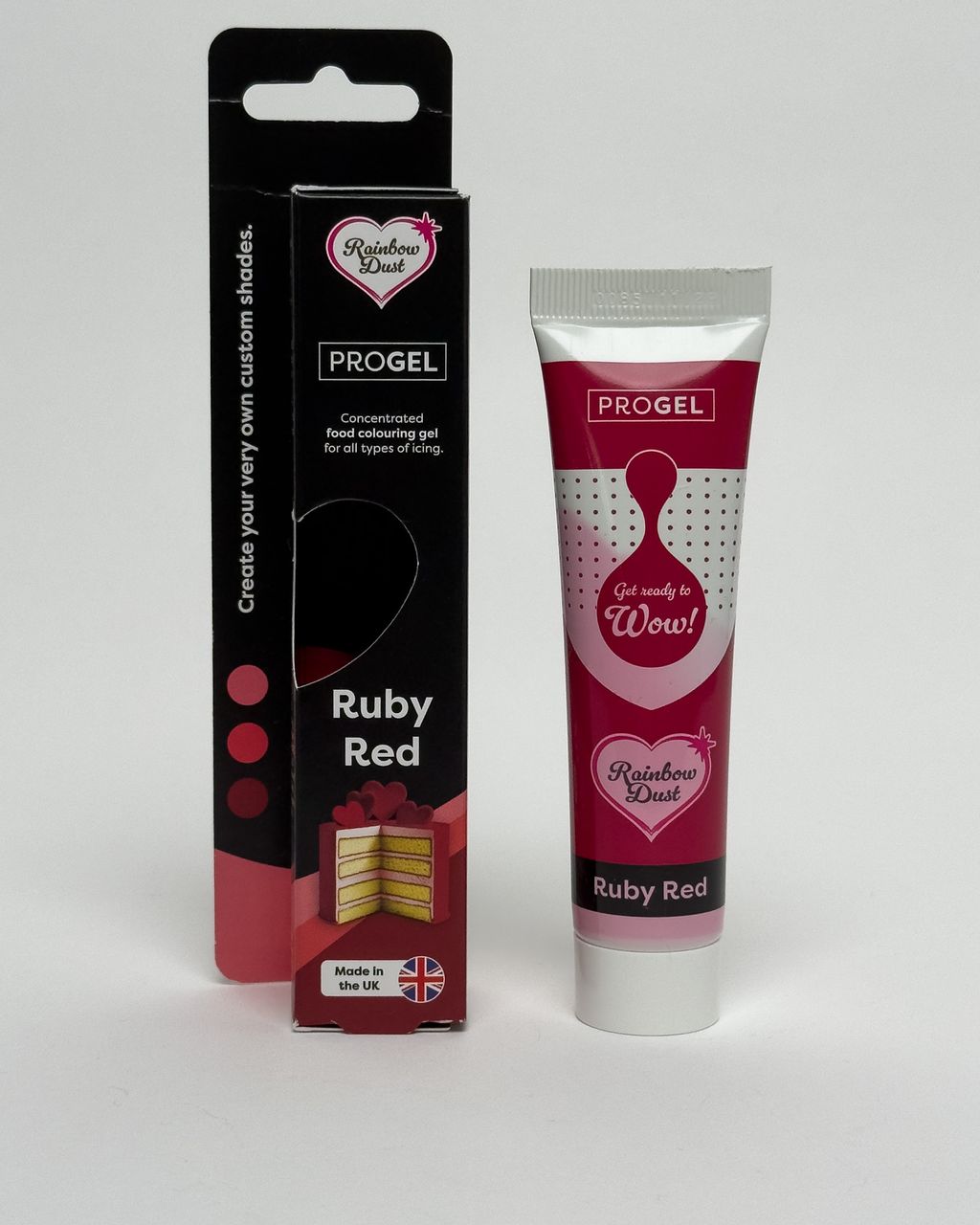
ProGel Gel Food Colouring – Ruby (25 g)
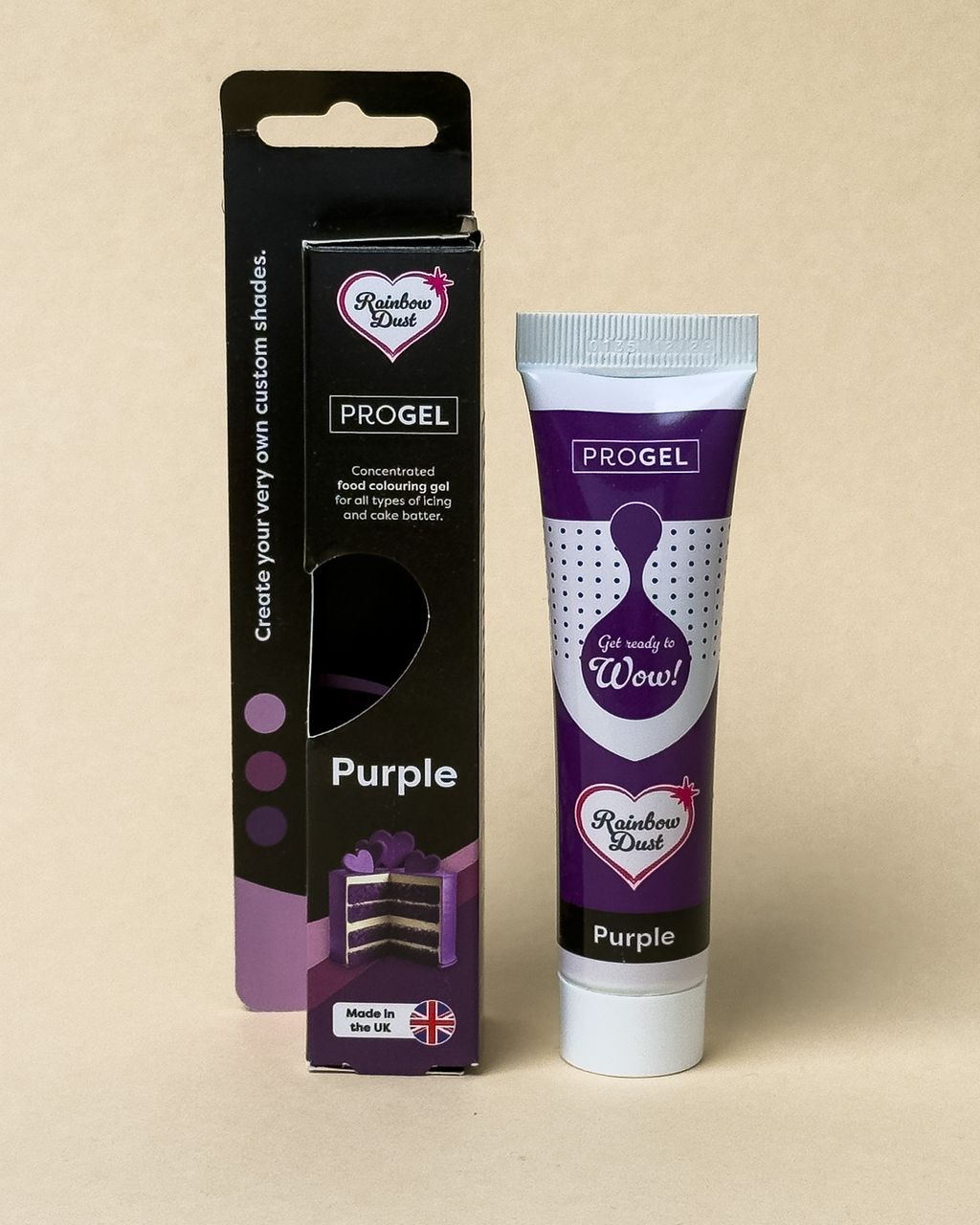
ProGel Gel Colour – Purple (25 g)
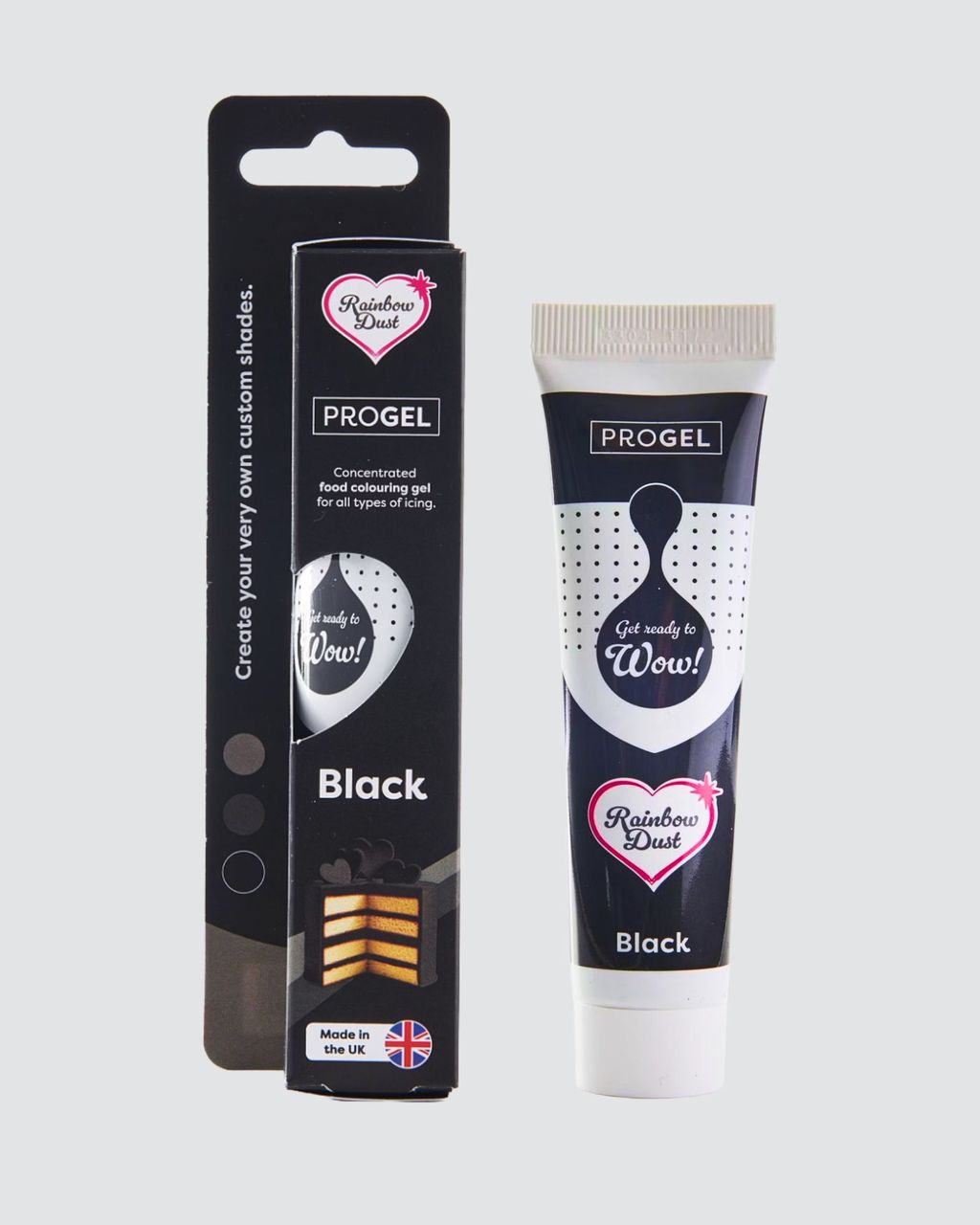
ProGel Gel Food Colour – Black (25 g)
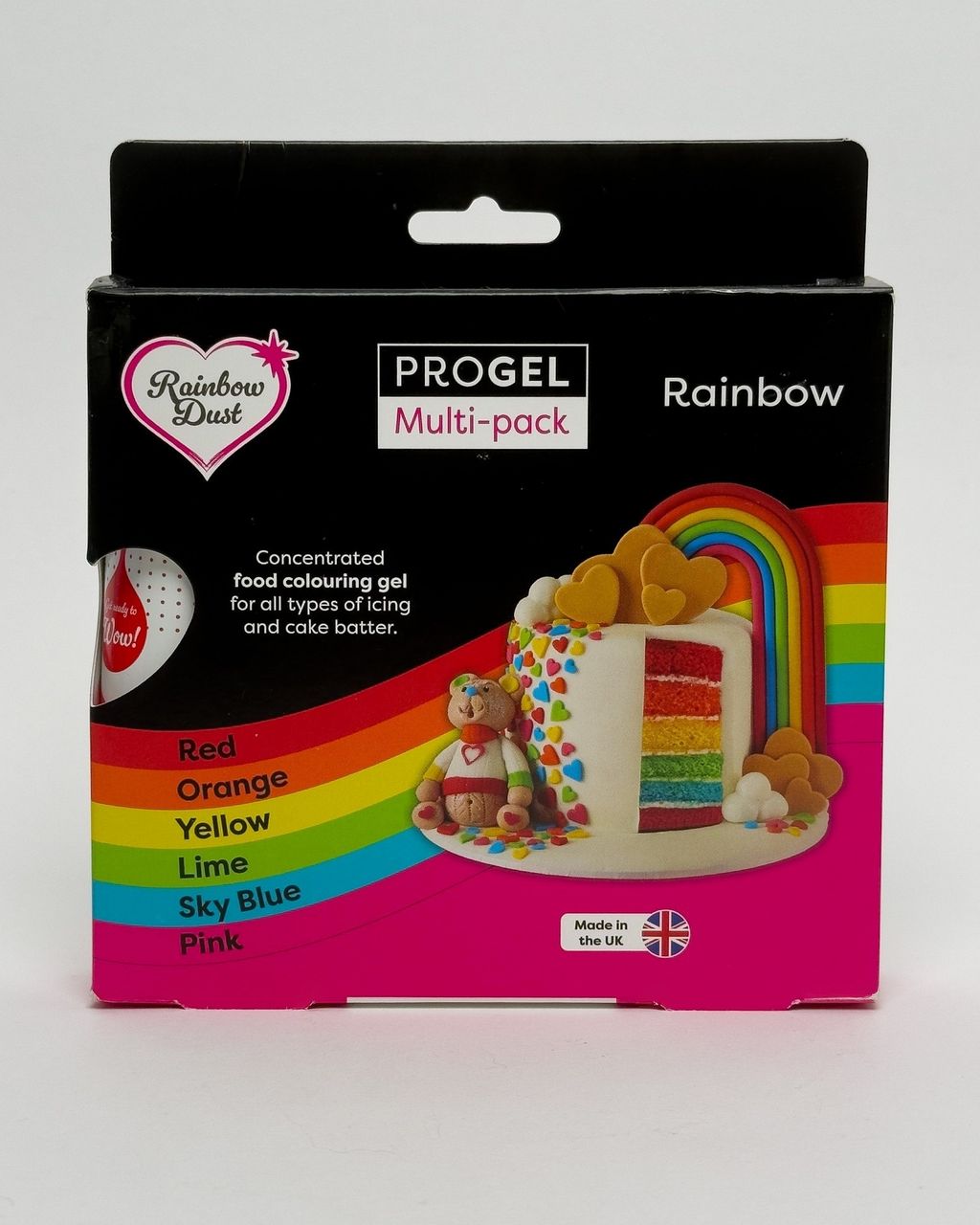
ProGel Gel Food Colouring Rainbow Set of 6
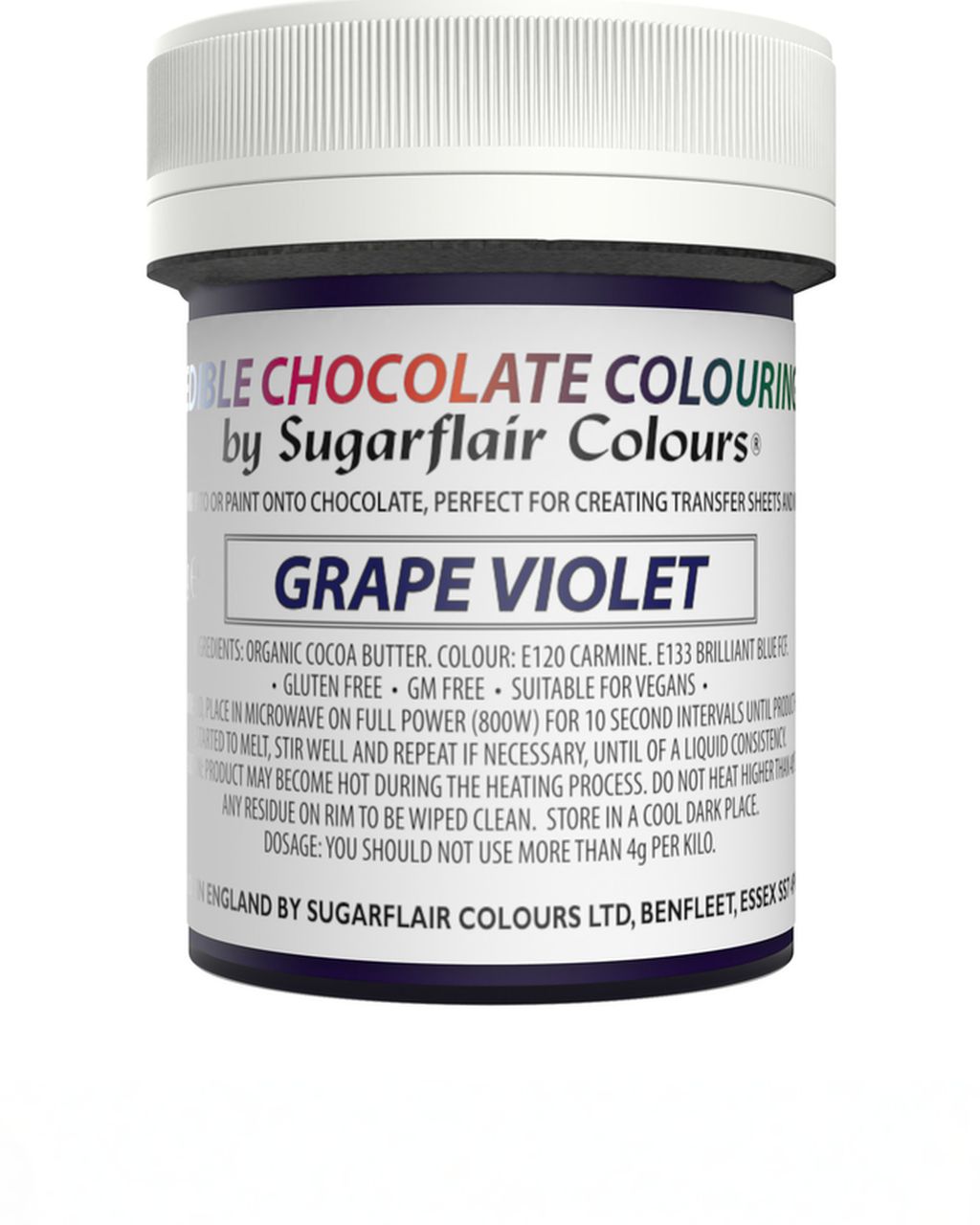
Sugarflair Oil-Based Chocolate Colour – Purple (35 g)
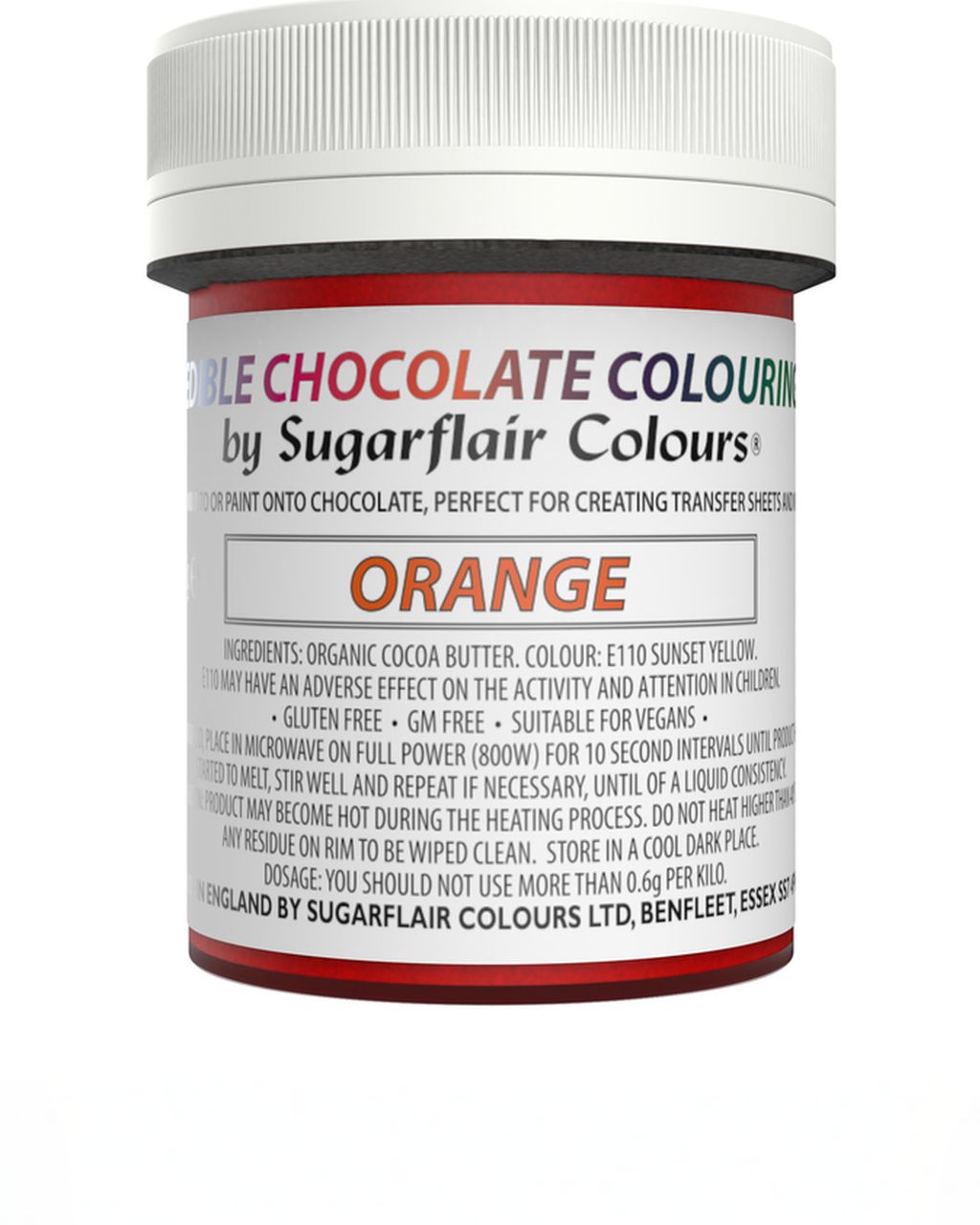
Sugarflair Oil-Based Chocolate Colour – Orange (35 g)
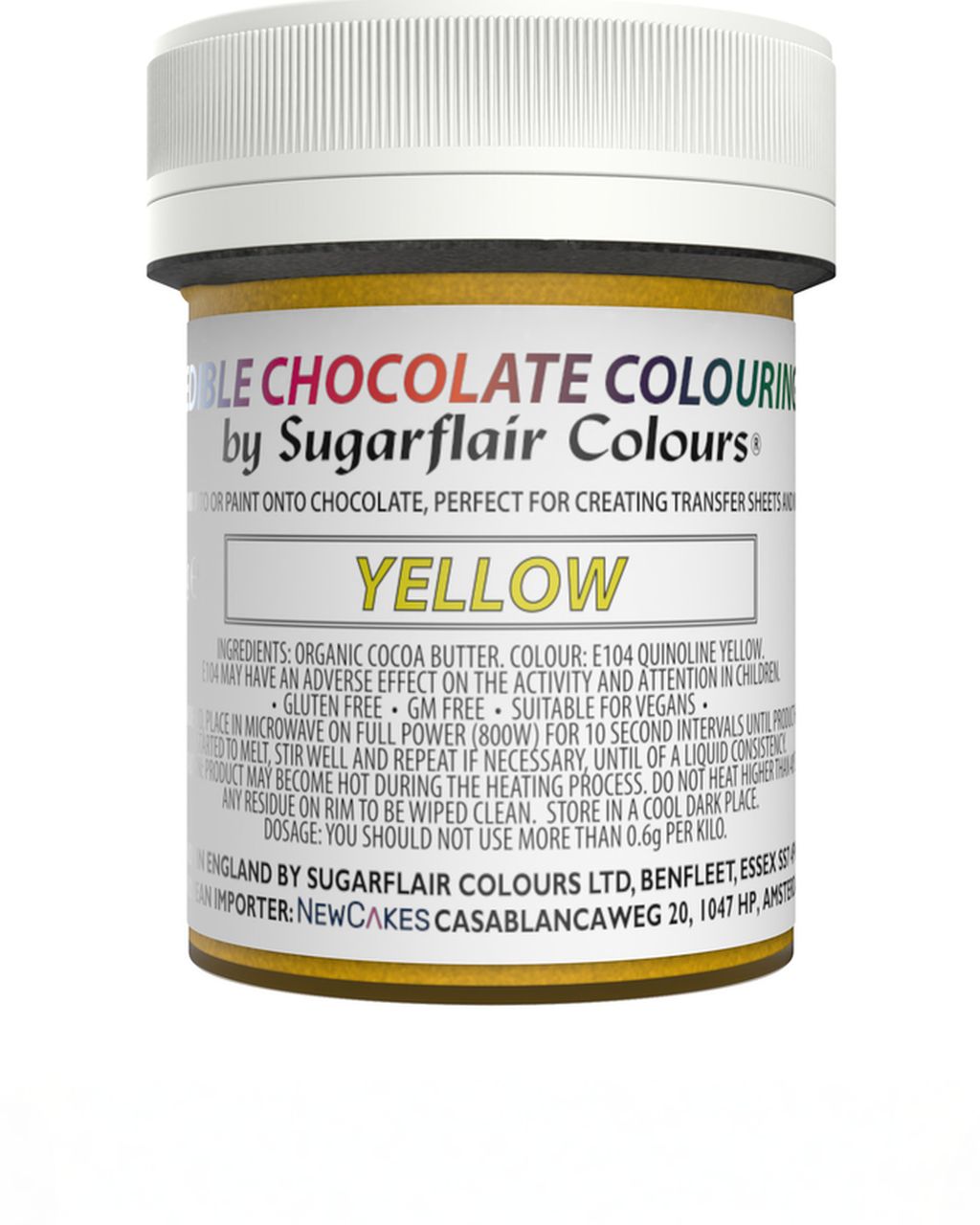
Sugarflair Oil-Based Chocolate Colour – Yellow (35 g)
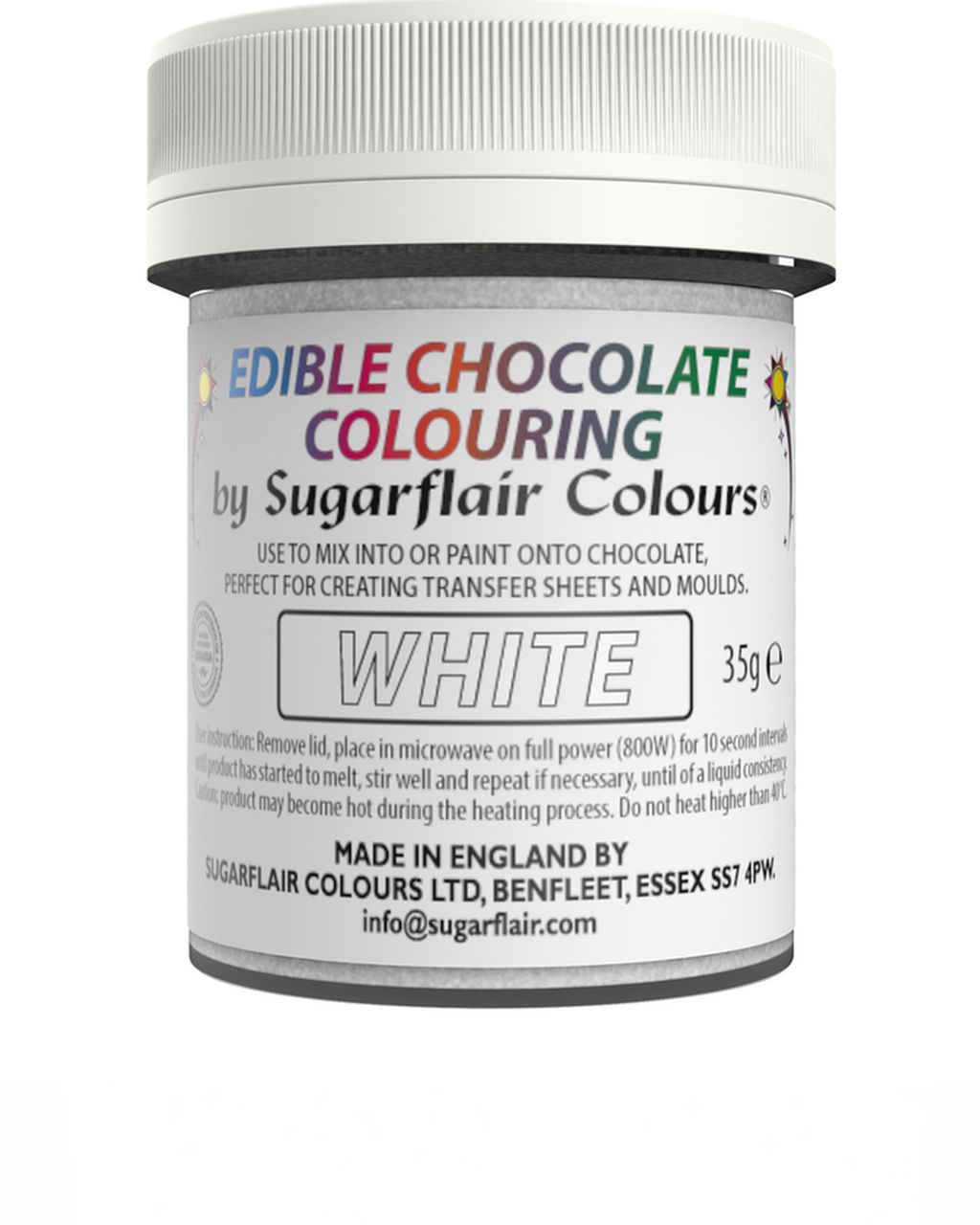
Sugarflair Oil-Based Chocolate Colour – White (35 g)
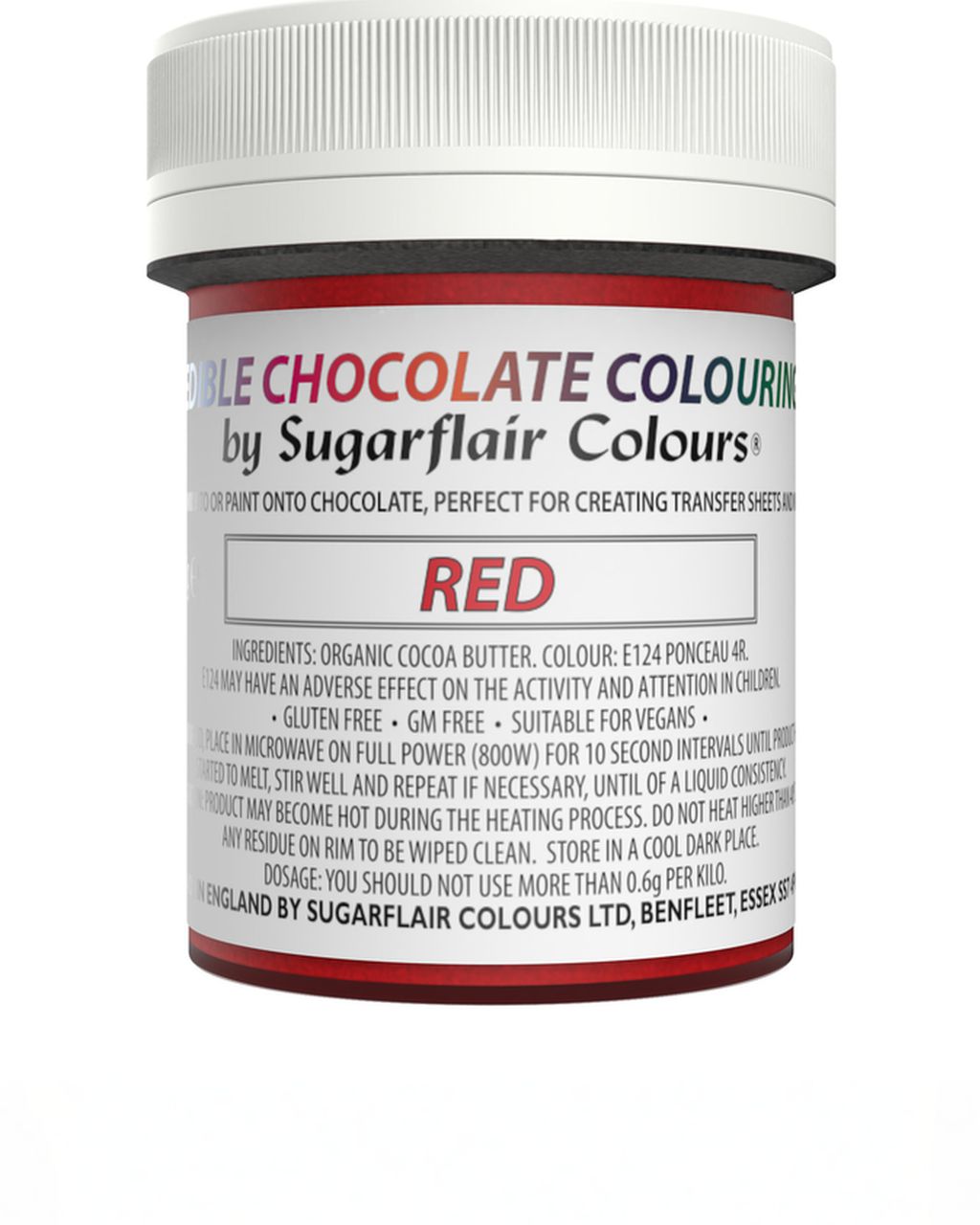
Sugarflair Oil-Based Chocolate Colouring – Red (35 g)
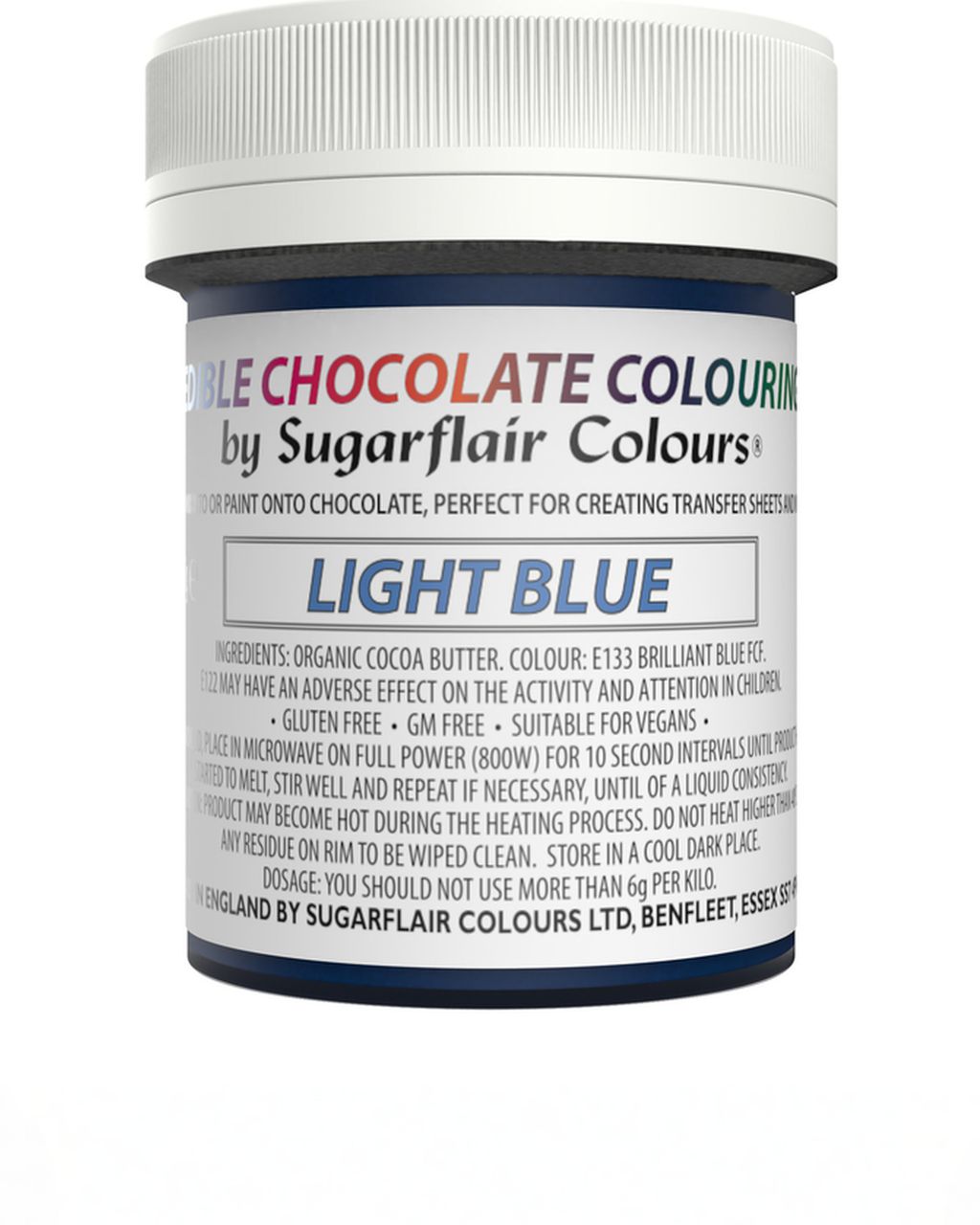
Sugarflair Oil-Based Chocolate Colour – Baby Blue (35 g)
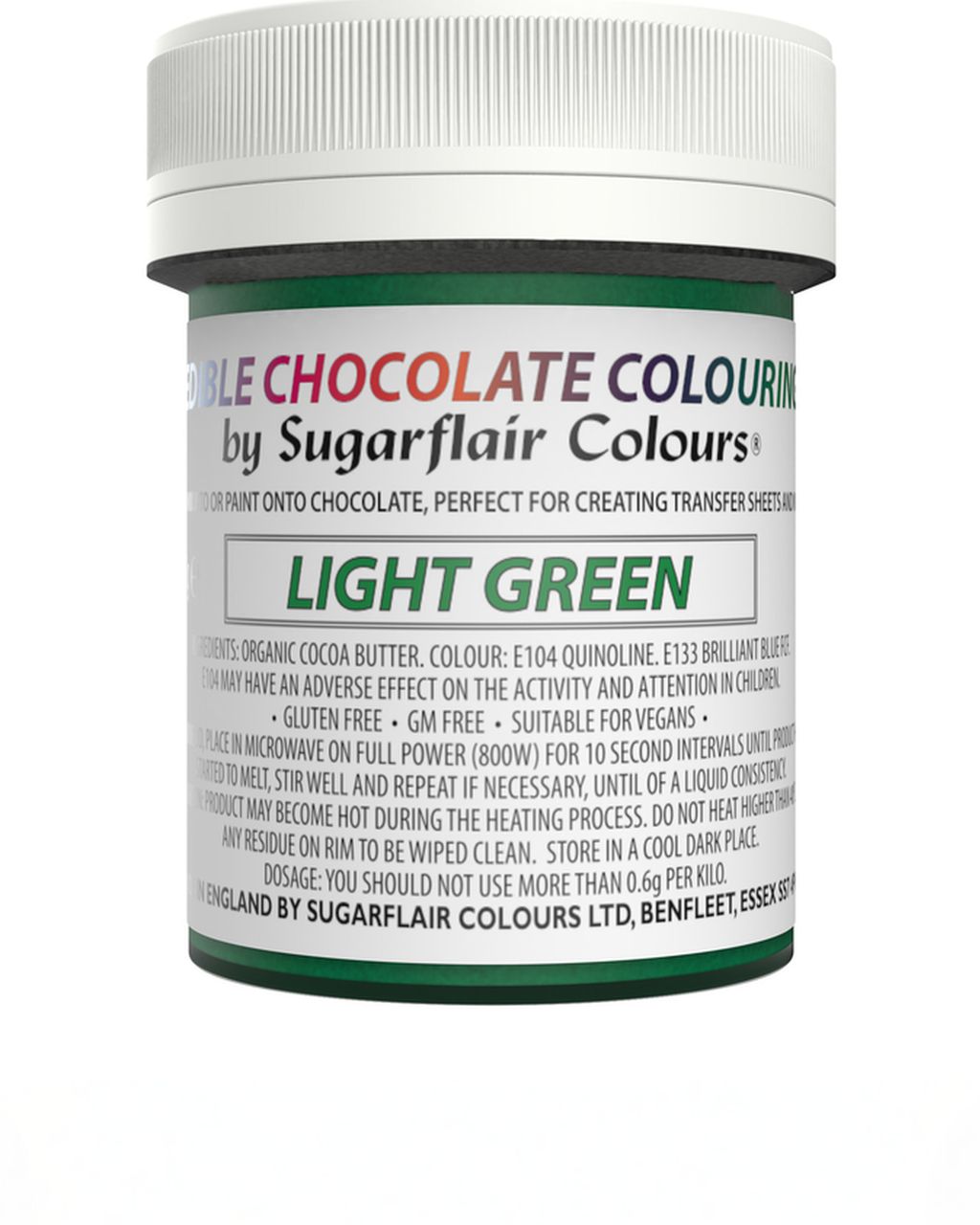
Sugarflair Oil-Based Chocolate Colour – Light Green (35 g)
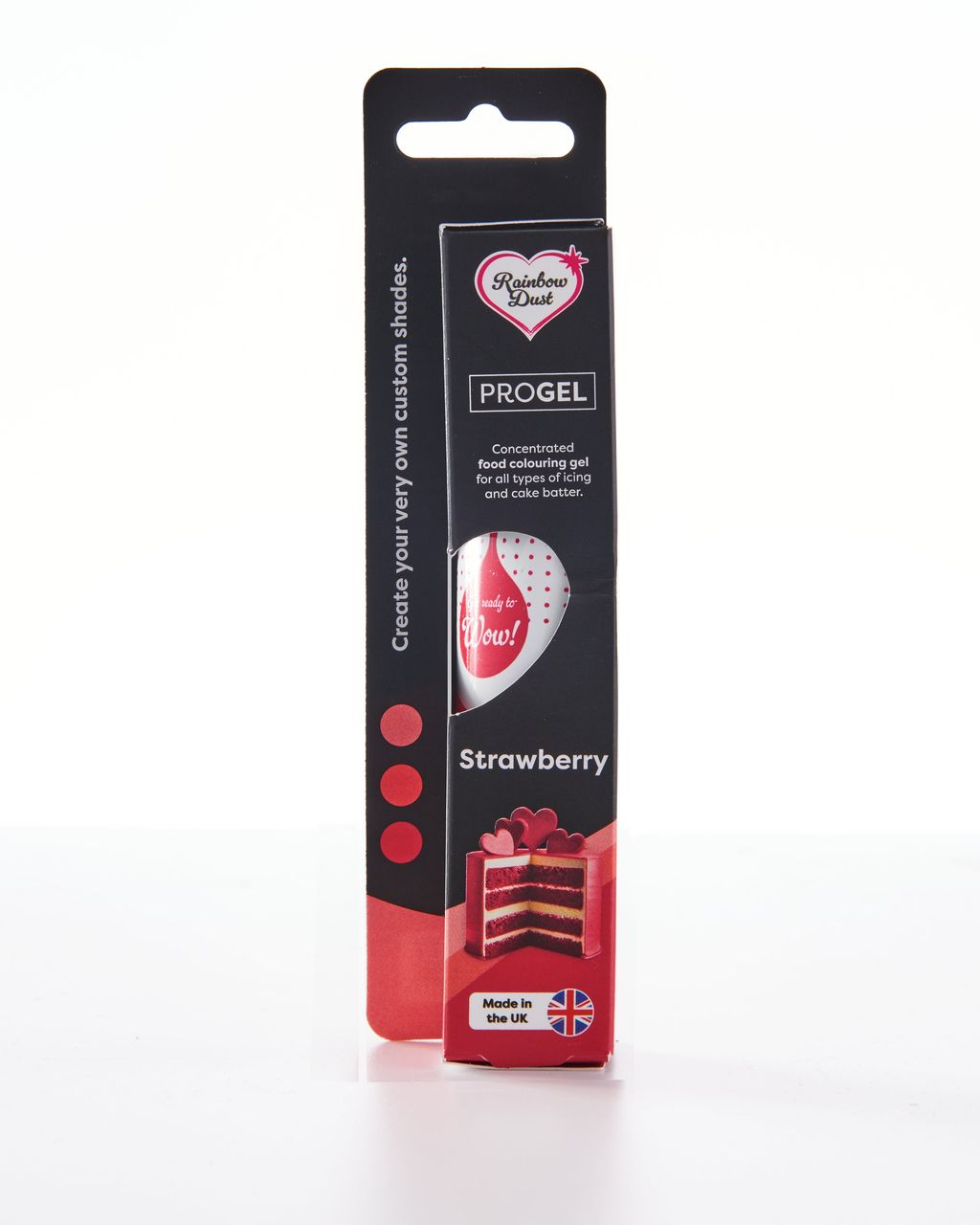
ProGel Gel Colour – Strawberry (25 g)
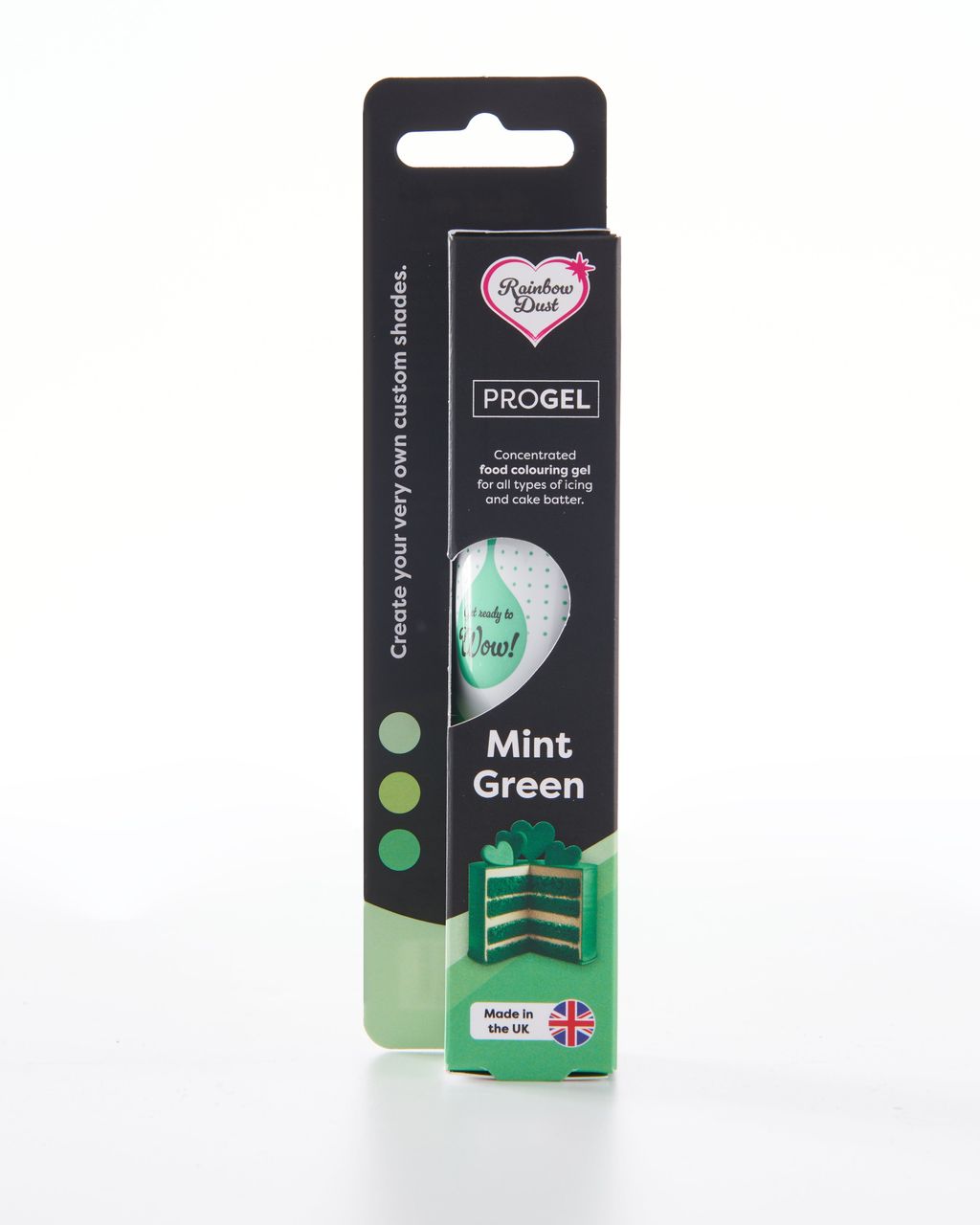
ProGel Gel Food Coloring – Mint Green (25 g)
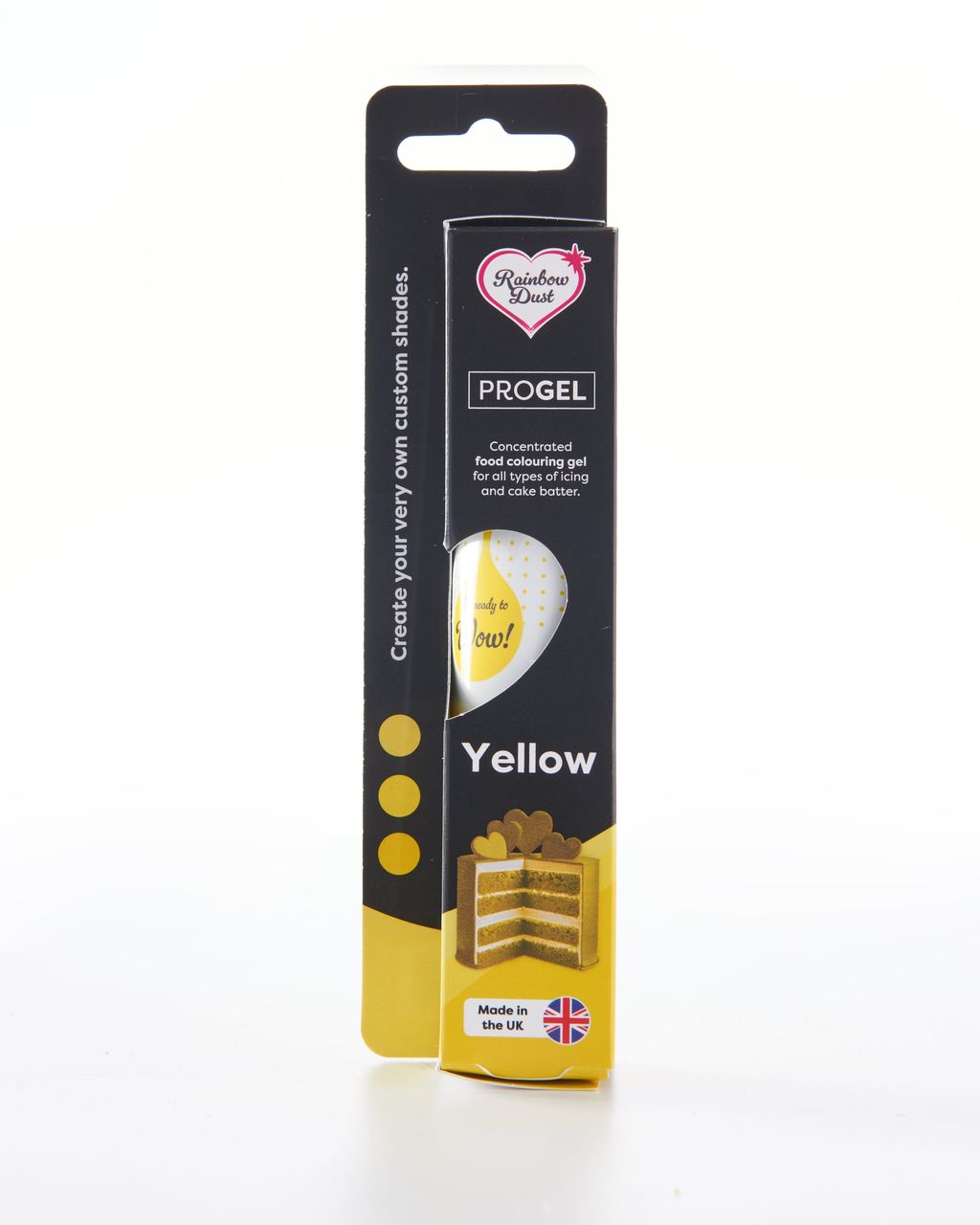
ProGel Gel Food Coloring – Yellow (25 g)
In the kitchen
Cooking
Food coloring is typically added cold or at low heat, as prolonged cooking can dull or shift hues. Baking requires heat-stable dyes or higher initial saturation to compensate for thermal loss.
Goes well with
- Sugar
- Gelatin
- Chocolate
- Dairy
- Alcohol
What it is
Food coloring refers to a broad class of natural and synthetic substances added to foods and beverages to impart, restore, or standardize color, thereby shaping visual expectation and cultural meaning without materially altering caloric content.
How it tastes
The sensory contribution of food coloring is principally visual, yet its organoleptic behavior is not entirely mute. The attack is typically neutral, though certain synthetic dyes may register a fleeting bitterness at first contact. The mid-palate is largely silent, acting as a carrier without texture or aroma. The finish can reveal a faint metallic or astringent echo, particularly at higher concentrations or in alcohol-based preparations, before receding entirely.
Common questions
Does food coloring affect flavor?
Are natural food colorings safer than synthetic ones?
Deep dive
3 min read
Varieties
Food coloring exists along a spectrum from mineral and botanical extracts to fully synthetic dyes, each shaped by terroir, chemistry, and method of harvest. Cochineal carmine: derived from the dried bodies of Dactylopius coccus insects cultivated on nopal cacti in arid regions of Peru and Mexico, yields a deep crimson with a clean, wine-like clarity. Harvesting is manual, timed to peak carminic acid content, and the resulting color offers a rounded mid-tone red with remarkable light stability. Annatto: sourced from the seeds of Bixa orellana grown in tropical soils, imparts warm orange hues with a faint nutty bitterness at the finish. Turmeric curcumin: drawn from rhizomes grown in monsoonal climates, provides a brilliant yellow with earthy undertones but limited light stability. Synthetic dyes: such as Allura Red AC (E 129) or tartrazine (E 102), produced through controlled chemical synthesis, offer unmatched consistency, high chroma, and neutral flavour, though often at the expense of narrative terroir. In the EU both must carry the label warning 'name or E number of the colour(s): may have an adverse effect on activity and attention in children'. Each variety reflects its origin, from sun-drenched fields to industrial reactors, and carries distinct behavior in pH, heat, and fat.
History
The human impulse to color food is ancient. Ancient era: In Greece and Rome, saffron, mulberries, and wine reductions were used to tint breads and sauces, linking color to luxury and medicinal belief. Pliny the Elder recorded the use of mineral pigments, sometimes perilously, to impress banquet guests. Medieval era: As trade routes expanded, merchants carried spices and dyestuffs across the Islamic world and into Europe. Saffron, sandalwood, and alkanet root colored dishes served at courtly feasts, where hue signified status and seasonal symbolism. Guild regulations emerged to prevent fraudulent coloring of bread and wine. Modern era: The 19th century ushered in synthetic aniline dyes, offering unprecedented brightness and stability, but also grave health risks that prompted the first food safety laws. The 20th century refined regulation and chemistry, producing standardized dyes with defined acceptable daily intakes. In the 21st century, consumer preference has swung back toward natural colorants, driven by perception, ethics, and a renewed valuation of provenance.
Science
Color perception arises from selective absorption and reflection of light wavelengths. Food colorings function by containing chromophores that interact predictably with visible light. pH sensitivity is critical; anthocyanins are red under acid conditions and shift through purple to blue as acidity falls, while synthetic azo dyes remain stable across a broad range. Particle size influences opacity and saturation, and emulsification affects dispersion in fat-rich systems. Light, oxygen, and heat degrade many natural pigments through oxidation or isomerization, necessitating protective packaging or antioxidant pairing.
Sourcing and ethics
Ethical considerations center on transparency, sustainability, and cultural respect. Insect-derived dyes raise questions for vegan consumers, while synthetic dyes prompt debate over long-term health perception despite regulatory approval. Sustainable sourcing favors renewable crops grown without displacing food agriculture, fair labor in harvest, and reduced solvent use. Clear labeling empowers informed choice and preserves trust between producer and eater.