Choose your cookies

Necessary cookies hold the site together — cart, sign-in, language. Analytics ones show us what works here and what to build your recommendations on. Marketing ones would measure ads outside Yumsto; we're not running any yet. Nothing but the necessary ones runs until you say yes.

How we handle your data

Cookie settings

Chocolate and Baking Ingredients: Guides and Tips

Chocolate and Baking Ingredients: Guides and Tips

How to melt and temper chocolate, which couverture to choose and what the numbers on the pack mean. Plus sugars and syrups, vanilla, gelatin and agar, food coloring and leaveners: how much to use and what to swap them for.

Quick answer

How do I use gelatin so it sets?

Soak it in cold water, dissolve it at 50–60 °C and never boil it. Stir it into a mixture that isn't ice-cold and let it set in the fridge for at least 4 hours. Fresh pineapple, kiwi and papaya break gelatin down.
Frequently asked questions

All articles

  1. Why Is My Gelatin Not Setting? Ratios, Fruit, Heat and Alcohol

    Gelatin doesn't set when there is too little of it for the liquid, when it was never fully dissolved, when it was boiled, or when fresh pineapple, kiwi or papaya digested it. Lots of alcohol or a very acidic liquid weakens it too, and it simply needs several hours in the fridge. Here is how to find the cause and rescue the batch.

  2. Why Is My Gelatin Clumping? Blooming, Dissolving, Powder vs Sheets

    Gelatin clumps when the powder is dumped into liquid or stirred in all at once, when it is added straight to hot liquid without blooming, or when warm dissolved gelatin hits a cold mixture and sets into strings. Sprinkle powder evenly over cold liquid, let it bloom, dissolve it in warm (not boiling) liquid, and temper it into cold bases. Here is each step, for powder and sheets.

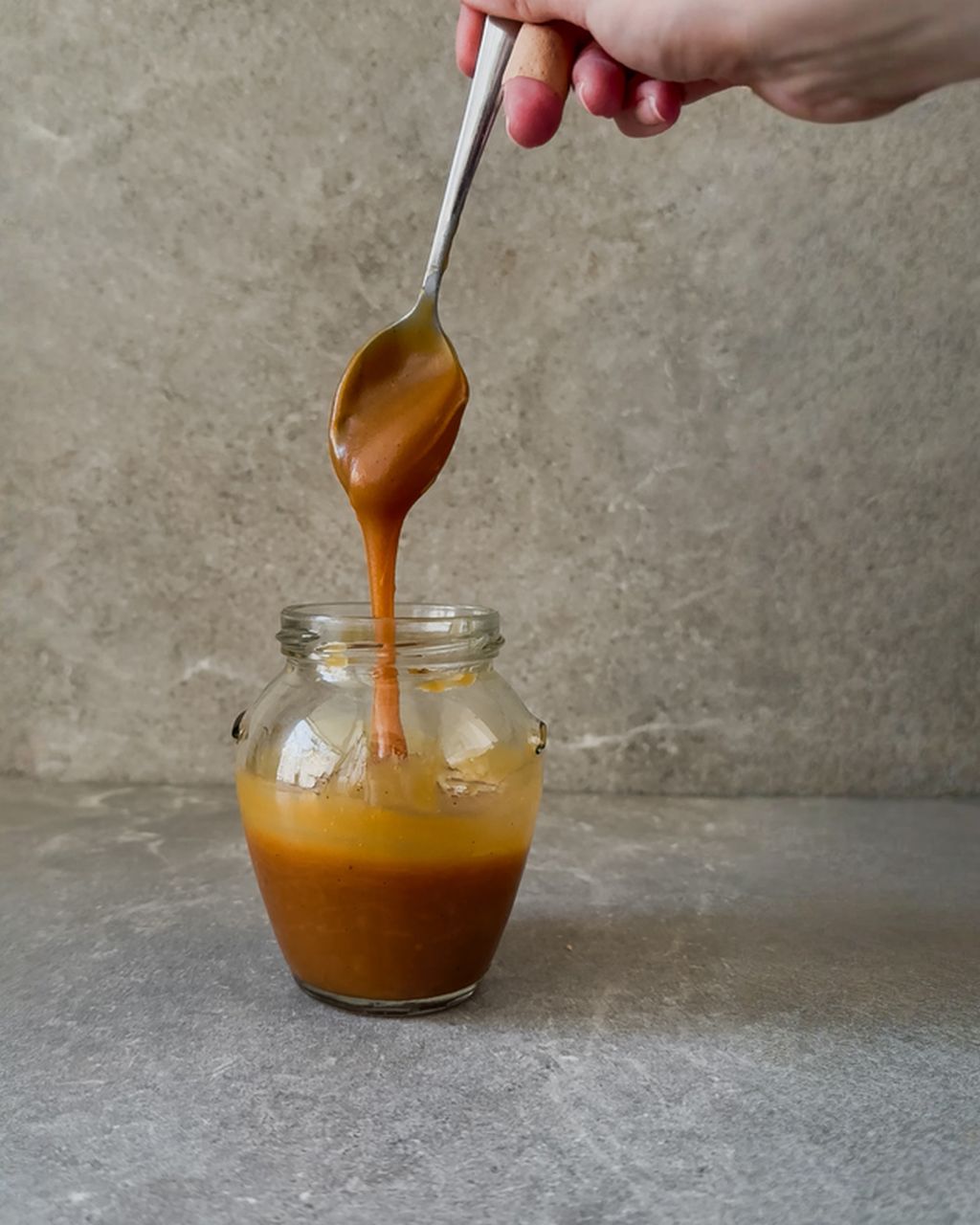
  3. Why Is My Caramel Bitter? How Dark to Take It and How to Save It

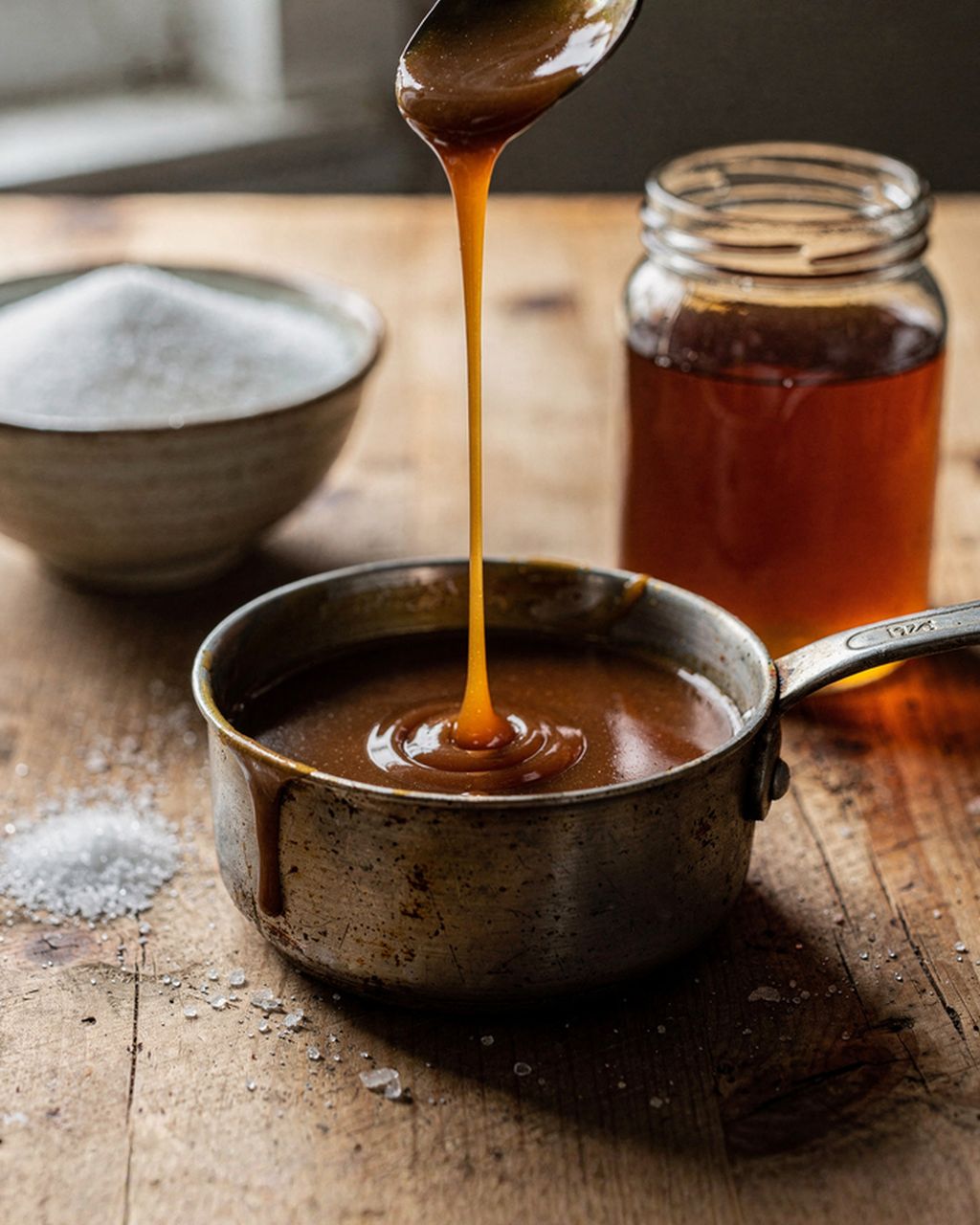
    Caramel tastes bitter when the sugar has cooked too dark: past deep amber it starts to burn, and the sweetness gives way to sharp, acrid notes. The pan keeps cooking it after you take it off the heat, so stop a shade lighter than you want. Mildly bitter caramel can be balanced; burnt caramel can't, and the only fix is to start again.

  4. Why Does My Cocoa Powder Taste Bitter, Sour or Like Dirt?

    Cocoa powder tastes bitter because it is unsweetened cocoa solids with most of the cocoa butter pressed out, so nothing softens its natural bitterness until you add sugar, fat and liquid. A sour edge points to natural (non-alkalized) cocoa, and an earthy, dirt-like taste to heavily alkalized or raw cacao powder. Blooming it in hot liquid and balancing it with sugar, fat and a pinch of salt fixes most of it.

  5. Why Does My Cake Taste Like Baking Powder? Bitter, Metallic or Soapy

    A cake tastes like baking powder when there is too much leavening for the flour, when the powder wasn't mixed in evenly, or when baking soda had too little acid to react with. Bitter or metallic usually points to baking powder, and soapy to baking soda. Here is how to find the cause and get the amount right next time.

  6. Is My Baking Powder Still Good? The Water Test and When to Replace It

    Baking powder is still good if a teaspoon stirred into warm water bubbles right away, but that test only catches powder that is completely dead. Rising power fades well before the fizz stops, so the opening date matters more: Clabber Girl advises using an opened can within 6 months. Here is how to test it, how long it lasts, and how to keep it working.

  7. Custard Powder vs Cornstarch: What's in It and How to Substitute

    Custard powder is mostly cornstarch, with salt, vanilla-type flavoring and a yellow color added, so plain cornstarch can replace it gram for gram if you add vanilla and a little color. It contains no egg in its classic form. Here is what each one does, how to swap them both ways, and what to use in Nanaimo bars.

  8. Banana Bread Without Baking Soda: Baking Powder Ratios and What Changes

    You can make banana bread without baking soda by using baking powder instead: about 1 to 1¼ teaspoons per US cup (125 g) of flour, or King Arthur Baking's straight swap of 3 teaspoons of baking powder for each teaspoon of soda. The loaf rises well but comes out paler, a little taller and less deeply flavored. Here is how to work out the amount for your recipe, how to use self-raising flour or a Czech baking powder sachet, and what happens with no leavening at all.

  9. Why Is My Toffee Grainy? Crystallization and How to Prevent It

    Toffee turns grainy when the sugar crystallizes, usually because undissolved sugar or crystals from the side of the pan seeded the hot syrup. Washing down the pan, dissolving the sugar fully and adding a little corn syrup, glucose or lemon juice keeps it smooth. Here is how crystallization starts and how to stop it.

  10. Why Is My Pavlova Weeping? Syrup Beads, Leaks and How to Stop Them

    A pavlova weeps when sugar in the meringue turns to syrup and seeps out, most often because the sugar never fully dissolved, the air was humid, or the meringue was underbaked. Small amber beads on the surface and a puddle of syrup under the base look alike but point to different causes. Dissolve the sugar completely, bake long and low, and keep the shell dry until serving.

  11. Why Is My Pavlova Chewy? Crisp Shell vs Marshmallow Center

    A pavlova should be chewy in the middle: the soft, marshmallow-like center under a crisp shell is what separates it from a plain meringue. If the outside is chewy or sticky too, the shell was underbaked, cooled too fast in a humid kitchen, or soaked up moisture after baking. Cornstarch, vinegar, oven temperature and drying time decide where your pavlova lands between crisp and chewy.

  12. Why Do Candy Canes Get Sticky? Humidity, Storage and Homemade Tips

    Candy canes get sticky because sugar absorbs moisture from the air, which dissolves the surface into a thin syrup. Keep them wrapped, airtight and out of the fridge, and they stay crisp. Homemade canes are crispest when cooked to the hard-crack stage, 149–154°C (300–310°F); undercooked canes turn out chewy.

  13. Light vs Dark Brown Sugar: Differences, Swaps and European Equivalents

    Light and dark brown sugar differ only in molasses: about 3.5% in light and 6.5% in dark, so dark tastes stronger and bakes darker. You can swap them one for one, or make either from white sugar and molasses. Outside the US, soft brown sugar and muscovado are the closest matches.

  14. How to Soften Hard Brown Sugar: Bread, Microwave, Oven and Terracotta

    To soften hard brown sugar, seal it overnight with a slice of bread, or microwave it under a damp paper towel in short bursts if you need it now. It went hard because the moisture in its molasses evaporated, not because it spoiled. Store it airtight and it stays soft.

  15. Vanilla Pudding Powder: What It Is, How Czechs Use It and Substitutes

    Vanilla pudding powder is the small European sachet, about 37–40 g, that you cook with 500 ml of milk and your own sugar to make a thick vanilla pudding; it is mostly cornstarch with flavoring and color. It is not the same as US instant pudding mix, and closer to UK custard powder than to anything else. Czech bakers use it for buttercreams, fillings and sheet cakes, and you can replace it with cornstarch, sugar and vanilla.

  16. How Many Grams in a Tablespoon of Sugar and Salt? Level vs Heaped

    A level US tablespoon of granulated sugar weighs about 12.5 g, and a level tablespoon of fine table salt about 18 g. Brown sugar, powdered sugar and kosher salt weigh quite differently, and a heaped spoon or an Australian 20 ml tablespoon holds more again. Here are the figures and where they come from.

  17. How Many Grams in a Cup of Powdered Sugar? Sifted vs Unsifted

    A US cup (236.6 ml) of unsifted powdered sugar weighs about 120 g, and a US cup of sifted powdered sugar about 100 g, according to USDA FoodData Central. A metric cup (250 ml) holds about 127 g unsifted and about 106 g sifted. Powdered sugar, confectioners' sugar and icing sugar are names for the same finely ground sugar, so these figures work for all three.

  18. How Many Grams in a Cup of Honey? US Cup, Metric Cup and Fractions

    A US cup (236.6 ml) of honey weighs about 340 g, and a metric cup (250 ml) about 355 g. That is much more than a cup of sugar or water, because honey is dense. Below are the half, third and quarter cups, the spoon weights, and how to get honey out of the cup cleanly.

  19. How Many Grams in a Cup of Cocoa Powder? Natural, Dutch-Process, Sifted

    A US cup (236.6 ml) of unsweetened cocoa powder weighs about 86 g, and a metric cup (250 ml) about 91 g, according to USDA FoodData Central. Natural and Dutch-process cocoa weigh the same per cup. A level tablespoon of cocoa is about 5 to 5.4 g.

  20. How Many Grams in a Cup of Chocolate Chips? Regular, Mini and Chunks

    A US cup (236.6 ml) of regular semisweet chocolate chips weighs about 168 g, according to USDA FoodData Central, so a standard 12 oz (340 g) bag holds about 2 cups. Mini chips pack tighter, about 173 g per US cup, and large chips about 182 g. A metric cup (250 ml) holds about 178 g of regular chips.

  21. How Many Grams in a Cup of Brown Sugar? Packed vs Loose

    A packed US cup (236.6 ml) of brown sugar weighs about 213 to 220 g, while the same cup filled loosely weighs only about 145 g. A packed metric cup (250 ml) holds about 225 to 232 g. Light and dark brown sugar weigh the same, but European cane sugars such as demerara, muscovado and Czech třtinový cukr do not behave like American brown sugar in a cup.

  22. What to Bake with Chocolate: Brownies, Cake, Cookies, Fondants and Dark and White Chocolate Desserts for Valentine's Day

    What can you bake with chocolate? The surest bets are brownies, chocolate cake, cookies, a fondant with a molten center and chocolate mousse – and from white chocolate, ganache, creams and tarts. What matters most is which chocolate you buy and how you melt it: with a bar of 70% dark chocolate, butter and eggs you can bake almost everything you'll find here. Every dessert comes with a temperature, a time and how to tell when it's done. The Valentine's Day section has a plan for spreading it all across the week before Valentine's Day, which in 2027 falls on Sunday, February 14.

  23. How Many Grams in a Teaspoon? Salt, Baking Soda, Yeast, Sugar and More

    A level teaspoon holds about 5 ml, but its weight depends on the ingredient: about 6 g of table salt, 4.6 g of baking soda or baking powder, 4.2 g of granulated sugar, 2.6 g of ground cinnamon and 1.8 g of cocoa. Kosher salt varies most, from about 2.8 g to 4.8 g depending on the brand. Here are the figures, mostly from USDA FoodData Central, and how to use them.

  24. Rum Aroma vs Rum Extract vs Real Rum: What to Use in European Baking

    Rum aroma (Czech rumové aroma, German Rum-Aroma) is a concentrated flavoring sold in small bottles, made mostly of water and propylene glycol with little or no alcohol, while American rum extract is a flavoring dissolved in alcohol. Both stand in for real rum, which is about 40% alcohol, or for Czech tuzemák. For flavor you can swap rum aroma for US rum extract drop for drop, and use about ½ teaspoon of extract per tablespoon of light rum, or 1½ teaspoons per tablespoon of dark rum; because US rum extract is alcohol-based, use an alcohol-free flavoring for an alcohol-free batch.

Cart