How to Make Caramel from Sugar Without It Turning Bitter: Temperature, Method and Mistakes
Why Is My Caramel Bitter? How Dark to Take It and How to Save It
Updated Nov 21, 2026
Caramel tastes bitter when the sugar has cooked too dark: past deep amber it starts to burn, and the sweetness gives way to sharp, acrid notes. The pan keeps cooking it after you take it off the heat, so stop a shade lighter than you want. Mildly bitter caramel can be balanced; burnt caramel can't, and the only fix is to start again.
Caramelizing sugar is a slow controlled burn. As sugar heats past melting, it breaks down into hundreds of new compounds. Early on, these taste buttery and nutty. As the color deepens, flavors get stronger and more roasted, with a pleasant bitter edge. Push further and bitter, acrid compounds take over, and the sugar burns.
So all caramel has some bitterness. The question is how much. A pale caramel is sweet and mild. A deep amber is rich. Past that, it is bitter, and then burnt.
Caramel is also unforgiving at the end: it moves from perfect to too dark in seconds, because the color speeds up as the temperature climbs.
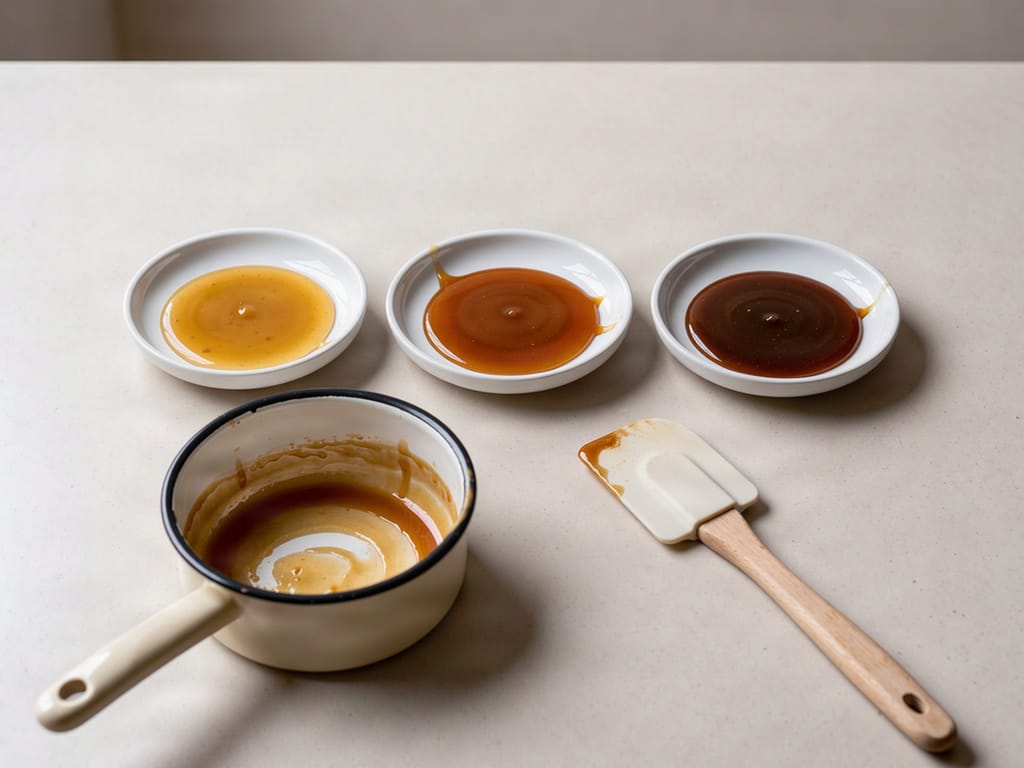
Go by color and smell, and use temperature as a cross-check. Sources disagree slightly on the exact figures, so treat these as a guide.
Light gold: sweet, mild. Fine for decorations and spun sugar; often too sweet for a sauce.
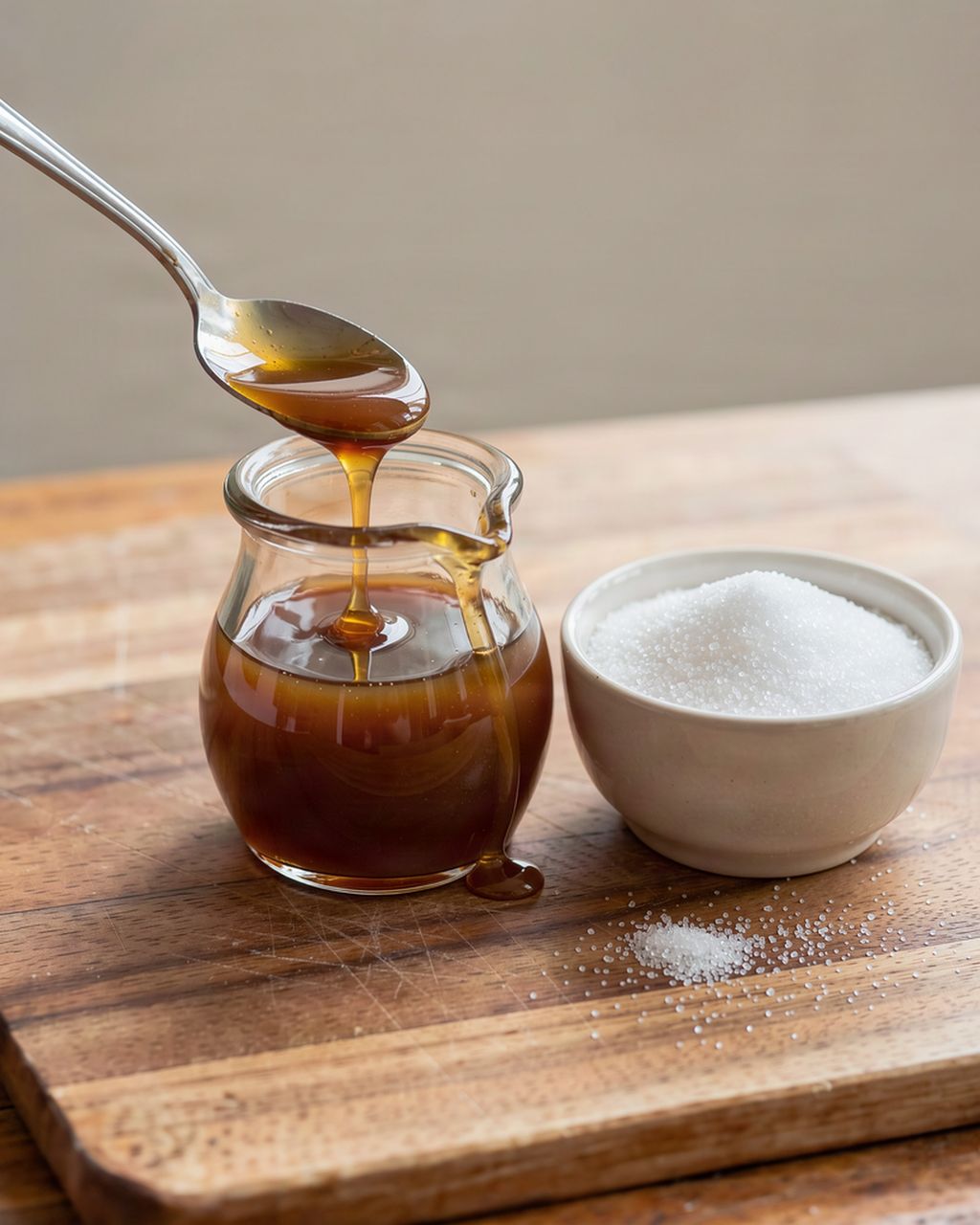
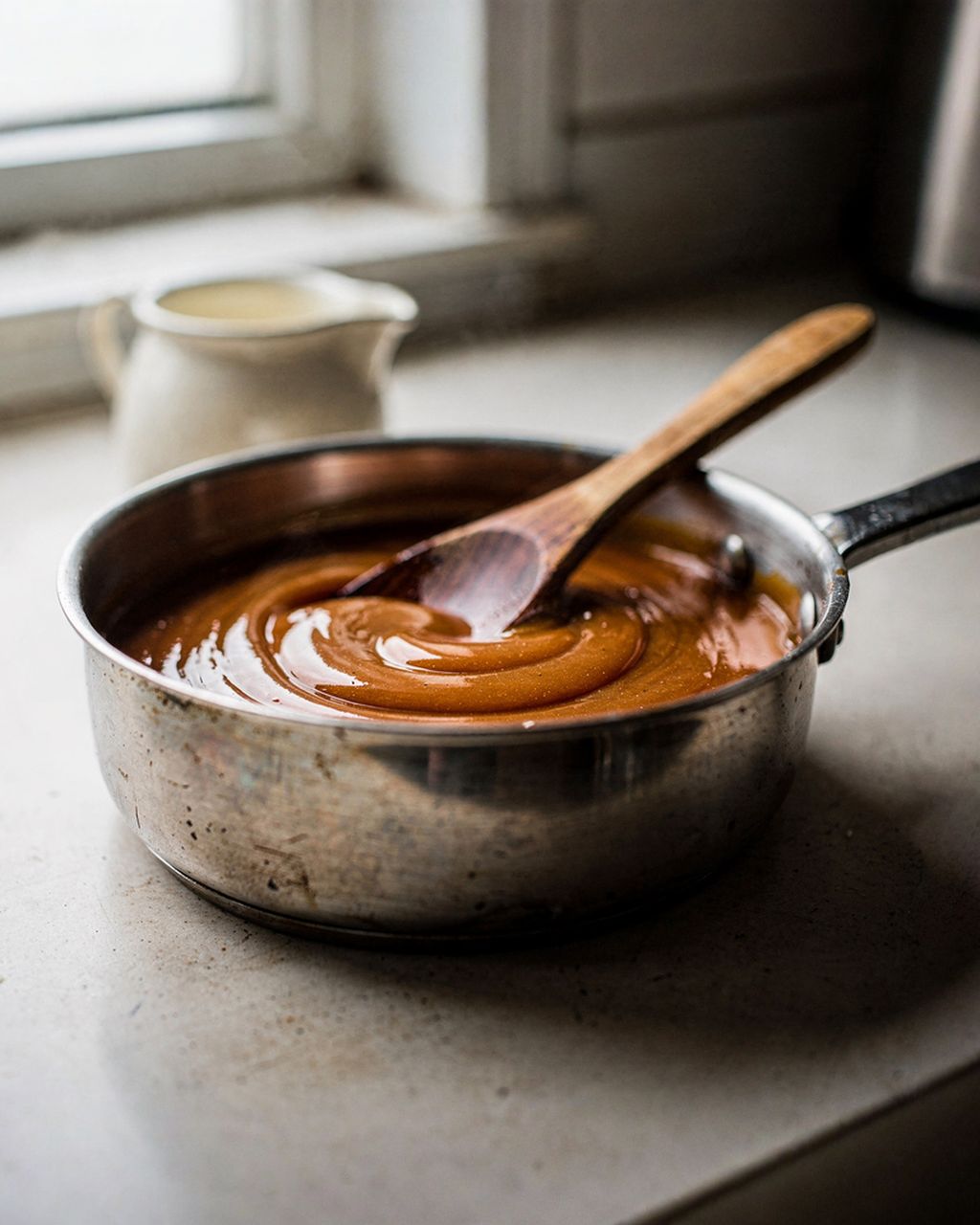
Medium to deep amber, about 170–180 °C (340–355 °F): the usual target for caramel sauce, salted caramel and flan. Rich, nutty, slightly bitter.
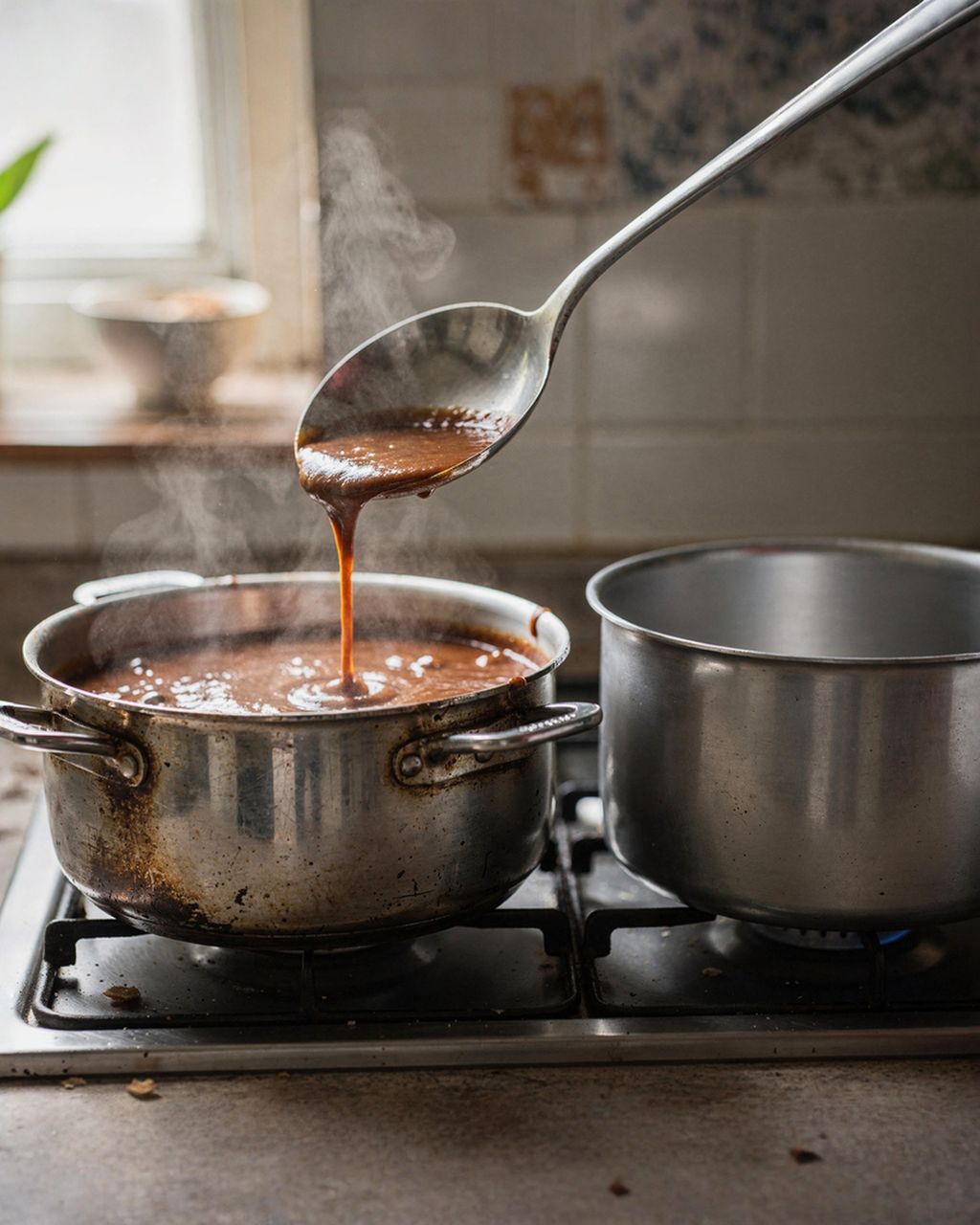
Dark mahogany: intense and bitter. Some cooks like it in small amounts.
Very dark, smoking, smelling acrid, heading toward 190 °C (375 °F) and above: burnt.
Our guide to making caramel from sugar without burning it walks through the method. For caramel that needs to set firm, see caramel for Christmas cookies.
Carryover heat. The pan stays hot after you take it off the burner and the caramel keeps darkening. Stop a shade before your target color, or stop the cooking by adding the cream or butter.
A dark or nonstick pan. You can't see the true color against a dark surface. Use a heavy, light-colored stainless steel pan.
A thin pan with hot spots. The sugar scorches on the bottom before the rest colors. A heavy base spreads the heat; swirl the pan rather than stirring hard.
Heat too high. On full heat, the last stage happens too fast to catch. Medium heat gives you time.
Walking away. The final minute needs your full attention. Have the cream, butter and salt measured and ready.
Dry caramel in a large pan. A thin layer of sugar in a wide pan colors very fast at the edges.
If your caramel turned grainy rather than bitter, that is crystallization, a different problem. See why caramel crystallizes.
Mildly bitter (dark but not burnt):
Whisk in more warm cream and a knob of butter; dairy softens bitterness.
Add a good pinch of salt. Salt suppresses bitterness, which is part of why salted caramel works. See our guide to salted caramel.
A little vanilla rounds out the flavor.
Use it with something sweet or rich: ice cream, a sweet cake, a creamy dessert.
Burnt (acrid, smoky, almost black): throw it out. Burnt flavors don't hide; they spread through anything you add.
To clean the pan, fill it with water and bring it to a simmer. The hardened sugar dissolves.
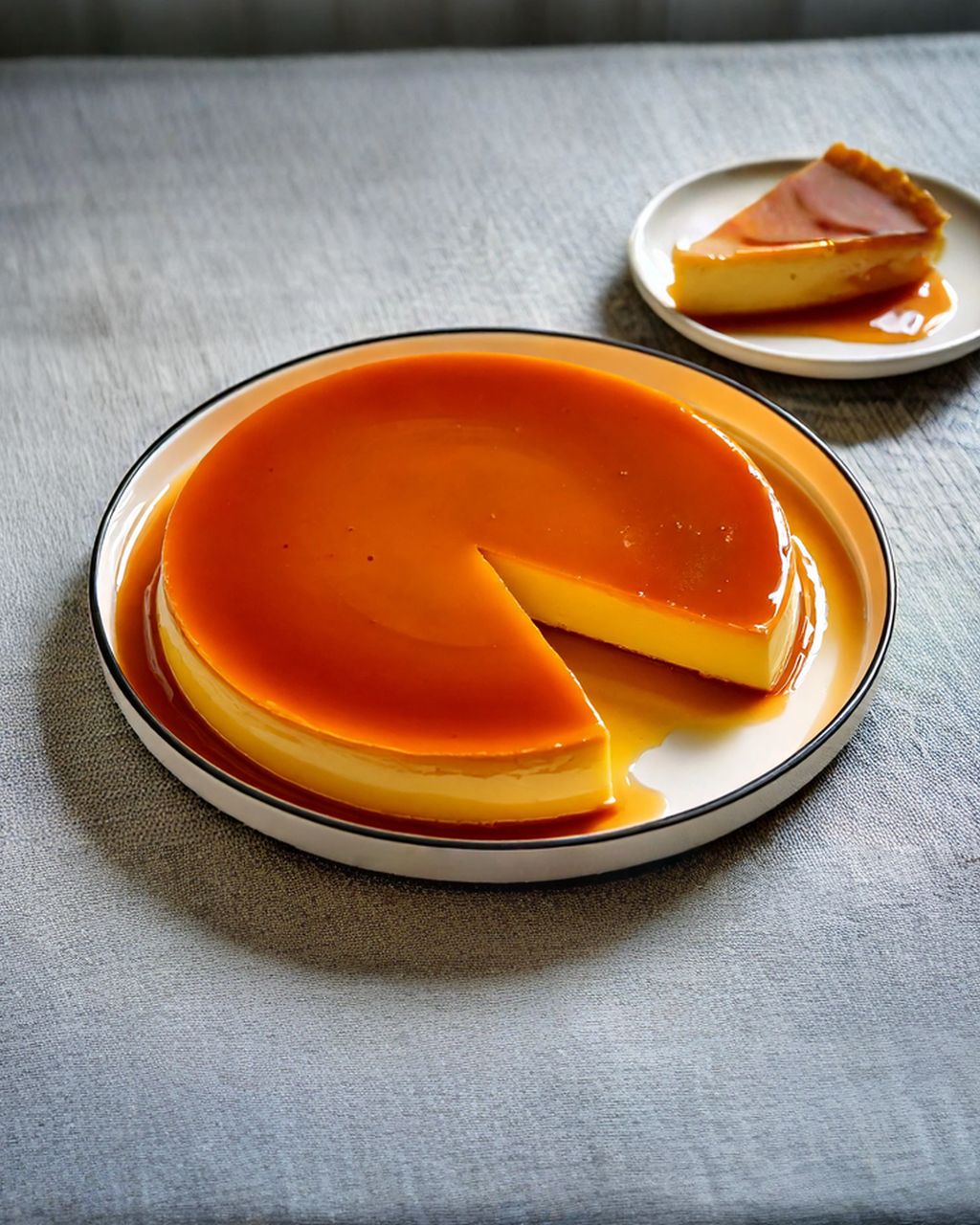
Some desserts are meant to have a bitter edge. The caramel lining a flan or crème caramel is usually cooked to a deep amber, because the sweet custard needs a darker, slightly bitter syrup for balance. Our flan guide shows the color to aim for.
What changes the taste is how much of the caramel you get in each spoonful and what it sits on:
Rich, sweet partners such as custard, vanilla ice cream or a buttery cake carry a darker caramel well.
Plain or tart desserts, such as apples or a light sponge, taste better with a lighter, sweeter caramel.
Salted caramel usually goes dark as well; the salt and cream round it off.
So if a dark caramel tasted bitter on its own, it may still be right in the finished dessert. Taste it on what you are serving it with before throwing it out.
Recipe of the week, one tip that saves you time and one deal from the shop. Unsubscribe in one click.
The next issue goes out on Thursday, November 26.
Use a heavy, light-colored pan big enough for the cream to bubble up later.
Have everything ready: warm cream, cubed butter, salt and a heatproof whisk or spatula.
Cook on medium heat and swirl the pan rather than stirring, once the sugar has melted.
Watch the color closely in the last stage. Lift a little on a spoon or drip it onto a white plate to see the real shade.
Stop just before your target. Take the pan off the heat and add the cream at once; it stops the cooking.
Use a thermometer if you like a cross-check, but trust your eyes and nose.
A wet caramel (sugar with a little water) colors more slowly and evenly than a dry one, which gives you more time to catch it.
Molten caramel is far hotter than boiling water, and it sticks to skin.
Keep children and pets away from the stove while you make it.
Add cream slowly and stand back. It bubbles up violently and releases a burst of steam. Warm cream sputters less than cold. Use a long whisk and wear long sleeves.
Never taste caramel from the pan or touch it to check it.
If hot sugar touches your skin, hold the burn under cool running water for 20 minutes, as the NHS advises, and don't put creams, oils or butter on it. Get urgent medical help for a large or deep burn.
Caramel is bitter because the sugar cooked too dark and began to burn. As caramel darkens, its flavor shifts from sweet to rich to bitter, and once it smells acrid or smokes, it is burnt. Take it off the heat a shade earlier next time.
Slightly bitter caramel can be balanced with more cream, butter, a pinch of salt or a little vanilla, or by using it with something sweet. Truly burnt caramel can't be fixed; it tastes acrid however much you add, so start again.
For most sauces, caramel should be a deep amber, like a copper coin or strong tea. Lighter gives a sweeter, milder sauce; darker gives a more intense one with a pleasant bitter edge, until it tips into burnt.
Sources differ, but caramel is usually taken off the heat between about 170 and 180 °C (340–355 °F), and it turns clearly bitter and burnt as it heads toward about 190 °C (375 °F) and above. Color and smell are the most reliable guide.
Not quite. A dark caramel has some bitterness on purpose, which many cooks like in salted caramel or flan. Burnt caramel is acrid and harsh, smells smoky and is almost black.
Caramel that tastes bitter but looks light was probably scorched in a hot spot, often on the bottom of a thin pan or a dark pan that hid the color. Use a heavy, light-colored pan and swirl it so the sugar colors evenly.
One recipe worth heating the oven for, one tip, and one deal from the shop. Nothing else.