Why Won't My Toffee Harden? The Hard-Crack Stage Explained
Why Do Candy Canes Get Sticky? Humidity, Storage and Homemade Tips
Updated Nov 20, 2026
Candy canes get sticky because sugar absorbs moisture from the air, which dissolves the surface into a thin syrup. Keep them wrapped, airtight and out of the fridge, and they stay crisp. Homemade canes are crispest when cooked to the hard-crack stage, 149–154°C (300–310°F); undercooked canes turn out chewy.
Candy canes get sticky because they pull water out of the air. A candy cane is almost pure sugar cooked down until nearly all the water has gone. That dry, glassy sugar is hygroscopic: it attracts moisture. In damp air, a thin layer on the surface dissolves into syrup, and the cane turns tacky, then sticky, then soft.
Most candy canes also contain corn syrup or glucose syrup. These keep the sugar from crystallizing while the candy is made, but they also absorb water readily, which is why a cane left out of its wrapper on a humid day can go sticky within hours.
Things that make it worse:
Humid air: a steamy kitchen, a bathroom, a rainy week, a warm room full of people.
Broken wrappers: even a small tear lets moisture in.
The fridge: cold canes taken out into a warm room collect condensation, like a cold glass.
Warm hands and warm rooms: heat softens the sugar and speeds everything up.
Crushed candy: crushed candy cane has far more surface for the moisture to reach, so it clumps much faster than whole canes.
Recipe of the week, one tip that saves you time and one deal from the shop. Unsubscribe in one click.
The next issue goes out on Thursday, November 26.
A chewy or bendy candy cane has taken on so much water that it is no longer glassy all the way through. It happens to old canes that were stored in damp conditions, or canes kept on a tree near a radiator or in a humid room for weeks.
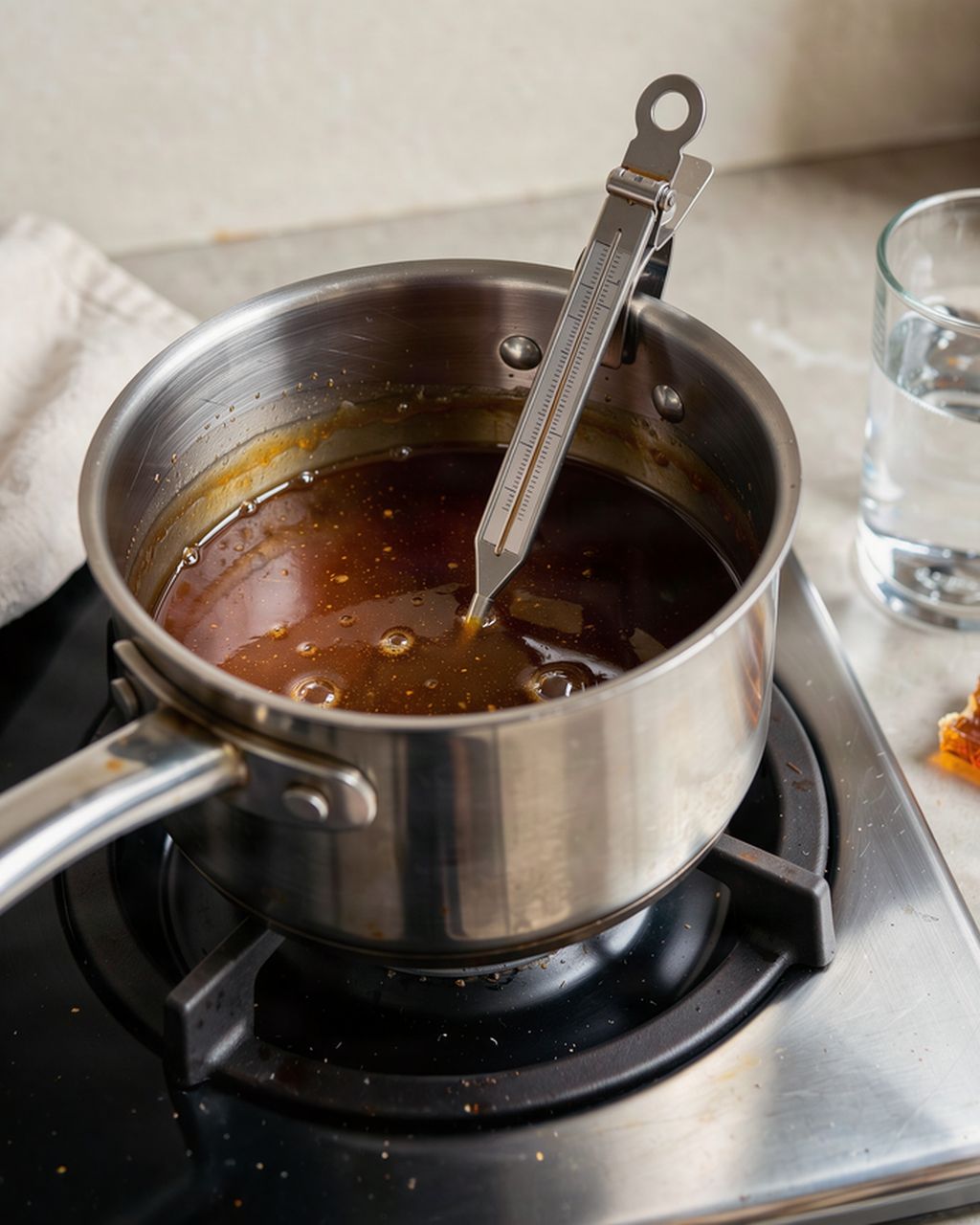
Homemade canes can also be chewy straight away if the sugar wasn't cooked hot enough. Hard candy needs to reach the hard-crack stage, 149–154°C (300–310°F) on the Exploratorium's sugar-stage chart, where the syrup is about 99% sugar. Pull it off in the soft-crack stage, 132–143°C (270–290°F), and the candy stays chewier, closer to taffy.
Once a candy cane has gone chewy, there is no good way to make it crisp again. It is still fine to eat if it looks and smells normal; crush it and stir it into hot chocolate, or melt it into a peppermint syrup.
Keep them dry, cool and sealed.
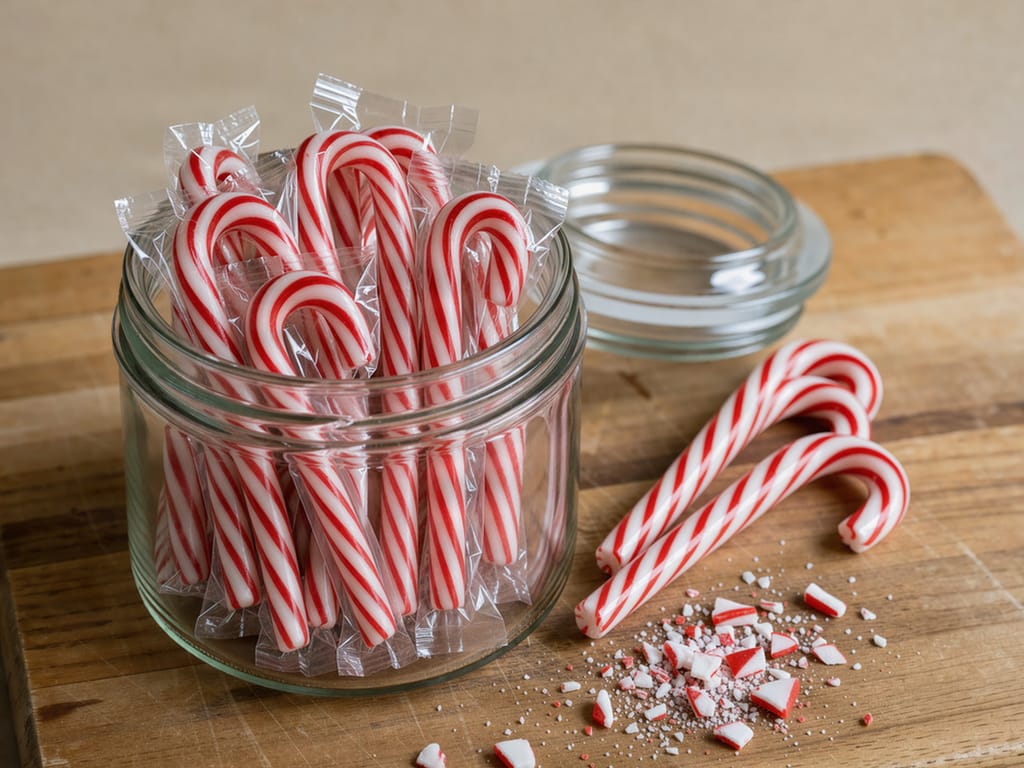
Leave them in their wrappers until you eat them. The individual wrapper is the first line of defense.
Put the wrapped canes in an airtight container or a zip-top bag with the air pressed out. Double protection helps a lot in a humid climate.
Store them somewhere cool and dry, such as a cupboard away from the oven, kettle and dishwasher. Not next to a radiator, and not in direct sun, which can also fade the stripes.
Don't refrigerate them. The fridge is damp, and the canes sweat when they come out.
Unwrapped canes: keep them in a separate airtight container in a single layer, with parchment between layers if you must stack them.
For the eating window, follow the best-by date on the box. Hard candy is very dry, but quality drops once moisture gets in.
You can, but it isn't usually necessary and it has one risk: condensation. Cold candy pulled out into a warm room gets damp on the surface, and that is exactly what makes it sticky.
If you want to freeze them:
Keep them in their original wrappers.
Seal them in a freezer bag or airtight container with the air pressed out.
When you take them out, leave the container closed until it reaches room temperature, a few hours. Then open it.
For most homes, an airtight container in a cool, dry cupboard does the same job without the condensation risk.
Crushed candy cane is popular on peppermint bark, brownies and cookies, and it is also the first thing to turn into a sticky mess.
Crush it as close to using it as you can. Put whole canes in a zip-top bag, wrap the bag in a tea towel and tap with a rolling pin.
Sift out the dust. The fine powder dissolves and goes sticky fastest. Use it in hot chocolate or whipped cream instead.
Store any extra crushed candy in a small airtight jar, filled as full as possible, in a cool cupboard.
On bakes, add it at the last moment. On chocolate bark, press it in while the chocolate is still soft and let it set at cool room temperature. In the fridge it will bead with moisture as soon as it comes out.
Expect it to soften on anything moist, such as frosting or whipped cream. That is normal and happens within hours.
If your peppermint bark is going in a gift box, put the candy on top just before packing and add a note to keep the box in a cool, dry place.
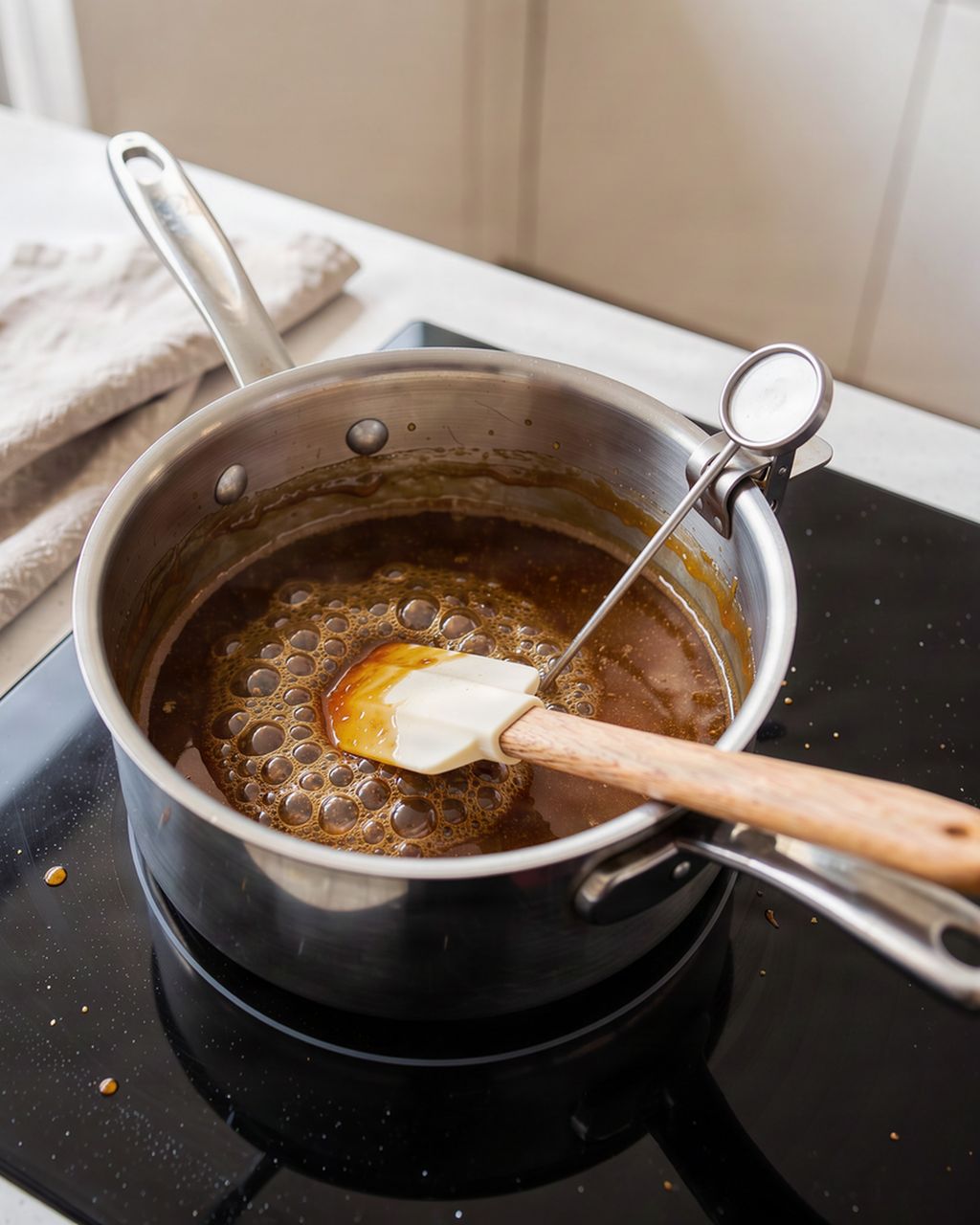
Homemade candy canes are a project, not a quick bake. Sugar, corn syrup and water are cooked to the hard-crack stage, then cooled until just workable, pulled to make the white stripe opaque, twisted with the colored stripe and bent into hooks while still warm. Recipes vary: ThermoWorks suggests 141–149°C (285–300°F), with the higher end closer to shop-bought canes, while other recipes go to 154°C (310°F). For canes that stay crisp, aim for hard crack, and make them on a dry day. The Exploratorium suggests cooking to the upper end of the stage in humid weather.
Test your thermometer first: in boiling water at sea level it should read 100°C (212°F). If it reads 2 degrees low, cook to 2 degrees below the target; if it reads high, cook that much above.
Hot sugar can cause severe burns. At around 150°C (300°F) it is far hotter than boiling water and it sticks to skin.
Wear cotton heat-proof gloves under disposable kitchen gloves for pulling, as ThermoWorks recommends, and work on a silicone mat.
Keep children and pets out of the kitchen while the sugar is hot. Let kids help only with cooled, finished canes.
Never taste the hot candy, and don't try to pull it before it has cooled enough to hold.
If hot sugar touches your skin, the NHS advises cooling the burn under cool running water for 20 minutes, as soon as possible (within 3 hours), with no creams, oils or butter; get urgent medical help for a large or deep burn, or one on the face, genitals or bottom, and call NHS 111 (or your doctor) for advice about any burn on a child under 5.
For other ways to cook sugar, see how to make caramel from sugar without burning it. For a gentler peppermint project, try mint chocolates and peppermint patties. And because the same moisture problem hits other sweets, read how to store marshmallows so they don't go hard or sticky and how to store Christmas cookies so they stay crisp.
Candy canes go sticky because their sugar absorbs moisture from the air, which dissolves a thin layer on the surface. Humid rooms, torn wrappers and taking them out of the fridge all make it worse.
Keep them in their wrappers, inside an airtight container or zip-top bag, in a cool, dry cupboard. Don't refrigerate them, because they sweat when they come out.
Chewy canes have absorbed a lot of moisture, or, if homemade, weren't cooked to the hard-crack stage of 149–154°C (300–310°F). Once chewy, they can't be made crisp again.
Yes, sealed in their wrappers in an airtight bag. Let the bag come to room temperature before opening it, or condensation will make them sticky.
Store crushed candy cane in a small, full, airtight jar in a cool cupboard, and crush it as close to using it as you can. Sift out the fine dust, which goes sticky first.
Sticky candy canes are usually fine to eat if they look and smell normal; the stickiness is moisture, not spoilage. Throw them out if they show mold or smell off.
One recipe worth heating the oven for, one tip, and one deal from the shop. Nothing else.