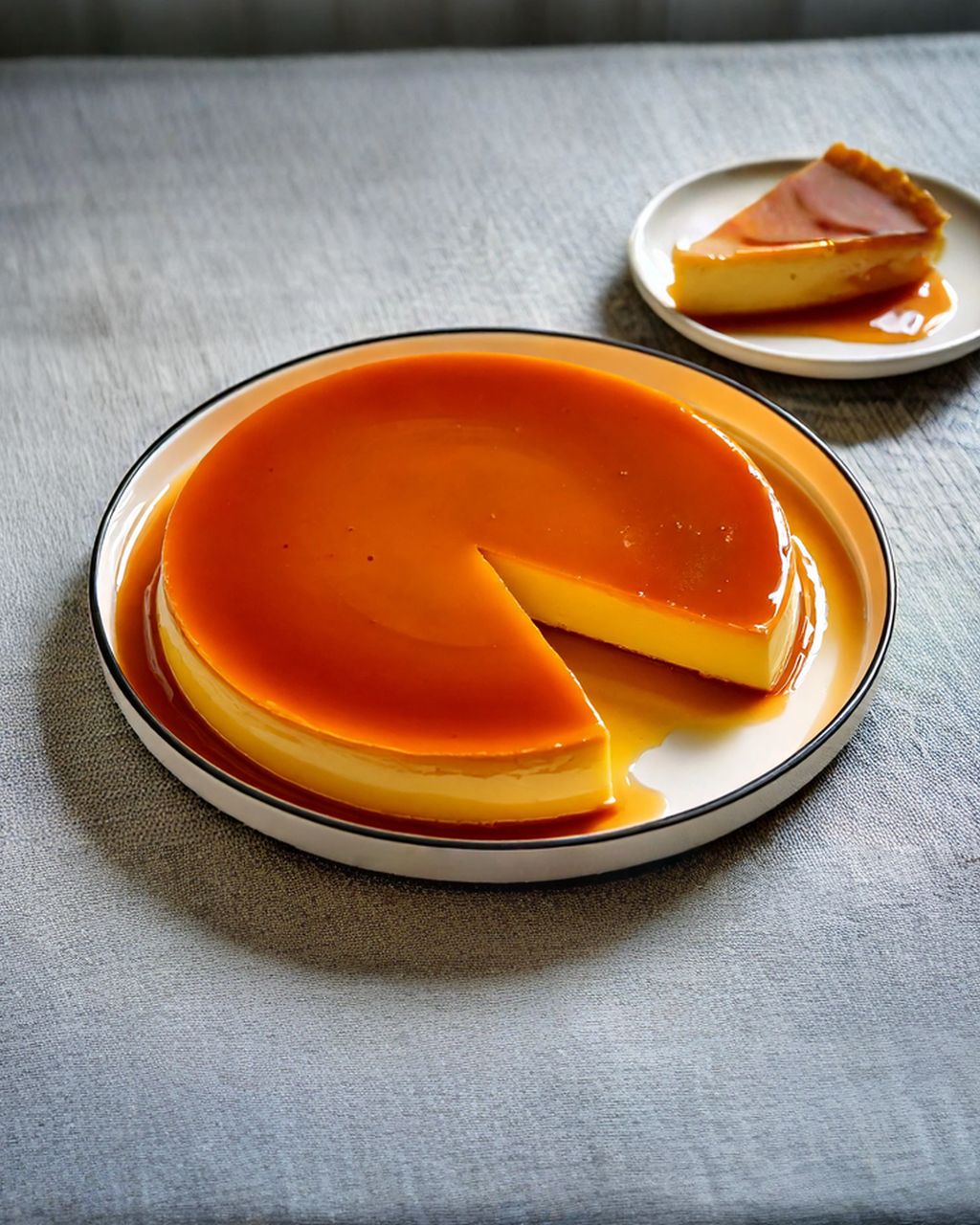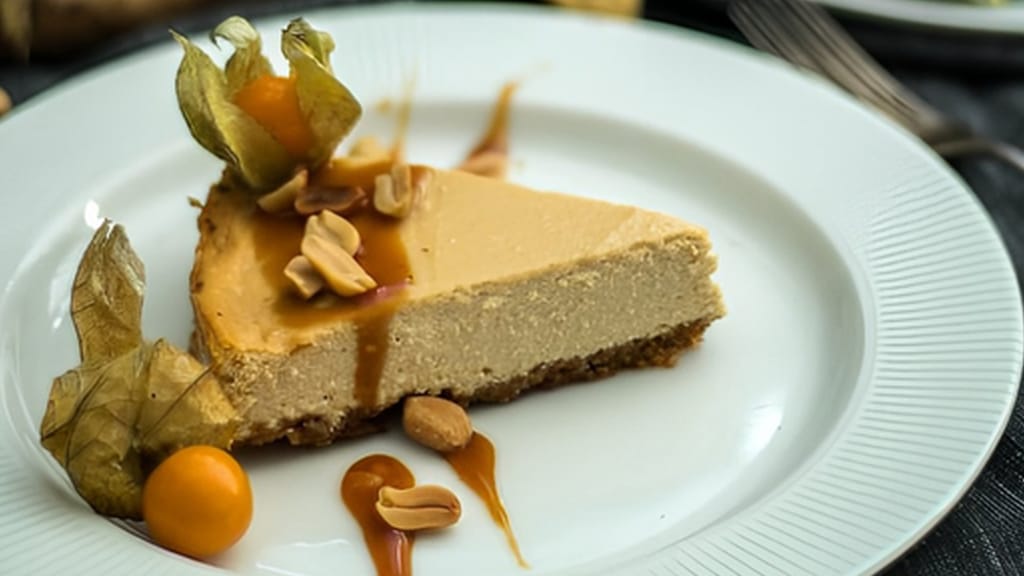
Salted caramel peanut cheesecake
How to Make Caramel from Sugar Without Burning It: Temperature, Method & Common Mistakes
Updated Oct 25, 2026
Caramel is sugar heated to roughly 320–355 °F (160–180 °C) until it breaks down and browns. To make caramel, melt sugar in a heavy-bottomed pan, let it turn amber (about 340–355 °F / 170–180 °C), then stop the cooking right away with cream, butter or water. Caramel turns bitter almost always for the same reason: the sugar got too hot. Past a dark copper color (roughly above 365–375 °F / 185–190 °C), bitterness quickly takes over. It only takes a few seconds of inattention, because the darker caramel gets, the faster it keeps darkening. Below you'll find the method, quantities, colors and temperatures that tell you when the moment is right, the mistakes that send caramel straight to the bin, and what to make with your finished caramel.
You can make caramel from sugar in five steps: get everything ready in advance, melt the sugar, let it color, take the pan off the heat at amber, and stop the cooking with cream and butter.
Get everything ready first. Weigh out the sugar (say 200 g), warm the cream (200 ml, to about 60 °C / 140 °F) and cut up the butter (30–50 g). Once the sugar starts to brown, you won't have time to go looking for anything.
Melt the sugar over medium heat in a light-colored, heavy-bottomed pan. Use either the dry method or a little water (a ratio of about 3 : 1, so 200 g sugar to 60–70 ml water).
Let it color. Don't stir; just swirl the pan now and then to even out the color.
Take the pan off the heat as soon as the caramel is amber and smells nutty. That's around 170–180 °C (340–355 °F).
Stop the cooking. Pour in the warm cream a little at a time, stir in the butter, and finally add salt if you want salted caramel.
For the finished sauce of cream, butter and salt, see the recipe for homemade caramel sauce with 4 ingredients.
Seasonal baking plans, tested recipes and kitchen tricks that save you time. Unsubscribe in one click.
One basic batch of homemade caramel takes 200 g of white granulated sugar and 60–70 ml of water. Over medium heat, the wet method takes about 10–15 minutes and the dry method 5–8 minutes. Once you stop it with cream, this batch makes about 350–400 g of caramel sauce, or one medium jar.
Basic batch (wet method):
Sugar: 200 g white granulated sugar
Water: 60–70 ml (sugar to water roughly 3 : 1)
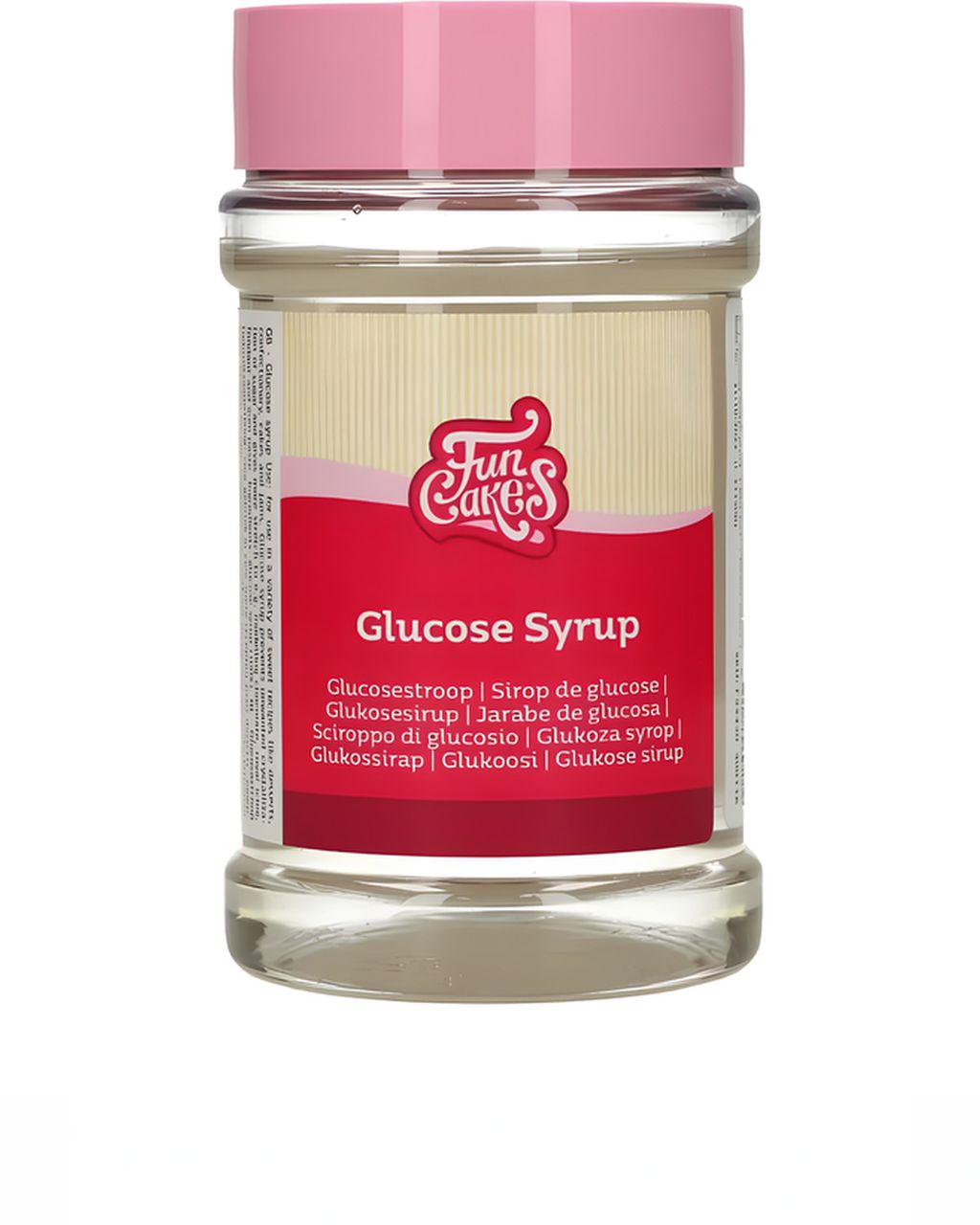
Optional glucose syrup: 20–40 g to prevent crystallization
Extra for the sauce: 200 ml whipping cream (33%), 30–50 g butter, 3–6 g salt for salted caramel
Pan: light-colored, heavy-bottomed, at least 1.5–2 liters in volume, because caramel foams up violently when the cream goes in
How long each stage takes (medium heat, 200 g sugar):
Dissolving the sugar in water: 2–3 minutes, until the syrup is clear
Evaporating the water: 5–8 minutes; the syrup bubbles with big bubbles and stays colorless
Turning amber: 2–4 minutes. This is the fastest and most important stage, so don't walk away from the stove.
Treat the times as a guide: induction, gas and the thickness of the pan base can shift them by a few minutes. Color is a more reliable guide than a timer. Make a double batch (400 g sugar) by the wet method and in a larger pan; the evaporation stage will take about half as long again.
Caramel passes through four colors: light (160–165 °C / 320–329 °F), golden (165–170 °C / 329–338 °F), amber (170–180 °C / 338–356 °F) and dark (180–190 °C / 356–374 °F), and each suits something different. Pastry charts place the caramel stage of sugar at roughly 160–182 °C; sources differ by 5–10 °C at the boundaries, so treat the numbers as a guide.
Light caramel, 160–165 °C: the color of straw to light honey, with a flavor that's almost purely sweet. Good for glazing fruit and wherever you want crunch without a pronounced caramel flavor.
Golden caramel, 165–170 °C: golden honey color with a faint buttery aroma. For caramel spun-sugar webs, decorations and nut brittle.
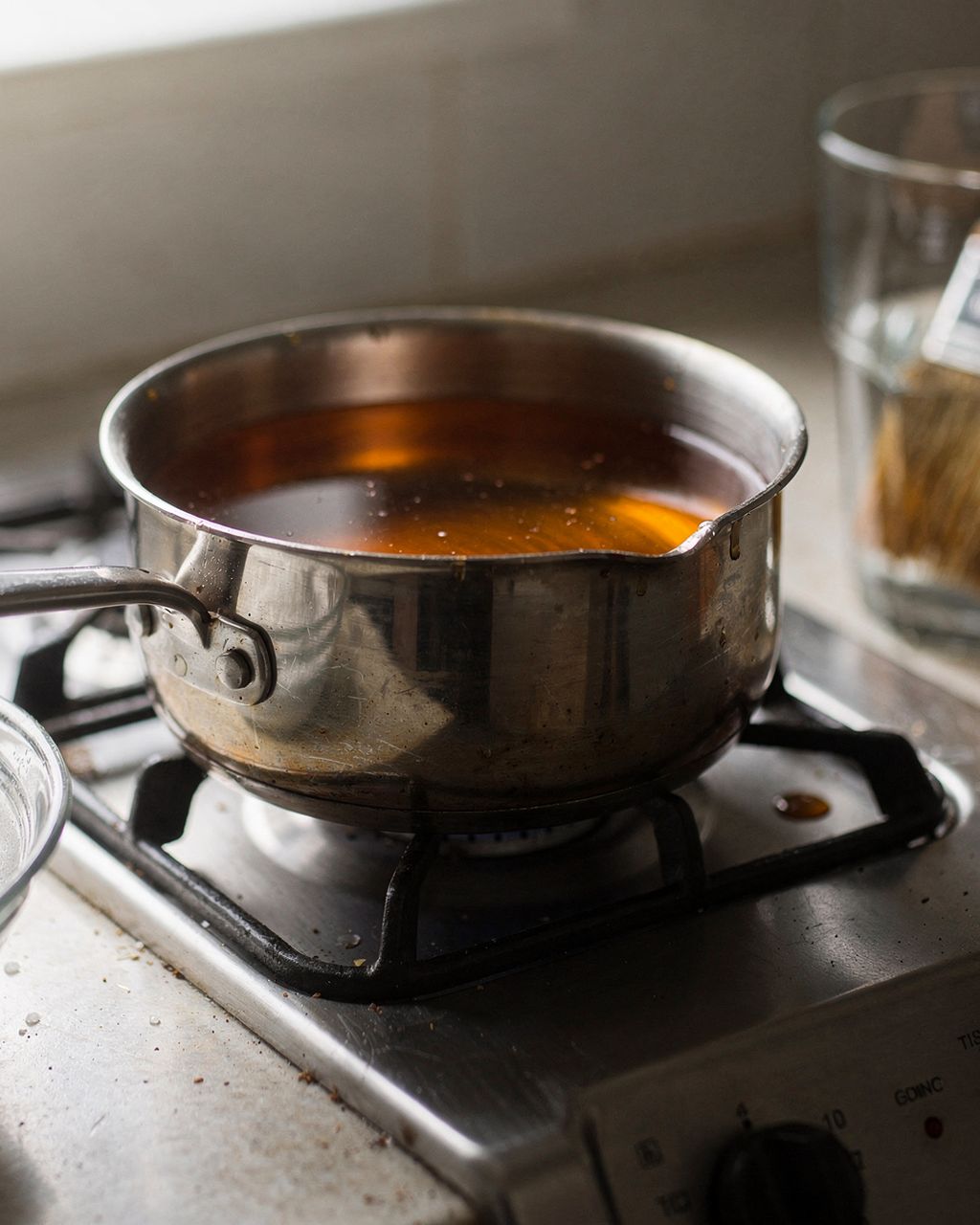
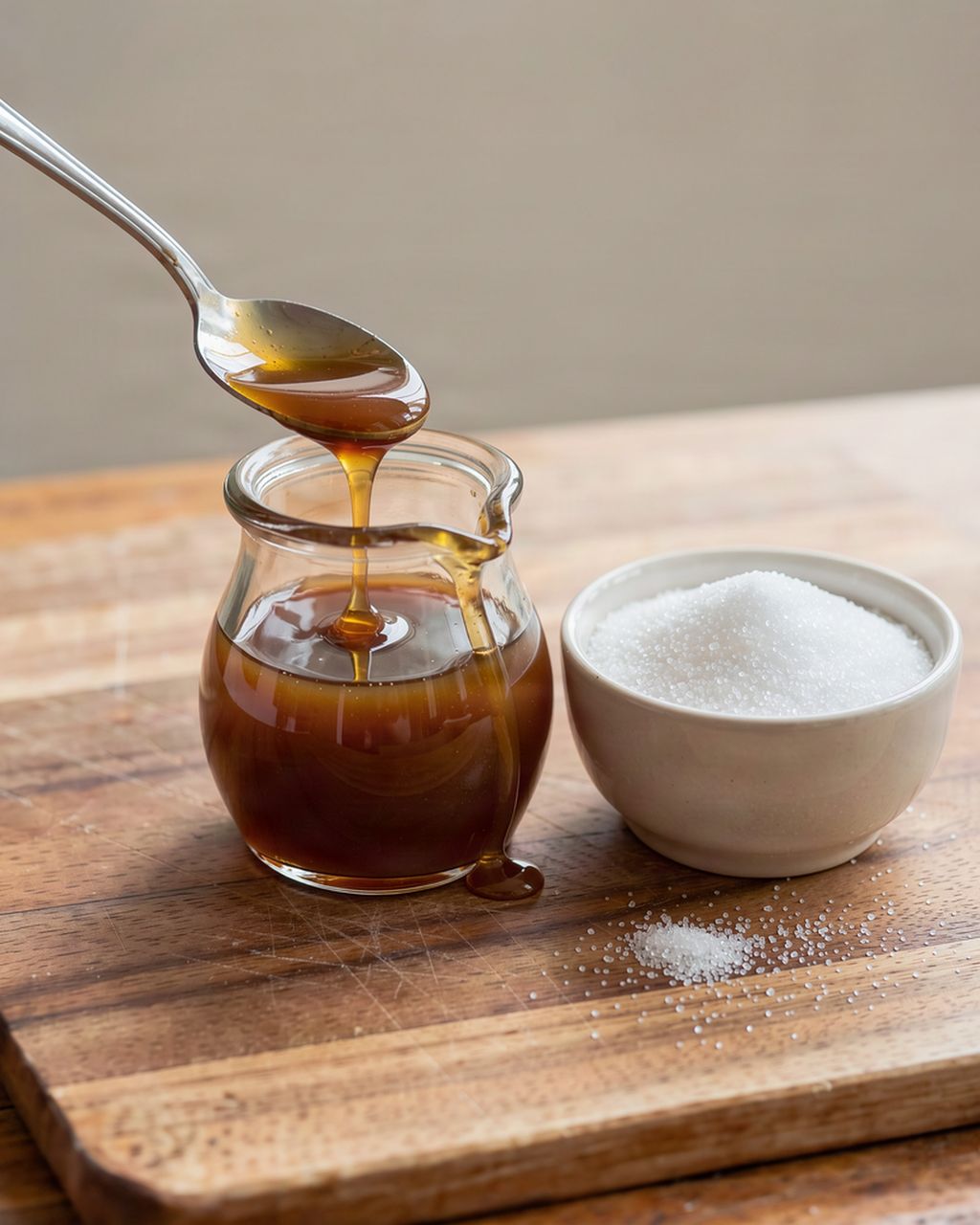
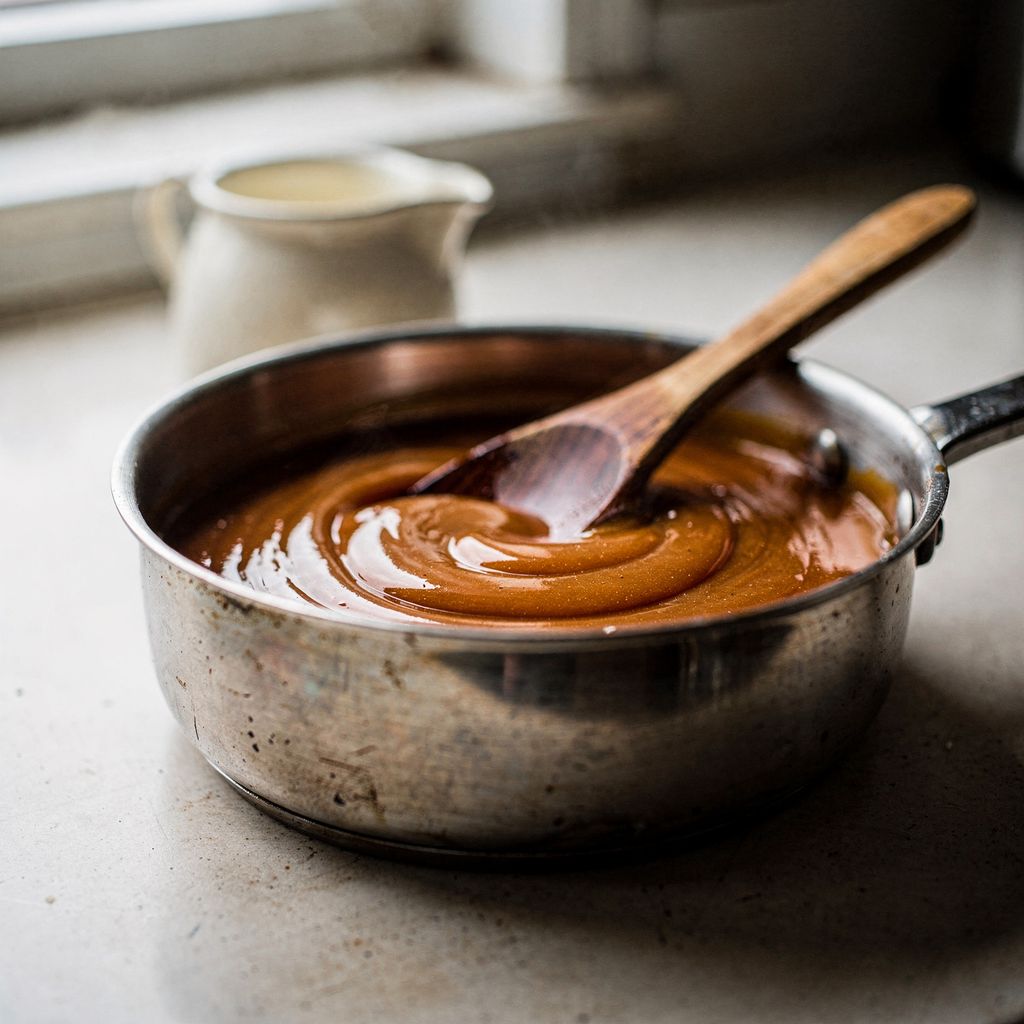
Amber caramel, 170–180 °C: the color of amber or tea, smelling of roasted nuts and toffee, with sweetness balanced by a light bitterness. The all-purpose stage for caramel sauce, salted caramel, caramel flan step by step and caramel candies.
Dark caramel, 180–190 °C: dark copper and distinctly bitter. For bolder sauces and caramel ice cream, where the flavor needs to cut through the cream and sugar, but it's the edge beyond which burning begins.
Burnt sugar, around 200 °C (392 °F) and above: blackish brown to black, smoking, smelling burnt and tasting acrid. There's no rescuing it at this point.
A candy thermometer is the precise route; color is the practical one. A thermometer that reads to at least 200 °C will give you an exact number, but in a small batch (up to 200 g of sugar) the tip barely gets submerged and the reading is inaccurate. At home, go mainly by the color of a drop on a white plate and by smell, and treat the thermometer as a check, not your only guide.
Caramel turns bitter when the sugar overheats. Past a dark copper color (roughly above 185–190 °C), bitterness quickly takes over. At that point the sugar is no longer breaking down into new aromas; it's burning. In short, it's not about how long you cook it but how hot the sugar gets.
According to food science sources, caramelization of sucrose begins at around 160–170 °C. The sucrose first splits into glucose and fructose, which then break down further and combine into hundreds of aromatic and brown compounds. That's why caramel tastes completely different from the sugar it came from. But the same process that creates the nutty and toffee notes also produces bitter, acrid compounds at higher temperatures.
The tricky part is that caramelization speeds up as the temperature rises. The darker the caramel, the faster it keeps darkening, and between amber and burnt there are often only a few seconds. On top of that, a hot pan keeps heating even after you take it off the burner, so the temperature climbs a few more degrees. That's why you should pull the pan off a shade earlier than the color you're after.
You can tell caramel is done by four signs: the color of amber or strong tea, the smell of roasted nuts, pale vapors rather than gray smoke, and a thermometer reading of 170–175 °C (338–347 °F).
Color. In the pan, caramel looks darker than it really is. Spoon a drop onto a white plate and you'll see the true shade.
Smell. The sweet aroma turns nutty as the caramel approaches the ideal. If you catch a sharp, smoky note, it's too late.
Smoke. Faint, pale vapors are fine. Gray smoke means the sugar is burning.
Thermometer. If you have a probe thermometer that reads to 200 °C, take the pan off at 170–175 °C. Color will tell you more, though, because a thermometer often reads inaccurately in a small amount of caramel.
The pan you choose matters more than you might think. Light-colored stainless steel with a heavy base shows you the color and spreads heat evenly. In a dark nonstick pan you can't judge the color, and a thin base creates hot spots where the caramel burns before the rest has even turned golden.
For your first caramel, the wet method (sugar with water) is better: it's slower and more forgiving. The dry method (sugar only) is faster but easier to scorch.
Wet method (sugar + water). Cover the sugar with water in a ratio of about 3 : 1 (200 g sugar, 60–70 ml water), dissolve it over medium heat, then let it cook without stirring. The water evaporates first (the syrup bubbles and is clear), and only then does the sugar begin to brown. This stage takes longer, so you have time to watch the color. The downside: the syrup tends to crystallize. So once the sugar has dissolved, stop stirring and wash any crystals off the sides of the pan with a brush dipped in water.
Dry method (sugar only). Sprinkle a thin layer of sugar into the pan, let it melt, and add more in batches. It's done in 5–8 minutes, but the spots near the base darken before the surface. Swirl the pan and give it a gentle stir at the end with a heatproof spatula. Don't do more than 200–300 g at a time by the dry method, or the bottom will burn before the top melts.
If your caramel turns white and lumpy instead of melting, it has crystallized. A single undissolved crystal, or stirring at the wrong moment, is enough to set crystallization off through the whole pan. You can prevent it by letting the sugar dissolve completely first, then not stirring, washing the sides of the pan with a wet brush, and adding a little glucose syrup (more on that in the section below). If it has already happened, the article on why caramel crystallizes and how to rescue grainy caramel shows you how to save it. If you don't have glucose syrup, see what to substitute for glucose syrup in caramel and candy-making.
You stop caramel cooking by cooling it quickly. Pour in a warm liquid (cream, water, juice) or add butter, or dip the base of the pan in cold water.
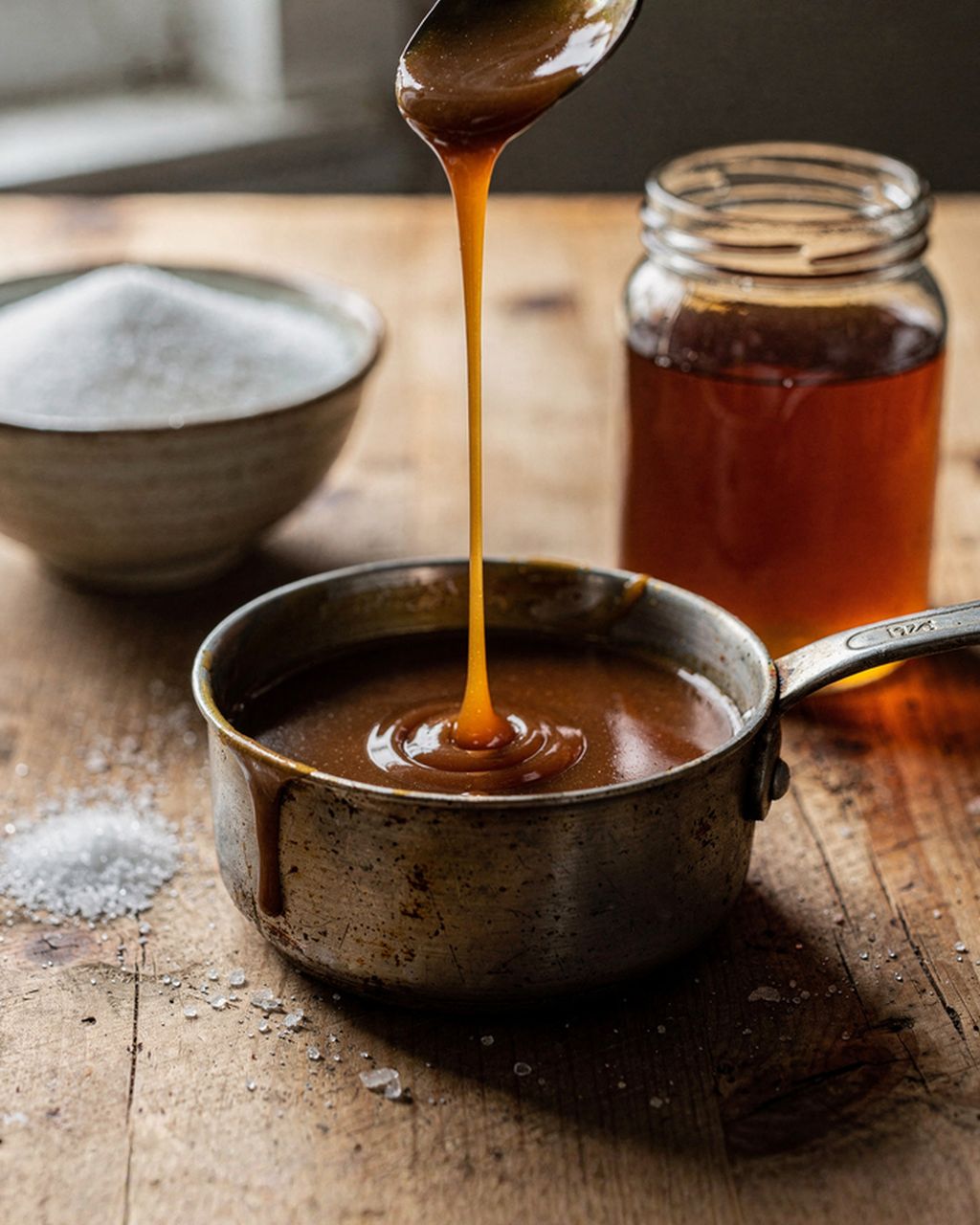
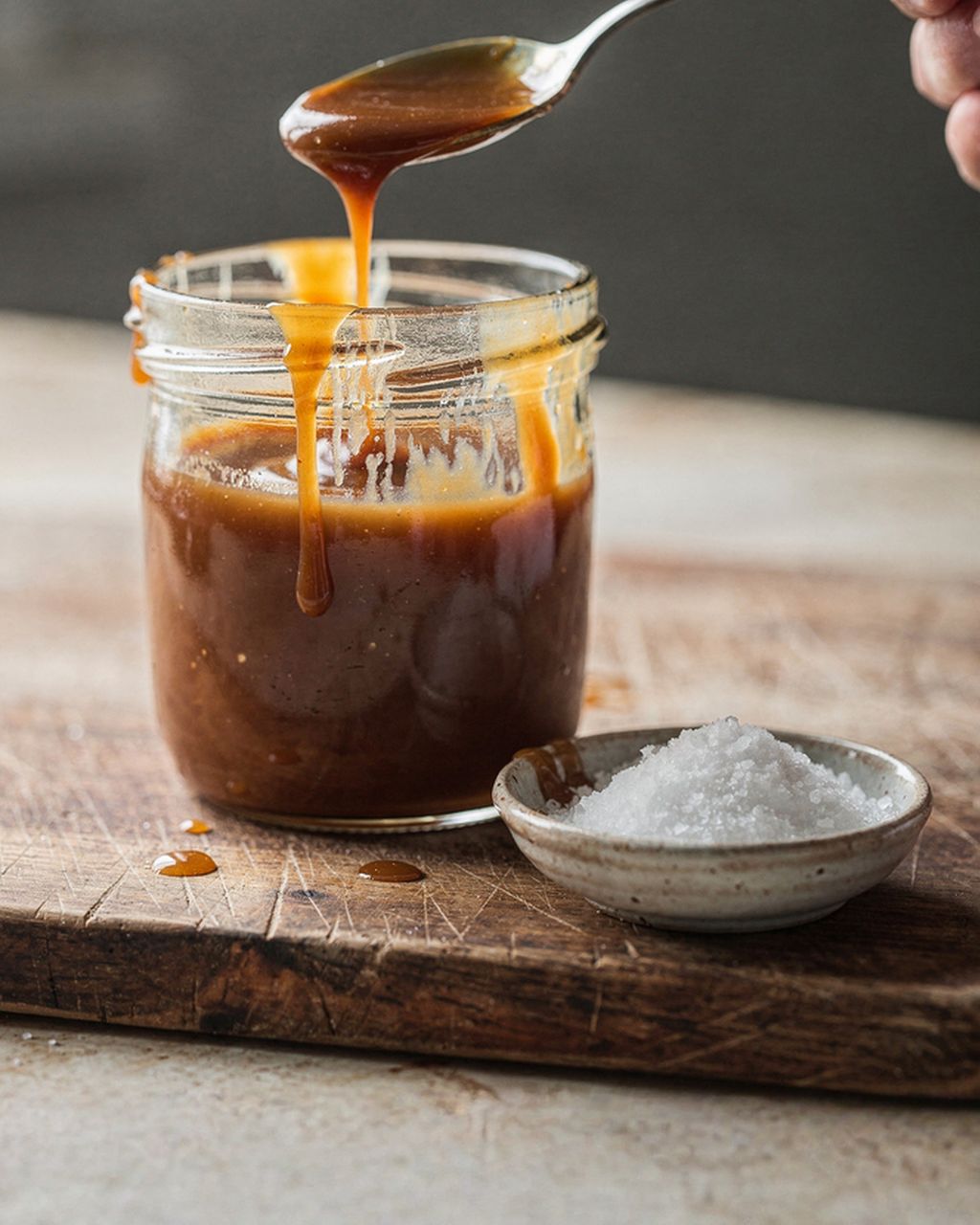
For a sauce: take the pan off the heat and pour in the cream, warmed to about 60 °C (140 °F), in thirds. Cold cream shocks the caramel: it foams up violently and may seize into a lump. Then stir in the butter and salt. For salted caramel, start at about 3 g of salt (a level half teaspoon of fine salt) per 200 g of sugar and add more to taste, up to 6 g. Flaky salt takes up more room, so less of it fits in a teaspoon than fine salt; if you measure by the spoonful, you can add slightly more.
For plain caramel (flan, crème caramel, spun-sugar webs): dip the base of the pan into a bowl of cold water for 2–3 seconds and pour the caramel out immediately.
If the caramel seizes into a lump: don't worry. Put the pan back over gentle heat and stir until it melts smooth again.
When you stop caramel with cream, its color lightens a little more. So expect a sauce made from amber caramel to be a shade lighter than the caramel was in the pan.
Both glucose syrup and invert sugar mainly help caramel against crystallization, not against turning bitter. A few spoonfuls keep caramel smooth and supple, though invert sugar also makes caramel darken faster.
Glucose syrup: add about 10–20% of the weight of the sugar (20–40 g per 200 g sugar). It stops sucrose from re-forming into crystals, which makes the wet method much more reliable. Caramel sauce made with it also won't set rock-hard or turn grainy in the fridge.
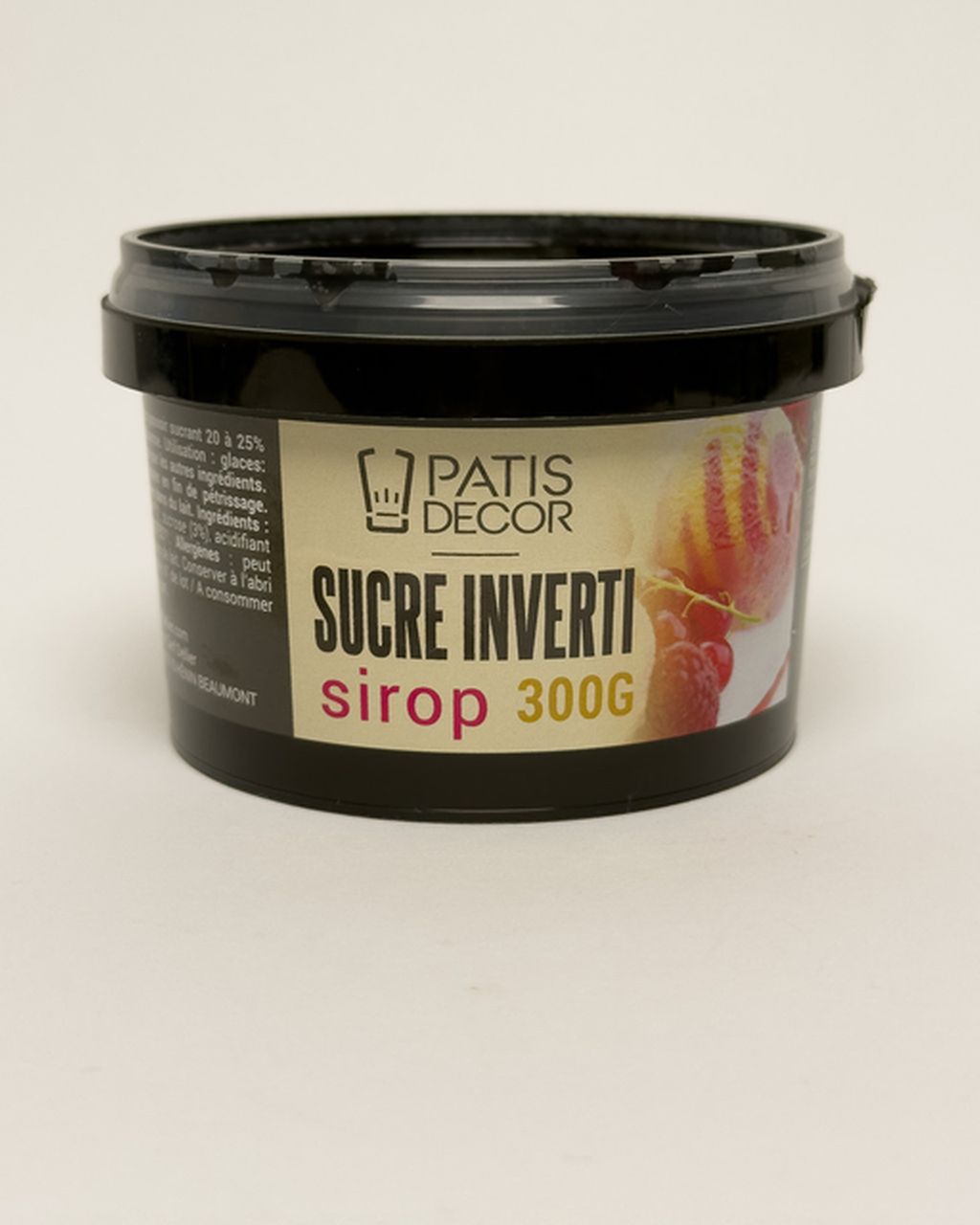
Invert sugar is a mixture of glucose and fructose. Fructose browns at a lower temperature than ordinary sugar, so caramel with invert sugar darkens faster. You only need about 10% (20 g per 200 g sugar), and you should take the pan off the heat a moment earlier than with plain sugar. The reward is a sauce that stays smooth and elastic even when cold, and remains supple in a cake filling or in salted caramel cream.
You'll find both, along with other helpers for pastry cooks, in the baking sugars and syrups category.
Bitter caramel is most often caused by six mistakes: heat that's too high, walking away from the stove, a small or dark pan, taking it off the heat only at the target color, a larger dose of invert sugar or honey, and a pan with leftover old caramel.
Heat that's too high. The sugar colors unevenly and the edges burn. Medium heat is enough, and patience pays off here.
Walking away from the stove. The last 30 seconds decide everything. Don't leave even to fetch the cream; have it ready beforehand.
A pan that's too small or too dark. You can't judge the color in it, and the caramel overheats.
Pulling it off only at the target color. Residual heat finishes the job, so take it off a shade earlier.
A larger dose of invert sugar or honey. Fructose browns sooner, so the caramel colors earlier than you expect.
A pan with leftovers. Old burnt bits make new caramel bitter from the start. Always begin with a clean pan.
You can clean a caramel pan without scrubbing: fill it with water, bring it to a boil and let it bubble for 3–5 minutes. The hot water dissolves the hardened sugar. Caramel isn't grease; it's sugar, and sugar dissolves in water faster the hotter the water is.
Pour in water to roughly the height the caramel reached, ideally a centimeter higher.
Add your tools to the water too: the spatula, whisk, thermometer tip. What would otherwise have to be scraped off dissolves from them as well.
Pour out the sweet water and wash the pan as usual.
Don't scrape hardened caramel with a knife or steel wool: stainless steel gets scratched, and the scratches make it easier for caramel to burn next time. For hardened drops on the countertop or stove, just cover them with a cloth soaked in hot water and wipe them away after a few minutes.
From a basic caramel made with 200 g of sugar, depending on how you stop it, you can make salted caramel, liquid caramel, flan caramel or caramel candies. Without cooking the sugar at all, you can make caramel from condensed milk. Here are the starting ratios; for the detailed method, see the linked article each time.
Salted caramel: 200 g sugar, 200 ml cream (33%), 30–50 g butter, 3–6 g salt. Stop the amber caramel with warm cream, then stir in the butter and salt. The sauce and the cake filling are covered in the article salted caramel at home: sauce, cake filling and what to do with it.
Liquid caramel (caramel sauce without cream): 200 g sugar, 100–150 ml hot water. Stop the amber caramel with hot water in stages and simmer briefly until smooth; once cooled, it stays runny like a syrup. More in the article liquid caramel without cream that won't set when it cools. For flavored caramel syrup for coffee, see the article homemade coffee syrups.
Caramel for flan: 100–150 g sugar for a 20–22 cm (8-inch) mold. Pour plain amber caramel without cream straight over the bottom of the mold and let it set, then pour in the custard. The whole method is in the article flan: silky caramel custard step by step.
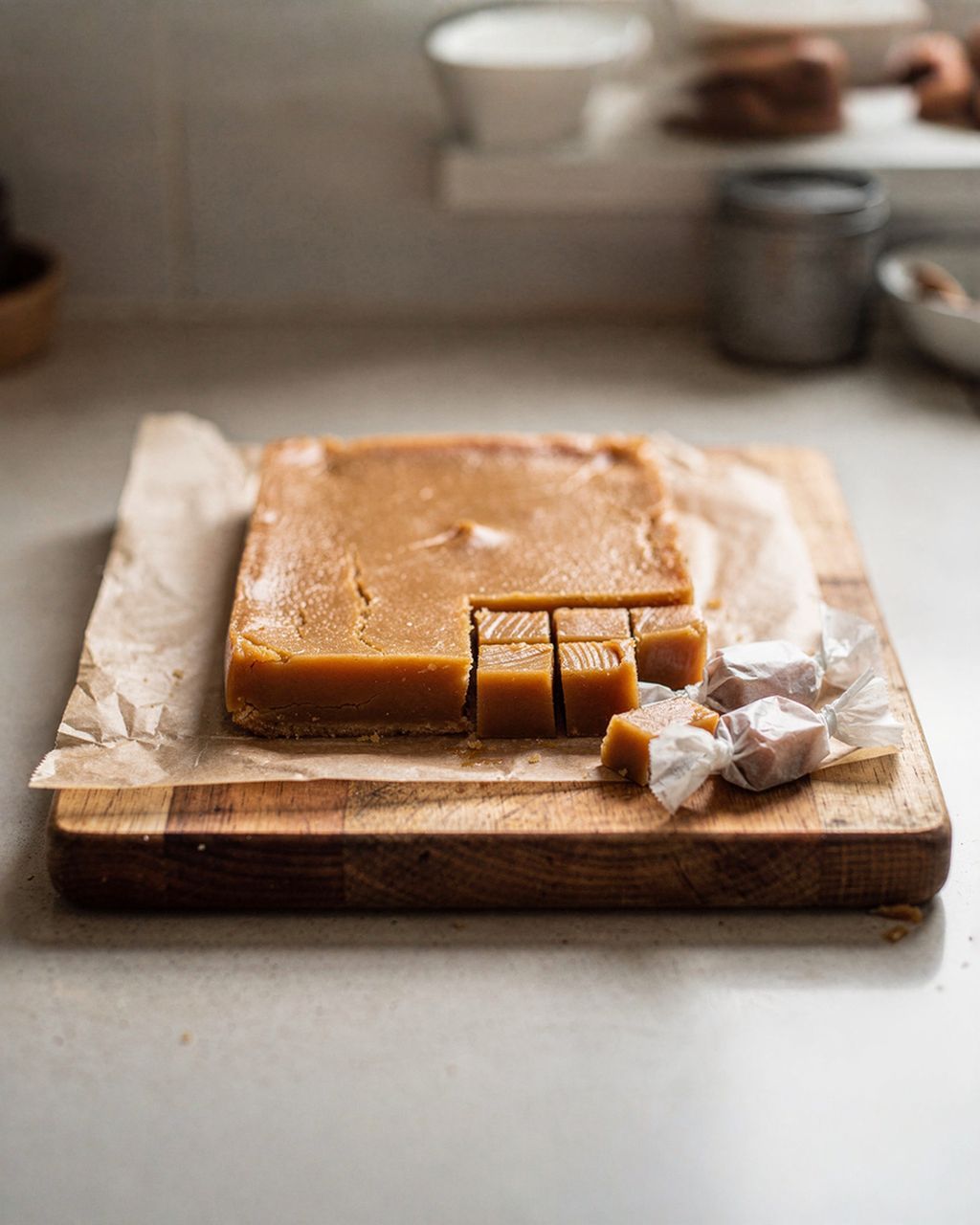
Caramel candies: 200 g sugar, 200 ml cream, 50 g butter, 50 g glucose syrup. Keep cooking the caramel with cream up to 118–121 °C (244–250 °F), pour it into a mold and cut once set. You'll find the temperatures for soft and firmer caramels in the article homemade caramels: how to cook and cut them.
Caramel from condensed milk: 1 can sweetened condensed milk (397 g). Here the sugar isn't caramelized dry; instead the milk thickens and browns through slow heating. The article condensed milk for caramel describes how to cook it safely and turn it into a cake filling.
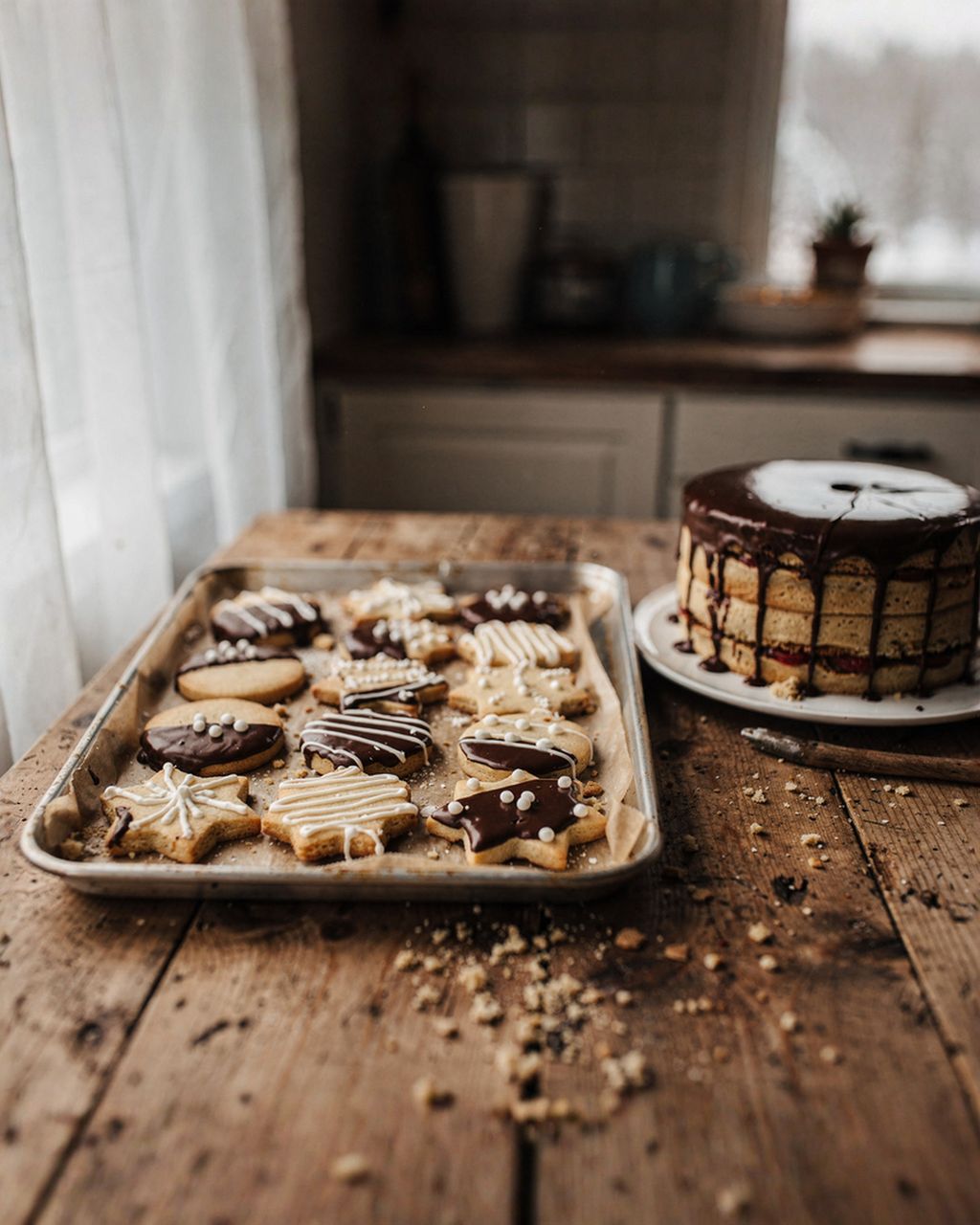
Amber caramel with cream works as a sauce, a glaze or a filling. Try, for instance, a cheesecake with salted caramel and peanuts, a chocolate tart with salted caramel, salted caramel ice cream or linzer cookies filled with salted caramel. A caramel cake has caramel in both the batter and the cream.
Salted caramel peanut cheesecake
Cheesecake with salted caramel and peanuts
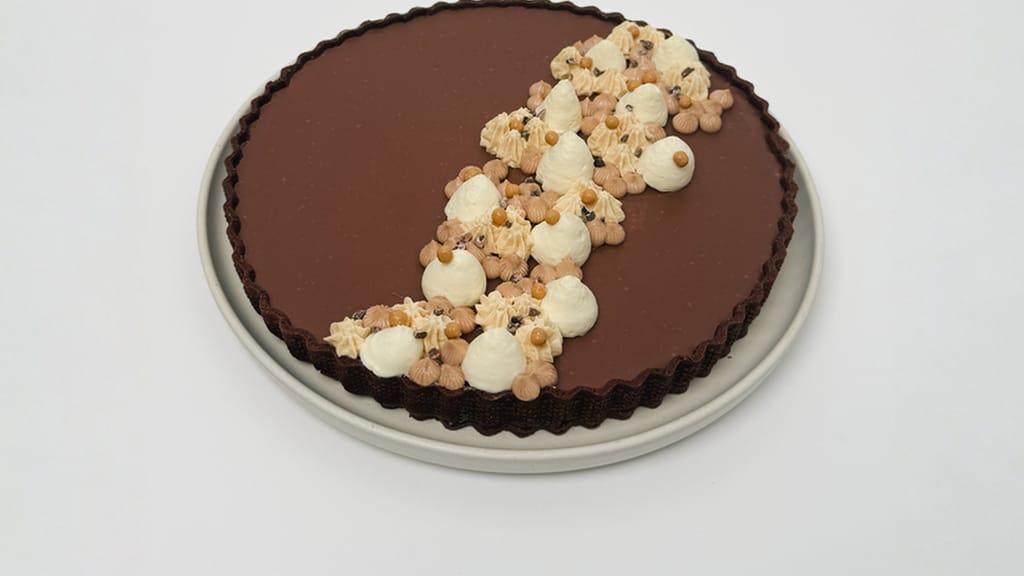
Chocolate tart with salted caramel
Chocolate tart with salted caramel
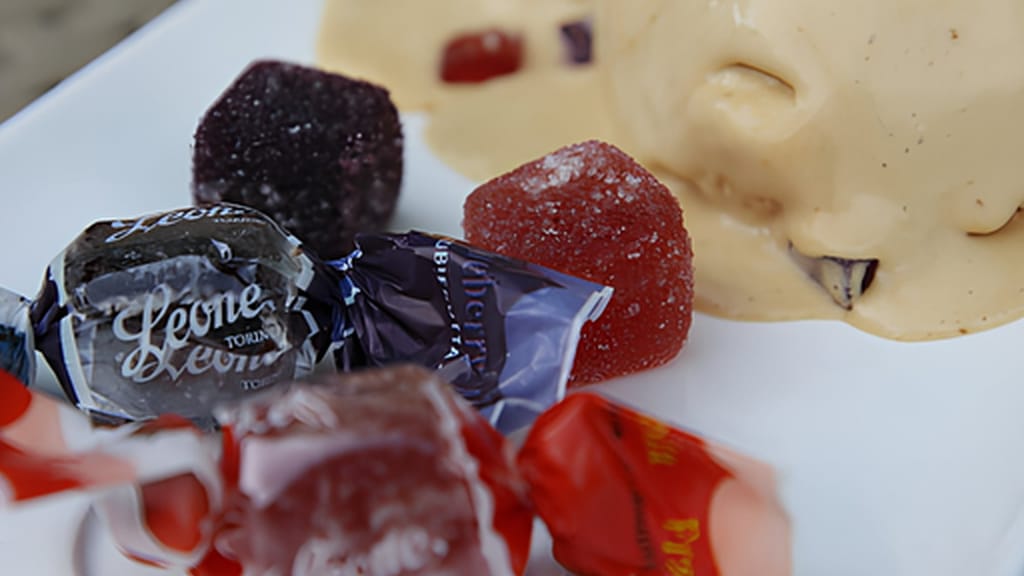
Salted caramel ice cream
Homemade salted caramel ice cream
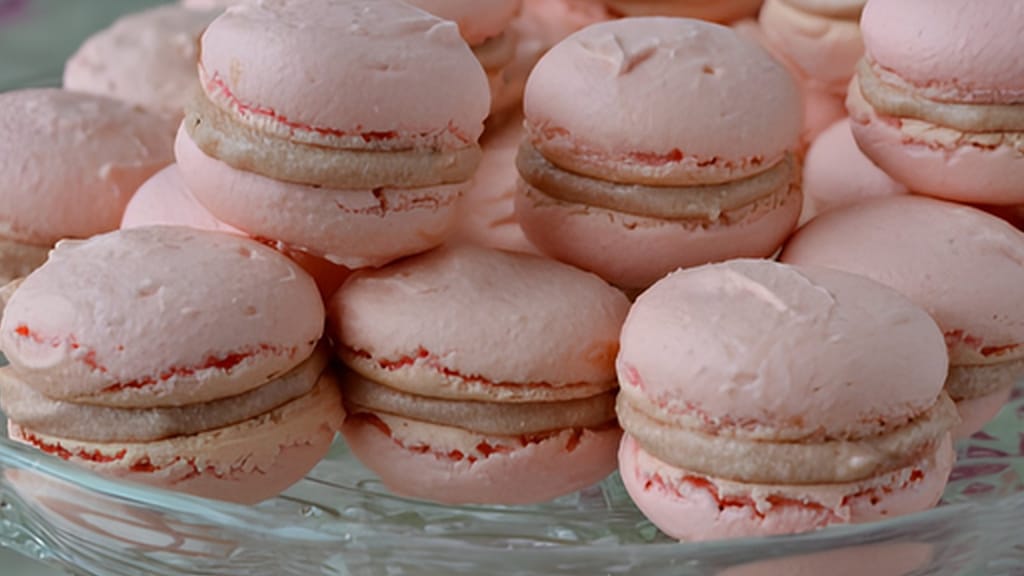
Salted caramel cream - great for macarons and more
Salted caramel cream for macarons and cakes
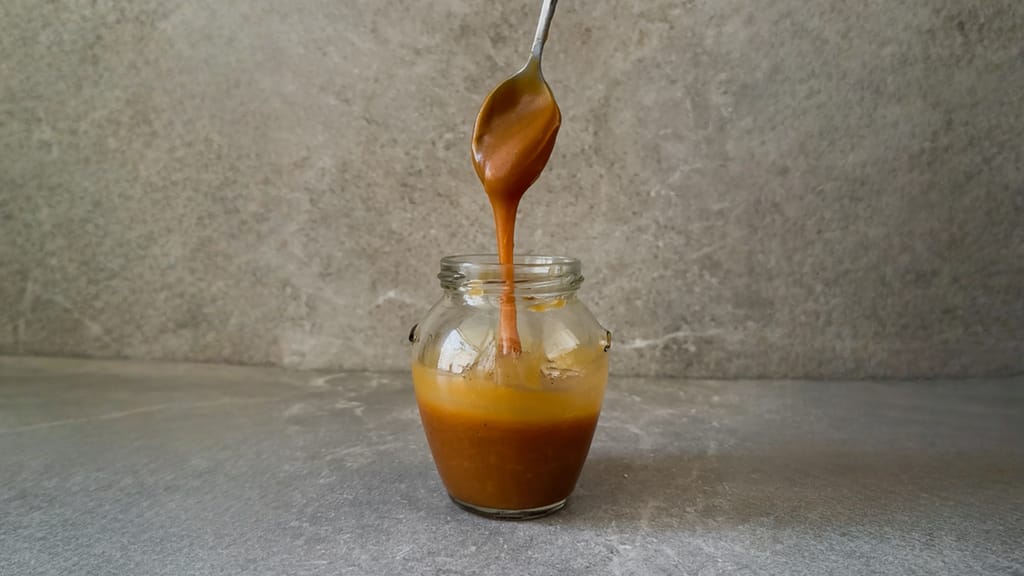
Homemade caramel sauce with just 4 ingredients
Caramel sauce made with sugar, cream, butter and salt
No, burnt caramel can't be saved, because the bitterness carries into anything you thin it with. Caramel that is only slightly overdone and dark copper can still be softened with extra cream and butter. But once it smells burnt or gives off gray smoke, pour it out and start again. 200 g of sugar costs less than a whole ruined dessert.
Caramel sauce most often turns hard once cooled because there is too little liquid for the amount of sugar, or because it was cooked too long after the cream went in and reduced too much. Return it to the pan, add 2–3 tablespoons of hot cream or water, and stir over gentle heat until smooth. Next time, keep to roughly 200 g of sugar to 200 ml of cream, and once the cooking is stopped, simmer the sauce only briefly.
Store homemade cream caramel sauce in a clean, airtight jar in the fridge and use it by the date given on the cream you used, at the latest. It thickens when cold. Before using, warm it briefly in a bain-marie (water bath) or in the microwave in 10-second bursts, and stir.
You can make caramel from cane sugar or brown sugar, but it's harder to judge the color because it's brown from the start. Go mainly by smell and take it off the heat as soon as it smells nutty. The molasses it contains also burns more quickly. For your first attempts, white granulated sugar is more reliable.
Caramel webs and decorations made from plain caramel stay crisp for only a few hours, because sugar draws moisture from the air and turns sticky and soft. Make them just before serving and don't put them in the fridge. Hardened pieces of plain caramel (for crushing, say) stay crisp for several weeks in a dry, well-sealed container.
One recipe worth heating the oven for, one tip, and one deal from the shop. Nothing else.