Grandma's two-fifty cottage cheese bundt cake
Types of Sugar for Baking: Granulated, Caster, Icing & When to Use Each
Updated Oct 6, 2026
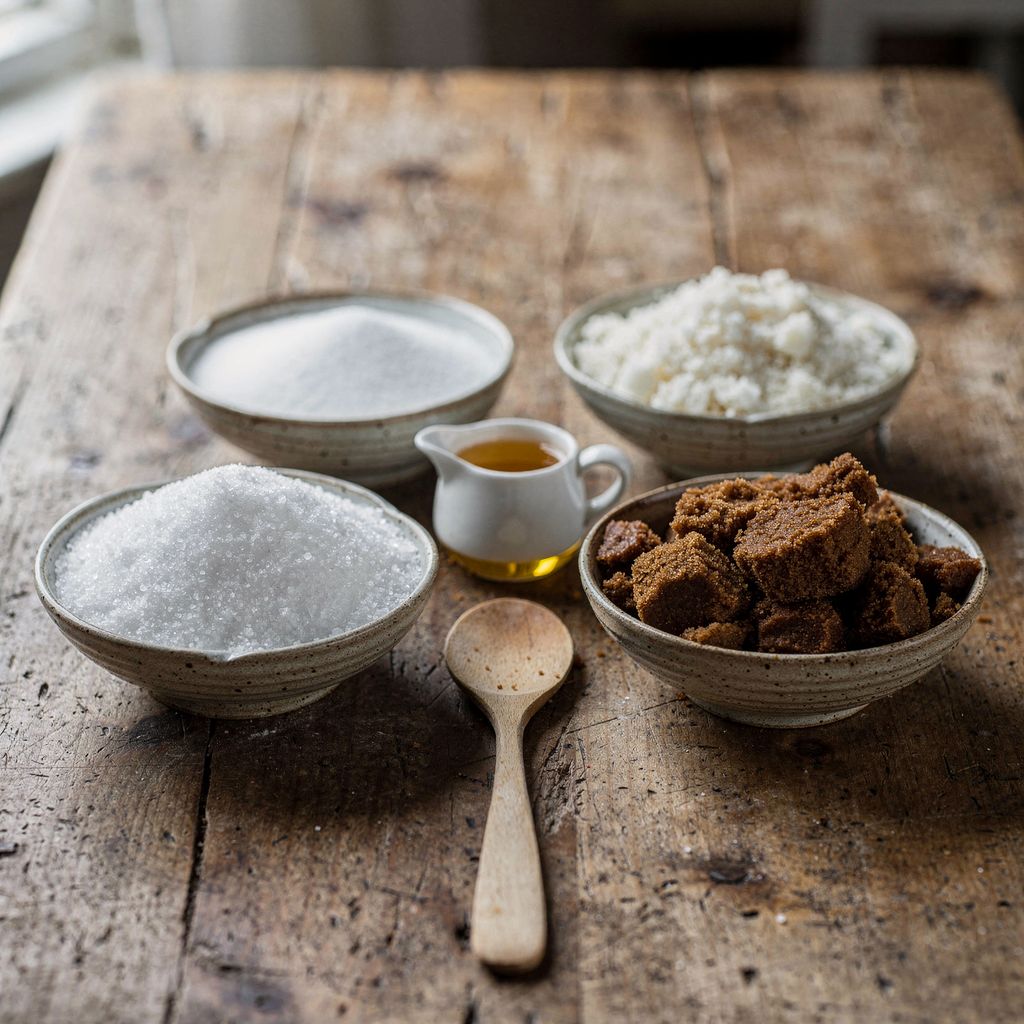
Sugar for baking falls into two groups: white beet sugar in various grain sizes (granulated, caster, icing) and sugars with a different composition altogether (cane, invert, glucose syrup, honey). Granulated, caster, and icing sugar are chemically identical — pure sucrose. The only difference is grain size, and that's exactly what decides whether the sugar dissolves in a batter, whether meringue holds its shape, and whether an icing turns out smooth. Here's which sugar goes where, why it works that way, and what you can use instead.
Sugar does six jobs at once in baking: it binds water, tenderises the crumb, helps aerate the mixture, promotes browning, stabilises foams, and acts as a preservative. That's why you can't just cut it back or swap one type for another without consequences.
Binds water. Sugar is hygroscopic, meaning it attracts moisture. That's what keeps a Bundt cake moist and stops gingerbread from going stale.
Tenderises. It slows gluten development and raises the temperature at which egg proteins set. Less sugar means a tougher, drier bake.
Aerates. When you beat butter and sugar together, the sharp edges of the sugar crystals cut tiny air pockets into the fat. These expand in the oven and help the batter rise.
Browns. Sugar caramelises and, together with proteins, drives the Maillard reaction, which is where that golden crust and aroma come from.
Stabilises meringue. Dissolved sugar firms up whipped egg whites so they don't collapse.
Preserves. It locks up free water, which is why jam and syrup keep so well.
Which of these roles matters most in a given recipe is what decides which type of sugar you should reach for.
Granulated, caster, and icing sugar are all the same sucrose — the only difference is grain size. Granulated is the coarsest, caster is finer, and icing sugar is a fine powder. In the Czech Republic this is defined precisely by law (Decree No. 490/2025 Coll., effective from 14 June 2026, replacing Decree No. 76/2003 Coll.):
Granulated sugar: at least 70% of grains measure 0.4–2.0 mm.
Caster sugar: at least 70% of grains measure 0.16–1.0 mm.
Icing sugar: at least 90% of grains are smaller than 0.4 mm, often much finer still.
The smaller the grain, the faster the sugar dissolves — especially in fat and in low-moisture batters where there isn't much water around. But finer sugar aerates less well, since a fine powder has no sharp edges left to cut air into the butter.
Granulated sugar is the right choice anywhere there's enough water or heat for it to dissolve fully: syrups, preserves, caramel, fruit fillings, yeasted dough made with milk. Its coarse grain also works well as a topping, since it doesn't disappear on the surface and keeps its crunch — think streusel or a sprinkle on a cake before baking.
It doesn't belong in delicate batters or creams, where it won't fully dissolve — you'll either feel gritty bits in the finished bake or see dark specks where the sugar caramelised instead. For caramel, though, it's the ideal choice; more on that in How to make caramel from sugar without it turning bitter.
Caster sugar is the most versatile sugar for baking. It dissolves fairly quickly while still having enough grain to aerate well when beaten with butter. Reach for it for:
creamed batters: Bundt cakes, yogurt redcurrant muffins, sponge and butter-based cakes,
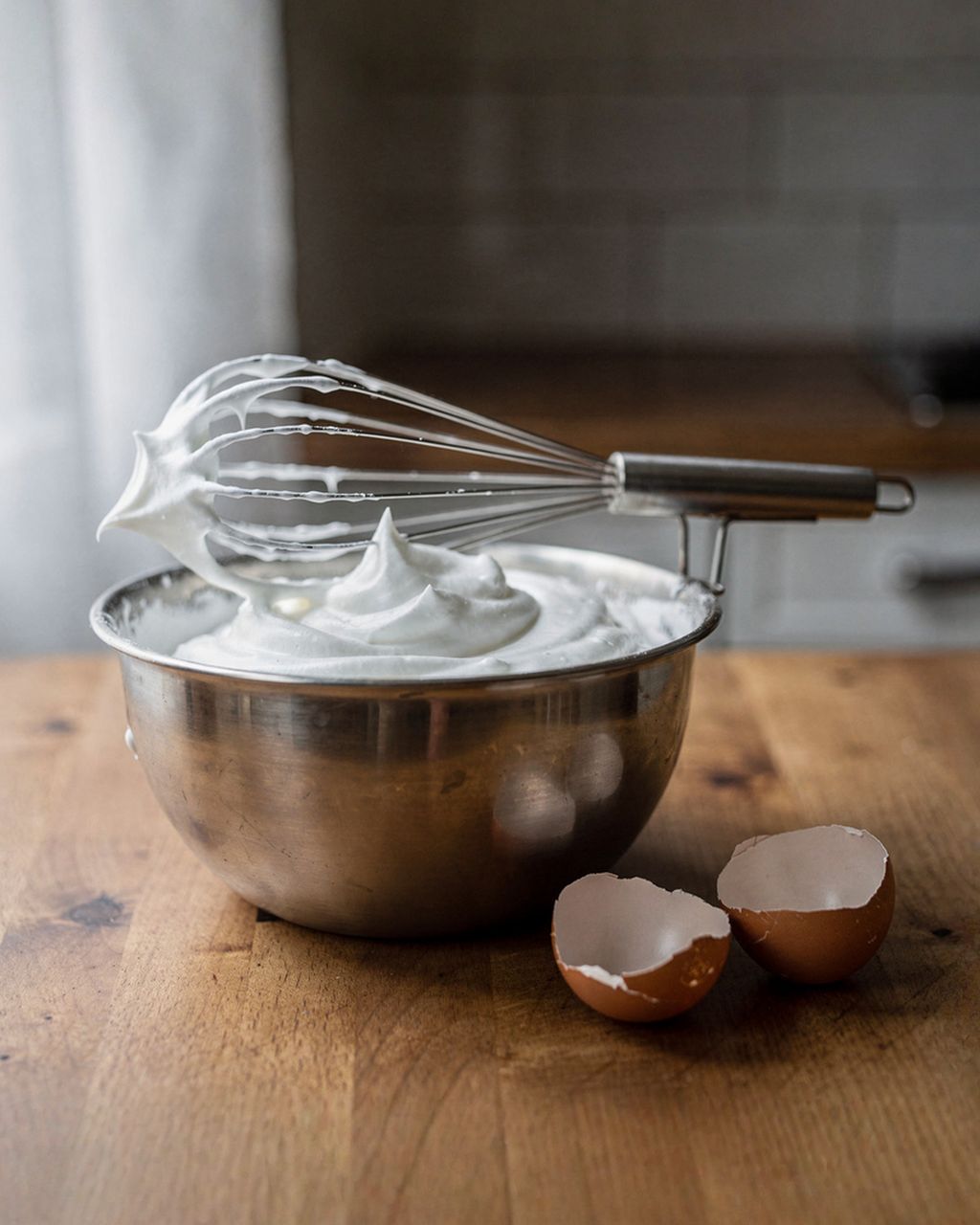
meringue and whipped egg whites, where it dissolves gradually into the foam and helps it hold firm,
cookies you want to have a lightly crisp edge.
For meringue, add caster sugar a spoonful at a time, starting only once the egg whites are already foaming. Add it too early and the whites whip up more slowly, giving you less volume. If the meringue feels grainy between your fingers, the sugar hasn't dissolved yet — keep whisking.
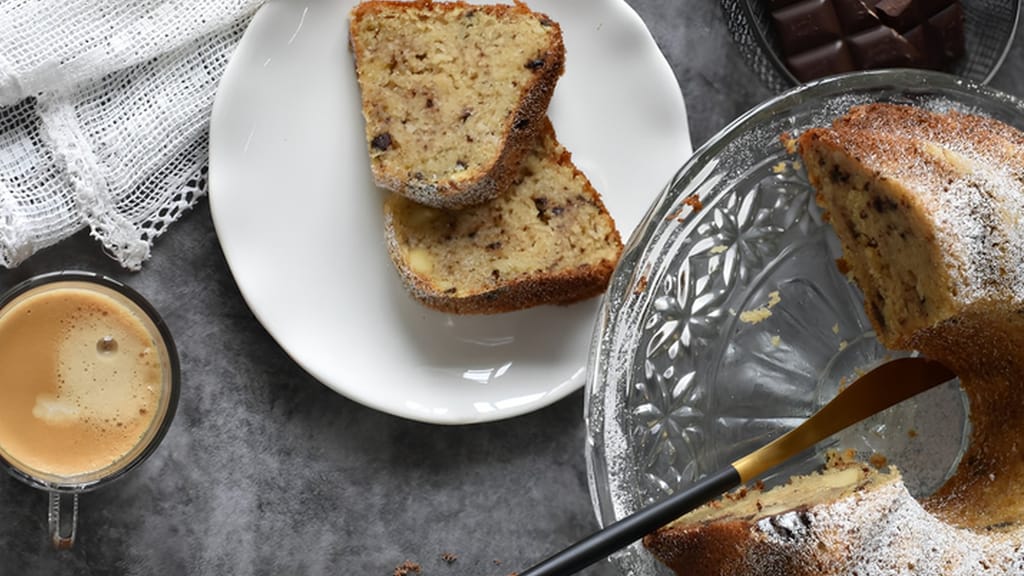
Grandma's two-fifty cottage cheese bundt cake
Two-fifty: Grandma's curd cheese Bundt cake, a creamed batter made with caster sugar
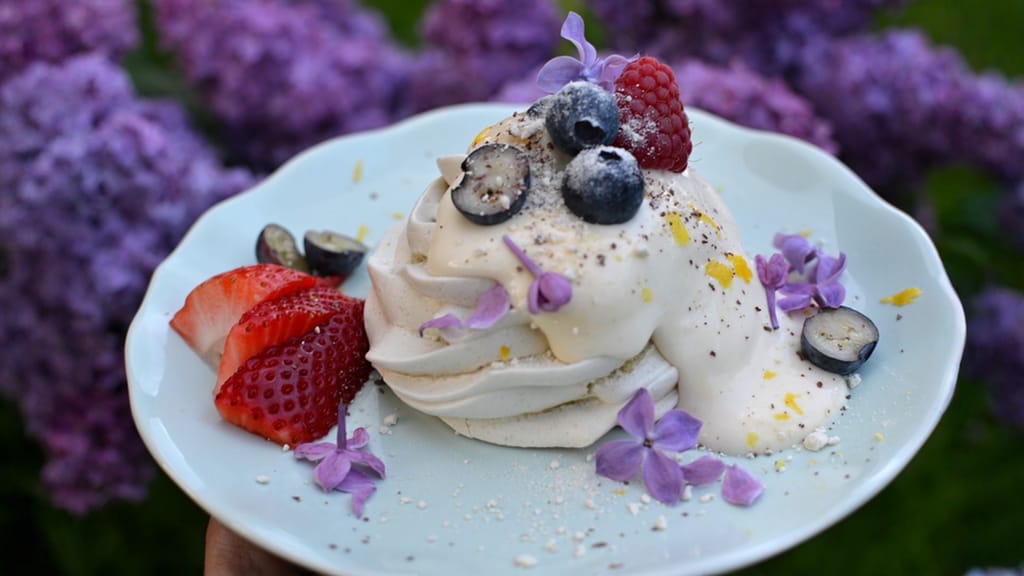
Lilac meringue kisses with lemon curd cream and fresh fruit
Lilac meringue kisses: whipped egg whites with caster sugar in action
Icing sugar dissolves almost instantly, even in fat, which is why it belongs in shortcrust and linzer-style doughs, buttercreams, icings, and for dusting. Pastries made with icing sugar are more delicate, hold their shape better, and have a smooth, velvety crumb.
Shortcrust doughs: linzer biscuits, vanilla crescent cookies, sugar cookies.
Creams and icings: buttercream, lemon icing, royal icing. Caster sugar would feel grainy in these.
Dusting and coating: crescent cookies, Bundt cake, braided sweet bread.
Two things to watch for. Some icing sugars contain a small amount of anti-caking agent, so check the ingredients list. And icing sugar loves to clump, so always sift it before adding it to cream or icing. For more on why icing sugar specifically suits festive baking, see Icing sugar in holiday baking: why not caster — and when it actually is the better choice.
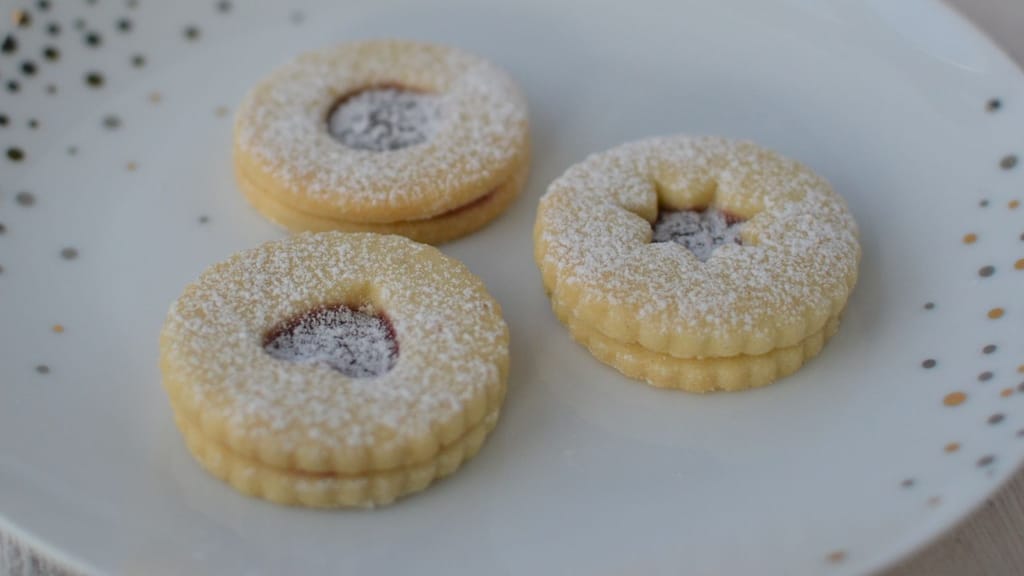
Classic christmas cookies: delicate linzer cookies
Classic linzer biscuits: traditional Christmas baking made with icing sugar
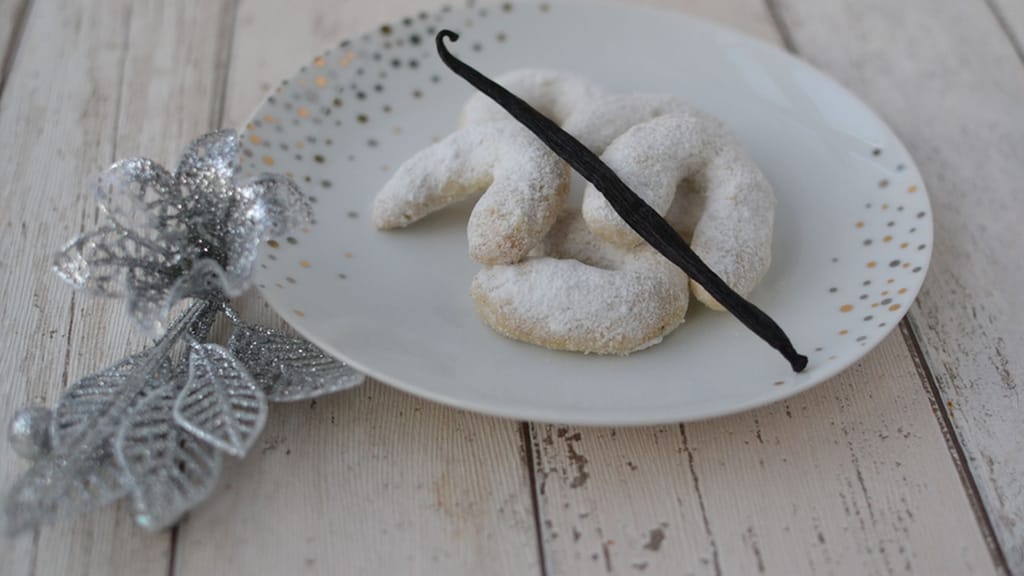
The best christmas cookies? vanilla crescents, of course!
Vanilla crescent cookies: a classic where icing sugar gives both the dough and coating their delicate texture
Sugar christmas cookies - delicate and crisp
Delicate sugar Christmas cookies made with icing sugar
Cane sugar is worth reaching for when you want moistness and a caramel note: gingerbread, brownies, chewy cookies. The reason is molasses, which it contains alongside sucrose, adding moisture, flavour, and a darker colour. The darker the sugar, the more molasses it contains and the stronger its flavour.
Light cane sugar, demerara: dry, larger crystals, a mild caramel flavour. Good for topping and in streusel.
Dark sugar, muscovado: moist, sticky, with notes of liquorice and caramel. Belongs in gingerbread, brownies, and oat cookies.
Molasses binds water, so cookies made with brown sugar turn out softer and chewier, while ones made with white sugar are crisper. It's also slightly acidic, which means it pairs well with baking soda, which needs acid to activate. If you swap white sugar for brown, expect a darker, moister, denser result. Cane sugar doesn't belong in a pale sponge or meringue.
Brown sugar hardens when exposed to air as its moisture evaporates. Store it in a well-sealed container. If it has already hardened, pop in a slice of apple or a piece of bread overnight and the sugar will soften back up.
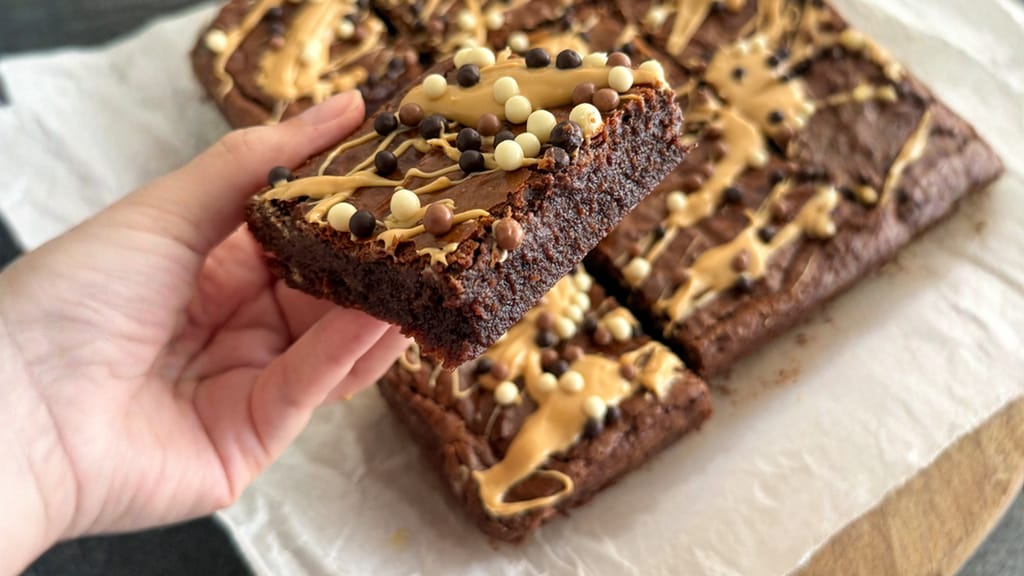
Yumsto signature fudgy brownies with toppings
Moist, chewy brownies with a crumble topping: a bake where dark cane sugar really shines
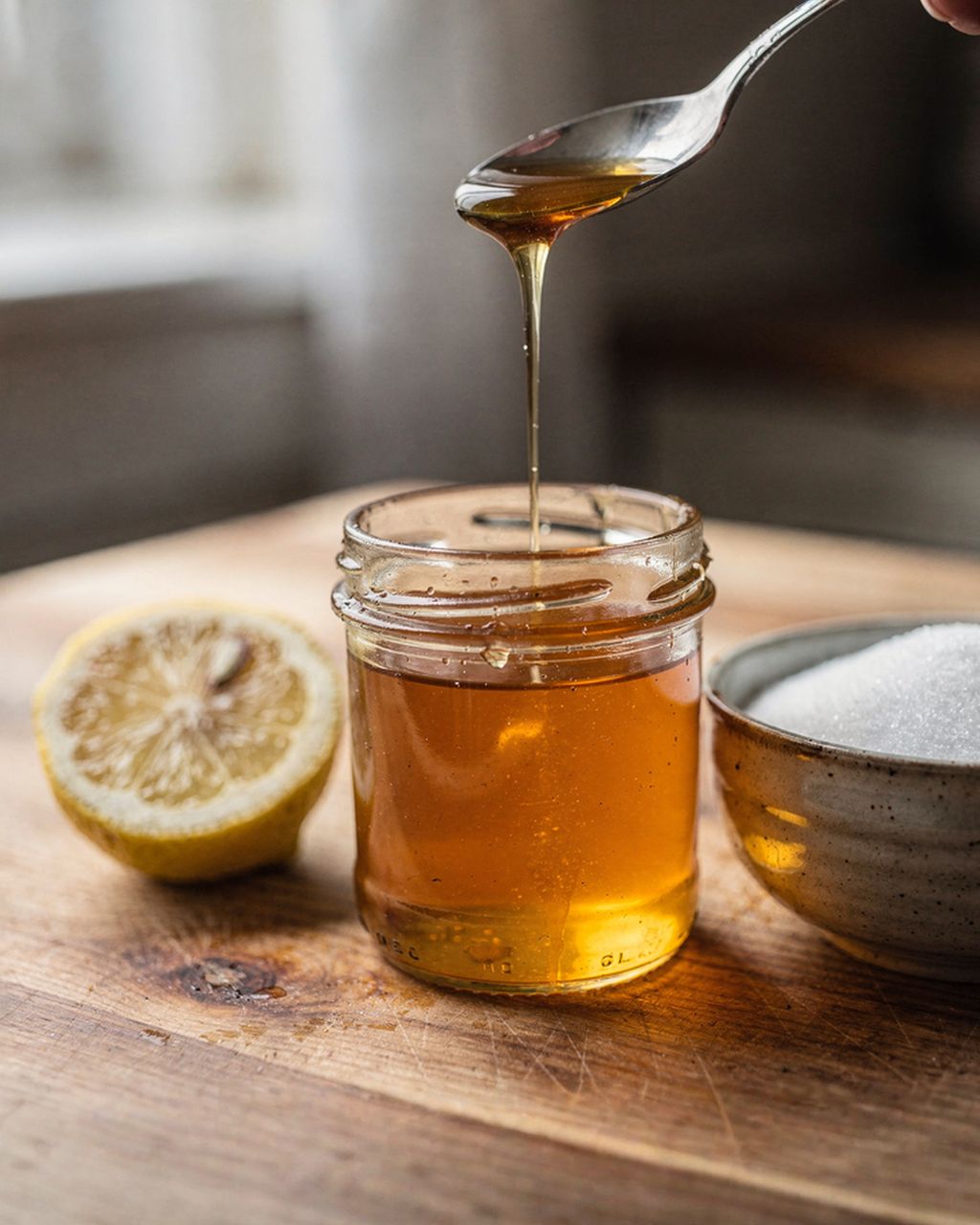
Liquid sugars used in baking include invert sugar, glucose syrup, and honey: all of them slow down crystallisation, and invert sugar and honey also bind water strongly. Pastry chefs reach for them wherever a bake needs to stay moist for longer, or where sugar might otherwise recrystallise into grains.
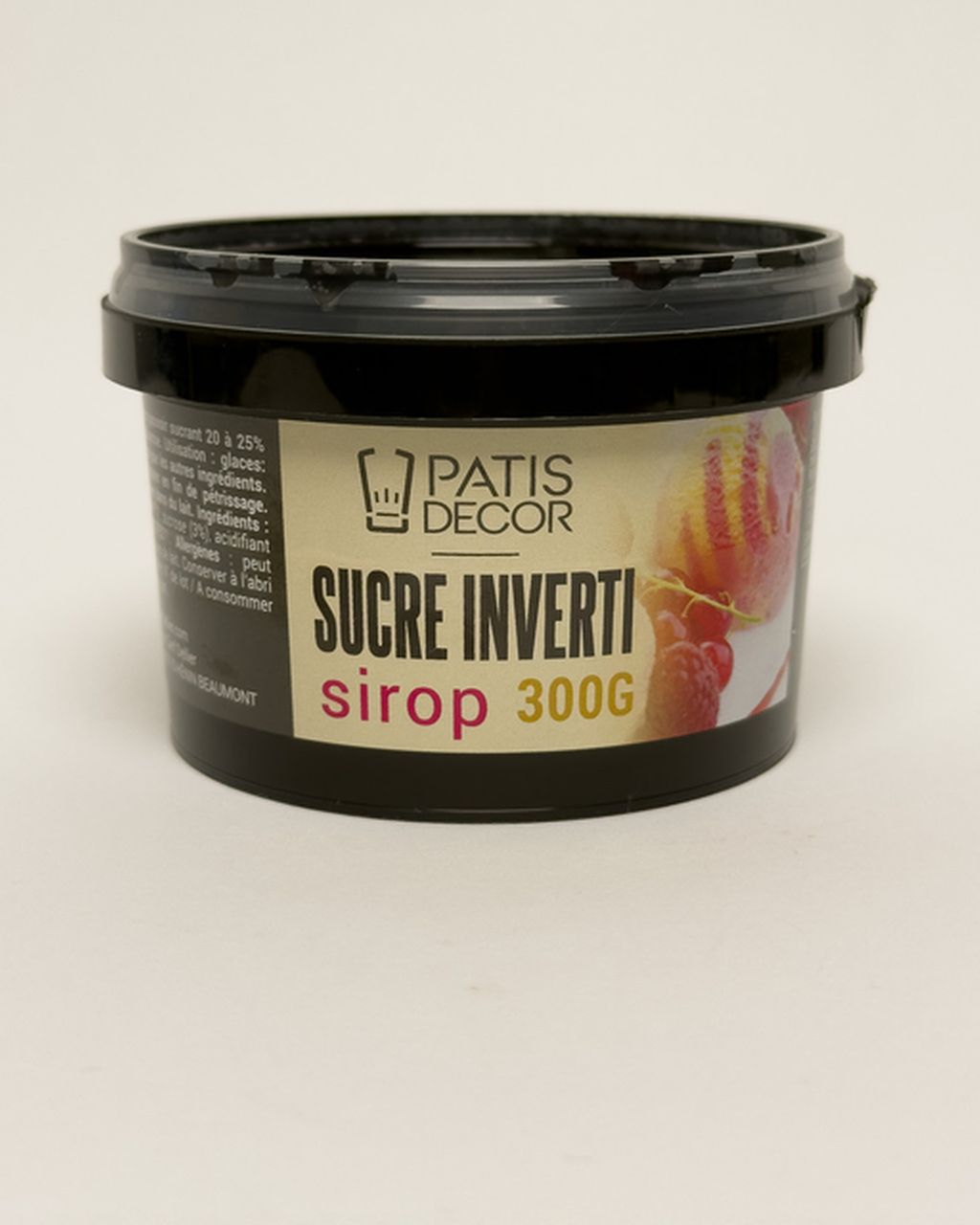
Invert sugar is sucrose split into glucose and fructose. It's slightly sweeter than regular sugar, binds moisture strongly, and doesn't crystallise. It's what keeps gingerbread cookies, Bundt cakes, and muffins moist for several extra days, gives ganache its smoothness, and keeps ice cream creamy rather than icy.
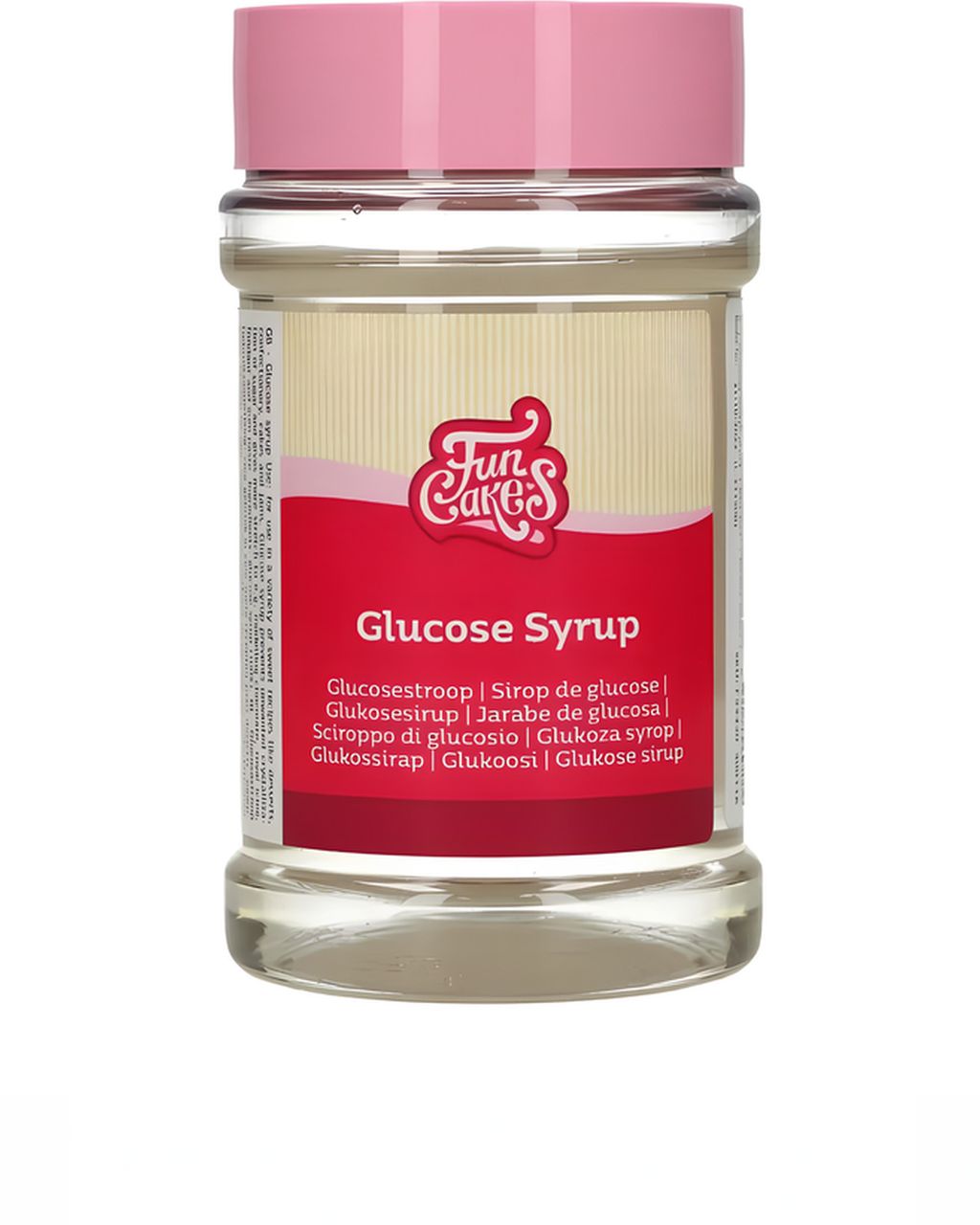
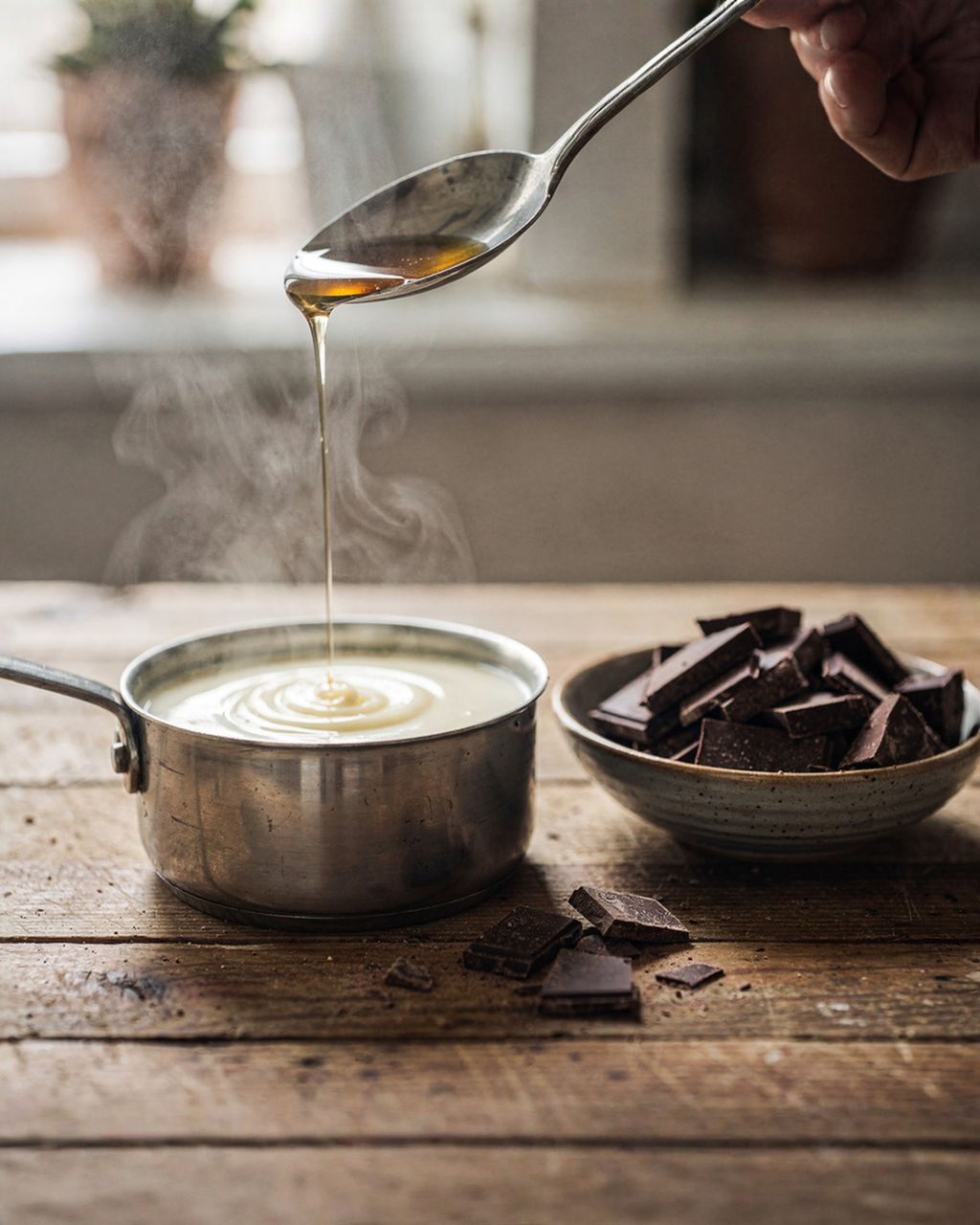
Glucose syrup is less sweet than sugar. It's used mainly to prevent crystallisation and to add shine: in mirror glazes, fondant, caramel, and ganache.
Honey behaves similarly to invert sugar, since it's also largely a mix of glucose and fructose. On top of that, it brings a distinct flavour, which is why it suits bakes where you actually want that taste — gingerbread being the classic example.
How to use invert sugar: don't replace all the sugar with it. Swapping roughly a quarter to a third of the sugar in a recipe for the same weight of invert sugar is enough. Fructose browns faster than sucrose, so bakes made with invert sugar or honey will turn golden sooner. Keep an eye on it towards the end of baking, or drop the oven temperature by about 10°C (18°F). You'll find invert sugar, glucose syrup, and other baking sugars together in the sugars and syrups category. For a deeper dive into invert sugar, see Invert sugar: what it is and why pastry chefs use it.
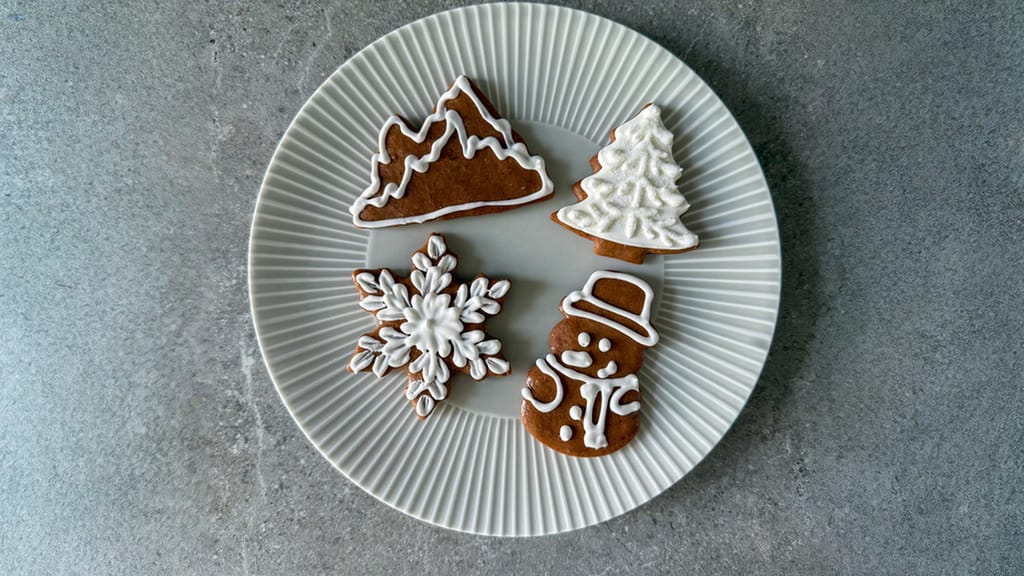
Soft honey gingerbread cookies that never go hard
Soft honey gingerbread cookies that stay fresh for ages, thanks to honey acting as a liquid sugar
Granulated sugar belongs in syrups and caramel, caster sugar in creamed batters and meringue, icing sugar in shortcrust and icings; here's a quick guide by use.
Syrup, jam, caramel, yeasted dough: granulated sugar
Bundt cake, muffins, sponge, creamed batters: caster sugar
Meringue, meringue kisses: caster sugar (or icing sugar for French meringue)
Linzer biscuits, vanilla crescent cookies, delicate cookies: icing sugar
Buttercream, icing, coating: icing sugar
Gingerbread, brownies, chewy cookies: dark cane sugar or honey
Topping, streusel: granulated sugar or demerara
Bakes that need to stay moist for a long time: replace part of the sugar with invert sugar
Ganache, glaze, fondant: glucose syrup or invert sugar
Granulated, caster, and icing sugar can be swapped for one another 1:1, but always by weight, never by cup. A cup of icing sugar weighs around 120 g, while a cup of caster sugar weighs around 200 g — measuring by cup would leave you with almost half as much sugar as you need.
No icing sugar? Blitz granulated or caster sugar in a dry blender until it's as fine as possible, then sift it. That's fine for batters and icings.
No caster sugar? You can use granulated sugar in creamed batters, just beat the butter and sugar together a bit longer so it has time to dissolve. For meringue, it's better to blitz granulated sugar briefly first.
White sugar for cane sugar: 1:1 by weight. The result will be darker and moister.
Granulated sugar for a liquid sugar (honey, syrup): replace no more than a third of the sugar, and reduce the liquid elsewhere in the recipe slightly, since liquid sugar already contains water.
Don't just casually cut back on the sugar in a batter either. Reduce it by more than a quarter and it's not just about sweetness: the bake will turn out drier, tougher, and paler, since sugar also binds water and helps browning.
Vanilla sugar and vanillin sugar aren't the same: vanilla sugar is flavoured with real vanilla, while vanillin sugar uses synthetic vanillin. Vanillin sugar is cheaper and tastes flat and simply sweet, whereas real vanilla has a fuller, deeper aroma. For baking where vanilla really shines, like crescent cookies, it's worth using the real thing — or making your own with a vanilla pod.
Icing sugar pulls in moisture from the air, and because its grains are so fine, it clumps together easily. Store it somewhere dry in a well-sealed container, not next to the stove or dishwasher. Clumps aren't a problem — just sift the sugar or give it a quick blitz in a blender before using it.
White sugar (granulated, caster, icing) keeps almost indefinitely when stored dry, since it doesn't contain enough water for microorganisms to grow. The date on the pack is really just a formality. Moist brown (dark cane) sugar dries out and hardens over time, but it can be softened again. Liquid sugars like invert sugar and syrups have a shorter shelf life, so follow the date on the pack and seal them well after opening.
Sugar in baking can only be partly replaced with sweeteners. Sweeteners like stevia or erythritol add sweetness, but they don't bind water, don't caramelise, and don't aerate the batter the way sugar does. The result tends to be drier, paler, and denser. It's safer to use a recipe specifically developed for that sweetener than to simply swap it into a regular sugar-based recipe.
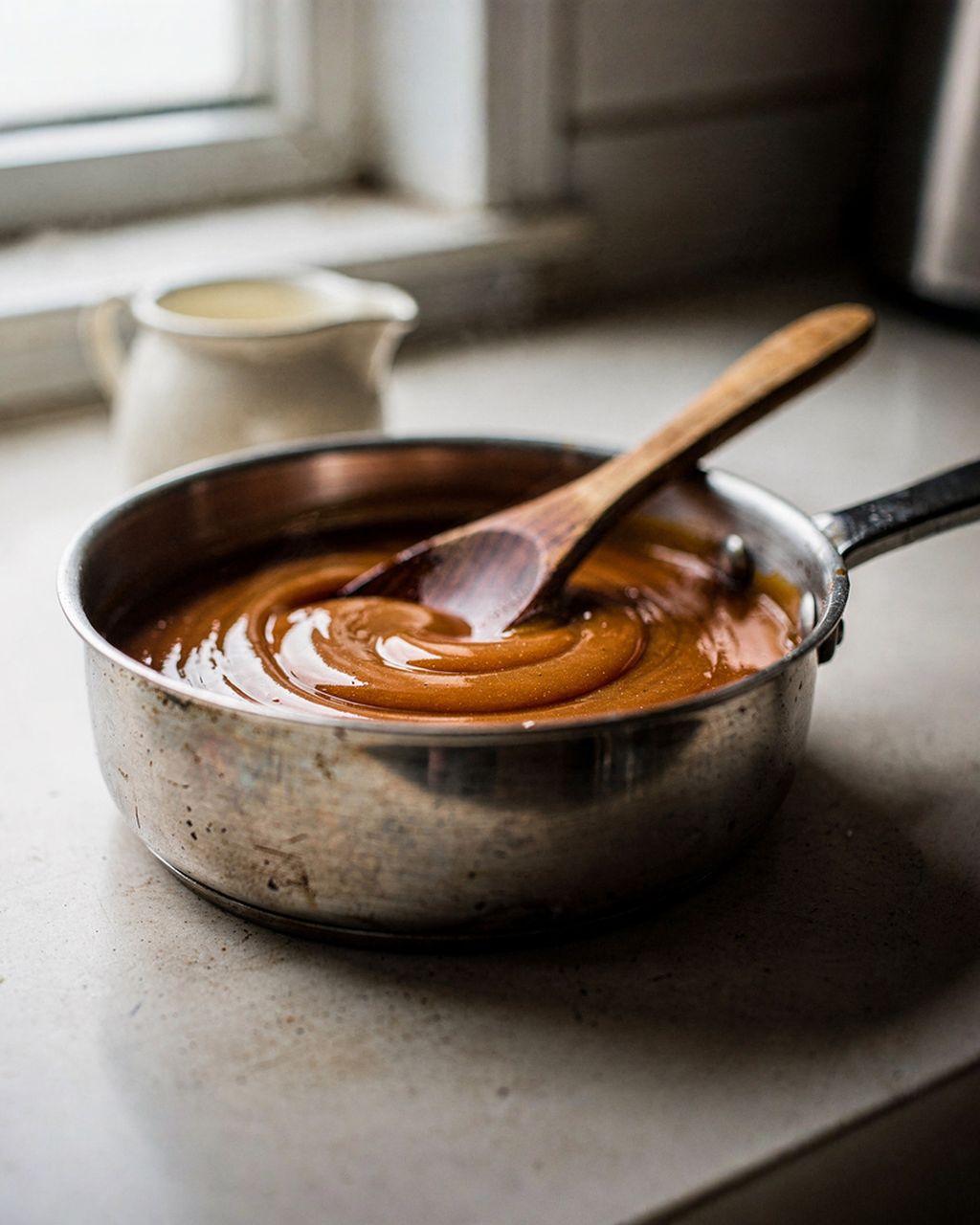
Sugar crystallises when an undissolved grain gets into the solution, or when you stir it while it's already boiling. That one grain triggers a chain reaction, turning a smooth syrup into a grainy mass. It helps to wash down the sides of the pan with a wet pastry brush and add a spoonful of glucose syrup, invert sugar, or a few drops of lemon juice, since all of these slow down crystallisation.
One recipe worth heating the oven for, one tip, and one deal from the shop. Nothing else.