How Many Grams in a Cup of Brown Sugar? Packed vs Loose
How to Soften Hard Brown Sugar: Bread, Microwave, Oven and Terracotta
Updated Nov 20, 2026
To soften hard brown sugar, seal it overnight with a slice of bread, or microwave it under a damp paper towel in short bursts if you need it now. It went hard because the moisture in its molasses evaporated, not because it spoiled. Store it airtight and it stays soft.
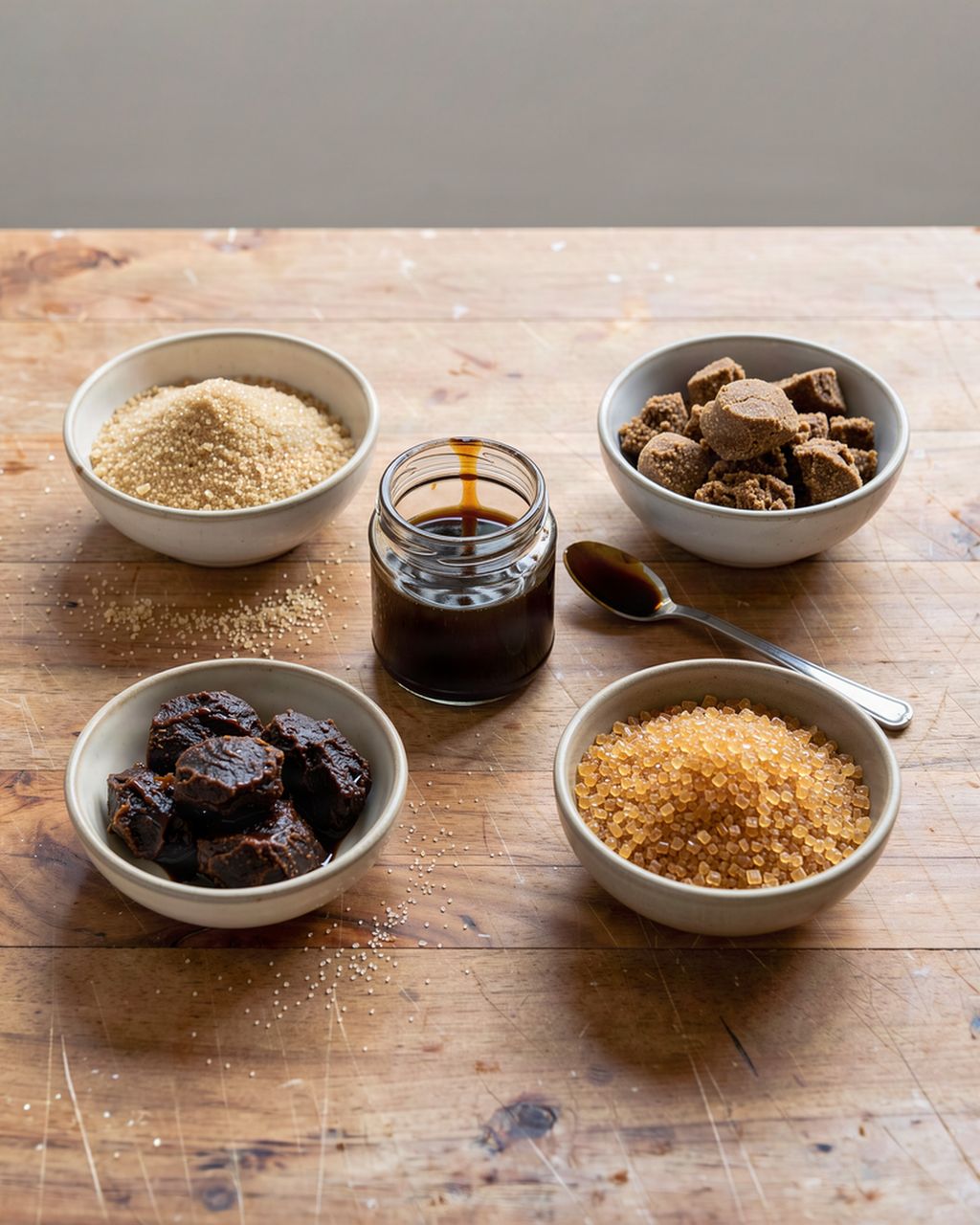
Brown sugar is white sugar coated in a thin film of molasses. That molasses holds moisture, which is what makes brown sugar soft, damp and packable. King Arthur Baking explains that when the sugar is left open to the air, the moisture evaporates and the crystals glue themselves together into a solid lump.
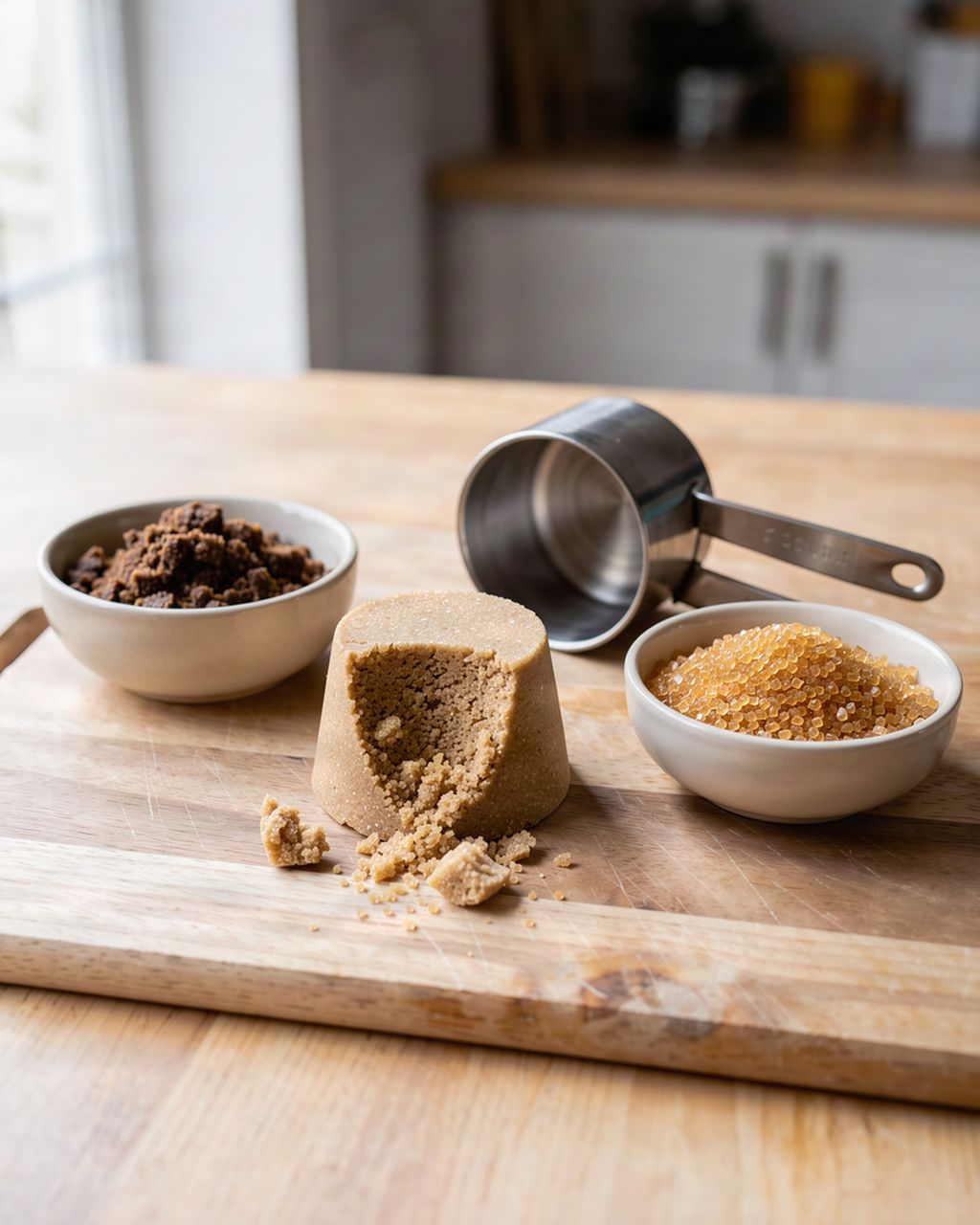
So hard brown sugar has simply dried out. It hasn't gone off, and once it is soft again it bakes the same. The fix is to put moisture back, either slowly (bread, apple, terracotta) or quickly (microwave, oven, a few drops of water).
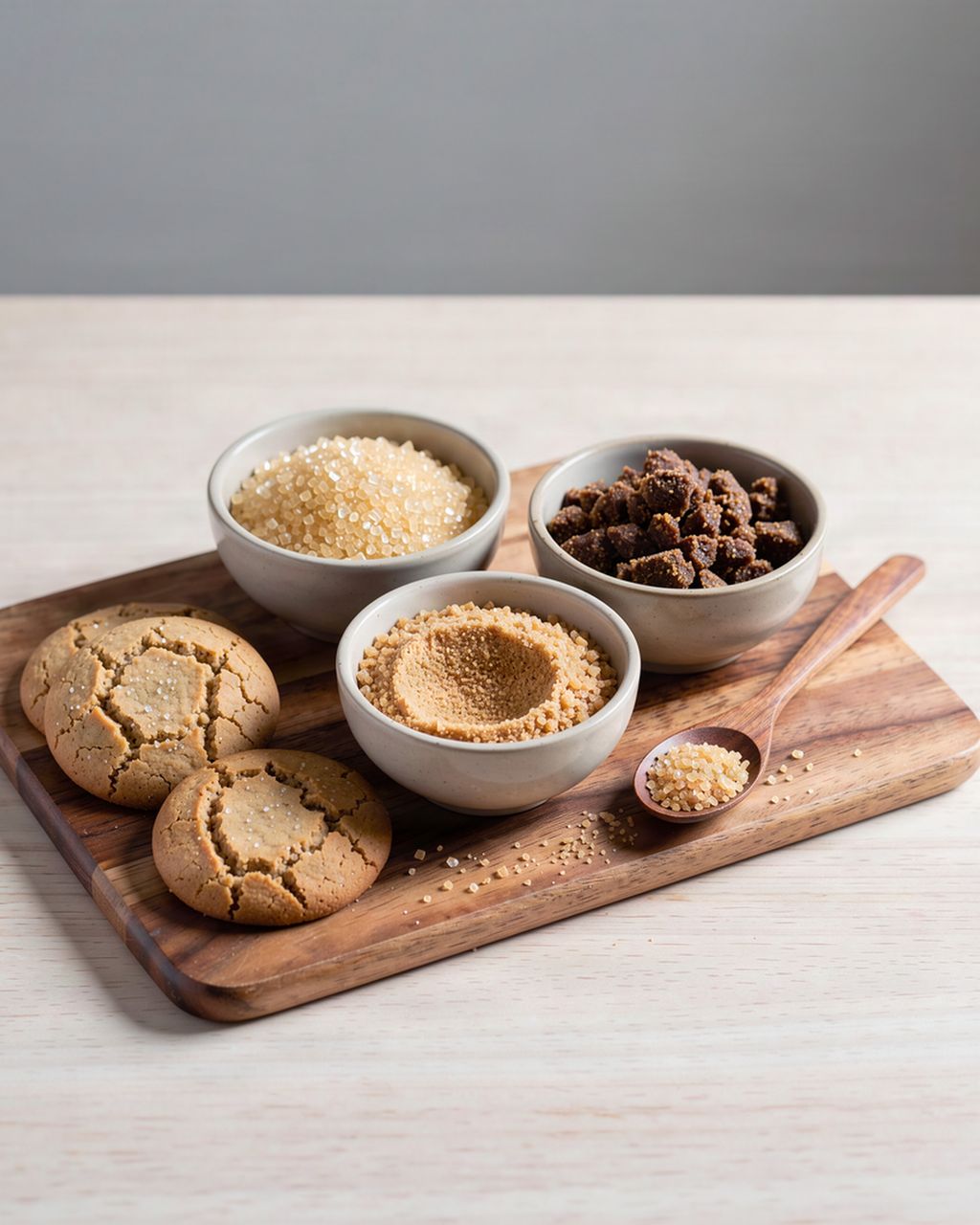
Dark brown sugar has more molasses than light, so it starts out moister, but both harden the same way once the bag is left open. Drier, coarser cane sugars such as demerara tend to clump less.
Recipe of the week, one tip that saves you time and one deal from the shop. Unsubscribe in one click.
The next issue goes out on Thursday, November 26.
This is the gentlest method and the one we use most.
Put the hard brown sugar in an airtight container or a zip-top bag.
Lay a slice of soft sandwich bread on top (or a few slices of apple) and close it tightly.
Leave it overnight. King Arthur Baking suggests about 24 hours for a rock-hard block; a lightly clumped bag can soften in a few hours.
Take the bread or apple out, break up the sugar with a fork, and close the container again.
The sugar pulls moisture from the bread. The bread goes dry and hard, and the sugar goes soft. Don't leave the bread or apple in for days: Penn State Extension notes that you should check it so the sugar doesn't go moldy. An apple can leave a faint fruity smell, which doesn't matter in most bakes.
For a quick version, knead in water: King Arthur Baking uses about ¾ teaspoon (3.5 g) of water per 8 oz (227 g) of brown sugar. Put both in a bag and knead until the sugar is evenly soft.
When you need brown sugar for a recipe right now:
Put only the amount you need in a microwave-safe bowl. Softened sugar hardens again as it cools, so don't do the whole bag.
Cover it with a damp (not dripping) paper towel or clean cloth.
Microwave in short bursts of 20–30 seconds, breaking it up with a fork between bursts.
Stop as soon as it is soft. Food Network's test took about 1½ minutes in total on high.
Watch it closely. Microwaves vary, and the sugar can melt, scorch or turn into hot syrup in spots. Melted sugar is very hot and burns skin, so let the bowl stand for a moment and stir carefully before touching it. Measure and use the sugar while it is still warm and soft.
If you don't have a microwave:
Heat a conventional oven to about 120°C (250°F), or 100°C (212°F) with a fan.
Spread the hard sugar on a baking tray lined with parchment paper.
Warm it for 2–3 minutes, checking and breaking it up with a fork every 30 seconds or so. Food Network found it was soft in about 2½ minutes.
Use it while warm. Penn State Extension notes that oven-softened brown sugar hardens again once it cools, so measure it straight away.
Some people put an ovenproof dish of water in the oven too, for steam. It isn't necessary for a small amount.
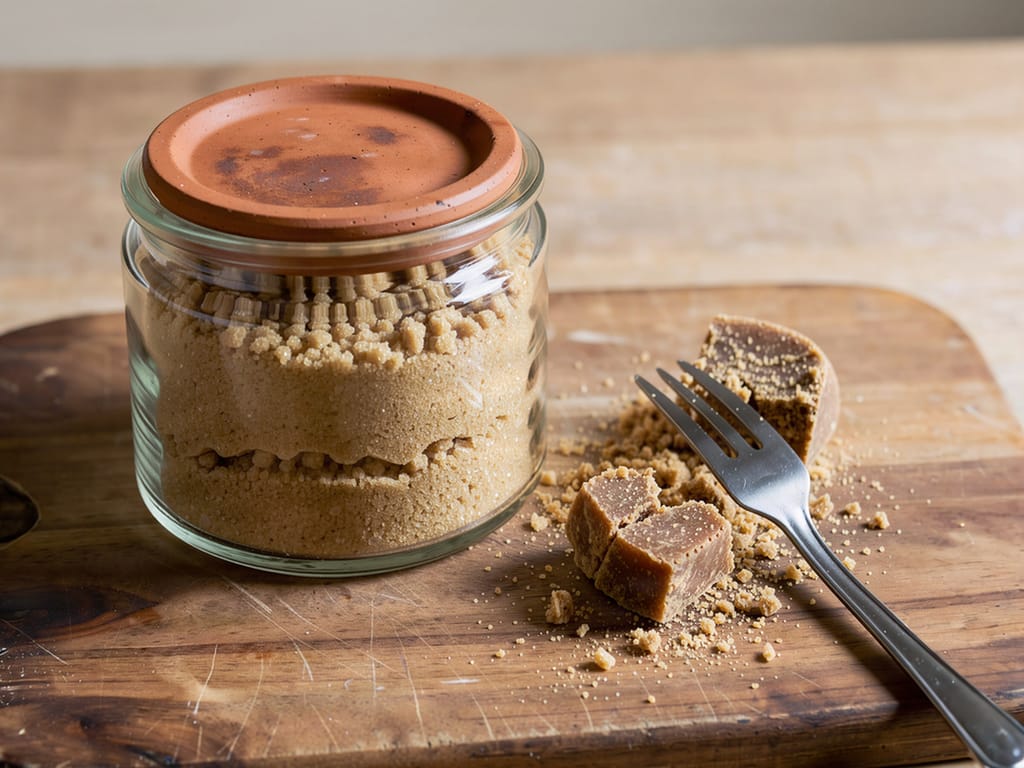
A brown sugar saver is a small disk of unglazed terracotta. You soak it in water, pat it dry and keep it in the container with the sugar, where it slowly releases moisture.
To soften hard sugar: Food Network soaked a disk for 20 minutes, wiped it, sealed it in a bag with the sugar, and found the sugar fluffy in about 15 minutes.
To keep sugar soft: leave the disk in the container and soak it again every few weeks, or whenever the sugar starts to firm up.
Use a disk sold for food use, not garden terracotta, and follow the maker's soaking and cleaning instructions.
Preventing hard brown sugar is easier than fixing it.
Airtight is everything. Once the bag is open, move the sugar to an airtight container or a heavy-duty zip-top bag, and press out as much air as you can before sealing.
Use a container that fits. A half-empty tub holds a lot of air, and that air dries out the sugar.
Add a moisture source. A soaked terracotta disk does this well. A slice of bread works too, but swap or remove it before it gets moldy.
Keep it cool and away from the stove. Heat dries it out faster, and sugar picks up strong smells, so keep it away from spices too.
We can't give you a single expiry date for brown sugar; follow the best-before date on the pack. Hard sugar that has just dried out is still usable once softened. If it smells off, shows mold or has insects, throw it away.
American recipes measure brown sugar packed into the cup. A packed US cup (236.6 ml) of brown sugar weighs roughly 200–220 g, depending on how firmly it is packed, so weighing is more reliable. Lumps of hard sugar make a measuring cup even less accurate, which is one more reason to soften it first.
Our cups and spoons to grams calculator gives the weight for other cup and spoon sizes, including the metric cup (250 ml). For how brown and cane sugars behave in a dough, read our guide to cane sugar in baking, and see the ingredient page for brown cane sugar. If you are about to cream the sugar with butter, our article on creaming butter and sugar explains how soft the butter should be.
Microwave it covered with a damp paper towel in 20–30 second bursts, breaking it up with a fork in between. Use it while it is still warm, because it hardens again as it cools.
Seal the hard sugar in a container or zip-top bag with a slice of soft bread and leave it overnight. The sugar pulls moisture from the bread; remove the bread afterwards.
It has dried out. The molasses in brown sugar holds moisture, and when the bag is left open that moisture evaporates and the crystals stick together.
Yes, brown sugar that has only dried out is still usable once you soften it. Throw it away if it smells off, shows mold or has insects.
Store it airtight in a container that fits, with as little air as possible, and add a soaked terracotta disk, or a slice of bread swapped or removed before it can go moldy, to keep it moist.
Yes. Spread it on a lined tray in a conventional oven at about 120°C (250°F) and warm it for 2–3 minutes, breaking it up every 30 seconds, then use it while warm.
One recipe worth heating the oven for, one tip, and one deal from the shop. Nothing else.