Delicate almond cookies
Updated Sep 5, 2026
Sugar substitutes aren't one-size-fits-all, and you can't just swap them in across the board: erythritol works in cookies and drinks, xylitol in soft baked goods and ice cream, stevia in coffee and yoghurt, maltitol in chocolate and coatings — and none of them belong in caramel, jam, or yeasted dough. The real difference isn't so much about taste as about what sugar does in a recipe besides sweetening: it holds water, builds colour, adds volume, and keeps things fresh longer. Below you'll find what to swap for what, in what ratio, what can go wrong, and how much your gut can actually handle.
Erythritol works well in cookies, shortcrust pastry, and drinks; xylitol suits soft baked goods and ice cream; steviol glycosides are best in coffee and yoghurt; maltitol and isomalt fit chocolate and coatings — none of them belong in caramel, jam, yeasted dough, or meringues.
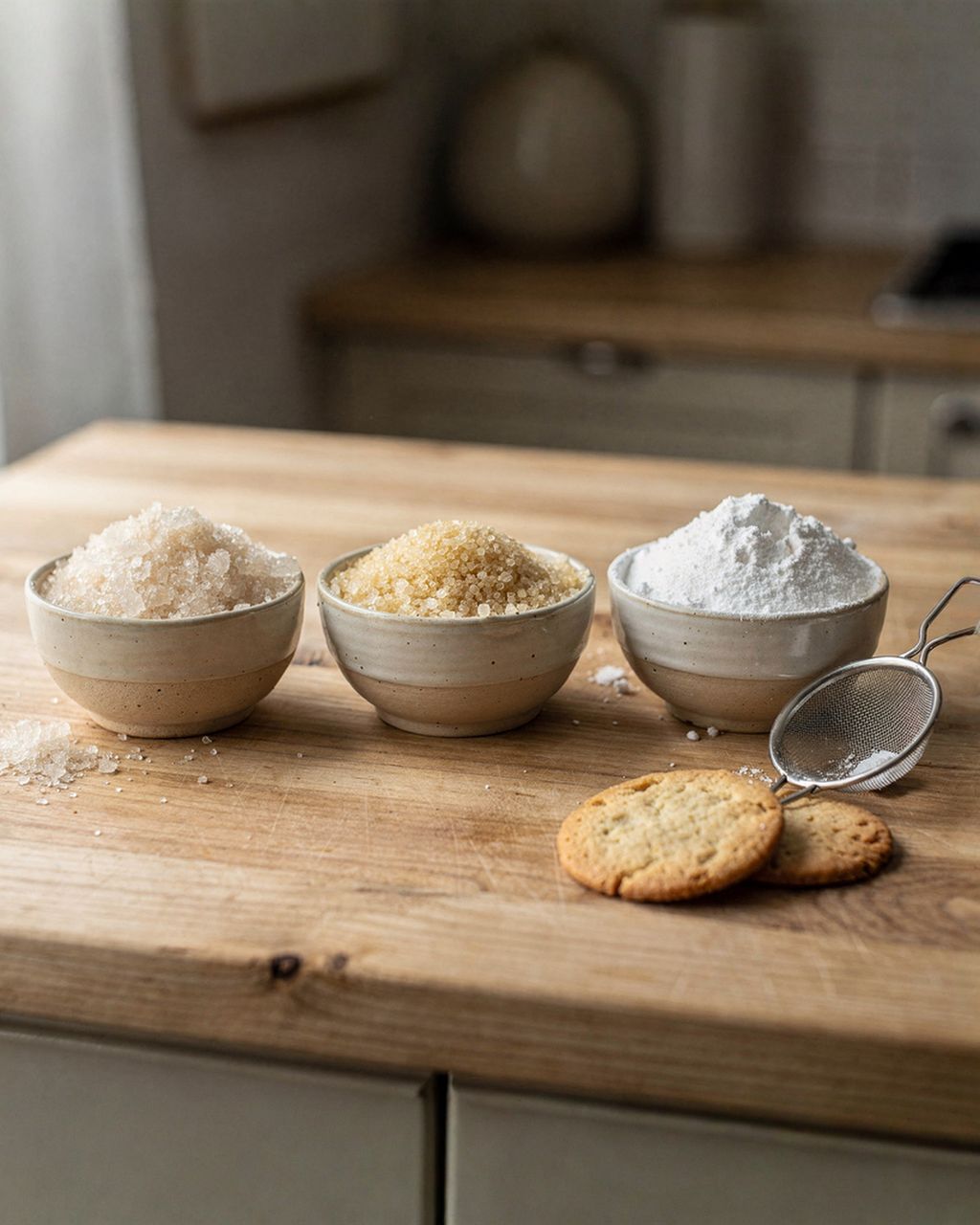
Erythritol— cookies, shortcrust and linzer pastry, cold cheesecake-style and cream fillings, drinks. It's roughly 60–80% as sweet as sugar (most commonly cited around 70%), so the swap ratio works out to about 1 : 1.3–1.4. For EU labelling purposes it counts as 0 kcal/g.
Xylitol— soft baked goods, gingerbread, muffins, ice cream, fruit purées. Sweetens 1:1 like sugar, with 2.4 kcal/g.
Steviol glycosides (stevia)— coffee, tea, yoghurt, porridge, smoothies. About 200–300 times sweeter than sugar, but it won't replace bulk in a dough.
Maltitol, sorbitol, isomalt— chocolate, coatings, fillings, and confectionery decorations where the mixture needs to behave like sugar. Only part of these is absorbed in the small intestine, with the rest travelling further — watch your portion size.
Nowhere: caramel, traditional long-life jam, yeasted dough, meringues. In these, sugar isn't just there for sweetness.
The rest of this article is about why. Once you understand what sugar actually does in a recipe, you'll stop guessing with substitutes and start choosing them deliberately.
Sugar in a recipe does six jobs at once: it sweetens, binds water, browns, aerates fat, lowers the freezing point, and preserves. A substitute can handle the first job — and each one deals with the rest differently.
Sweetens.The one function pretty much every sweetener can manage.
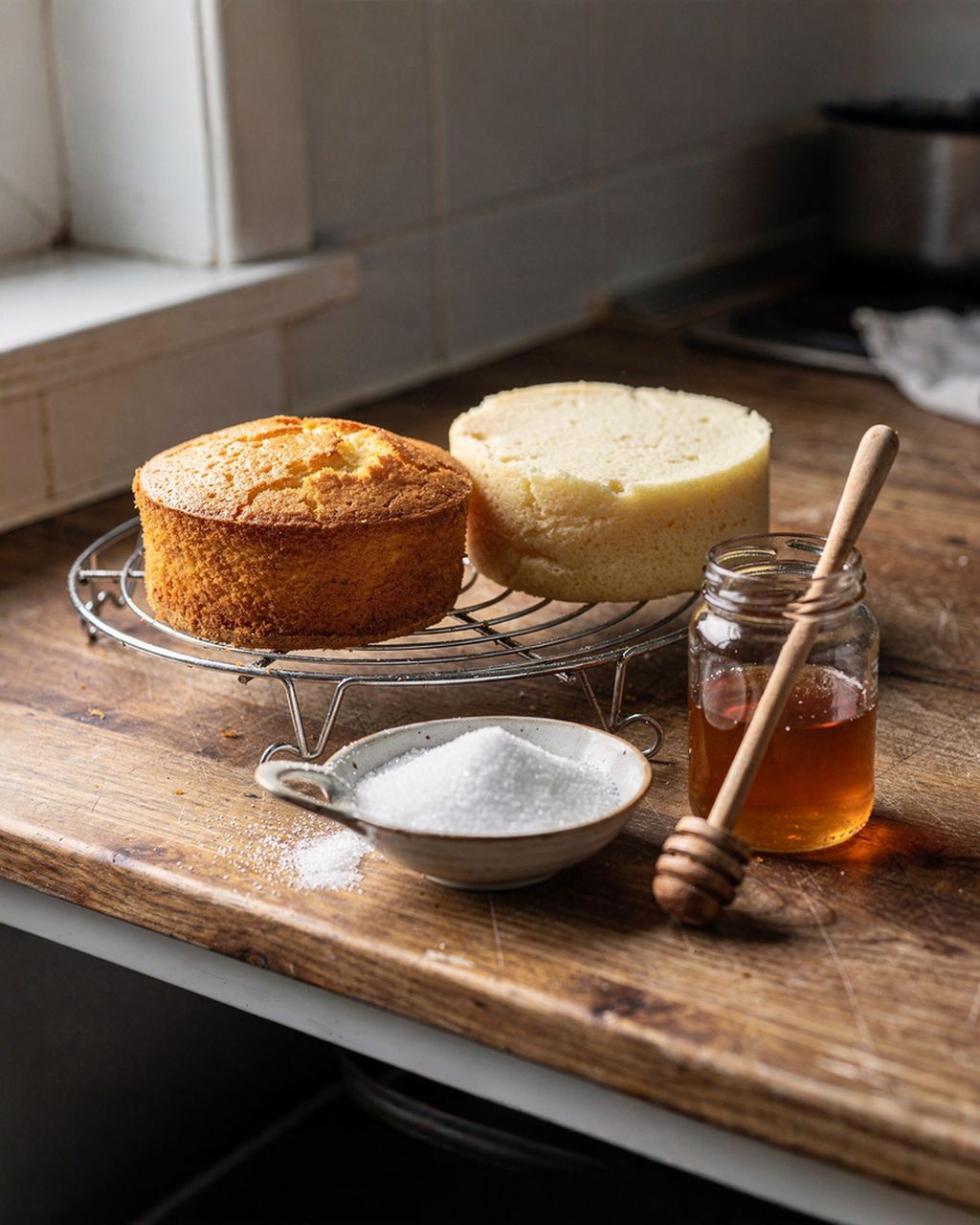
Binds water.Sugar is hygroscopic, which is why gingerbread isn't dry even after a week. Xylitol holds water in a similar way; erythritol barely does at all.
Browns.Caramelisation above roughly 160°C and the Maillard reaction with proteins are what create colour, crust, and nutty flavour. Erythritol takes part in neither; xylitol does engage in the Maillard reaction.
Aerates.Sharp sugar crystals carve tiny air pockets into butter as you cream it. Finely ground sweeteners can't do this as well, so the crumb tends to end up denser.
Lowers the freezing point.This is what keeps ice cream creamy. But erythritol dissolves poorly in cold mixtures: during freezing it crystallises back out of solution, which is why ice cream made with it turns grainy.
Preserves.In jam, sugar binds free water so mould can't take hold. Swapping in a sweetener means a shorter shelf life, not just fewer calories.
Erythritol is the best choice for cookies, shortcrust pastry, cold creams, and drinks — anywhere you don't need browning or softness. It's roughly 60–80% as sweet as sugar (most often cited around 70%), so for 100 g of sugar, use about 130–140 g of erythritol (a ratio of roughly 1 : 1.3–1.4).
Why it works:
Your body can't use erythritol as an energy source — which is why EU labelling rules count it as 0 kcal/g.
It's unique among polyols here: the others are counted at 2.4 kcal/g for labelling purposes (Annex XIV of Regulation 1169/2011).
Where it lets you down:
No browning.Cookies and bundt cakes stay pale, and the flavour ends up flatter. Either accept that, or keep a third of the original sugar in the recipe and swap the rest — a compromise that does the most for appearance.
Cools the mouth.Dissolving erythritol pulls heat from its surroundings. This is noticeable in chocolate, glazes, and cold creams, but barely detectable in warm baked goods. Mint and citrus mask it well; vanilla doesn't.
Crystallises back out.In glazes and ice cream, it recrystallises on cooling and the result turns sandy and gritty. Grinding it into a powder and combining it with xylitol helps.
Yeast can't use it.In yeasted dough, it won't feed the yeast the way sugar does.
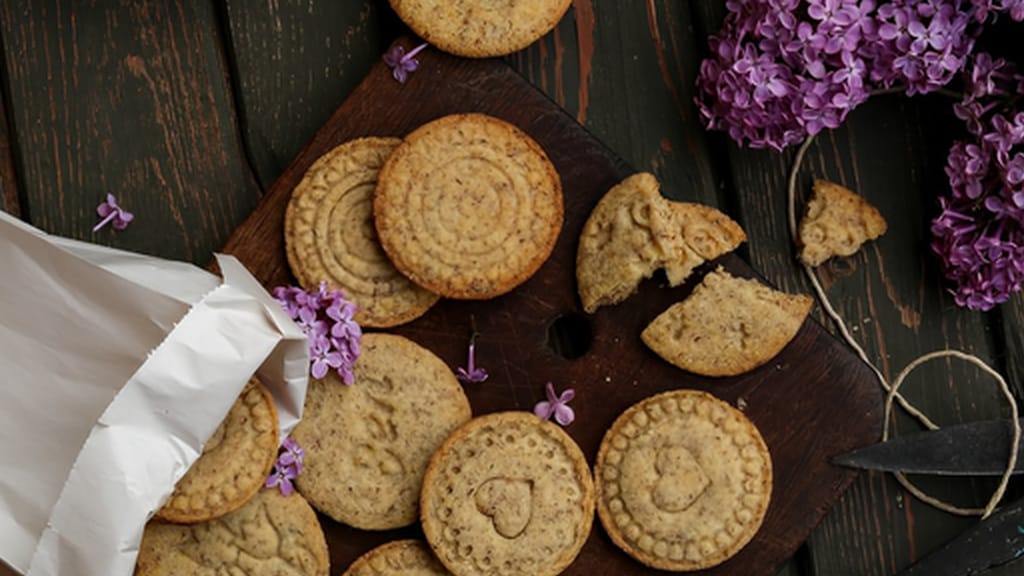
Delicate almond cookies
Crisp almond cookies: the friendliest recipe for testing erythritol instead of sugar
Xylitol swaps for sugar at a 1:1 ratio and, of all the substitutes, behaves most like sugar in baking. It has 2.4 kcal/g — roughly 40% less than sugar — at the same sweetness level. You'll also find it sold as birch sugar— it's the same thing.
Where it's best:
Soft baked goods and gingerbread.Xylitol is hygroscopic and binds water, keeping the crumb soft just like sugar does.
Ice cream and sorbets.Unlike erythritol, it stays dissolved even when cold and doesn't crystallise back out, so the ice cream doesn't turn grainy.
Fruit purées, compotes, cheesecake-style fillings.
Anything that needs to brown.It takes part in the Maillard reaction, so bundt cakes and cookies get proper colour.
Where it doesn't work:
Yeasted dough.Baker's yeast can't ferment xylitol. Leave at least a teaspoon of real sugar or honey in the recipe to get things going, otherwise proofing drags on and the crust stays pale.
Large amounts.Only part of it is absorbed in the small intestine, with the rest heading to the large intestine — more on dosing below.
Households with dogs.Xylitol is toxic to dogs starting at around 0.1 g per kilogram of body weight — for a small dog, a single bite of a cookie is enough. Details below.

Soft honey gingerbread cookies that never go hard
Soft honey gingerbread that doesn't go stale: here xylitol keeps things softer than erythritol can
Steviol glycosides (E 960a–E 960d) are roughly 200–300 times sweeter than sugar, so they replace sweetness but not mass — and that's the whole issue when it comes to baking with them. They're ideal in coffee, tea, yoghurt, porridge, or smoothies. Less so in a cookie, where sugar makes up a third of the dough's volume.
Heat-stable.They hold up to heat and pH changes, so the sweetness doesn't get lost in baking.
Bitter aftertaste.At higher doses, a metallic or liquorice-like note appears. Rebaudioside M has the least of it; classic stevioside has the most.
The Acceptable Daily Intake (ADI) is 4 mg per kilogram of body weight per day, calculated as steviol equivalents.
Most "stevia" products sold in stores are blends.The bulk comes from erythritol or maltodextrin, the sweetness from stevia. Read the ingredients list — the sugar-equivalent ratio on the label applies to that blend, not to pure extract.
Handy trick: combine stevia with something else. On its own it can taste flat in baking, but a few drops added to a dough sweetened with erythritol can fill in the sweetness erythritol lacks, without adding extra bulk.
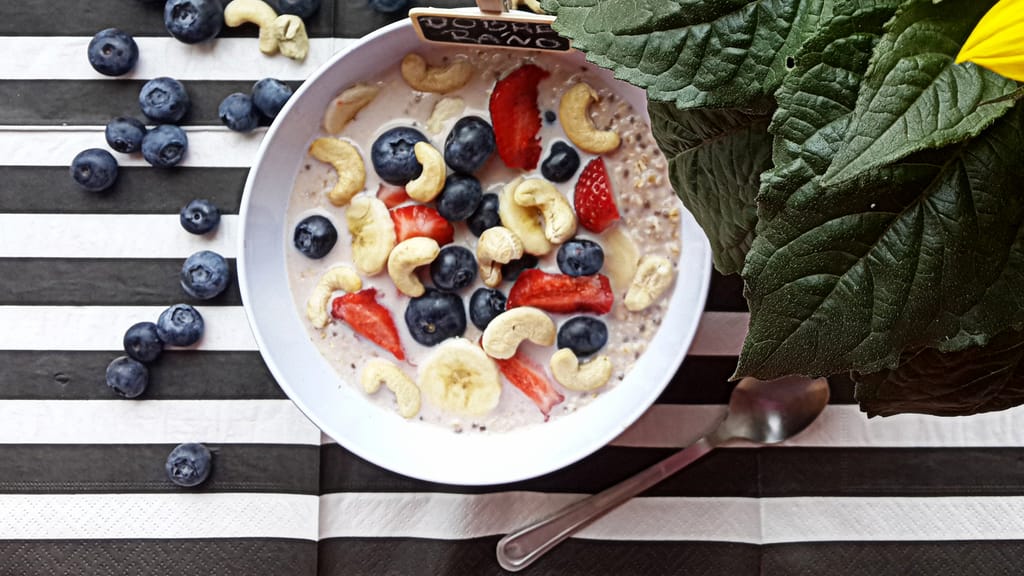
Oatmeal porridge with fruit, cashews and chia seeds
Oat porridge with fruit, cashews, and chia seeds: a great fit for stevia — you're sweetening the flavour, not the structure
Maltitol behaves the most like sugar in fat and chocolate out of all the substitutes — and at the same time has the worst reputation among common polyols for digestive trouble. That's why you'll find it in nearly every "sugar-free" chocolate bar: it keeps the mixture smooth, glossy, and properly snappable.
Maltitol (E965)sweetens at roughly 75–90% of sugar's strength. Closest to sugar in texture. Only a small portion is absorbed in the small intestine.
Sorbitol (E420)sweetens at about half the strength of sugar and is mainly good at holding moisture. Used in fillings, chewing gum, and soft sweets.
Isomalt (E953)is a confectionery classic for pulled and poured sugar decorations — it can be melted and doesn't crystallise back as readily as sugar, so it stays glassy and clear.
The shared mechanism: all three are polyols, and the less that's absorbed in the small intestine, the more travels on to the large intestine, where bacteria feast on it. That's the source of gas, bloating, and a laxative effect. With maltitol, sorbitol, and isomalt, watch the total amount in a recipe even more closely than with erythritol — use less per serving.
You can't legally buy allulose or most monk fruit extracts in Czech shops, because they're not approved in the EU — even though plenty of recipes from American websites assume you can get them. If you come across instructions like "swap sugar for allulose at a 1:1.3 ratio," know that you won't actually be able to find the ingredient here.
Alluloseis classed as a novel food in the EU without authorisation. In 2025, EFSA concluded that, based on the data submitted, its safety couldn't be established, so approval isn't expected any time soon.
Monk fruit (mogrosides):since 2024, one specific aqueous extract has been approved for a limited set of food categories (Regulation (EU) 2024/2345). The highly purified mogrosides commonly sold in the US are not approved.
What to do with an American recipe: swap allulose for roughly the same volume of erythritol, and accept that you'll lose the browning (unlike polyols, allulose browns very readily). Swap monk fruit for a mix of erythritol plus a few drops of stevia.
Don't use a sugar substitute in caramel, traditional jam, yeasted dough, or meringues — in none of these is sugar there mainly for sweetness.
Caramel.Caramelisation is the thermal breakdown of sugar above roughly 160°C. Polyols don't break down this way: erythritol simply melts and, on cooling, resolidifies into a white crystalline mass. You won't get the colour or toasted bitterness of real caramel from it.
Jam and preserves.Sugar binds free water here and forms part of the gel with pectin. Swap it for a sweetener and you get a thin sauce that lasts only a few days in the fridge. If you want less sugar, change the method, not just the ingredient: try chia seeds or a pectin that gels even at low sugar levels.
Yeasted dough.Yeast can't ferment polyols or steviol glycosides. Without sugar or a teaspoon of honey, proofing drags on and the baked goods stay pale.
Meringues.Sugar builds structure here, not just flavour — once dissolved, it holds the egg-white foam together. Erythritol doesn't stabilise the foam, and a finished meringue made with it turns damp and grainy within hours.
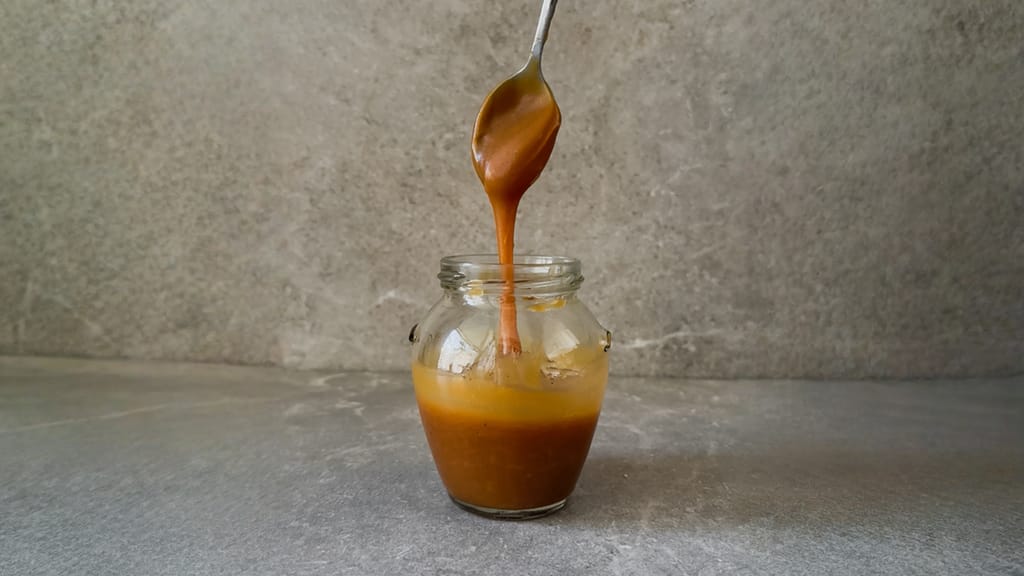
Homemade caramel sauce with just 4 ingredients
4-ingredient homemade caramel sauce: a recipe that shows exactly where sugar simply can't be substituted
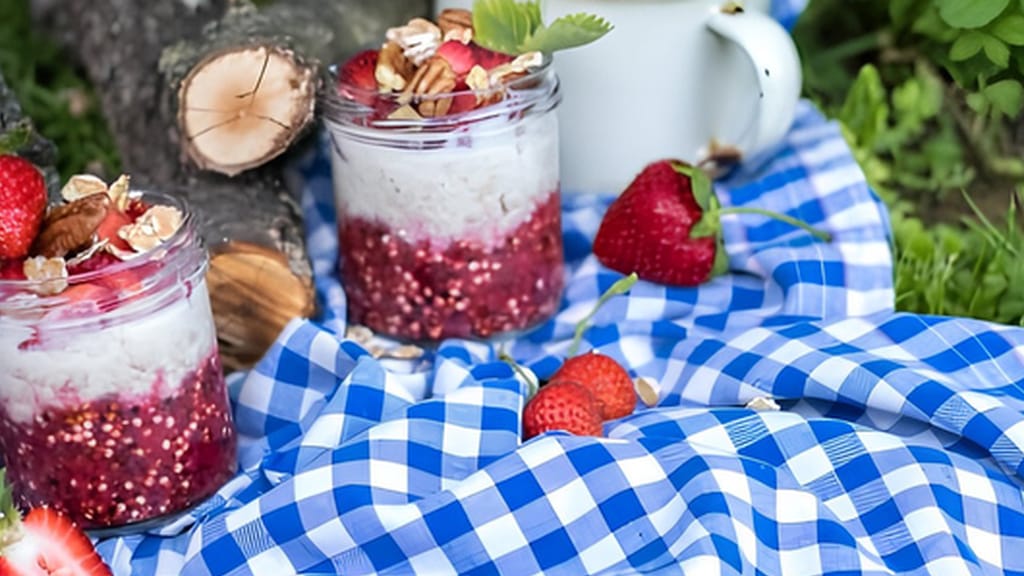
Breakfast with strawberry chia jam
Breakfast with strawberry chia jam: a smarter route to a less sweet jam than swapping in a sweetener
Exactly two health claims about sugar substitutes are approved in the EU, and both come with strict conditions. Per Commission Regulation (EU) No 432/2012, the approved wording is:
"Consumption of foods/drinks containing <name of sugar replacer> instead of sugar contributes to the maintenance of tooth mineralisation." (exact register wording; may only be used on a finished food meeting the conditions of use)
"Consumption of foods/drinks containing <name of sugar replacer> instead of sugar leads to a lower blood glucose rise after their consumption compared with sugar-containing foods/drinks." (exact register wording)
Both claims apply to the same category in the regulation's annex, defined as: sugar replacers, i.e. intense sweeteners; xylitol, sorbitol, mannitol, maltitol, lactitol, isomalt, erythritol, sucralose, and polydextrose; D-tagatose and isomaltulose. Steviol glycosides, as an intense sweetener, fall under these claims too.
The conditions of useare crucial, and most people overlook them. Each claim has a different condition attached. For the blood glucose claim, sugars must be replaced so the product meets the "reduced sugars" criterion (at least 30% less sugar than a comparable product). For the tooth mineralisation claim, the food or drink must not lower plaque pH below 5.7 during consumption or within 30 minutes afterwards. So the claim belongs to the finished product, not to a spoonful of sweetener from a bag.
Anything beyond those two sentences — weight loss, detox, "prevents cavities," "suitable for diabetics" — is an unauthorised claim for sweeteners in the EU. If you see it on packaging, it tells you something about the seller, not the sweetener.
Polyols cause bloating and a laxative effect depending on the dose and how well they're absorbed. The amount that goes down without trouble varies from person to person — for erythritol, EFSA derived a figure of 0.5 g per kilogram of body weight per day, while for maltitol and sorbitol the practical threshold sits noticeably lower.
In its 2023 re-evaluation of erythritol (E 968), EFSA derived an ADI of 0.5 g per kilogram of body weight per day, based on the threshold at which diarrhoea appeared in human studies. For a 70 kg adult, that works out to roughly 35 g a day. The same report also flagged that estimated intake exceeds this figure, most notably among children and teens with high consumption.
Foods containing more than 10% added polyols must carry the warning "excessive consumption may produce laxative effects" under EU law (Annex III of Regulation 1169/2011). It's a reliable sign that a product contains a hefty amount.
Tolerance is individual and builds up over time.If you're just starting out with substitutes, go with half the dose and spread it across the day.
Drinks are worse than solid foods.A quick dose drunk on an empty stomach hits the large intestine all at once; the same amount eaten in a cookie spread over the afternoon usually causes no trouble.
Both erythritol and xylitol remain approved sweeteners in the EU. In its 2023 re-evaluation of erythritol, EFSA identified the laxative effect as the main risk.
The methodology behind related studies has been questioned in expert correspondence published in the European Heart Journal; the original authors have defended their findings. Independent, long-term intervention data are still lacking.
The regulatory status hasn't changed: EFSA continues to approve both substances as sweeteners, and in its 2023 re-evaluation of erythritol, it identified the laxative effect — not heart risk — as the main concern.
A practical takeaway for the kitchen: treat sugar substitutes as a tool for a specific recipe, not as an ingredient you go through by the half-kilo every day. And if you have a cardiovascular or metabolic condition, talk to your doctor about it — not to an article on the internet.
Yes, birch sugar and xylitol are exactly the same thing — it's just a marketing name. Xylitol today is made industrially mostly from corn cobs and beech or birch wood, but the resulting substance is chemically identical no matter the source. Products labelled "birch" often cost more without offering any different property in the kitchen.
Grind crystalline erythritol dry in a spice grinder or blade blender into a fine powder — about 20–30 seconds — then let it settle for a few minutes before lifting the lid. Crystalline erythritol won't dissolve in fats or cold creams, so a glaze made with it turns gritty. Mixing in a pinch of cornstarch stops the powder from clumping, just like with homemade icing sugar.
Yes, and the combination is often better than either one on its own. Erythritol provides bulk and structure but sweetens only mildly; a few drops of stevia can top up the sweetness without adding extra bulk. In ice cream and glazes, replacing part of the erythritol with xylitol helps, since xylitol stays dissolved in the cold and doesn't crystallise back out. Just add up the total amount of polyols for digestion's sake — and never use xylitol in a household with a dog.
Store both in an airtight container somewhere dry and at room temperature, away from the stove and dishwasher. Xylitol reacts more to moisture — it's hygroscopic, so in an open bag it can cake into hard lumps. Clumped-together bits aren't spoiled; just crush or grind them. Both have essentially unlimited shelf life since they don't support mould growth.
Sweeteners approved in the EU aren't off-limits for children, but caution around quantity is warranted with polyols. When EFSA re-evaluated erythritol in 2023, it noted that estimated intake exceeds the derived ADI of 0.5 g per kilogram of body weight, most notably among children and teens with high consumption, and the main consequence is digestive discomfort rather than toxicity. A practical rule of thumb: one serving of erythritol-sweetened cookies isn't a problem; drinking sweetened beverages all day is. For any specific medical condition, check with a paediatrician or dietitian.
One recipe worth heating the oven for, one tip, and one deal from the shop. Nothing else.