Eclairs à la ladurée – irresistibly delicious pastries
Crème Pâtissière: The Perfect Pastry Cream, Step by Step

Updated Jul 19, 2026
Crème pâtissière (French pastry cream) is a thick, cooked custard made from milk, egg yolks, sugar and starch — the backbone of éclairs, fruit tartlets and cake fillings alike. The secret to that silky-smooth texture isn't a mystery, it's technique: thicken the starch properly and let the cream actually come to a boil. This guide walks you through the exact ratios, a step-by-step method, the most common mistakes, and flavour variations to make it your own.
Crème pâtissière is a thick, cooked cream made from milk, egg yolks, sugar and starch (or flour), cooked until it thickens enough to hold its shape.It's one of the cornerstone creams of French pastry-making — used to fill éclairs, choux buns, fruit tartlets and layer cakes alike.
It differs from related creams in what thickens it and how it's made:
Custard/puddingrelies mainly on starch, so it's softer and more pourable; crème pâtissière also has egg yolks, which give it more body and better hold. (It's a common myth that classic pastry cream is thickened with gelatine — it isn't.)
Crème chantillyis simply sweetened whipped cream: light, airy and never cooked.
Crème diplomateis crème pâtissière lightened with whipped cream, whilecrème mousselineis enriched with a generous amount of softened butter. Both are built on this same base.
Once you've mastered crème pâtissière, you've got a building block that opens the door to dozens of desserts.
For roughly 600g of cream (enough for one batch of éclairs or one cake), you'll need:
Whole milk– 500ml
Egg yolks– 4 (about 70–80g)
Sugar– 100g
Cornstarch– 40g (or 50g plain flour)
Vanilla– 1 pod, or 1 teaspoon good-quality extract
Butter– 25g, unsalted, for finishing
Every ingredient has a job to do:
Milkgives the cream its body; whole milk delivers a richer flavour and fuller mouthfeel than semi-skimmed.
Egg yolksadd colour, flavour and creaminess. Leave out the whites — they'd curdle and make the cream grainy.
Sugarsweetens while also helping stabilise the yolks so they're less likely to curdle.
Starchis the engine behind thickening. Cornstarch gives a cleaner, glossier cream, while plain flour makes it a touch denser and more "custard tart"-like.
Vanillais the classic flavouring; a pod gives a more intense aroma, extract is more convenient.
Butterstirred in at the end adds shine and a silky texture.
In short: whisk the yolks with sugar and starch, pour over hot milk, return to the heat and cook while stirring constantly until it thickens and comes to a smooth boil.The whole process takes about 10 minutes, and the key is to never stop stirring.
Heat the milk with vanilla.Split the pod, scrape out the seeds, and add both to the milk. Heat until just below boiling to let the vanilla infuse.
Whisk the yolk base.Whisk the yolks, sugar and starch together until smooth, pale and free of lumps.
Temper.Whisking constantly, pour in the hot milk gradually at first — this warms the yolks slowly so they don't curdle.
Cook until thickened.Pour everything back into the pan and whisk non-stop over medium heat. The cream will thicken first, then start bubbling with big bubbles — from that point, keep cooking for another1–2 minutes.
Stir in the butter.Take the pan off the heat and stir the butter into the hot cream until melted and glossy.
Cool it properly.Transfer the cream to a bowl, cover with plastic wrap presseddirectly onto the surface(otherwise a skin will form), and let it cool. Then refrigerate for at least 2 hours so it sets properly.
Before using, whisk the cream briefly or give it a few seconds with a hand blender — straight from the fridge it's firm and jelly-like, but whisking brings it back to a smooth, spreadable texture.
Most crème pâtissière problems have a simple cause and an equally simple fix:
Lumpy cream– you poured the milk in too fast, or stopped stirring. Strain the cream through a sieve, or blitz it for a few seconds with an immersion blender to smooth it back out.
Cream stayed thin– it wasn't cooked long enough. Return it to the heat and let it bubble properly for 1–2 minutes; next time, try adding an extra 5–10g of starch.
Curdled yolks (little grains)– the mixture was heated too fast or without stirring. Strain it; next time, temper more slowly and keep whisking the whole time.
Skin on top– the plastic wrap wasn't touching the cream. Always press it directly onto the surface.
Cream thinned out overnight– it never reached a boil, so the amylase from the yolks broke down the starch. There's only one fix: make sure it simmers briefly next time.
The base cream is easy to transform — the most popular variations arechocolate, coffee, fruit (lightened), buttery mousseline, and whipped-cream diplomate, plus flavouring with spices or herbs.
Chocolate– stir 80–100g of chopped dark chocolate into the hot finished cream until melted. Great in choux buns and tartlets alike.
Coffee– dissolve a tablespoon of instant coffee or a shot of espresso into the milk as it heats.
Fruit / lightened– fold whipped cream into the cooled cream and stir in fruit purée (raspberry, strawberry, mango). A pinch of lemon juice brightens the fruit flavour.
Mousseline– whip plenty of softened butter into the cooled cream to create a firmer, airier cream ideal for filling cakes and fraisiers.
Diplomate– crème pâtissière folded with whipped cream for a lighter, airier filling.
Spices and herbs– cinnamon, cardamom, tonka bean, lavender or mint infused into the milk take the flavour in unexpected directions.
Always flavour the base cream once you've nailed the technique: keep the ingredient ratios the same and just change the aromatics.
Crème pâtissière is a cream that holds its shape, so it's perfect anywhere you don't want your dessert to "slide apart":éclairs and choux buns, fruit tartlets, layer cakes, mille-feuille and profiteroles.
It's a classic filling for choux pastry — crisp éclairs filled with vanilla cream and topped with chocolate glaze. Find the full dough and filling method in our articlehow to make perfect éclairs.
Eclairs à la ladurée – irresistibly delicious pastries
Ladurée-style éclairs filled with pastry cream
For fruit tartlets, spread a layer of crème pâtissière over a crisp pastry base and top with fresh seasonal fruit — crisp pastry, smooth cream and juicy fruit come together into a light, fresh dessert.
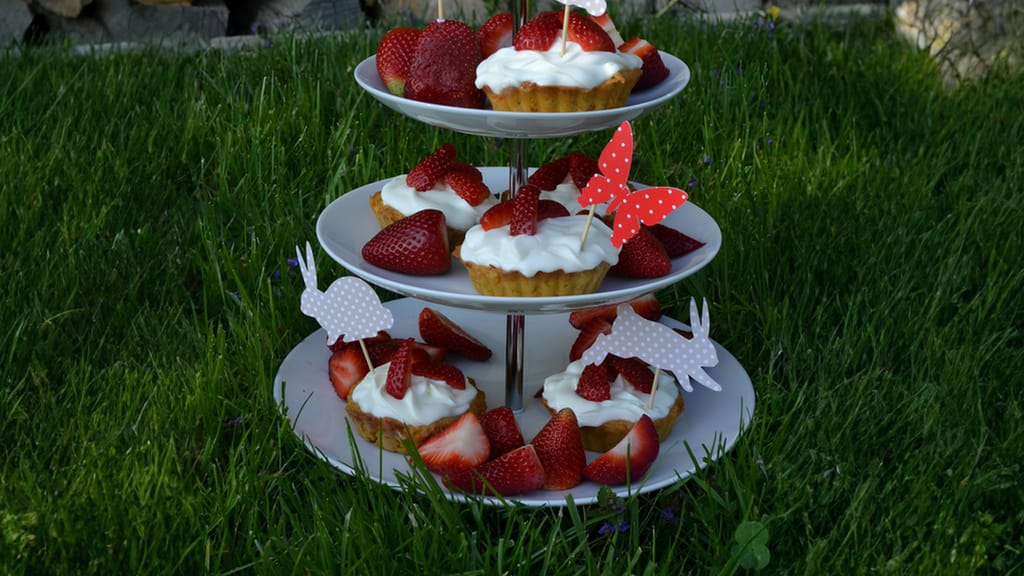
Spring strawberry and mascarpone tartlets
Fruit tartlets with cream and strawberries
In layer cakes, crème pâtissière holds the sponge layers together and keeps them moist. Spread it between layers of sponge — a light génoise, for example — along with fruit or a bit of whipped cream.
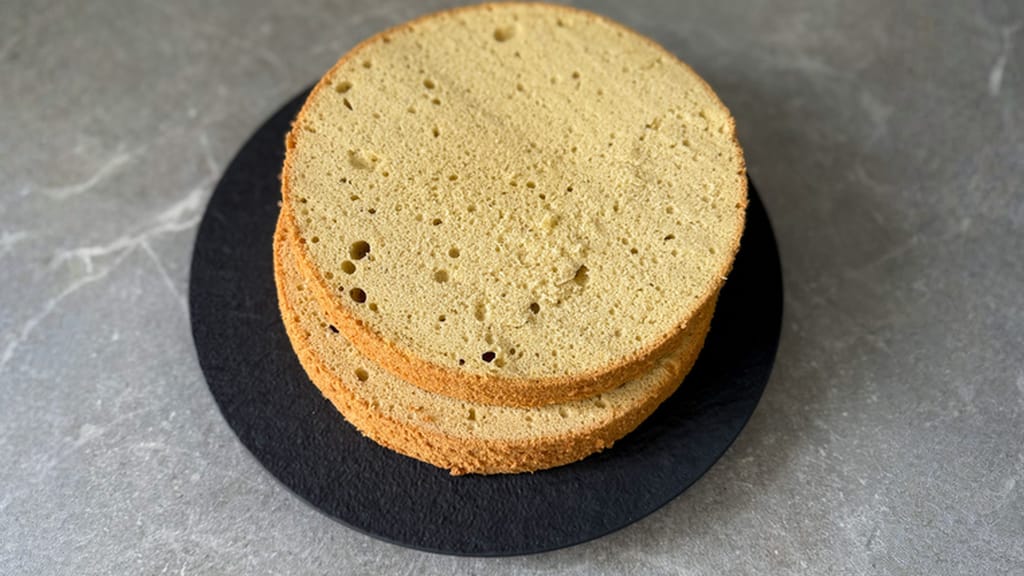
Light and airy génoise sponge cake
Light and airy génoise sponge for crème pâtissière
For mille-feuille (napoleon), the cream is layered between three sheets of crisp puff pastry; we cover how to nail those crisp layers in our articlethe secrets of making mille-feuille. And profiteroles are small choux buns filled with cream and topped with chocolate — same cream, different look.
Strain the finished cream into a shallow bowl, cover with plastic wrap pressed directly onto the surface, and cool it as quickly as possible — warm cream made with eggs and milk is a perfect breeding ground for bacteria. It keeps in the fridge for2–3 days. Whisk it smooth again before every use. Don't leave crème pâtissière sitting out at room temperature, and avoid making a huge batch ahead of time — fresh is always best.
Cornstarch gives crème pâtissière a cleaner, glossier, smoother finish, while plain flour makes it a bit denser with more of a "custard tart" flavour. The swap ratio is roughly 1:1.25 — instead of 40g of starch, use about 50g of flour. Using starch also keeps the cream naturally gluten-free.
No — crème pâtissière is cooked all the way to a boil, so the yolks are fully cooked through and the cream isn't raw. That's exactly why it's important to let it bubble gently for 1–2 minutes. That said, it's still a dairy-and-egg-based cream, so cool it quickly and keep it refrigerated.
One vanilla pod can be replaced with roughly 1 teaspoon of good-quality vanilla extract or 1/2 teaspoon of ground vanilla. Add extract right at the end, once the cream is made, since long cooking burns off its aroma. In a pinch, vanilla sugar works too — just reduce the regular sugar in the recipe to compensate.
Freezing crème pâtissière isn't recommended — once thawed, the starch separates from the water and the cream turns watery and grainy. It's best made fresh, at most 1–2 days ahead, and kept in the fridge. If you do end up with thawed cream, try rescuing it with a quick whisk or a blitz with a hand blender.
One recipe worth heating the oven for, one tip, and one deal from the shop. Nothing else.