How Many Grams in a Cup of Brown Sugar? Packed vs Loose
Light vs Dark Brown Sugar: Differences, Swaps and European Equivalents
Updated Nov 20, 2026
Light and dark brown sugar differ only in molasses: about 3.5% in light and 6.5% in dark, so dark tastes stronger and bakes darker. You can swap them one for one, or make either from white sugar and molasses. Outside the US, soft brown sugar and muscovado are the closest matches.
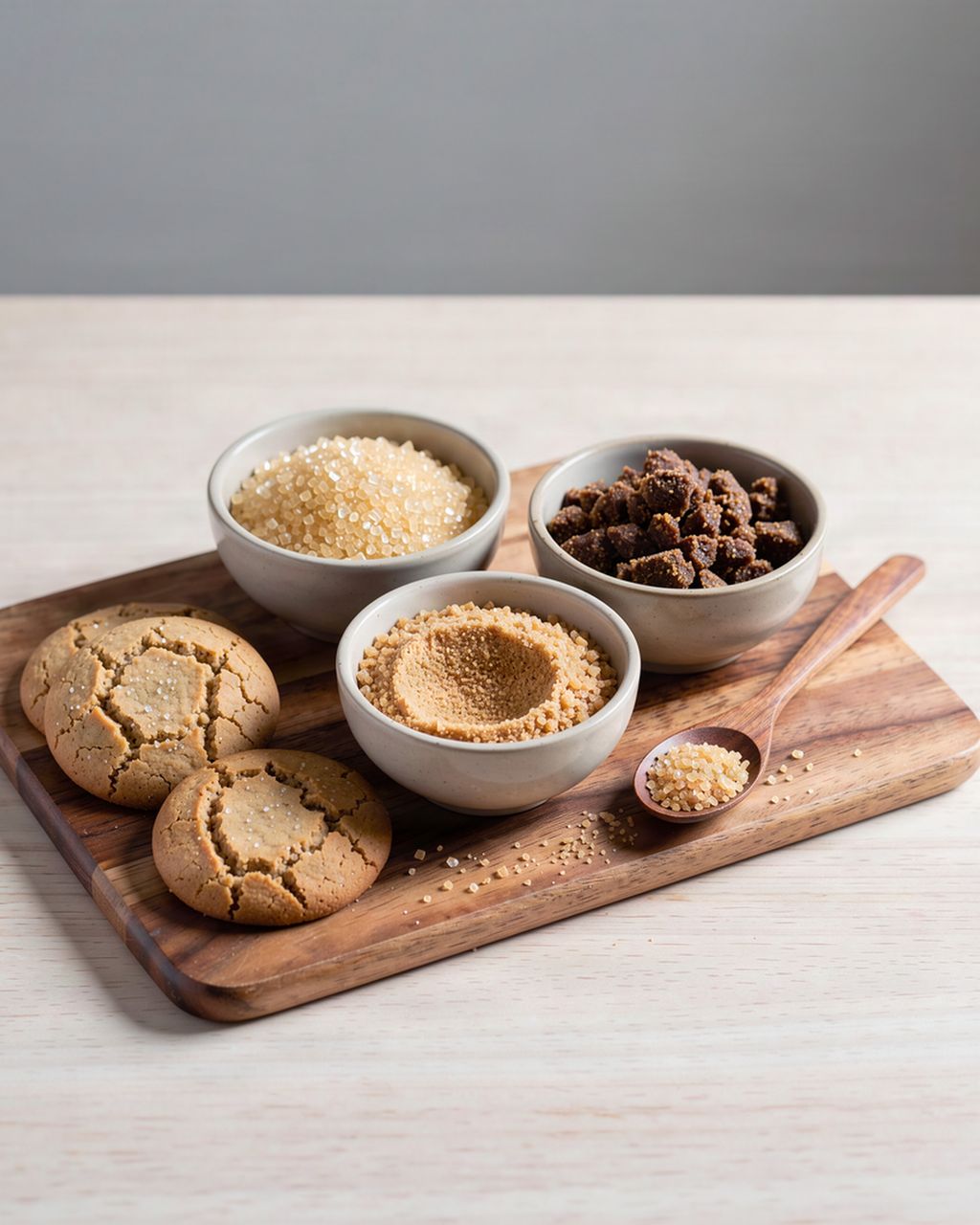
The only real difference is the amount of molasses. American brown sugar is refined white sugar with molasses added back:
Light brown sugar: about 3.5% molasses (the commonly cited figure; sources differ on whether it is by volume or by weight). Golden, mild, caramel-like.
Dark brown sugar: about 6.5% molasses. Deeper brown, moister, with a stronger toffee and slightly bitter edge.
These are the commonly cited figures. There is no legal standard for them in the US, so the exact amount varies by brand. By weight, commercial brown sugar can contain up to about 10% molasses, according to King Arthur Baking.
What that means in baking:
Flavor: dark tastes more of molasses. In gingerbread, spice cakes, barbecue sauce and baked beans that is welcome; in a delicate butter cookie it can dominate.
Color: dark sugar makes a darker crumb and browns a little faster.
Moisture: both are moist, dark slightly more so. Both help keep cookies soft and chewy compared with white sugar.
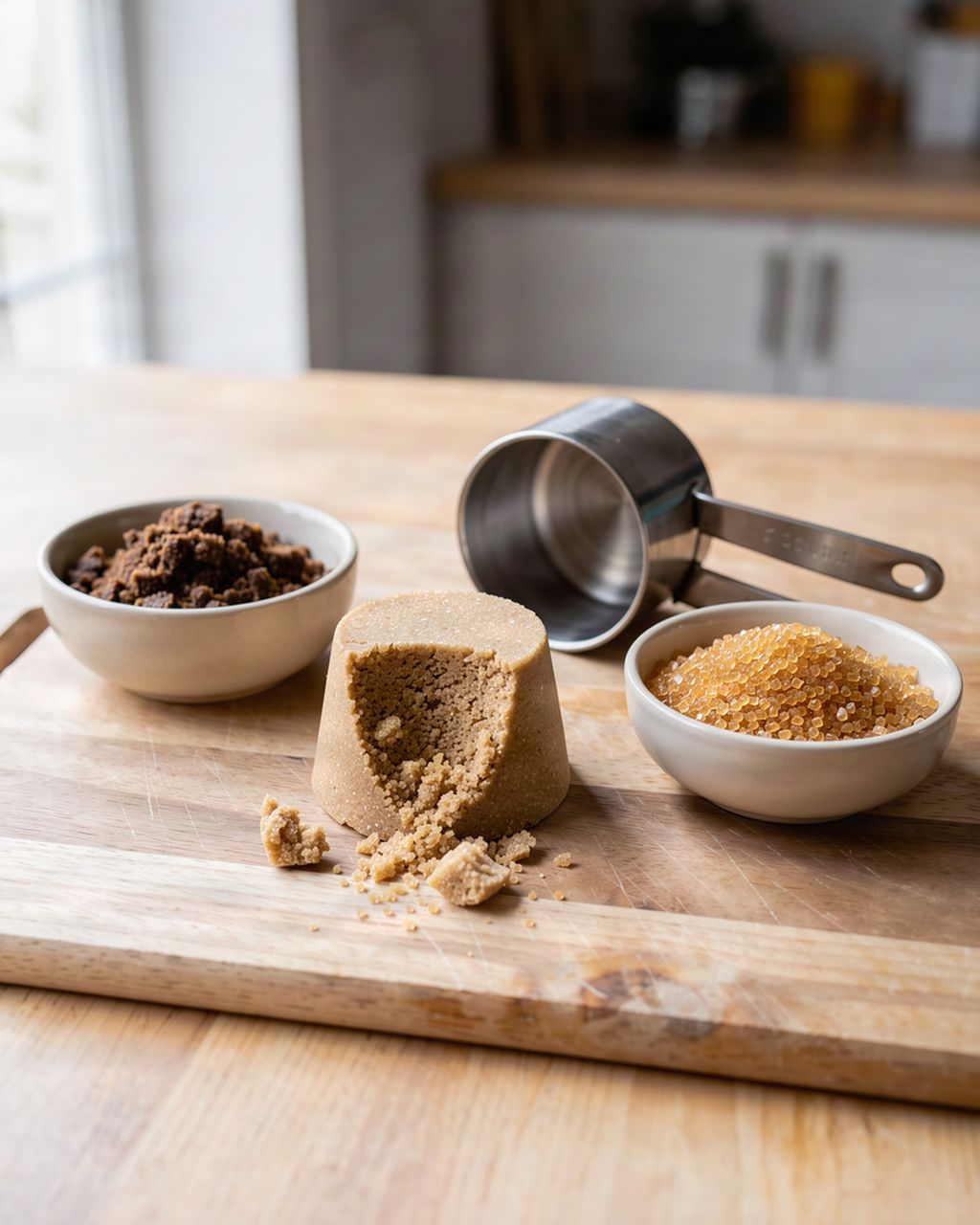
Weight: the same. King Arthur Baking gives one figure for both, 213 g per packed US cup (236.6 ml).
Recipe of the week, one tip that saves you time and one deal from the shop. Unsubscribe in one click.
The next issue goes out on Thursday, November 26.
Yes. Swap them one for one, by weight or by packed cup. The bake works the same; only the flavor and color shift.
Dark in place of light: a deeper color and a stronger molasses taste. Fine in chocolate, spice and oat bakes. In a pale vanilla cookie you will notice it.
Light in place of dark: a milder, paler result. To get closer to dark, add about 1 tablespoon of molasses per US cup of light brown sugar, mixed in well.
Half and half: if you have both, mixing them gives you a medium brown sugar.
If the recipe just says brown sugar with no color, American bakers usually mean light.
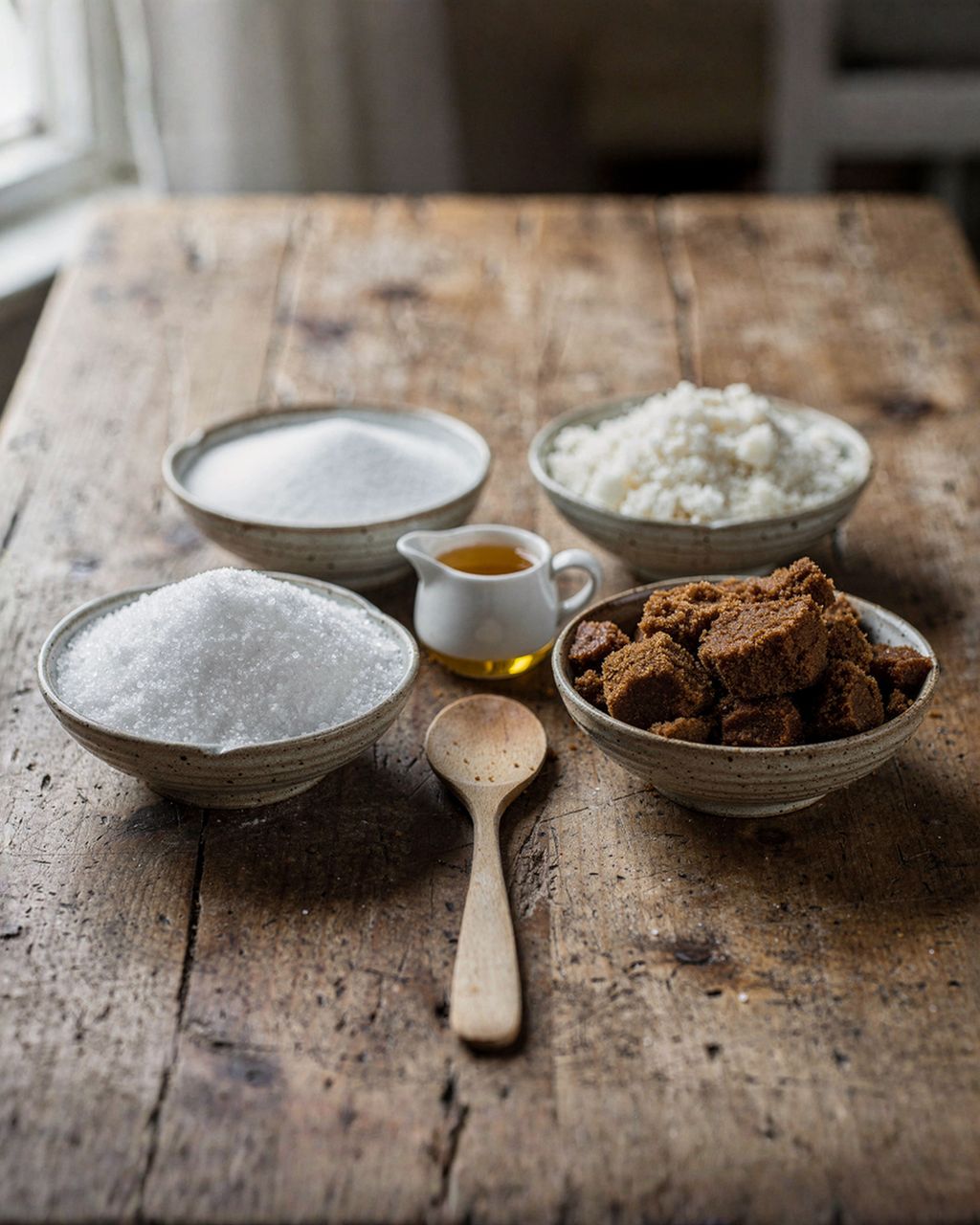
If you can't find brown sugar, make it. Mix the molasses into granulated sugar with a fork, then rub it in with your fingers until the color is even and there are no streaks. A food processor does it in seconds.
Per US cup of granulated sugar (about 200 g):
Light brown sugar: 2 teaspoons to 1 tablespoon of molasses (about 14–21 g).
Dark brown sugar: 1 to 2 tablespoons of molasses (about 21–42 g).
King Arthur Baking uses the lower amounts (2 teaspoons for light, 1 tablespoon for dark); America's Test Kitchen and many others use the higher ones (1 tablespoon for light, 2 for dark). Start low and taste.
Per 100 g of granulated sugar, that is about 7–10 g of molasses for light and 10–21 g for dark.
Which molasses? Use ordinary (light or dark) molasses, not blackstrap, which is bitter. In the UK, black treacle works. In Czech shops molasses is sold as melasa, usually in health-food shops, larger supermarkets and online. Choose cane molasses (třtinová melasa) over beet molasses (řepná melasa), which is stronger. Dip the measuring spoon in hot water first and the molasses slides off cleanly.
Outside North America, brown sugar comes in more styles, and they don't all behave like American brown sugar.
Light soft brown sugar and dark soft brown sugar (UK, Ireland, Australia): the closest match to American light and dark brown sugar. Swap them one for one.
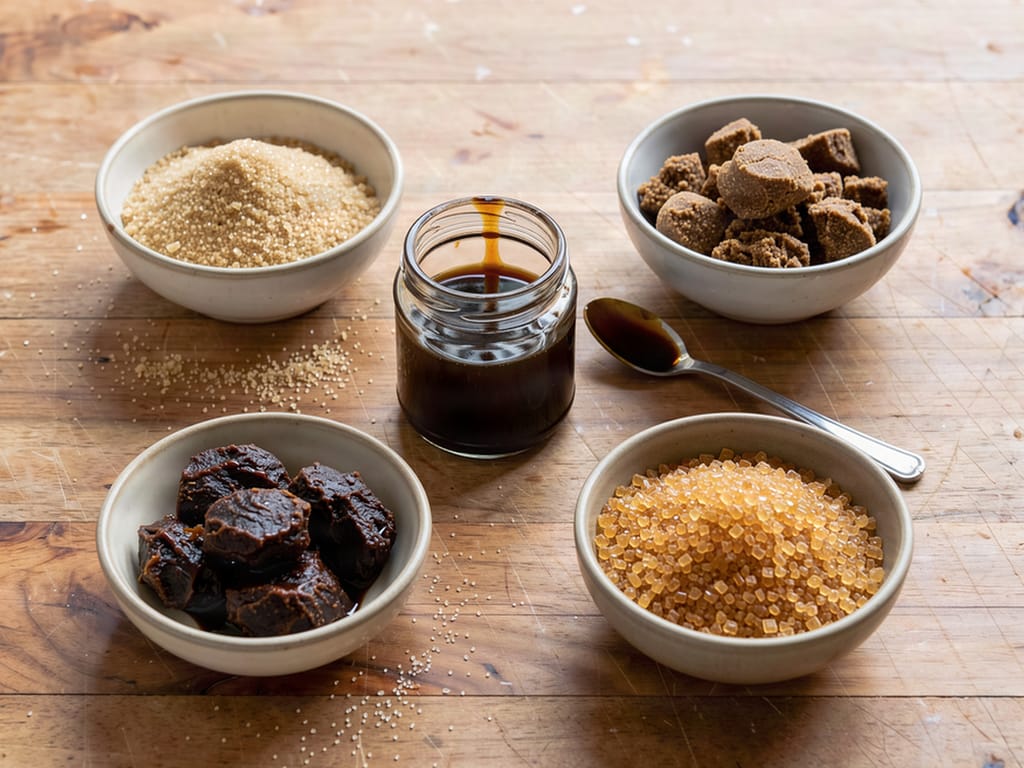
Muscovado (light or dark): unrefined or partly refined cane sugar that keeps more of its own molasses. It is moister, stickier and more intense than American brown sugar. Dark muscovado is a strong, flavorful stand-in for dark brown sugar; light muscovado for light. Use the same weight and expect a deeper flavor. There is no legal definition of muscovado, so brands vary.
Demerara: large, dry, golden crystals with only a little molasses. It does not pack and dissolves slowly. Good for crunchy toppings, not a direct swap for brown sugar in a batter or cookie dough.
Turbinado (sold as raw sugar in the US): similar to demerara. Same advice.
Panela, jaggery and rapadura: whole cane sugars with all the molasses left in. Strong flavor, often sold in blocks. See our panela page.
In Czech shops, brown sugar is mostly sold as třtinový cukr (cane sugar). The packs range from pale and fine to dark and coarse, and from moist to dry and free-flowing. Many of them sit somewhere between American brown sugar and demerara.
How we handle an American recipe here:
Weigh, don't use cups. A packed US cup of brown sugar is about 213 g (King Arthur Baking). A US cup of dry cane sugar won't pack to that weight.
For light brown sugar, choose a fine, light, moist cane sugar, such as our light cane sugar, or make your own with white sugar and a little molasses.
For dark brown sugar, choose dark muscovado if you can find it, a dark, moist brown cane sugar, or white sugar with more molasses.
Expect a small texture change. A drier cane sugar can give a crisper, paler cookie than the American original.
Our guide to cane sugar in baking explains how these sugars change moisture and flavor.
Most recipes forgive either, but some are worth getting right:
Chewy chocolate chip cookies: light brown sugar for the classic flavor; dark makes them deeper and slightly softer.
Gingerbread, parkin and spice cakes: dark, or light plus extra molasses.
Butterscotch and caramel sauces: light gives a cleaner caramel; dark a stronger, almost toffee-apple taste.
Barbecue sauces, glazes and baked beans: dark.
Crumble and streusel toppings: either, or demerara for crunch.
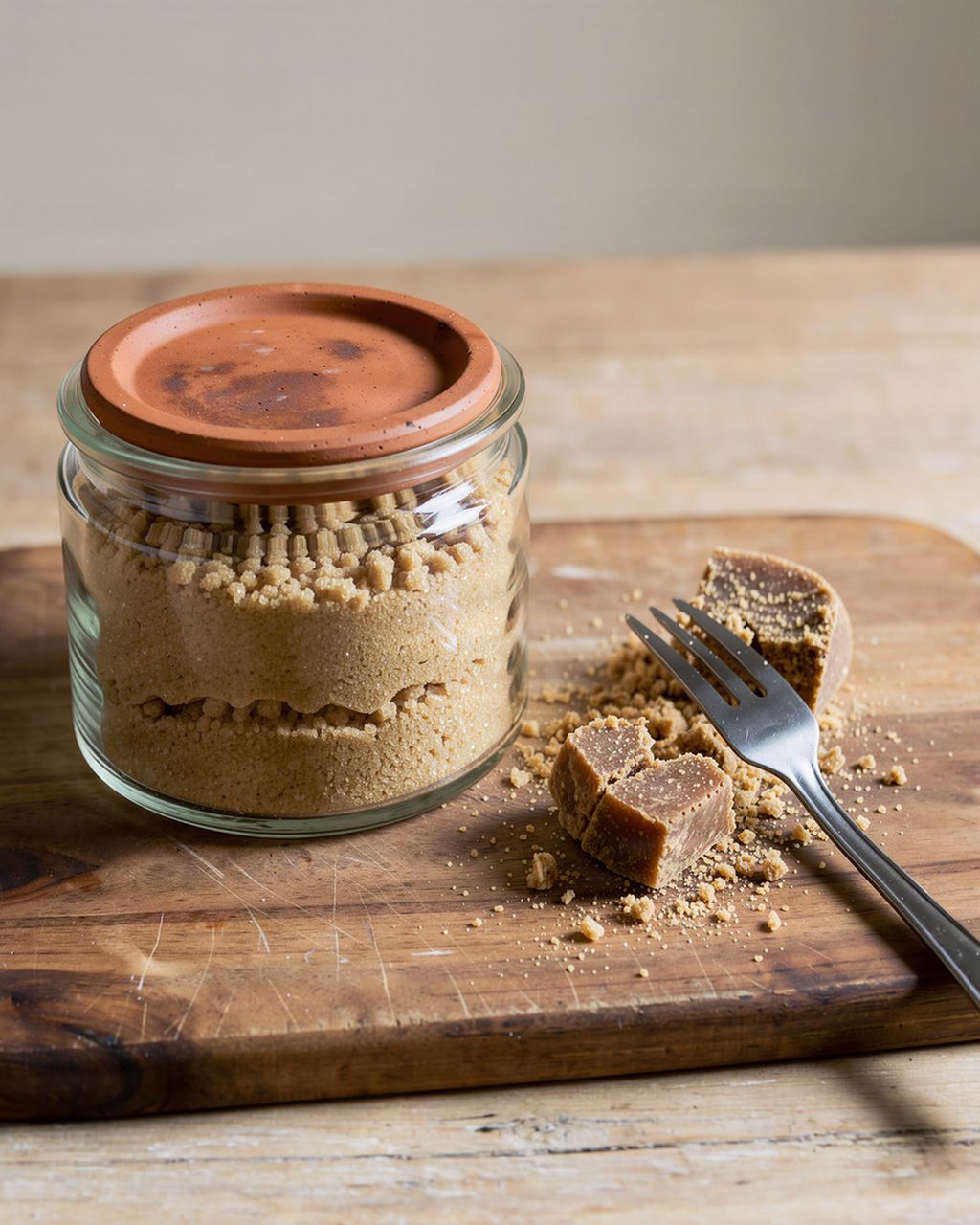
For converting cups of any sugar to grams, use our cups and spoons to grams calculator. If your brown sugar has turned rock hard in the cupboard, put it in a sealed container with a slice of bread overnight and it will soften; then take the bread out.
Dark brown sugar has more molasses, about 6.5% against about 3.5% in light brown sugar, the commonly cited figures. That gives it a deeper color, a stronger molasses flavor and slightly more moisture.
Yes, swap them one for one by weight or packed cup. Light gives a milder, paler result; add about a tablespoon of molasses per US cup of light brown sugar to get closer to dark.
Mix molasses into granulated sugar until evenly colored: 2 teaspoons to 1 tablespoon per US cup (200 g) for light brown sugar, and 1 to 2 tablespoons for dark.
No, but it is a good substitute. Muscovado keeps more of its own molasses, so it is moister and stronger in flavor than American dark brown sugar; use the same weight.
Not as a direct swap in doughs and batters. Demerara is dry and coarse and dissolves slowly, so it is best for crunchy toppings.
Brown sugar is usually sold as třtinový cukr, which means cane sugar. The packs vary from fine and moist to coarse and dry, so weigh it and choose a moist, fine one for American recipes.
One recipe worth heating the oven for, one tip, and one deal from the shop. Nothing else.