Rum Pralines: How Much Rum for the Filling, What to Substitute and How to Mold Them
Rum Aroma vs Rum Extract vs Real Rum: What to Use in European Baking
Updated Nov 18, 2026
Rum aroma (Czech rumové aroma, German Rum-Aroma) is a concentrated flavoring sold in small bottles, made mostly of water and propylene glycol with little or no alcohol, while American rum extract is a flavoring dissolved in alcohol. Both stand in for real rum, which is about 40% alcohol, or for Czech tuzemák. For flavor you can swap rum aroma for US rum extract drop for drop, and use about ½ teaspoon of extract per tablespoon of light rum, or 1½ teaspoons per tablespoon of dark rum; because US rum extract is alcohol-based, use an alcohol-free flavoring for an alcohol-free batch.
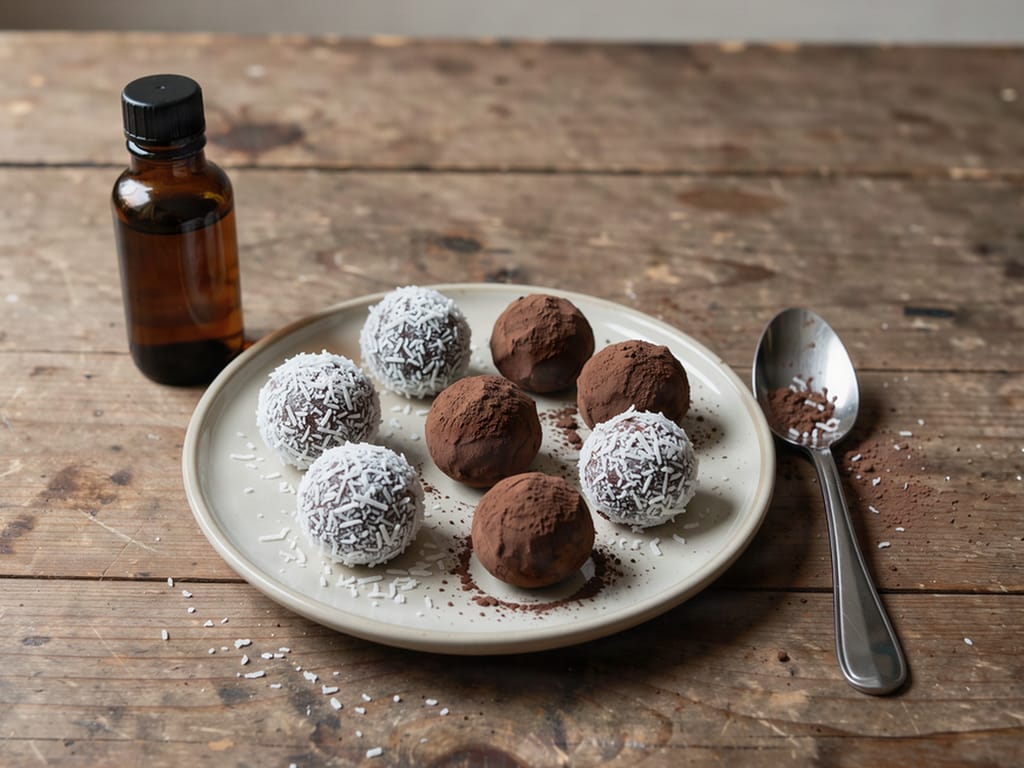
Walk down the baking aisle in a Czech, German, Austrian or Hungarian supermarket and you'll find a row of tiny bottles: vanilla, lemon, almond, and rum. The rum one is rumové aroma in Czech, Rum-Aroma in German and rumaroma in Hungarian. It is a concentrated flavoring that tastes and smells like dark rum.
The ingredients vary by brand. Dr. Oetker's rum aroma, sold in 38 ml bottles in several EU countries, lists water, propylene glycol, ethanol, flavoring and caramel color on its Dutch label. Other rum aromas are made without alcohol at all. In both cases you use very little: a few drops, half a teaspoon, or a whole small bottle in some older recipes for a full tray of cookies.
Central European bakers use it in Christmas cookies, rum balls (rumové kuličky), cake fillings, buttercream and some yeast doughs, wherever a recipe wants the flavor of rum with little or no alcohol and almost no added liquid.
In the US the equivalent is rum extract, sold in 1 or 2 oz bottles next to vanilla. Unlike most European rum aromas, it is based on alcohol. McCormick's rum extract lists alcohol, water, rum and natural flavor. Alcohol content varies by product, so check the label.
The flavor is concentrated, so the amounts are small, much like rum aroma. McCormick suggests about ½ teaspoon of extract in place of 1 tablespoon of light rum, and about 1½ teaspoons for 1 tablespoon of dark rum.
For flavor, rum aroma and rum extract are interchangeable in baking. Strength differs a little between brands, so add the smaller amount first and taste the batter or filling. The difference is alcohol: unlike most rum aromas, US rum extract is alcohol-based, so for an alcohol-free batch (for example one children will eat) use an alcohol-free flavoring instead.
Many Czech recipes call for real spirit instead of aroma: rum in older recipes almost always means tuzemák, the Czech rum-flavored spirit.
Tuzemák is not rum in the legal sense. It is made from a neutral spirit, typically from sugar beet or potatoes, flavored with rum essence. EU rules reserve the name rum for spirit made from sugar cane, so Czech producers stopped calling it rum in the early 2000s and switched to tuzemák or tuzemský. Its flavor is sweeter and more vanilla-and-caramel than a Caribbean dark rum, and it is the taste Czechs expect in rum balls and Christmas cookies.
If you can't find tuzemák, a dark or spiced rum is the closest match. EU law sets 37.5% alcohol by volume as the minimum for rum, and most bottles are 37.5–40%.
Rum adds flavor and liquid. Extract and aroma add only flavor, so replace both.
Use the dark-rum figures when a Czech recipe says rum, because it almost always means tuzemák or a dark rum.
1 tablespoon light rum → about ½ teaspoon rum extract or aroma, plus about 2½ teaspoons of water, milk or juice if the liquid matters.
1 tablespoon dark rum or tuzemák → about 1½ teaspoons extract or aroma, plus about 1½ teaspoons of liquid.
2 tablespoons rum → about 1 teaspoon extract for light rum, or 1 tablespoon for dark rum, plus liquid to make up the volume.
¼ US cup (59 ml) rum → about 2 teaspoons extract for light rum, or 2 tablespoons for dark rum. At these amounts, taste as you go: concentrated flavorings can turn harsh.
Going the other way, if a Czech recipe says a few drops (pár kapek) of rum aroma, use a few drops of US extract. If it says one small bottle (1 lahvička), that usually means a 2 ml vial meant for about 500 g (1 lb) of flour, so start with a scant ½ teaspoon of US extract and add more after tasting.
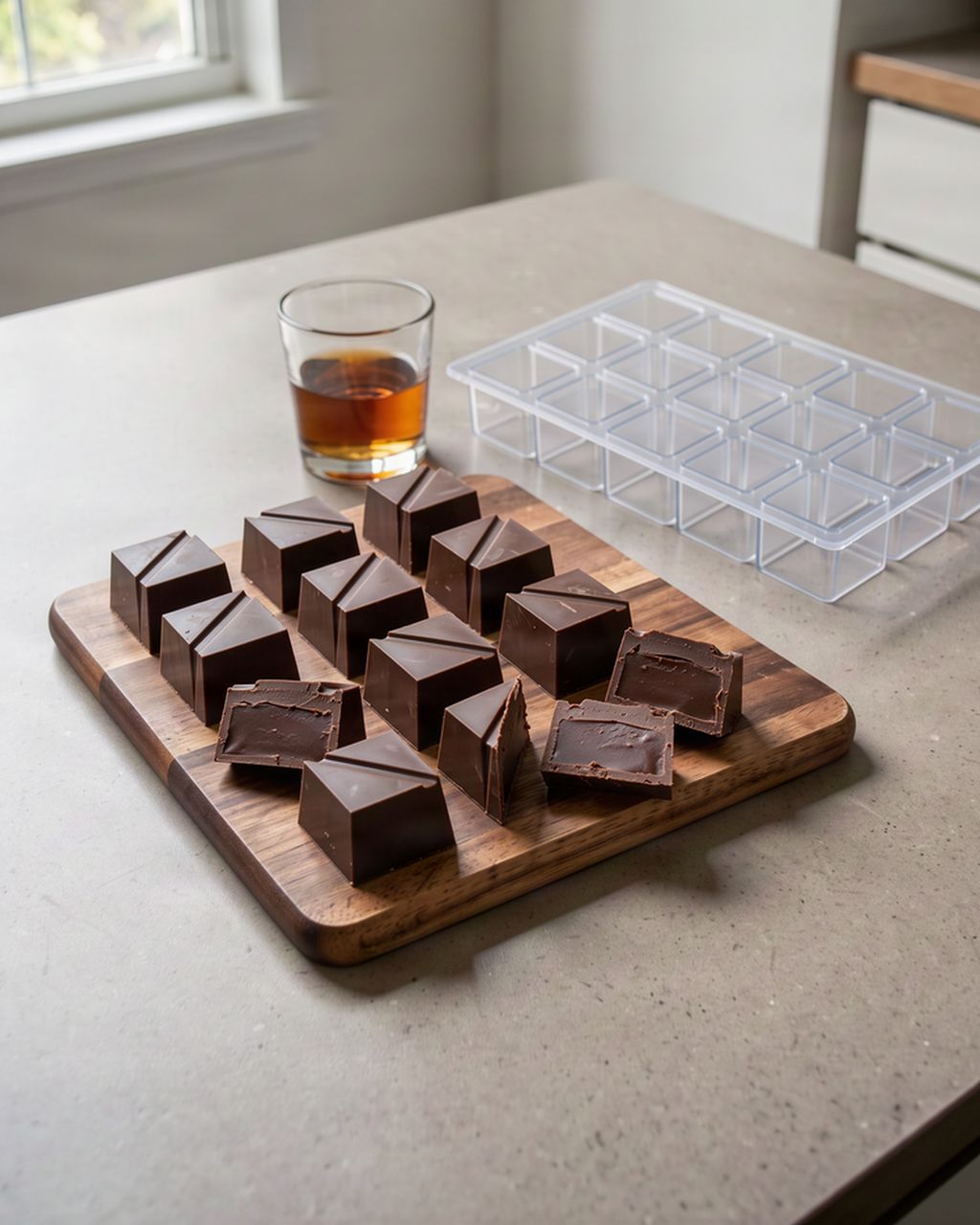
In no-bake fillings and cookie doughs that firm up in the fridge, swapping a lot of real rum for extract and milk can change the texture. Our guide to rum pralines explains how liquid affects the set.
Recipe of the week, one tip that saves you time and one deal from the shop. Unsubscribe in one click.
The next issue goes out on Thursday, November 26.
As used, all three add some flavor, but very different amounts of alcohol:
Real rum or tuzemák: about 33–40% alcohol (rum is at least 37.5% in the EU; some tuzemák brands are lower), used by the tablespoon.
US rum extract: alcohol-based, used by the half-teaspoon. Check the label for the percentage.
European rum aroma: often a little ethanol or none, used by the drop. Check the ingredient list.
Cooking doesn't remove all the alcohol. USDA's Table of Nutrient Retention Factors lists the share of alcohol retained after baking, simmering and other methods, and some always stays. In no-bake recipes such as rum balls, truffles, buttercream or a drizzle over a finished cake, the alcohol from real rum or tuzemák stays in full. For an alcohol-free batch, for example one children will eat, use an alcohol-free flavoring rather than rum or US rum extract.
If you want rum flavor with no alcohol at all:
Rum aroma labeled alcohol-free. Many European brands make one; the label will say bez alkoholu, alkoholfrei or list no ethanol.
Alcohol-free rum flavoring sold in the US, usually based on glycerin or propylene glycol. Look for alcohol-free on the front, since plain rum flavor does not guarantee it.
Flavor from the pantry. No-rum versions of rum balls often lean on vanilla, a little strong coffee, dark brown sugar or a few drops of molasses to get some of the caramel depth. It won't taste like rum, but it fills the gap.
For drinks rather than baking, see what to use instead of rum in eggnog.
They do the same job but are made differently. European rum aroma is usually based on water and propylene glycol with little or no alcohol, while US rum extract is based on alcohol, so for an alcohol-free batch use an alcohol-free flavoring instead.
About ½ teaspoon of rum extract replaces 1 tablespoon of light rum, and about 1½ teaspoons replaces 1 tablespoon of dark rum, which is the guide McCormick gives for its extract. Make up the missing volume with water, milk or juice if the liquid matters.
Some European rum aromas contain a little ethanol and some contain none; it depends on the brand and country. The ingredient list on the bottle says whether ethanol is included.
US rum extract is the closest substitute, used in the same small amounts. For an alcohol-free option, look for a rum flavoring labeled alcohol-free, which is usually glycerin- or propylene-glycol-based.
Not completely; some alcohol stays in baked and simmered food. USDA's Table of Nutrient Retention Factors lists how much alcohol is retained by cooking method and time, and no-bake treats keep all of it.
One recipe worth heating the oven for, one tip, and one deal from the shop. Nothing else.