Callebaut White Chocolate Callets (W2) 400g
Mascarpone White Chocolate Frosting for Cakes: The Ratio That Holds Without Being Too Sweet
Updated Oct 15, 2026
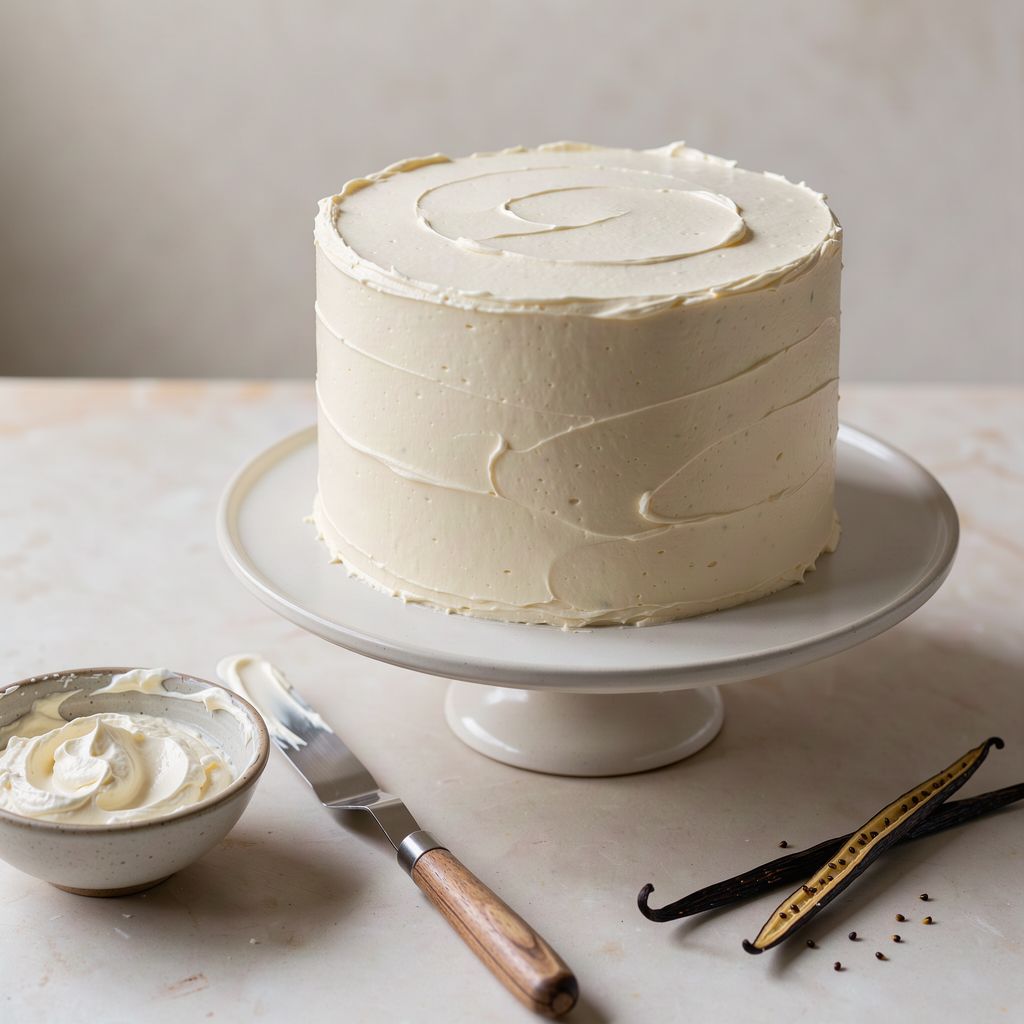
Mascarpone white chocolate frosting holds its shape and stays pleasantly sweet when you build it on a ratio of white chocolate : heavy cream : mascarpone = 1 : 1 : 3 and add no extra sugar – the chocolate does all the sweetening. White chocolate is roughly half sugar, so it sweetens the frosting for you, and its cocoa butter firms the frosting up once it's chilled. If you need sharp edges or a tall cake, don't add more chocolate (the frosting would turn too sweet). Add a little gelatin instead. Below you'll find exact weights, the method, and what to do if the frosting splits.
The all-purpose ratio is 1 part white chocolate, 1 part heavy cream and 3 parts mascarpone (by weight), with no extra sugar. For a 20 cm (8 in) cake, that means 150 g chocolate, 150 g cream and 450 g mascarpone.
Adjust the ratio depending on what you need the frosting to do:
Light filling for fruit cakes – 1 : 1 : 4 (100 g chocolate, 100 g cream, 400 g mascarpone). The least sweet and the softest. It only holds between layers inside a cake ring.
All-purpose filling and coating – 1 : 1 : 3 (150 g / 150 g / 450 g). You can pipe it, use it to coat a cake, and it keeps its shape in the fridge.
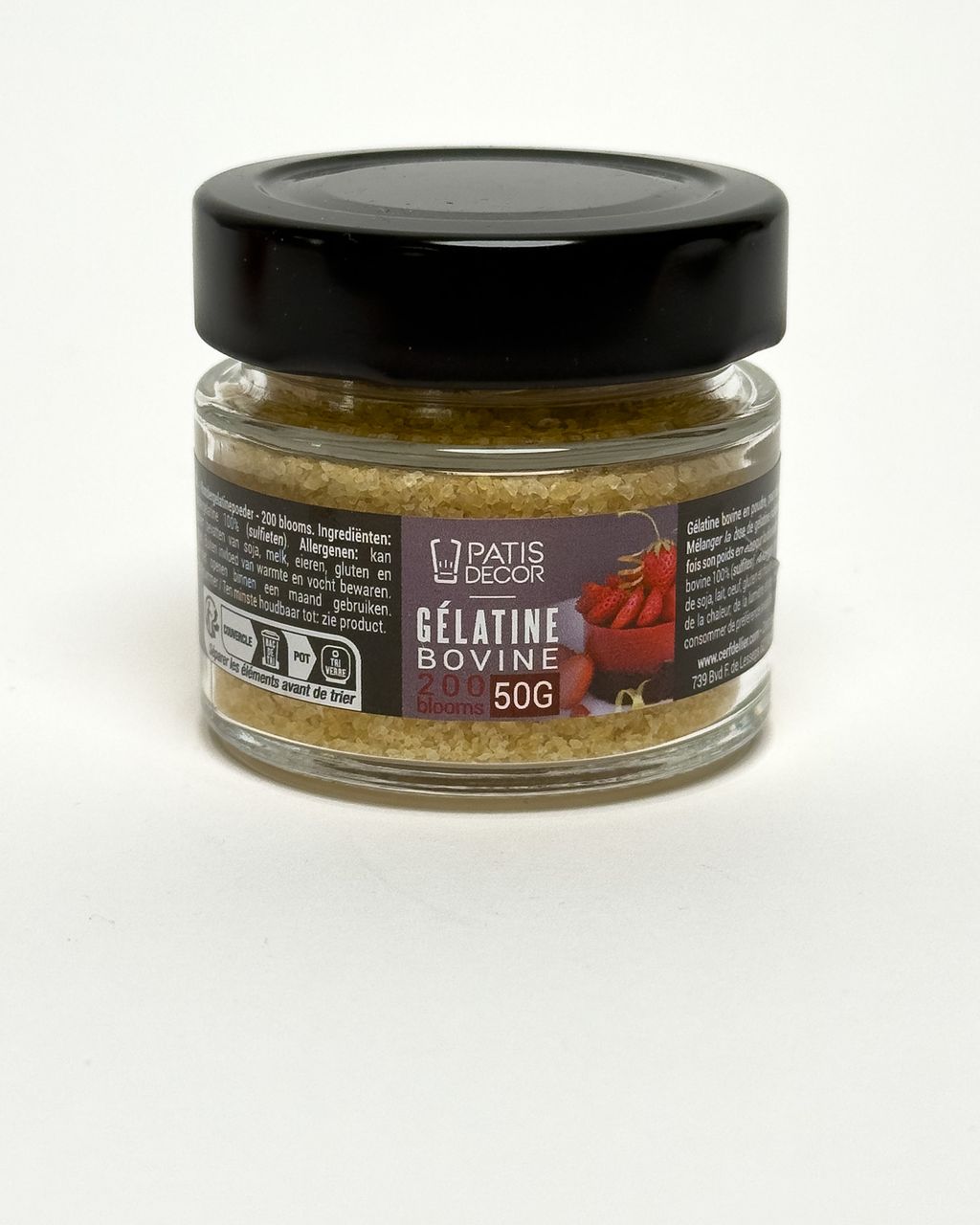
Firm frosting for sharp edges and tall cakes – 1 : 1 : 3 + gelatin (5–6 g powdered 200 Bloom gelatin per 750 g frosting). Just as sweet as the all-purpose version, only more stable.
Use heavy cream with 33–40% fat. Lighter cream (12% or 20%) contains too much water, and the frosting would run after whipping.
A frosting made at 1 : 1 : 3 contains roughly 10–12% sugar from the chocolate – about the same as a lightly sweetened whipped cream. The mascarpone adds a little natural milk sugar (lactose), around 3–4 g per 100 g. That's why you shouldn't add powdered sugar: depending on the brand, white chocolate contains roughly 50–60% sugars (including lactose from the milk powder), so 150 g of chocolate brings in about 75–90 g of sugar.
The most common mistake that makes the frosting too sweet is trying to firm it up by adding more chocolate. It will be firmer, but every extra 50 g of chocolate adds about 25–30 g of sugar. Use gelatin for firmness, not chocolate.
If the frosting still tastes too sweet to you, these help:
a pinch of salt (about 0.5 g for the whole batch) – it tones down the sweetness and brings out the milky flavor,
tart fruit in the filling – raspberries, red currants, passion fruit,
coffee or lemon zest – a bitter or fresh note balances the sweetness,
caramelized white chocolate – after slow roasting in the oven it tastes less sweet and more caramelly.
Choose real white chocolate made with cocoa butter, not a candy coating made with vegetable fat. The frosting sets because of the cocoa butter – coating sets differently, tastes waxy and makes a greasy frosting. Under European rules, white chocolate must contain at least 20% cocoa butter; baking chocolates and couverture contain more.
Callebaut W2 (28% cocoa) – the reliable middle ground. It has a balanced milky-vanilla flavor, melts quickly and evenly in callets, and gives the same result every time. It's what we use most often for this frosting, and you'll find it among our white chocolates.
Chocolates with 33–35% cocoa butter (such as Valrhona Ivoire) – they set a little firmer, so the frosting holds better. They cost more and have a more pronounced flavor.
Ordinary supermarket bars – they work as long as the label lists cocoa butter and not vegetable fat. They tend to be sweeter and their quality varies, so the frosting may turn out softer.
For more on the differences between types of chocolate and how they behave when melted, see the article on dark, milk and white chocolate.
If you want the frosting firmer but not sweeter, add gelatin: 5–6 g of powdered 200 Bloom gelatin per 750 g of frosting is enough for straight sides and sharp edges. More chocolate firms the frosting up too, but it makes it sweeter at the same time.
Here's how the options compare:
Powdered beef gelatin, 200 Bloom – it's measured out precisely in grams, dissolves in hot cream, and firms the frosting once chilled without changing the flavor. Let it bloom in six times its weight in cold water (5 g gelatin + 30 g water, 10 minutes).
Sheet gelatin – works the same way. One sheet usually weighs around 2 g and the strength varies by manufacturer, so measure by weight, not by number of sheets.
Agar – not suitable for this frosting. It has to be boiled, sets brittle, and the frosting breaks when whipped.
Whipped cream stabilizer (starch) – fine for a light frosting in a bowl, but too weak for coating a cake.
More chocolate (2 : 1 to cream) – the frosting firms up, but it adds sugar. It only makes sense where sweetness doesn't matter, such as a thin layer under fruit.
Watch the gelatin amount: with more than 1% gelatin (of the frosting's weight), the frosting turns rubbery and tastes like pudding in a cake layer.
The frosting is made in two stages: in the evening you make a ganache from cream and chocolate, and the next day you whip it with the mascarpone. Without a rest of at least 6 hours (ideally overnight), the frosting won't hold – the cocoa butter needs time to crystallize.
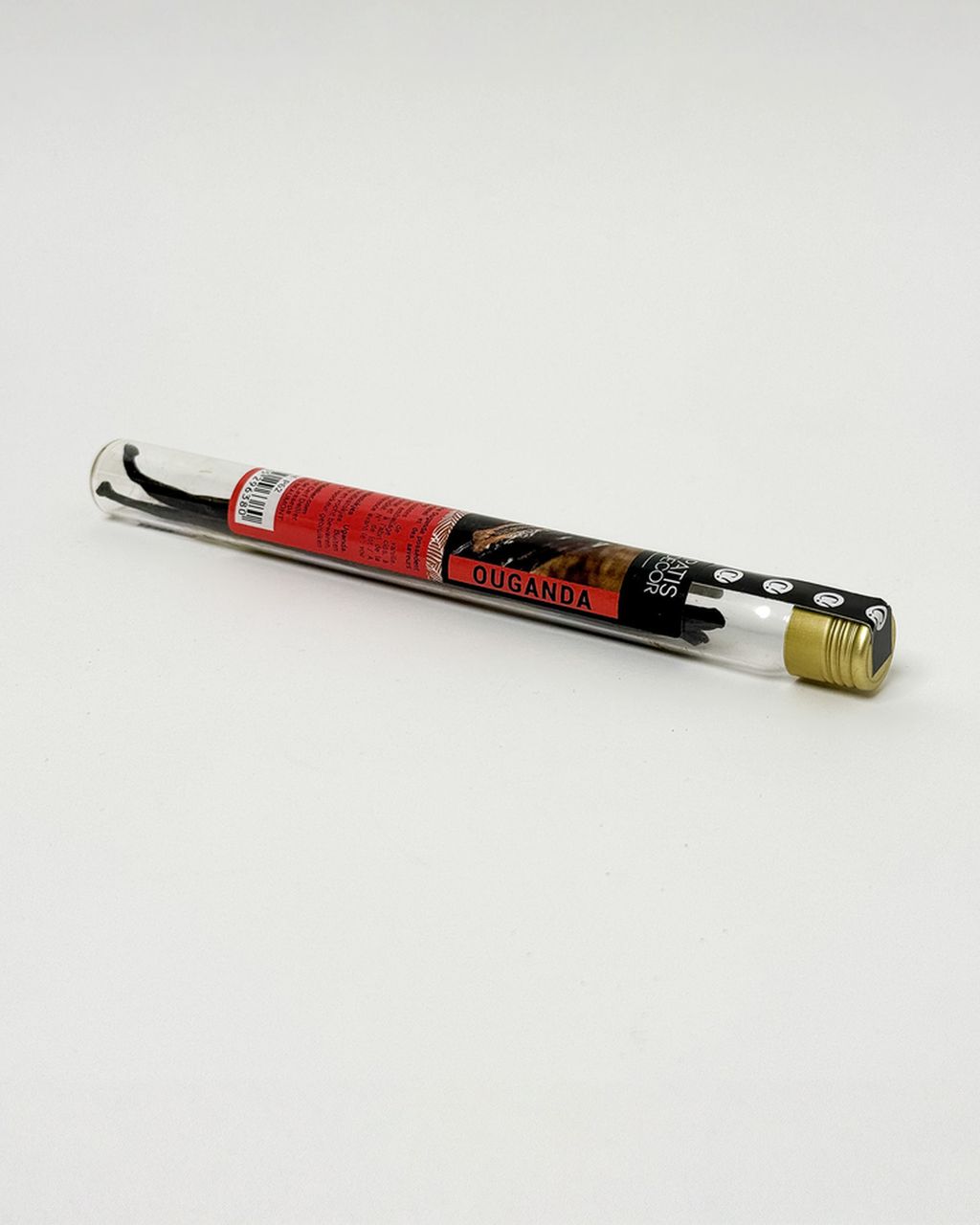
Vanilla (optional): split a vanilla bean lengthwise, scrape out the seeds and add them, together with the pod, to 150 g of cream. Heat it to 80 °C (175 °F) until steaming but not boiling, cover and leave to infuse for 15 minutes. Remove the pod.
Gelatin (for the firm version): pour 30–36 g of cold water over 5–6 g of powdered gelatin and let it bloom for 10 minutes.
Ganache: reheat the cream to 70–80 °C (160–175 °F) without boiling it, stir in the bloomed gelatin and pour it over 150 g of white chocolate. Let it stand for a minute, then mix until smooth with a spatula or an immersion blender.
Rest: cover with plastic wrap pressed directly onto the surface and refrigerate for at least 6 hours, ideally overnight (4–6 °C / 39–43 °F).
Whipping: briefly stir 450 g of chilled mascarpone with a spatula until smooth. Add the chilled ganache and whip on medium speed for 1–3 minutes, until the frosting holds a peak. Finish the last few turns by hand with a spatula.
The mascarpone and ganache must be at the same temperature, ideally both straight from the fridge. Warm ganache in cold mascarpone creates tiny hard bits of chocolate.
Mascarpone frosting most often splits from overwhipping: mascarpone has around 40% fat, and with long whipping the fat starts turning to butter. The frosting then looks grainy and dull and weeps liquid. The second cause is a temperature difference between the ganache and the mascarpone.
Depending on what you see:
Grainy, dull, weeping liquid – overwhipped. Stir in 2–3 tablespoons of cold cream with a spatula and don't use the mixer again. Frosting that has fully turned to butter can't be saved; use it in a cake batter.
Tiny hard white specks – the ganache was warmer than the mascarpone and the chocolate set into bits in the frosting. Take out about 3 tablespoons of frosting, warm it briefly (10 seconds in the microwave) and stir it back in.
Runny, won't hold a peak – the ganache didn't rest long enough, or the cream is too light. Put the whole bowl in the fridge for 30 minutes and try whipping it briefly again.
Watery from the start – the mascarpone released whey. Pour off the liquid from the tub before using it, and don't buy "light" reduced-fat versions.
For a 20 cm (8 in) cake with three layers, you'll need about 750 g of frosting, which is one batch of 150 g chocolate + 150 g cream + 450 g mascarpone.
Filling (2 layers of 1 cm): around 400 g
Coating and edges: around 350 g
24 cm (9½ in) cake: multiply the batch by 1.5×
16 cm (6 in) cake: two thirds of the batch is enough
12 cupcakes with a piped swirl: about 500 g of frosting
For coating, first spread a thin crumb coat that traps the crumbs, and chill the cake for 30 minutes. Only then apply the final layer.
Add flavor to the ganache, not to the finished frosting: liquid added at the end thins the frosting out, but you can add as much as you like to hot cream. The same goes for color – stir gel food coloring into the ganache and the frosting will color evenly as it whips.
Coffee: dissolve 1–2 teaspoons of instant coffee in the hot cream. For a ready-made coffee version, see the recipe for white chocolate coffee frosting.
Vanilla: a bean infused in the cream has a fuller flavor than extract or flavoring. Vanilla paste or extract work too; just avoid vanilla sugar, as it sweetens the frosting needlessly.
Freeze-dried fruit: freeze-dried raspberries or strawberries (10–15 g per batch) add color and tartness.
Two colors: divide the frosting in two, color each part separately and put them side by side in one piping bag. For inspiration, see the recipe for two-color mascarpone frosting.
White chocolate frosting is slightly yellowish, so it won't be pure white or a bright pastel. Expect a warmer tone, and test colors on a small spoonful of frosting.
The finished frosting, and a cake made with it, keeps in the fridge for 2–3 days. You can make the cream-and-chocolate ganache up to 3 days ahead and whip in the mascarpone on the day you decorate. Always keep the frosting covered, because mascarpone easily picks up odors from the fridge.
Yes, you can freeze it, ideally already used to fill and coat a cake. Wrapped in plastic wrap, such a cake keeps in the freezer for about a month. Thaw it overnight in the fridge, not at room temperature, or the frosting will release water. Frosting frozen on its own in a bowl usually splits a little after thawing, so you'll need to stir it briefly to bring it back together.
It isn't. The frosting is soft and the cake has to stay in the fridge, where fondant sweats. Firm ganache or buttercream is a more reliable base under fondant. Mascarpone frosting is best on cakes that stay creamy or are decorated with fruit.
The best substitute is full-fat cream cheese, used 1 : 1. The frosting will be fresher, slightly tangier and a bit softer, so it's worth adding gelatin. Quark or fresh farmer's cheese contains more water and won't hold without gelatin.
Both the cocoa butter and the fat in the mascarpone set when cold, so the frosting is firm and muted in flavor straight from the fridge. Let the cake sit at room temperature for 15–20 minutes before serving. The frosting softens without running, and the vanilla and chocolate taste more pronounced.
One recipe worth heating the oven for, one tip, and one deal from the shop. Nothing else.