Choose your cookies

Necessary cookies hold the site together — cart, sign-in, language. Analytics ones show us what works here and what to build your recommendations on. Marketing ones would measure ads outside Yumsto; we're not running any yet. Nothing but the necessary ones runs until you say yes.

How we handle your data

Cookie settings

Rice, Grains and Pulses: Guides and Tips

Rice, Grains and Pulses: Guides and Tips

Rice that doesn't stick, chickpeas cooked until tender and lentils that hold their shape. How much water for how much rice, how to soak pulses, what to cook with leftover rice, how to make sushi rice and how to cook oatmeal or millet porridge.

Quick answer

How much water do I need for rice?

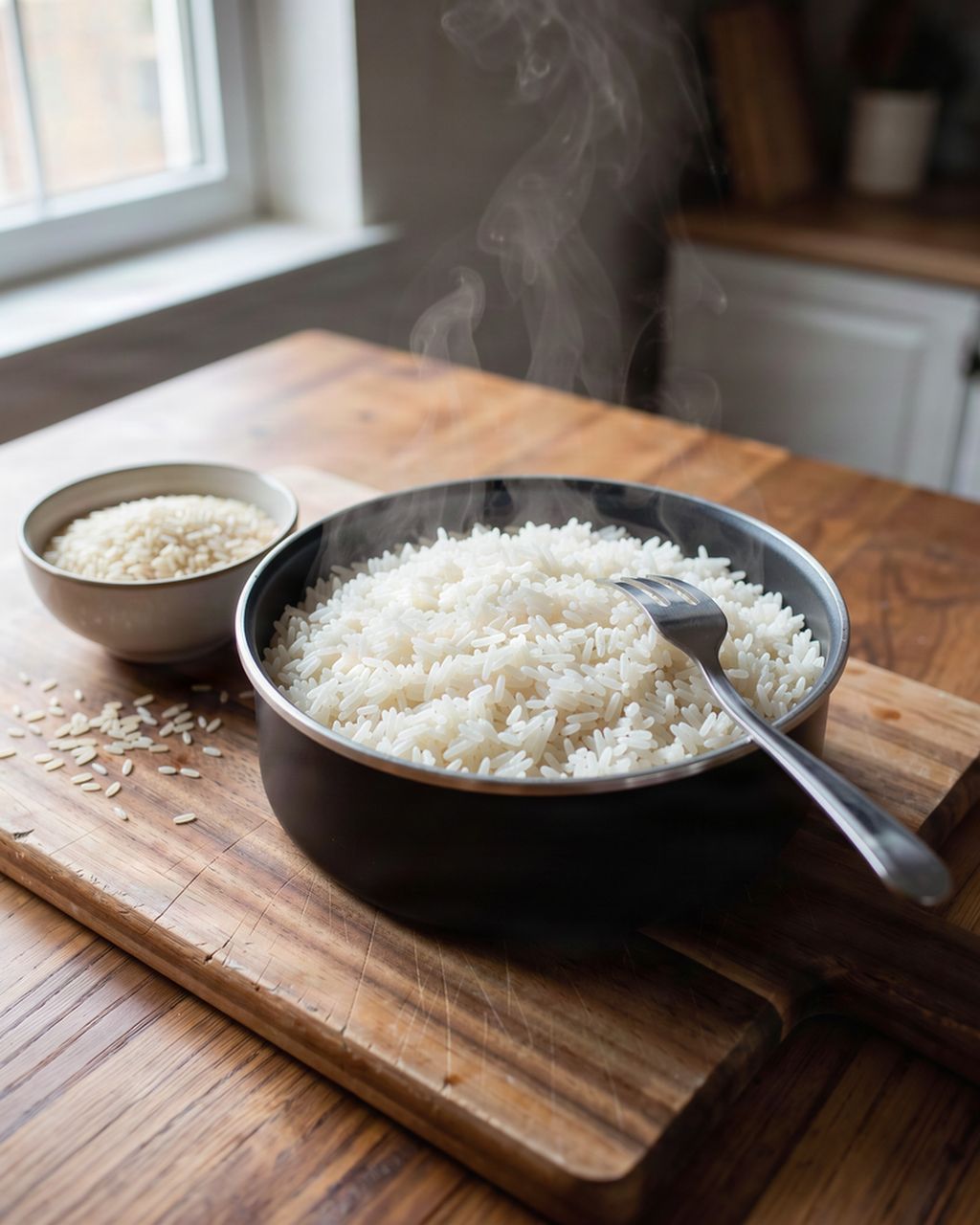
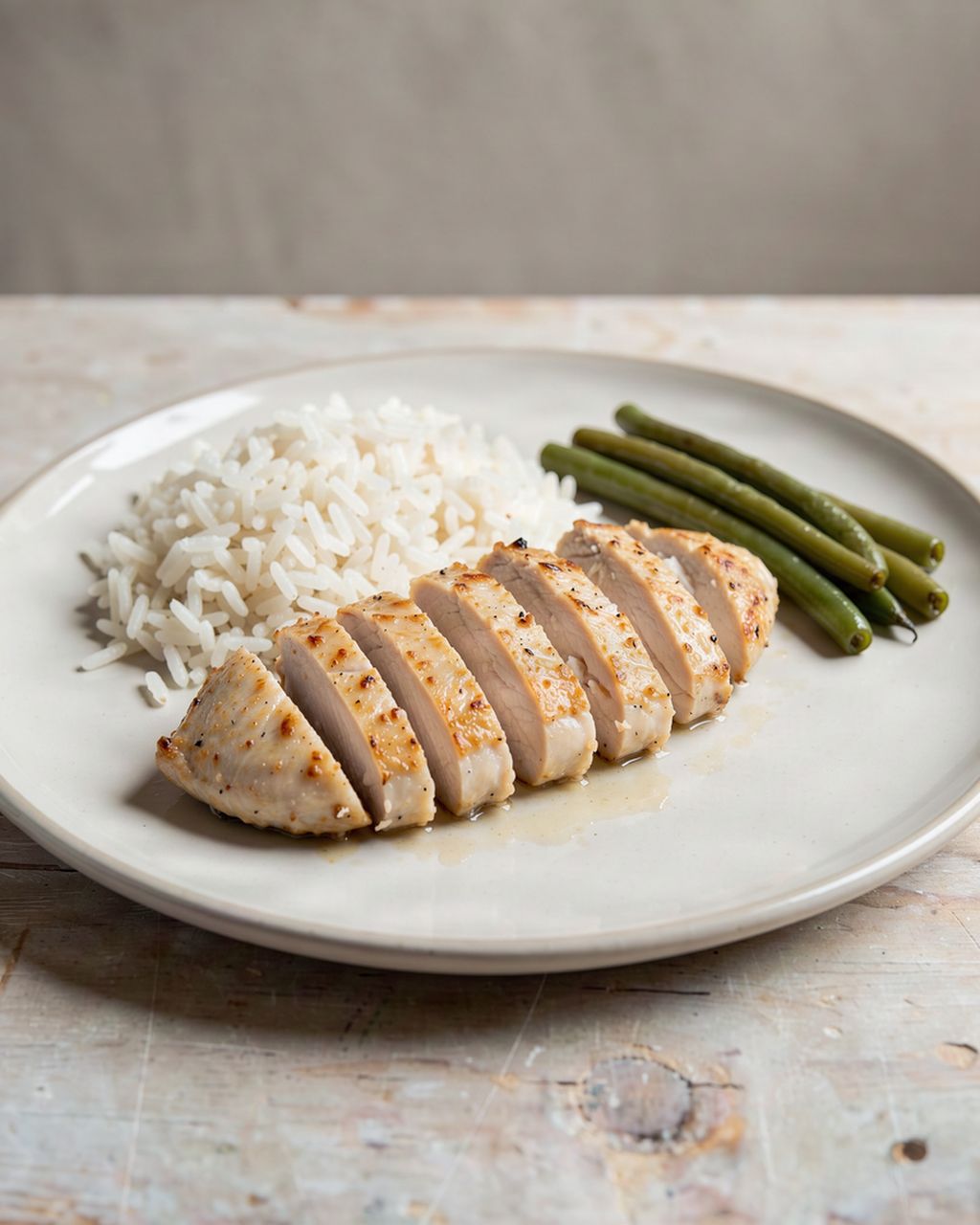
For white long-grain, basmati and jasmine rice, about twice the volume of water. Rinse it, bring it to the boil, then let it absorb the water under a lid on the lowest heat for 15–18 minutes and rest for 5–10 minutes.
Frequently asked questions

All articles

  1. Why Is My Pasta Dough Tough? Hydration, Resting and Flour

    Homemade pasta dough turns tough when it is too dry, hasn't rested, or has picked up too much flour while rolling. A softer dough, a rest of about 30 minutes and thin rolling fix most of it. Here is how to find the cause.

  2. Why Is My Rice Mushy? Water, Stirring, Rinsing and Rice Type

    Rice turns mushy when it gets too much water, cooks too long, or is stirred so its starch glues the grains together. The type of rice matters too, because short-grain rice is meant to be soft and sticky. Here is how to find the cause and get fluffy rice next time.

  3. Why Is My Rice Crunchy? How to Fix Undercooked, Hard Rice

    Crunchy rice is undercooked: it got too little water, lost its water as steam, or didn't cook or rest long enough. You can usually fix it with a few tablespoons of hot water and a few minutes under a tight lid. Here is why it happens and how to stop it.

  4. Why Is My Pasta Gummy? Overcooking, Water and the Rinsing Myth

    Pasta gets gummy when it is overcooked, cooked in too little water, or left sitting after draining, so its surface starch turns sticky. Plenty of boiling water, an early stir, tasting before the package time and saucing it straight away prevent it. Here is what goes wrong and what to do.

  5. Why Did My Rice Burn on the Bottom? Heat, Pans and Saving the Top

    Rice burns on the bottom when the heat stays too high after the water is absorbed, especially in a thin pan or with too little water. You can usually save the rice on top by scooping it off without scraping. Here is how to stop it happening again.

  6. Semolina vs Cream of Wheat: What's the Difference and Can You Swap?

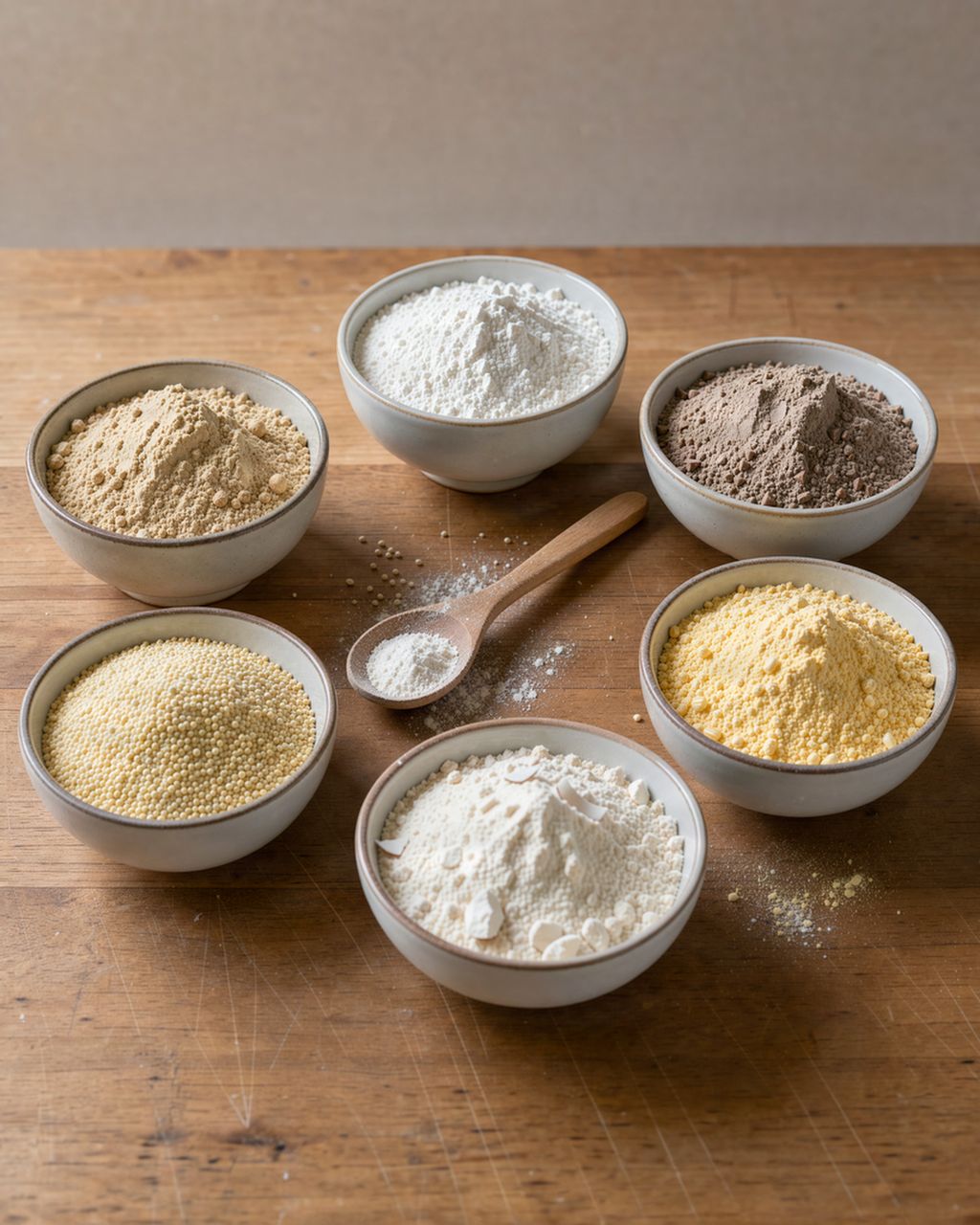
    Semolina and Cream of Wheat are not the same: semolina is coarsely milled durum wheat, yellow and firm, while Cream of Wheat is a brand of farina, finely milled from ordinary non-durum wheat, pale and soft. For porridge and dumplings they swap reasonably well, but only semolina makes proper pasta. Czech krupice, used for semolina porridge and soup dumplings, is milled from ordinary wheat, so it is much closer to farina than to Italian semolina.

  7. How Many Grams in a Cup of Oats? Rolled, Quick and Steel-Cut

    A US cup (236.6 ml) of uncooked rolled or quick oats weighs about 80 g, and a metric cup (250 ml) about 86 g, according to USDA FoodData Central. Steel-cut oats are much denser, about 140 to 160 g per US cup. A standard portion of oatmeal is about 40 g of dry oats, which is ½ US cup of rolled oats or ¼ US cup of steel-cut oats.

  8. Risotto: How to Make Creamy Risotto, Which Rice to Use, and Recipes from Mushroom to Kroupoto

    Risotto is an Italian dish made with short-grain rice that you toast in fat, deglaze with wine, then cook in hot stock added a ladle at a time, stirring often, until the grains release their starch and turn into a creamy, flowing porridge with a firm center to each grain. You don't need cream or flour: the rice makes its own creaminess, and cold butter with Parmesan finishes it at the end. Plan on roughly 20–25 minutes at the stove from the first ladle of stock. Below you'll find the full method, which rice to buy, risotto with chicken, pork and ground meat, and recipes from mushroom risotto to kroupoto (Czech barley risotto).

  9. How Many Grams in a Cup of Rice? Uncooked, Cooked and Per Person

    A US cup (236.6 ml) of uncooked long-grain white rice weighs about 185 g, and a metric cup (250 ml) about 195 g. Short-grain rice is denser, about 200 g per US cup. Once cooked, a US cup of long-grain white rice weighs about 158 g, and one cup of uncooked rice gives about three cups cooked.

  10. What to Cook with Chickpeas: Dried or Canned, Hummus, Curry, Falafel, Soups, Salads and Meatless Meals

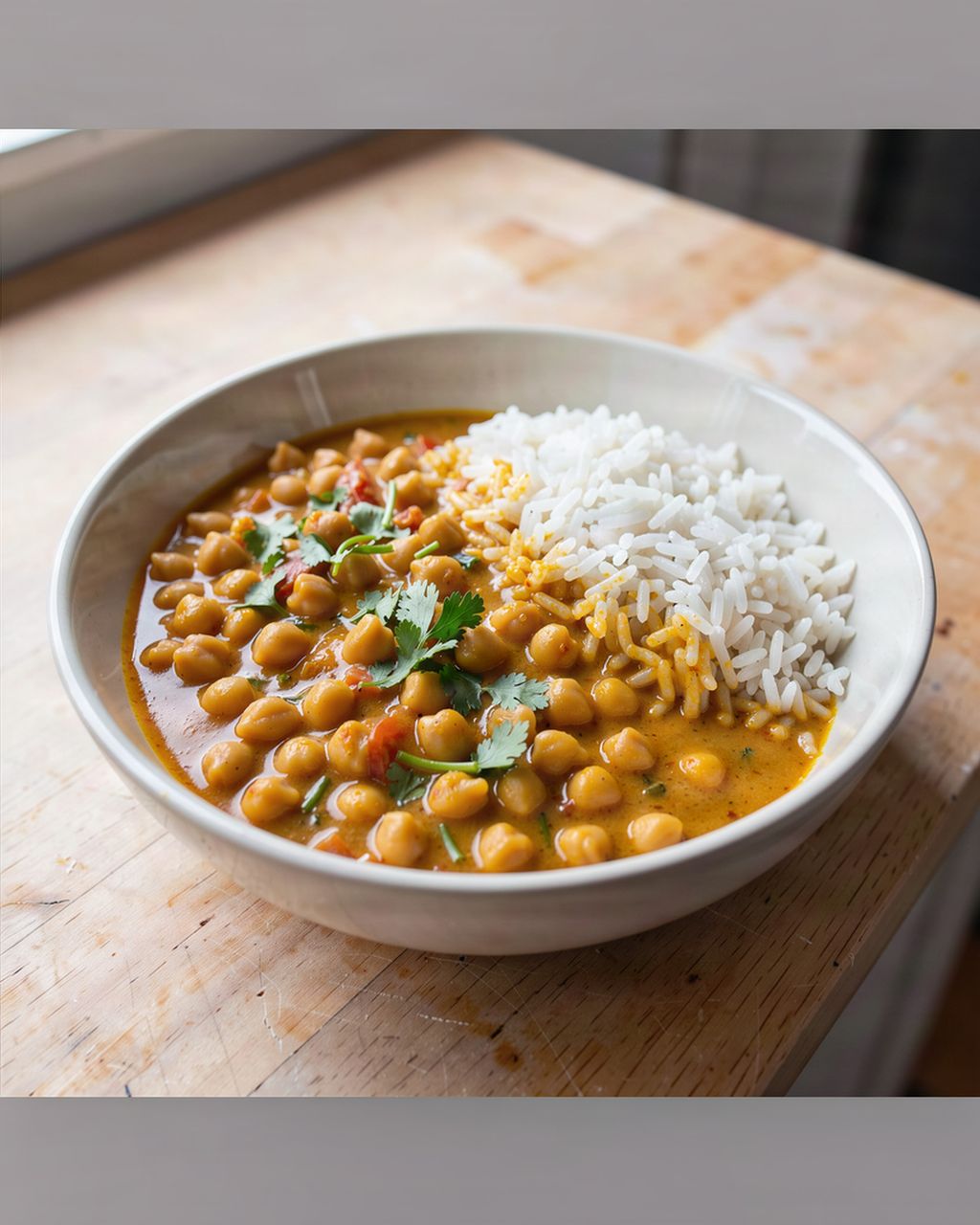
    What can you cook with chickpeas? Almost anything: creamy hummus, curry, falafel, a crunchy oven-baked snack, soup, salad, dishes with meat or without. Chickpeas are one of the most versatile legumes because they hold their shape, smell sweet and nutty, and soak up whatever spices you cook them with. Here you'll find when to reach for dried and when for canned, how much dried equals one can, why falafel isn't made from cooked chickpeas, and how to store and freeze cooked chickpeas. For each dish you get the method in brief and a link to the recipe where we have one.

  11. What to Cook with Beans: Canned or Dried, Soups, Salads, Chili and Meatless Meals

    What can you cook with beans? Nearly anything, from a 15-minute dinner out of a can to a chili that simmers all afternoon: soups, salads, spreads, beans in tomato sauce and hearty meatless meals. Beans are cheap and keep for months in the pantry. Below you'll find how many dried beans replace one can, which bean to pick for which dish, what makes every bean dish good, and one safety rule for raw kidney beans that applies every time, not just "roughly".

  12. What to Cook with Lentils: Red, Green, Brown and Beluga – Soups, Salads and Meatless Meals

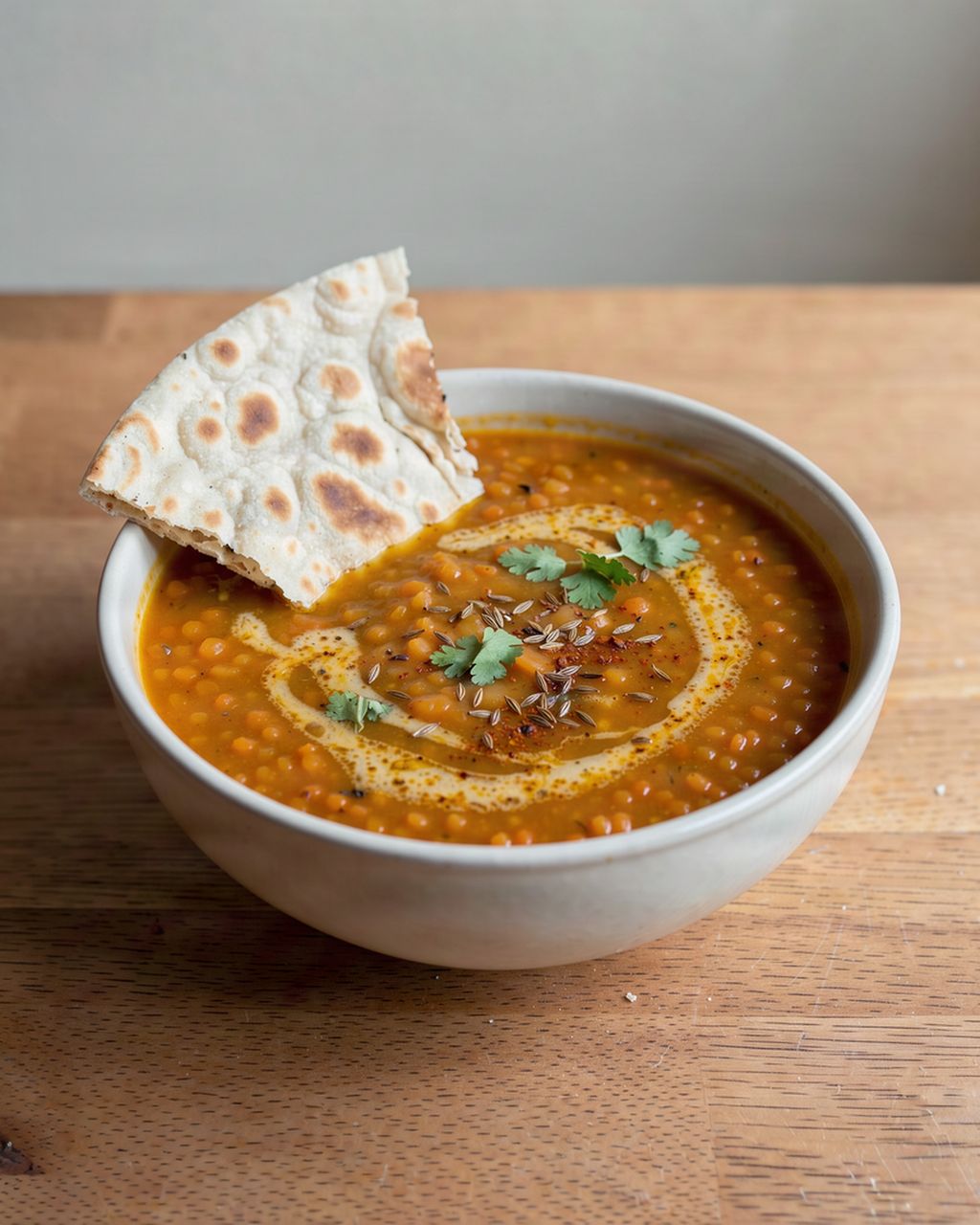
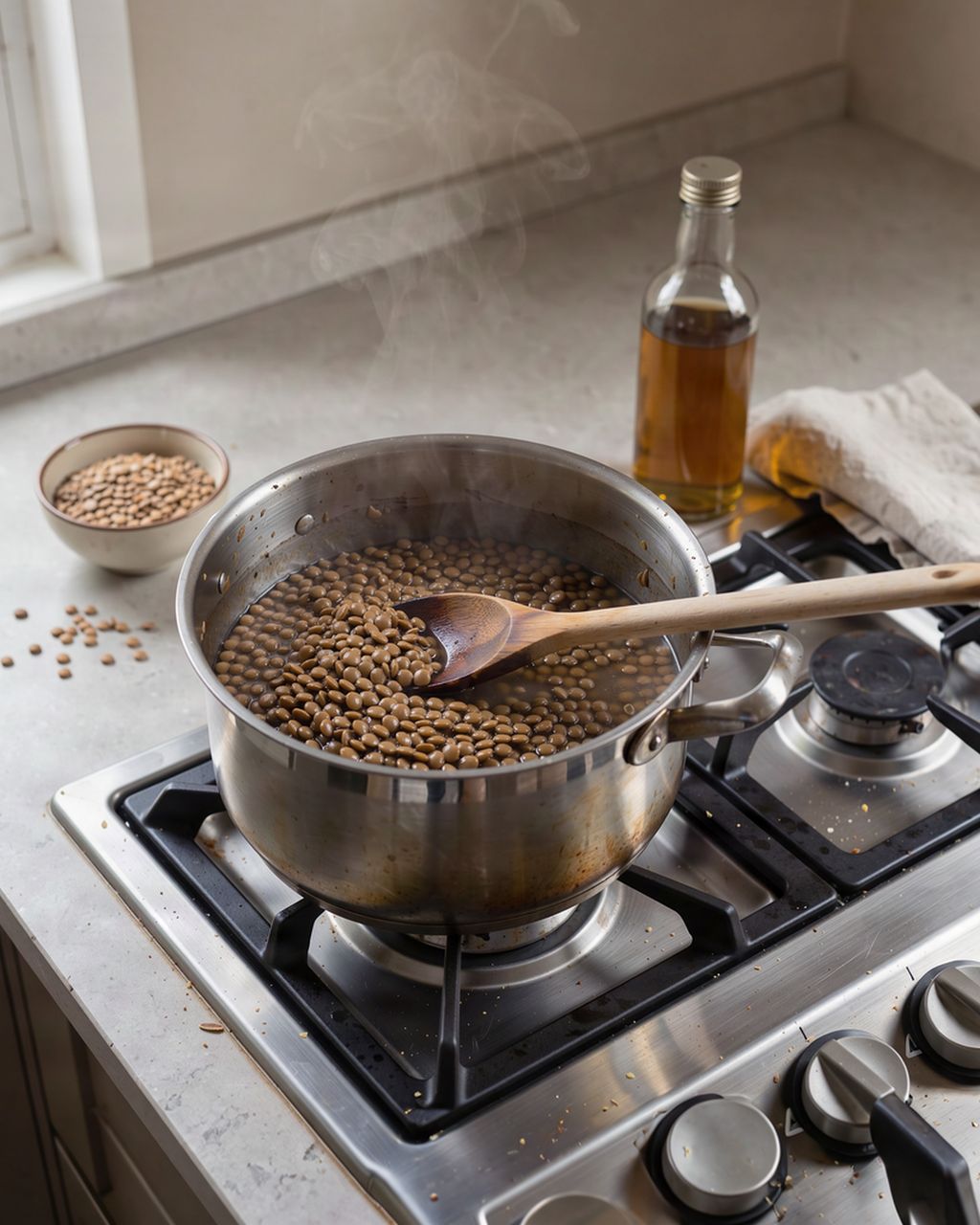
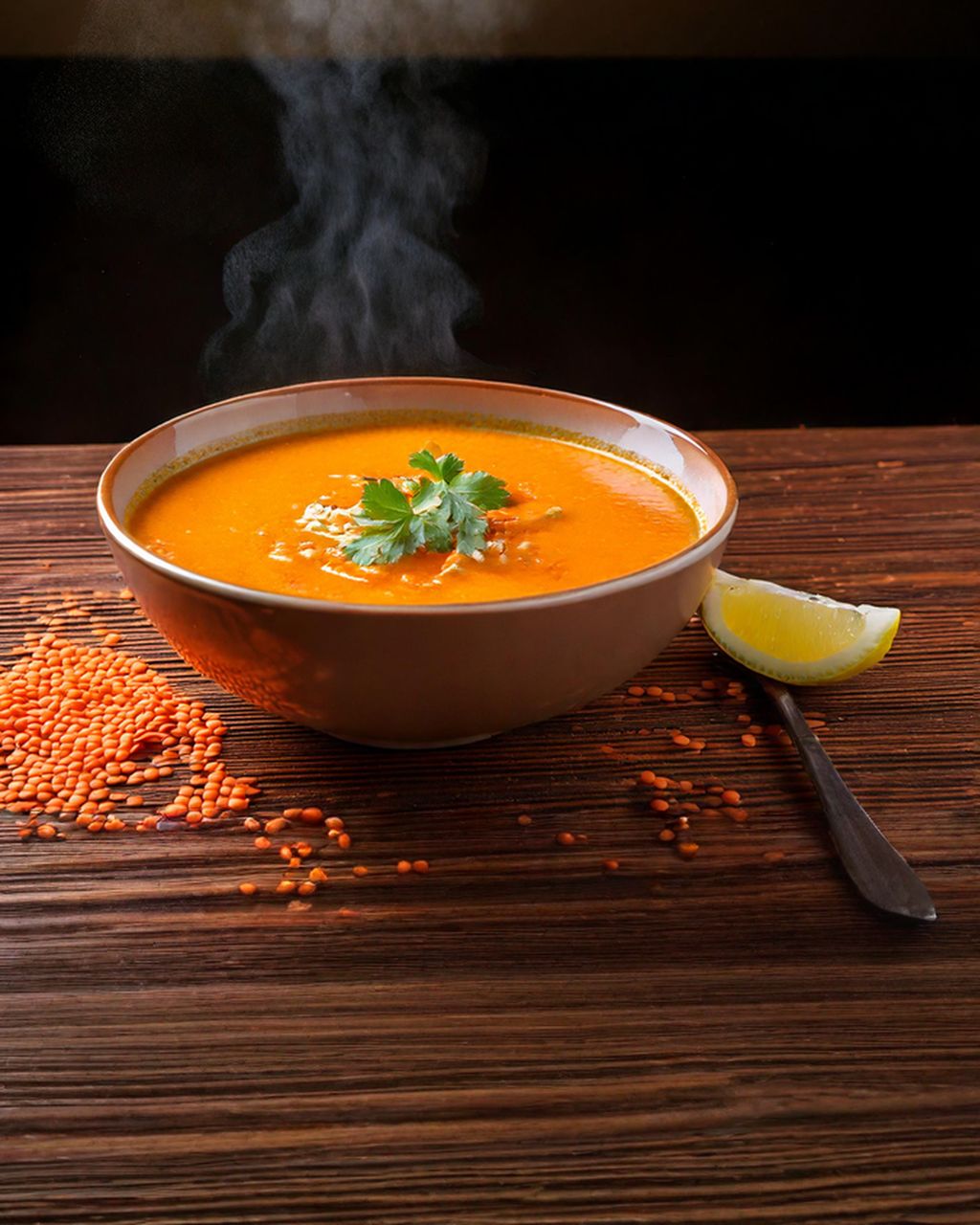
    What can you cook with lentils? Almost anything – you just need to know which lentil you're holding. Red lentils fall apart into a cream in 15 minutes, so they belong in dal, curry and creamy soups. Green, brown and black beluga lentils hold their shape, so they're the ones for salads, sweet-and-sour lentils (čočka na kyselo) or a side dish. Below you'll find an overview of the types with cooking times without soaking, plus a short method for each dish: what to use, how long to cook it, at what heat and what to serve it with. At the end there's a section on jarred lentils for days when you can't be bothered to cook, and how to store cooked lentils.

  13. What to Cook With Rice: With Chicken, Ground Meat, No Meat, or Leftover Cooked Rice

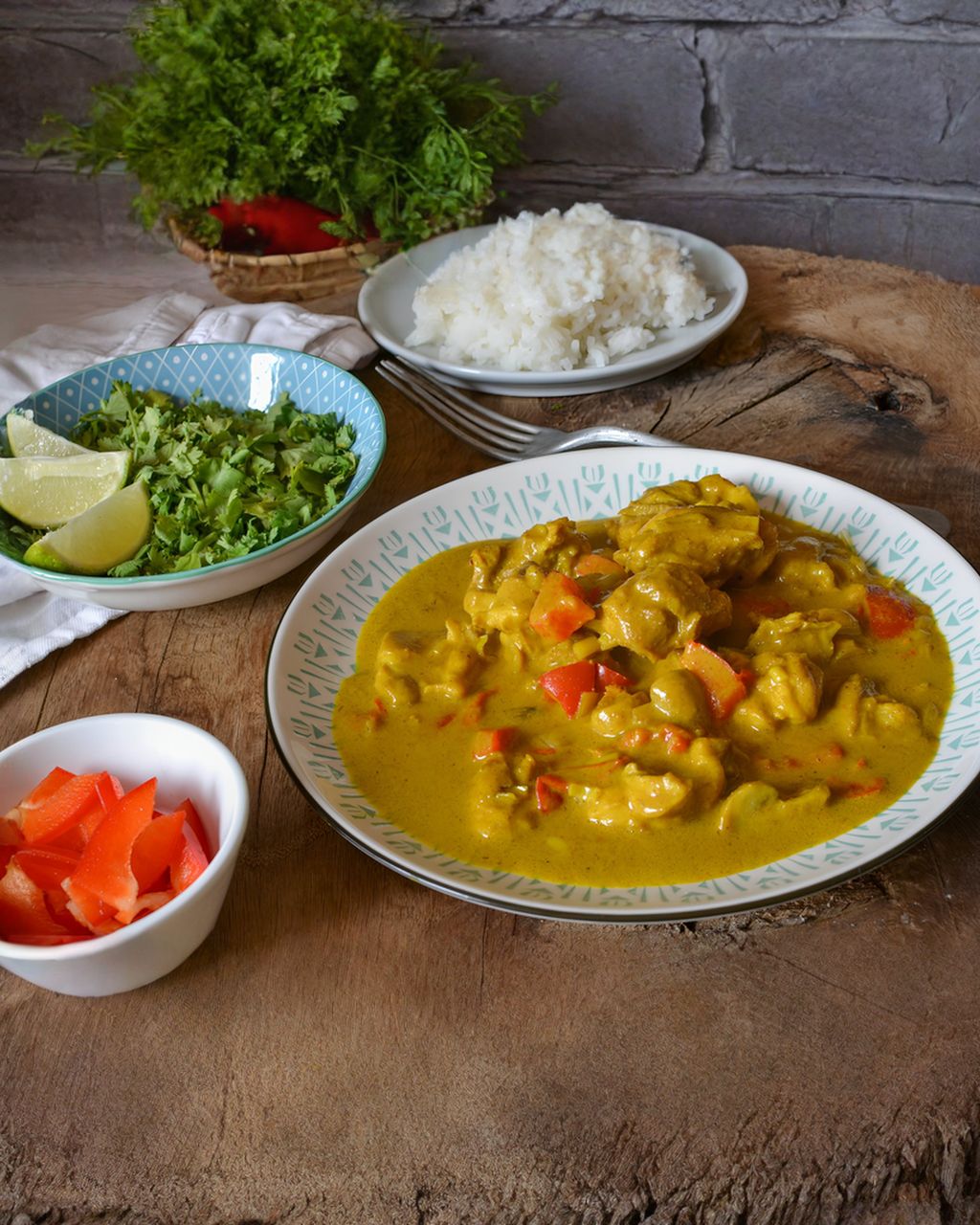
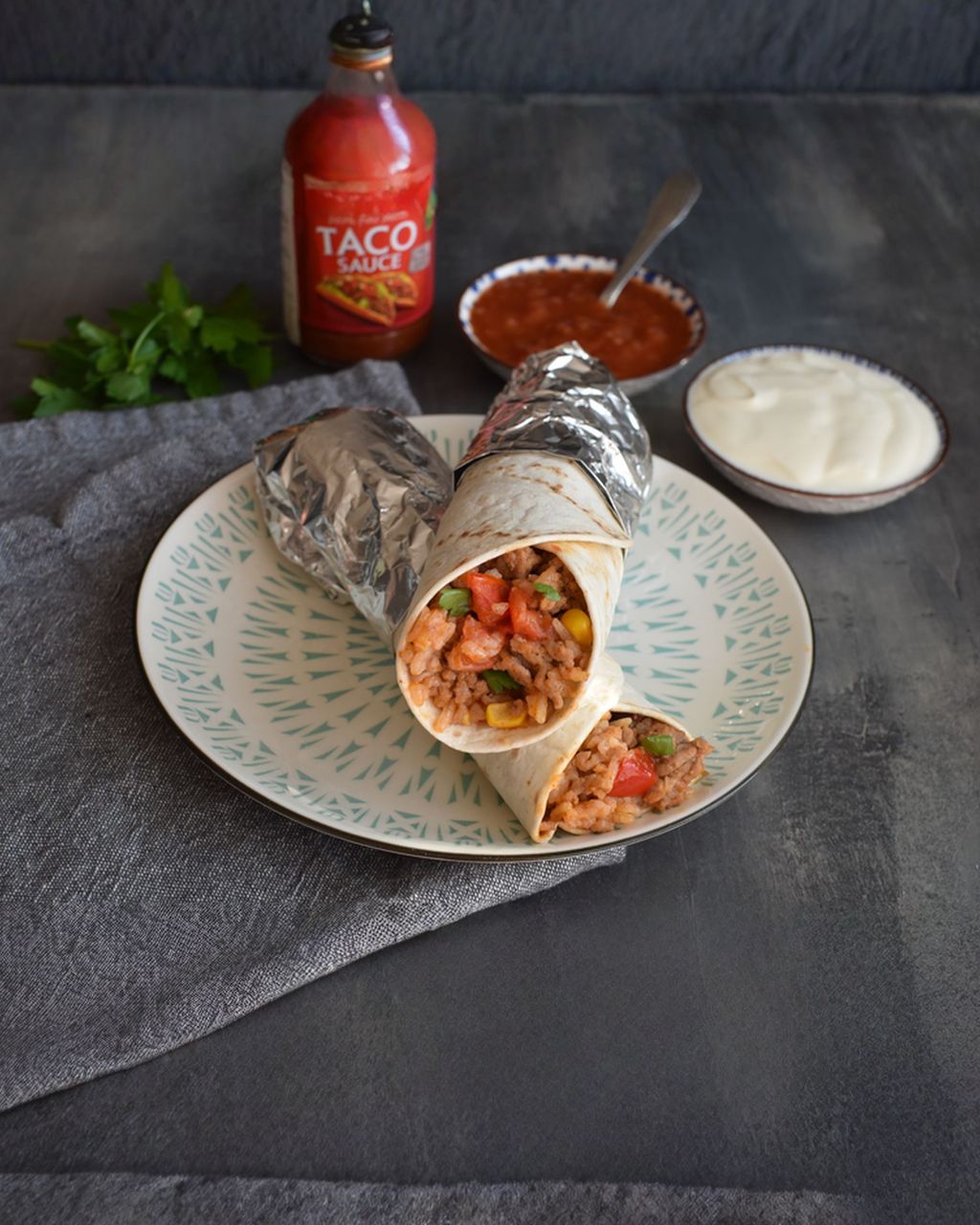
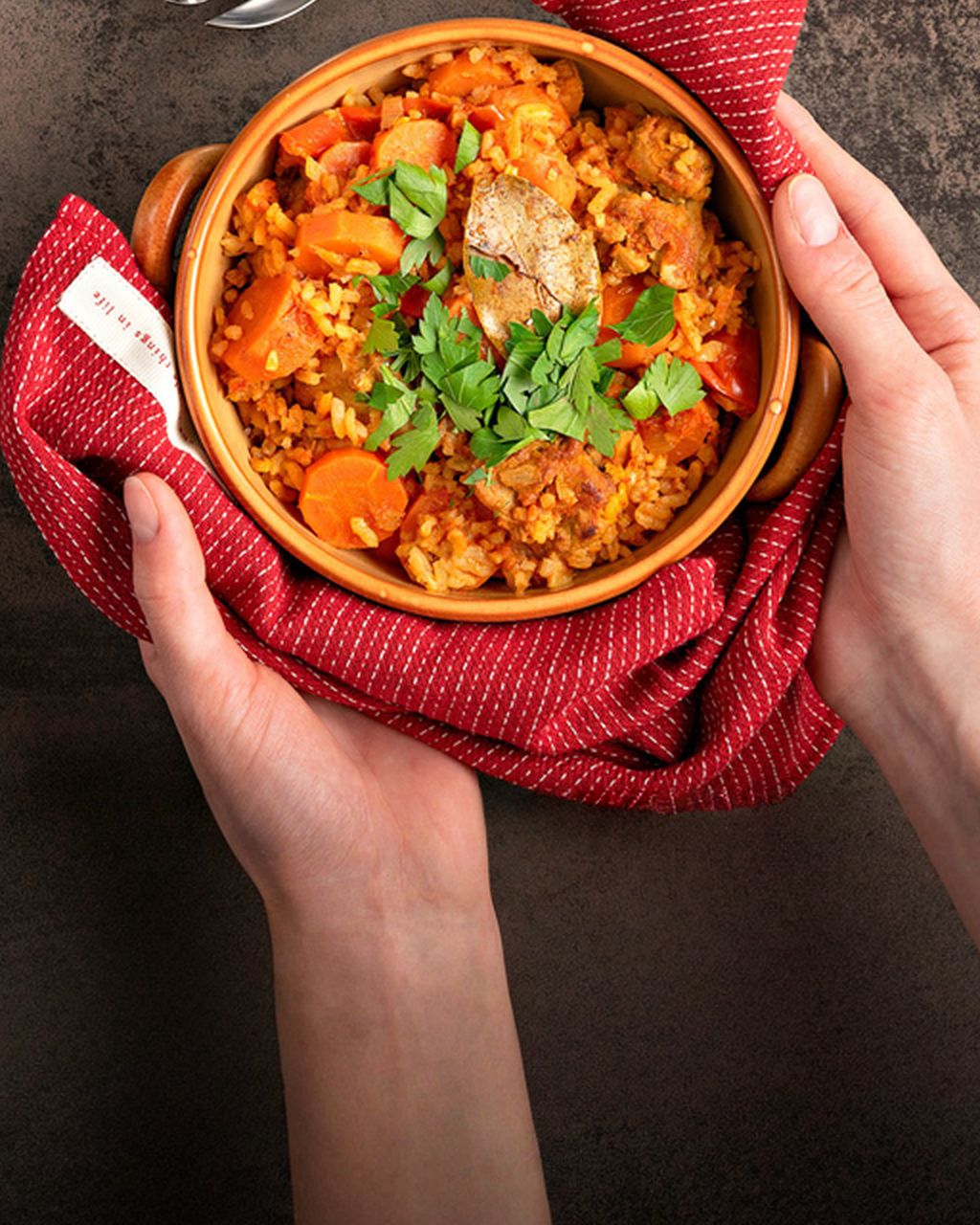
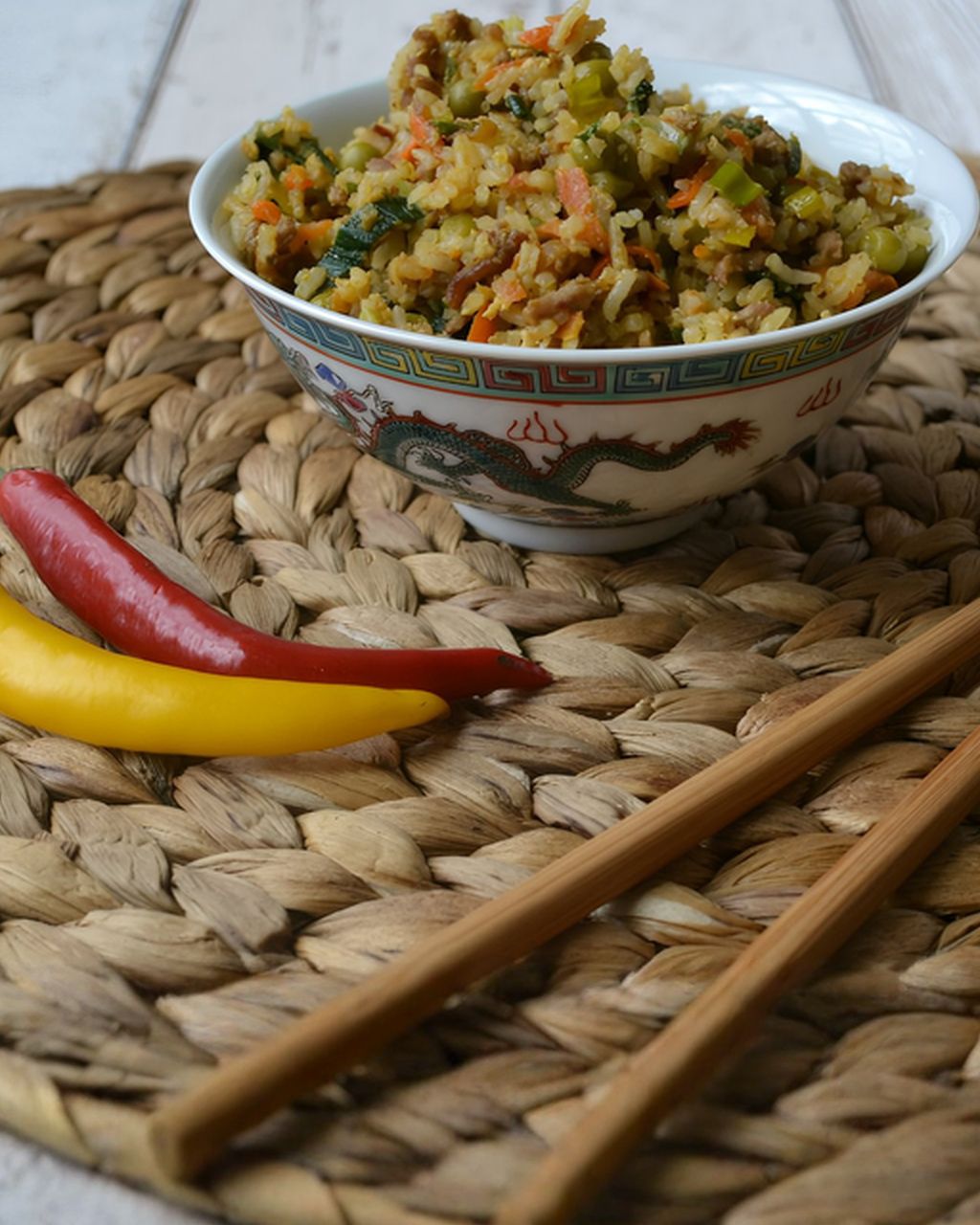
    What can you cook with rice? Almost anything. With chicken, try curry or baked risotto; with ground meat, meatballs or stuffed peppers; with no meat, vegetable curry or risotto with tofu; and with leftover cooked rice, fried rice, fritters, a baked rice pudding or soup. Two things decide how it turns out: which rice you pick (long-grain stays fluffy and separate, short-grain turns creamy) and whether you're cooking with fresh rice or yesterday's. One rule for leftover rice you should never skip: get it into the fridge within an hour of cooking, eat it within 24 hours and reheat it only once, until it's steaming hot.

  14. Sushi Rice: How to Cook It, Season It and What to Use Instead of Rice Vinegar

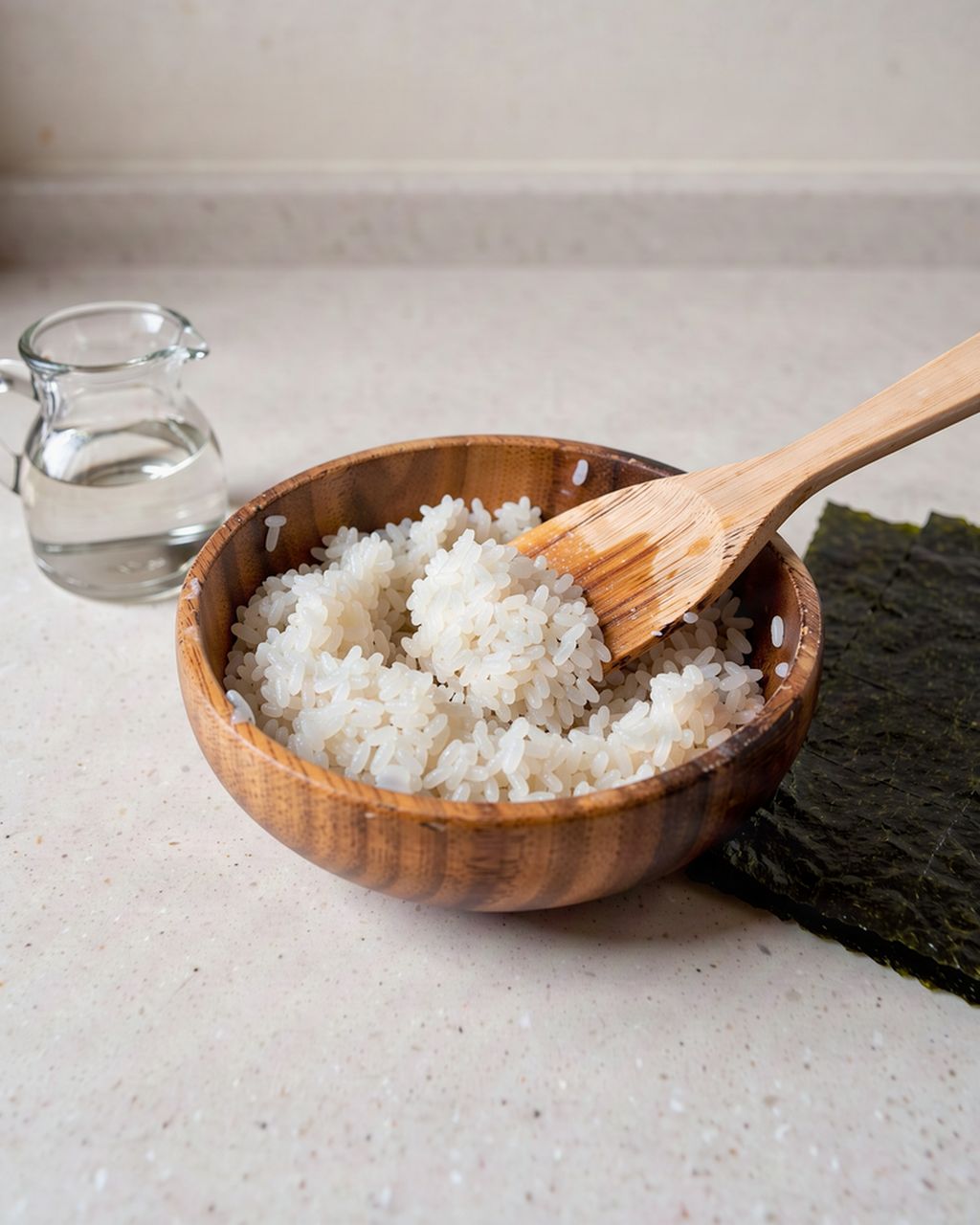
    Sushi rice is short-grain Japanese rice that you rinse until the water runs clear, cook with the same volume of water (or up to a tenth more), and season while still warm with a mix of rice vinegar, sugar and salt. Good sushi rice holds its shape, yet you can still see every grain – it's neither mush nor sticky rice. Below you'll find which rice to buy, how to cook it in a pot or a rice cooker, how to season and cool it, how it differs from sticky rice, and what to use when you're out of rice vinegar.

  15. Rice, Glass and Udon Noodles: How to Cook Them So They Don't Stick

    Rice noodles and glass noodles are usually soaked in hot water rather than boiled, while udon is boiled briefly and rinsed under cold water right away. Most sticky clumps happen when fine noodles are boiled like spaghetti, left sitting in a colander and added to the pan five minutes later. Below you'll find how to handle each type, how to adjust the time depending on whether the noodles are headed for a wok or a soup, and what to do to keep them loose.

  16. How to Color Coconut, Rice and Pasta with Food Coloring

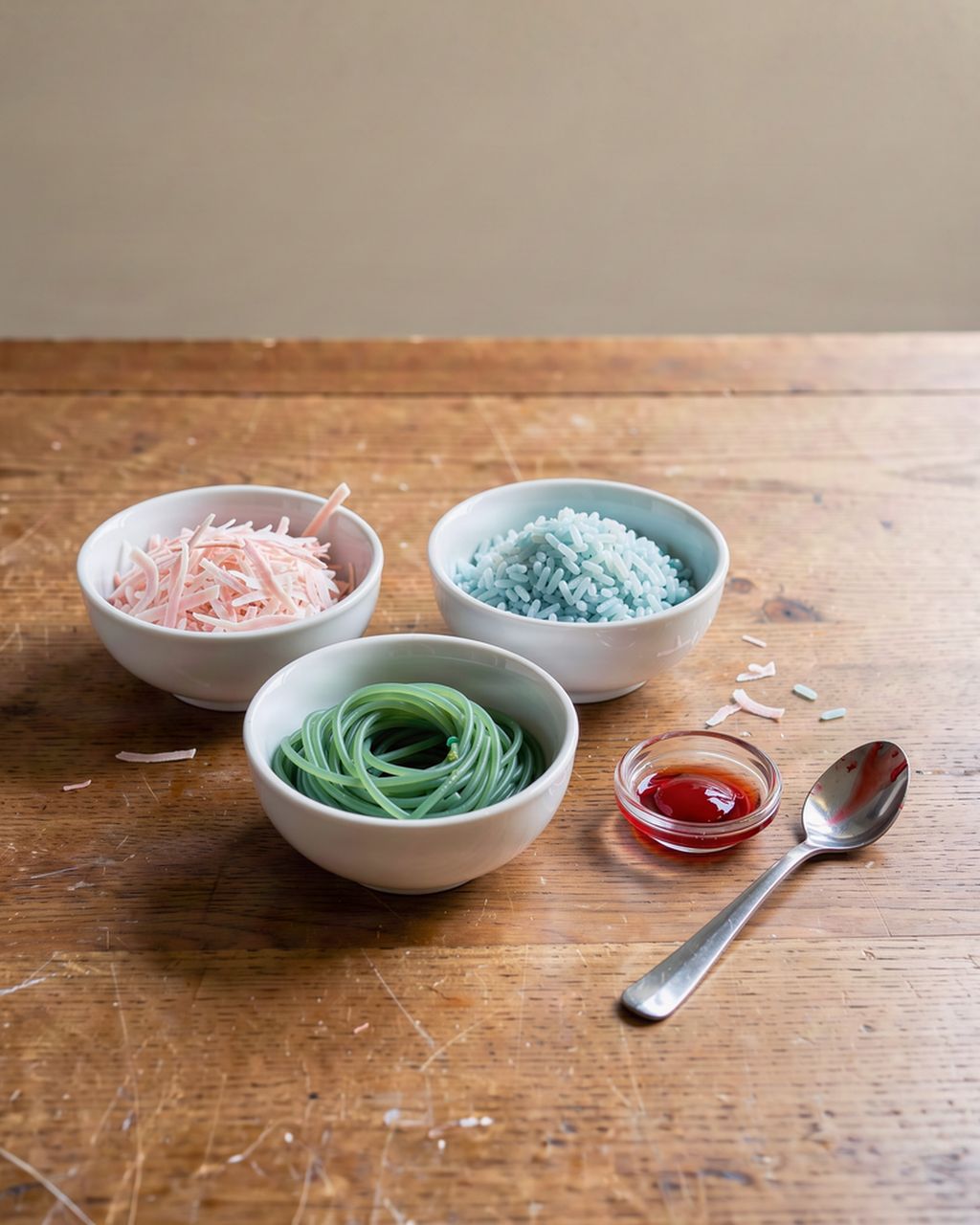
    There are two ways to color coconut, rice and pasta with food coloring. For dry coconut, shake it with a drop of diluted gel coloring. Rice and pasta can either be cooked in tinted water (for a soft pastel) or colored after cooking (for a deeper shade). Gel coloring is strong: a toothpick tip to a few drops is plenty. The drier the result, the less color bleeds onto frosting, sauce or the plate. Below you'll find the method for each food, natural alternatives, and why colored play rice should never go in anyone's mouth.

  17. How Long Does Cooked Rice Last in the Fridge, and How to Freeze It Safely

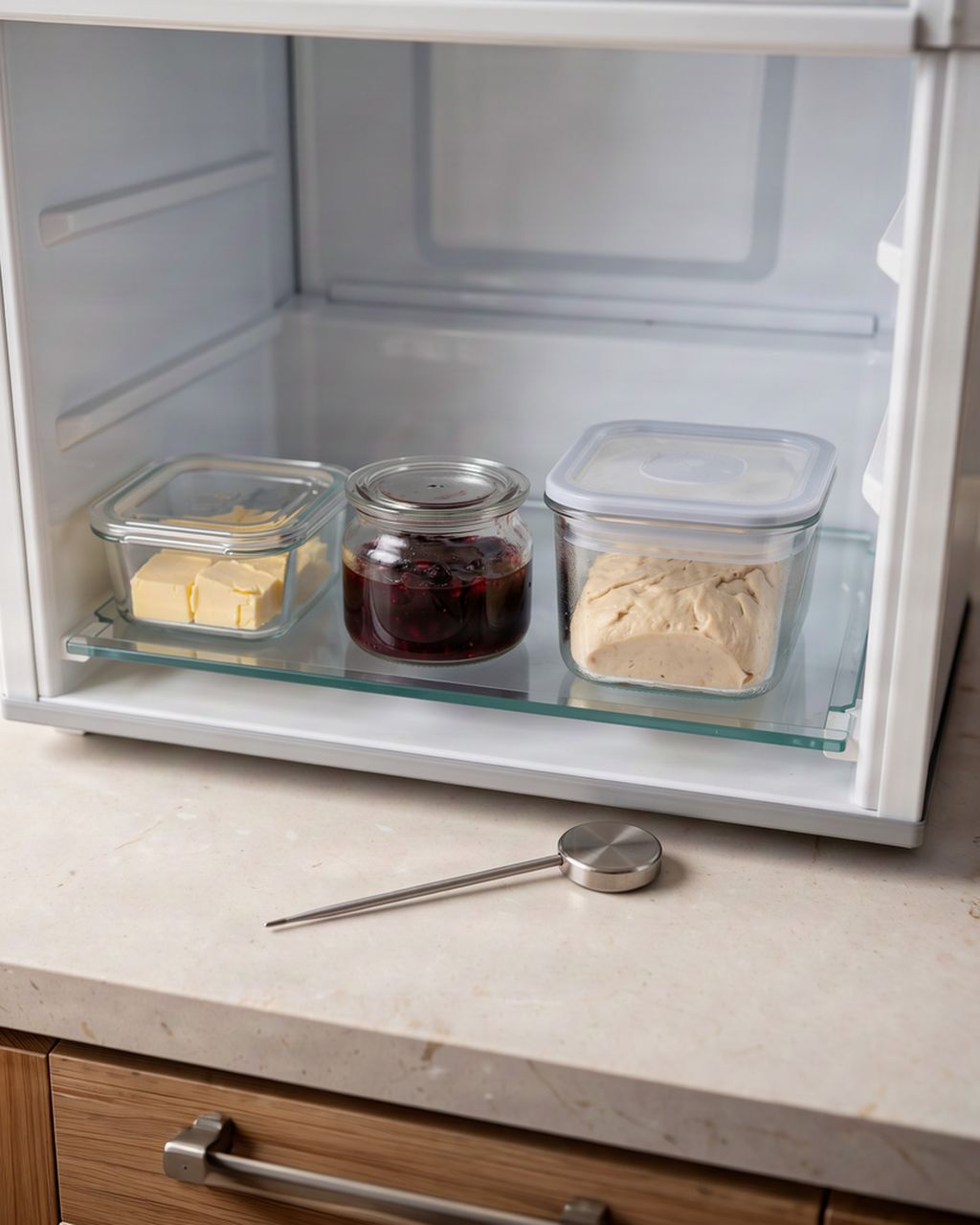
    Cooked rice keeps in the fridge for 1 day. That's the advice from the UK's NHS and FSA: cool it within an hour of cooking, refrigerate it, eat it within 24 hours and reheat it only once, until it's steaming hot. The US USDA gives 3–4 days for leftovers in general, but with rice, stick to the stricter limit. The reason has a name: Bacillus cereus, a bacterium whose spores survive cooking and, at room temperature, produce a toxin that no amount of reheating will destroy. Below you'll find how to cool, freeze and reheat rice and risotto, and how to store raw rice.

  18. Cooked Pasta: How Long It Keeps in the Fridge and How to Freeze It

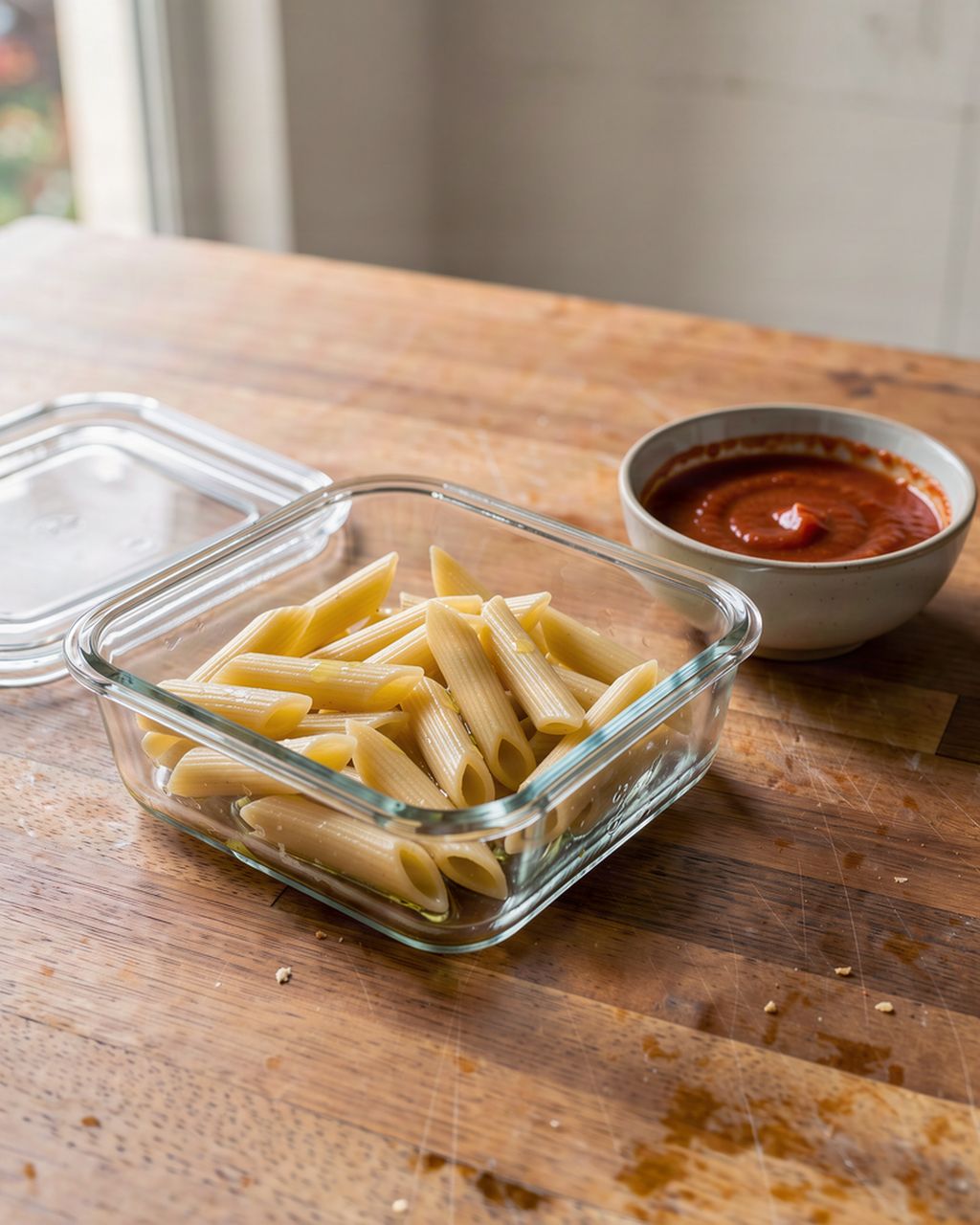
    Cooked pasta keeps 3–5 days in the fridge without sauce (per USDA FoodKeeper), or 3–4 days with sauce or baked (per USDA FSIS), always at 4°C (40°F) or below. You can freeze it too: plain cooked pasta holds its quality for 1–2 months (USDA FoodKeeper), baked pasta dishes for 2–3 months (FSIS). What matters most is what you do right after cooking: cool it quickly, divide it into shallow containers and get it into the fridge within two hours. Pasta carries the same risk as rice, and it has no business sitting on the counter overnight.

  19. How to Cook Pasta: How Much Water and Salt, How Long, and How to Keep It From Sticking

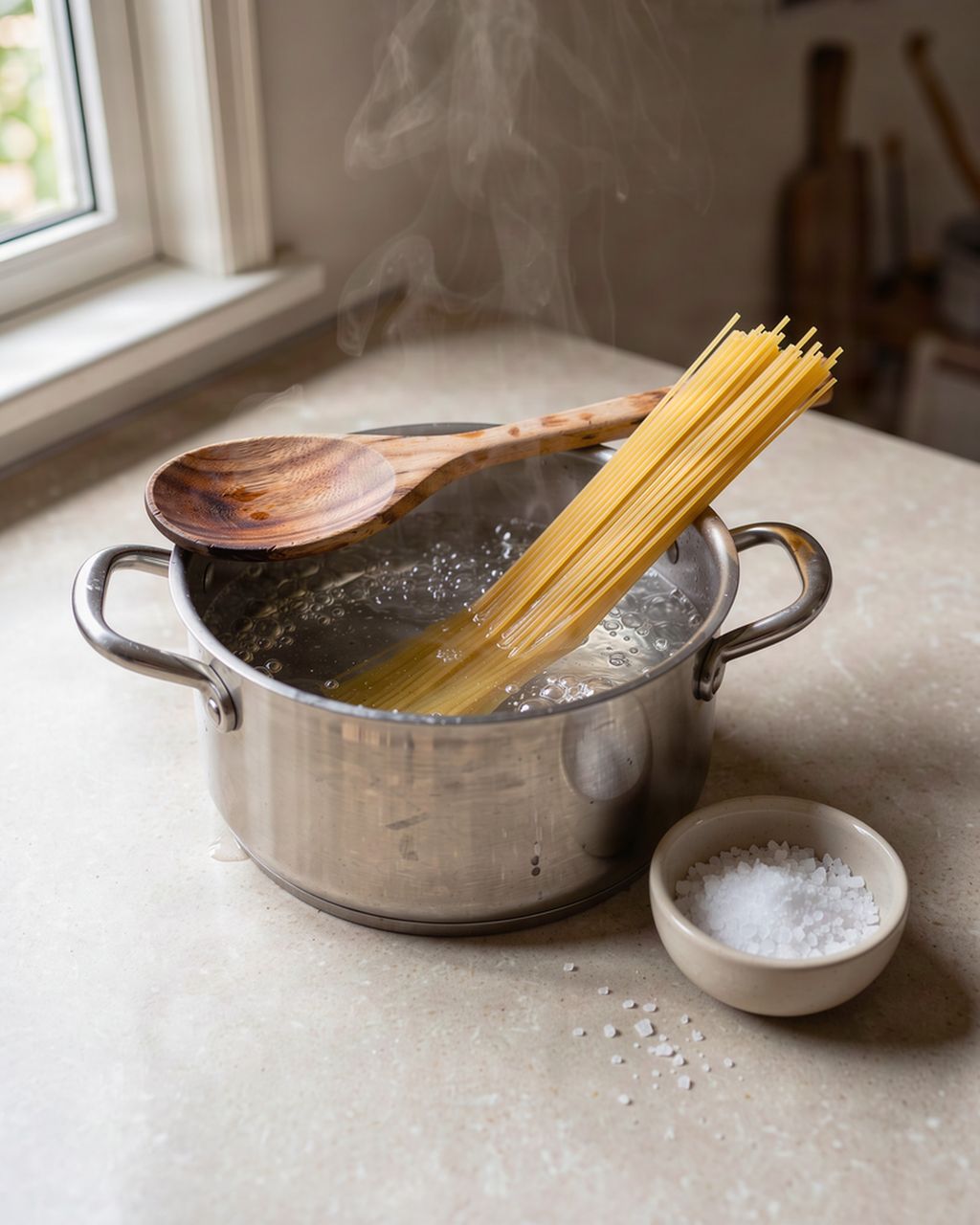
    How to cook pasta: use 1 liter of water and 10 g of salt for every 100 g of pasta, add it only once the water is at a rolling boil, stir for the first two minutes, and cook by the package time, tasting a minute before the end. You don't need oil in the water or a cold rinse. Below you'll find out why, and how spaghetti, tagliatelle, orzo, soup noodles and microwave pasta differ.

  20. How to Cook Rice: Water Ratios for Basmati and Jasmine, on the Stove, in the Oven and in a Rice Cooker

    How to cook fluffy rice: measure it with a cup, rinse it, cover it with roughly twice as much water, bring it to a boil, then leave it under a lid on the lowest heat for 15–18 minutes to absorb the water, and let it rest for 5–10 minutes before serving. That works for white long-grain, basmati and jasmine rice. Brown rice is cooked differently, and arborio is another story altogether. Below you'll find the ratios for each type, how to cook rice in the oven and in a rice cooker, and above all what to do with cooked rice so it doesn't make you ill.

  21. How to Cook Oatmeal: Oats-to-Milk Ratio, Plus Semolina and Millet Porridge

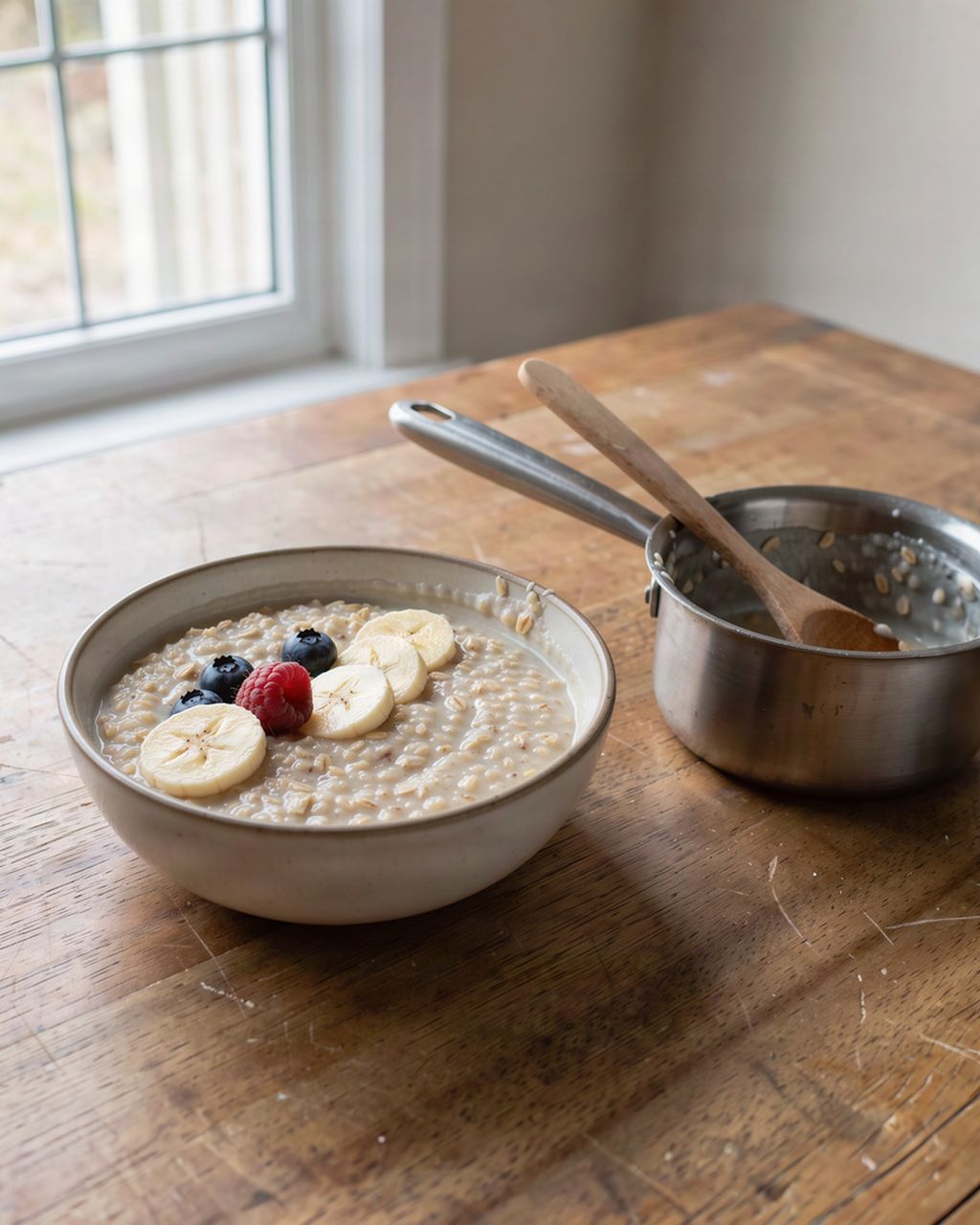
    To make oatmeal, use 1 part oats to 2 parts milk or water (by volume, say 1 cup to 2 cups), bring it to a boil and stir for 5 minutes over low heat. That's it – everything else is fine-tuning: thicker or thinner, on the stovetop, overnight or in the microwave. Below you'll find all the ratios in one place, including semolina and millet porridge, which are cooked quite differently.

  22. How to Cook Barley, Millet, Buckwheat, Bulgur and Couscous: Water Ratios and Cooking Times

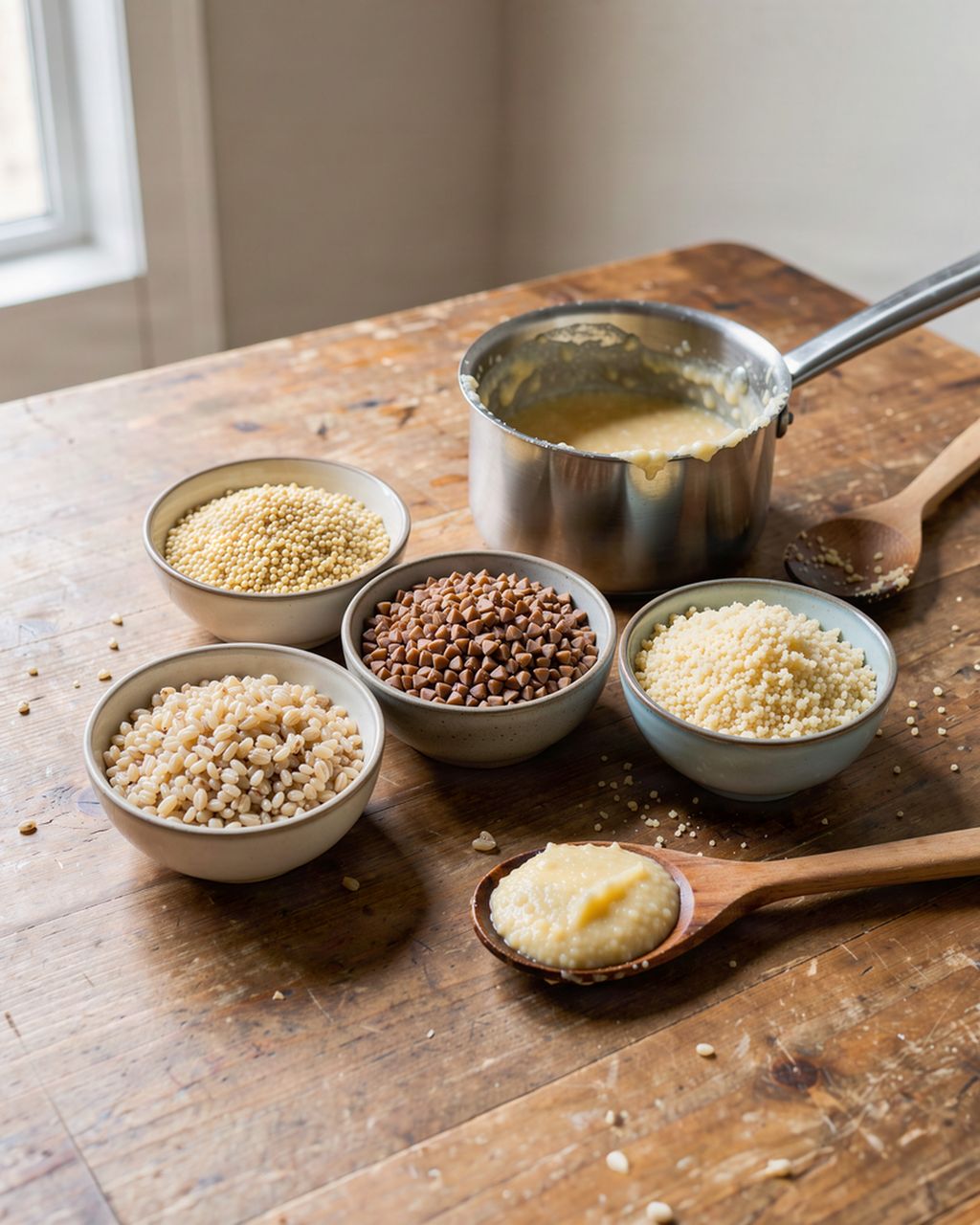
    How do you cook barley, millet, buckwheat, bulgur or couscous? Measure the water, let the grains simmer under a lid without stirring (except polenta, which you do stir), and at the end let them sit off the heat for a few minutes. What differs is mostly the amount of water and the time: couscous just needs boiling water poured over it at 1:1 and is ready in 5 minutes, while pearl barley needs 1:3 and 30–40 minutes. Below you'll find a chart for all eight sides, including amaranth, polenta and tarhoňa. You'll also learn what to rinse, what to dry-toast, and why your buckwheat turns to mush.
  23. How to Cook Beans Until Tender: Soaking, Cooking Times and Pressure Cooker

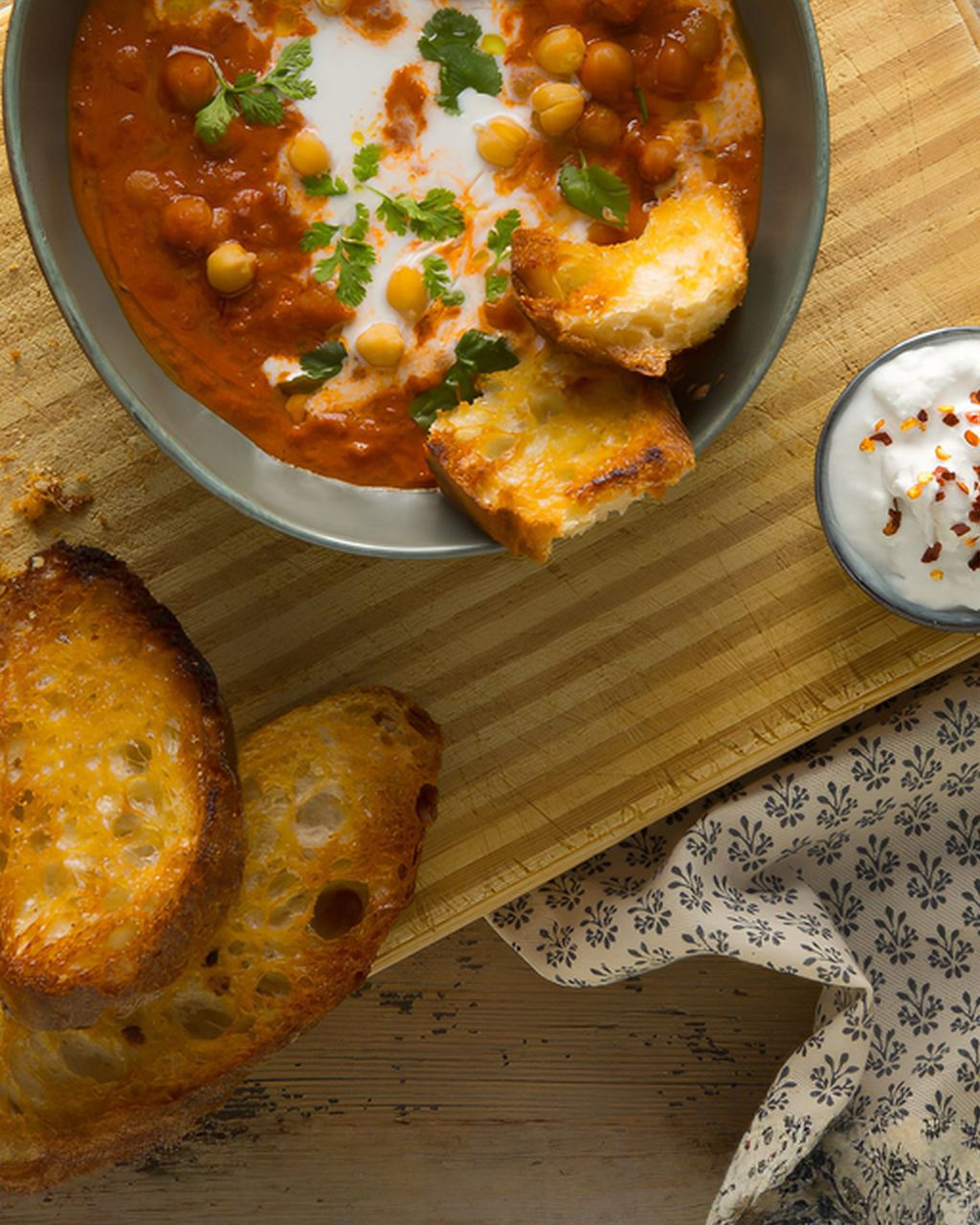
    How to cook beans until tender: soak them overnight (or for an hour after a short boil), drain, cover with fresh water, boil hard for at least 10 minutes, then finish at a gentle simmer with the lid on until they give. Add salt and tomatoes only at the end. Red kidney beans must never just be "stewed" at a low temperature, because only a proper rolling boil destroys the lectin in them. Below you'll find times by type, the pressure cooker, canned beans, storage and freezing.

  24. How to Cook Chickpeas Until Tender (Hummus Included) and What to Use Instead of Tahini

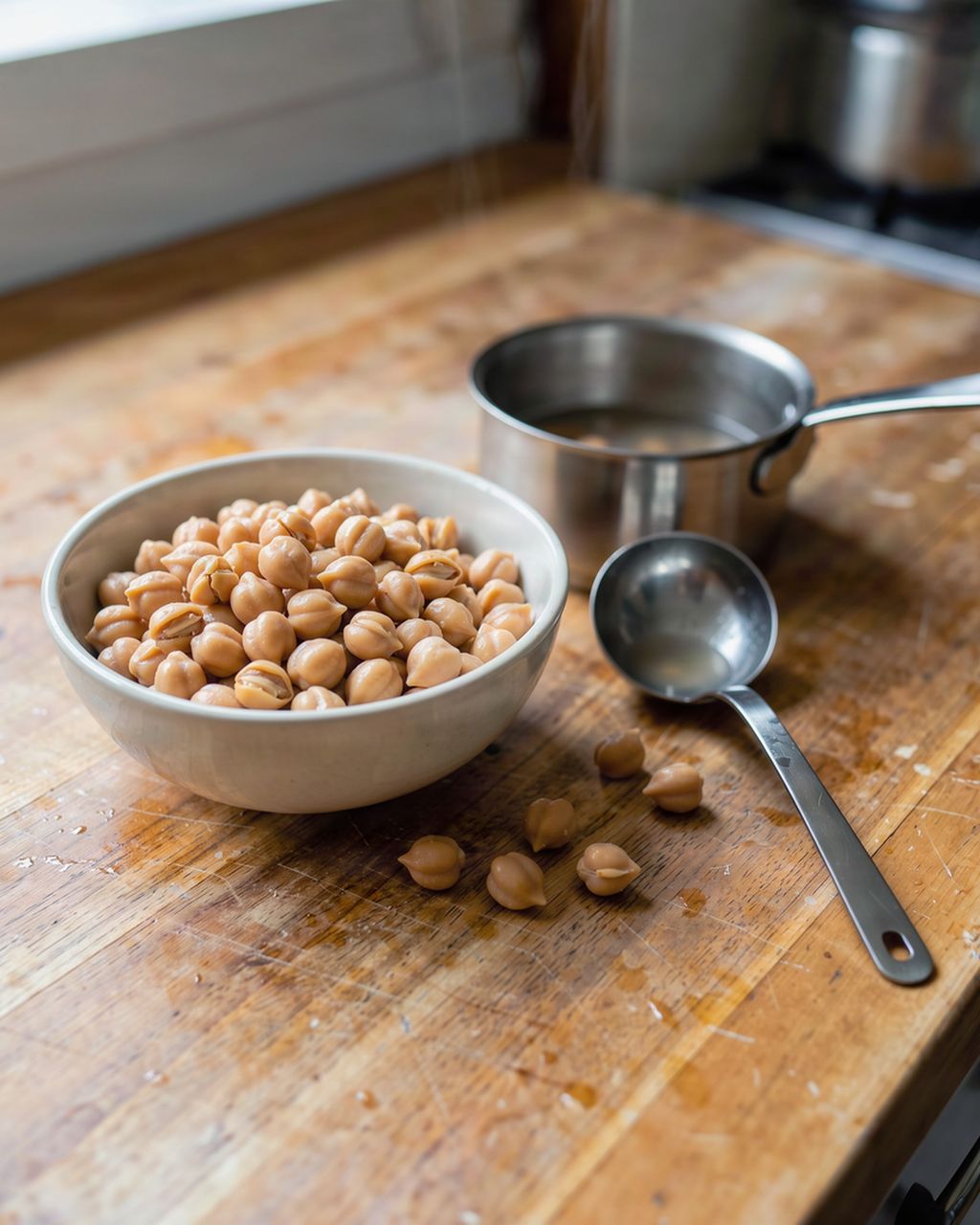
    Cooking chickpeas until tender is simple: soak dried chickpeas overnight, drain, and simmer them in fresh water until they squash between your fingers with no resistance. For hummus, cook them a bit longer, until they start to fall apart and the skins slip off on their own. A pinch of baking soda shortens the cooking time, and a pressure cooker shortens it even more. Below you'll find the times and where they come from, what to use instead of tahini when you don't have it or can't eat it, and how long cooked chickpeas and hummus keep in the fridge and freezer.

Cart