Bundt Pan Guide: Ceramic, Silicone, Cast Iron or Nordic Ware?
Why Did My Rice Burn on the Bottom? Heat, Pans and Saving the Top
Updated Nov 21, 2026
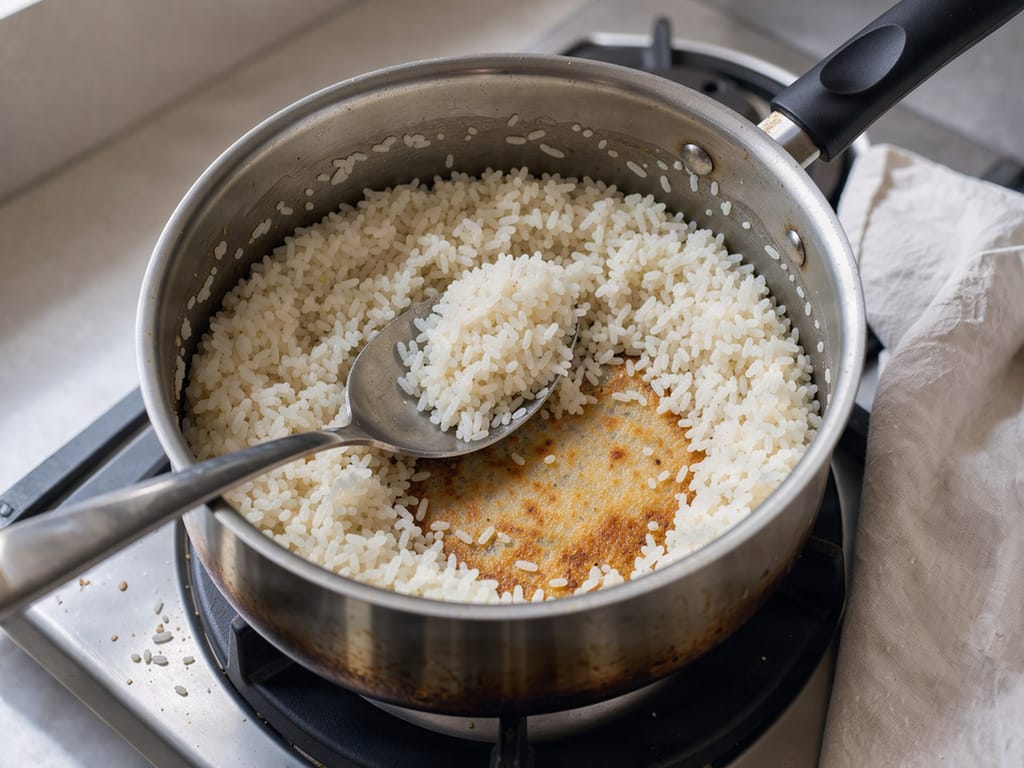
Rice burns on the bottom when the heat stays too high after the water is absorbed, especially in a thin pan or with too little water. You can usually save the rice on top by scooping it off without scraping. Here is how to stop it happening again.
Rice burns on the bottom when the heat is too high for too long after the water has been absorbed. Once the water at the bottom of the pan is gone, the grains touching the metal start to toast, then scorch. A thin pan, too little water, or forgetting to turn the heat down makes it happen faster.
The most common causes:
The heat wasn't turned down after the water came to a boil.
A thin or warped pan that puts a hot spot right under the rice.
Too little water for the rice type, so the bottom dries out before the rice is done.
Cooking too long, often while the rest of the meal takes over.
Sugar, milk or a lot of butter in the pot, which catch faster than plain water.
For water amounts that suit your rice, see our guide to how to cook rice.
Stovetop rice needs strong heat for only a short time. Bring the rice and water to a boil, stir once, cover, and turn the burner down to its lowest setting. From then on, the rice should cook in gentle steam, not boil hard.
A few things that help:
Gas burners: the smallest burner on its lowest flame is often still too hot. A flame tamer or a heat diffuser plate spreads it out.
Electric coils and some ceramic hobs: they stay hot after you turn them down. Move the pan to a second burner already set to low.
Induction: heat is fast and strong, so drop the setting further than you think.
The oven is the easiest way to avoid scorching, because the heat comes from all around rather than straight from below. The rice ratios guide covers oven rice.
A heavy pan with a thick base spreads heat evenly and is much less likely to scorch. Thin stainless steel or a light aluminum pan concentrates the heat in a ring right above the flame.
Best: a heavy-based saucepan, an enameled cast-iron pot, or a pan with a thick sandwiched base.
Fine: a nonstick saucepan, though it can still brown the bottom on high heat.
Risky: thin pans, warped pans that rock on the burner, and pans much wider than the rice needs.
Use a pot the right size. A small amount of rice spread thinly in a big pan dries out at the bottom quickly.
Usually, yes. The burnt layer stays on the bottom, and the rice above it is often fine.
Take the pan off the heat as soon as you smell it. Don't stir.
Take the pan off the heat and set it on a cool, heat-proof surface. If it's thin stainless steel or aluminum, you can stand it in an inch or so (2–3 cm) of cool water for a minute to stop the bottom cooking further. Don't do this with enameled cast iron or nonstick, as the sudden temperature change can crack or warp them.
Scoop the rice off the top with a spoon, working from the top down. Leave the bottom layer and anything stuck to it in the pan.
Taste a little of the rice you saved. If the smoky smell has spread through it, it won't come out.
Some cooks set a slice of bread or an onion on top of the rice to absorb the burnt smell. It may help a little with a light scorch, but it won't rescue rice that tastes of smoke. Charred, black rice tastes bitter and is best thrown away.
A golden, crisp layer of rice on the bottom of the pan is prized in many cuisines. Spanish paella has socarrat, Persian rice has tahdig, and Korean cooks have nurungji. In each, the crust is made on purpose with fat, a heavy pan and controlled heat, and it is golden, not black.
So if the bottom of your rice is golden-brown and smells toasty rather than burnt, you haven't ruined it. Many people think it is the best part.
If your rice always browns lightly on the bottom and you don't want it to, drop the heat a little earlier or use a heavier pot. For sticky Japanese-style rice, see our sushi rice guide, which uses a gentle heat for exactly this reason.
Don't scrape a burnt pan dry. Soften it first:
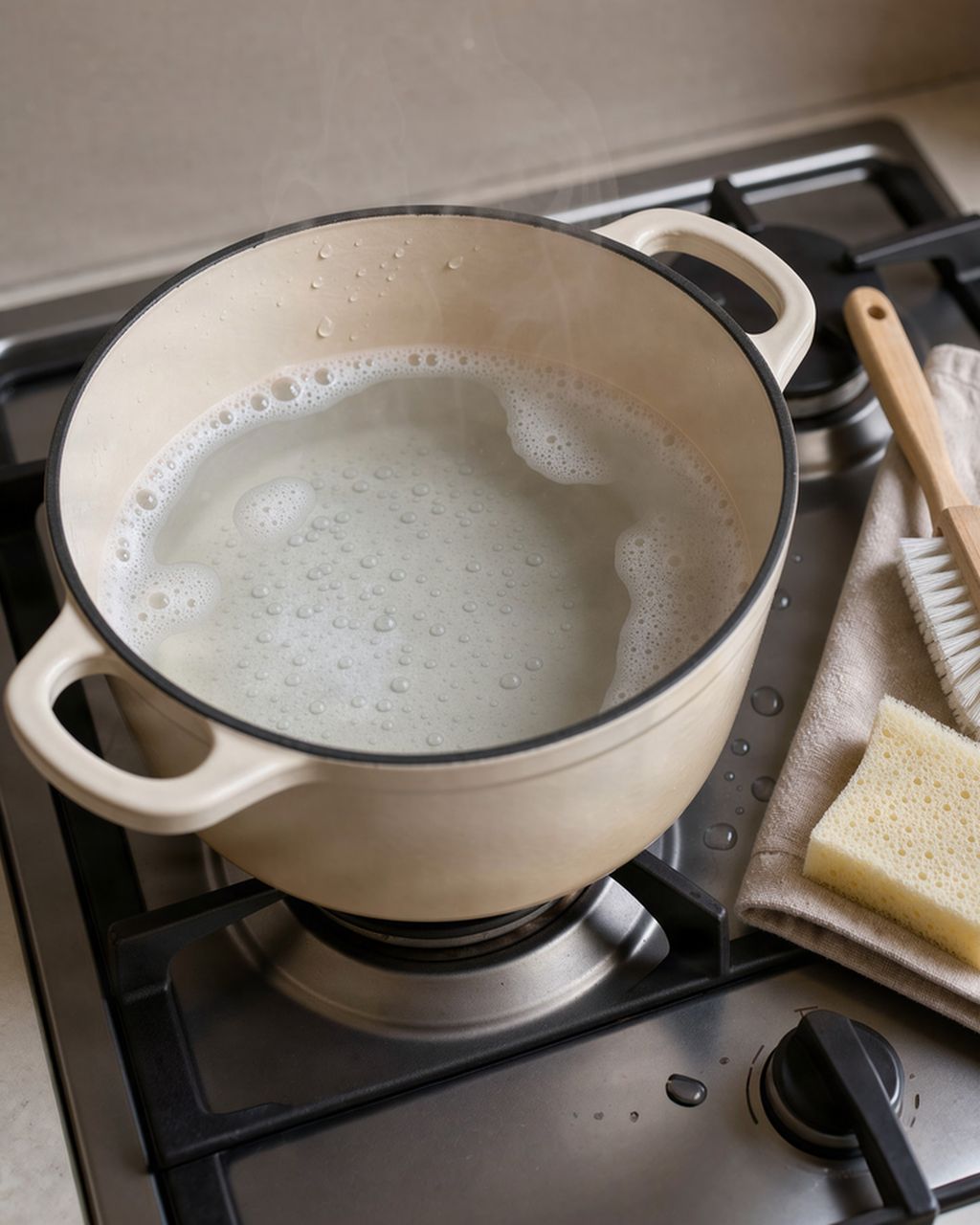
Soak: fill the pan with hot water and a drop of dish soap and leave it for a while. Most stuck rice will lift off with a wooden spoon.
Simmer with baking soda: for stubborn scorch marks, add water and a spoonful of baking soda, bring it to a simmer for a few minutes, let it cool, then scrub with a nylon pad.
Nonstick pans: use only soft sponges and no metal scourers, or you'll damage the coating.
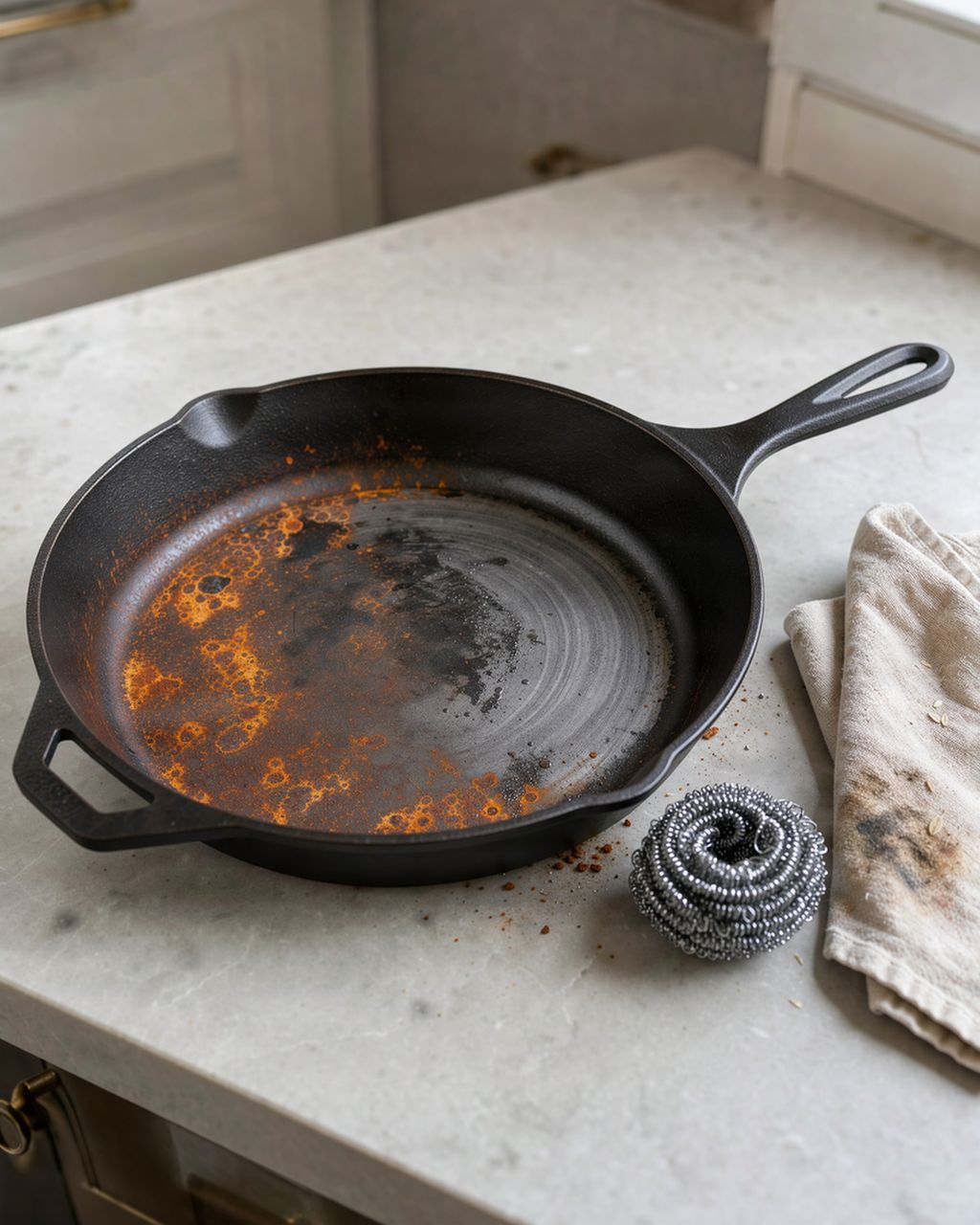
On enameled cast iron, avoid steel wool and harsh abrasive powders; follow the maker's care instructions.
Recipe of the week, one tip that saves you time and one deal from the shop. Unsubscribe in one click.
The next issue goes out on Thursday, November 26.
Rice cookers can brown the bottom too, usually for these reasons:
Too little water, often from measuring the rice with a US cup (236.6 ml) instead of the cooker's own, smaller cup. Our cup of rice in grams guide explains the difference.
Oil, butter or sugar in the pot, which brown on the hot plate.
A long time on keep-warm. The bottom layer slowly dries and browns.
A scratched or worn inner bowl, which heats less evenly.
If it happens every time, add a little more water and serve the rice soon after it finishes.
Rice that always burns on the bottom is usually cooked on too high a heat after it comes to a boil, in a thin pan, or with too little water. Turn the heat to the lowest setting once covered and use a heavy-based pot.
You can usually eat the rice from the top of the pot if it doesn't taste of smoke. Scoop it off without scraping and leave the burnt layer behind, which tastes bitter.
A strong burnt taste can't be removed once it has spread through the rice. Act quickly: take the pan off the heat right away (cool thin pans in a little cold water, but not enameled cast iron) and lift the unburnt rice off the top before the smell spreads.
Use a heavy pot, rinse long-grain rice, stir once when it boils, then cover and cook on the lowest heat. Let it rest off the heat with the lid on so the bottom loosens.
Golden, crisp rice on the bottom is prized in many cuisines, such as socarrat in paella, Persian tahdig and Korean nurungji. Black, bitter rice is burnt and best thrown away.
One recipe worth heating the oven for, one tip, and one deal from the shop. Nothing else.