What to Use Instead of Food Colouring: Natural Colours for Icing, Cream & Dough
How to Color Coconut, Rice and Pasta with Food Coloring
Updated Nov 17, 2026
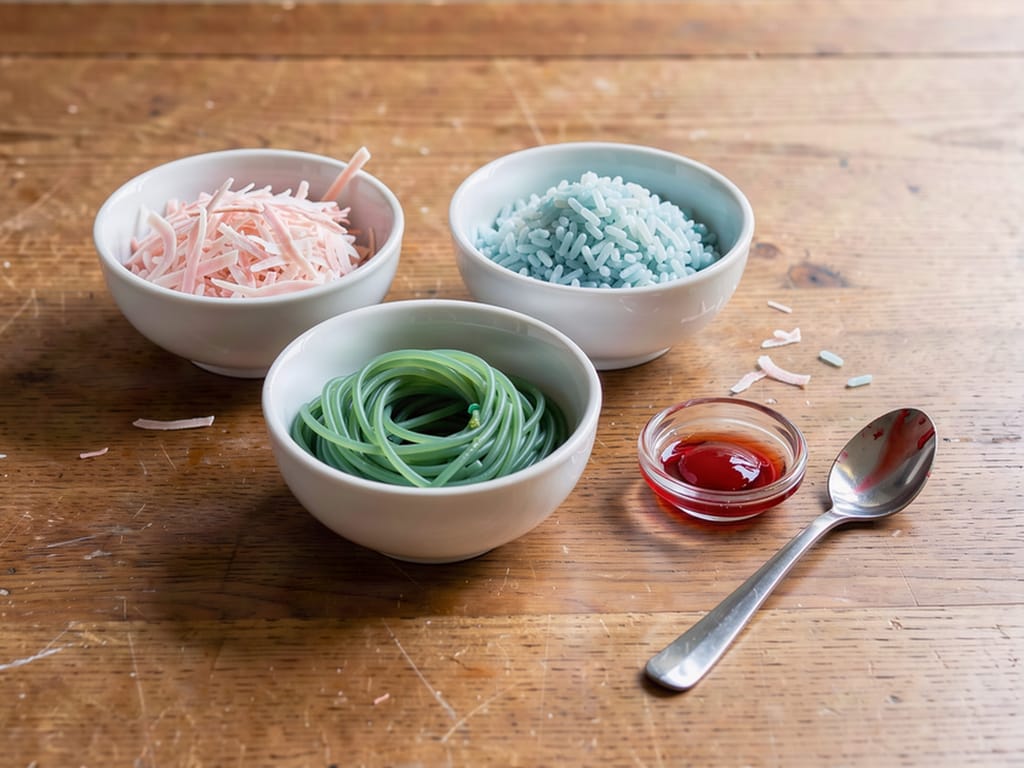
There are two ways to color coconut, rice and pasta with food coloring. For dry coconut, shake it with a drop of diluted gel coloring. Rice and pasta can either be cooked in tinted water (for a soft pastel) or colored after cooking (for a deeper shade). Gel coloring is strong: a toothpick tip to a few drops is plenty. The drier the result, the less color bleeds onto frosting, sauce or the plate. Below you'll find the method for each food, natural alternatives, and why colored play rice should never go in anyone's mouth.
For coconut, rice, pasta and popcorn, gel food coloring works best. It's concentrated, so it doesn't make the food needlessly wet, and it gives a deep shade even in a small amount. Liquid supermarket colorings work too, but you need more and the result tends to be paler.
Gel coloring: the all-round choice for water, rice, pasta and coconut. Add it with a toothpick or drop by drop.
Powder coloring: good for dry coconut and the sugar coating on popcorn, since it adds no water.
Fat-soluble coloring: only for white chocolate (for chocolate popcorn, say). Water-based gel coloring can make chocolate seize and thicken.
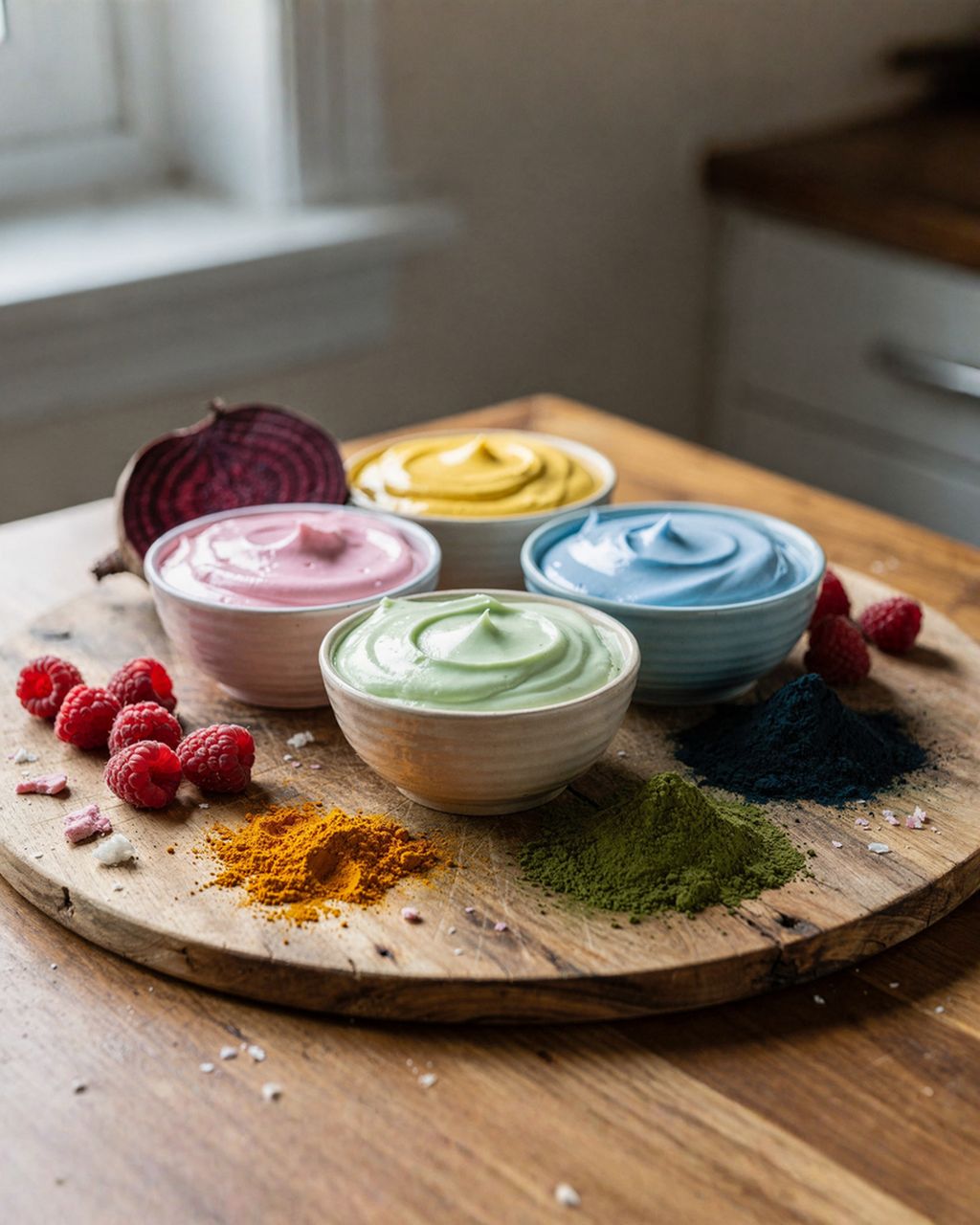
Natural colorings: turmeric, saffron, beet, spinach, matcha or spirulina extract. They color more gently and affect the flavor.
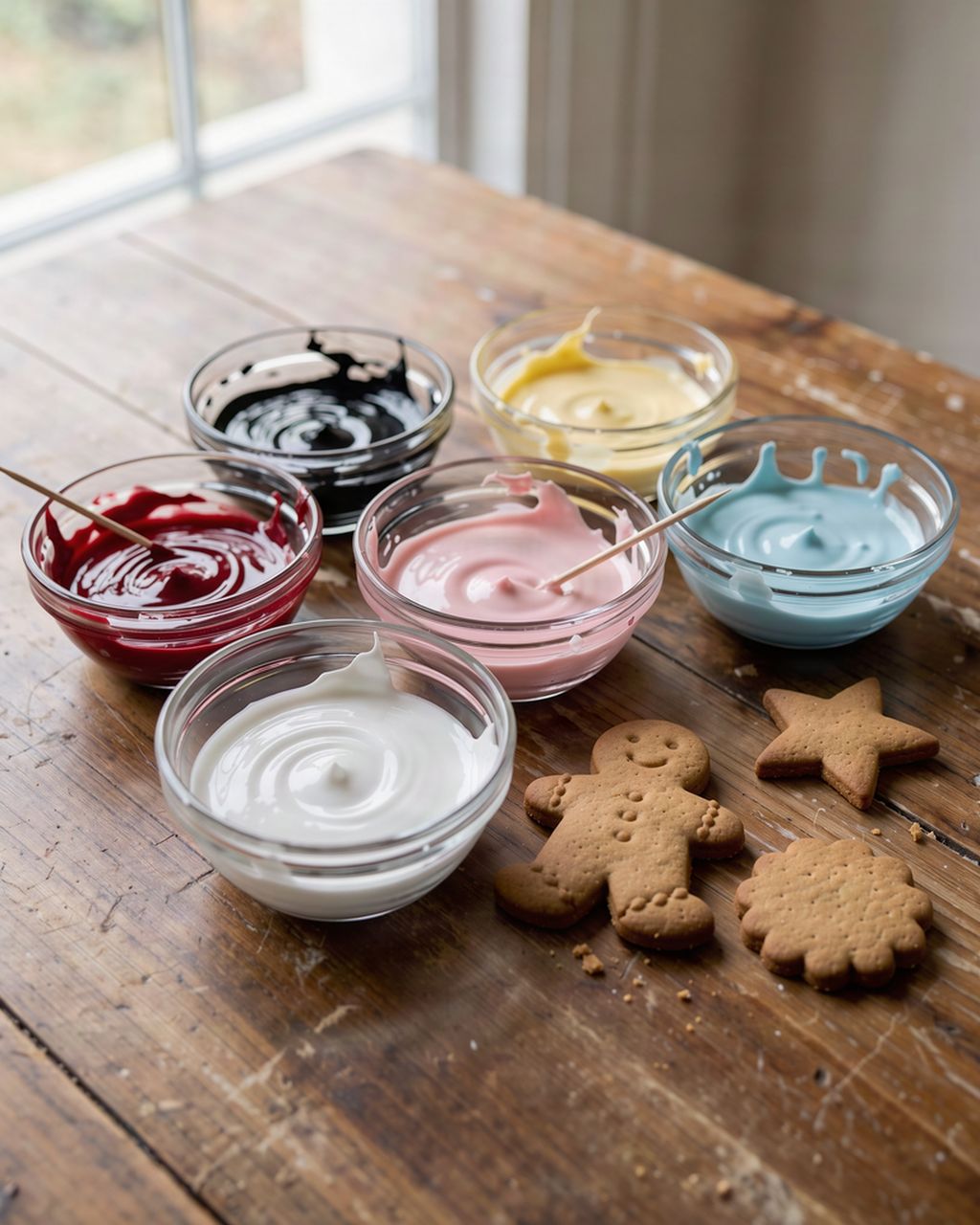
If you want a range of shades, the ProGel Food Coloring Rainbow Set, 6 pcs will do, since you can mix pastel and blended shades from the six basic colors. You'll find the full selection in the food colors and food coloring category.
It must always be food coloring, meaning a product labeled for use in food. Egg dyes, textile dyes and art supplies don't belong in food.
Seasonal baking plans, tested recipes and kitchen tricks that save you time. Unsubscribe in one click.
Color shredded coconut dry. Put it in a jar or bag, add a drop of gel coloring diluted with a few drops of water, and shake for 1–2 minutes until the color is evenly spread.
Put 100 g shredded coconut in a screw-top jar or a sturdy bag.
On a spoon, mix a toothpick tip of gel coloring with 3–5 drops of water. Use less for a pastel; for a deeper shade, add another toothpick tip.
Pour the drop onto the coconut, close the jar and shake. Break up any clumps with your fingers through the bag.
Spread the coconut on parchment paper and leave it to dry for about 30 minutes, until it's loose and crumbly again.
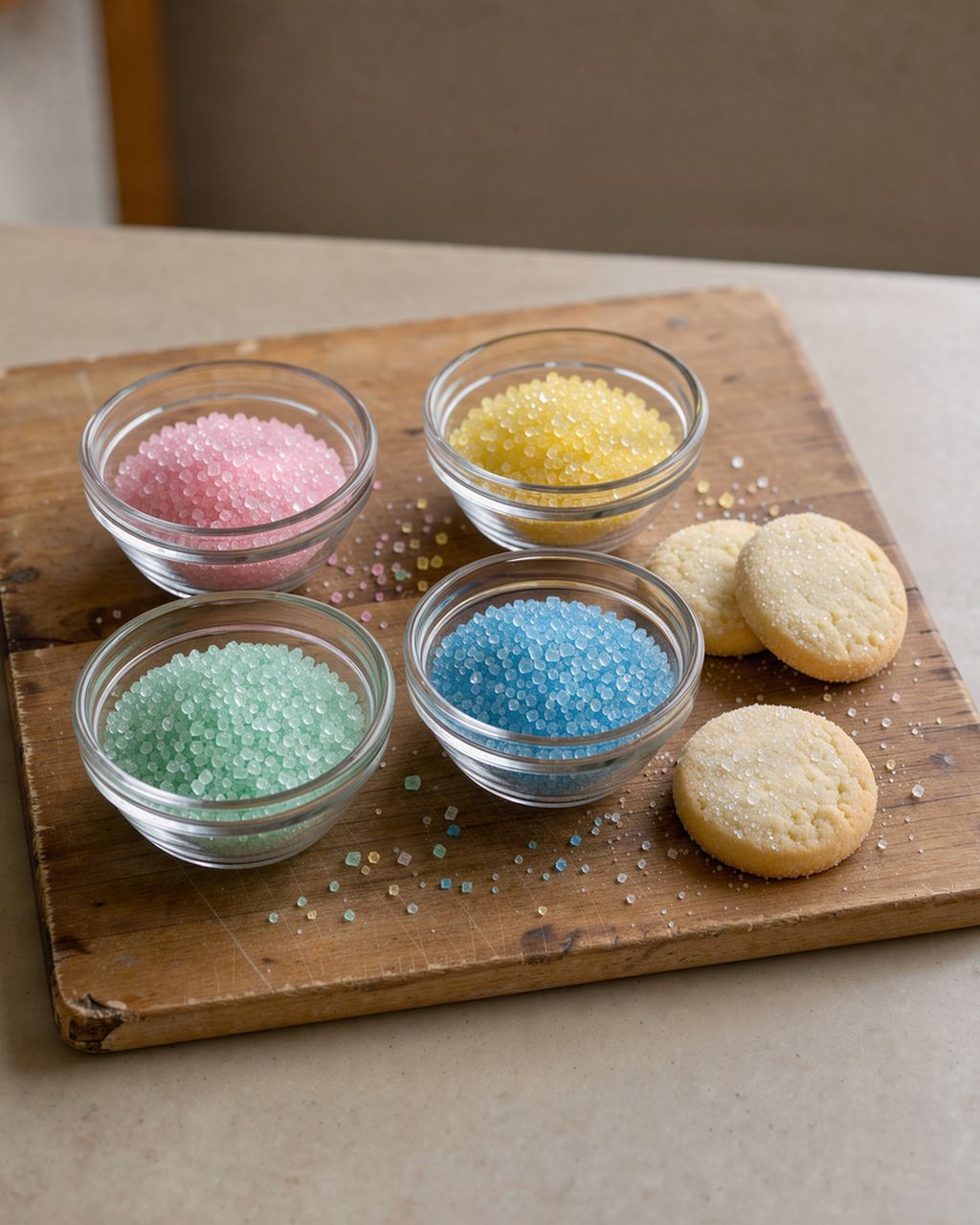
It's the same principle as colored decorating sugar. Moisture is the enemy here too: the more water, the more the coconut clumps, and the more color bleeds into the frosting underneath.
Naturally: a pinch of matcha gives green, freeze-dried raspberry or strawberry powder gives pink, and turmeric gives yellow. Sprinkle powders straight onto the coconut with no water and shake.
You can color rice either in the cooking water or after it's cooked. Tinted water gives the whole batch one even, soft shade. Coloring cooked rice gives a deeper color and lets you make several colors from one batch.
Safety: according to the UK's FSA, cooked rice should ideally cool within an hour, then go in the fridge, and be eaten within 24 hours. Coloring doesn't change that. For details, see our article on how long cooked rice keeps in the fridge.
To color rice as it cooks, stir gel coloring into the water and cook the rice in it using the absorption method. For 200 g rice, a pea-sized amount of gel coloring is enough.
Stir the coloring into the cooking water. The water should look much darker than the color you want, because the rice will dilute it.
Cook the rice by the absorption method, so it soaks up all the water. If you drain off excess water, the color goes with it.
White long-grain, basmati or jasmine rice takes color most evenly. Brown and parboiled rice stay brownish.
Color cooked rice in portions: add 2–4 drops of gel coloring mixed into a tablespoon of water to each, stir, and briefly warm it in a pan. That way you can make, say, three colors from one batch.
Divide the cooked rice into bowls or sturdy bags, one for each color.
Add the diluted coloring to each portion (for sweet rice, you can mix it into a tablespoon of milk). For savory rice, add a drop of oil too, so the color spreads more easily.
Stir or shake until the color is even, then briefly warm the rice in a pan. This evaporates moisture and sets the color.
Sushi rice is colored the same way, except the coloring goes into the vinegar seasoning you mix into the cooked rice. For how to cook and season it, see our article on sushi rice.
The most reliable blue rice comes from blue gel coloring added to the cooking water. White rice takes it cleanly and the shade doesn't change as it cooks. Add a drop of purple to the blue and you get the color of Thai or Malaysian "blue rice."
For a natural blue, use spirulina extract (blue spirulina, phycocyanin). It's sensitive to heat, so stir it into cooked rice that has cooled slightly. That way it stays blue and doesn't turn gray.
Don't reach for butterfly pea (Clitoria ternatea) in the Czech Republic. It isn't authorized as a food in the EU. In 2022, EFSA raised safety concerns about its dried flowers.
Color risotto through the stock or with a natural ingredient, not with a drop of gel at the end. The creamy, starchy sauce would smear the color into a dull shade. These three routes work best:
Yellow: saffron steeped in hot stock, which you ladle in from the start. It's the classic of risotto alla milanese. A pinch of turmeric is a cheaper option.
Pink to purple: purée or juice from cooked beets, stirred in during the last third of cooking. Beet with lemon stays pinker, while longer cooking mutes it to brown.
Green: spinach or pea purée stirred in right at the end so it doesn't turn gray. For inspiration, try the recipe for green risotto with tofu, peas and zucchini.
If you want a "fairy-tale" color (blue, deep purple), stir the gel coloring directly into the stock. The whole risotto then takes color evenly from the first ladle.
Spaghetti takes the deepest color after cooking: drain it, let it steam off for a moment, and toss it in a bowl or bag with gel coloring mixed with a spoonful of water and a drop of oil. Coloring in the cooking water works too, but you need a lot of coloring and the result is paler.
In the water: for 2 l (2 quarts) of water, use about ½ teaspoon of gel coloring. Cook the pasta as usual and don't rinse it after draining. The shade will be pastel.
After cooking: for 250 g cooked pasta, 5–8 drops of gel coloring in a spoonful of water with a drop of oil is enough. Toss, leave for 5 minutes, then rinse briefly with cold water. This washes off the color that didn't soak in and would otherwise bleed.
Rainbow pasta: divide the cooked pasta into portions, color each separately and mix them only on the plate.
Naturally: squid ink gives black (it goes into the dough or the sauce; try squid ink spaghetti with sun-dried tomatoes and mozzarella), spinach purée gives green, and beet juice in the cooking water gives pink.
Colored pasta without sauce keeps 3–4 days in the fridge, like other cooked leftovers (according to USDA/FSIS). Store it in an airtight container.
Color popcorn with a coating, not with water. Stir gel coloring into hot sugar syrup or caramel and pour it over the popped popcorn. If you sprinkled popcorn with colored water, it would turn damp and soft.
Sugar coating: for 80 g popped popcorn, put 150 g sugar, 20 g butter and 50 ml water in a pot. Once the sugar dissolves, stir in ¼ teaspoon of gel coloring and cook without stirring for 5–7 minutes, until the syrup thickens to about 120°C (250°F). Pour it over the popcorn in a bowl and toss quickly before it sets. Spread on parchment paper and let cool.
White chocolate: melt it and color it with fat-soluble coloring or powder coloring. Water-based gel coloring can make chocolate thicken and turn grainy. We cover the difference between the types in our article on gel, powder and chocolate food coloring.
Colored sugar in the pot: put 2 tablespoons of oil and 50 g popcorn kernels in a pot and add 50 g sugar mixed with ¼ teaspoon of powder coloring. The kernels get coated as they pop. Cook over medium heat, shaking the pot constantly, and as soon as the popping slows to 2–3 seconds between pops, take it off the heat right away and tip it onto parchment paper. Otherwise the sugar burns quickly.
Don't add coloring on its own, without sugar, to the oil or to raw kernels, as it won't color anything. It's the melted sugar that makes the color stick to the kernel.
Most food colorings dissolve in water, so they travel wherever it's damp. Colored rice tints the sauce, and wet coconut colors the whipped cream beneath it. Four things help:
Less water when coloring: use gel or powder coloring instead of liquid, with just a few drops of water to dilute it.
Evaporating and drying: briefly warm the rice in a pan, let the coconut dry, and rinse pasta after coloring.
A fat coating: a drop of oil on rice or pasta slows the transfer of color to other food.
Combining late: add colored coconut or rice to the frosting or sauce just before serving.
Natural colors also react to acidity and heat. Beet mutes to brown with long cooking, spirulina turns gray with heat, and anthocyanins (from red cabbage, for example) change color with pH: pink in acidic conditions, blue to green in slightly alkaline ones. For more on natural alternatives, see what to use instead of food coloring.
Gel food coloring in normal amounts (a few drops per serving) won't change the flavor of rice or pasta. A bitter aftertaste can come from large amounts of intense shades, especially red and black. Natural colorings such as turmeric, saffron, matcha or beets always affect flavor, so choose them with the dish you're serving in mind.
Properly dried colored coconut keeps until the best-before date printed on the coconut's packaging, because the coloring neither extends nor shortens shelf life. Store it in an airtight container at room temperature, away from moisture and sunlight. If you don't let it dry, it can clump and go stale sooner.
Yes. Stir gel coloring into the eggs before mixing in the flour, and the dough will color evenly. For dough made with 2 eggs and 200 g of flour, about ¼ teaspoon of gel coloring is enough. If you use spinach or beet purée instead of gel coloring, add a little more flour, because the purée makes the dough wetter.
Foods containing the colorings E102, E104, E110, E122, E124 or E129 must carry a warning in the EU that they may have an adverse effect on activity and attention in children. This comes from Regulation (EC) No 1333/2008. When you're coloring food for children, check the ingredients on the label and choose a coloring without these additives, or a natural alternative.
One recipe worth heating the oven for, one tip, and one deal from the shop. Nothing else.