How to Cook Chickpeas Until Tender (Hummus Included) and What to Use Instead of Tahini
How to Cook Beans Until Tender: Soaking, Cooking Times and Pressure Cooker
Updated Nov 17, 2026
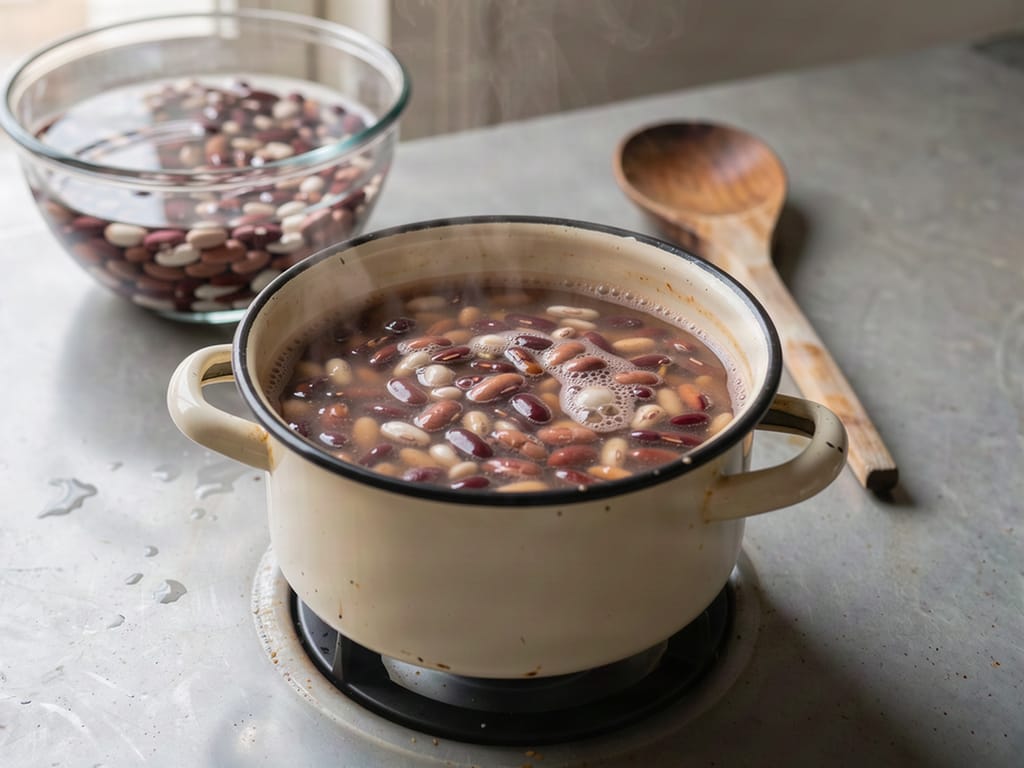
How to cook beans until tender: soak them overnight (or for an hour after a short boil), drain, cover with fresh water, boil hard for at least 10 minutes, then finish at a gentle simmer with the lid on until they give. Add salt and tomatoes only at the end. Red kidney beans must never just be "stewed" at a low temperature, because only a proper rolling boil destroys the lectin in them. Below you'll find times by type, the pressure cooker, canned beans, storage and freezing.
You cook dried beans until tender in five steps: soak, drain, boil hard, simmer slowly, salt.
Soak. Use 3 parts cold water to 1 part beans, overnight or for 6–8 hours in a cool place (method from University of Alaska Fairbanks Extension). For red kidney beans, soak at least 12 hours, see the box below. Beans roughly double in volume, so choose a roomy pot.
Drain and rinse. Don't cook the soaking water further; cover the beans with fresh water.
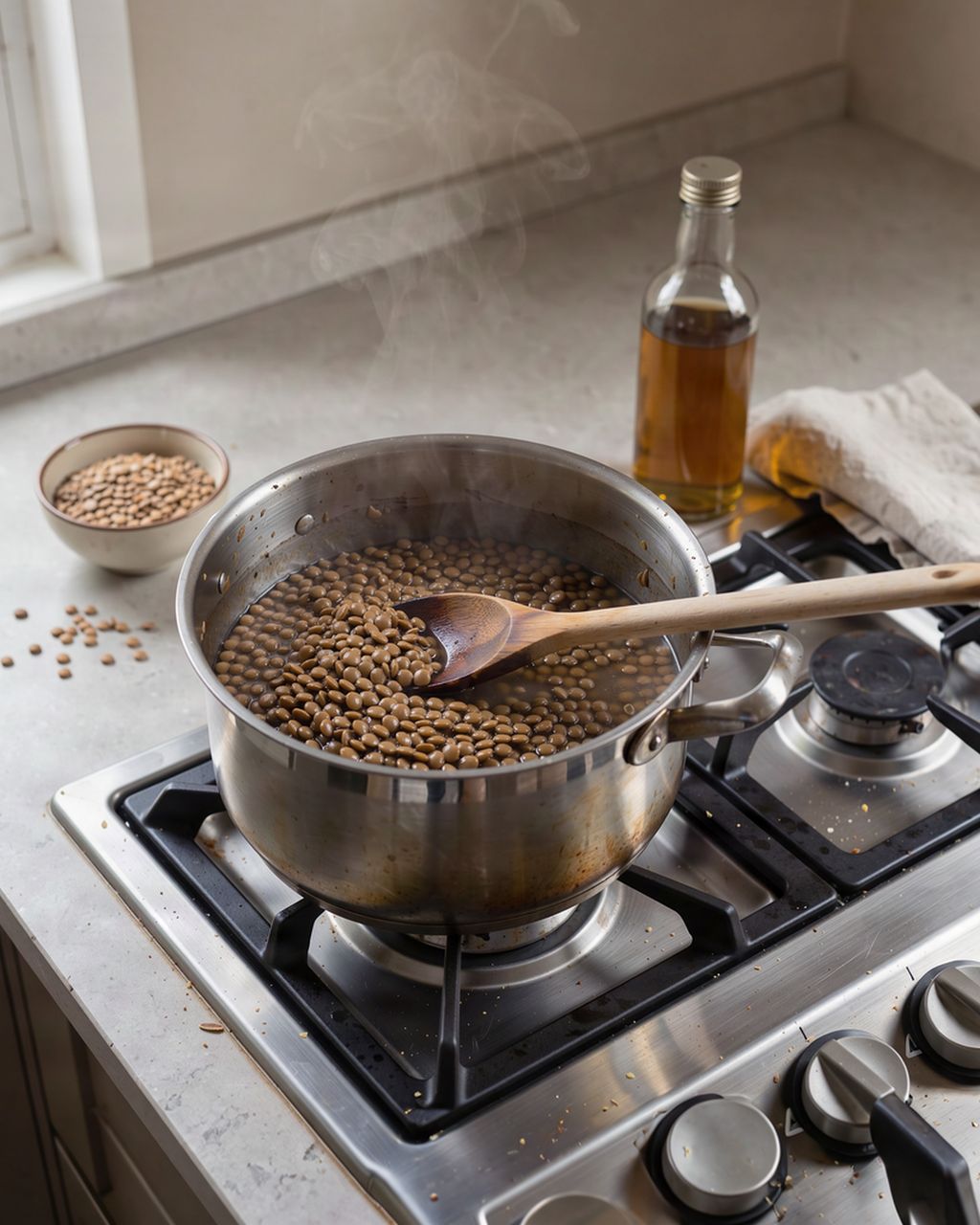
Boil hard for the first 10 minutes. A proper rolling boil, not just bubbling. For red kidney beans this is a safety step, see the box below.
Finish at a gentle simmer with the lid on. Skim off the foam with a spoon and top up the water if needed so the beans stay submerged.
Salt only at the end. The same goes for tomatoes, vinegar or wine, because acid slows softening.
They're done when you can crush a bean between your tongue and the roof of your mouth with no resistance, and the inside is creamy, not mealy or grainy. Always test three or four, since they don't all cook at the same rate. 1 part dried beans gives roughly 2–3 parts cooked (according to UAF and North Dakota State University Extension).
Seasonal baking plans, tested recipes and kitchen tricks that save you time. Unsubscribe in one click.
There are three ways to soak beans: overnight (6–8 hours in cold water), quick (boil for 2 minutes, then let stand for 1 hour) or hot (boil for 2–3 minutes, then let stand for 4–24 hours). Overnight is the least work, and a quick soak saves your evening when you've forgotten.
Overnight: 1 part beans to 3–5 parts cold water, 6–8 hours or overnight, ideally in the fridge or a cool pantry (UAF Extension, University of Maine Extension). Red kidney beans at least 12 hours (FSA).
Quick soak: cover the beans with water at a ratio of 1:3, bring to a boil, boil for 2 minutes, remove from the heat, cover and let stand for 1 hour. Then drain and cook as you would after an overnight soak (UAF Extension).
Hot soak: cover the beans with water at roughly 1:5, boil for 2–3 minutes and let stand for 4–24 hours (University of Maine Extension).
Soaking shortens the cooking and makes the beans soften more evenly. Without it, you often end up with skins that have already split while the center is still hard. Lentils and split peas don't need soaking (UAF Extension). For how to cook lentils so they don't fall apart, see our article on New Year's lentils.
Soaked beans take roughly 1–2.5 hours on the stovetop, depending on the type and age. Approximate simmering times after soaking, according to University of Alaska Fairbanks Extension (2–4 parts water to 1 part legumes, depending on the type):
Red kidney beans and small white beans: about 1.5 hours, water 1:3
Larger white beans: about 2 hours, water 1:3.5
Pinto beans (similar to borlotti): up to 2.5 hours, water 1:3
Large white lima beans: about 1.5 hours, water 1:2
Soybeans and chickpeas: 3 hours or more, water 1:4
Split peas and lentils: about 1 hour, no soaking, water 1:3
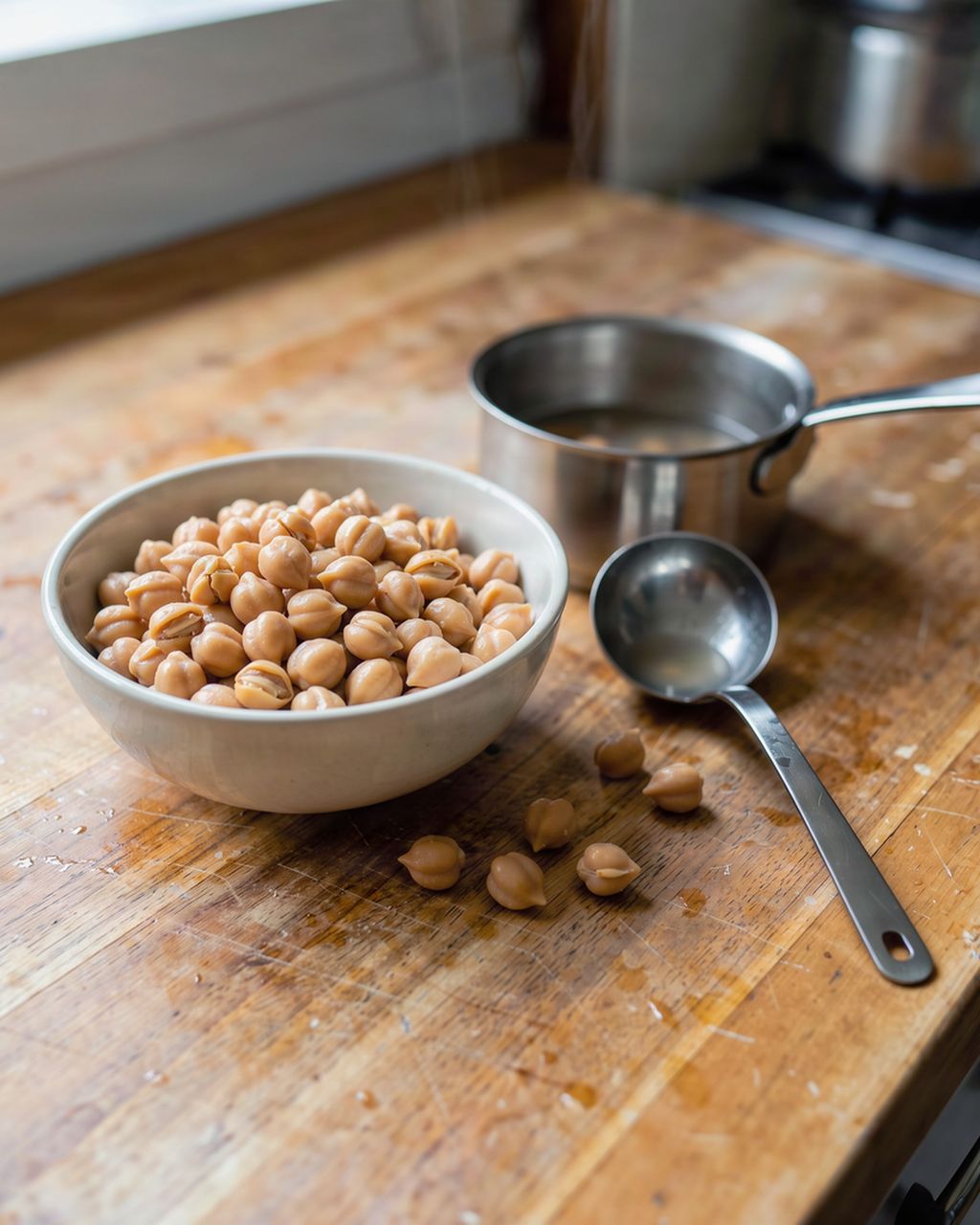
Treat this as a starting point and start tasting halfway through. The package usually gives the producer's time for that specific batch, and it takes precedence. Older beans take noticeably longer than fresh ones. We cover chickpeas, hummus and tahini substitutes in our article on how to cook chickpeas until tender.
Beans most often stay hard for five reasons: age, acid added too early, salt during cooking, hard water and too weak a simmer.
Age. Beans that have sat in the pantry for years dry out and their skins toughen. They will never get fully soft. Buy smaller packs and use them up.
Tomatoes, vinegar, wine. Acid keeps the cell walls firm. Both University of Maine and UAF Extension advise adding acidic ingredients at the end. That's why in dishes like bacon and beans in tomato sauce, the beans are cooked until tender first and only then go into the sauce.
Salt. The same sources recommend salting only at the end. A small pinch of salt in the soaking water, though, may actually help the skins soften more evenly. Be careful during cooking, so you don't end up with oversalted beans.
Hard water. Calcium firms up the skins much as acid does. If your tap water is very hard and your beans still resist, try cooking them in filtered water.
Just bubbling. The pot has to simmer gently, but steadily. On the lowest heat under a lid, beans tend to steep in hot water rather than cook.
In a pressure cooker, soaked beans are done in 15–35 minutes instead of hours. Approximate times at high pressure after soaking, according to North Dakota State University Extension:
Red kidney beans: 20–30 minutes
Black beans: 20–30 minutes
Pinto beans: 15–20 minutes
Small white (navy) beans: 25–35 minutes
Chickpeas: 15–25 minutes
After turning it off, let the pressure drop naturally for about 20 minutes (NDSU). Quick release tears the skins and foam can spurt from the valve. Legumes foam, so fill the pot only to the level the manufacturer allows for them in the manual, which always takes precedence for your specific model.
A pressure cooker cooks above the boiling point, so soaked red kidney beans get enough heat in it. If they aren't completely soft when you open it, finish them on the stovetop without pressure.
Canned beans are already cooked and you can eat them straight away. According to Health Canada, the heat treatment during canning reliably destroys lectins even in red kidney beans, so you only need to warm them through.
Drain and rinse. The liquid in the can tends to be salty and starchy. Always rinse beans for a salad; in a thick sauce you can leave in a little of the liquid, which will thicken the dish.
How many beans are in there. The producer states the drained weight on the can, and it's always considerably lower than the total weight.
When to reach for a can. For a quick dinner such as quick tomato soup with beans or a Mexican burrito with beans and ground meat. Home-cooked beans are cheaper and firmer, and you decide how much salt goes in. They're worth it for something like a borlotti bean salad with grilled pepper and fennel, where you want the beans whole and firm.
Leftovers from an opened can: transfer to a glass or plastic container with a lid and refrigerate. Treat them like cooked beans from then on (see below).
Store dried beans in a dry, cool, dark place, in a well-sealed container. They keep that way for about a year (University of Maine Extension).
Container: a jar or canister with a lid. Reseal a store-bought bag well after opening, so pantry beetles can't get in.
Place: not above the stove and not in a damp cellar. Heat and moisture shorten shelf life.
Don't mix batches. Old and new beans cook for different lengths of time, and you end up with a pot that's half mush and half hard little pellets.
After a year, beans aren't dangerous, they just take longer to cook and may never get completely soft. They're better suited to a blended soup or a spread.
Cooked beans and lentils freeze very well. Once cooled, get them into the fridge within 2 hours of cooking (FSA), and pack them in portions for the freezer, ideally with a little of the cooking liquid.
Cool quickly. Spread them on a baking sheet or in a wide bowl rather than leaving them warm in the pot.
Portion. 200–250 g each, enough for one sauce or salad.
Add liquid. A few spoonfuls of cooking water keep the beans from drying out in the freezer and turning mealy and hard.
Freeze flat in bags with the air pressed out. They freeze faster, take up less space and thaw faster. Write the date on the bag.
How long: cooked beans keep in the freezer for up to 6 months (University of Maine Extension). Thaw them in the fridge overnight, or toss them straight from frozen into a soup or sauce.
Lentils freeze the same way. Brown and green hold their shape, while red ones fall apart after thawing, which suits soup or dal. If you're freezing a finished lentil soup or bean goulash, see which soups and sauces stand up to freezing.
You can cook beans without soaking, but it takes longer and they cook less evenly. If you're in a hurry, a quick soak is the better choice: boil for 2 minutes, then cover and let stand for 1 hour (UAF Extension). That applies mainly to white, pinto and black beans. Never cook red kidney beans without soaking, not even in a pressure cooker: both the FSA and Health Canada call for soaking followed by at least 10 minutes of hard boiling.
Not quite: split (hulled) peas don't need soaking, unlike beans, and cook in less time. Whole dried peas, on the other hand, should be soaked overnight like beans. Stir peas often as they cook, because they tend to catch on the bottom, and salt them at the end just like beans. For pea purée, cook them until they fall apart on their own.
Cooked beans keep in the fridge for 3–4 days in a covered non-metal container (University of Maine Extension). The UK's FSA is stricter about leftovers and advises eating them within 48 hours or freezing them. Always get them into the fridge within 2 hours of cooking (FSA). The same goes for beans from an opened can.
One recipe worth heating the oven for, one tip, and one deal from the shop. Nothing else.