How to Cook Pasta: How Much Water and Salt, How Long, and How to Keep It From Sticking
Cooked Pasta: How Long It Keeps in the Fridge and How to Freeze It
Updated Nov 17, 2026
Cooked pasta keeps 3–5 days in the fridge without sauce (per USDA FoodKeeper), or 3–4 days with sauce or baked (per USDA FSIS), always at 4°C (40°F) or below. You can freeze it too: plain cooked pasta holds its quality for 1–2 months (USDA FoodKeeper), baked pasta dishes for 2–3 months (FSIS). What matters most is what you do right after cooking: cool it quickly, divide it into shallow containers and get it into the fridge within two hours. Pasta carries the same risk as rice, and it has no business sitting on the counter overnight.
Cooked pasta without sauce keeps 3–5 days in the fridge, and pasta with sauce or baked pasta keeps 3–4 days. At a glance:
Plain cooked pasta, fridge at 4°C (40°F) or below: 3–5 days (USDA FoodKeeper).
Pasta with sauce, baked pasta, lasagna, fridge at 4°C (40°F) or below: 3–4 days (USDA FSIS, table for leftovers and casseroles).
Room temperature: 2 hours at most after cooking, then it belongs in the fridge (USDA FSIS). The UK's FSA is even stricter: cool it and refrigerate within 1–2 hours.
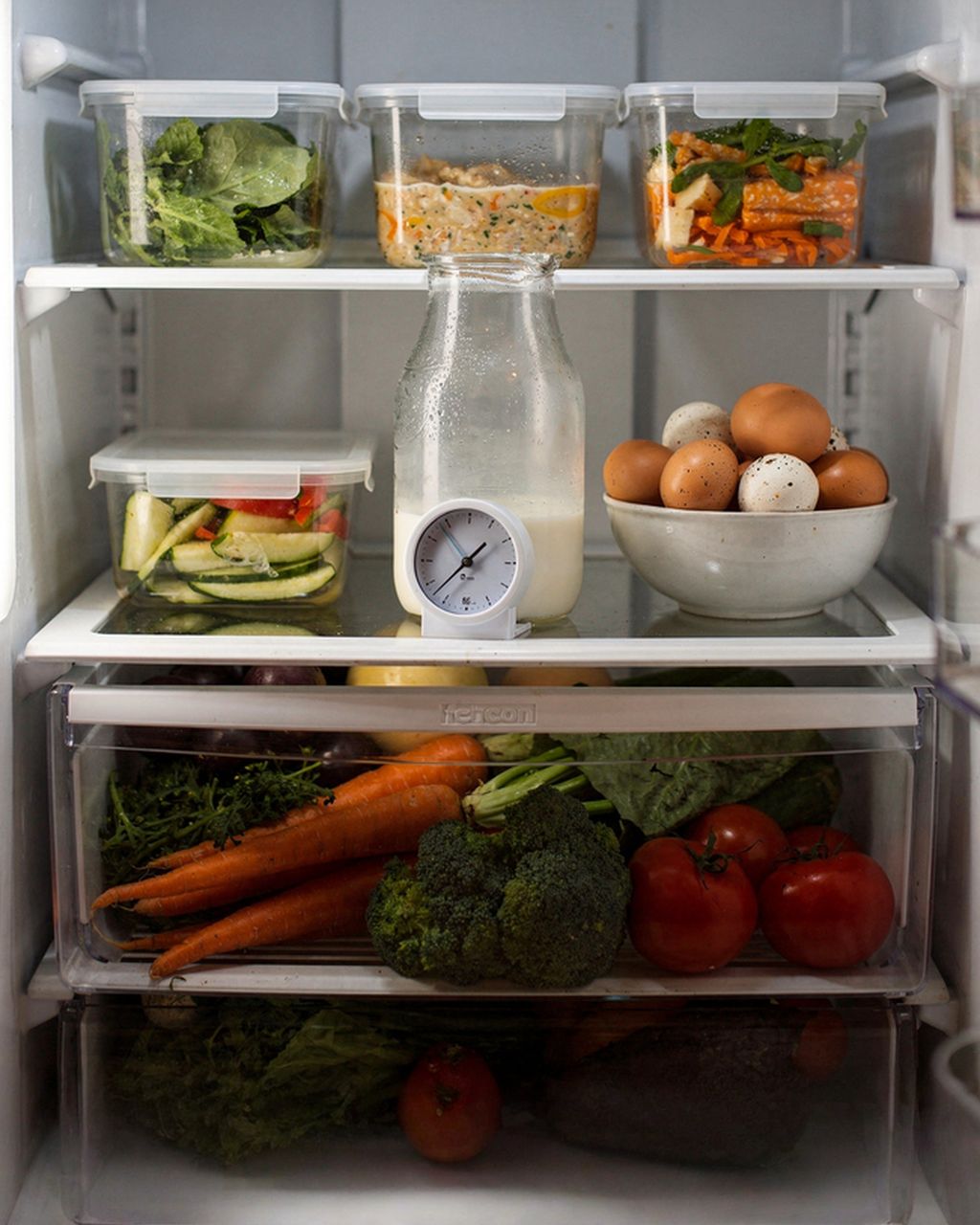
For leftovers in general, the FSA also recommends eating them within 48 hours or freezing them. If you want to play it safe, go with the lower end: eat pasta with a meat or cream sauce within three days. Make sure your fridge is truly cold, too. The FSA gives 0–5°C, FSIS 4°C at most, and the door is usually warmer than the back of a shelf.
You'll find overall times for other leftovers in the food storage chart for the fridge, freezer and pantry.
Seasonal baking plans, tested recipes and kitchen tricks that save you time. Unsubscribe in one click.
To keep cooked pasta from clumping in the fridge and to make it last as long as possible, five steps are enough: cook it al dente, rinse it with cold water, toss it with oil, spread it in a shallow container and get it into the fridge within two hours. In detail:
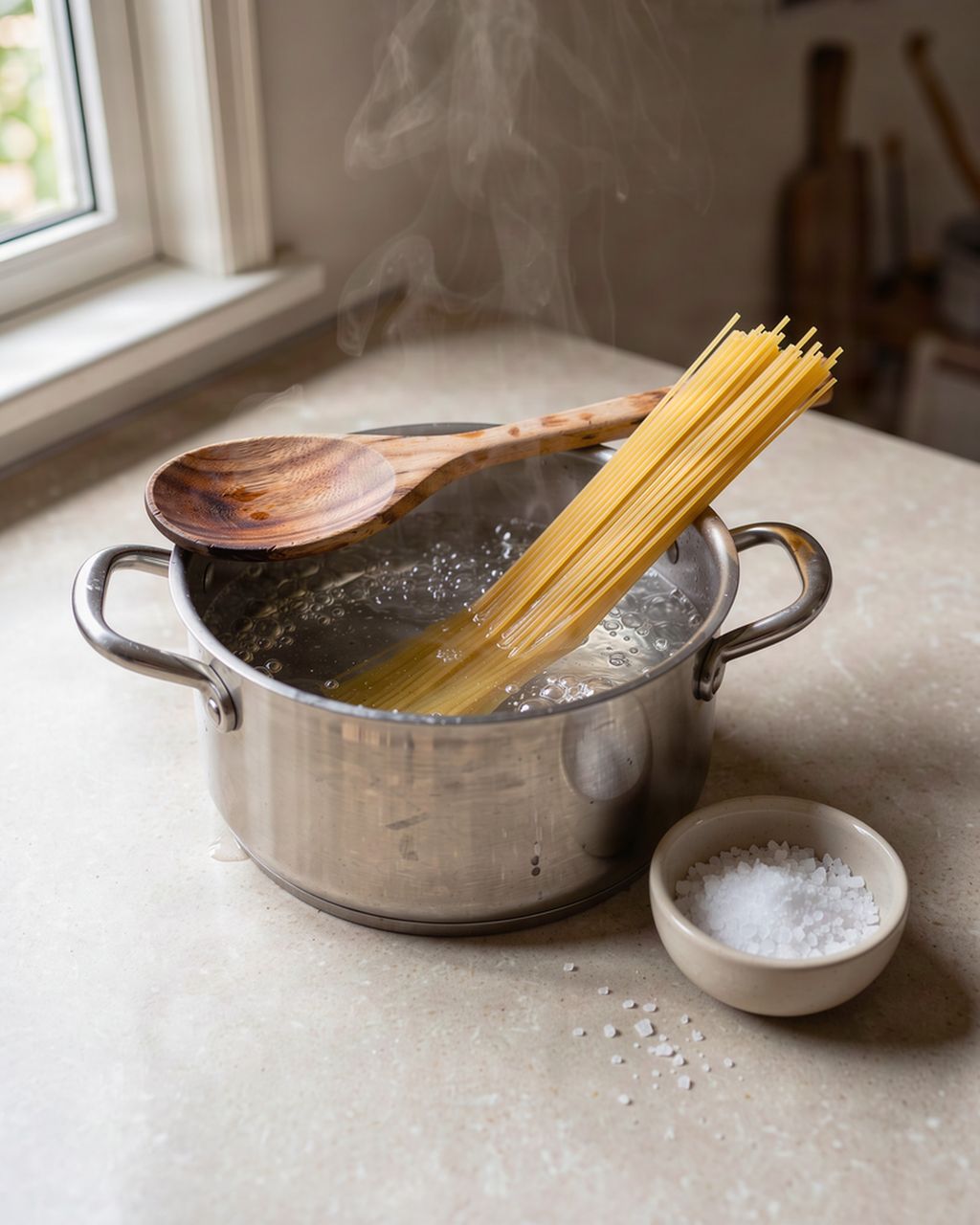
Cook it al dente, even slightly less than the package says. Pasta finishes cooking when reheated, and if it's cooked soft the first time, it turns to mush the next day. For how to nail the timing and how much water and salt to use, see the article how to cook pasta so it doesn't stick together.
Drain and rinse briefly with cold water. This is the rare time it's the right thing to do: you want to stop the cooking and rinse off the surface starch that glues pasta together. For pasta going straight onto a plate with sauce, skip the cold water.
Toss with a teaspoon of oil (olive or any neutral oil). A thin film of fat keeps the pieces from sticking together.
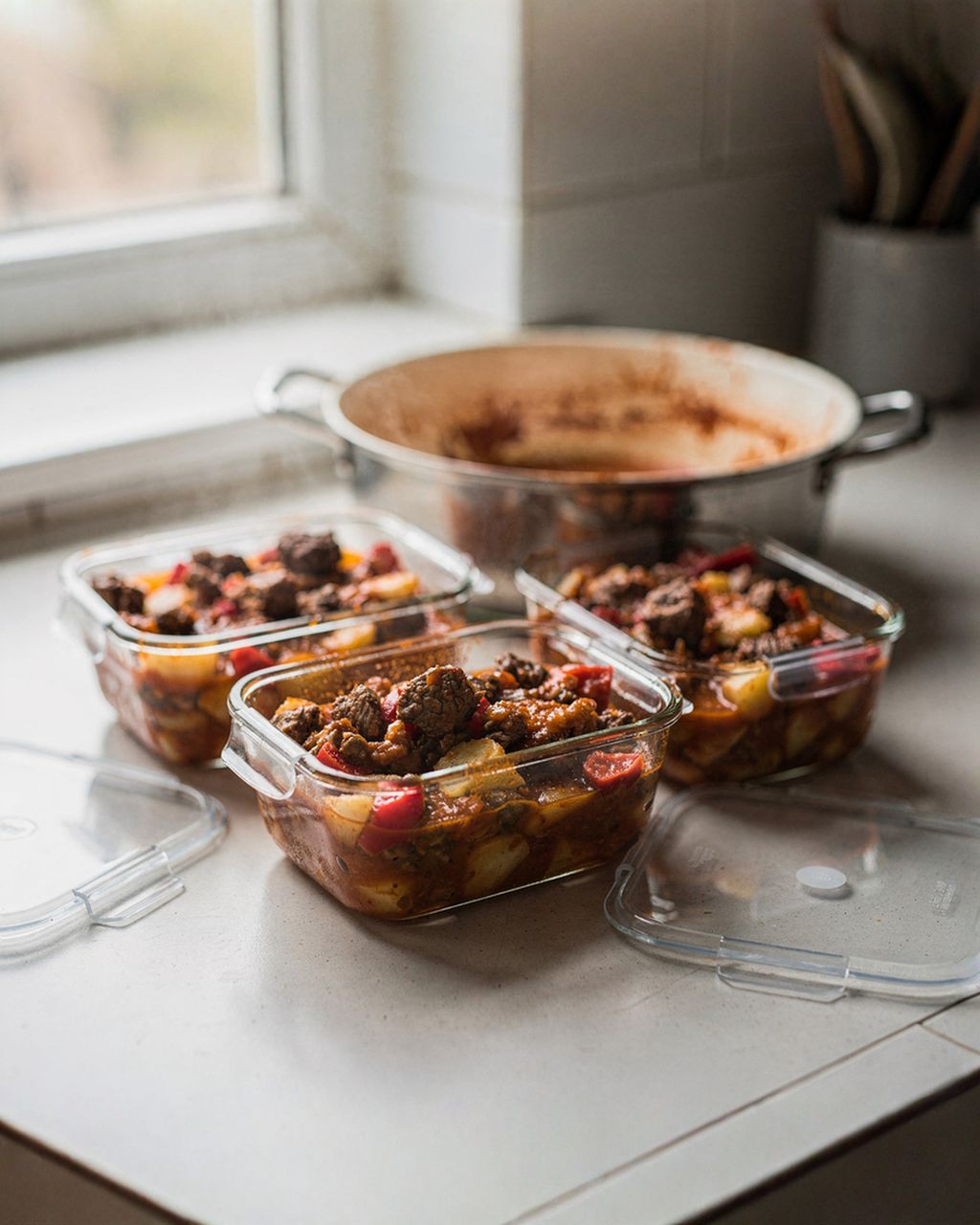
Spread it in a shallow container. FSIS recommends shallow containers for leftovers precisely because food cools quickly in them, even in the center. A tall heap in a pot takes hours to cool, and the center stays in the danger zone for a long time.
Into the fridge within two hours of cooking at the latest (FSIS). You can close the lid once it has cooled, but get the container in there as soon as possible.
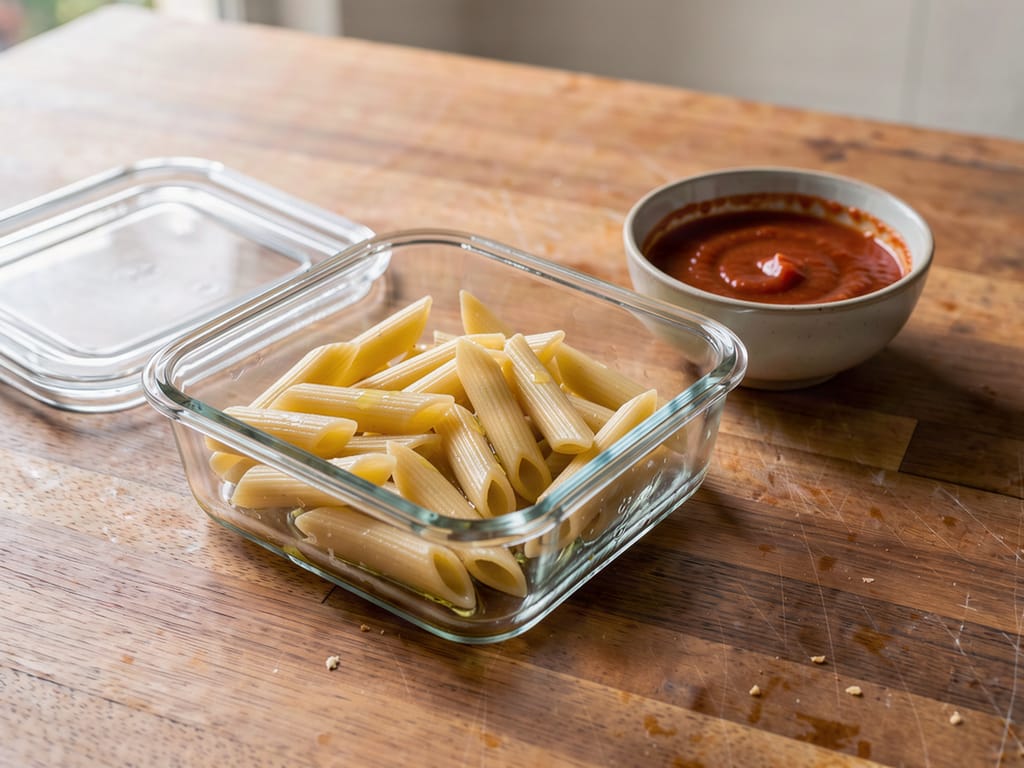
When you can, store the pasta and sauce separately. Pasta in sauce soaks up liquid overnight and swells, so it's soft the next day, while the sauce thickens. Pasta stored separately just needs to be reheated and tossed with hot sauce, and it tastes almost fresh.
Keep together only what's meant to go together: baked pasta, lasagna or pasta with pesto and oil, which won't turn soggy. Fridge times are the same for anything with sauce: 3–4 days at 4°C (40°F) or below (FSIS).
The same rules apply to cold pasta salad, such as pasta salad with chicken strips, tomatoes and arugula. Even though it's eaten cold, it's cooked pasta, so it goes into the fridge right away, not after a whole day at a picnic.
Yes, you can freeze both cooked pasta and spaghetti. At −18°C (0°F, the freezer temperature per the FSA), it keeps its quality for 1–2 months (USDA FoodKeeper). It would stay safe for longer, but then it dries out and the texture goes downhill. To keep it from turning mushy after thawing:
Cook it well short of done, firmly al dente. Freezing softens the texture a bit, so pasta that's just right the first time will be soft after thawing.
Short, sturdy shapes handle freezing better (penne, fusilli, rigatoni) than thin spaghetti or delicate noodles. You can freeze spaghetti, just expect a slightly softer texture.
Cool first, then freeze. The FSA recommends putting only cooled food in the freezer, and freezing it as soon as possible rather than waiting until the last day in the fridge.
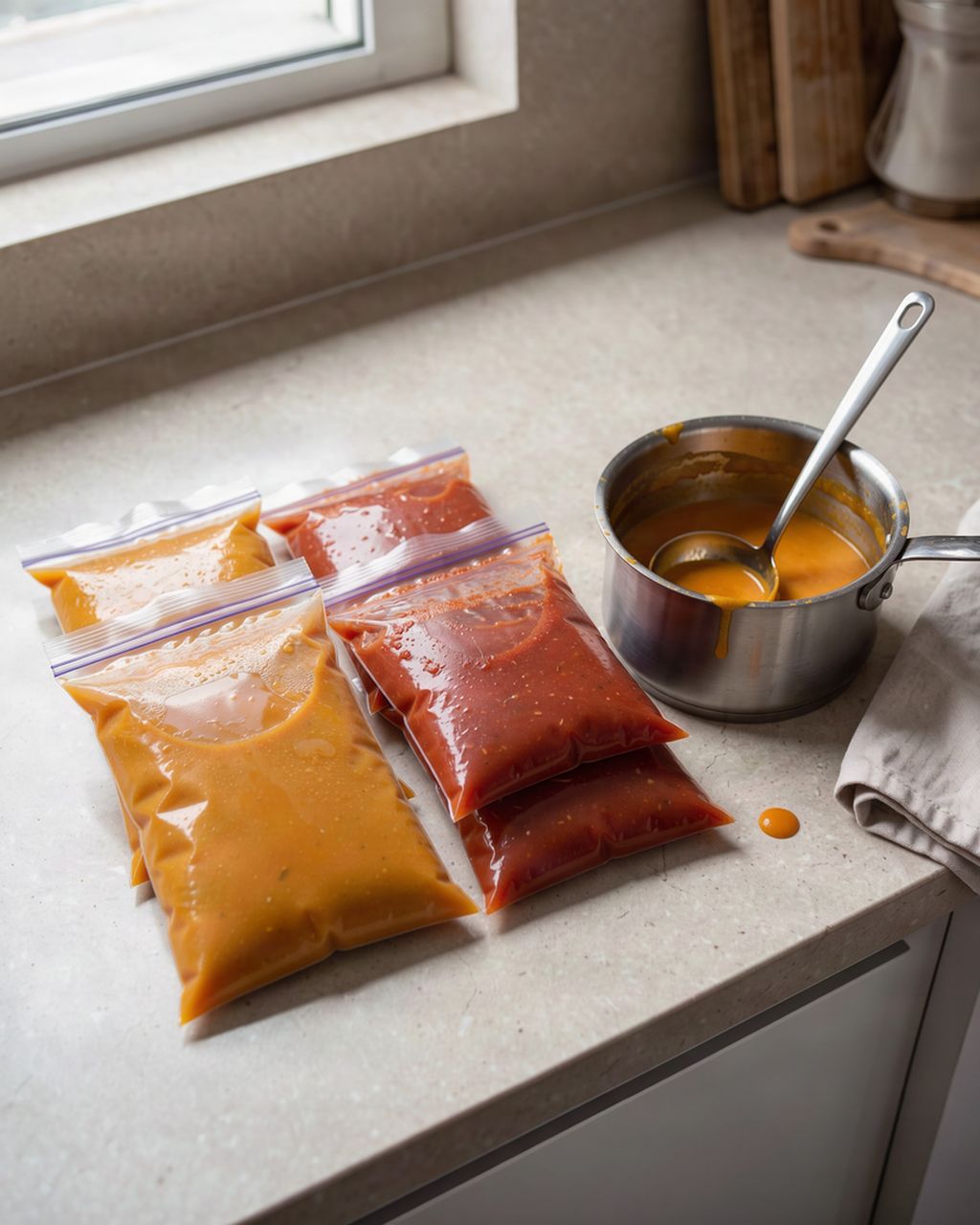
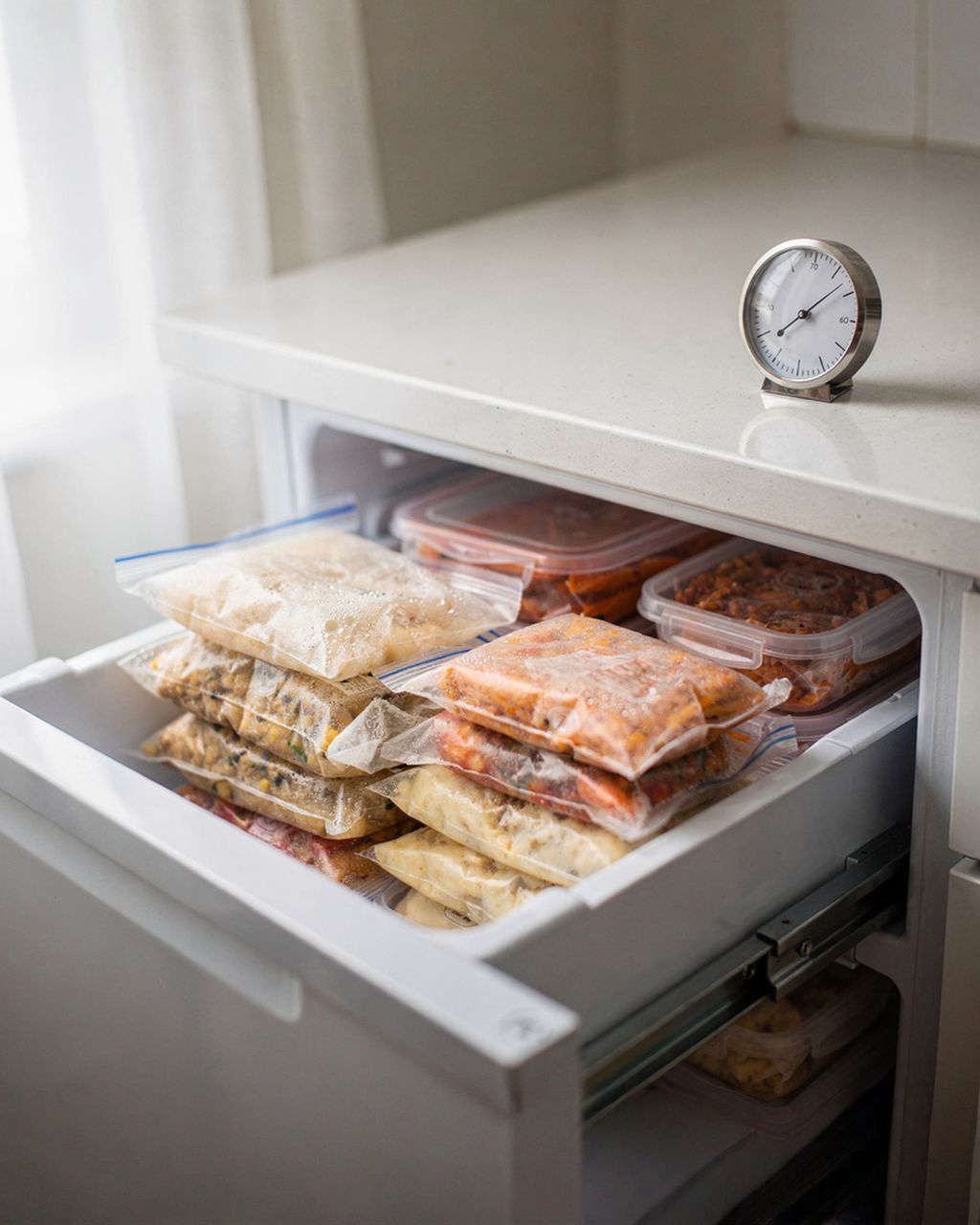
Freeze in portions, flat in a bag. Spread the oil-tossed pasta in a thin layer in a freezer bag, press out the air and lay it flat. A flat slab freezes and thaws faster, and you can break off as much as you need.
Freeze the sauce separately. Meat and tomato sauces such as sugo bolognese, the popular Bolognese sauce freeze very well. Which sauces, on the other hand, split after thawing is covered in the article how to freeze soup and sauce.
How to pack and label bags to prevent freezer burn is covered in the article storing food in the freezer.
Yes, and baked pasta is among the dishes that freeze best, because the sauce protects the pasta from drying out. According to the USDA FSIS table, casseroles keep 2–3 months in the freezer. What works well:
Bake it a little less. It finishes baking when reheated, so it won't dry out and the cheese on top won't burn.
Freeze in portions. Cut the cooled lasagna into squares and wrap each one separately. You reheat one portion and don't have to thaw the whole baking dish for a single lunch.
Watch out for milk-based sauces. Béchamel in lasagna usually handles freezing, since it's thickened with flour. Thin cream sauces without a thickener can split after thawing and release water.
Wrap it twice. Plastic wrap directly on the surface, then a bag or lid. Where there's air, freezer burn forms and the edges dry out.
A classic freezer candidate is mushroom lasagna: bake it once, eat half and cut the other half into portions for the freezer.
The best way to reheat cooked pasta is briefly and with a little water, so it doesn't dry out or overcook. Depending on what you're reheating:
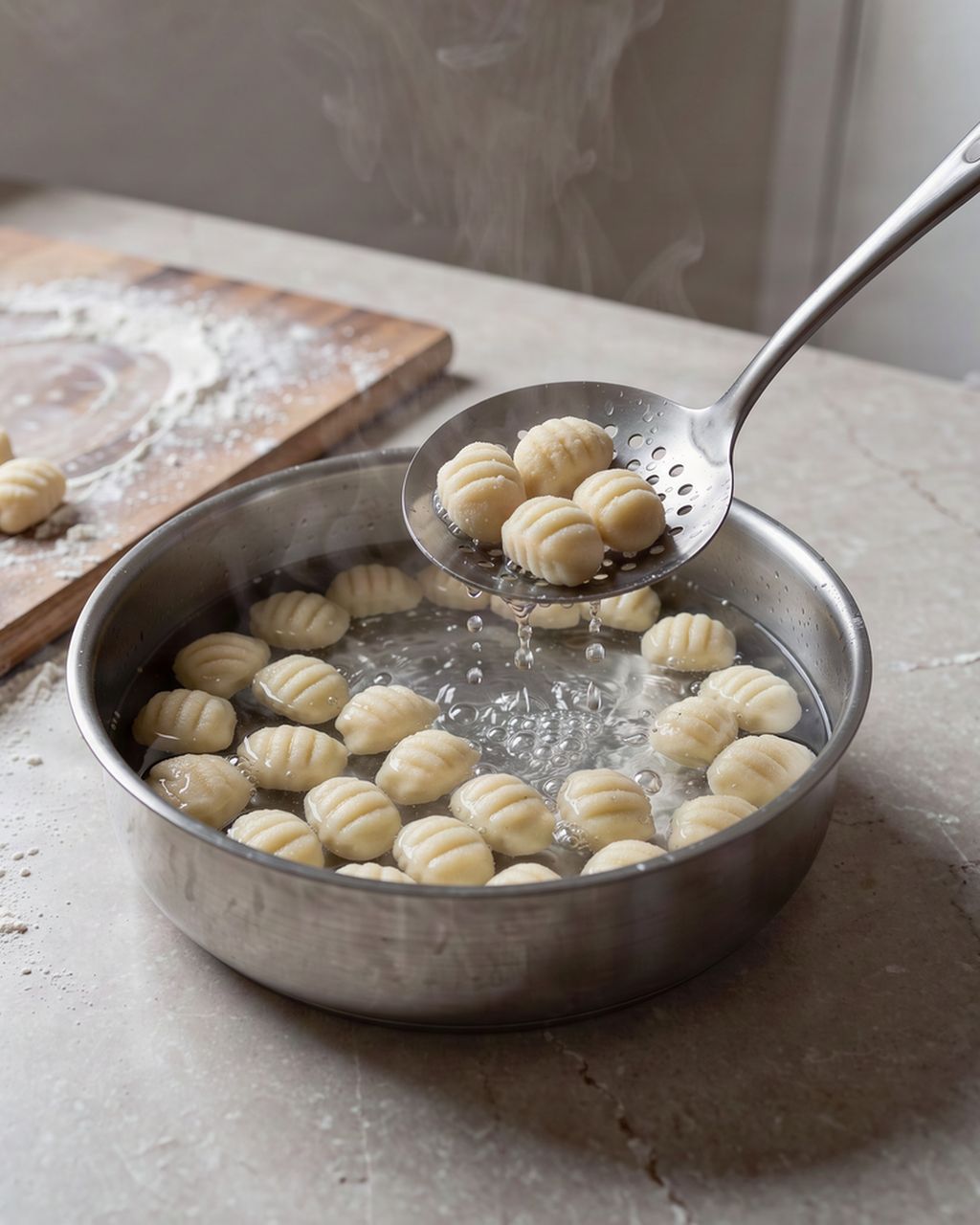
Plain pasta from the fridge: put it in a colander and dip it into boiling salted water for a few moments, just until heated through. Then toss it right away with hot sauce.
Pasta with sauce: in a skillet with a tablespoon or two of water, covered, stirring constantly. The water makes steam and the sauce won't scorch.
Microwave: cover it, add a tablespoon of water and stir halfway through so no cold spots remain.
Frozen pasta without sauce: there's no need to thaw it, just drop it straight into boiling water or into a skillet with the sauce.
Frozen baked pasta: ideally thaw it overnight in the fridge, then reheat in the oven covered with aluminum foil so it doesn't dry out. Remove the foil at the end so the top bakes again.
However you reheat it, heat the food to 74°C (165°F) in the center (USDA FSIS). The FSA advises reheating leftovers only once, so take out of the fridge only the portion you'll eat. According to the FSA, eat thawed food within 24 hours and don't refreeze it.
Cooked pasta can stay at room temperature for 2 hours at most, then it belongs in the fridge (USDA FSIS). The UK's FSA advises cooling it and refrigerating it within 1–2 hours. Throw out pasta that was left overnight in a pot on the stove, because reheating won't destroy the toxin from the Bacillus cereus bacterium.
The most reliable approach is to go by time: throw out cooked pasta after 3–5 days in the fridge (3–4 days with sauce), even if it looks and smells normal. You can't detect the Bacillus cereus toxin by smell or taste. Throw the pasta out right away if it smells sour or musty, has a slimy, sticky surface or shows any mold, and that goes for the whole container if it's mixed with sauce.
No, don't refreeze a thawed pasta dish, and eat it within 24 hours (FSA). That's why it pays to freeze in portions: you thaw only what you'll eat.
You don't need to freeze dry pasta, as it keeps in the pantry until the date on the package. Fresh uncooked pasta from the refrigerated section can be frozen: cook it straight from frozen, without thawing, and check the freezer time on the manufacturer's packaging.
Yes. If you cooled the cooked pasta quickly and it has been in the fridge at 4°C (40°F) or below for no more than 3–5 days (USDA FoodKeeper), you can eat it cold, for example in a salad. Reheating doesn't destroy a toxin that has already formed, so what matters most is cooling it quickly and the time it spends in the fridge.
One recipe worth heating the oven for, one tip, and one deal from the shop. Nothing else.