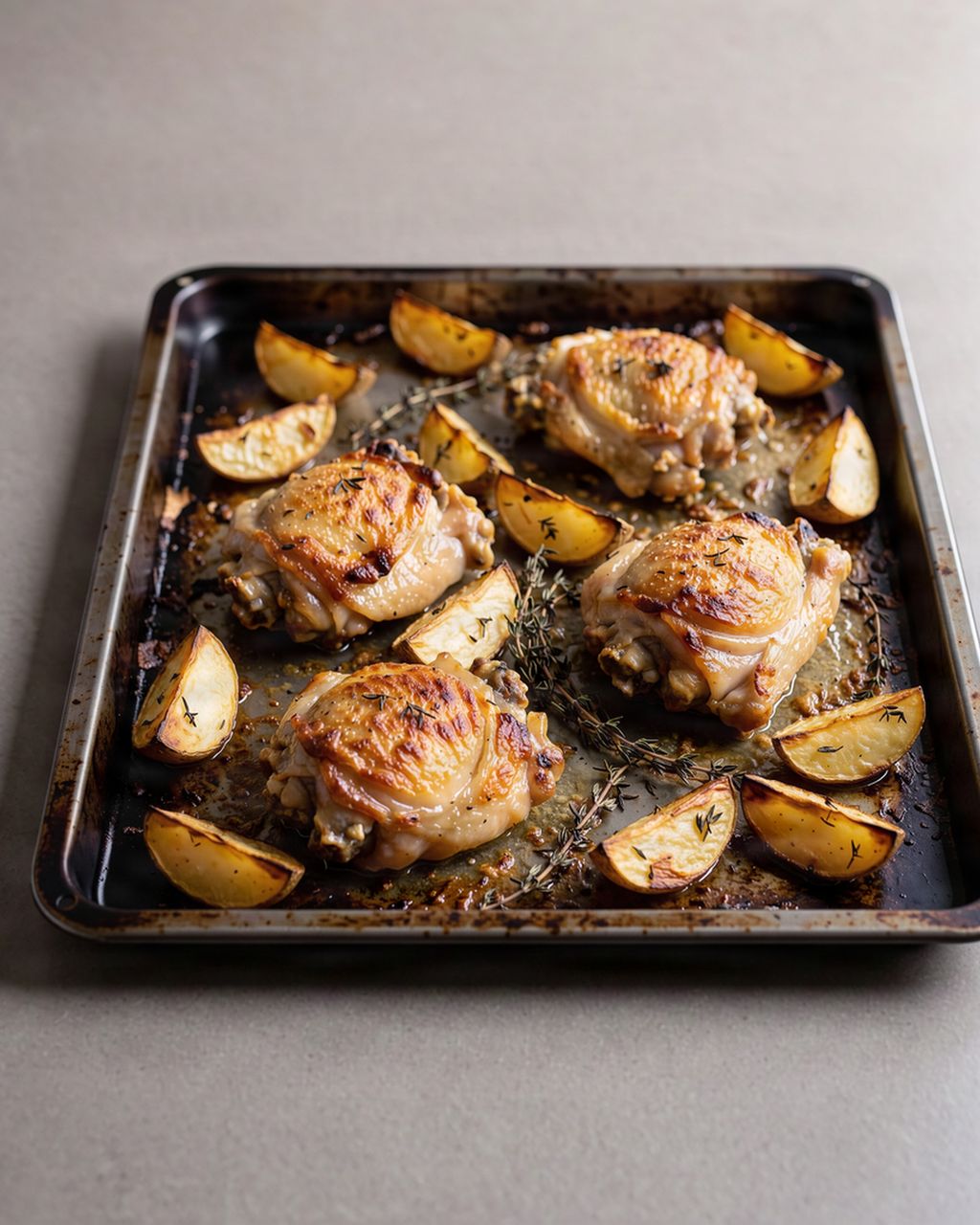
Chicken Thighs: What to Cook in the Oven or Skillet – Whole, Bone-In, Boneless, Cutlets and Smoked
What to Cook With Chicken Breast: Quick Dinners With Rice, Potatoes or Pasta (That Aren't Dry)
Updated Nov 18, 2026
What can you cook with chicken breast? Sliced cutlets in a skillet or a tortilla wrap in 15 minutes, a curry or sauce in 30, something from the oven in an hour. Add rice, potatoes or pasta. Whichever you choose, one thing matters most: take the meat off the heat the moment it hits 74°C (165°F) inside, not a minute later. Below you'll find how to cook juicy breasts, how to slice one breast into thin cutlets, more than twenty dishes sorted by time and side, and how to cook for two days and reheat the meat the next day without drying it out.
Chicken breasts stay juicy when they're an even thickness, salted ahead of time, seared briefly in a hot pan, taken off the heat at 74°C (165°F) inside and left to rest for a few minutes. Breast meat has almost no fat, so there's nothing to hide behind. A few degrees too far and the juices run out. These five steps work in a skillet, in the oven and on the grill:
Even out the thickness. A raw breast can be 4 cm (1½ in) thick at one end and 1 cm (½ in) at the other. By the time the thick part is cooked, the thin part is dry. Pound the thicker end under plastic wrap with a mallet or the bottom of a pot to 1.5–2 cm (about ¾ in), or slice the breast (see the next section).
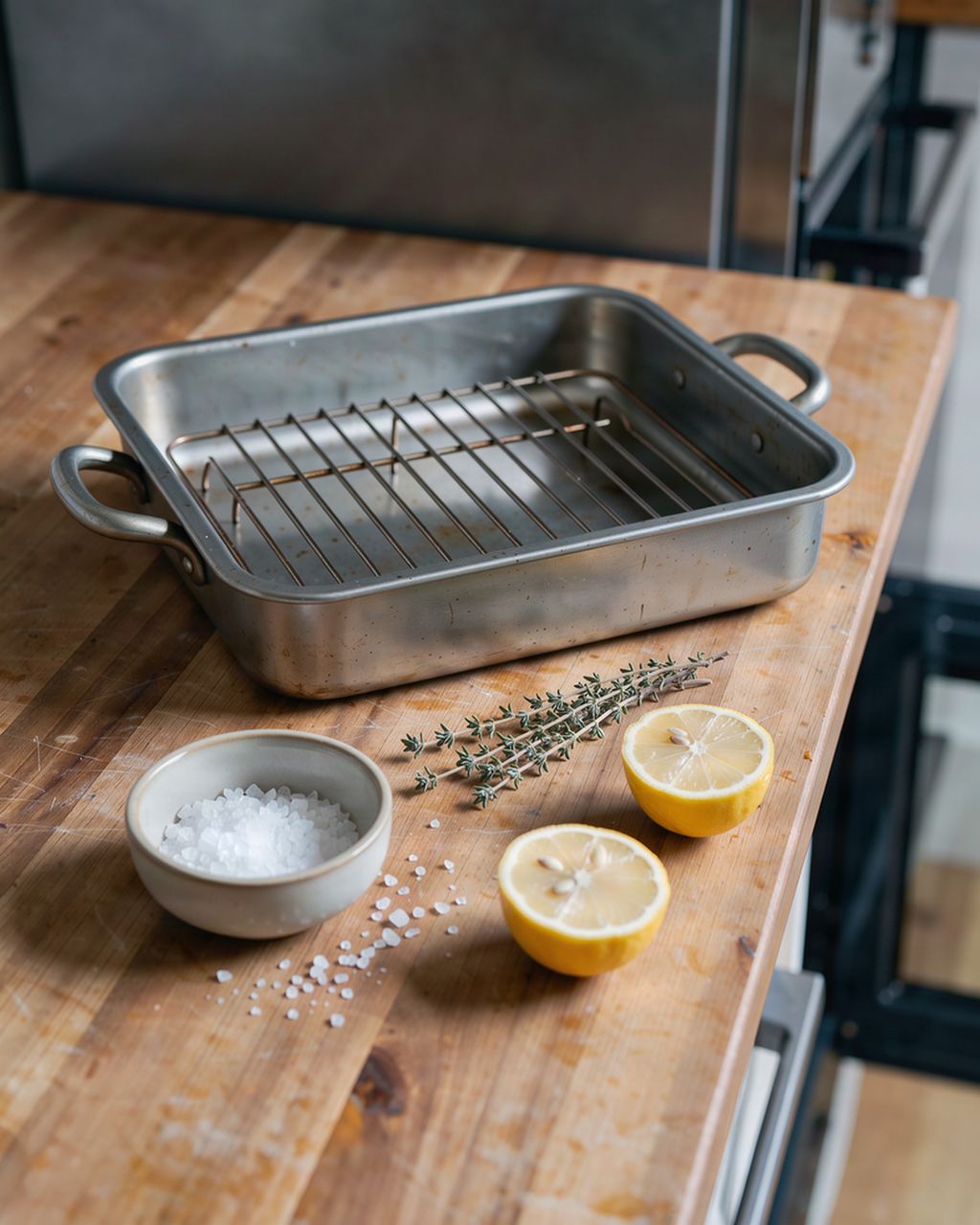
Salt ahead of time: brine or marinade. For a quick brine, stir 50–60 g of salt into 1 liter of cold water and submerge the breasts for 30–60 minutes. Even easier is a dry brine: sprinkle the meat with salt (about 1% of its weight, so 2 g per 200 g) and leave it uncovered in the fridge for at least 40 minutes, or overnight if you like. The salt dissolves some of the proteins, so the meat holds more water. A marinade with yogurt or oil and spices does the same thing and adds flavor. Leave an acidic marinade (lemon, vinegar) on for 2 hours at most, or the surface turns mealy.
Sear briefly over high heat. Pat the meat dry with a paper towel, otherwise it will steam. Heat the pan over medium-high heat, add a spoonful of oil and leave the breast alone for 4–5 minutes, until it releases from the pan on its own and has a golden crust. Flip it, turn the heat down to medium and finish cooking. A 2 cm (¾ in) cutlet needs 8–10 minutes in total.
Measure, don't guess. US food safety authorities (USDA/FSIS) give 165°F, or 74°C, at the thickest point as the safe temperature for poultry. An instant-read thermometer is the cheapest insurance against dry meat. Cutting into it tells you little, and color even less.
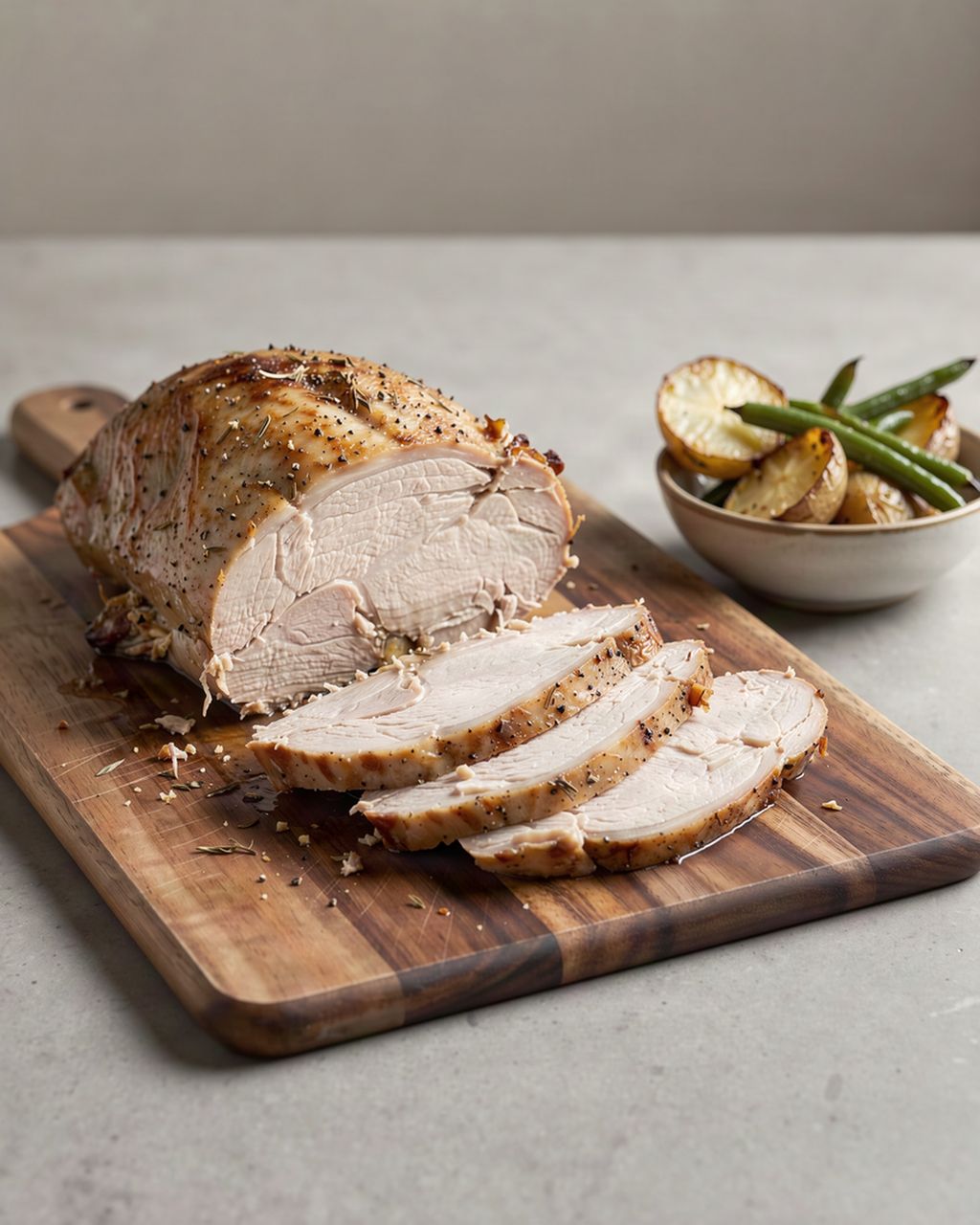
Let it rest. Move the finished breast to a cutting board and let it sit for 5 minutes. In that time the juices redistribute back into the fibers instead of running onto your plate with the first cut. Slice across the grain, and the slices won't be rubbery.
You can choose skinless chicken breasts or skin-on chicken breasts. The skin protects the meat as it cooks and adds fat, which is why it suits the oven best. For how long and at what temperature to roast a whole chicken or individual parts, see what temperature to roast chicken and how to tell when it's done.
We send seasonal cooking and baking plans and recipes made from everyday ingredients. Unsubscribe in one click.
You can get two or three thin cutlets from one chicken breast by slicing it horizontally, parallel to the cutting board. A thin cutlet cooks in a skillet in 2–3 minutes per side, so it doesn't have time to dry out. One larger breast (around 300 g) also easily feeds two.
Chill the meat slightly. Put the breast in the freezer for 15 minutes. It firms up and slices much more evenly.
Lay it flat and hold it with your palm. Press lightly on top with a flat palm and, starting from the thicker side, run a sharp knife through horizontally, parallel to the board. Use a drawing motion, not pressure.
Two or three slices. A thinner breast makes two cutlets. From a large one (over 300 g) you can get three: first cut off the top third, then halve the rest.
Butterfly instead of cutlets. If you stop the cut short of the far edge and open the breast like a book, you get one large piece. It's good for stuffing (ham, cheese, spinach) or for grilling.
Even them out with a mallet. Put the slices between two sheets of plastic wrap and gently pound them to 0.5–1 cm (¼–½ in). Enough to even them out, not so much that they tear.
With these cutlets you can make a classic fried schnitzel or a version without frying, such as baked crispy cutlets in a cornflake crumb coating, cooked in the oven. For the temperature and time that keep cutlets crisp without drying them out inside, see oven schnitzel: what temperature to bake at.
In 15 minutes you can make three things with chicken breast: thin cutlets with lemon and oregano, a grilled chicken tortilla wrap, or strips with garlic and soy sauce. All three rely on the same trick: the meat is cut thin, so it cooks through before it can dry out. Prepare the side (couscous, quick-cooking rice, bread) at the same time.
Chicken cutlets with lemon and oregano. Season thin cutlets with salt, pepper and oregano. Fry them in hot oil for 2–3 minutes per side, then squeeze lemon into the pan and let the juice bubble with the pan drippings for a moment until the meat absorbs it. The whole method is in the recipe for chicken with lemon and oregano.
Grilled chicken tortilla wrap. Sear the breast in a grill pan to 74°C (165°F), rest it for 3 minutes and slice it into strips. Put dressing, vegetables and the meat into a warmed tortilla and roll it up tightly. In spring, the version from the recipe for grilled chicken tortilla with wild garlic is a good fit.
Chicken strips with garlic and soy sauce. Slice the breast across the grain into strips about 1 cm (½ in) thick and toss them in a teaspoon of starch. Fry them in a very hot pan in small batches for 3–4 minutes so they don't steam. Then add pressed garlic, 2 tablespoons of soy sauce and a teaspoon of honey, and let the sauce thicken while stirring constantly. The starch keeps the juices inside, and the sauce clings to it beautifully.
In 30 minutes you can make coconut chicken curry, butter chicken or chicken breast in a cream sauce with mushrooms from chicken breast. With sauces, the risk is overcooking the meat, and that's what happens most often. So sear it briefly first, take it out, make the sauce and return the pieces for only the last 5 minutes. They'll finish cooking in it and stay tender.
Chicken curry with coconut milk. Sauté onion, garlic, ginger and curry paste or spices in oil until fragrant, then pour in the coconut milk. Add the cubed breast only once the sauce is bubbling and simmer over low heat for 6–8 minutes. Set the heat level to taste; see the recipe for chicken curry with coconut milk.
Butter chicken. First marinate the pieces of breast in yogurt and spices. The yogurt tenderizes the meat and protects it when it's then seared over high heat. The sauce of tomatoes, butter and cream is cooked separately and the meat just goes back in. The recipe for restaurant-style butter chicken has a yogurt marinade that's well worth making in the morning.
Chicken breast in cream sauce with mushrooms. Sear thicker cutlets on both sides until golden and take them out. Add onion and sliced mushrooms to the pan drippings and let them release their water and cook it off again. Dust with a teaspoon of flour, pour in 200 ml of cream and a little stock, and return the meat to the sauce for 5–8 minutes under a lid. Serve with rice, pasta or dumplings.
In an hour, the oven can turn chicken breast into baked risotto with vegetables, pieces roasted on carrot chunks, or chicken with mushroom tarhoňa (Czech egg barley). The oven works for you, but it dries food evenly from all sides. So never roast a breast on its own, bare on a baking sheet. Put it on vegetables or on a side that gives off steam, or roast it with the skin on, and take it out at 74°C (165°F) even if the rest still needs time.
Baked risotto with chicken and vegetables. Rice, stock, vegetables and pieces of meat go into one baking dish under a lid, and the risotto cooks itself in the oven. You don't have to stir it. The stock surrounds the meat, so it stays juicy. You'll find the method and ratios in the recipe for baked risotto with chicken and vegetables.
Chicken pieces roasted on carrot chunks. Carrots cut into thick rounds act as a rack. The meat sits above the baking sheet, roasts from all sides, and the juices drip onto the carrots and caramelize them. For inspiration, see the recipe for chicken pieces roasted on carrot chunks. Cut a thicker breast into large pieces; they'll cook in about the same time as the carrots.
Roast chicken with mushroom tarhoňa. The tarhoňa (Czech egg barley) is first toasted and then simmered with mushrooms and stock, making a rich side that the meat sits on and finishes cooking over. In this dish the breast is protected by the steam from the side beneath it. The whole method is in the recipe for roast chicken with mushroom tarhoňa.
With rice, chicken breast works best in a dish with a sauce, because dry rice and lean meat need something to tie them together. Try chicken satay with peanut sauce, spicy fried rice from one pan, or chicken and rice with a lemon-herb sauce. Cook enough rice for two extra portions, since cold cooked rice is the base of fried rice.
Chicken satay with peanut sauce. Strips of breast are marinated, threaded onto skewers and briefly cooked on a grill or in a pan. A thin strip is done in a few minutes, so it doesn't dry out. It's served with a thick peanut sauce and steamed rice; see the recipe for chicken satay with peanut sauce. Soak wooden skewers in water for 20 minutes before threading so they don't catch fire.
Spicy fried rice with meat and vegetables. In a hot wok or large skillet, first sear the diced breast and take it out. Then stir-fry the vegetables and the cold rice from the day before, and combine everything with egg and soy sauce at the end. Fresh rice would clump; chilled rice stays loose. Recipe: spicy fried rice with meat and vegetables.
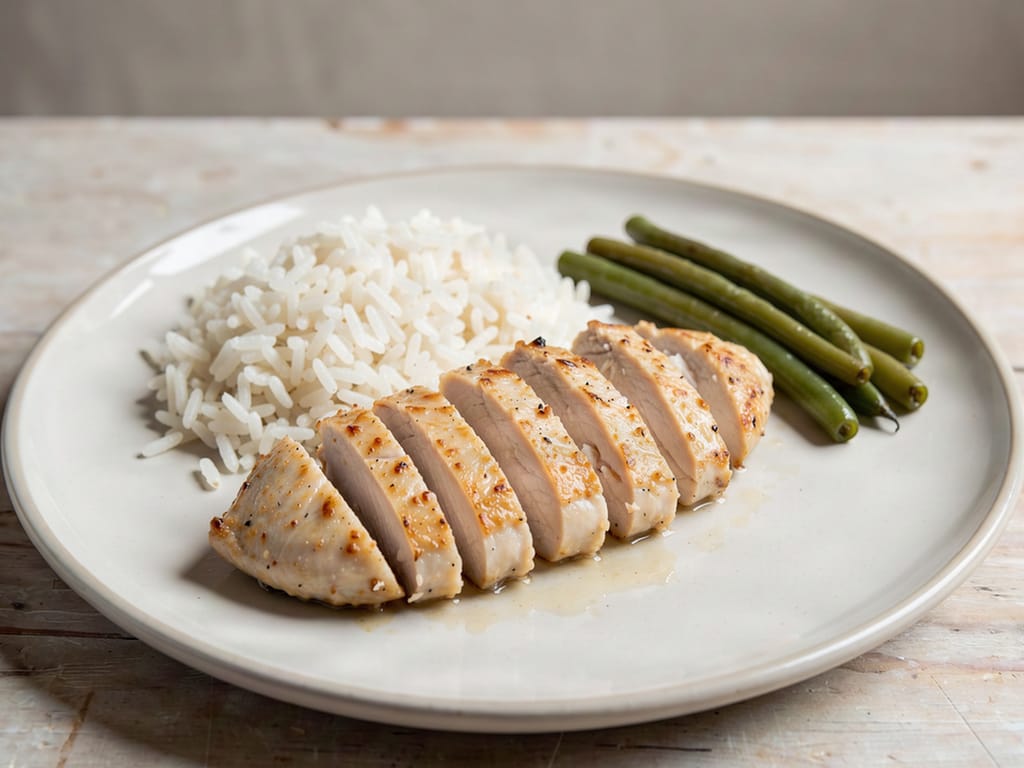
Chicken breast with rice and lemon-herb sauce. Sear the breast following the basic method above. Then add a spoonful of butter, the juice of half a lemon, a little stock and a handful of chopped parsley to the pan drippings and let it bubble for 1 minute. Pour the sauce over the sliced meat and the rice. The rice soaks it up, and the whole dish takes 25 minutes.
For more ideas on what to make with rice, including dishes made from leftover cooked rice, see what to cook with rice.
With potatoes, chicken breast is most often a schnitzel with mashed potatoes, breasts roasted on a sheet pan with potatoes, or a slice of chicken with a baked potato and quark (tvaroh, a Czech fresh curd cheese). Potatoes take longer to boil or roast than the meat, so put them on the stove or in the oven first and start preparing the meat when they're halfway done.
Chicken schnitzel with mashed potatoes. Slice one breast into two thin cutlets, bread and fry them, or bake them in the oven. Meanwhile, boil potatoes for the mash. Creamy mash with butter and milk is exactly what a crispy schnitzel needs. Mash recipe: smooth, creamy mashed potatoes with nutmeg.
Chicken breasts roasted with potatoes on one sheet pan. Cut potatoes into wedges, toss with oil, salt and rosemary, and roast at 200°C (400°F). After 20–25 minutes, turn them, nestle salted breasts (ideally skin-on) among them and roast another 20–25 minutes, until the meat reaches 74°C (165°F) inside. This way the potatoes have time to crisp and the meat doesn't dry out.
Baked potato with herb quark and a slice of chicken. Bake a large potato whole in its skin, cut it open and fill it with whipped quark and herbs; see baked potato with whipped herb quark. Put a seared, sliced chicken cutlet alongside. Cold quark and warm meat make a great dinner.
If you have more potatoes than meat, take a look at what to cook with potatoes.
With pasta, chicken breast suits a cold salad, a quick lemon pasta or a creamy spinach sauce. Sear the meat separately and add it to the pasta sliced, at the end. If it cooks in the sauce along with the pasta, it will be tough.
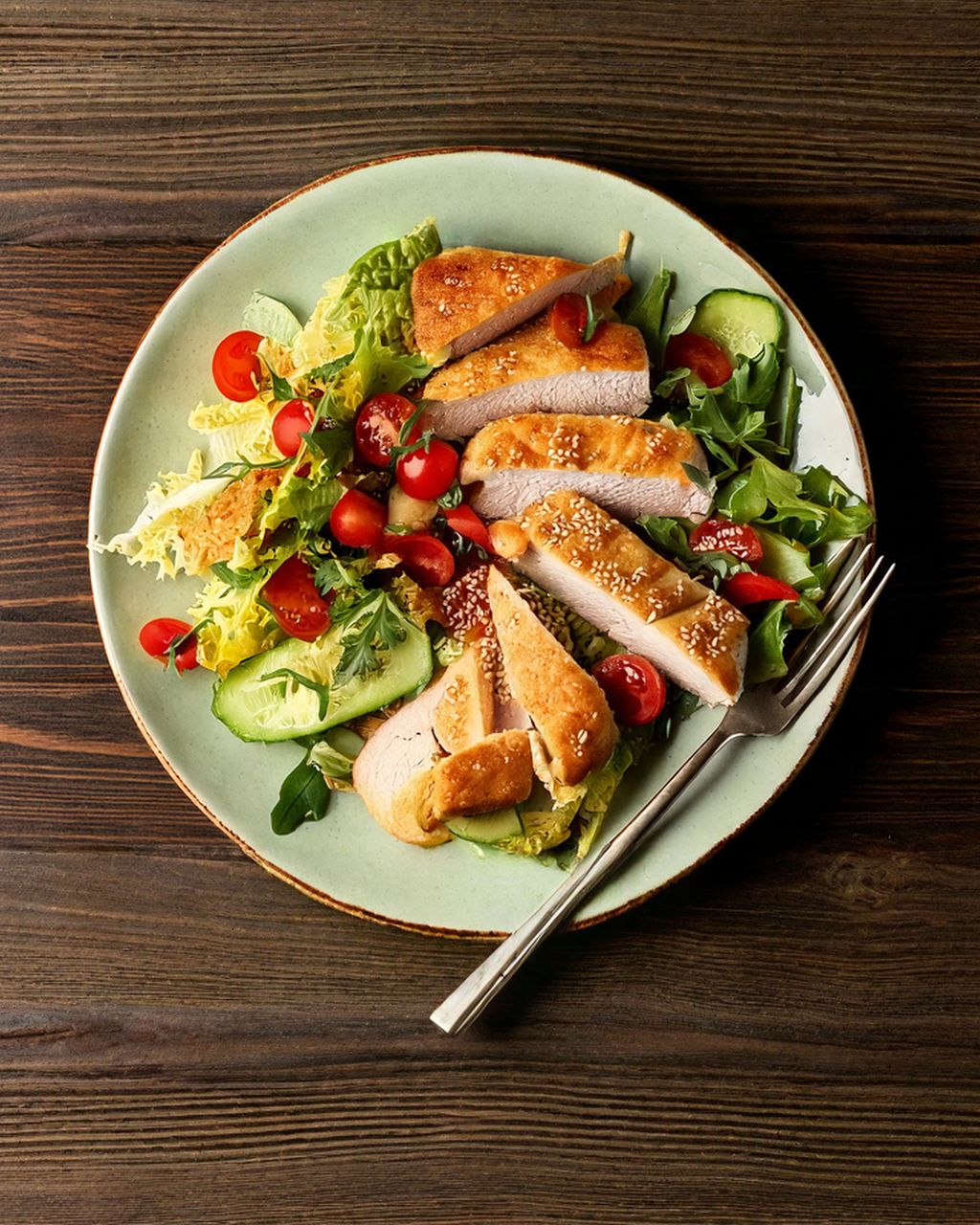
Pasta salad with chicken strips, tomatoes and arugula. Let the seared strips cool, then toss them with cooked pasta, tomatoes, arugula and dressing. The salad can be made ahead and keeps in the fridge until the next day, so it's good to take to work too. Recipe: pasta salad with chicken strips, tomatoes and arugula.
Quick pasta with zucchini, lemon and a chicken cutlet. A fresh zucchini and lemon zest pasta is ready before the pasta has finished cooking. Meanwhile, sear a chicken cutlet in another pan, slice it and lay it on top. You'll find the base in the recipe for quick pasta with zucchini and lemon.
Creamy pasta with chicken and spinach. Sear the pieces of breast and take them out. Add garlic to the pan drippings, pour in cream, add a handful of baby spinach and let it wilt. Thicken the sauce with grated Parmesan and a little pasta water; the starch pulls the sauce together into a glossy cream. Finally, return the meat and toss with the pasta.
Kids like crunchy finger foods best when it comes to chicken breast: a homemade chicken burger, battered fried chicken, chicken nuggets (Czech rarášky) or a club sandwich. Cut smaller pieces, season gently (adults can add heat at the table) and watch for 74°C (165°F) here too. Small children handle food poisoning from undercooked poultry worse than adults.
Crispy chicken burger in a homemade bun. A breaded slice of breast, a soft bun and favorite vegetables. Kids love assembling a burger like this themselves. Recipe: crispy chicken burger in a homemade bun.
Battered fried chicken. Pieces of breast coated in batter fry up golden, crunchy outside and juicy inside. The batter protects the meat much as skin does. Recipe: fragrant, crispy battered fried chicken.
Chicken nuggets (rarášky) with salad. Small portions that are easy to spear with a fork or pick up by hand, with the salad right alongside. You'll find the method in the recipe for chicken nuggets with salad.
Club sandwich with chicken and cheese. For a weekend lunch, just slice the leftover seared breast from the day before and layer it with toast, cheese and vegetables. Recipe: club sandwich with chicken, cheese and fries.
Extra tip: homemade "nuggets" are just cutlets from thin slices cut into strips. Bake them in the oven on parchment paper and turn them halfway. For more weeknight ideas, see what to cook for dinner.
To cook chicken breast for two days at once, make double: eat half right away and, within 2 hours, chill the other half and put it in the fridge. According to the US FSIS, cooked chicken keeps there for 3–4 days. Two days is therefore well within the limit, even if you cook on Sunday for Monday and Tuesday.
Plan it in five steps:
Cook the breasts with neutral seasoning. Just salt, pepper and oil, no strong marinade. On day one you season them with lemon and herbs, on day two with curry or soy sauce, and you won't eat the same thing twice.
Whole, not sliced. Store the breasts whole. Cutting opens up the fibers, and the meat dries out faster in the fridge. Slice just before eating.
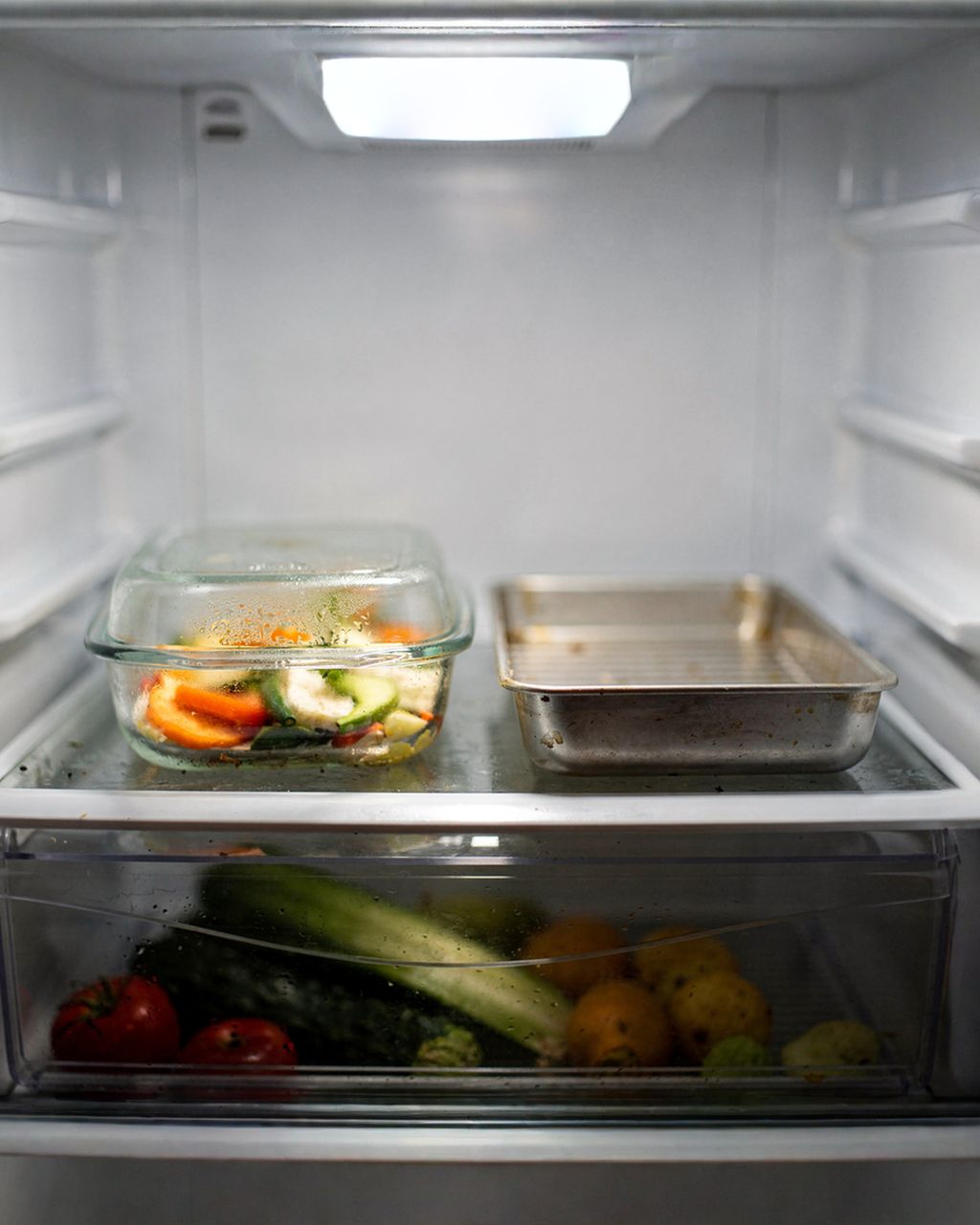
Chill quickly. Don't leave warm meat on the counter for more than 2 hours. Spread it out on a plate so it cools faster, then move it to a shallow airtight container. The fridge should be at 4–5°C (39–41°F) at most.
Keep the side separate. Store rice, potatoes and pasta in another container. Put the sauce with the meat: it keeps the meat moist, and you reheat the meat in it the next day.
Label the day. A strip of masking tape with the date on the lid saves you the guesswork.
From one batch you then have two different dinners:
Day 1: warm breasts with rice and a lemon-herb sauce made from the pan drippings.
Day 2: cold slices in a pasta salad with chicken strips, in a tortilla, or sliced pieces added to a finished curry sauce for the last few minutes.
For a detailed look at how long raw, cooked and thawed chicken keeps, see how long chicken keeps in the fridge. For more ideas for using cooked meat, see cooked chicken: how to cook, store and use it.
You can reheat chicken breasts without drying them out by warming them slowly, covered, with a little liquid (stock, water or sauce). The meat is already cooked through, so high heat only drives out whatever water is left. According to the FSIS, leftovers should again reach 74°C (165°F) when reheated. So heat until the meat is hot all the way through, but no longer.
In a skillet (best for slices): put 2–3 tablespoons of stock or water in the pan, add the sliced meat, cover with a lid and heat over low heat for 3–5 minutes. The steam warms the meat through without drying it out.
In the oven (for whole breasts): put the breasts in a baking dish, add 50 ml of stock, cover with aluminum foil and heat at 150°C (300°F) for about 15–20 minutes. Low temperature and a cover are the whole secret.
In the microwave: cover the meat with a damp paper towel or a microwave cover, heat on medium power and flip it after a minute. Full power overcooks the edges while the center stays cold.
In a sauce: add sliced pieces to a hot finished sauce (curry, cream, tomato) and let them heat through for 3–4 minutes. The meat soaks up the sauce and tastes freshly cooked.
Don't reheat at all: for a salad, tortilla or sandwich, meat straight from the fridge, sliced thin across the grain, is enough. It has no chance to dry out.
The most common mistake is reheating a whole breast at full heat in a skillet without a lid. The surface firms up and toughens before the center is warm.
No, don't rinse raw chicken breasts. Water doesn't wash off bacteria; it just splashes them around the sink and countertop. Only an internal temperature of 74°C (165°F) reliably kills them. Simply pat the meat dry with a paper towel and throw it away right after.
Yes, you can cook frozen chicken breasts without thawing them. According to the FSIS, it takes about 50% longer. Cook them in the oven, not a slow cooker, and check at the end that they have reached 74°C (165°F) inside. For cutlets and strips, though, thaw them first, since frozen meat can't be sliced.
The fastest way is to put the breasts in a sealed bag in cold water, changing the water every 30 minutes. One breast takes about an hour. Cook meat thawed this way right away. Thawing overnight in the fridge is gentler but slower.
Yes, you can freeze cooked chicken breasts, ideally within 1–2 days of cooking. They keep good quality in the freezer for about 4 months. Freeze them whole or right in the sauce, which protects them from freezer burn. Thaw overnight in the fridge and reheat to 74°C (165°F).
Plan on 150–200 g (5–7 oz) of raw chicken breast per adult. One large breast (250–300 g) feeds two people, especially if you slice it into thin cutlets. Roasting and pan-frying make the meat lose about a quarter of its weight.
You can replace the cream with coconut milk, crème fraîche or plain yogurt. Coconut milk and crème fraîche can be cooked like cream. Add yogurt off the heat, and first stir it with a spoonful of the warm sauce, otherwise it will curdle.
One recipe worth heating the oven for, one tip, and one deal from the shop. Nothing else.