How to Cook Beans Until Tender: Soaking, Cooking Times and Pressure Cooker
How to Cook Chickpeas Until Tender (Hummus Included) and What to Use Instead of Tahini
Updated Nov 17, 2026
Cooking chickpeas until tender is simple: soak dried chickpeas overnight, drain, and simmer them in fresh water until they squash between your fingers with no resistance. For hummus, cook them a bit longer, until they start to fall apart and the skins slip off on their own. A pinch of baking soda shortens the cooking time, and a pressure cooker shortens it even more. Below you'll find the times and where they come from, what to use instead of tahini when you don't have it or can't eat it, and how long cooked chickpeas and hummus keep in the fridge and freezer.
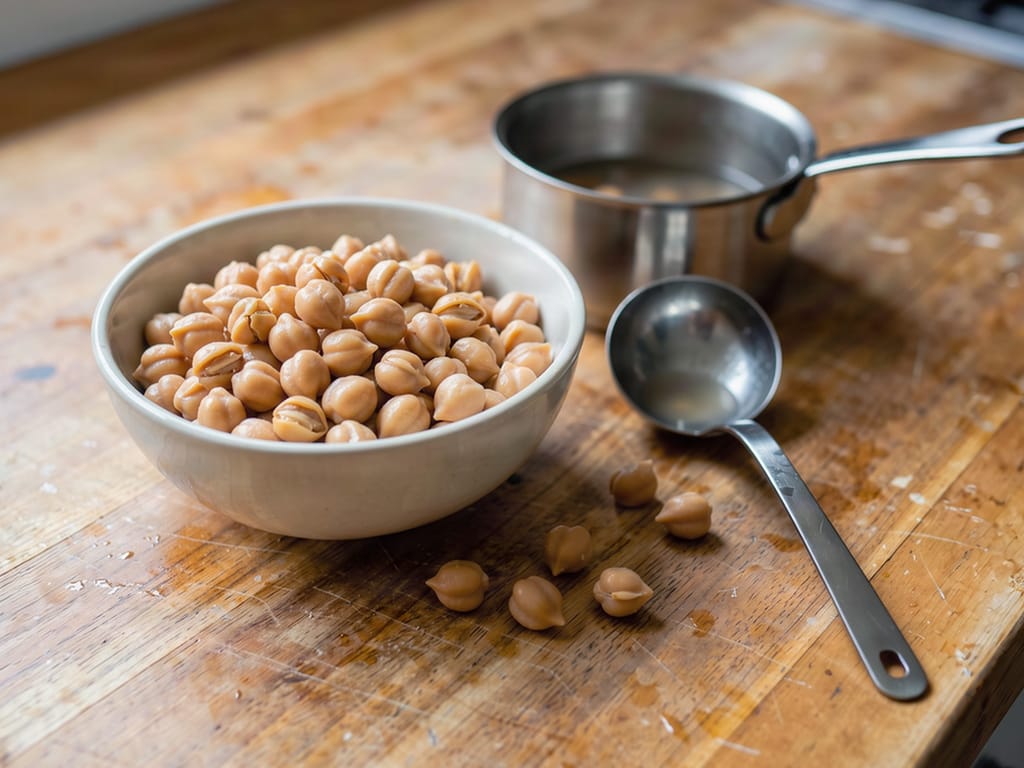
Tender chickpeas take four steps: soak, rinse, cook in fresh water, and salt near the end.
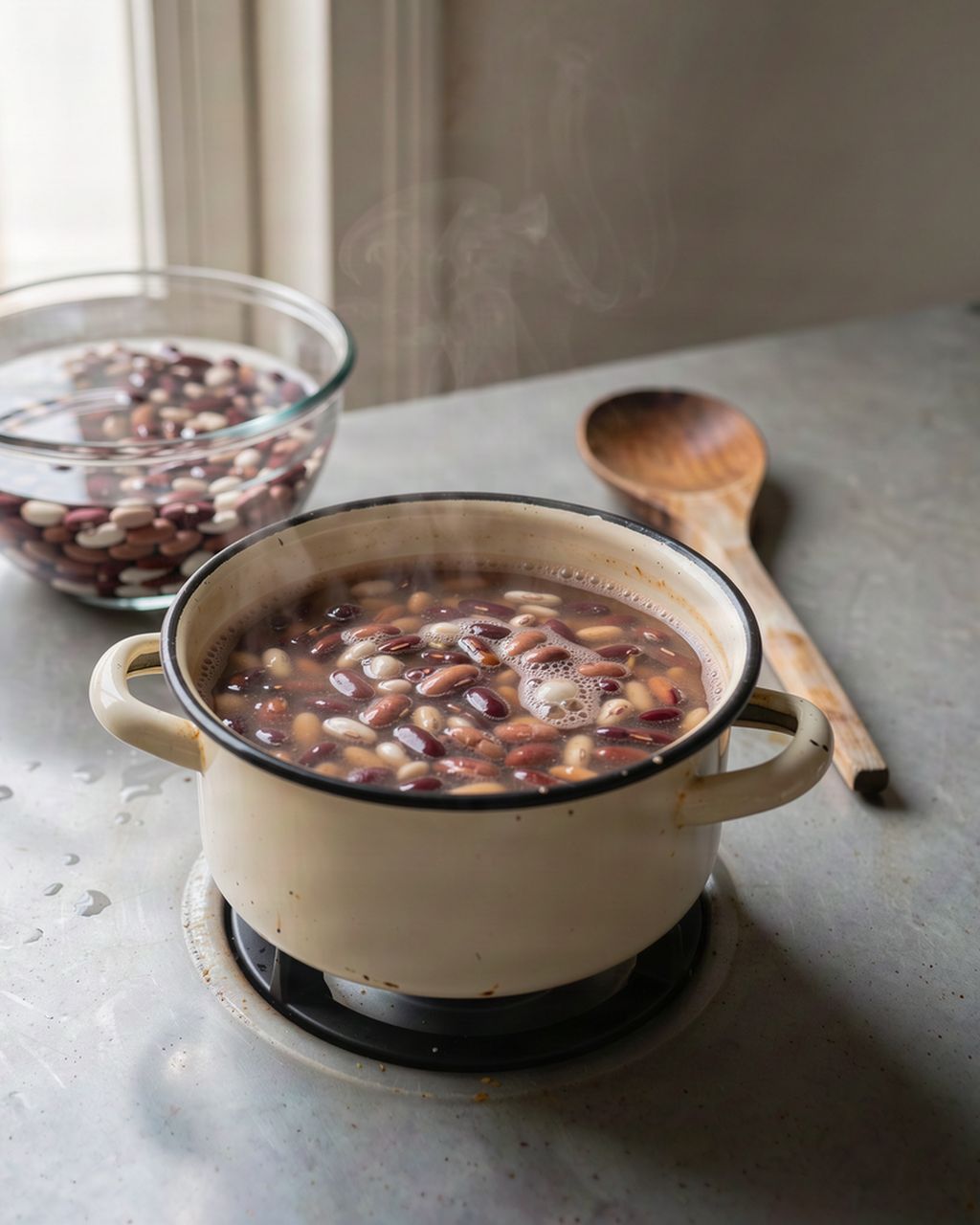
Soak them in plenty of cold water, ideally overnight. They'll swell to about double their size.
Drain and rinse. Don't use the soaking water.
Cook in fresh water, with the chickpeas covered by at least 5 cm (2 in) of water. Bring to a boil, skim off the foam, then simmer gently with the lid on.
Test for doneness and add salt only once they start to soften. They're done when you can squash one between thumb and forefinger with no crunch in the middle.
Add acidic ingredients (tomatoes, lemon, wine) only to chickpeas that are already cooked. Acid slows the softening of legumes, so chickpeas cooked straight in tomato sauce can stay tough even after hours.
Seasonal baking plans, tested recipes and kitchen tricks that save you time. Unsubscribe in one click.
Soak chickpeas for several hours or overnight in roughly four times their volume of cold water. Colorado State University Extension (opens in a new tab) gives the same method for dried legumes in general (about 2 L of water for 2 cups of legumes). In a warm kitchen, soak them in the fridge.
If you forget, there's a quick soak, from the same source:
cover the chickpeas with roughly four times their volume of water (about 2 L for 2 cups),
bring to a boil and boil for 3 minutes,
take off the heat and let stand, covered, for an hour,
drain, rinse and cook as you would soaked chickpeas.
Soaked chickpeas cook more evenly and their skins split less. You can cook them without soaking, but expect a longer cooking time and more broken pieces.
Soaked chickpeas usually take one to two hours in a pot. Colorado State University Extension (opens in a new tab) gives a range of 1–3 hours on the stovetop for dried legumes. The wide range has three causes:
Age of the chickpeas. The longer they sit in the pantry, the drier they get and the longer they take. Baking soda helps with older ones, but very old chickpeas may not soften even with it. In that case, buy a fresher bag.
Hard water. Calcium strengthens the cell walls of legumes. In hard water chickpeas take longer, and this is exactly where baking soda helps.
Size of the beans. Larger chickpeas need more time to soften all the way to the center.
So don't rely on the clock, rely on testing: pull out three chickpeas from different spots in the pot, and all of them should be tender right through.
A teaspoon of baking soda in the soaking water (and optionally in the cooking water too) softens chickpeas faster and more thoroughly. Baking soda raises the pH of the water. The alkaline environment loosens the pectin that holds cell walls together, and sodium replaces the calcium that firms them up. Cooking time drops noticeably.
To keep it from costing you flavor:
Go easy: about 1 teaspoon per 250–500 g of dried chickpeas. Use more and the chickpeas pick up a soapy aftertaste and turn to mush sooner than you want.
Rinse the chickpeas after soaking and after cooking. The leftover soda goes down the drain with the water.
You don't need soda for salads. The chickpeas should hold their shape. Baking soda is mainly worth it for hummus and for old, stubborn chickpeas.
In a pressure cooker, soaked chickpeas take 10–15 minutes at high pressure, unsoaked ones 35–40 minutes, plus a natural pressure release. These times come from the official Instant Pot chart.
Also allow time for the cooker to come up to pressure. Don't quick-release the chickpeas: a sudden drop in pressure tears the skins, and foam can spurt out of the valve. Legumes foam up, so fill the pot no more than halfway and follow the fill line in your cooker's manual. For hummus, go for the top of the time range, for salads the bottom.
For hummus, overcook the chickpeas: cook them until they start to fall apart and the skins float on the surface. Chickpeas that are perfect for a salad are still too firm for hummus, and the result is grainy. Velvety hummus comes from overcooked chickpeas.
Soak with baking soda and add a pinch to the cooking water too. The skins soften enough that the blender breaks them down and you don't need to peel them.
Cook until the chickpeas collapse under a spoon. That's why, for hummus, the top end of all the times above is worth it.
Skim the skins off the surface. Scoop out the ones that come loose on their own with a strainer. Peeling them one by one isn't worth it when they're cooked down with baking soda.
Blend the chickpeas while still warm. Warm chickpeas blend smoother than ones chilled in the fridge.
Save the cooking water. It thins hummus better than plain water. It's essentially aquafaba, which you can also whip into vegan chocolate mousse with no cream.
Whip the tahini first with lemon and ice water until it turns pale and thick, and only then add the chickpeas. The hummus will be fluffier.
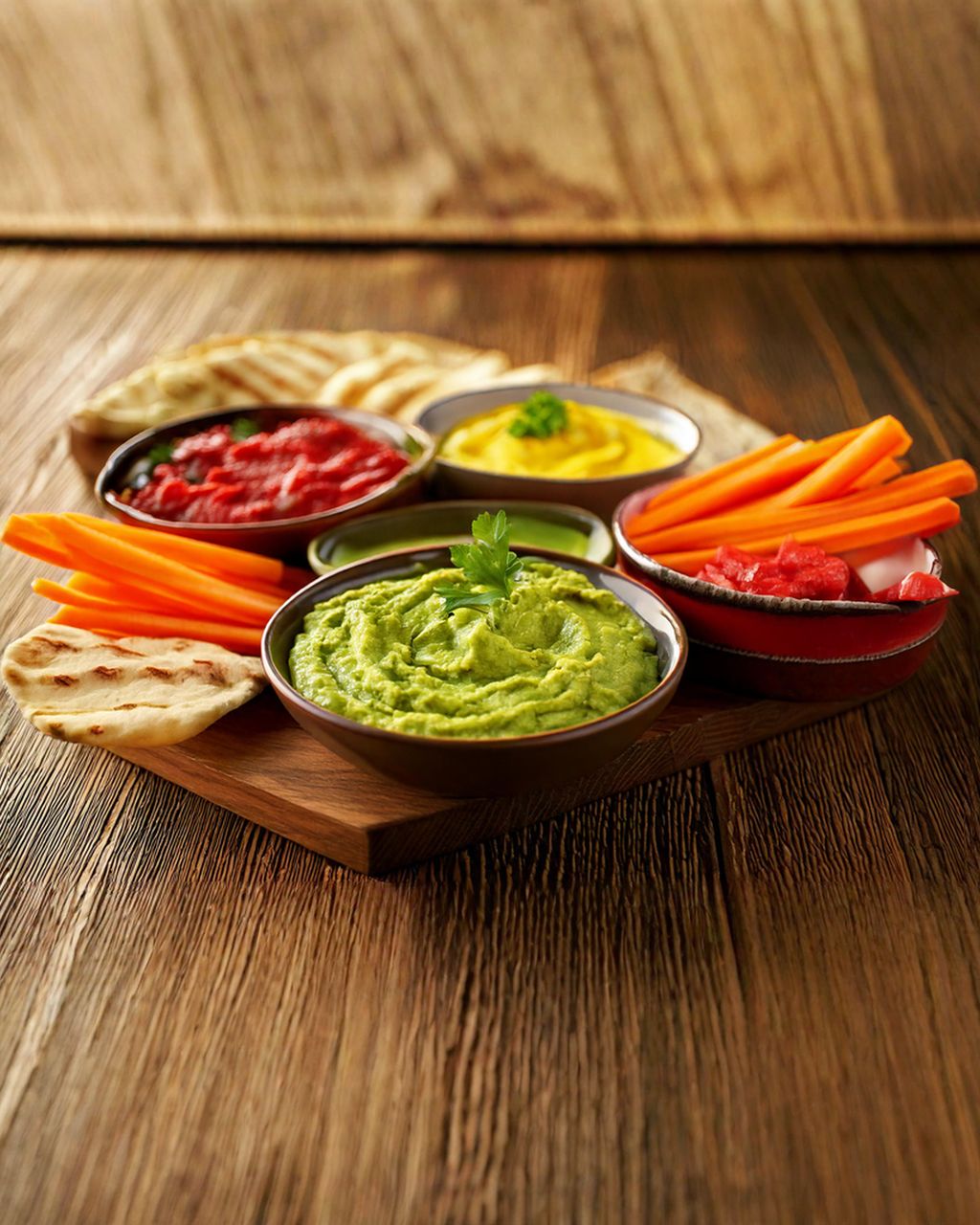
For the recipe itself, with the ratios of tahini, lemon and garlic, see our article on homemade dips and hummus. If you fancy a variation, try carrot hummus. And if your hummus is missing cumin, we'll tell you what to use instead of spices like cumin.
Canned chickpeas can make smooth hummus too. Just drain them, rinse them and simmer briefly in water with a pinch of baking soda, until the skins start to slip off on their own and the chickpeas give way under a spoon. Then rinse again and blend while still warm. Canned chickpeas are already cooked, but they're usually still too firm for velvety hummus, and this short simmer evens that out.
You can replace tahini with sunflower seed butter, cashew butter, unsweetened peanut butter or Greek yogurt, or simply leave it out and add more olive oil. Each substitute shifts the flavor somewhere else, so choose based on why you're replacing tahini:
Sunflower seed butter (100% sunflower seeds) is the closest substitute. It has a similar bittersweet, nutty flavor and creaminess, and swaps 1:1. Watch out for baking soda: chlorogenic acid in sunflower seeds turns green in an alkaline environment. If you cook your chickpeas with baking soda, rinse them thoroughly and blend the hummus with plenty of lemon, or it may turn green in the bowl the next day. It's harmless, but unattractive.
Cashew butter is milder and slightly sweet. It makes the hummus creamy but without the typical bitter edge. Use unsalted and unsweetened.
Unsweetened, unsalted peanut butter is stronger, so use about half the amount of tahini. The hummus will taste more like a satay sauce.
Greek yogurt adds creaminess and tang instead of nuttiness. The hummus is fresher and milder, but keeps for a shorter time.
Extra olive oil (2–3 tablespoons in place of the tahini) is the easiest route. The hummus will be smooth, just less rich.
You can also make tahini yourself: dry-toast hulled sesame seeds until golden, let them cool and blend with a little neutral oil until they loosen into a runny paste. It's still sesame, though.
Opened tahini keeps longest in the fridge, up to about six months. That's the time given by the tahini maker Mighty Sesame Co. If you'll use it up within a few weeks, the same maker says a cool, dark cupboard at room temperature is enough. Store an unopened jar somewhere cool and dry and follow the best-before date on the label.
Oil on top is normal. Sesame oil naturally separates from the paste. Stir it in thoroughly before using, ideally at room temperature, since tahini stiffens in the fridge. You can store the jar upside down to slow the separation.
Close it tightly and scoop with a clean, dry spoon. Oxygen and moisture are the main reasons tahini goes rancid.
When to throw it out: if it smells sour or rancid like old oil, tastes unpleasantly bitter, has darkened noticeably, or has mold in it.
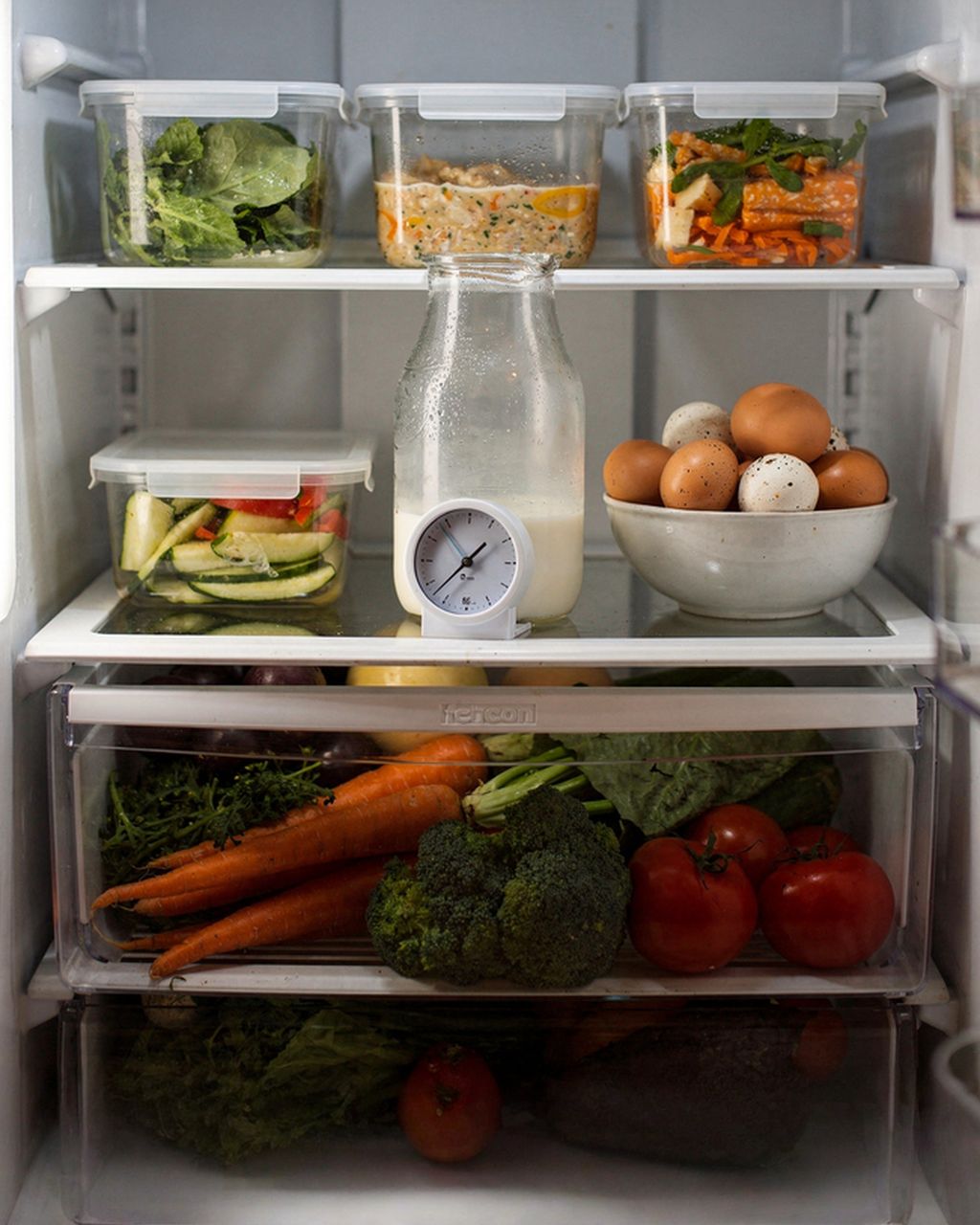
Cooked chickpeas and homemade hummus both keep 3–5 days in the fridge in a sealed container. The 3–5 day range for cooked legumes in the fridge (1.7–4.4°C) comes from Colorado State University Extension (opens in a new tab). The general USDA/FSIS advice for prepared dishes is a little more cautious, at 3–4 days. Homemade hummus has no preservatives and isn't pasteurized, so stick to the shorter end.
Into the fridge within two hours. Don't leave cooked chickpeas or hummus at room temperature for more than 2 hours (USDA/FSIS and Colorado State University Extension). Divide a big batch into shallow containers so it cools quickly.
Store chickpeas in their cooking water. They won't dry out and the skins won't tear.
Drizzle hummus with oil and press plastic wrap or the lid onto it. The surface won't dry out or darken.
Hummus made with yogurt or fresh herbs is best used within the first few days.
Cooked chickpeas freeze very well. Colorado State University Extension gives 6–8 months in the freezer at −18°C (0°F) for cooked legumes. Freeze them drained, spread out on a baking sheet, then tip them into a bag. They won't clump, and you can take out exactly as many as you need. You can then toss them straight from the freezer into a buddha bowl with quinoa and chickpeas, couscous with chickpeas and roasted vegetables or a Mediterranean chickpea salad with goat cheese. Other legumes can be cooked and frozen the same way, see how to cook beans until tender.
Yes, you can freeze hummus. It stays safe at −18°C (0°F), but according to USDA/FSIS, prepared dishes keep their best quality for roughly 3–4 months. Freeze it in small containers, leave a little room at the top and drizzle it with oil. Thaw it in the fridge, not at room temperature. Tahini and oil may separate a little after thawing, so stir it well or blitz it briefly with a spoonful of oil or lemon juice. Hummus made with yogurt freezes less well and tends to turn watery after thawing.
The most reliable way to cook unsoaked chickpeas until tender is in a pressure cooker. Instant Pot gives 35–40 minutes at high pressure plus a natural pressure release. On the stovetop you can use the quick soak from Colorado State University Extension: boil for 3 minutes, let stand for an hour, then drain and cook as usual. With no soaking at all, chickpeas take longer to cook and cook less evenly, and more of them split and fall apart.
Chickpeas most often refuse to soften because they are old and dried out, or because they're cooking in hard or acidic water. Calcium in hard water firms up the skins, and acidic ingredients such as tomatoes or lemon slow softening. A teaspoon of baking soda in the cooking water helps, as does adding acidic ingredients only at the end. Very old chickpeas may not soften even with baking soda, though. In that case, buy a fresher bag.
Chickpeas foam because of proteins, starch and saponins that leach from the legumes into the water. The foam is harmless; it just looks messy and can boil over. Skim it off with a spoon at the start of cooking, then turn the heat down to a gentle simmer and leave the lid ajar. In a pressure cooker, the foam is the reason to fill the pot no more than halfway and let the pressure release naturally.
100 g of dried chickpeas gives roughly 200–250 g cooked. That's about the amount of drained chickpeas in one standard 400 g can. The exact yield depends on how old the chickpeas are and how long you cook them: overcooked chickpeas for hummus absorb more water than firm ones for a salad.
One recipe worth heating the oven for, one tip, and one deal from the shop. Nothing else.