What to Cook With Rice: With Chicken, Ground Meat, No Meat, or Leftover Cooked Rice
How to Cook Rice: Water Ratios for Basmati and Jasmine, on the Stove, in the Oven and in a Rice Cooker
Updated Nov 17, 2026
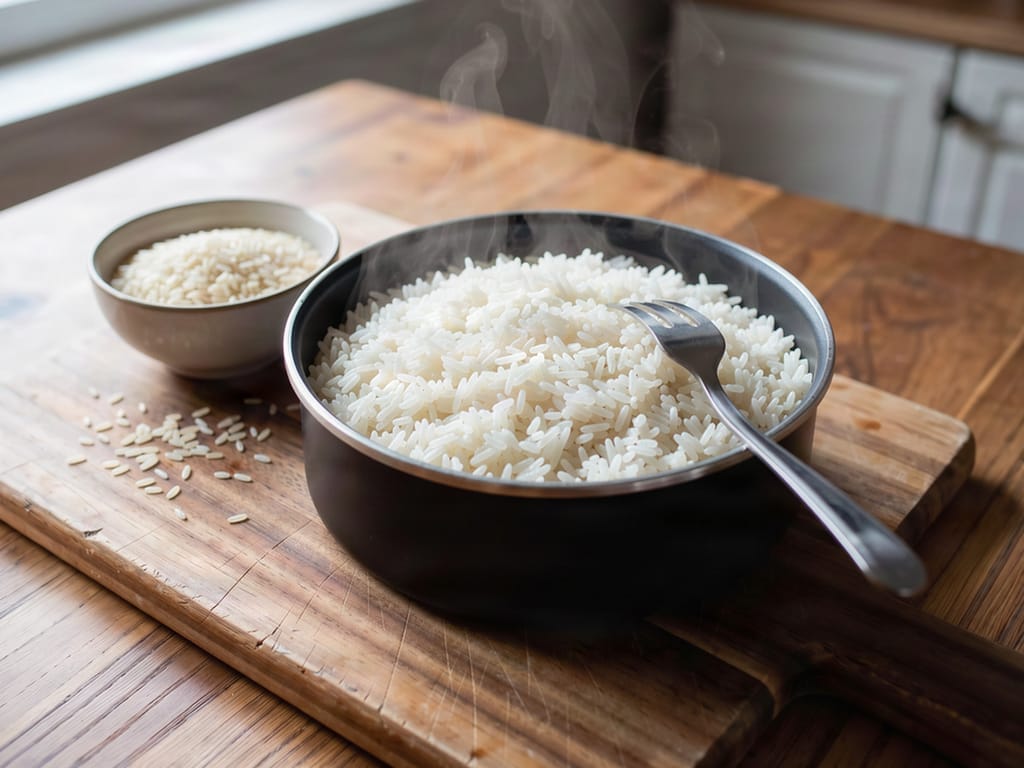
How to cook fluffy rice: measure it with a cup, rinse it, cover it with roughly twice as much water, bring it to a boil, then leave it under a lid on the lowest heat for 15–18 minutes to absorb the water, and let it rest for 5–10 minutes before serving. That works for white long-grain, basmati and jasmine rice. Brown rice is cooked differently, and arborio is another story altogether. Below you'll find the ratios for each type, how to cook rice in the oven and in a rice cooker, and above all what to do with cooked rice so it doesn't make you ill.
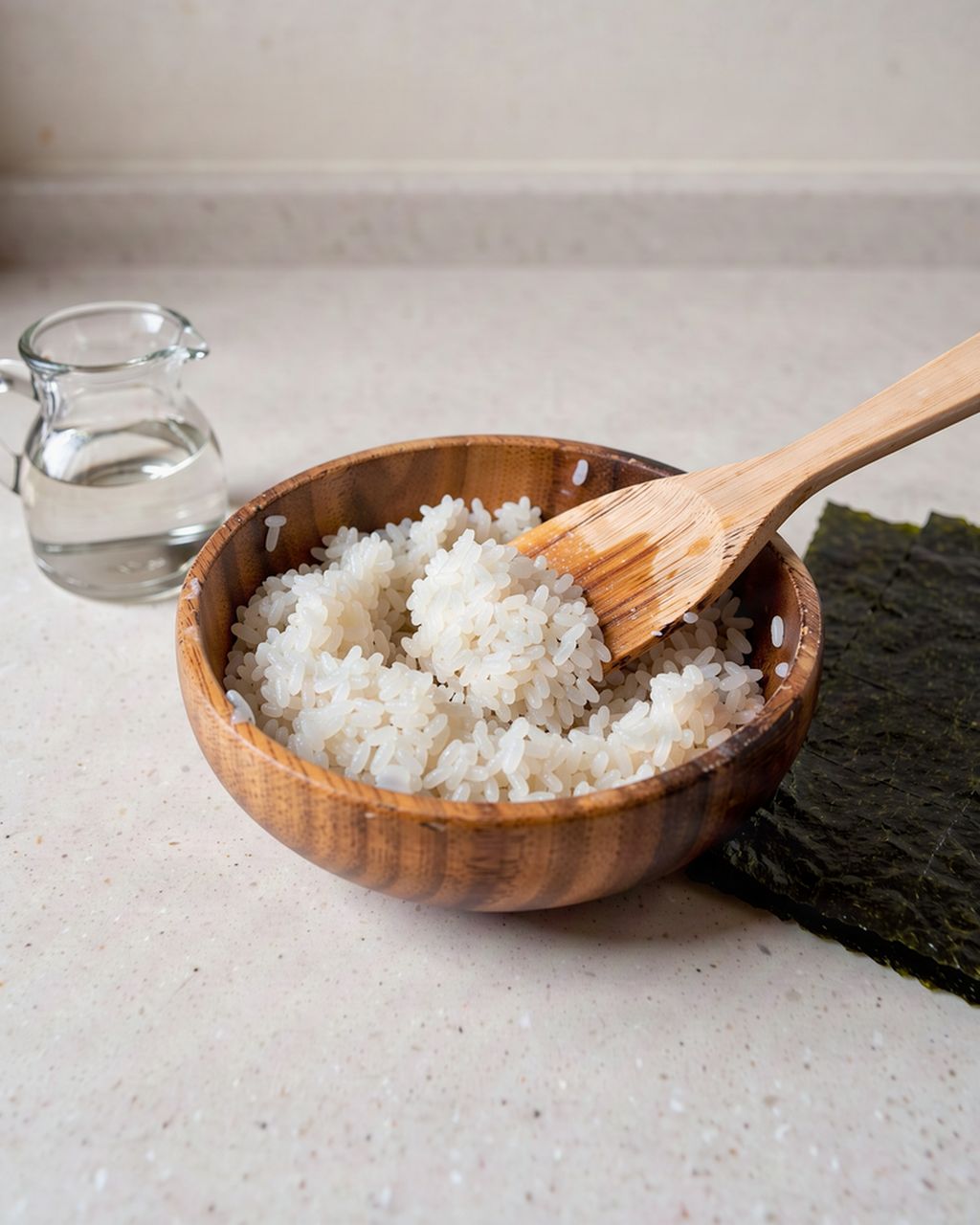
You don't have to, but rinsing white long-grain, basmati and jasmine rice washes off surface starch and keeps the grains fluffy; don't rinse arborio for risotto. That loose starch would otherwise dissolve in the water and glue the grains together.
How to do it: put the rice in a fine-mesh sieve and rinse it under cold water, stirring it with your fingers, until the water runs almost clear. Two or three changes of water are usually enough.
When you can skip it: if you don't mind the grains clinging together a little more. Rinsing is mostly about texture, not a necessity.
When you don't want to rinse: arborio and other risotto rice. That surface starch is exactly what you want there, because it makes the dish creamy.
Seasonal baking plans, tested recipes and kitchen tricks that save you time. Unsubscribe in one click.
Use about two parts water to one part rice, measured by volume (with a cup), not by weight. The exact ratios (always water : rice) and stovetop cooking times, according to the USA Rice Federation:
White long-grain: 2 : 1, 15–18 minutes
Basmati (white): 2 : 1, 15–18 minutes
Jasmine (white): 2 : 1, 15–18 minutes
White medium-grain: 1.5 : 1, 15–18 minutes
White short-grain: 1.25 : 1, 15–18 minutes
Brown: 2.25 : 1, 40–45 minutes
Parboiled (converted): 2.25 : 1, 20 minutes
Treat these as a starting point, not a law. Rinsed rice already carries a little water, and a pot with a tight-fitting lid loses almost nothing to evaporation. If your rice comes out wet, use less water next time. If it has a hard center at the end, add a few tablespoons of water, cover and let it finish cooking for a little while.
For a side dish, count on about 70–80 g (2.5–2.8 oz) of dry rice per person. Cooking roughly triples its volume.
You cook rice in a pot in 6 steps: measure and rinse, optionally toast, add water at a 2 : 1 ratio (water : rice) and salt, turn it down to the lowest heat after it boils and cover for 15–18 minutes, let it rest for 5–10 minutes, fluff with a fork. This is the absorption method: the rice soaks up exactly as much water as you give it, and nothing gets drained off.
Measure and rinse. Measure the rice with a cup and rinse it in a sieve until clean (see above). Use the same cup to measure the water.
Optionally toast it. Stir the rice in a teaspoon of butter or oil for a minute, until the edges of the grains turn translucent. The grains then stick together less and the rice smells slightly nutty.
Add water and salt. Add the water and a pinch of salt and bring to a boil.
Turn down and cover. Once the water is boiling, reduce the heat to the lowest setting, cover with the lid and cook for 15–18 minutes, depending on the type. Don't lift the lid and don't stir. Steam carries water away, and stirring releases starch, which turns the rice mushy.
Let it rest. Take the pot off the burner and leave it covered for 5–10 minutes. The steam redistributes in the pot, the bottom layer finishes cooking and the top dries out.
Fluff. Loosen the rice with a fork, not a spoon, which squashes the grains.
You can tell it's done when the surface is dotted with tiny steam "craters" and there's no water left on the bottom. A lightly browned bottom layer is fine. If it scorches more than that, your heat is too high.
Stovetop rice is a classic with curry, for example with chicken curry for fans of both mild and spicy flavors or chickpea curry with coconut cream.
Basmati and jasmine rice are cooked just like long-grain, so at a 2 : 1 ratio (water : rice) for about 15–18 minutes (USA Rice Federation). They differ in what you expect from them, though.
Basmati has long, slender grains that lengthen further as they cook and should stay separate. Rinse it thoroughly. Soaking it in cold water for 20–30 minutes before cooking helps the grains stretch and keeps them from breaking. In that case reduce the water to a ratio of about 1.5 : 1 (water : rice), because some has already been absorbed. It suits Indian dishes, curries and pilaf.
Jasmine is softer, smells of pandan and clings together slightly once cooked. That's how it's meant to be, and it's prized in Thai and Vietnamese cooking. Rinse it, but don't expect separate grains like basmati. If you want it fluffier, use a little less water.
Watch out for glutinous (sticky) rice: don't mistake it for jasmine. It is soaked and steamed, not boiled in water. You can see how it tastes in sticky rice with mango and salted cashews.
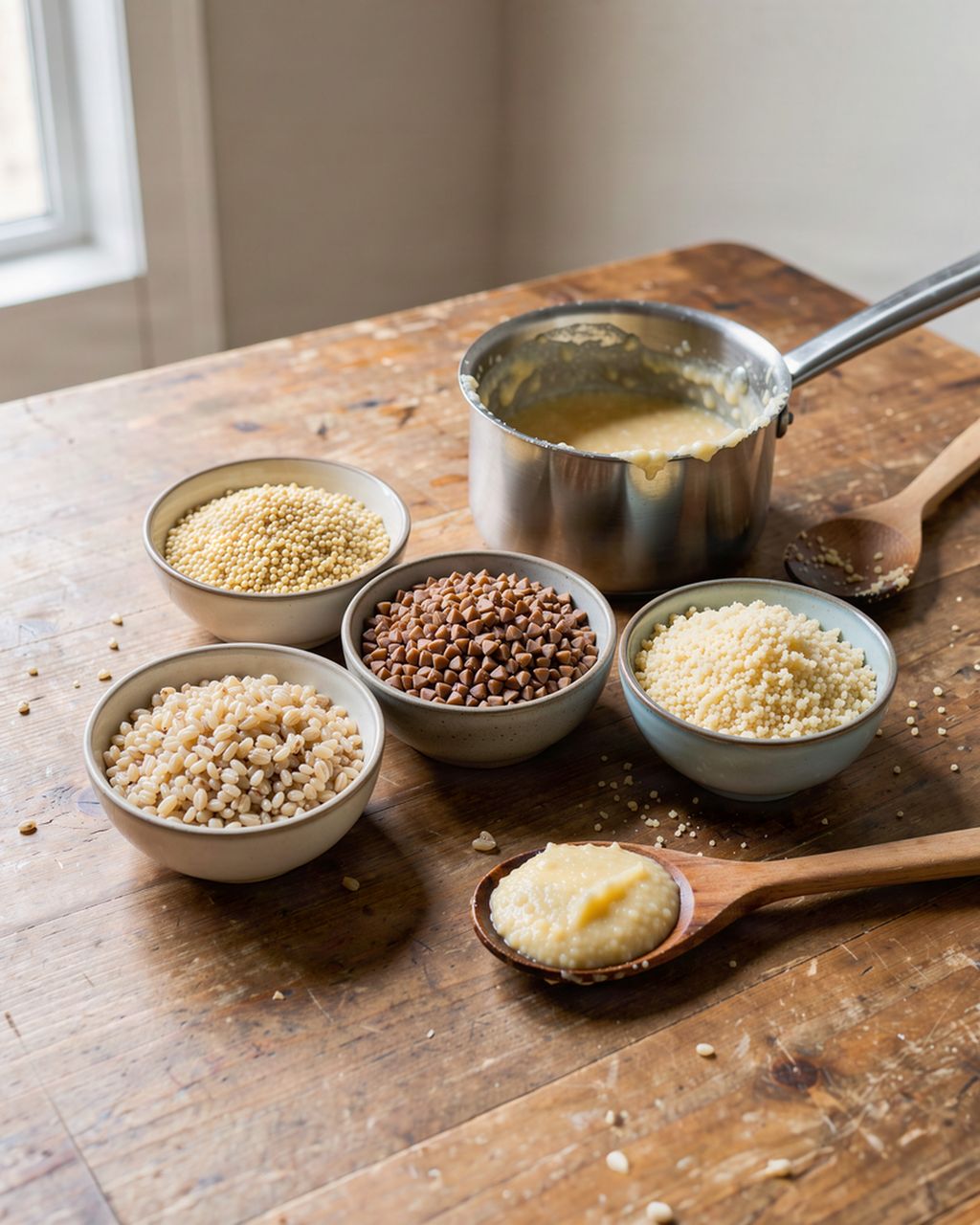
Arborio, carnaroli and other risotto rices aren't cooked as a fluffy side dish. They have round grains with a lot of starch, which is meant to be released into the liquid to make a creamy sauce.
Never rinse them.
Don't add all the liquid at once. Add the stock gradually and stir; the grain should stay slightly al dente in the center.
The result isn't fluffy and isn't meant to be.
You can see how it works in practice in halibut with Italian risotto and spinach, or in baked risotto with chicken and vegetables, where you get to skip the stirring. Creamy japonica-type rice is also the basis of sweet rice puddings, such as Portuguese arroz doce made with carolino rice.
For oven rice, pour boiling water over the rice at roughly a 2 : 1 ratio (water : rice), cover tightly and bake at 175°C (350°F) for 25–30 minutes (white) or 30–40 minutes (parboiled). Oven rice cooks on its own and won't scorch. It's handy when you're cooking for a crowd or your burners are full. The USA Rice Federation gives this method:
Put the rice in a baking dish and add salt and a small piece of butter.
Pour over boiling water or stock, roughly 2 : 1 as on the stovetop, and stir.
Cover the dish tightly with a lid or aluminum foil. Wherever steam escapes, the rice stays hard.
Bake at 175°C (350°F): white rice for 25–30 minutes, parboiled for 30–40 minutes.
Take it out, fluff with a fork and let the steam escape.
If it isn't tender yet or there's liquid left in the dish, put it back for 2–4 minutes. If the center is hard, add a little liquid, cover again and keep baking.
Bonus: boiling stock, a little onion sautéed right in the dish and a knob of butter turn this into a pilaf that needs only meat or vegetables alongside.
A rice cooker knows when the rice is done: a sensor monitors the temperature, and when the water has been absorbed and the temperature at the bottom starts to rise, it switches to keep-warm. You have just one job, and that's to add the right amount of water.
Measure with the cup that comes with the rice cooker. It's usually smaller than a standard cup, and the lines in the bowl are calibrated for it.
Pour in water up to the line matching the number of cups of rice. The lines are for white rice. For brown rice, rice cookers usually have their own scale or program, so follow the manufacturer's instructions.
Rinse the rice right in the bowl if you like, but then wipe the outside of the bowl dry.
After it switches to warm, leave the lid closed for another 5–10 minutes so the rice can finish, then fluff it.
The keep-warm function is handy for an hour before dinner, not for storage. The rice dries out in it, and whatever you don't eat should be cooled and refrigerated, not left in the rice cooker until the next day.
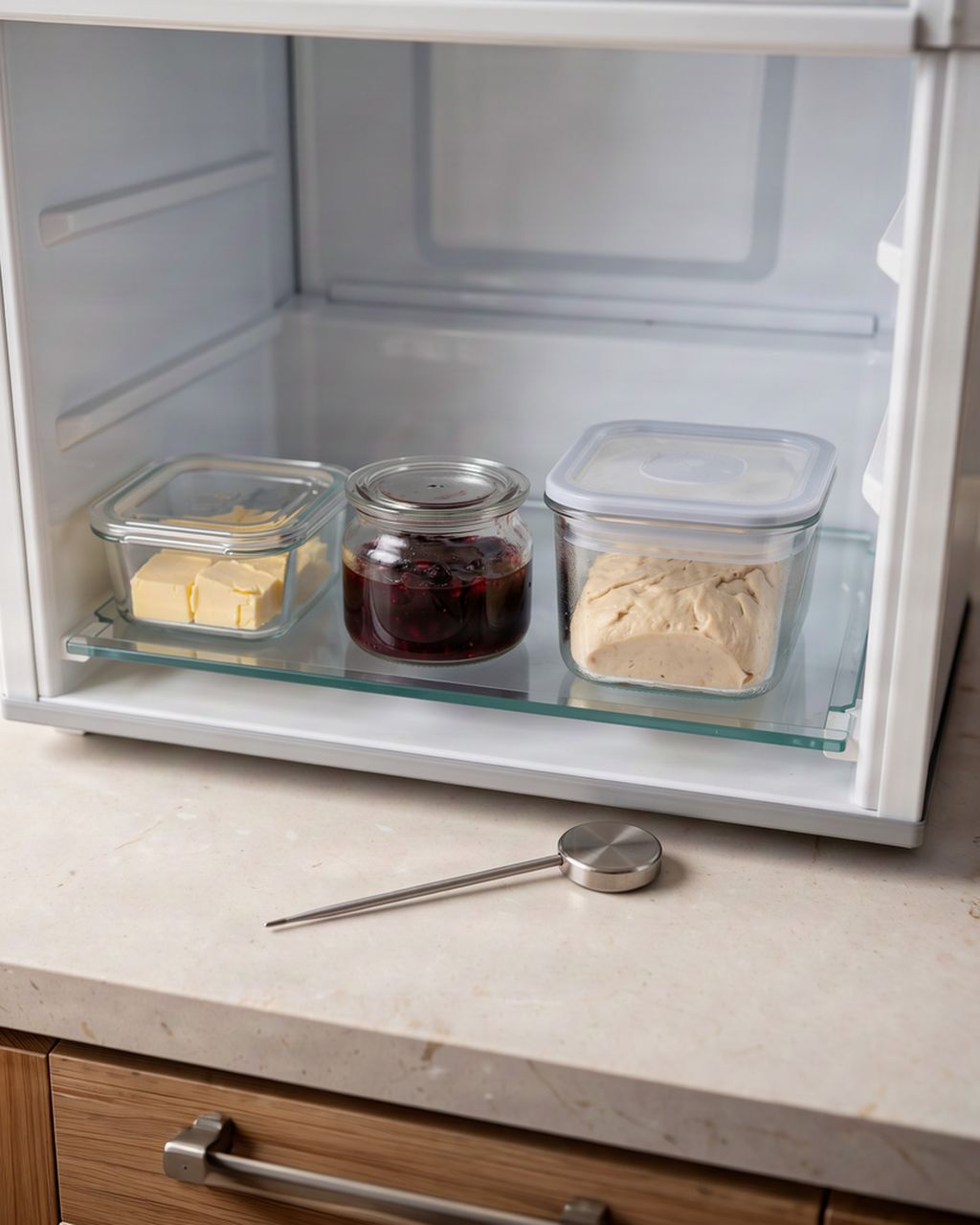
Spread leftover rice in a thin layer on a baking sheet or a large plate. It cools much faster than in the pot, where it stays warm in the middle. Once it has stopped steaming, transfer it to a lidded container and straight into the fridge. According to the FSA, cool it within 1 hour and eat it within 1 day.
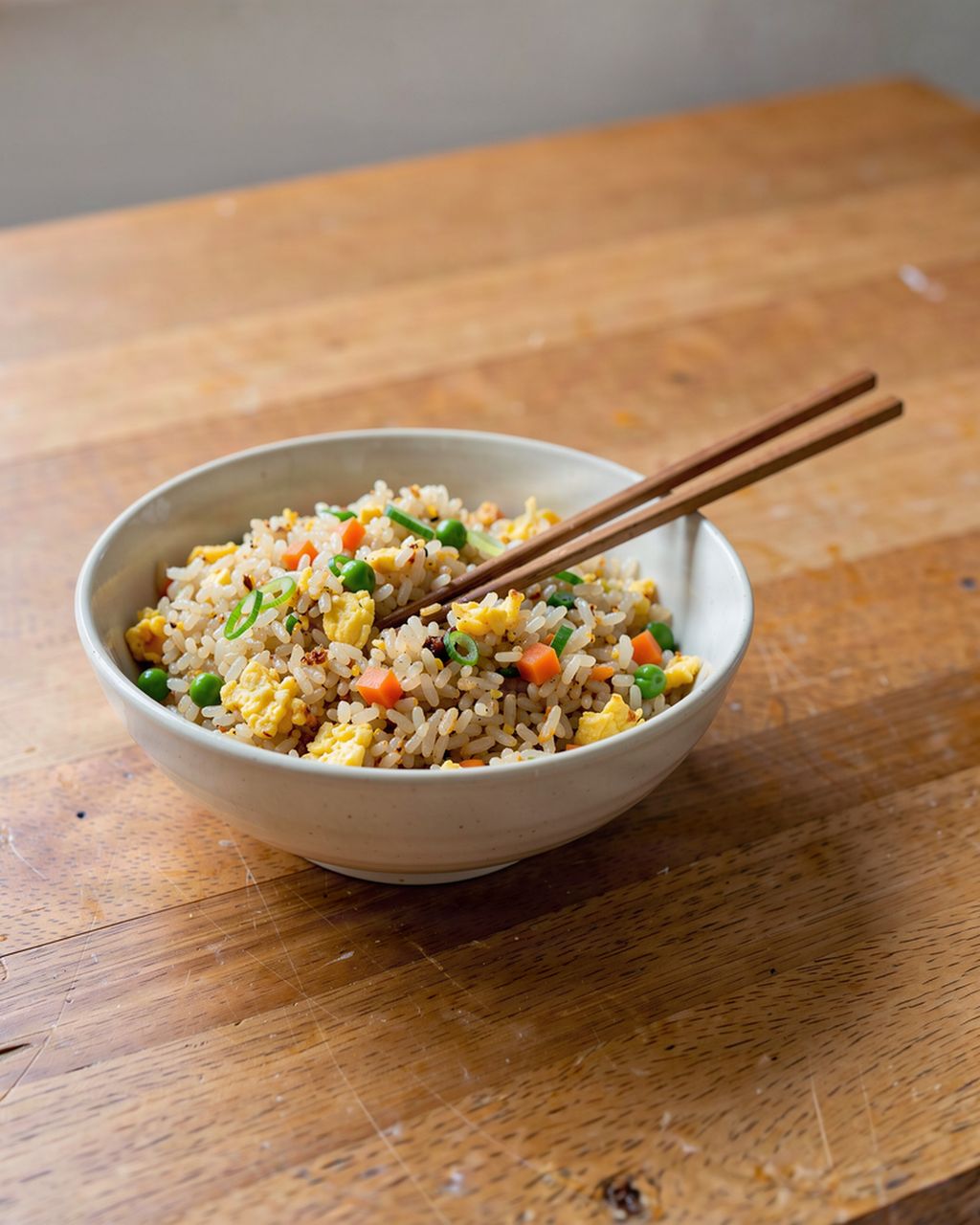
Chilled rice from the fridge is also ideal for fried rice. It's drier, so the grains separate in the pan and don't turn mushy, which makes it a good match for lightly spicy wings and perfect fried rice. A handful of cooked rice also thickens a tomato soup with rice.
Put the bag of rice into a large pot of boiling salted water so it is fully submerged, and cook it for as long as the manufacturer says on the package. The time varies by type of rice and brand. Don't pierce the bag; water gets in through the tiny holes. When it's done, lift the bag out by its loop with a wooden spoon, let it drain, snip it open and tip out the rice. It's convenient and won't scorch, but the rice is usually less aromatic than loose rice, and you pay more for the packaging.
On induction you cook rice just as you would on any stovetop: bring it to a boil on high power, then turn it down to the lowest setting and leave it covered to absorb the water. The difference is that induction responds instantly and gives off no residual heat once switched off. So do the resting step with the lid on, and feel free to leave the pot on the switched-off burner. On the lowest settings some induction cooktops heat in pulses, so it pays to use a pot with a thick base that spreads the heat evenly.
Add the rice to a large pot of boiling salted water (more water than it will absorb, as with pasta), cook it uncovered until tender, then drain it. This method forgives imprecise measuring. The rice is less aromatic, though, because some of the flavor drains away with the water. It suits brown rice and rice for salads best.
Cooked rice is most often sticky because of starch: unrinsed starch was left on the surface of the grains, the rice was stirred during cooking, or it got too much water. It helps to rinse it until clean, use the water ratio for that type, leave it under the lid without stirring, and let it rest for 5–10 minutes after cooking before fluffing it with a fork. Also keep the type in mind: jasmine naturally clings together more than basmati, and round-grain rice for risotto or rice pudding will never be fluffy.
One recipe worth heating the oven for, one tip, and one deal from the shop. Nothing else.