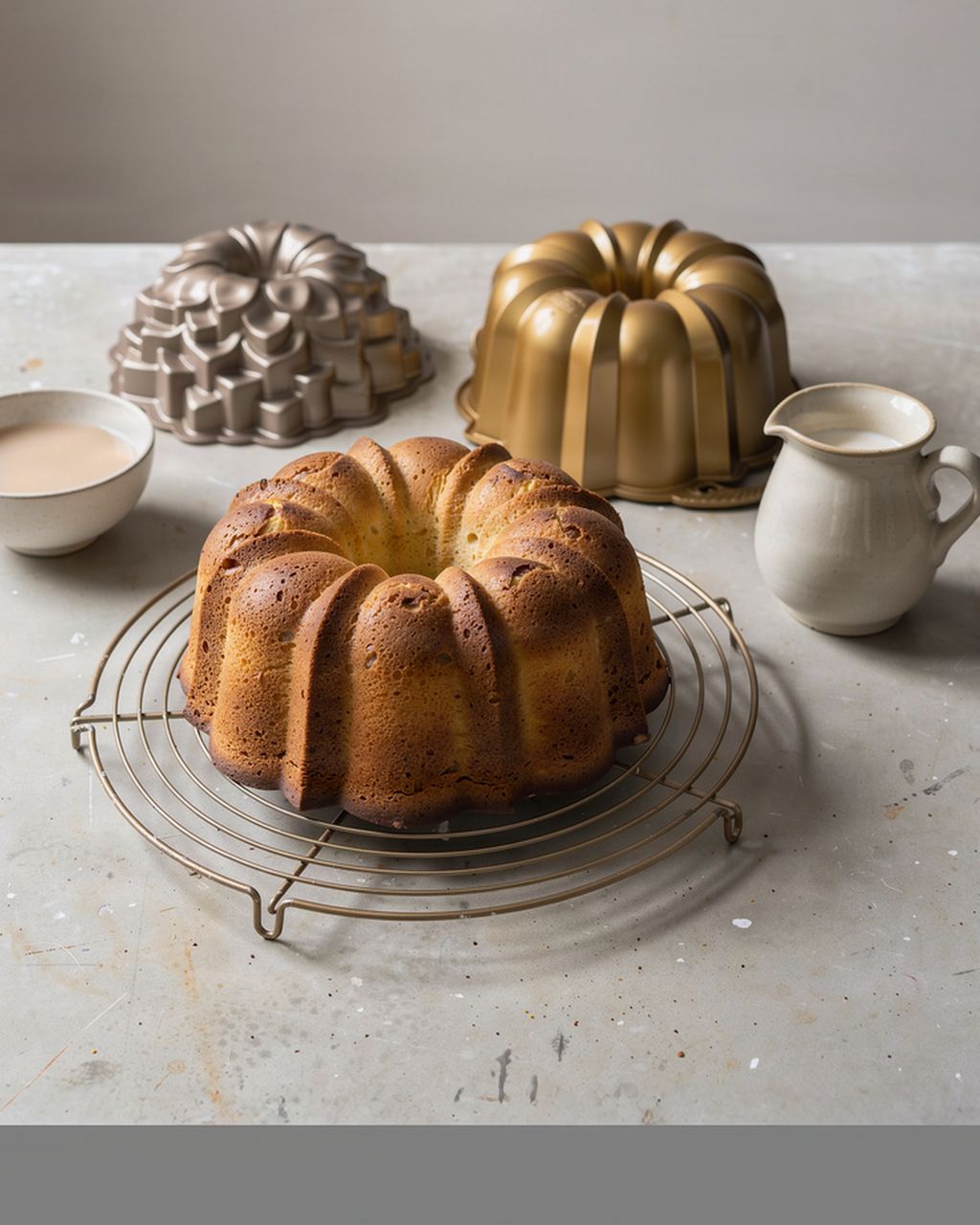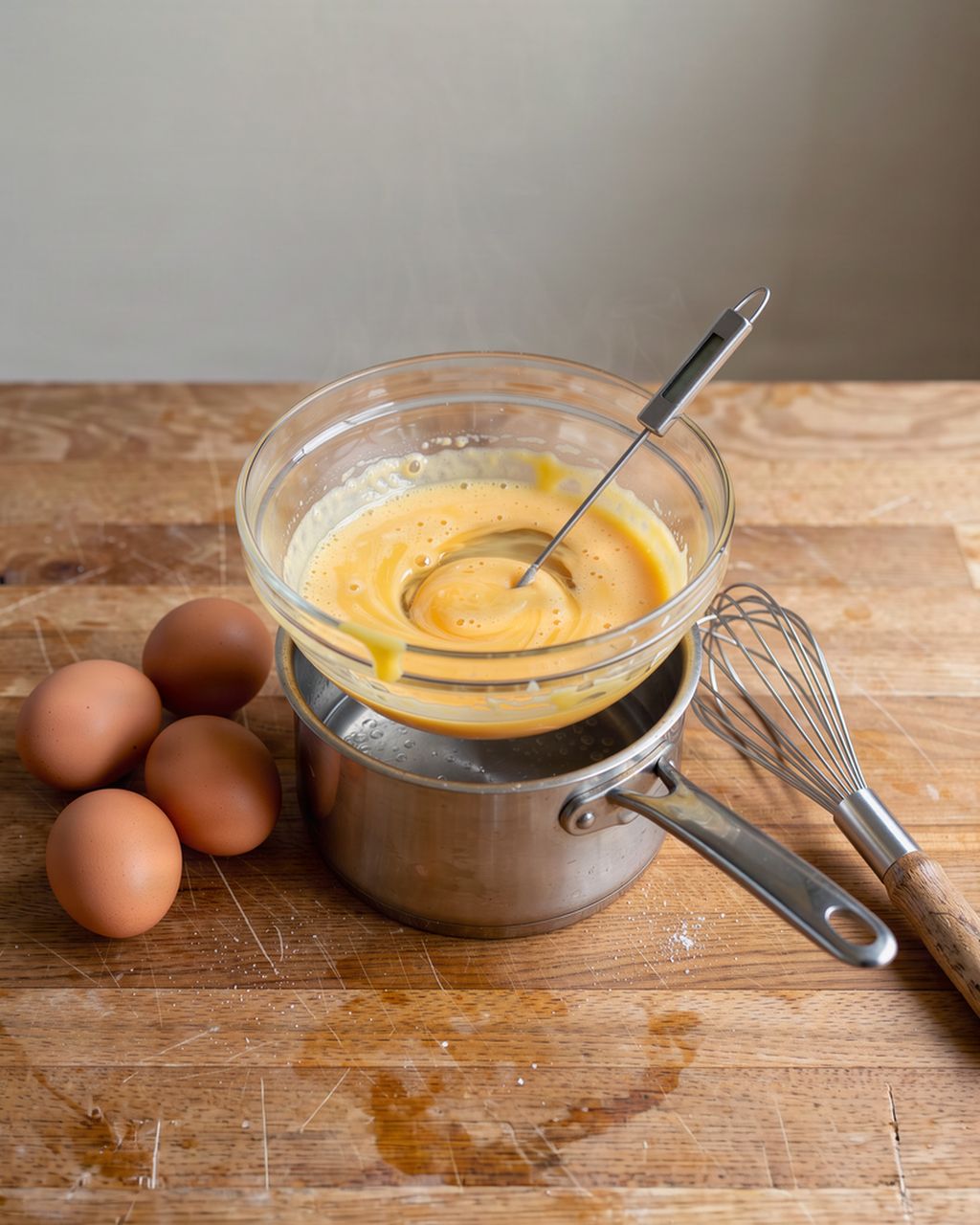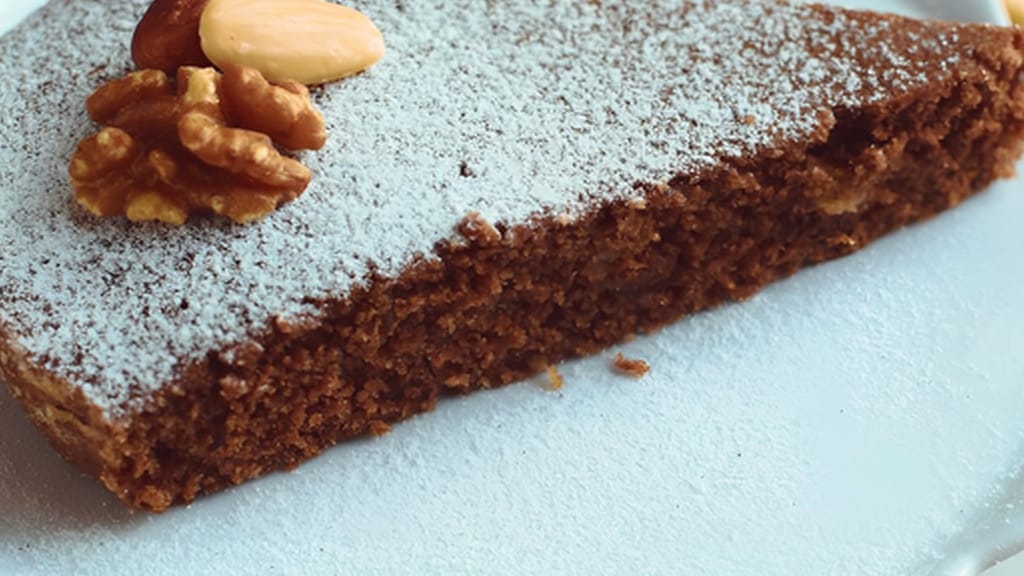
Lactose-free sheet pan gingerbread cake. quick and really good!
Substituting Invert Sugar for Sugar: How Much to Use in Gingerbread, Ganache, Yeast Dough and Ice Cream
Updated Oct 15, 2026
Never swap in invert sugar for all the sugar in a recipe. You only replace part of it: 25–50% of the sugar in gingerbread, 20–30% in ice cream, 3–5% of the flour weight in yeast dough, and for ganache you add 5–10% of the chocolate weight. Using more doesn't help. You'll just end up with sticky, overly sweet, too-dark baked goods, or ice cream that melts before you can serve it. Here you'll find the amounts at a glance, a simple conversion, and why it works differently in each type of dough.
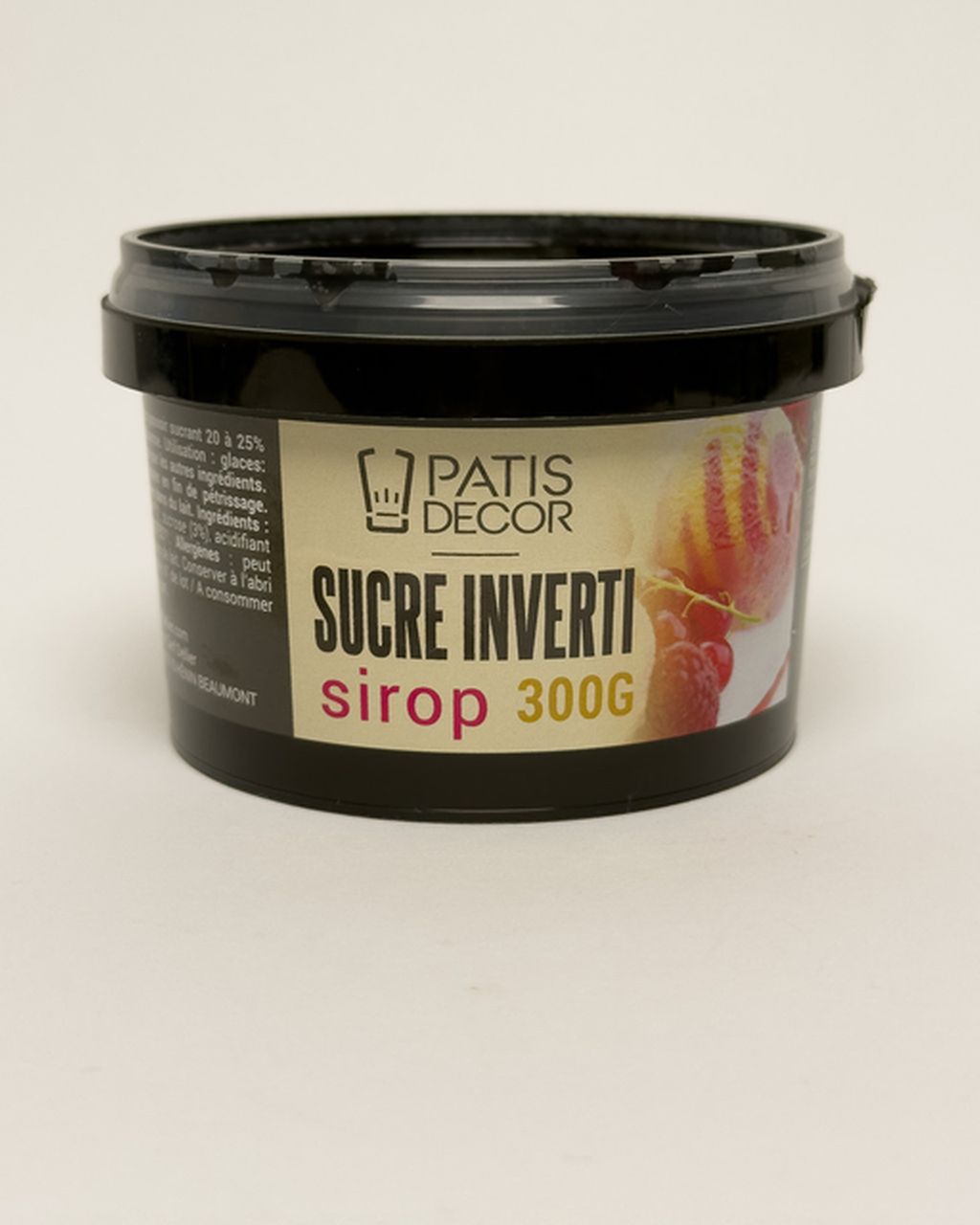
Invert sugar only ever replaces part of the sugar in a recipe. These are sensible starting amounts for invert sugar (syrup or paste):
Sheet-pan gingerbread and honey gingerbread cookies: replace 25–50% of the sugar. A recipe with 250 g sugar → 60–125 g invert sugar + the rest regular sugar.
Ganache: add 5–10% of the chocolate weight. 200 g chocolate → 10–20 g invert sugar.
Yeast dough (braided Christmas bread, brioche, sweet buns): 3–5% of the flour weight, in place of the same amount of sugar. 500 g flour → 15–25 g invert sugar.
Homemade ice cream: replace 20–30% of the sugar in the base. 150 g sugar → 30–45 g invert sugar and 105–120 g sugar.
We cover what invert sugar is and how it's made in Invert Sugar: What It Is and Why Pastry Chefs Use It. Here it's all about how much to use where.
You can swap thick invert sugar for sugar roughly 1:1 by weight, and the sweetness comes out similar. The reasoning is simple:
Invert sugar (syrup or paste) contains roughly 18–38% water (the legal minimum dry matter is 62%). You'll find the exact figure on the label. Professional Trimoline, which is a paste and partly crystalline, lists 82% dry matter, so about 18% water.
According to manufacturers, its sweetness is about 125 compared with 100 for regular sugar.
With a thick paste, less dry matter × higher sweetness roughly cancel out: 100 g of invert sugar sweetens almost like 100 g of sugar. Thinner syrups with more water are slightly less sweet.
Only factor in the water with larger amounts. If you're replacing more than about 50 g of sugar, reduce the liquids in the recipe (milk, water, cream) by roughly 20 g for every 100 g of invert sugar, and proportionally more for thinner syrups, based on the water content on the label. For a few spoonfuls, don't worry about it.
In gingerbread, use invert sugar to replace 25–50% of the sugar. The gingerbread stays soft several days longer and won't crumble. Invert sugar binds water (it's hygroscopic), so the dough doesn't lose moisture as quickly after baking.
Sheet-pan gingerbread: start at 30%. In this lactose-free sheet-pan gingerbread, for example, replace a third of the sugar with invert sugar and leave the rest as is.
Honey gingerbread cookies: honey is itself largely a mixture of glucose and fructose, so it's a natural invert sugar. Replace the sugar, not the honey, and stay toward the low end, around 25%. Try it with these soft honey gingerbread cookies that don't go hard.
Temperature: fructose browns sooner than regular sugar. Bake 10 °C (about 20 °F) lower and keep an eye on the edges for the last five minutes.
Be careful with cookies that are meant to be hard. For Christmas tree gingerbread cookies or for building gingerbread houses, don't use invert sugar. They'll soften, draw in moisture, and may snap on the string.
Lactose-free sheet pan gingerbread cake. quick and really good!
Lactose-free sheet-pan gingerbread: try it with a third of the sugar replaced by invert sugar
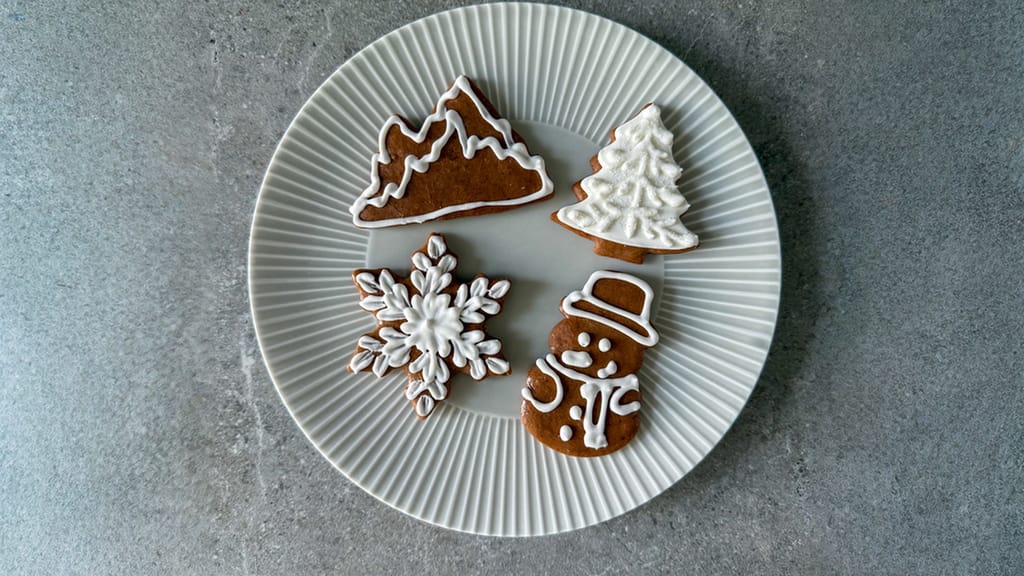
Soft honey gingerbread cookies that never go hard
Soft honey gingerbread cookies: with invert sugar in place of a quarter of the sugar
Add invert sugar to ganache at 5–10% of the chocolate weight. You're not replacing anything here, since ganache has no added sugar to swap out. The invert sugar goes in with the cream. For 200 g dark chocolate and 200 g cream, that's 10–20 g.
What it does:
Smoother texture: it slows sugar crystallization, so the ganache doesn't turn grainy after a few days.
Longer shelf life: it binds free water, so ganache in pralines or macaron fillings keeps longer.
Shine and a softer bite: once cooled, the ganache is a little softer.
Add the invert sugar to the hot cream, stir it in, and only then pour it over the chocolate. With white and milk chocolate, stay at the low end (5%), since they're already quite sweet and soft. For how glucose compares with invert sugar, see Glucose in Ganache: Why to Add It and When to Reach for Invert Sugar.
In yeast dough, use invert sugar at 3–5% of the flour weight, always in place of the same amount of sugar. For 500 g flour, that's 15–25 g. Braided Christmas bread, brioche and sweet buns then stay soft on the second and third day too.
It won't magically speed up proofing. Yeast breaks down regular sugar on its own, so don't expect a big difference in speed. Invert sugar mainly helps with softness.
More isn't better. Yeast starts to slow down at roughly 5–10% sugar to flour weight. Invert sugar has smaller molecules than regular sugar, so it holds yeast back a little more. That's why you should never add it on top. However sweet the dough is, always replace the same amount of sugar with it.
The crust browns sooner. Bake 10 °C (about 20 °F) lower, or cover the bread with paper after two-thirds of the baking time.
Brioche buns are a good one to test it on: for every 500 g flour, use 15–25 g invert sugar in place of the same amount of sugar, and compare them with the original version the next day.
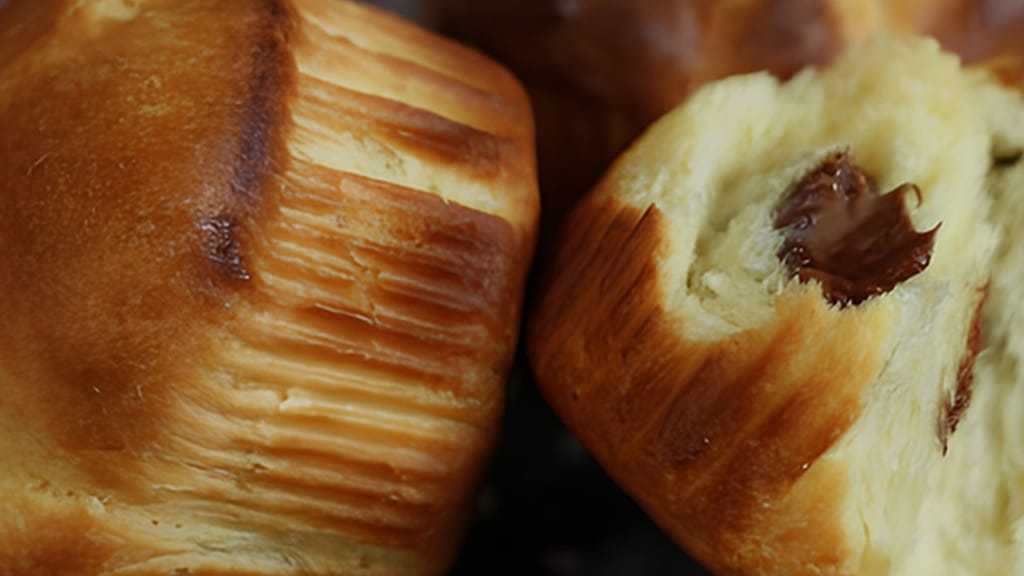
Brioche buns
Brioche buns: softer even on day two with invert sugar in the dough
In homemade ice cream, replace 20–30% of the sugar in the base with invert sugar. The ice cream will then be scoopable straight from the freezer, and you won't feel ice crystals in it.
It works because, by dry matter, invert sugar lowers the freezing point about 1.9 times more than regular sugar. For a syrup or paste with 18–30% water, that works out to roughly 1.3–1.6 times more per gram. Less water freezes into ice, and the ice cream stays creamy.
For 1 liter of base with 150 g sugar: 30–45 g invert sugar + 105–120 g sugar.
Don't go above 30%. The ice cream will be overly sweet, stay sticky in the freezer, and melt quickly on the plate.
No-machine ice cream benefits most from invert sugar, because without churning more crystals form. Try it in this no-machine vanilla peanut butter ice cream.
Caramel ice cream already contains some inverted sugar from the caramel, so in salted caramel ice cream stay at the low end.
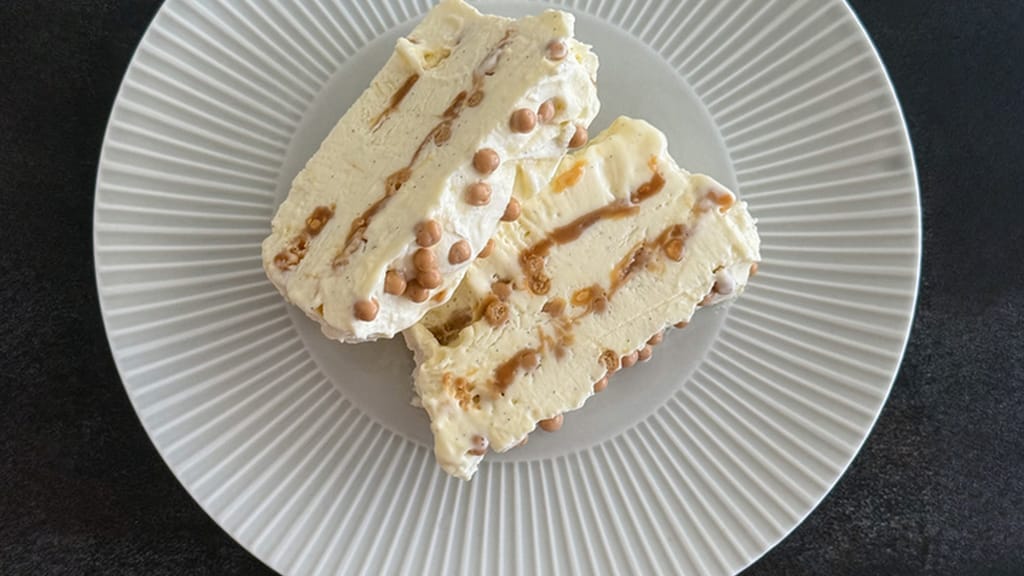
No-churn vanilla ice cream with peanut butter swirl
No-machine vanilla peanut butter ice cream: stays creamy with invert sugar
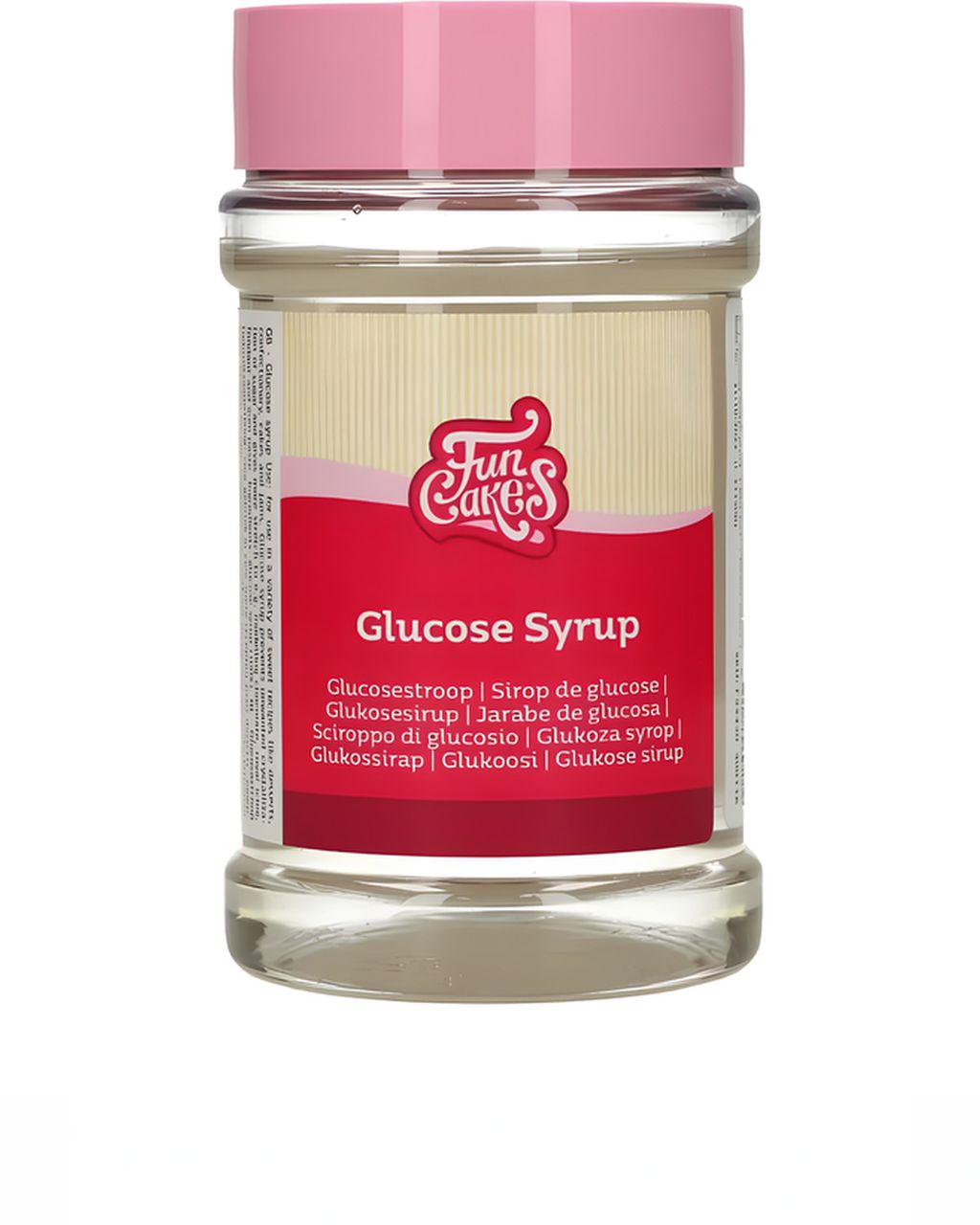
Invert sugar moistens and softens, while glucose syrup firms up and prevents crystallization. They aren't interchangeable one for one. A quick comparison:
Invert sugar: sweeter than sugar (about 125%), binds water, keeps baked goods soft and ice cream scoopable. The choice for gingerbread, ice cream, yeast dough and soft ganache.
Glucose syrup: only about half as sweet, adds body and shine, and keeps sugar from turning grainy. The choice for caramel, lollipops, fondant, glossy glazes and firmer ganache.
Honey: a natural invert sugar, but with a distinct flavor. Great in gingerbread, but it overpowers vanilla ice cream or a delicate ganache.
Golden syrup: a partly inverted sugar syrup with a caramel flavor. It works well in gingerbread, just expect a darker color.
Homemade invert: sugar cooked with water and a little citric acid. It works, but its dry matter is hard to judge at home, so the amounts in this article will be less exact.
If you run out of glucose, see What to Use Instead of Glucose Syrup. You'll find both syrups and other baking sugars in the baking sugars and syrups section.
Most failures with invert sugar have a single cause: too much of it. What to watch out for:
Replacing all the sugar. Baked goods turn sticky, heavy and dark quickly. Stick to the amounts above.
Baking at the original temperature. Fructose caramelizes sooner, so lower the temperature by 10 °C (about 20 °F).
Using it in crisp, dry bakes. Crisp linzer cookies, meringues, macarons and hard decorating cookies need a crispness that invert sugar takes away, making them soft and slightly rubbery.
Forgetting the water with large amounts. Above 50 g, reduce the liquids by about 20 g per 100 g of invert sugar.
Adding it to ganache at the end. Cold invert sugar is hard to stir into finished ganache. Add it to the hot cream.
Store invert sugar in a tightly sealed container at room temperature, away from damp and heat. It doesn't need to go in the fridge. If it thickens or crystallizes over time, it hasn't gone bad: set the container in a warm water bath (about 40–50 °C / 104–122 °F) and stir, and within a few minutes it's liquid again. Go by the date on the packaging, and always scoop it out with a clean, dry spoon so no water or crumbs get in.
Trimoline is a brand of invert sugar made for pastry chefs, so in principle it's the same thing. The difference is mainly in thickness and water content. Trimoline is a paste, partly crystalline, with 82% dry matter, whereas invert syrups tend to be thinner and contain more water. You can find it in baking and pastry supply shops. Before measuring, always check the label to see how much water it contains.
Yes. A spoonful of invert sugar in caramel or coffee syrup helps stop the sugar from crystallizing later and keeps the syrup in the bottle from turning to crystals. About 10% of the sugar weight is enough. For hard caramel, lollipops or fondant, though, glucose syrup is the better choice, because invert sugar makes the mixture softer.
Invert sugar is sucrose split into glucose and fructose, which is why it behaves differently from regular sugar in baking. It's about a quarter sweeter (a sweetness of around 125 versus 100), it binds water so baked goods stay soft longer, it browns sooner, and it doesn't crystallize on its own. In terms of composition it's still sugar. You add it for texture, softness and shelf life, not for health reasons.
One recipe worth heating the oven for, one tip, and one deal from the shop. Nothing else.