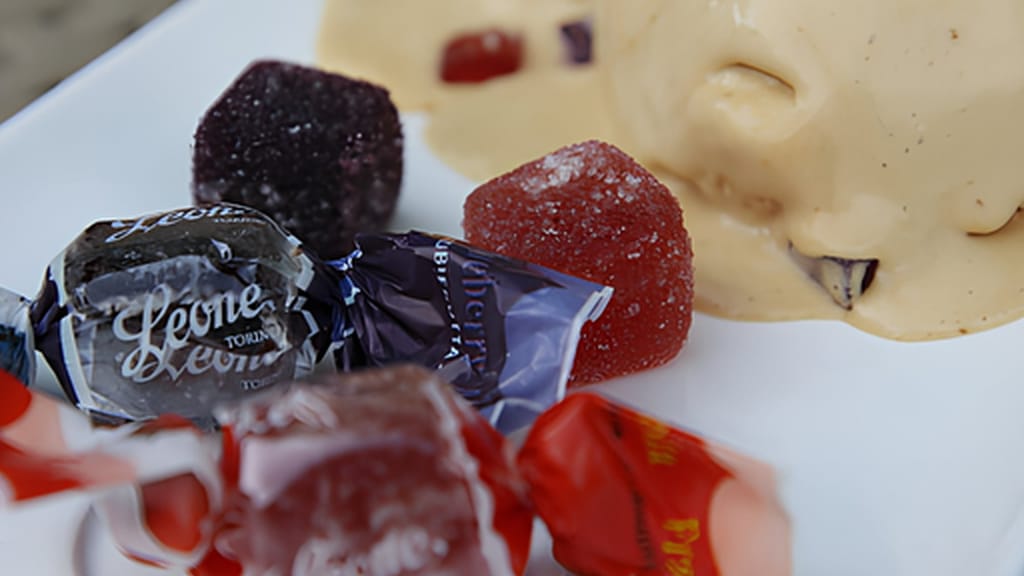
Salted caramel ice cream
Invert Sugar: What It Is and Why Pastry Chefs Use It
Updated Oct 4, 2026
Invert sugar is a thick syrup made from a mix of glucose and fructose, created by splitting ordinary sugar (sucrose) apart. Pastry chefs add it in small amounts because it locks in moisture, prevents crystallisation and lowers the freezing point — which keeps baked goods from going stale, ice cream creamy, and ganache smooth. Below you'll find how it works, where it genuinely pays off, how much to use, and how to make your own at home in a pinch.
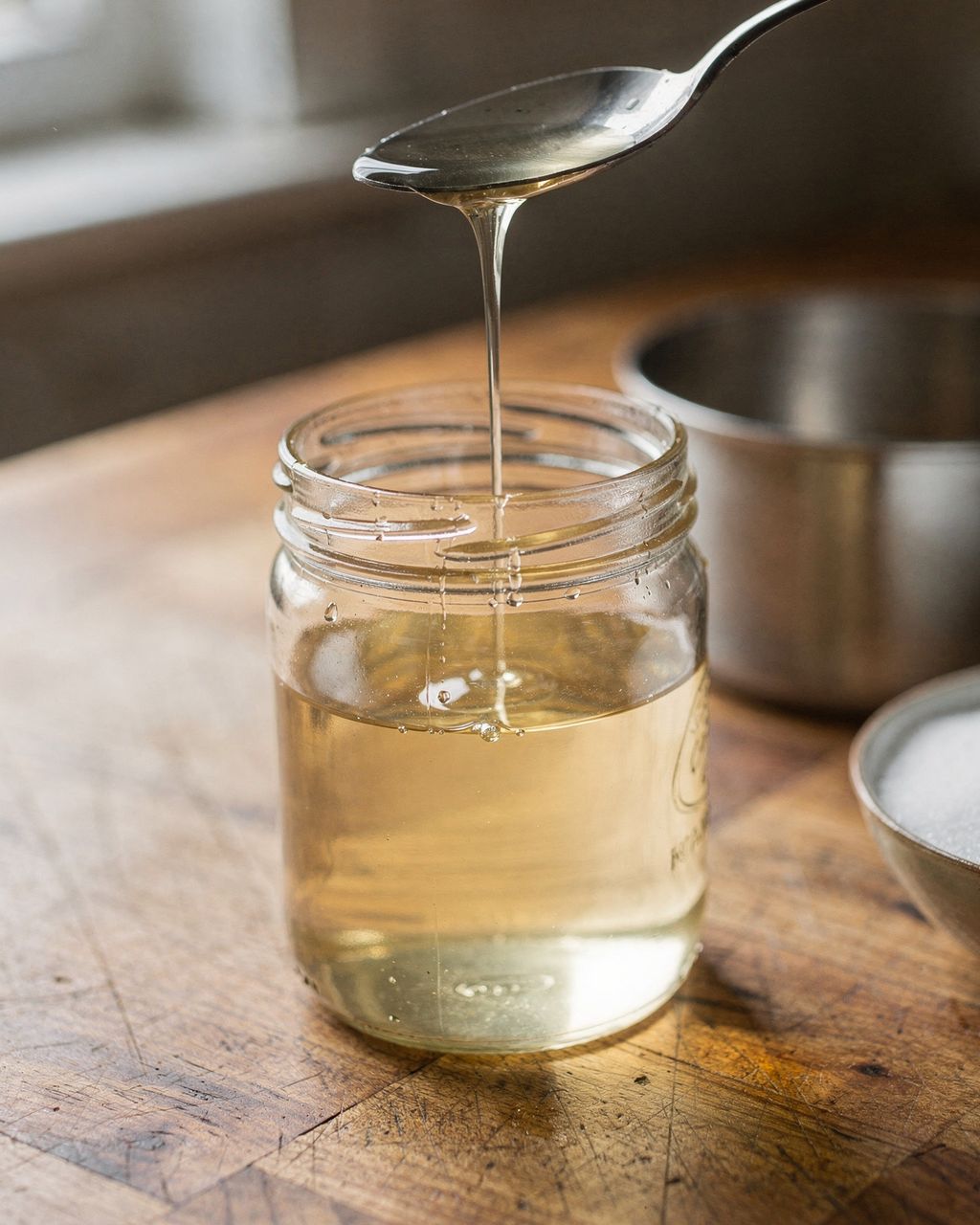
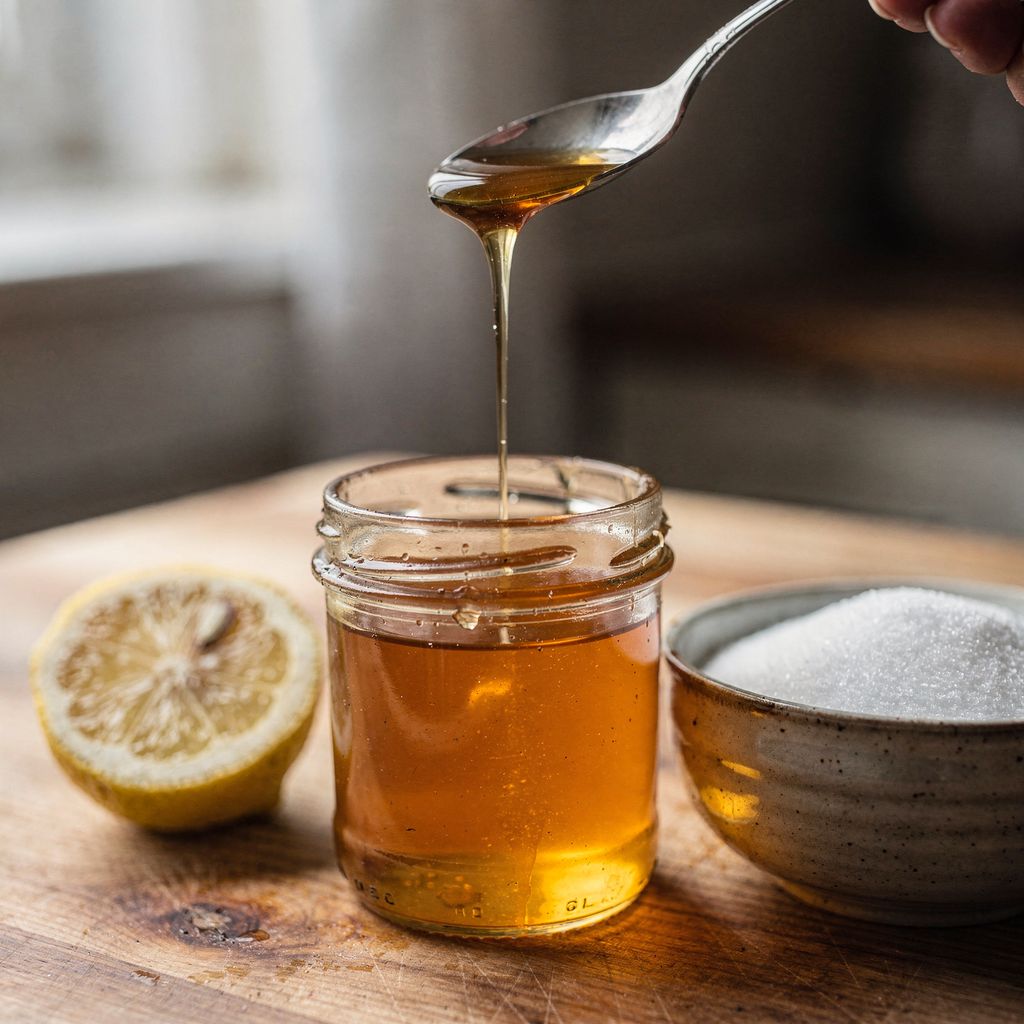
Invert sugar is sucrose split into its two building blocks — glucose and fructose — in roughly a 1:1 ratio. Ordinary sugar, whether from beet or cane, is just those two molecules bonded together. Heat it with water and a touch of acid (or add the enzyme invertase), and that bond breaks apart, leaving a thick, clear-to-golden syrup.
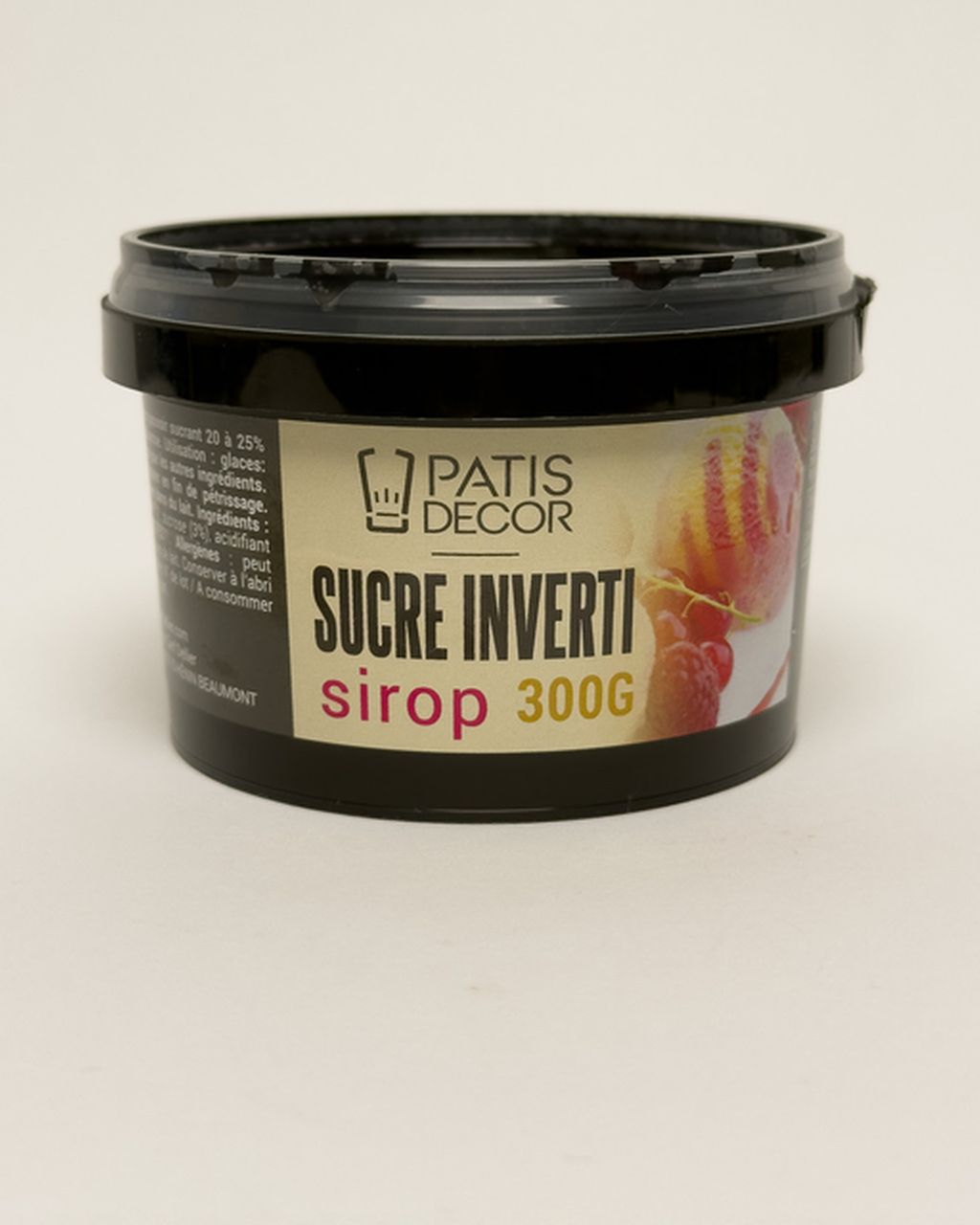
You'll find it sold as invert sugar syrup or under the trade name Trimoline. It also often appears labelled as liquid invert sugar — technically, food regulations use that term for products where invert sugar isn't the main solid content, but shops commonly sell straight invert syrup under this name too. So it's worth checking the ingredients or the glucose/fructose content on the label. The most familiar "invert sugar" of all, though, is already sitting in your cupboard: honey is largely a mix of fructose and glucose, just with its own strong flavour layered on top.
The name "invert" comes from chemistry — once split, the solution rotates polarised light in the opposite direction to the original sugar. For baking purposes, there's really only one takeaway: it's still sugar, it just behaves differently in doughs and creams.
Invert sugar holds onto moisture, resists crystallisation, lowers the freezing point and speeds up browning — and it does all four more strongly than regular sugar:
Holds onto moisture — it's highly hygroscopic, drawing in and binding water, so baked goods stay soft for longer.
Resists crystallisation — a mix of two different sugars struggles to form crystals, so creams, fondants and icings stay smooth instead of turning grainy.
Lowers the freezing point — ice cream and sorbets come out of the freezer softer, without icy crystals.
Browns faster — the fructose in it speeds up that golden colour during baking.
The key is that it's added in small amounts, usually 10–25% of the total sugar. It's not meant to replace sugar entirely — it's there to fine-tune how the sugar behaves.
Invert sugar earns its place in four main types of recipes: ice cream and sorbet, ganache and pralines, soft baked goods and gingerbread, and fondant, icings and caramel. Elsewhere — in a curd cheese bundt cake or Linzer biscuits — you can happily skip it; you won't notice the difference.
In ice cream, invert sugar tackles both hardness and ice crystals. Glucose and fructose are smaller molecules than sucrose, so weight for weight they lower the freezing point roughly twice as much. The result: ice cream you can scoop straight from the freezer, and sorbet that isn't a block of ice.
How much: swap out 10–25% of the sugar in the recipe for invert sugar, roughly 1:1 by weight. Ice cream references put the ceiling at around a quarter of the total sugar — go higher and the ice cream starts melting and turning sticky too fast in the bowl.
Try it in salted caramel ice cream or plum and cardamom sorbet — swap 20% of the sugar for invert sugar and see how much easier it is to scoop the next day.
Salted caramel ice cream
Salted caramel ice cream — a perfect recipe for letting invert sugar keep things creamy
In ganache, invert sugar binds the free water in the cream, which makes the filling smoother, more stable, and helps pralines keep longer. Less free water also means slower spoilage.
How much: usually 5–10% of the ganache's weight, stirred into the hot cream before you pour it over the chocolate.
Bonus: it helps the emulsion hold together, so the ganache is less likely to split.
It's great in chocolate peanut butter truffles — a spoonful of invert sugar in place of some of the regular sugar keeps the truffles soft even after a week in the fridge.
In baking, invert sugar is insurance against drying out. It keeps binding water even after baking, so gingerbread, biscuits or sponge layers stay soft for several extra days.
How much: replace 10–20% of the sugar in the dough.
Watch the colour: baked goods with invert sugar brown faster. Keep an eye on the last few minutes of baking, or drop the oven temperature by 10°C (18°F).
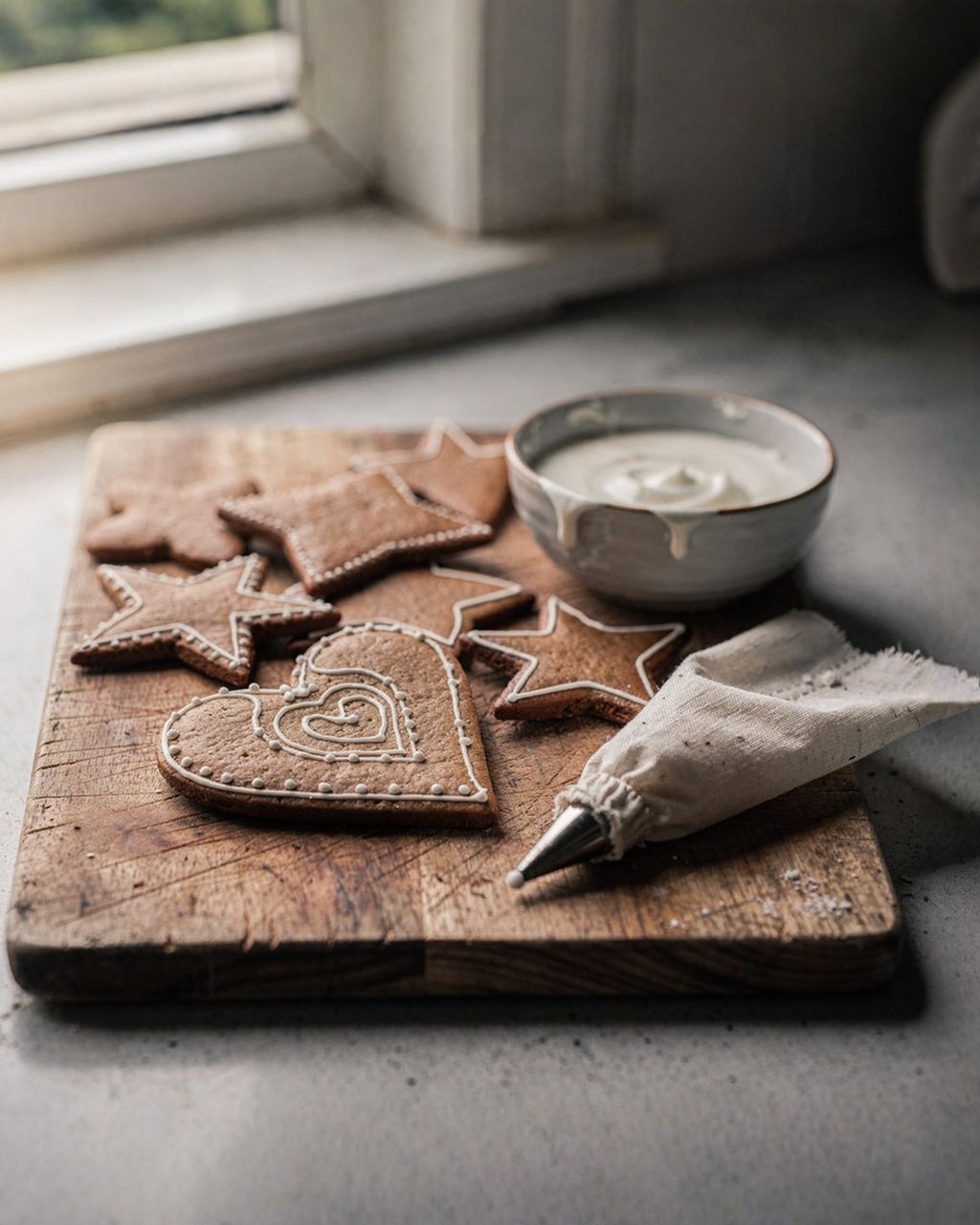
This is exactly why honey has always gone into gingerbread — it works on the same principle. If you want gingerbread that never goes hard, start with soft honey gingerbread that stays that way. If you need a more neutral flavour without the honey aroma, swap part of the honey for invert sugar syrup instead.
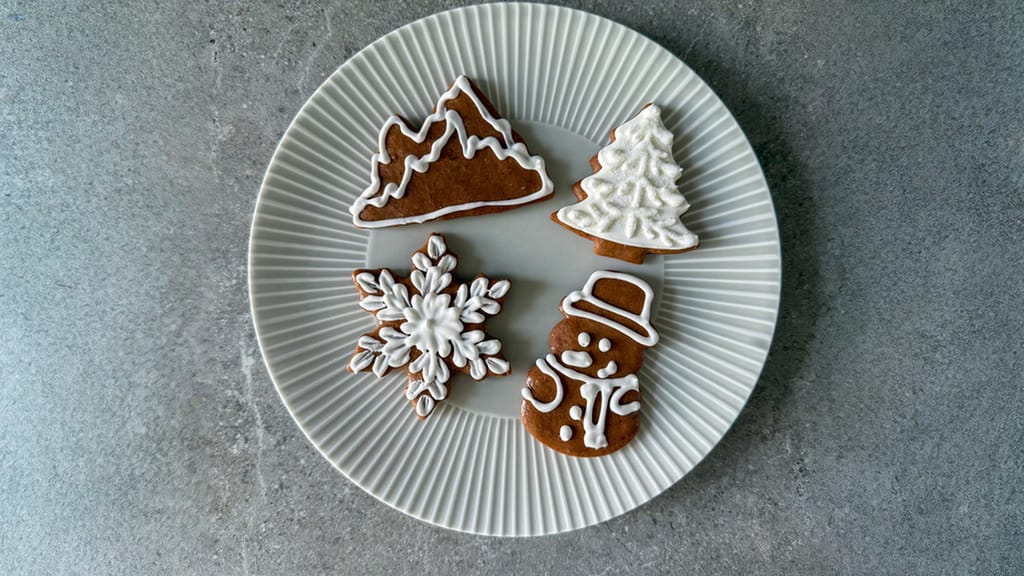
Soft honey gingerbread cookies that never go hard
Soft honey gingerbread that stays that way — here honey is doing the invert sugar's job
In anything that needs to stay smooth and must never turn grainy, invert sugar (much like glucose syrup) acts as "crystal insurance." Just a small amount — a tablespoon per 200–300g of sugar — makes it far harder for caramel or fondant to seize up into a sugary mess. Icings also stay glossier as a result.
Only replace part of the sugar — typically 10–25% — with invert sugar, never the whole amount. When converting, keep an eye on three things:
Sweetness: invert sugar is slightly sweeter than granulated sugar on a dry basis, but since the syrup contains water, gram for gram it sweetens about the same — swap it in at roughly a 1:1 ratio.
Water content: invert sugar syrup is roughly 20–30% water. If you're using a larger amount, cut back slightly on the liquid elsewhere in the recipe.
Colour: baked goods will brown sooner, so keep watch in the oven.
A practical example: ice cream that calls for 150g sugar → use 120g granulated sugar + 30g invert sugar (swapping 20% of the sugar 1:1).
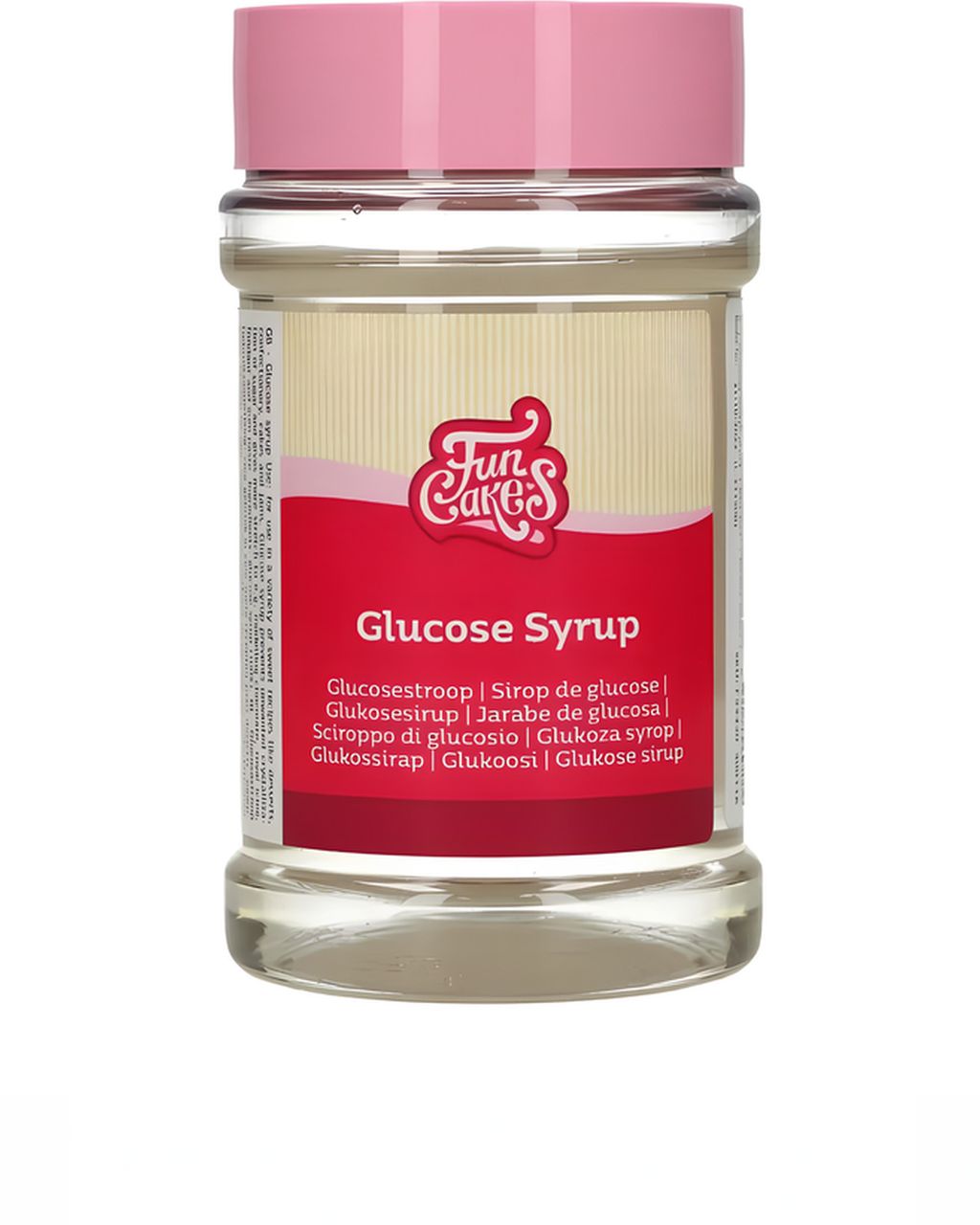
The closest substitute for invert sugar is honey, with glucose syrup coming second. Each has its limits:
Honey — works almost the same way (holds moisture, resists crystallisation), but brings a strong flavour of its own. Great in gingerbread, not always right for vanilla ice cream or white ganache.
Glucose syrup — excellent at preventing crystallisation, but less sweet and less effective at lowering the freezing point. Great in caramel and fondant, only half as useful in ice cream.
Maple or agave syrup — fine in a pinch, but they bring their own flavour and colour.
Honey, glucose syrup and invert sugar are all available in our baking sugars and syrups category.
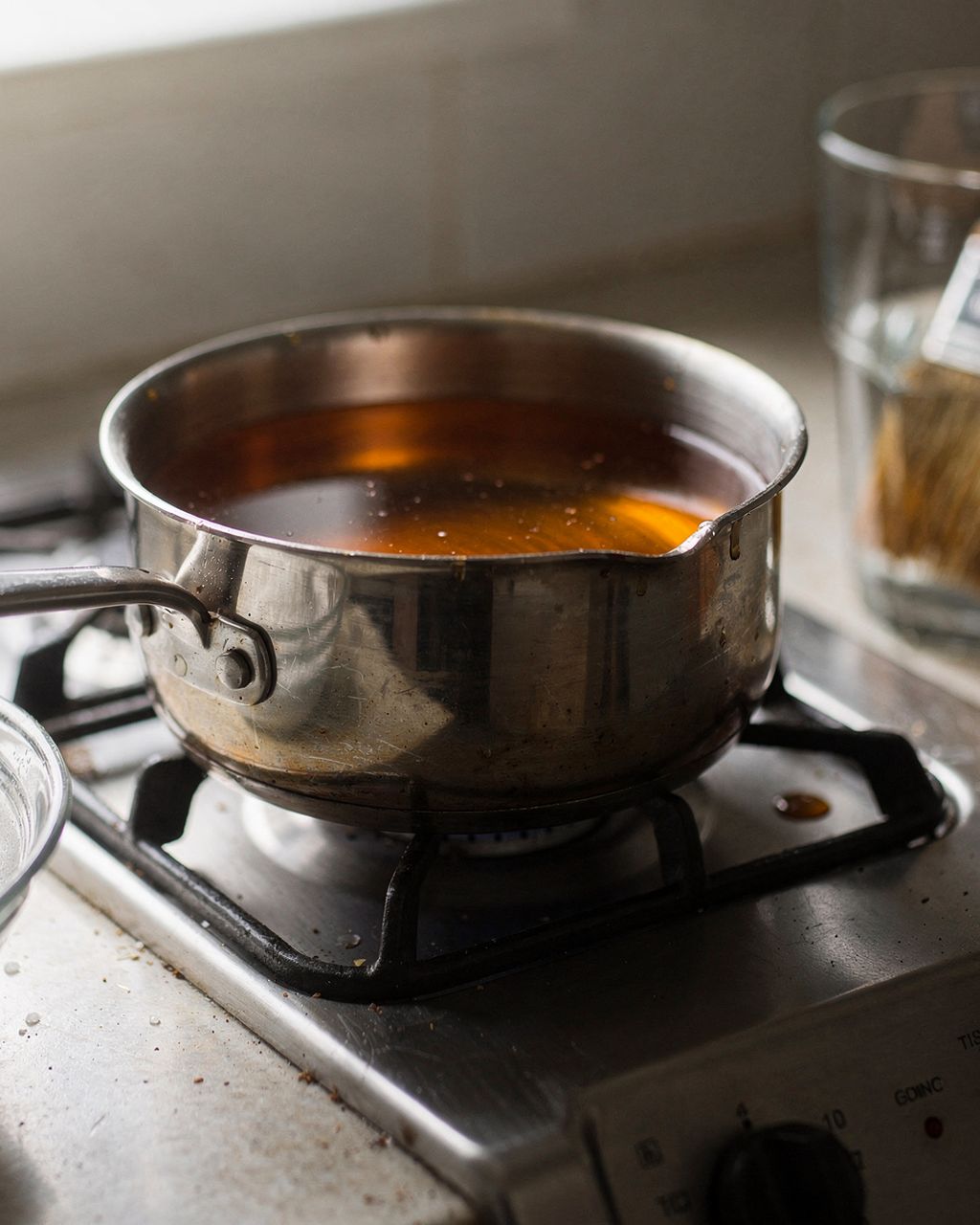
You can make invert sugar at home from three ingredients: sugar, water and citric acid in roughly a 1 kg : 480g : 1g ratio. Following methods used by pastry chefs (such as Eddy Van Damme), here's how it goes:
In a stainless steel pan, combine 1kg granulated sugar, 480ml (480g) water and 1g citric acid (about ¼ teaspoon; cream of tartar also works).
Bring to a boil while stirring, then stop stirring completely.
Lower to a medium heat and let it simmer gently until a thermometer reads 114°C (237°F). Temperature is what matters — time is only a rough guide.
Remove from the heat, cover, and let it cool undisturbed.
The finished syrup is clear to pale gold and as thick as honey. Stored in a sealed jar in the fridge, it keeps for several months.
Honestly: a homemade batch is never 100% inverted, and the consistency can vary. For ice cream and ganache, where precise ratios matter, store-bought invert sugar syrup is the more reliable choice.
Keep store-bought invert sugar syrup in a sealed container at room temperature, out of direct sunlight, and use it up by the date on the label once opened. It may darken or thicken slightly over time — that's normal and doesn't meaningfully change how it performs. Always scoop it out with a clean, dry spoon, since water and crumbs shorten its shelf life.
No, invert sugar is still nutritionally sugar — it's made from sucrose split into glucose and fructose, so it carries the same sugars, just already separated. Treat it the same as sugar in your diet.
No, invert sugar is a glucose-fructose mix made from sucrose, while glucose syrup is made from starch and contains glucose plus longer sugar chains. Invert sugar is sweeter and lowers the freezing point more, while glucose syrup is less sweet and mainly useful for preventing crystallisation.
Yes, invert sugar dissolves instantly in liquids, even cold, so it works just like a ready-made sugar syrup. It sweetens about the same as granulated sugar, so dose it similarly.
A successful batch of homemade invert sugar is clear to pale gold once cooled, as thick as honey, and stays crystal-free even after a week in the fridge. If it crystallises, the syrup either wasn't heated enough or was missing the acid.
Yes, invert sugar is made only from sugar, water and either acid or an enzyme, so it's usually vegan — strict vegans buying a store-bought syrup should check the sugar's origin with the manufacturer. Honey, its closest substitute, is not vegan.
One recipe worth heating the oven for, one tip, and one deal from the shop. Nothing else.