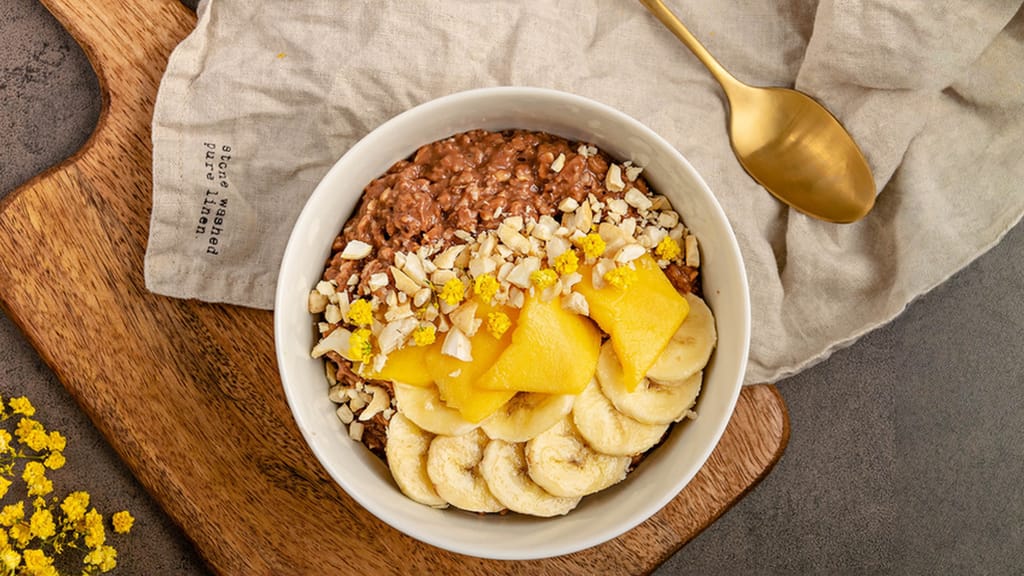
Cocoa oatmeal with mango and banana
What to Make With Milk: Porridge, Pudding, Pancakes, Crêpes and Béchamel
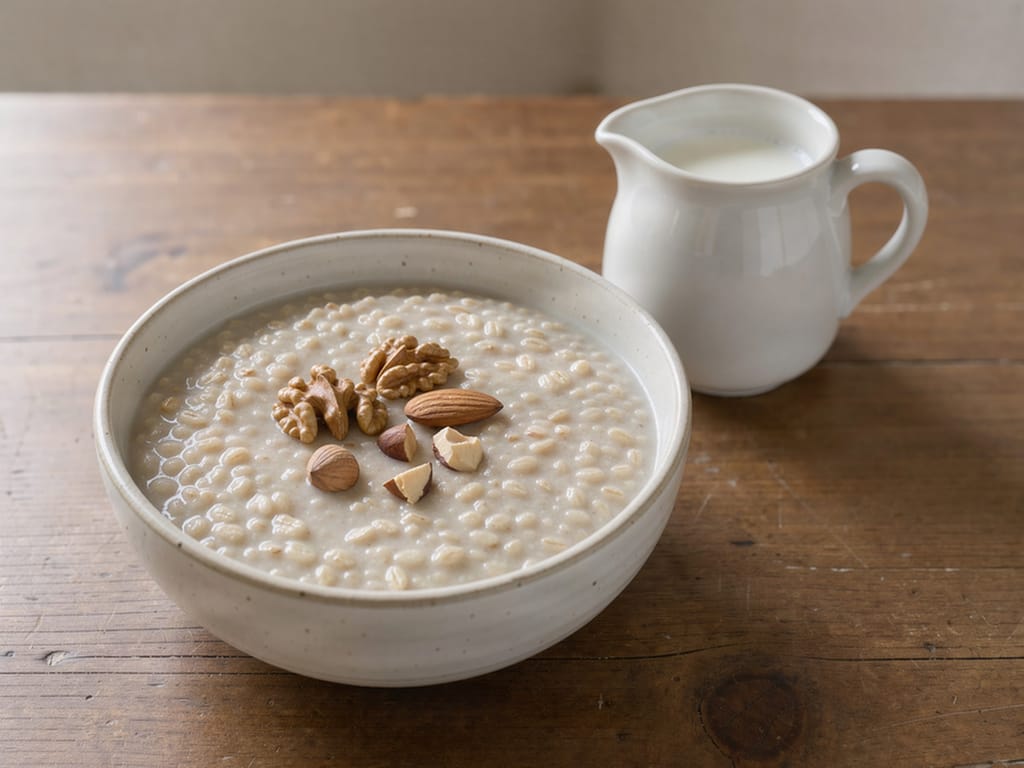
What can you make with milk? The quickest options are porridge, pudding, small pancakes or crêpes. For savory dishes, there's béchamel and milk soup, and if you want to bake, yeast-raised koláče or a sheet-pan cake. A liter of milk disappears into a single pot, whether it's whole or reduced-fat. Past the date, you can use only unopened shelf-stable milk with a best-before date that still smells normal.
You can make six main groups of dishes with milk: porridges, puddings, small pancakes and crêpes, béchamel and milk soups, yeast-raised and creamed bakes, and chia puddings in glasses.
Porridge: oatmeal, pumpkin, cocoa, semolina and mashed potato.
Pudding: cooked from egg yolks and starch, no packet needed.
Small pancakes and crêpes: sweet or savory, pan-fried or baked.
Béchamel and milk soups: lasagna, milk potato soup, semolina dumplings.
Baking: yeast-raised koláče, sheet-pan cake, Bundt cake.
Desserts in glasses: chia puddings.
Soured and acidophilus milk belong mostly in baking, where they replace buttermilk: in crêpes, Bundt cakes, bublanina (Czech fruit sheet cake) and bread.
For cooking, reduced-fat milk is the all-rounder: it's enough for porridge and small pancakes. Where creaminess matters, that is pudding, béchamel and mashed potatoes, reach for the higher-fat kind, because whole milk gives a thicker, smoother result. You'll find more ideas for the whole fridge in our collection of recipes with dairy and eggs.
We send seasonal cooking and baking plans and recipes made from everyday ingredients. Unsubscribe in one click.
Porridge is the quickest way to use up milk: two servings of oatmeal take a quarter liter, and you're eating in fifteen minutes. One simple rule applies: cook the milk over low heat and stir often, because milk protein likes to stick to the bottom, and scorched porridge tastes bitter. For how to adjust the ratio of oats to milk depending on whether you want thin or firm porridge, see our article how to cook oatmeal and what ratio of oats to milk to use.
Cocoa oatmeal with mango and banana uses 80 g of oats and 250 ml of reduced-fat milk for two servings. You cook the oats in the milk over low heat, stir in an egg and let it cook through in the porridge, so the porridge thickens and turns silkier. Then you take the pot off the heat and stir the cocoa into the hot porridge until the dry lumps disappear. Top with mango, banana and roughly chopped cashews.
Pumpkin oatmeal with nuts is an autumn version made with whole milk. You first bake pieces of hokkaido squash for 20 minutes at 150°C (300°F), blend the scooped-out flesh with 200 ml of milk and cinnamon, and cook it in a pot with the oats and maple syrup until the porridge thickens. Meanwhile, toast hazelnuts in a pan with a spoonful of maple syrup and cardamom until the syrup caramelizes lightly.
If you want porridge with as little work as possible, try oatmeal with fruit, cashews and chia seeds. You stir oats, a spoonful of vanilla pudding mix (cook-and-serve, similar to custard powder), chia seeds and honey into 250 ml of whole milk and cook over low heat, stirring constantly. The pudding mix thickens the porridge, so it's ready in about two minutes and you just pour it over chopped fruit.
Among savory porridges, the one that goes with milk is mashed potatoes. Smooth, creamy mashed potatoes with nutmeg depend on a few steps: after draining the potatoes, you briefly steam off the moisture on the hot burner, break them up with a flat masher, beat in softened butter, and only then pour in warm milk, then cream and finally warm whipping cream. Warm milk matters here: cold milk would cool the mash and the butter wouldn't blend as smoothly. Don't beat it for long, because overworked potatoes turn heavy and gluey. For how to thicken mash that has turned runny and how to reheat it the next day, see mashed potatoes: how to thicken, season and reheat them.
We don't yet have a separate recipe on Yumsto for classic semolina porridge or rice pudding. The principle is the same as for oatmeal: you cook the semolina or rice in milk over low heat, stirring, until it softens and the milk thickens.
Cocoa oatmeal with mango and banana
Cocoa oatmeal made with milk, with mango and banana, in 16 minutes
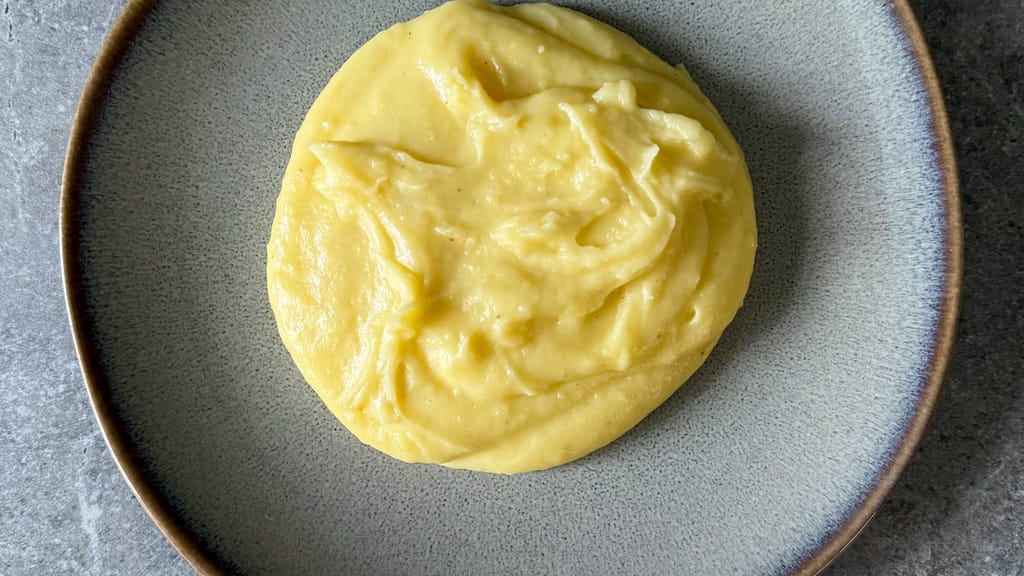
Silky smooth creamy mashed potatoes with nutmeg
Creamy mashed potatoes with milk, butter and nutmeg
You make homemade pudding from milk, sugar, starch and egg yolks: the starch thickens the milk, and the yolks give it color and creaminess. Store-bought packets do basically the same thing, except instead of yolks they contain coloring and flavoring. For the whole method step by step, including how to avoid lumps, see our article homemade pudding without a packet.
Blueberry pudding shows how to get fruit into pudding. You bring the milk to a boil and take it off the heat. Meanwhile, mix five egg yolks, butter, brown sugar, salt and cornstarch, and add blended blueberries. Pour the mixture into the milk and cook over low heat, stirring constantly. It starts to thicken in about two minutes. Top with sour cream and lime juice, which nicely cuts the sweetness.
With a pudding made with yolks, watch two things. First, cook it until it really thickens and bubbles beneath the surface. The US food safety agency FSIS recommends cooking egg dishes to at least 71°C (160°F), which you can check with an instant-read thermometer. Second, don't leave it standing on the counter: according to FSIS, cooked food belongs in the fridge within two hours at most, and this applies doubly to pudding made with yolks and milk. Pour it into small bowls, let it cool for a while and cover it with plastic wrap pressed directly onto the surface so a skin doesn't form.
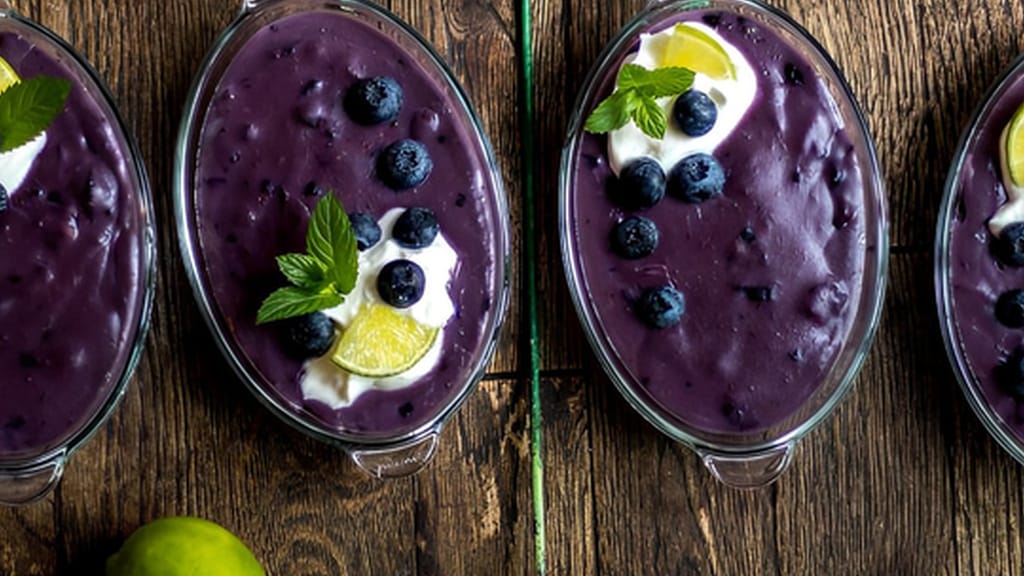
Blueberry pudding
Blueberry pudding made with milk and egg yolks, with sour cream
Crêpes (palačinky) are a thin batter of milk, eggs and flour, while small pancakes (lívance) are a thicker batter that holds its shape in the pan and puffs up. Fry both over medium heat, so the underside turns golden before the middle scorches. Basic ratios, sweet and savory fillings and oven-baked crêpes are in our article crêpes: batter recipe, fillings and American pancakes.
Baked crêpes with fruit and cream cheese are a good way to use up a quarter liter of whole milk. You whisk a batter from milk, water, semi-coarse flour (Czech polohrubá, slightly grittier than all-purpose), salt and eggs until smooth, and fry thin crêpes from it. Spread them with cream cheese mixed with chopped peaches and sugar, roll them up, arrange them in a baking dish and cover with cream whisked with eggs. Sprinkle with chopped chocolate and bake for 30 minutes at 180°C (350°F), until the custard sets even in the middle.
Oat pancakes with raspberries and yogurt need only a little milk, 60 g of reduced-fat, with the oats, eggs and cottage cheese doing the rest. The batter should fall from a spoon like thick sour cream; if it's stiff, add milk, and if it spreads, add oats. Fry small mounds over medium heat and flip them when the underside turns golden and the surface looks matte.
The savory route is spinach pancakes with a yogurt dip and smoked salmon. Into a batter of eggs, yogurt, 100 ml of reduced-fat milk, garlic and flour with baking powder, you stir blanched and drained spinach. Fry the pancakes in a drop of oil until bubbles form on the surface, and serve them with dill yogurt and slices of salmon, which, according to the recipe, you shouldn't leave out of the fridge for more than two hours.
And if you happen to have no milk, pancakes with Greek yogurt and blueberries do without it: the yogurt supplies both the liquid and a light tang. You mix ground oats with yogurt, an egg, whole wheat flour, baking powder and sugar, fry the pancakes in oil until bubbles form, flip them and serve with more yogurt and blueberries. They're ready in 17 minutes. For more pancakes, waffles and French toast, see sweet breakfast: banana bread, pancakes and waffles.
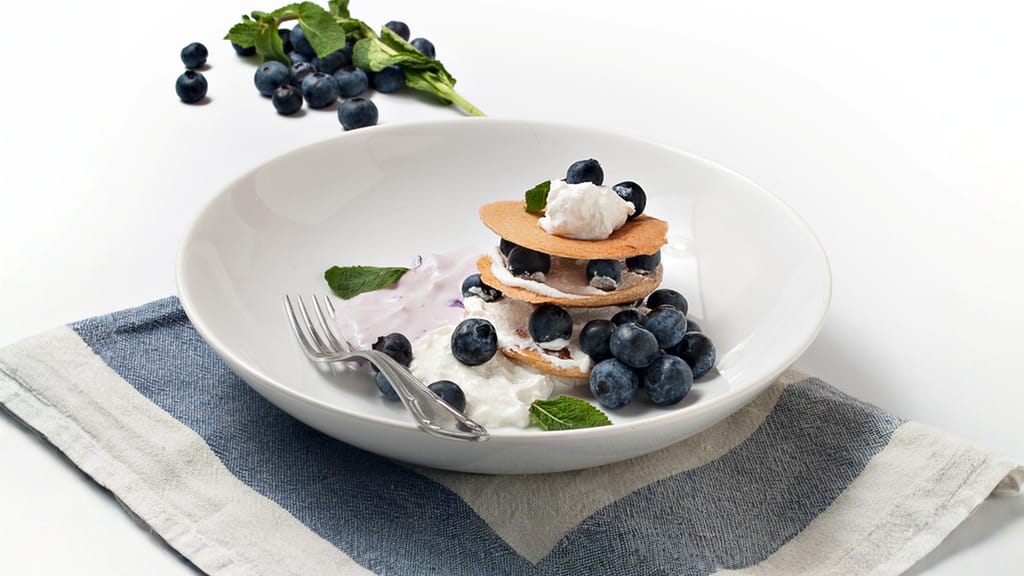
Greek yogurt pancakes with blueberries
Pancakes with Greek yogurt and blueberries in 17 minutes
Béchamel is milk thickened with a pale roux of butter and flour, seasoned with salt and nutmeg. It's the most rewarding savory way to use up a larger amount of milk: one baking dish of lasagna takes three-quarters of a liter.
You can see béchamel at its best in mushroom lasagna with béchamel. In 100 g of melted butter, briefly cook 100 g of all-purpose (plain) flour until pale, and pour in 750 g of cold whole milk, whisking right away so lumps don't form. The béchamel then bubbles gently for 20 minutes, the flour cooks through and the sauce thickens; stir all the way to the bottom, because a milk sauce scorches easily. Cook the meat mixture of onion, mushrooms and ground beef until the pink color is gone and an instant-read thermometer in the meat shows 71°C (160°F), then layer it with the pasta sheets, tomato sauce and béchamel, and bake for 30 minutes at 180°C (350°F) with cheese on top.
In Czech cooking, milk also has a regular place in soups. Milk potato soup uses a whole liter of whole milk. You sweat onion in lard, add potatoes, cover them with water and cook with a bay leaf, allspice and caraway until nearly tender. Then you pour in the milk, thicken with a roux of lard and 40 g of flour and let it simmer for 10 minutes; at the end, finish the soup with a splash of vinegar.
A smaller amount of milk goes into quick caraway soup with semolina dumplings. You make the soup from caraway toasted in butter and a roux covered with water, while the milk goes into the dumplings: whisk an egg with 100 ml of whole milk and stir in two spoonfuls of fine baby semolina and a pinch of salt. Let the batter swell for a while, drop dumplings from a teaspoon into the simmering soup and cook them for five minutes, until the egg in them is fully set.
One rule holds for milk soups and sauces: once you've added the milk, don't boil them hard. Gentle simmering is fine, but a wild boil and acidic ingredients (wine, lemon, tomatoes) added to hot milk can curdle it into flakes.
With milk you mostly bake yeast dough, where lukewarm milk wakes up the yeast, and a creamed or whisked sheet-pan cake, where the milk just loosens the batter. For yeast dough, use lukewarm milk, not hot: hot milk scalds the yeast and the dough won't rise.
Yeast-raised blueberry koláče (Czech filled yeast pastries) with quark and streusel start with 250 ml of lukewarm shelf-stable whole milk. You pour it into flour with sugar, dried yeast and lemon zest, add egg yolks and lukewarm melted butter and knead for about 10 minutes, until the dough is smooth and no longer sticky. After an hour to an hour and a half of rising, you shape it into 15 balls, leave them to rest for another hour, press a well into each and fill with quark (tvaroh, a Czech fresh curd cheese) mixed with ricotta, blueberries and streusel. Bake for 15–20 minutes at 180°C (350°F) and brush the hot edges with butter and rum.
If you want something simpler, coconut sheet-pan cake with a crisp cream crust uses 400 ml of reduced-fat milk. Whip eggs with sugar into a thick foam, pour in the milk and the melted, slightly cooled fat, and stir in semi-coarse flour and coconut flour with baking powder. Pour the batter onto a baking sheet, sprinkle with shredded coconut mixed with powdered sugar and bake for about 30 minutes at 180°C (350°F). Pour whipping cream over the hot cake right away, and it soaks into the topping and turns it into a crisp crust.
Use whole milk with 3.5% fat where you want creaminess: for pudding, béchamel, mashed potatoes and milk soups. Fat carries the flavor of vanilla, nutmeg and butter, a sauce stays smoother with it and pudding is fuller. For porridge, small pancakes and yeast dough, reduced-fat milk does just fine, since the difference there is small.
If you don't have whole milk and want to enrich reduced-fat milk, add a spoonful or two of whipping cream at the end. For desserts where fat is meant to play the lead, such as panna cotta, you use cream straight away instead of milk.
Soured milk, properly called cultured milk (kyselé mléko), is a fermented dairy product: the dairy deliberately inoculates the milk with a cream culture of lactic acid bacteria, as described in the Veterinary University Brno course notes on fermented dairy products. The tang and slightly thicker consistency are therefore the result of controlled fermentation, not spoilage. You buy it next to buttermilk, kefir and acidophilus milk, and in baking it behaves exactly like them.
Pasteurized milk from a carton that was left standing and went sour is something else. Pasteurization destroys most of the original bacteria, so when such milk sours, it isn't the deliberately added cultures fermenting it but bacteria that got in later. So don't expect it to become grandma's soured milk: it has an unpleasant, bitter to putrid smell, is often thin with flakes and curdles when heated. Such milk is spoiled, and you shouldn't use it even for baking.
You can tell them apart easily:
Store-bought cultured milk smells cleanly sour, like yogurt or buttermilk, and is evenly thick.
Spoiled milk smells sharp, bitter or moldy, and lumps form on the bottom or surface.
Heat test: if milk curdles into flakes when heated in a pot, it no longer belongs in porridge or dough.
If you don't have cultured milk, you can sour fresh milk for baking with lemon juice or vinegar. For more substitutes, see what to use instead of buttermilk.
With soured milk you can bake everything you bake with buttermilk: crêpes, Bundt cake, bublanina (Czech fruit sheet cake), buchty (Czech filled sweet yeast buns) and bread. The acid in it reacts with baking soda, so the batter rises more, and it also softens the gluten, so the crumb is tender. You can replace buttermilk with it 1:1.
Quickest are buttermilk crêpes, which need just five ingredients and 23 minutes. Whisk half a liter of buttermilk with two eggs, salt and a spoonful of sugar, and stir in 250 g of semi-coarse flour in batches. Fry in a hot pan; before the first crêpe, grease it with a bit of lard, and in a good pan you won't need any more fat after that. Cultured milk works in them just like buttermilk.
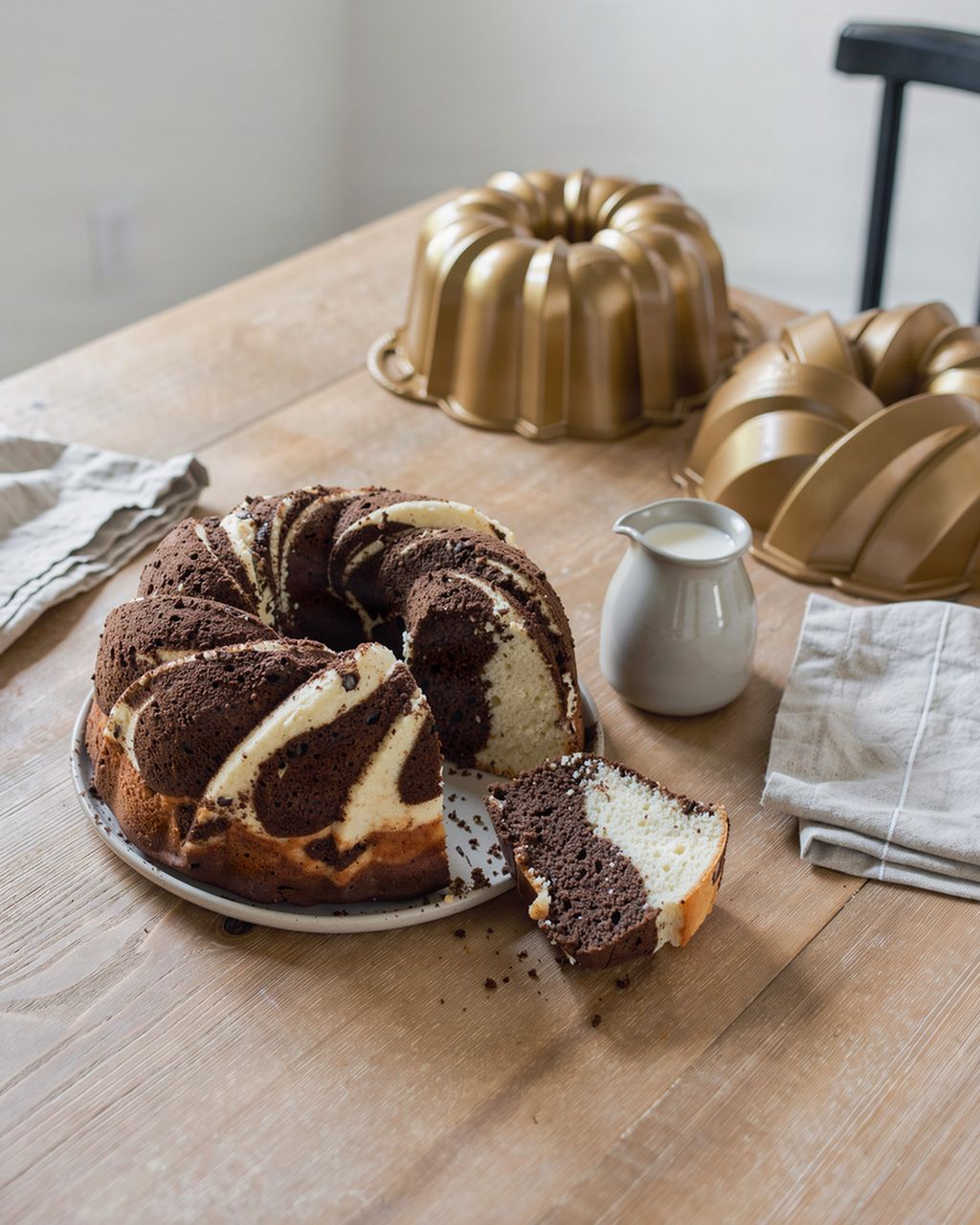
Marble Bundt cake with buttermilk and vanilla shows why soured milk suits a Bundt cake. Beat softened butter with sugar and vanilla, whisk in oil and eggs, and then alternately add flour mixed with baking powder, baking soda and salt, and 360 ml of buttermilk. Mix a third of the batter with cocoa and a little extra buttermilk, because cocoa dries out the batter, swirl the layers with a skewer and bake for 50–60 minutes at 165°C (325°F), until a skewer comes out clean.
For breakfast or with coffee there's buttermilk breakfast bublanina with small fruit. Cream the fat with sugar, whisk in the eggs one at a time, add vanilla and 150 ml of buttermilk and stir in flour with baking powder. Toss frozen fruit in flour so the juice doesn't run into the batter, scatter it over the batter and bake for 40–45 minutes at 180°C (350°F).
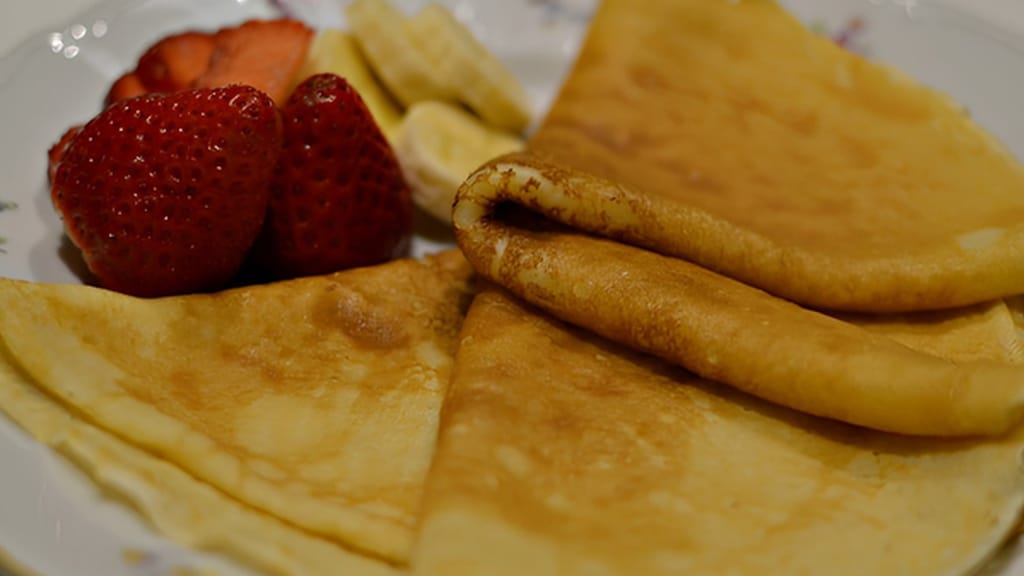
Easy buttermilk pancakes
Easy buttermilk crêpes that work with soured milk too
With acidophilus and kefir milk you can bake bread, crêpes, Bundt cake and bublanina (Czech fruit sheet cake), and coat chicken in them; in batter they replace buttermilk or soured milk 1:1.
Acidophilus milk is a fermented product inoculated with a cream culture and an acidophilus culture, the main bacterium being Lactobacillus acidophilus. Plain kefir milk contains yeasts as well as lactic acid bacteria. In the kitchen the two behave the same, so in all the recipes below you can swap one for the other.
Sourdough seed bread with kefir milk is a good example. You mix rye sourdough starter with flour and water and let it mature for 12 hours, then add wheat flour, 200 ml of kefir milk, salt, caraway and pumpkin and sunflower seeds. Shape the loaf into a proofing basket, let it mature in the fridge and bake with steam in an oven heated to 230–250°C (445–480°F), then after 12 minutes lower the temperature to 160°C (320°F) and bake for about 40 minutes more. Kefir milk gives the crumb a gentle softness and the crust a lovely color.
Kefir milk also coats meat wonderfully. For fried chicken in kefir batter, you whisk 400 ml of kefir milk with all-purpose flour (Czech hladká), sweet paprika, pepper, thyme, garlic, balsamic glaze and dried mustard into a thick batter. Coat dried chicken thighs in it, let them drip and fry in hot fat, first over high heat, then at a lower temperature. They're done when an instant-read thermometer inserted into the thickest part of the thigh, away from the bone, shows 74°C (165°F). Discard any batter left over after the raw meat.
The easiest things to make with almond milk are chia pudding or porridge. You can also cook a starch pudding with it, but without milk protein and fat it turns out thinner and less creamy, which is why almond milk is more often thickened with chia seeds, which swell without heat.
Raspberry chia pudding with yogurt is ready without cooking. Blend raspberries with 250 ml of almond milk and maple syrup, stir in three spoonfuls of chia seeds, mix again after five minutes so they don't clump, and leave it to set in the fridge for at least two hours, ideally overnight. In a glass, top it with Greek yogurt and fresh fruit.
Matcha chia pudding with raspberries and yogurt works the same way. First whisk the matcha with a little warm water into a smooth paste, stir it into the almond milk with the syrup and add the chia seeds. After two hours in the fridge, layer it in a glass with Greek yogurt and cooled, softly cooked raspberries and sprinkle with crushed pistachios.
Coconut milk is a different chapter, one you'll find more in curries and soups than in pudding. We have ideas for it in a separate article, what to make with coconut milk.
Mostly you make caramel from condensed milk: sweetened condensed milk, heated slowly for a long time, turns brown and thickens into a cream filling for cakes, for crêpes or for no-bake desserts. Unsweetened condensed milk, on the other hand, is concentrated milk that you can dilute with water and use in coffee, sauces or pudding.
Caramel from a can is popular, but boiling a sealed can in water has its risks. How to prepare it safely and how to whip a cake filling from it is covered in our article condensed milk for caramel.
With fresh farm milk you can make porridge, pudding, béchamel or milk soup, but boil it first, because it's often raw.
Milk from a farm or a milk vending machine usually hasn't been pasteurized, and its sale must carry a notice that it should be heat-treated before use. So bring the milk to a boil first and only then work with it, even if you want it for a cold dessert or chia pudding.
Raw milk has one kitchen advantage: if you leave it in a warm place, it sours naturally thanks to the bacteria that stay in it. That's how our grandmothers' soured milk came about. At home, though, you can't control this, so for baking it's safer to buy cultured milk or buttermilk and to use fresh raw milk boiled, while it's fresh.
The cream that settles on boiled milk in the fridge you can skim off and add to mashed potatoes or soup.
Use milk past the date only if the package carries a best-before date, it's unopened and it smells normal. Fresh pasteurized milk carries a use-by date, and under the European regulation on food information, such food shouldn't be considered safe after that date.
Use by (fresh milk): throw it out after the date, even if it looks fine at first glance.
Best before (shelf-stable milk): unopened, you can use it even shortly after the date if it smells and tastes normal and doesn't curdle when heated.
Open milk of any kind: store it in the fridge and follow what the manufacturer states on the package after opening.
The US food safety agency FSIS recommends keeping the fridge at 4°C (40°F) or below and not leaving perishable food at room temperature for more than two hours. So don't leave milk out on the table through the whole breakfast, and put it back in the fridge as soon as you've poured.
Milk you won't manage to use up can be frozen; after thawing, the fat may separate, but it's still fine for porridge, crêpes or baking. How to do it and what changes after thawing is covered in can you freeze milk, cream and yogurt.
Without milk you can bake most buchty (Czech filled sweet yeast buns) and Bundt cakes if you replace it with the same amount of water, plant-based drink or juice. Milk in batter mainly supplies liquid and a little fat, so when substituting water, add an extra spoonful of oil. In yeast dough, lukewarm water works as well as milk; the result is just slightly less soft.
When you leave out the eggs too, you need something to bind and lift the batter: applesauce, mashed banana, or a combination of baking soda and vinegar. How to fine-tune it so the Bundt cake is tender and comes out of the pan is described in our article vegan Bundt cake.
Yes, you can cook oatmeal with water, or with half water and half milk. It will just be less creamy and less sweet. Make up for the flavor with a pinch of salt, fruit, nut butter or a spoonful of cream stirred in at the end.
Milk scorches because its proteins and sugar settle on the hot bottom of the pot and brown there. Use a heavy-bottomed pot, keep the heat low and stir often, all the way to the bottom. You can also rinse the pot with cold water before pouring in the milk.
To rescue lumpy béchamel, take it off the heat and whisk it vigorously, blitz it briefly with an immersion blender or push it through a fine sieve. If it has curdled into flakes, add a spoonful or two of cold milk and whisk it off the heat. Completely curdled béchamel won't turn smooth again, but it still works in baked dishes.
To make soured milk for baking, stir a spoonful of lemon juice or vinegar into 250 ml of fresh milk and let it stand for ten minutes, until it thickens slightly. This replaces soured milk or buttermilk 1:1 in crêpes, Bundt cakes and bublanina (Czech fruit sheet cake).
It's better to thaw frozen milk in the fridge first, not on the counter at room temperature. Shake it after thawing, because the fat may separate, then use it like fresh milk in porridge, pudding or crêpes. It comes back together as you cook it, stirring constantly.
One recipe worth heating the oven for, one tip, and one deal from the shop. Nothing else.