- Season
- Year-round
- Price
- Low
Calories and nutrition
per 100 g
45 kcal
Calories
3.3 g
Protein
4.7 g
Carbs
1.5 g
Fat
Fresh Semi-Skimmed Milk (1.5% Fat)
Fresh semi-skimmed milk 1.5% is pasteurised cow's milk with 1.5% fat, sold chilled and best used as soon as possible once opened. Under Czech rules only milk heated to no more than 125 °C may be called "fresh", which is why, unlike UHT milk, it belongs in the fridge.
per 100 g
45 kcal
Calories
3.3 g
Protein
4.7 g
Carbs
1.5 g
Fat
Don't leave it on the counter. Take it out only to pour and put it straight back; makers state storage at 2–8 °C.
Keep it at 2–8 °C on a shelf, not in the door. Unopened it keeps until the use-by date; don't drink it after that. Once opened, close it well and use it as soon as possible, as the pack says: makers write "use immediately once opened". Throw away milk that smells sour or has thickened.
You can freeze it in a container with headspace; it keeps best quality for about 3 months. Thaw in the fridge, use within 24 hours and shake before use. Best for cooking and baking.
Look for "fresh" (čerstvé), 1.5% fat and the heat treatment, such as "pasteurised" or "high pasteurised", on the pack. Milk should be the only ingredient. The carton must be cold, not bulging, undamaged, and with the use-by date as far off as possible.
1.5% UHT semi-skimmed milk. It behaves the same in recipes and just tastes slightly cooked.
Whole milk, which makes custards and sauces a little richer. Or powdered milk mixed with water as the pack directs.
Shake the carton before pouring. Pasteurised milk doesn't need boiling. For yeast dough warm it only to lukewarm; heat milk drinks to 70–80 °C, they don't need to boil.
Use milk near its date in porridge, béchamel, pudding, pancakes or dough. If you know you won't finish it, freeze it in portions.
Roughly what everyday kitchen measures weigh.
1.03 g
1 milliliter
5.15 g
1 teaspoon
15.4 g
1 tablespoon
258 g
1 cup (250 ml)
In coffee and tea, oat and semolina porridge, béchamel, puddings and custards, mashed potatoes, pancake batter and egg dishes. Compared with whole milk it gives slightly thinner custards and sauces; for a fuller taste add a knob of butter.
Under EU Regulation 1308/2013, semi-skimmed milk is heat-treated milk whose fat content has been reduced to 1.50–1.80%. Milk with any other fat content may not be called semi-skimmed. Czech Decree 397/2016 allows the word "fresh" only for milk that has not been heated above 125 °C, and the heat treatment must be stated on the pack. The most common treatment is pasteurisation, under EU Regulation 853/2004 at least 72 °C for 15 seconds; Czech packs also say "high pasteurisation". Fresh semi-skimmed milk is sold in the chiller, as regular, lactose-free or organic.
Fresh and mildly sweet from lactose, without the cooked note of UHT milk. Thinner and less creamy than whole milk, but fuller than skimmed.
2 min read
Under EU rules semi-skimmed milk has 1.50–1.80% fat, most often 1.5% in shops. Whole milk has at least 3.50%, skimmed at most 0.50%. Milk with any other fat content may not use these names. All three have almost the same protein and lactose; they differ in fat, and so in calories and richness.
"Fresh" means treated at no more than 125 °C, usually pasteurised. Such milk must be kept chilled and lasts only days. The richer version is on the page fresh whole milk 3.5%.
Both can have the same 1.5% fat; the difference is the heat. UHT milk is heated to at least 135 °C and packed aseptically, so it keeps unopened for months outside the fridge, but it tastes slightly cooked. Once opened, both spoil quickly. The UHT version is on the page UHT semi-skimmed milk 1.5%.
Fresh milk carries a use-by date. It is a safety limit, not a quality one, so don't drink the milk after it even if it smells normal.
In the fridge at 2–8 °C until the date on the pack. Throw away a bulging or leaking carton.
Use it as soon as possible, as the maker says; packs state "use immediately once opened". Always close the carton well and put it back in the fridge. Throw away milk that smells sour, has thickened or curdles into flecks in coffee.
Milk freezes well and keeps best quality for about 3 months. It may separate a little after thawing; just shake it. The method is in the article Can you freeze milk, cream and yogurt?.
According to labels, fresh semi-skimmed milk 1.5% has around 45–46 kcal, 1.5 g fat, 3.2–3.4 g protein and 4.6–4.9 g carbohydrate (lactose) per 100 g. A 250 ml mug has about 115 kcal. In lactose-free milk the lactose has been split by the enzyme lactase; more on lactose in the article Lactose: what it is and how much is in milk, cheese and yogurt.
Milk is one of the allergens that must be emphasised on food labels in the EU.
The UK NHS lists unpasteurised milk among the foods to avoid in pregnancy, because it may contain listeria. Fresh milk from the shop is pasteurised; unpasteurised milk is milk straight from a farm or a raw-milk vending machine.
For young children, the NHS says pasteurised whole and semi-skimmed milk can be given as a main drink from 1 year. Cows' milk can be used in food, such as porridge, from around 6 months.
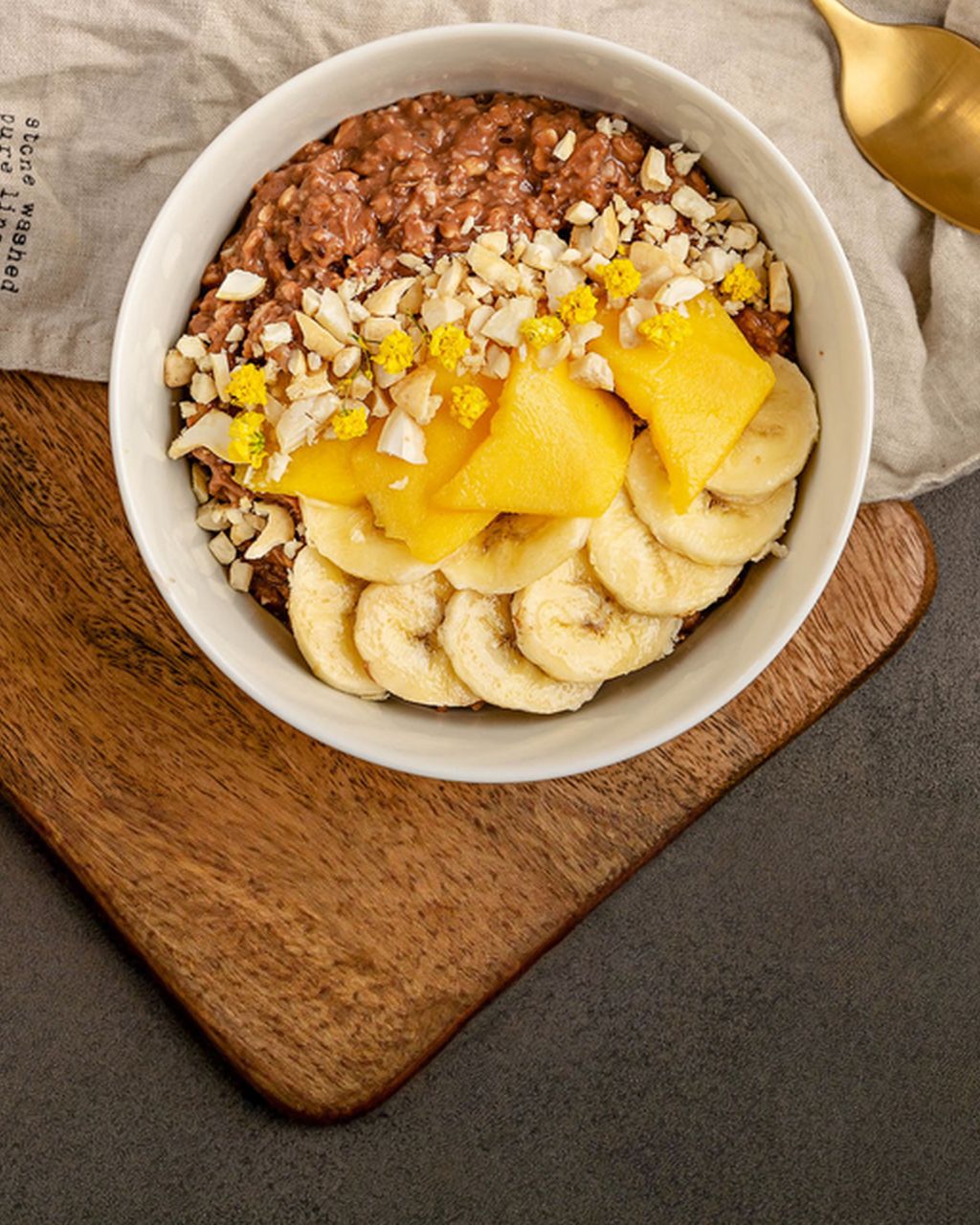
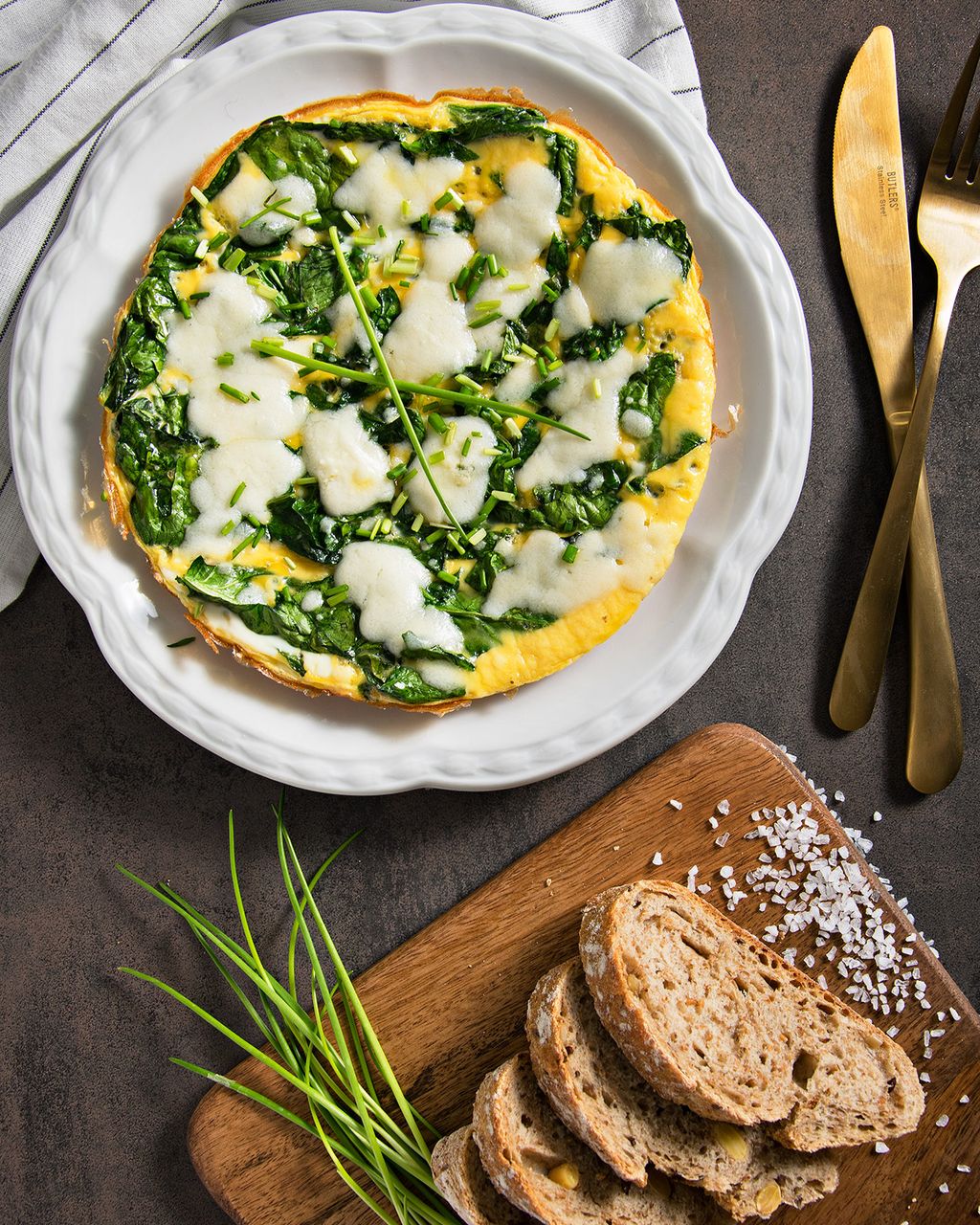
For breakfast in porridge, such as cocoa oatmeal with mango and banana; the oats-to-milk ratio is in the article How to cook oatmeal. Egg dishes like the egg frittata with baby spinach and fresh cheese need just a few spoonfuls.