Beef Gelatin Powder 200 Bloom
Condensed Milk Caramel: How to Cook It Safely and Turn It into a Cake Cream
Updated Oct 17, 2026
For caramel, the condensed milk has to be sweetened. Unsweetened milk won't caramelize, because it has no added sugar and simply darkens and curdles. Sweetened condensed milk (typically 8% fat and about 55 g sugar per 100 g) just needs slow heating, from 25 minutes in a pot to 3 hours in the can, and it turns into a thick, nutty brown caramel known in Latin America as dulce de leche. You can cook it in a pot, in the oven or in an unopened can. The can is the most convenient method, but it's the only one where something can actually explode on you. We'll go through all three, plus a cake cream that holds its shape when sliced.
For caramel you need sweetened condensed milk. In Czechia it's sold mainly as Salko or under the generic name "thickened sweetened milk". Unsweetened condensed milk is simply milk thickened by evaporating the water. If you cook it for a long time it darkens and starts to curdle, but it will never turn into caramel.
Sweetened condensed milk – about 8% fat, around 55 g sugar and 7.5 g protein per 100 g (manufacturer's figures for Tatra Salko). It's thick and stretchy. It suits caramel, creams, no-churn ice cream and no-bake desserts.
Unsweetened condensed milk – full-fat (7.5% fat) or semi-skimmed (around 4%), with no added sugar and a cream-like consistency. It works in coffee, sauces and baking in place of some of the milk or cream.
Why this works: the caramel color and flavor here don't come from burning sugar, as with classic caramel. They come from the Maillard reaction between milk proteins and sugars. It needs both, plus time and heat of around 90–100°C (195–212°F). That's why it turns bitter far less easily than burnt sugar. It mostly just darkens and thickens gradually. But if you stop stirring in a pot, the milk scorches on the bottom, and that can give a bitter taste.
You can sweeten unsweetened milk with sugar yourself, but evaporating it takes another hour and the result will be thinner. If you want a quick caramel from ingredients you have at home, the classic sugar-and-cream route is better. We cover it in the article Salted caramel at home: sauce, cake cream and what to do with it.
Seasonal baking plans, tested recipes and kitchen tricks that save you time. Unsubscribe in one click.
You can make condensed milk caramel in a pot (25–40 minutes, stirring constantly), in the oven (60–90 minutes in a water bath) or in an unopened can (2–3 hours under water). All three give the same caramel. They differ in how long you have to stand over it and how much risk you take on.
Pot – 25–40 minutes over low heat. The fastest, and you always have it under control. But you have to stand at the stove and stir, or the milk sticks to the bottom. Risk: a scorched bottom.
Oven – 60–90 minutes at 200–220°C (390–430°F) in a water bath. You only stir every 20 minutes. Ideal when you're making caramel for a whole cake. Risk: practically none.
Can – 2–3 hours at a gentle simmer. The least washing-up, but you have to watch the water and never open the can hot. Risk: the can bursting if it surfaces above the water.
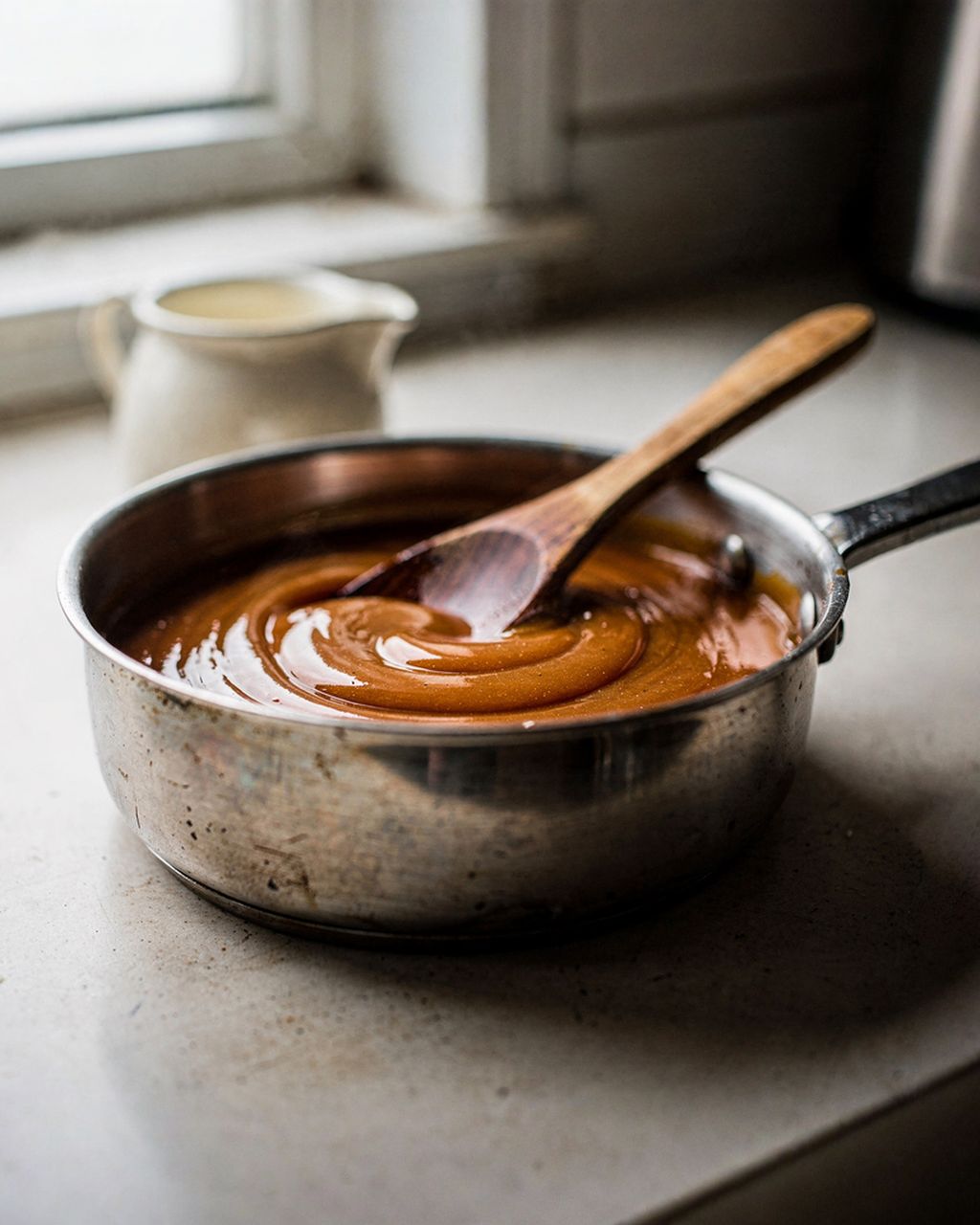
In a pot your caramel is ready in 25–40 minutes over low heat, as long as you stir the whole time. Use a heavy-bottomed pot and a wooden spoon or silicone spatula that reaches into the corners.
Pour the can (397 g) into the pot and add a pinch of salt.
Heat on low until the first small bubbles appear, then turn the heat down to the minimum.
Stir in figure eights, scraping the bottom and sides. The milk first thins out, after 15 minutes it starts to turn yellow, and then brown.
It's done when it's the color of a hazelnut and the spatula leaves a trail along the bottom that closes only slowly.
A gentler, slower option is a water bath: a bowl set over a pot of simmering water, for 1–1.5 hours. You only need to stir every 10 minutes and nothing sticks.
Found dark lumps at the bottom? Strain the caramel or blitz it briefly with an immersion blender. It's just milk that stuck. As long as the caramel doesn't smell burnt, it's fine.
In the oven, caramel forms in 60–90 minutes at 200–220°C (390–430°F) in a water bath, or up to 2 hours for a darker caramel. You only need to stir it every 20 minutes. Even the makers of sweetened condensed milk recommend this method as a safe alternative to boiling it in the can.
Pour the milk into a baking dish or glass dish, season with a pinch of salt and cover with foil.
Set the dish in a larger pan and pour hot water into the pan to about half the height of the dish.
Bake, stirring every 20 minutes. Top up the water as needed.
When you take it out, the caramel will look grainy. Whisk it and it will smooth out.
The foil matters. Without it a skin forms on the surface and the edges harden.
Boiling condensed milk in an unopened can is safe only if the can stays under water the whole time and you open it only when it's completely cool. Even so, manufacturers expressly advise against heating an unopened can. If the can surfaces above the water, it overheats, steam pressure builds up inside and it can burst. It then sprays caramel hotter than 100°C (212°F) that sticks to the skin.
If you decide to go with the can, follow these rules:
The can must be intact, with no dents, bulges or rust. Peel off the paper label.
Lay it on its side in a pot and cover it with water so there are at least 3–5 cm (1–2 in) of water above it.
Keep it at a gentle simmer and keep an eye on the water. Every 30 minutes top up with hot water from a kettle, since cold water would put the can under thermal shock.
2 hours gives a light, spreadable caramel for pancakes. 3 hours gives a dark, thick caramel for cakes and shaping.
Let the can cool in the water, then take it out and open it only after several hours at room temperature, or the next day. A hot can under pressure sprays out its contents as soon as you pierce it.
Never put the can in the microwave or on a dry baking tray in the oven. We're not covering pressure cookers here: if you want to use one, follow only its manufacturer's instructions.
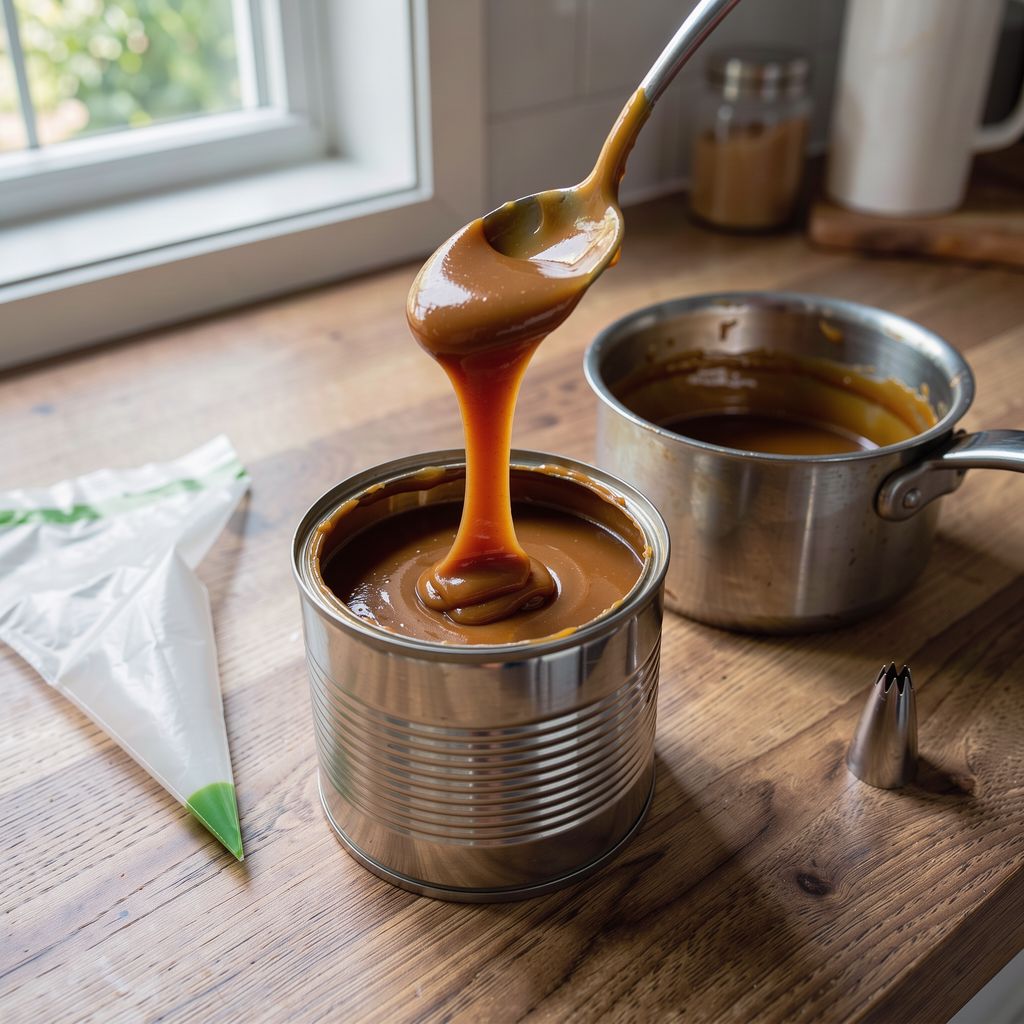
The caramel is done when it's the color of a hazelnut to milk chocolate and sits on a spoon like thick honey. The longer you cook it, the darker and firmer it gets:
Light golden, runny (pot about 25 minutes, can 2 hours) – for pancakes, coffee and ice cream.
Nutty brown, spreadable (pot 35–40 minutes, oven 75 minutes, can 2.5 hours) – the best base for a cake cream.
Dark, almost sliceable (oven around 2 hours, can 3 hours and longer) – for filling between cake layers, as a layer under a cream, or for banoffee pie, where it holds between the biscuit base, bananas and whipped cream.
Cooled caramel thickens further. When you check it hot, leave it a notch thinner than you want it to end up.
Keep it in a closed jar in the fridge and use it within 5–7 days. If you need it for longer, freeze it in a bag, where it keeps for about 3 months.
A firm cake cream from condensed milk caramel is made with mascarpone in roughly a 1:1 ratio, or a little gelatin (about 0.5–0.6 g per 100 g of cream). Caramel on its own is too heavy and sweet for a cake, and if you mix it only with whipped cream, it starts to run after a few hours.
Both creams start from one can (397 g) of cooked caramel, which must be cooled to room temperature. Warm caramel melts the fat in the mascarpone and the whipped cream, and the cream curdles or thins out.
For a mascarpone cream you need 400 g caramel, 400–500 g mascarpone and 200 ml whipping cream (33%). That's enough to fill and coat a 20 cm (8 in) cake.
Whip the cold cream to soft peaks.
Separately, beat the cold mascarpone with the caramel briefly, only until combined. Add a pinch of flaky salt.
Fold in the whipped cream with a spatula in two batches.
Let the cream firm up in the fridge for 30 minutes, then use it.
The mascarpone is what holds this cream together. Overwhipping hurts it most, because it then curdles like butter. So whip briefly and at medium speed. We also show how to work with mascarpone in a cream that has to hold its shape in the article White chocolate mascarpone cake cream: the ratio that holds and isn't too sweet.
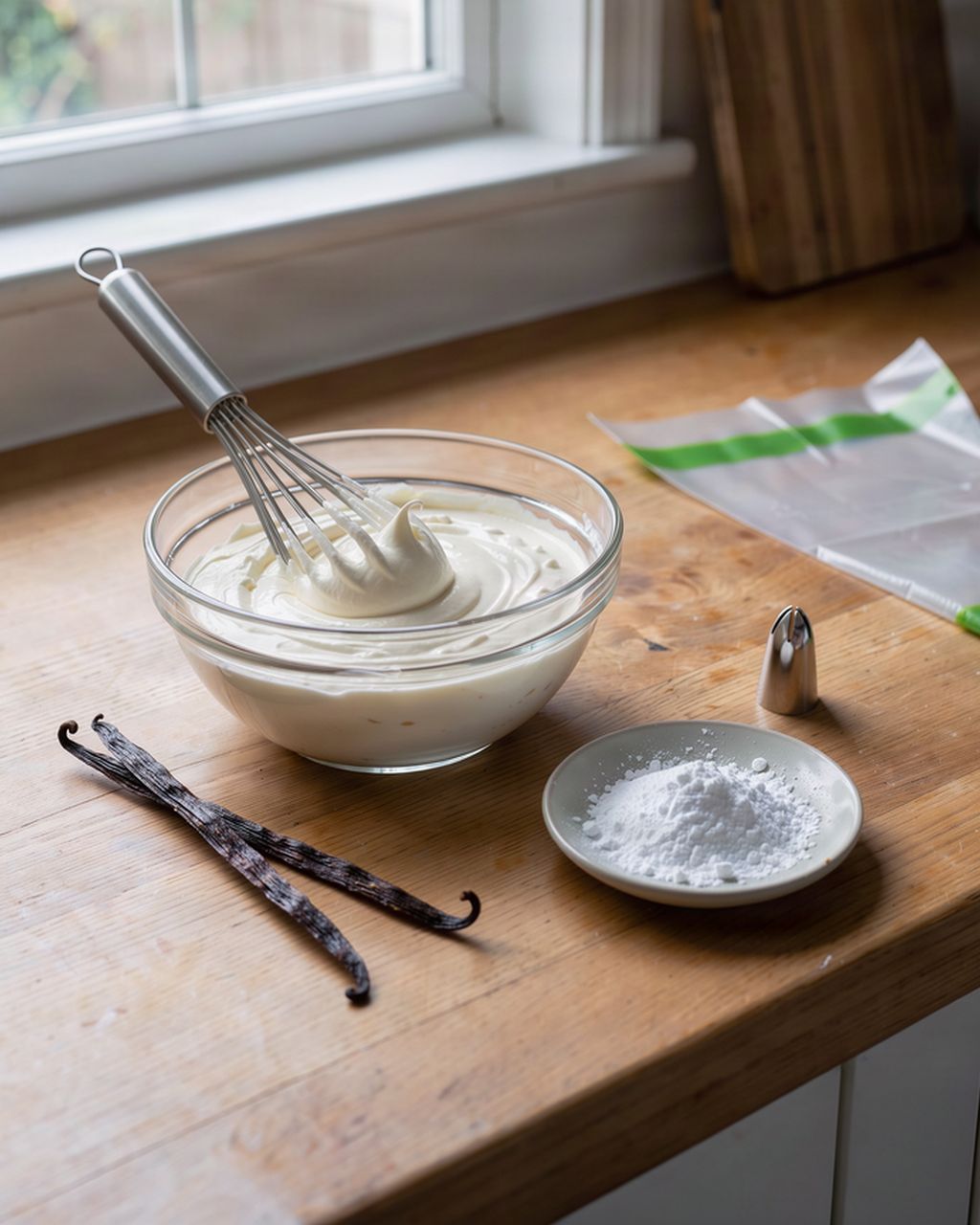
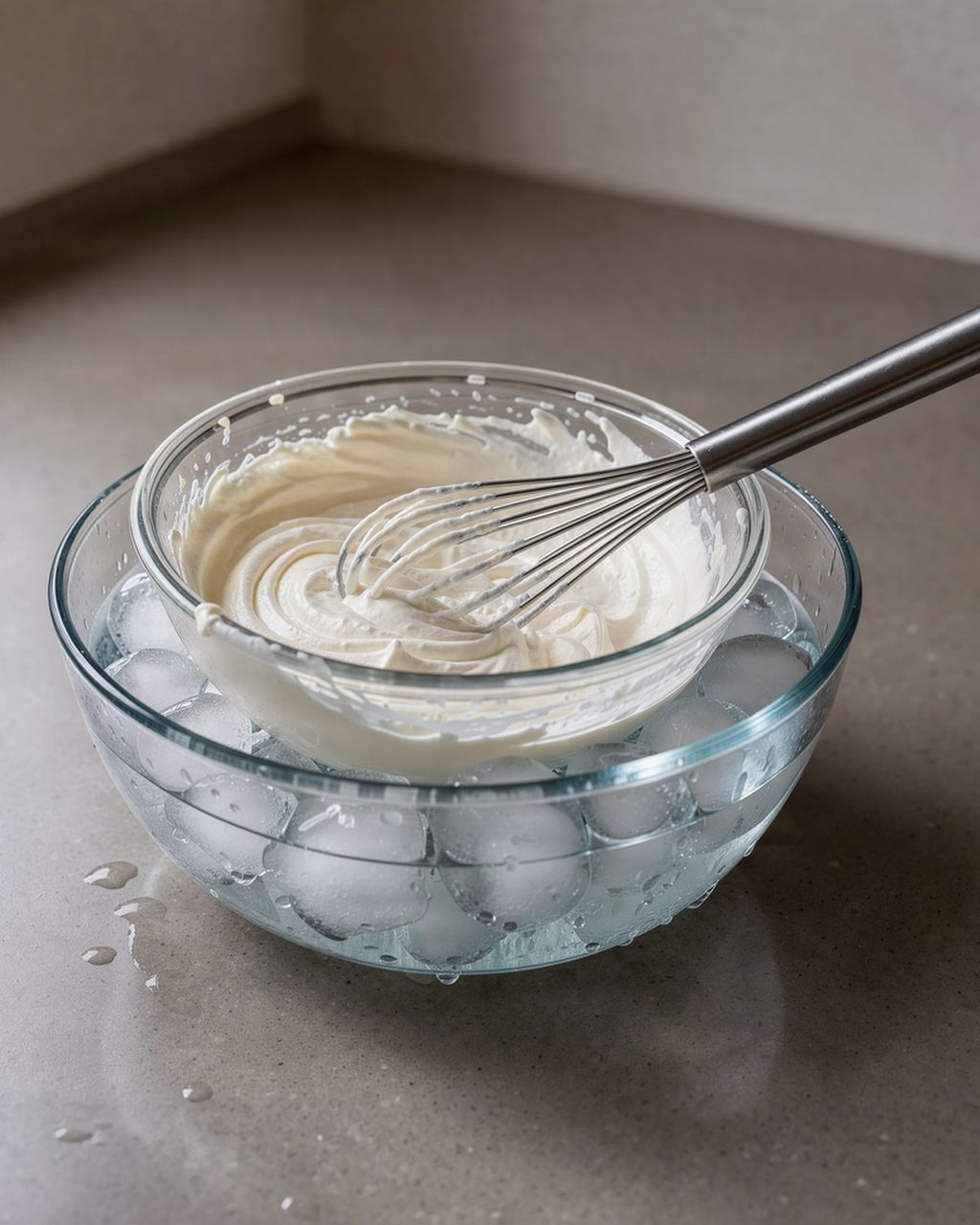
If you want a more airy cream without mascarpone, firm it up with gelatin: 4 g powdered gelatin for 400 g caramel and 300 ml cream (about 700 g of cream). It holds when sliced and still stays fluffy.
Sprinkle 4 g gelatin over 24 ml cold water (a 1:6 ratio) and let it bloom for 10 minutes.
Melt it briefly in the microwave or over steam. It must not boil.
Stir it into 3–4 tablespoons of caramel warmed to hand temperature, then stir that mixture into the rest of the caramel. Poured straight into cold caramel, it would form rubbery strings.
Whip the cream to soft peaks and fold it into the caramel.
Use the cream right away. It sets in the fridge in 2–3 hours.
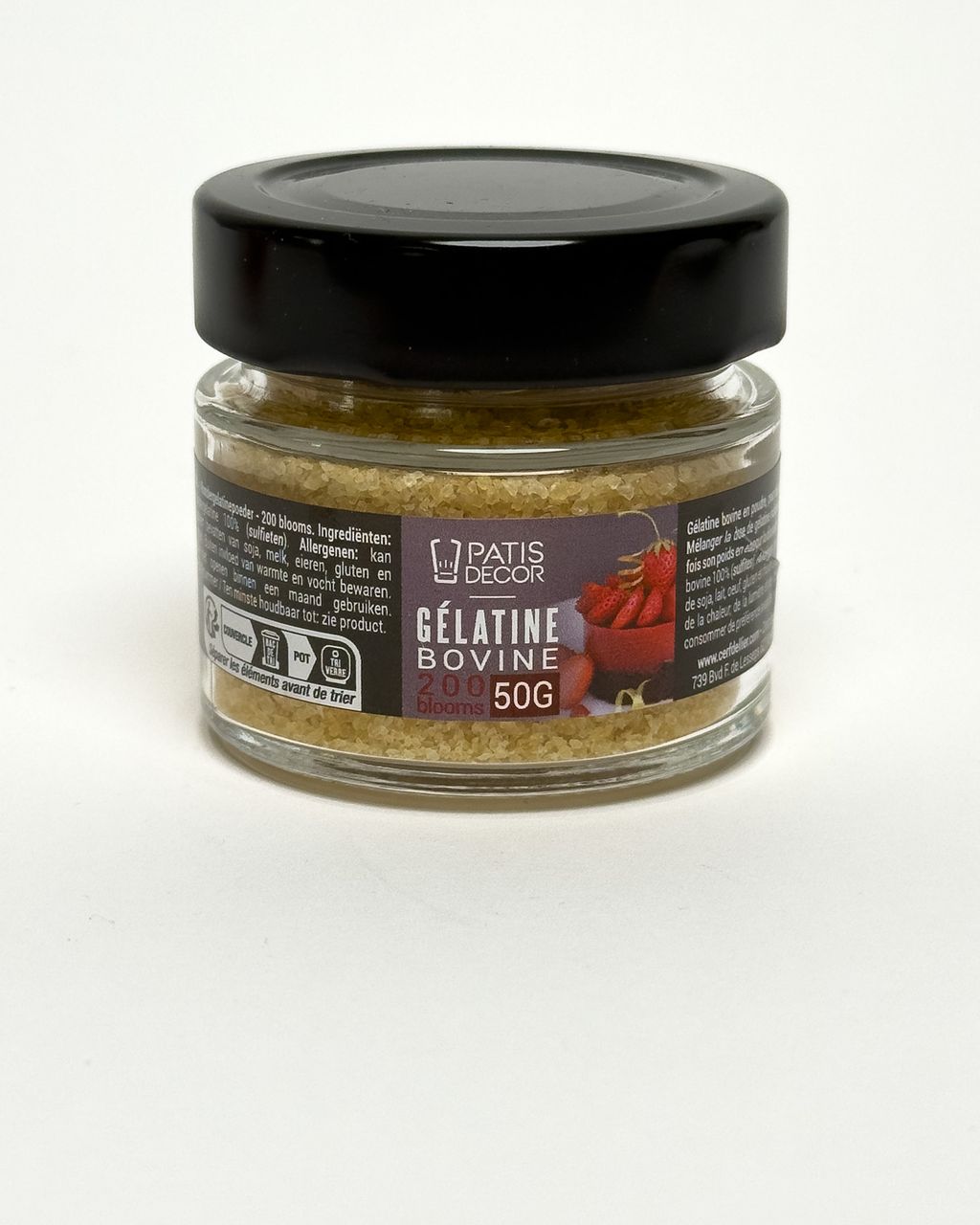
I use powdered beef gelatin, 200 bloom. Bloom indicates the strength of the gelatin, and 200 is the usual medium strength most recipes assume. Sheet gelatin works the same way: 4 g is roughly 2 sheets, but the weight of a sheet varies by manufacturer. How to dose gelatin in a whipped cream and how to work with it is covered in the article Firm whipped cake cream: how to stabilize it with gelatin so it holds. You'll find more thickeners in the gelling agents and binders category.
Which cream should you choose? Mascarpone is creamier and richer, and it stands up to coating a cake. Gelatin cream is airier and lets the caramel flavor come through more. It suits fillings and sliced cakes best. Neither will last an afternoon outdoors in the sun, so if the cake is going to a warm party, carry it in a cooler bag and take it out just before serving.
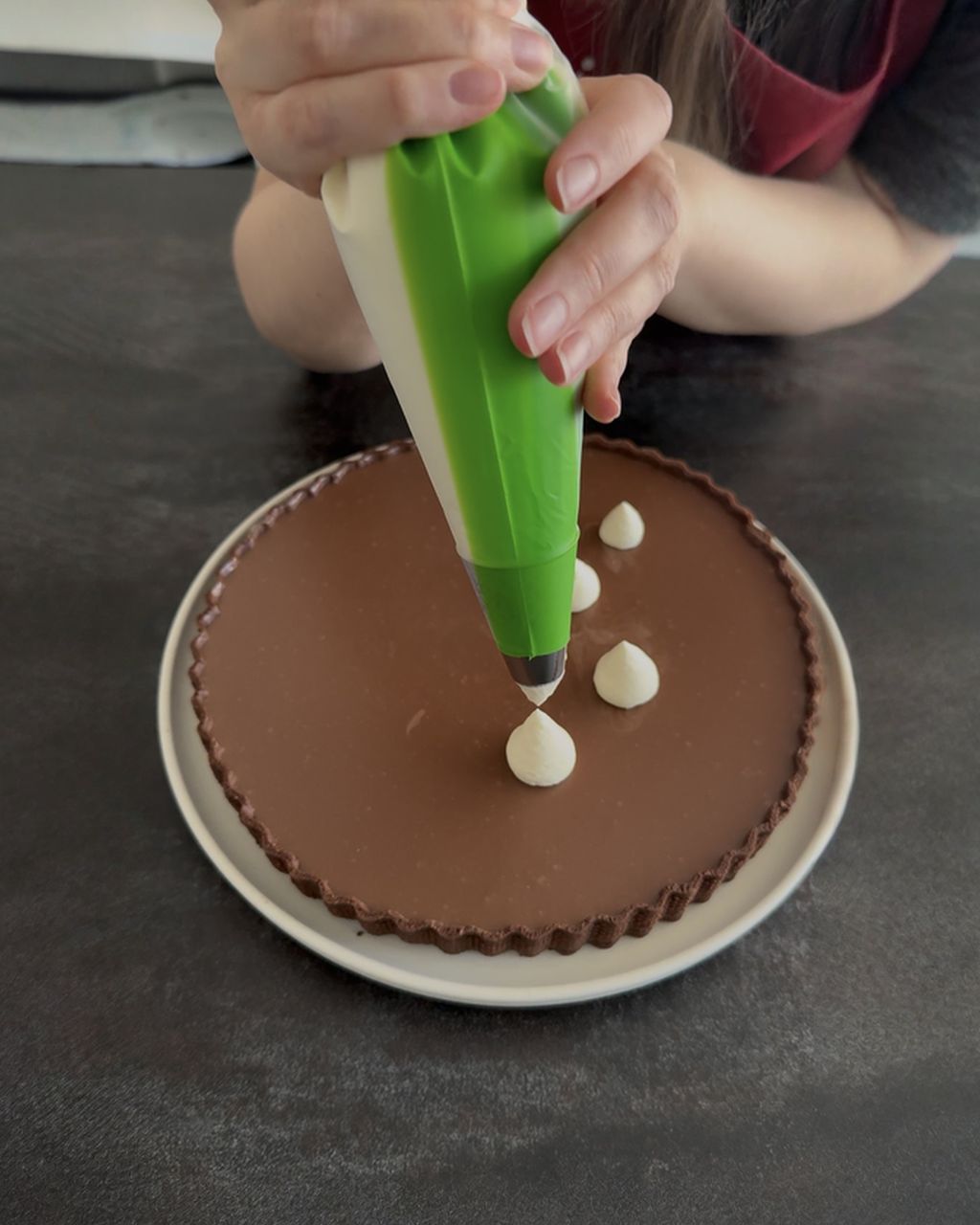
Condensed milk cream pipes best chilled to 8–12°C (46–54°F), from a bag with an open star tip. Mascarpone cream keeps sharp edges. Pipe the gelatin cream right after mixing, before it starts to set.
Piping bag – for a cake, a longer one works well, such as pastry bags 36×20 cm. Fill it only two-thirds full, since more cream warms up in your hand and thins out.
Tip – for caramel rosettes and swirls on cupcakes, an open star JEM #18 is ideal. It makes defined ridges and the cream doesn't spread. A Wilton 1M or any other larger open star you already have at home works just as well.
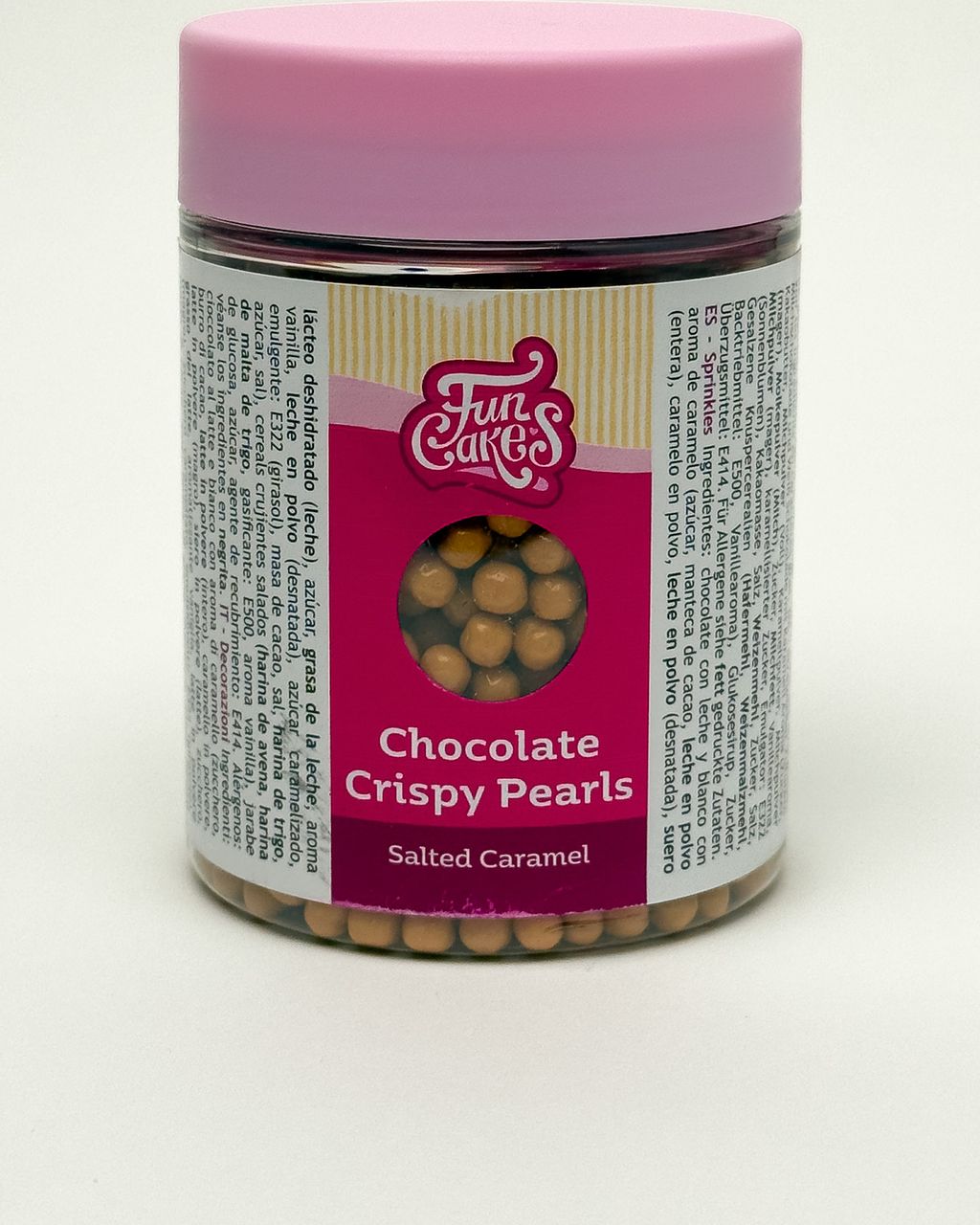
Crunchy topping – caramel cream is smooth and soft, so it benefits from contrast. Try a handful of chopped roasted peanuts or pecans, flaky salt, or crunchy Salted Caramel balls. The balls are coated, so they don't go soft in the cream as quickly as nuts do. Still, sprinkle them on just before serving.
You can pipe the same cream onto chocolate cupcakes with caramel cream too.
Yes, but the result will be different: caramel made from sugar and cream is thinner, more bitter and ready in 15 minutes, while condensed milk caramel is milkier, thicker and sweeter. You can use either in a mascarpone cream. Just chill the sugar caramel first and expect a softer cream.
Most often because the milk was unsweetened, or it was cooked too briefly or at too low a temperature. Sweetened milk needs at least 2 hours in the can or 60 minutes in the oven to turn brown. Extend the time and check the caramel every 15 minutes.
You can thin overly thick condensed milk caramel with warm cream or milk. Warm it in a water bath and stir in the cream a spoonful at a time until it reaches the consistency you need. One can usually takes 2–4 tablespoons. The caramel thickens a little more as it cools, so leave it a notch thinner.
Yes, a slow cooker is one of the calmest ways to do it. Pour the milk into canning jars, screw the lids on only loosely, and add water only up to the jars' shoulders, below the lids, so none gets inside. Cook for 8 hours on LOW and check the water level now and then, although the water evaporates much more slowly than on the stovetop.
Yes, sweetened lactose-free condensed milk caramelizes just the same, and usually a little faster, because the split lactose (glucose and galactose) reacts more readily. Start watching it 10–15 minutes earlier and expect a slightly sweeter taste.
One recipe worth heating the oven for, one tip, and one deal from the shop. Nothing else.