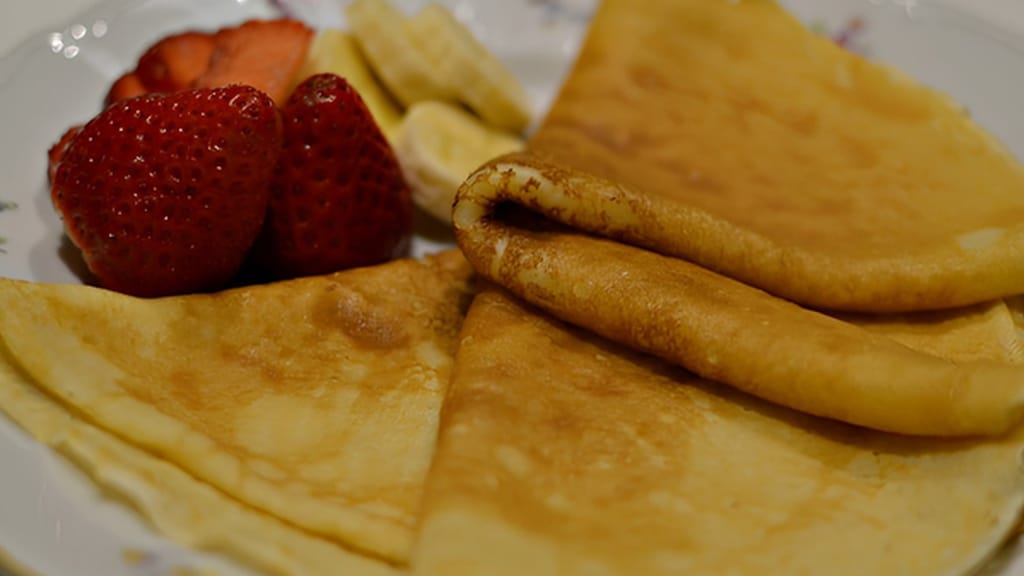
Easy buttermilk pancakes
Buttermilk Substitutes: Lemon Milk, Kefir, Yogurt & a Vegan Option
Updated Sep 25, 2026
The fastest buttermilk substitute is milk soured with lemon juice or vinegar: top up 1 tablespoon (15 ml) of acid with milk to make 250 ml, then let it sit for 10 minutes. Kefir works just as well in a 1:1 ratio, or you can dilute plain yogurt with milk. In batter, it's not really about buttermilk's flavor — it's the acidity that matters, since that's what activates the baking soda and makes pancakes, drop scones or fruit sponge cake light and moist. Here are the exact ratios, how the substitutes differ, and when to use which.
There are eight good ways to replace buttermilk: milk with lemon juice, milk with vinegar, kefir, acidophilus milk, diluted plain yogurt, diluted sour cream, whey or unsweetened soy milk with lemon juice. Measure every substitute by the same volume as the buttermilk called for in the recipe.
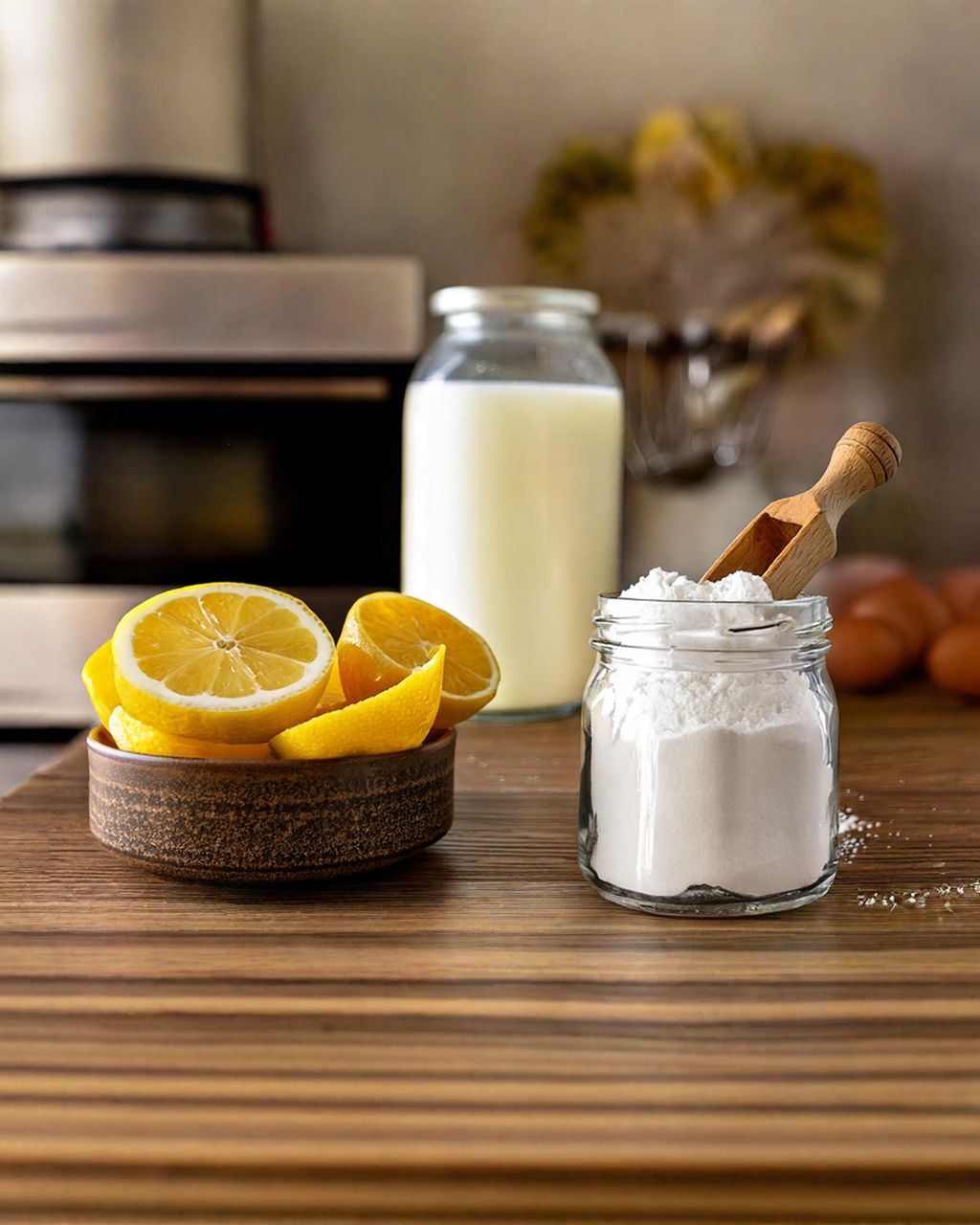
Milk + lemon juice: 1 tablespoon (15 ml) of juice topped up with milk to 250 ml; let sit for 10 minutes.
Milk + vinegar: 1 tablespoon of distilled or apple cider vinegar topped up with milk to 250 ml; let sit for 10 minutes.
Kefir: 1:1, no adjustments needed. Closest match in both flavor and texture.
Acidophilus milk: 1:1, thinner and milder.
Plain yogurt: 3 parts yogurt + 1 part milk or water (e.g. 190 g yogurt + 60 ml milk).
Sour cream: 1 part cream + 1 part milk. Richer, and the batter will turn out more indulgent.
Whey from curd cheese: 1:1, tangy and thin.
Unsweetened soy milk + lemon juice: 250 ml + 1 tablespoon (15 ml) juice or apple cider vinegar; let sit for 5 minutes. The vegan option.
Not sure what to grab? For baking, milk with lemon does the job; for cold sauces, dressings or drinking, go for kefir.
Seasonal baking plans, tested recipes and kitchen tricks that save you time. Unsubscribe in one click.
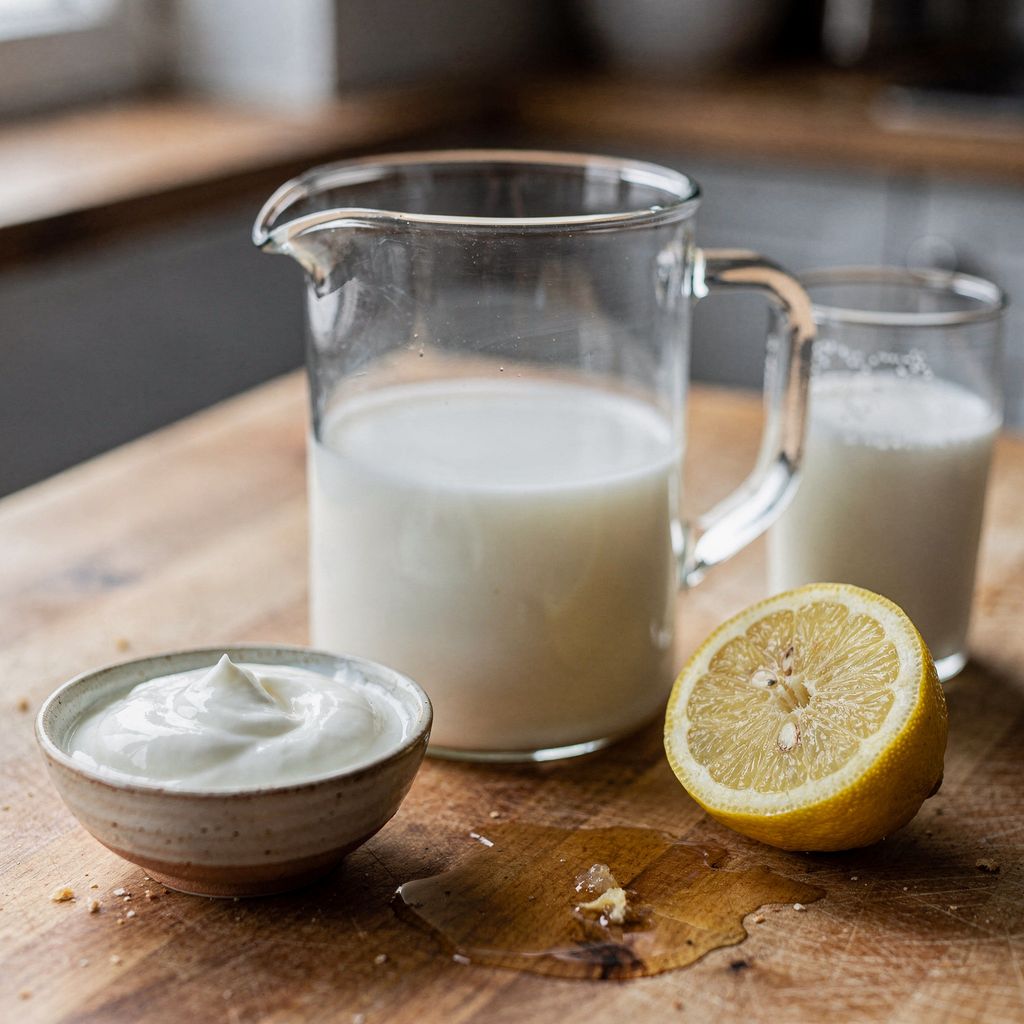
You can make a homemade buttermilk substitute in 10 minutes: pour 1 tablespoon of lemon juice or vinegar into a measuring jug, top up with milk to 250 ml, stir and let it sit at room temperature.
Put 1 tablespoon (15 ml) of lemon juice or vinegar into a measuring jug.
Top up with milk to 250 ml — that way you get an exact volume, even if the recipe calls for a cup.
Stir briefly and let it sit for 5–10 minutes. Cold milk straight from the fridge needs closer to 10 minutes; milk at room temperature is ready in about 5.
It's ready when the milk thickens slightly and you see fine flecks along the sides. If it doesn't curdle visibly, don't worry — it's acidic either way.
Why this works: the acid lowers the milk's pH from around 6.7 to a level where the milk protein casein starts to curdle into loose flecks. That's all you need for baking.
Full-fat milk curdles more and gives a thicker substitute; semi-skimmed works too, just thinner.
If you want a tangier substitute closer to store-bought buttermilk, add up to 2 tablespoons of lemon juice or apple cider vinegar per 250 ml. In the finished batter, though, the difference between 1 and 2 tablespoons is small.
Standard distilled vinegar in the UK is typically around 5–8% acidity, so it's sharper than apple cider vinegar (around 5%). With a stronger vinegar, stick to 1 tablespoon, or the batter will taste of it.
Lemon has a milder flavor and suits sweet baking better; vinegar is more neutral in taste, so it's the better choice for savory bakes.
Kefir replaces buttermilk 1:1 and is the closest match of all the substitutes. Yogurt and sour cream need diluting, or the batter will be too thick.
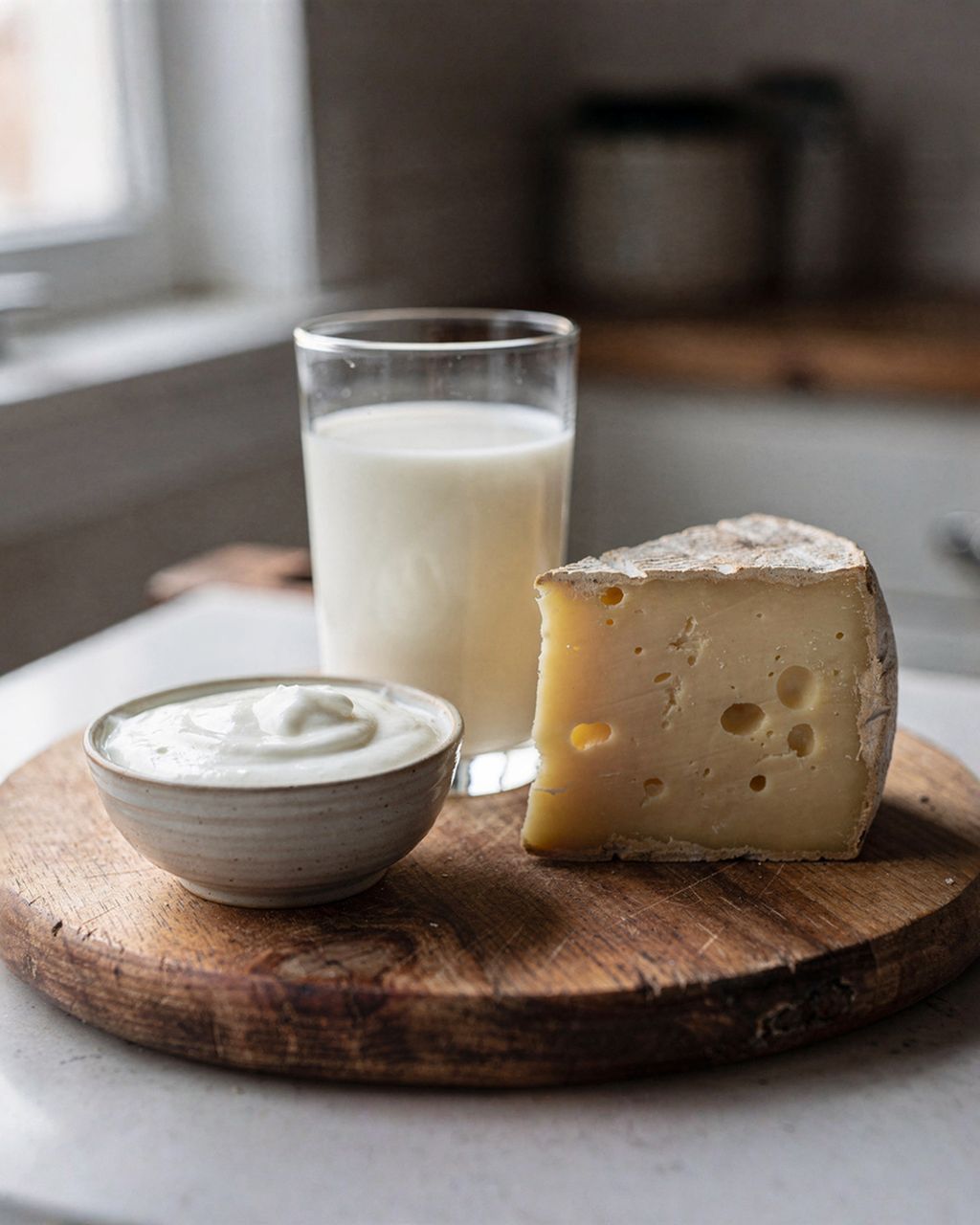
Kefir — tangy, and almost the same consistency. Pour it in as a straight swap for buttermilk. It works in baking, and also anywhere buttermilk is drunk or eaten cold.
Acidophilus milk — thinner and milder, also 1:1. A good choice for pancakes.
Plain yogurt — 3 parts yogurt + 1 part milk or water, stirred until smooth. Greek-style yogurt is thicker, so dilute it 1:1 with milk or water.
Sour cream — 1:1 with milk. It's higher in fat, so pancakes will be richer and softer; you can happily cut a tablespoon of butter or oil from the recipe.
Whey from curd cheese-making — tangy and thin, 1:1. Great in bread and pancakes, though it won't add as much richness.
All of these dairy products are naturally acidic, so they react with baking soda just like buttermilk does — you don't need to change anything else in the recipe.
Buttermilk's main job in a recipe is its acidity: it reacts with baking soda, releasing carbon dioxide that leavens the batter. That's why you can't simply swap in plain milk without adjusting it.
Rough ratio: roughly ¼ teaspoon of baking soda per 125 ml of buttermilk, so ½ teaspoon per 250 ml. Recipes calling for buttermilk are built around this.
If you replace buttermilk with plain sweet milk that has no acidity, the soda has nothing to react with. The batter won't rise properly, will turn out dense, and may have a slightly bitter, soapy taste from unreacted soda.
Quick fix without any acid: use baking powder instead of soda, since it already contains its own acid. Use roughly three times as much — so about 1½ teaspoons of baking powder instead of ½ teaspoon of soda. The result will still be light and fluffy, just without that faint tangy flavor.
If a recipe only calls for baking powder and no soda at all, you can simply use plain milk — there, buttermilk is mainly contributing flavor and moistness.
Don't let the batter sit around. Baking soda starts reacting with the acid as soon as they're mixed. Bake batter made with buttermilk or its substitute as soon as possible, or the bubbles will escape and your pancakes will turn out flat.
For a lactose-free option, use lactose-free milk or lactose-free kefir in the same ratio as the regular version; for a vegan buttermilk substitute, use unsweetened soy milk: 250 ml + 1 tablespoon of lemon juice or apple cider vinegar, left to sit for 5 minutes. Of the common plant milks, soy milk has the highest protein content (around 3 g protein per 100 ml), which is why it curdles almost like cow's milk.
Lactose-free milk — behaves exactly like regular milk, and the lemon or vinegar ratios stay the same. The same goes for lactose-free kefir, used 1:1.
Soy milk — curdles best of all, thickening in 3–5 minutes. The top pick for vegan baking.
Almond milk — curdles more weakly, but still brings the acidity baking needs.
Oat and rice milk — barely curdle and stay thin. They still add the acidity soda needs, but the batter will be wetter, so cut back 1–2 tablespoons of liquid.
Only use unsweetened plant milk — sweetened or vanilla versions curdle less well and add sugar the recipe isn't accounting for.
Soured milk works reliably in anything baked or fried; for recipes where buttermilk is drunk or eaten straight, use kefir instead.
Pancakes and drop scones — the ideal use case; milk with lemon is all you need. Try these easy buttermilk pancakes.
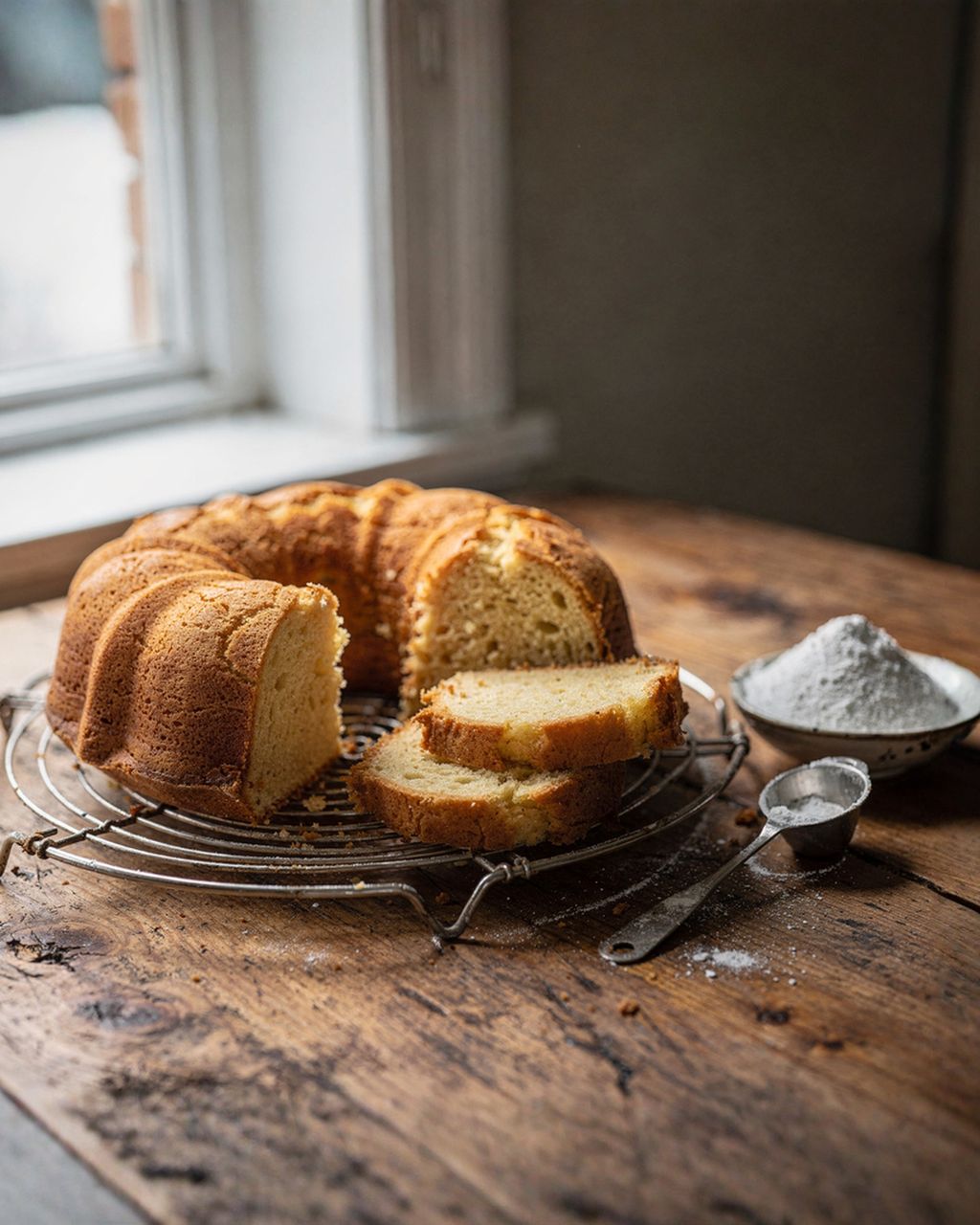
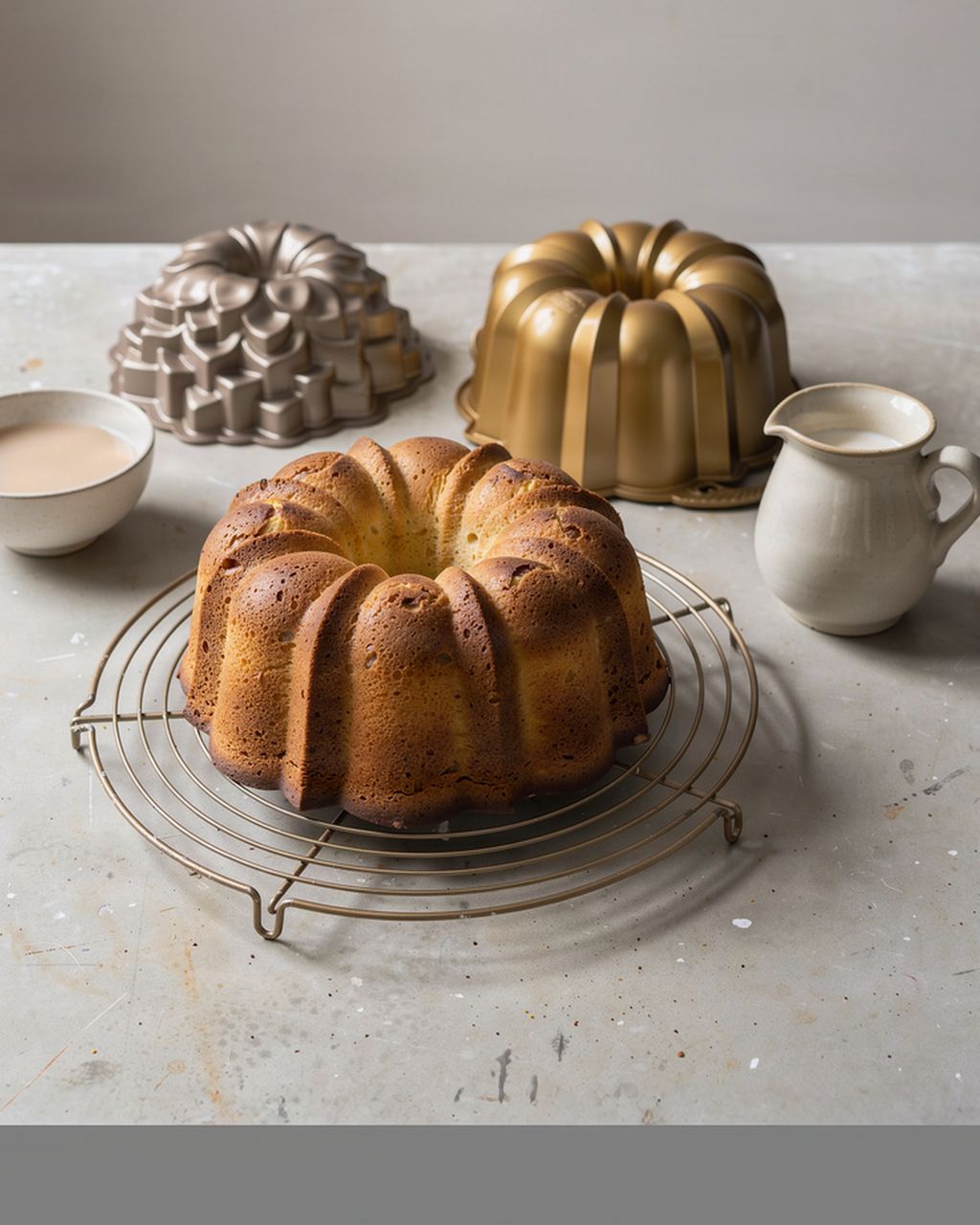
Fruit sponge cake — any substitute works, giving a moist, gently light batter. Try this buttermilk breakfast sponge cake with soft fruit.
Soda bread and quick flatbreads — use milk with vinegar or kefir. Bread needs plenty of acid to activate the soda, so with lemon juice or apple cider vinegar don't be afraid to go up to the top end of 2 tablespoons per 250 ml; with strong distilled vinegar, stick to 1 tablespoon.
Chicken marinade — kefir or diluted yogurt actually work better here than soured milk: they cling to the meat and the acid tenderizes it. Marinate for 4–12 hours in the fridge.
Cold soups, dressings, drinking — soured milk isn't good enough here: it's thin, flecked and tastes of lemon. Reach for kefir or acidophilus milk instead.
Easy buttermilk pancakes
Easy buttermilk pancakes — they work fine with lemon-soured milk too
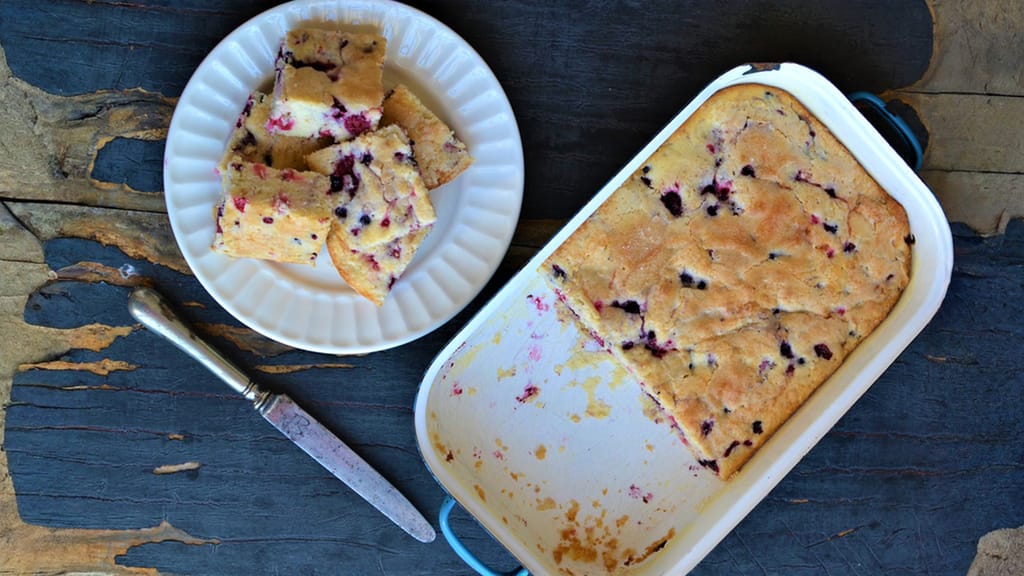
Buttermilk breakfast bublanina with mixed berries
Buttermilk breakfast sponge cake with soft fruit — also works with lemon-soured milk instead of buttermilk
Use your homemade buttermilk substitute right away — in a sealed container in the fridge it keeps for 1–2 days at most. The milk will keep curdling and separating, so give it a stir and a sniff before using: it should smell clean and tangy, never stale.
Yes, buttermilk freezes well for about 3 months, but once thawed it's really only good for baking. Thaw it slowly in the fridge and shake it well, since the whey will separate out. It's handy to freeze it in 125 ml or 250 ml portions — small bags or an ice cube tray work well.
Buttermilk is the liquid left over from churning butter, soured by lactic acid bacteria, while kefir is fermented with a kefir culture containing both bacteria and yeasts, which makes it thicker, tangier, and sometimes slightly fizzy. For baking, you can swap them 1:1.
Skip balsamic vinegar for a buttermilk substitute — it will turn the milk brownish and its sweet-tart flavor will come through in the batter. Stick to lemon juice, distilled or apple cider vinegar instead.
No. Buttermilk is a (soured) liquid left from butter-making, while whey is the thin, yellowish liquid left after curdling curd cheese or other soft cheese. Only whey from curd cheese is acidic enough to swap 1:1 for buttermilk in baking, but it's thinner and has less protein and fat, so your batter will turn out a little less moist.
One recipe worth heating the oven for, one tip, and one deal from the shop. Nothing else.