- Season
- Year-round
- Price
- Low
Calories and nutrition
per 100 g
61 kcal
Calories
3.2 g
Protein
4.8 g
Carbs
3.3 g
Fat
Fresh Whole Milk (3.5% Fat)
Fresh whole milk is pasteurised cow's milk with at least 3.5% fat, sold chilled and keeping for only a few days. What sets it apart from long-life milk is the gentler heating: under Czech rules, only milk heated to no more than 125 °C may be labelled "fresh".
per 100 g
61 kcal
Calories
3.2 g
Protein
4.8 g
Carbs
3.3 g
Fat
Do not leave it on the counter. Take it out only to pour and put it straight back; even shops must keep it at 2–8 °C.
Keep it at 2–8 °C on a shelf, not in the door, which often runs at 5–10 °C. Unopened, it keeps until the use-by date; do not drink it after that. Once opened, close it well and use it as soon as you can, following the pack: makers print "use immediately" or "use within 24 hours". Throw out milk that smells sour or has thickened.
You can freeze it in a container with room at the top; it keeps its best quality for about 3 months. Freeze it while fresh, not on the use-by day. Thaw in the fridge, use within 24 hours and shake before use. It is best for cooking and baking.
Look for the word "fresh", 3.5% fat and the heat treatment on the pack, such as "pasteurised" or "high-pasteurised". The only ingredient should be milk. The carton should be cold, not bulging and undamaged, with the use-by date as far off as possible. Milk bought at a farm or from a milk vending machine is raw, not pasteurised, and has to be heat-treated before use.
Full-fat UHT milk 3.5%. It behaves the same in recipes and only tastes a little less fresh.
Semi-skimmed milk, though custards and porridge will be thinner. Or whole milk powder mixed with water as the pack directs.
Shake the carton before pouring; in non-homogenised farmhouse milk the cream rises to the top. Pasteurised milk does not need boiling. For yeast dough warm it only to lukewarm, about body temperature; hot milk would kill the yeast.
Use milk close to its date in porridge, béchamel, pudding, pancakes or dough. If you know you will not get through it, freeze it in portions, for example in an ice-cube tray for coffee or sauces.
Roughly what everyday kitchen measures weigh.
1.03 g
1 milliliter
5.16 g
1 teaspoon
15.5 g
1 tablespoon
258 g
1 cup (250 ml)
1,010 g
1 liter
In yeast doughs for dumplings, buns and vánočka, in porridge, puddings and custards, in béchamel and mashed potatoes, in pancakes and fritters, in coffee and tea. Milk on its own curdles in a hot, acidic sauce, so it needs starch there.
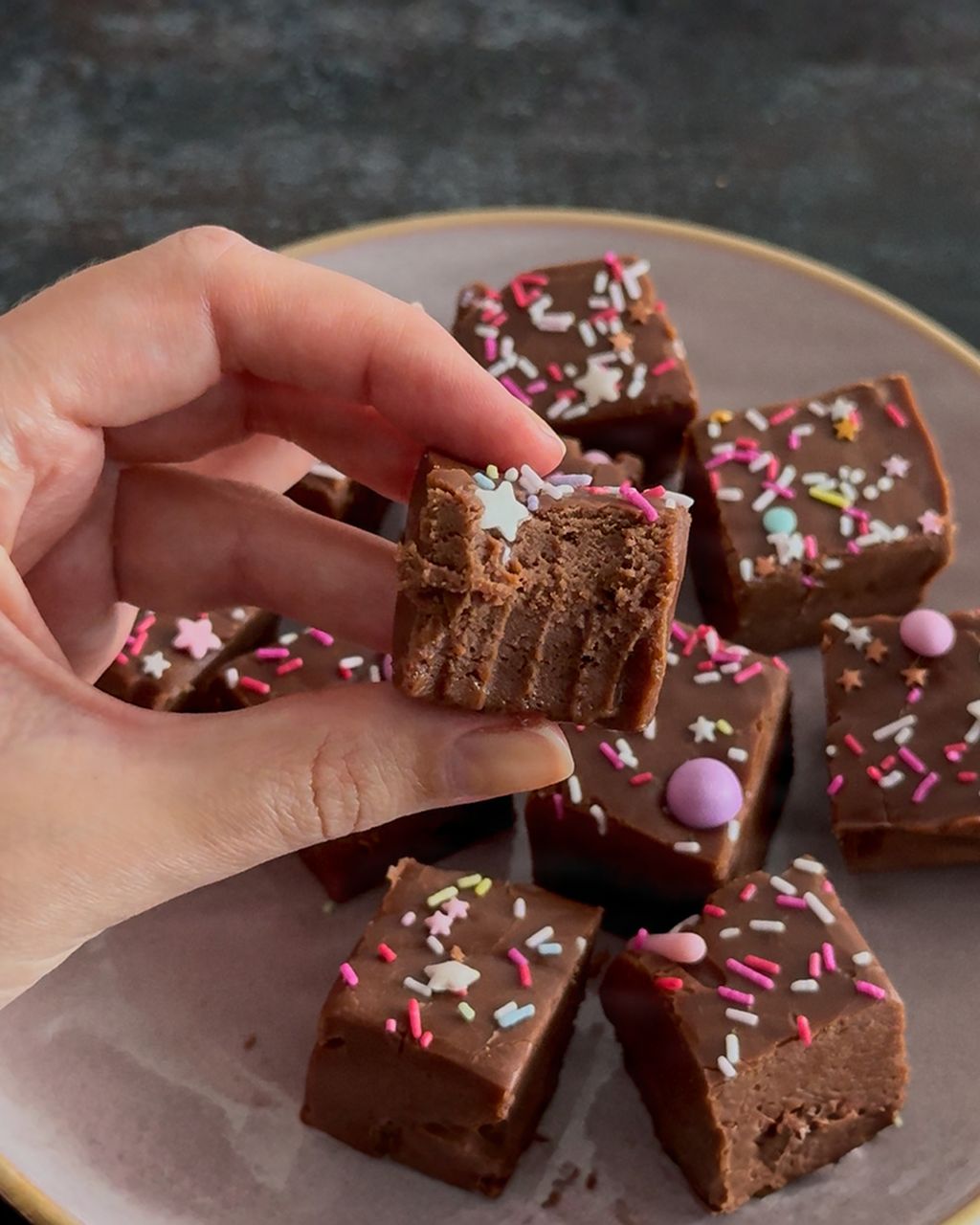
Dark chocolate fudge

Swiss grittibänz st. nicholas bread men with soft tangzhong dough
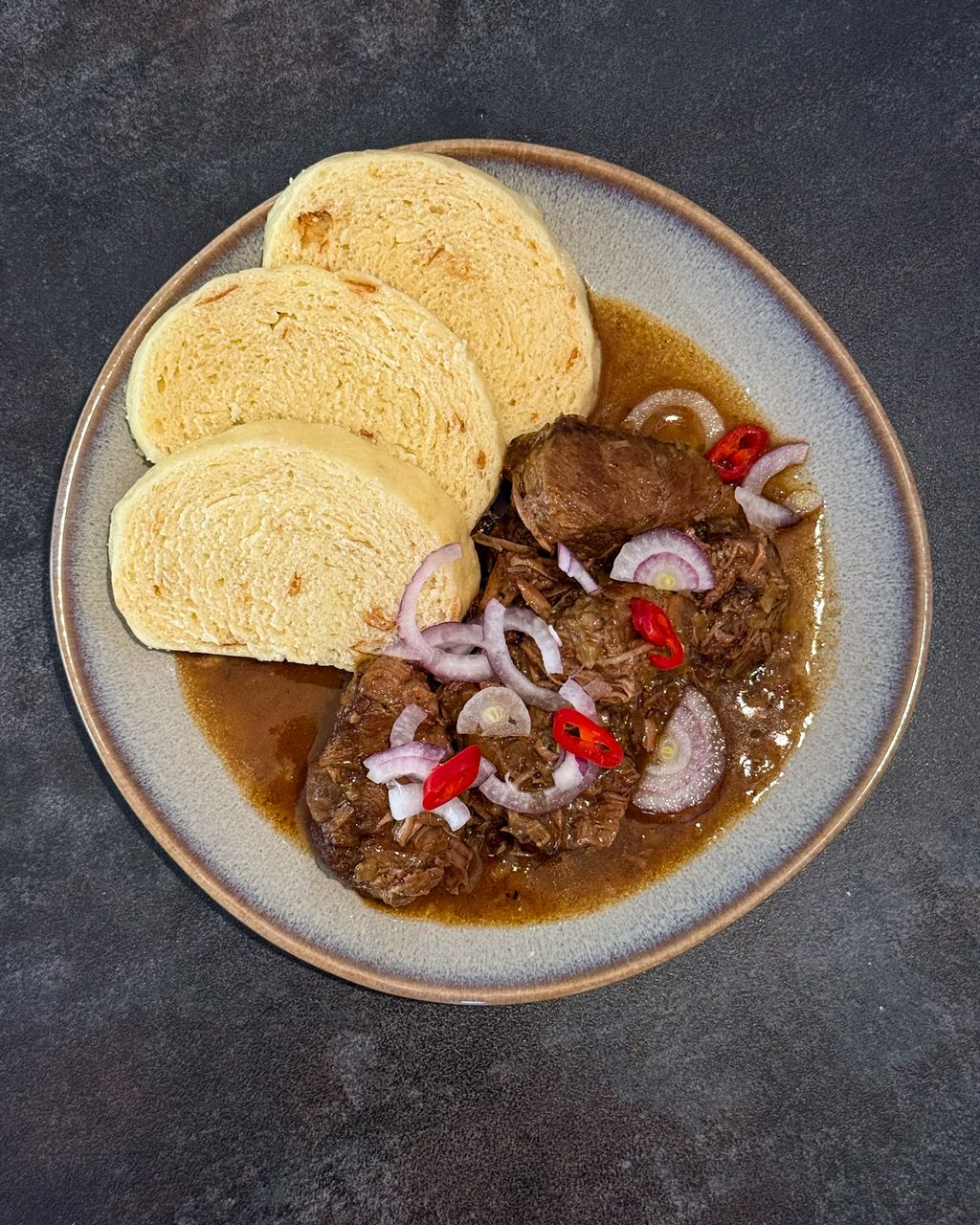
Classic czech beef goulash with chilli and bread dumplings
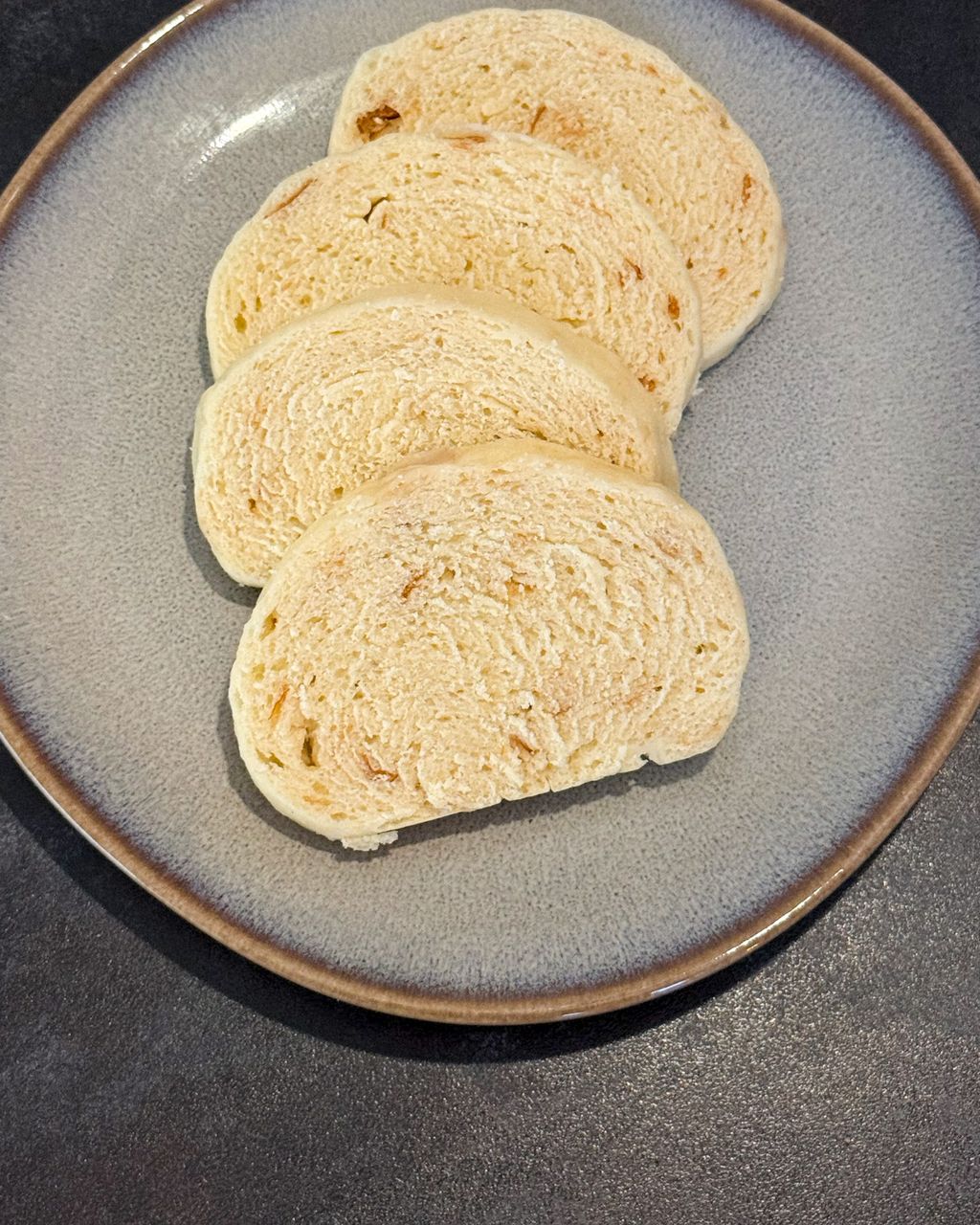
Steamed czech bread dumplings (houskové knedlíky)
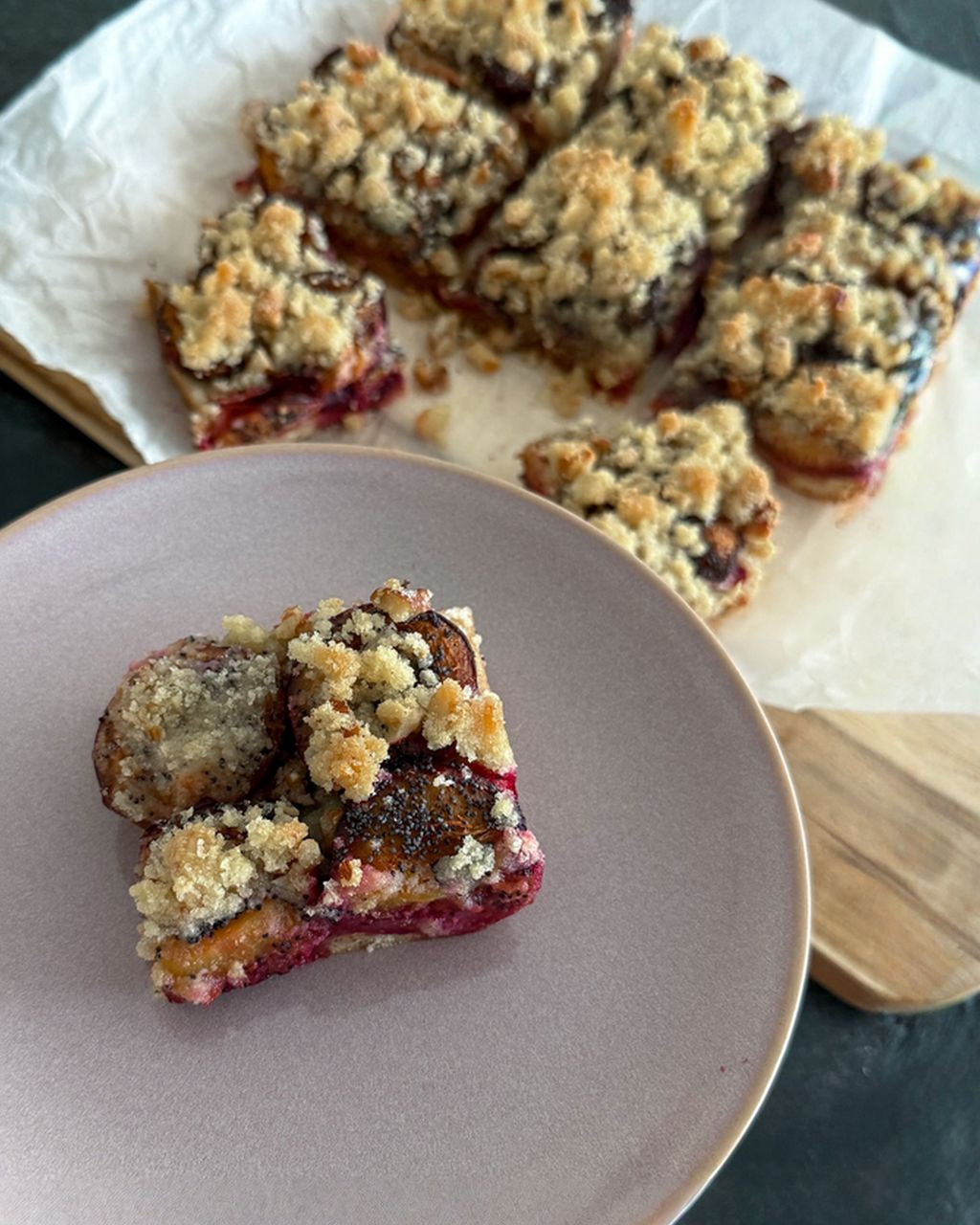
Classic yeasted plum sheet cake with crumble topping
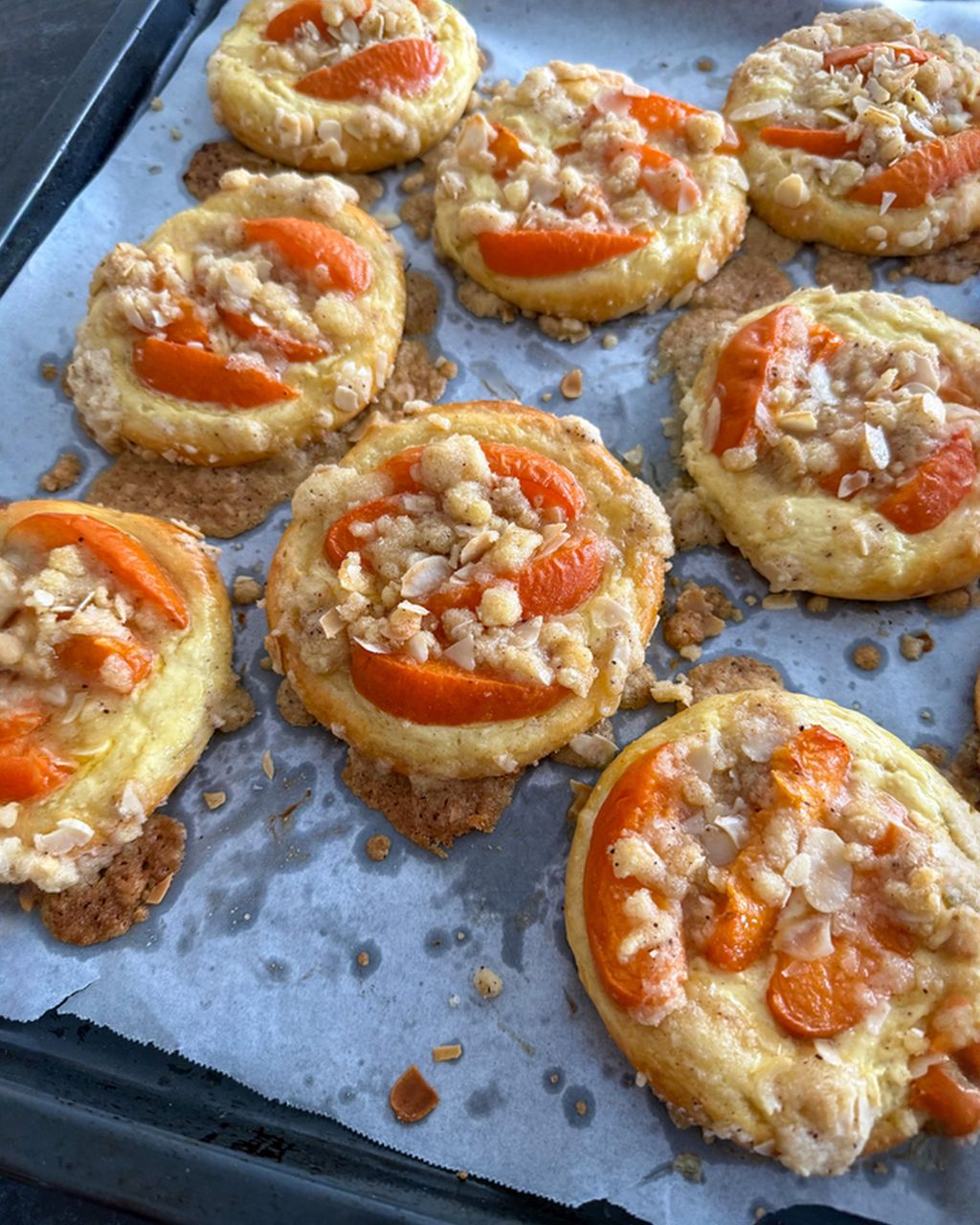
Apricot kolaches with curd cheese filling and almond crumble
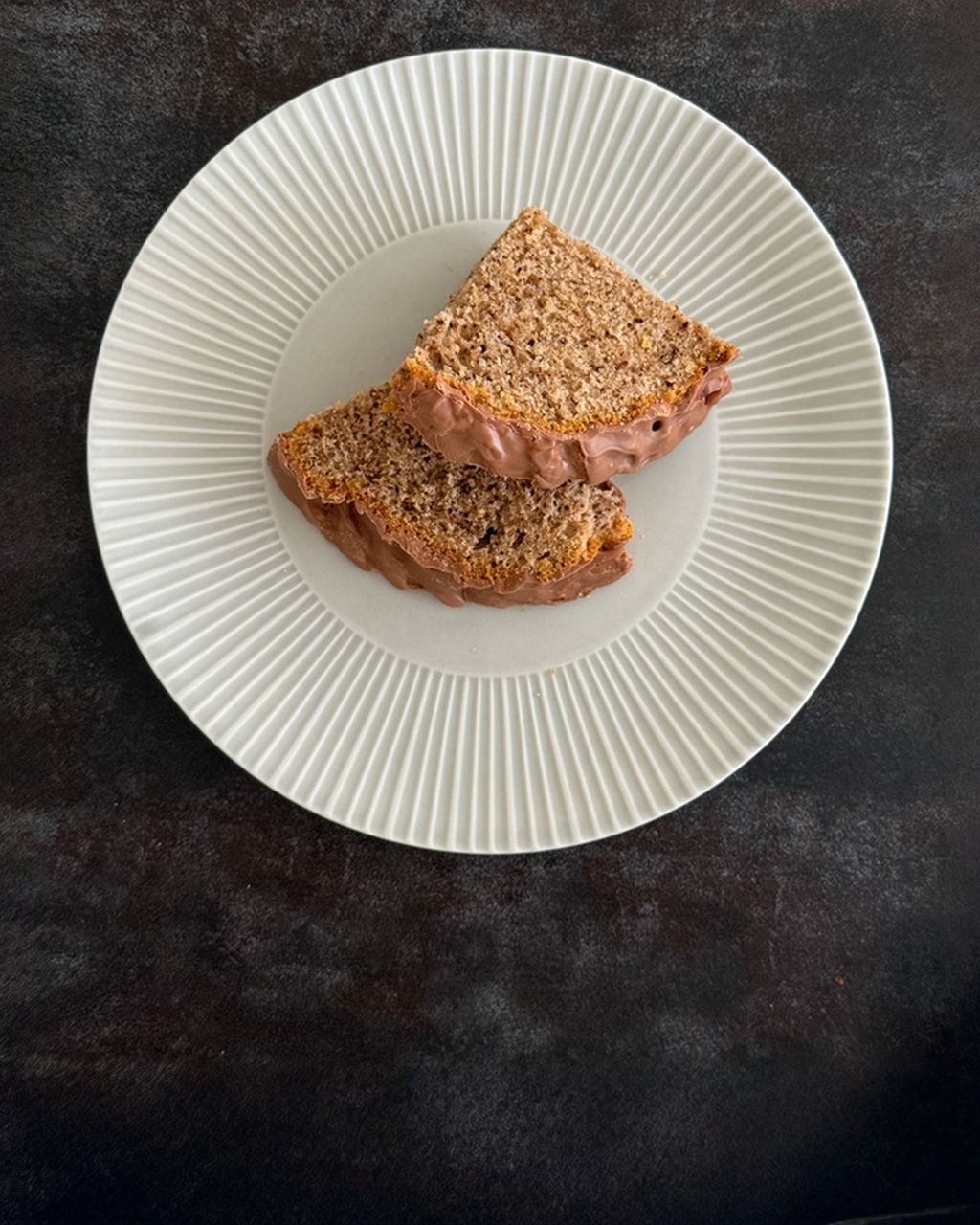
Traditional walnut easter lamb cake with chocolate glaze

Easter judas buns with honey and lemon zest
Under EU Regulation 1308/2013, whole milk is heat-treated milk with a fat content of at least 3.50%. Non-standardised whole milk keeps the fat it had at milking, but it may not have less than 3.50% either. The Czech decree 397/2016 Coll. allows the word "fresh" (čerstvé) only on milk that has not been heated above 125 °C, and the heat treatment must be stated on the pack. The usual treatment is pasteurisation, which EU Regulation 853/2004 sets at no less than 72 °C for 15 seconds. Fresh milk is sold from the chiller in cartons, bottles and glass. Next to the standard 3.5% you will also find farmhouse milks with a natural fat content of about 3.8–4%.
Full, creamy and only lightly sweet. Lactose is far less sweet than sugar, so milk tastes creamy rather than sweet, and the fat gives it more body than semi-skimmed milk.
3 min read
Fresh milk has been heated to no more than 125 °C. Most of it is pasteurised: EU Regulation 853/2004 requires either at least 72 °C for 15 seconds or at least 63 °C for 30 minutes, or another combination with the same effect. That is why it must be sold and stored cold at 2–8 °C and keeps only for days.
UHT milk has been heated to at least 135 °C and packed aseptically, so unopened it keeps outside the fridge. Our page on full-fat UHT milk covers it in detail.
Under EU Regulation 1308/2013, raw milk has not been heated above 40 °C. In the Czech Republic a farmer may sell it, with the vets' consent, only directly at the farm or from a milk vending machine, with the notice "Raw milk, heat-treat or pasteurise before use" (decree 289/2007 Coll.). The European Food Safety Authority (EFSA) says raw milk can carry mainly Campylobacter, Salmonella and Shiga toxin-producing E. coli, and that boiling it before drinking is the best way to kill most of these bacteria.
EU rules sort drinking milk by fat: whole milk has at least 3.50%, semi-skimmed 1.50–1.80% and skimmed no more than 0.50%. A member state may add a whole-milk category of 4.00% and above. Milk with any other fat content may not use these names and must state its fat to one decimal place, for example "3.8% fat".
Farmhouse or non-standardised milk keeps the fat it had at milking, in shops for example 3.8 or 4%. In cooking it behaves like 3.5% milk, just a little richer.
Labels give fresh whole milk 3.5% about 62–63 kcal, 3.5 g fat, 3.3 g protein and 4.4–4.7 g carbohydrate per 100 g. A 250 ml mug has about 160 kcal. The carbohydrate is lactose; how much of it milk and other dairy contain is covered in Lactose: what it is and how much is in milk, cheese and yogurt.
Milk and milk products are among the allergens that must be emphasised on food labels in the EU.
Fresh milk carries a use-by date. It is a safety limit, not a quality guide, so do not drink the milk after it even if it smells fine.
In the fridge at 2–8 °C until the date on the pack. Throw out a carton that bulges or leaks.
Use it as soon as you can, as the maker says: packs read "use immediately" or "use within 24 hours". Always close the carton well and put it back in the fridge. Throw out milk that smells sour, has thickened or flakes in coffee.
Milk freezes well and keeps its best quality for about 3 months. After thawing it may separate a little; a shake fixes it. The method is in Can you freeze milk, cream and yogurt?.
Pasteurised milk is fine in pregnancy. The UK's NHS advises pregnant women to drink only pasteurised or UHT milk and to avoid unpasteurised milk and products made from it, because they may contain listeria.
For small children the NHS gives cows' milk as a main drink only from 1 year, pasteurised whole milk. As an ingredient in food, for example in porridge or custard, whole milk can be used from around 6 months.
Lukewarm milk is the base of yeast dough, for example for steamed Czech bread dumplings. Warmed and infused with spices, it is thickened with yolks and starch in crema catalana with orange zest and cinnamon.
At breakfast it goes into porridge; the oats-to-milk ratio is in how to cook oatmeal.