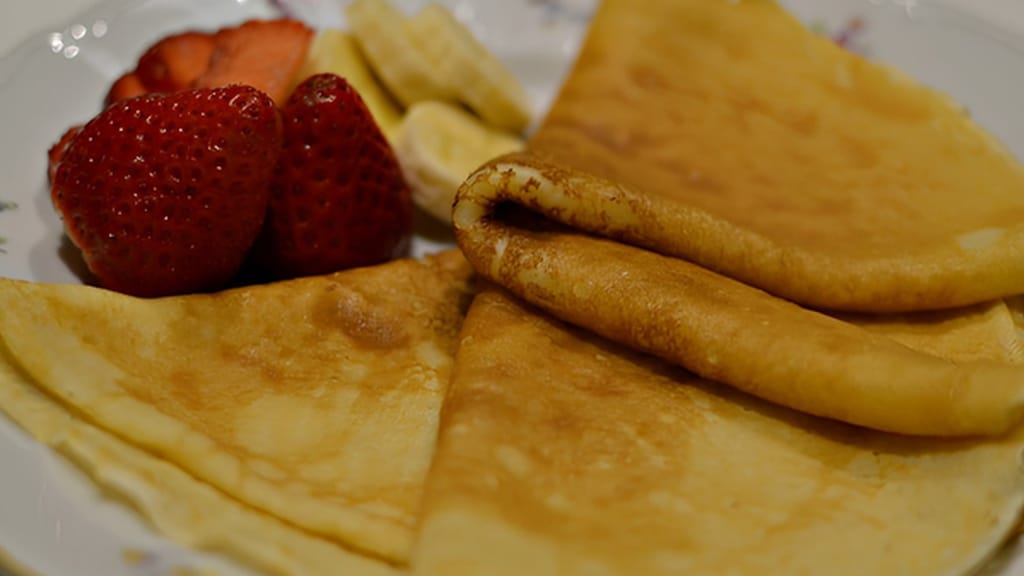
Easy buttermilk pancakes
Crepe-Style Pancakes (Palačinky): Batter Recipe, Sweet and Savory Fillings, American Pancakes and Oven-Baked
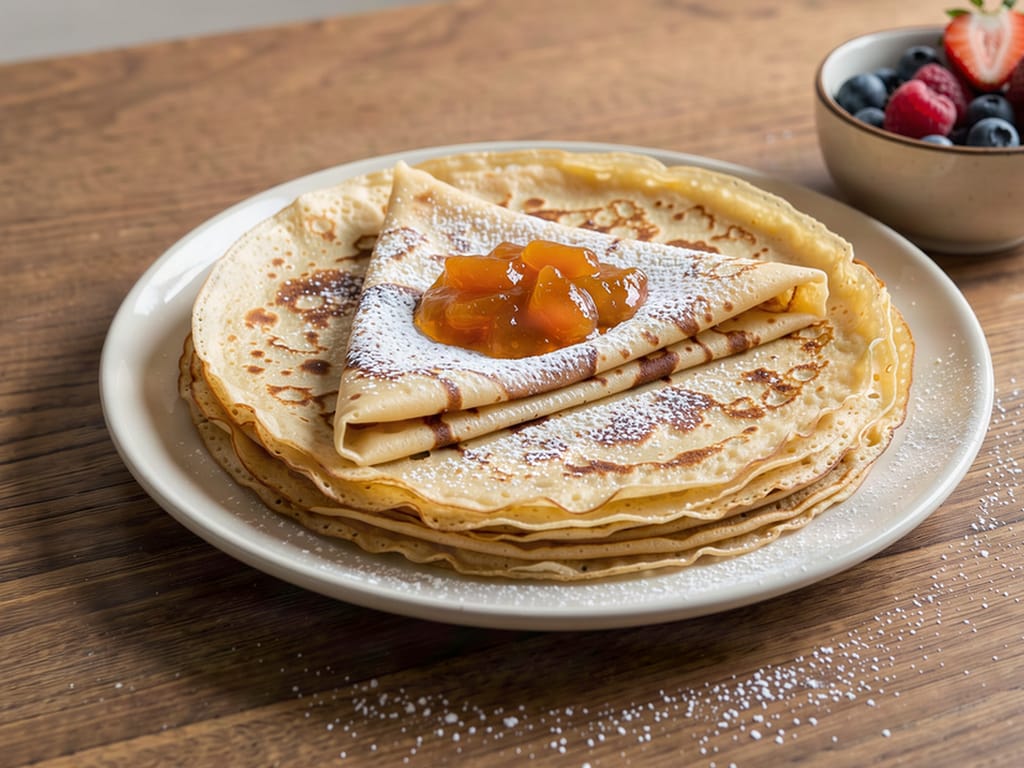
Updated Nov 20, 2026
Palačinky (thin Czech crêpe-style pancakes) take 250 g all-purpose (plain) flour, 500 ml milk, 2 eggs and a pinch of salt. That's the whole basic recipe, and once you know the 1:2 ratio of flour to milk, you'll never forget it. Whisk the batter in five minutes, let it rest for half an hour, then fry thin pancakes in a hot pan, about a minute on the first side and half a minute on the second. Below you'll find exact amounts for the cup-measure version, for a liter of milk, for a single egg and for a batter with no eggs. You'll also see why semi-coarse flour makes different pancakes than all-purpose, what to fill them with, both sweet and savory, and how to make American pancakes, an oven-baked pancake or flambéed crêpes Suzette.
The basic pancake recipe has four ingredients and one ratio: for 250 g flour you use 500 ml milk, so twice as much liquid as flour. This batch makes 10 to 12 thin pancakes in a 24 cm (9½ in) pan, enough for three to four people.
For the basic batter you need:
500 ml milk (whole milk gives more tender, softer pancakes)
a pinch of salt
1–2 tablespoons melted butter or oil, stirred right into the batter
oil or butter for the pan, just for the first pancake
Here's how to do it:
Whisk the eggs with half the milk and the salt. Start with the liquid, not the flour. Flour mixes into liquid better than liquid poured onto flour.
Add the flour in portions, whisking. This makes a thicker paste, and the whisk breaks up lumps in it easily. Only then pour in the rest of the milk. Lumps are much harder to get out of a thin batter.
Stir in the melted butter. Fat in the batter keeps the pancakes supple and helps them not stick. For the following pancakes you then hardly need to grease the pan.
Let the batter rest for 30 minutes. In that time the flour absorbs the liquid, the gluten relaxes and the pancakes don't tear when you flip them. The batter should be as thin as whipping cream and run off a spoon in a continuous stream.
Heat the pan to medium-high. Before the first pancake, wipe it with a bit of butter or a paper towel dipped in oil.
Pour in one ladle and swirl the pan right away. Use just enough batter to cover the bottom in a thin layer after swirling, roughly 50–60 ml for a 24 cm pan.
Flip when the edges lift and the surface turns matte. This usually takes 60–90 seconds. The second side needs only 20–30 seconds.
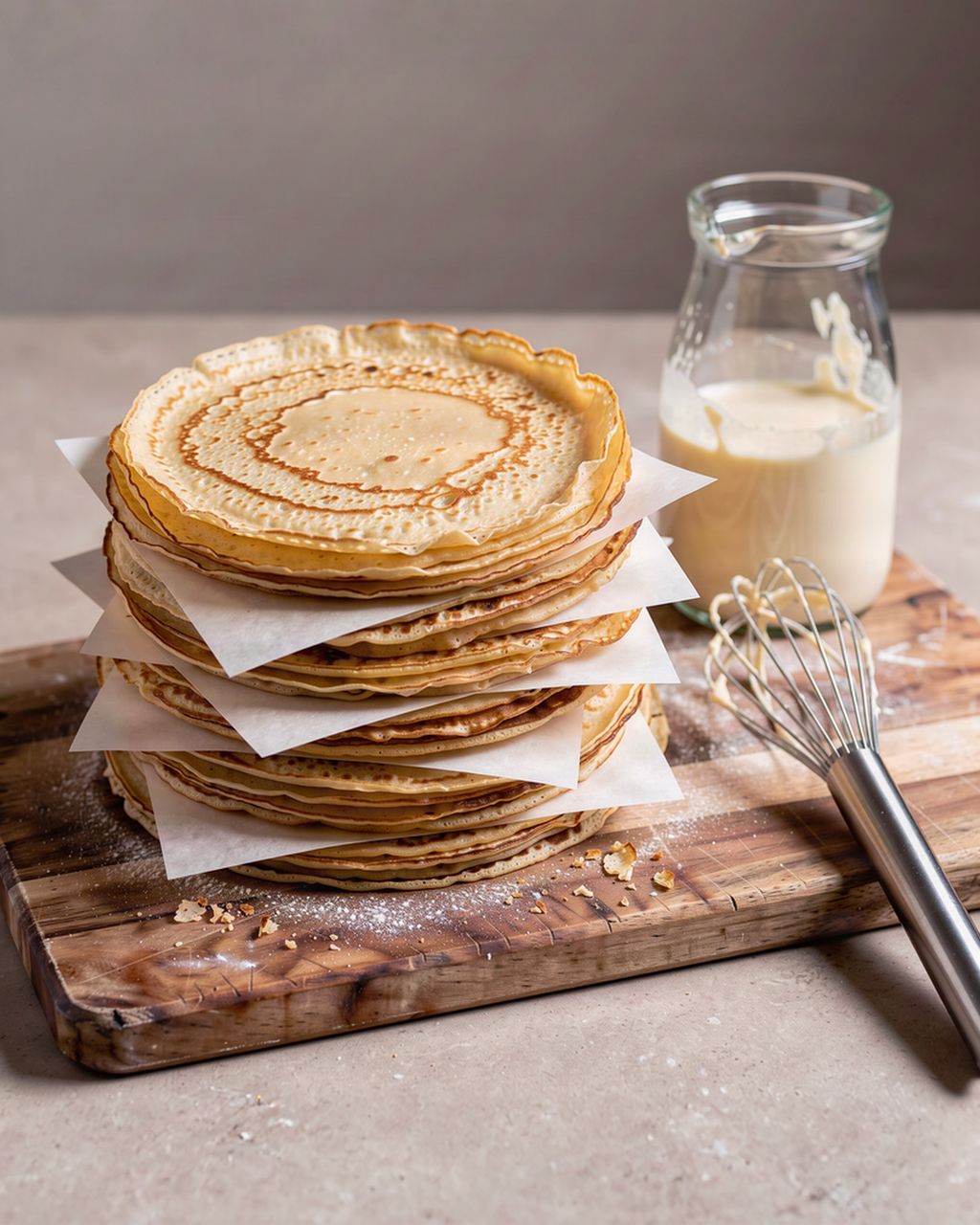
Stack the finished pancakes on a plate and cover them with a second plate or a dish towel. The steam keeps them soft and warm while you finish the batch.
Seasonal baking plans, tested recipes and kitchen tricks that save you time. Unsubscribe in one click.
Cup-measure pancake recipe: 2 cups all-purpose flour, 2½ cups milk, 2 eggs and a pinch of salt. You don't need a scale, just an ordinary cup of about 250 ml.
Loosely spooned all-purpose flour weighs roughly 130–140 g in a cup like that. Two cups are therefore about 260–280 g and two and a half cups of milk about 625 ml, so the ratio stays close to the classic 1:2. Spoon the flour into the cup and don't pack it down. If you scoop the cup straight from the bag, quite a bit more flour fits in and the batter comes out thick.
The method is the same as for the weighed version: eggs, half the milk, flour in portions, the rest of the milk, half an hour of rest.
Cups vary, so consistency is what counts. The batter should flow like cream. If it doesn't spread to the edge when you swirl the pan, add a spoonful or two of milk.
Half a batch is 1 cup flour, 1¼ cups milk and 1 egg. It makes 5–6 pancakes.
For pancakes from a liter of milk you need 500 g flour, 4 eggs, 2 pinches of salt and 3–4 tablespoons melted butter. That makes 20 to 24 thin pancakes, a lunch for the family or a stock for the next few days.
It's simply double the basic recipe, but a few extra things apply to a big batch:
Mix in a large bowl or a pot. A liter and a half of batter is awkward to whisk in a small bowl and splashes.
An immersion blender saves work. Put everything in a tall container and blend briefly. The lumps vanish in a few seconds. Then let the batter rest for at least 30 minutes, because the blender whips air into it and the bubbles have to settle.
The batter thickens as you fry. The flour keeps absorbing liquid, so after half the batch the batter may no longer spread as easily. Stir in 2–3 tablespoons of milk.
Fry in two pans at once. Twenty pancakes in one pan take almost half an hour, in two pans half that time.
What to do with pancakes you can't eat right away, and how long the batter keeps in the fridge, is covered in the article how long pancakes keep and how to freeze them.
Pancakes with 1 egg use 125 g all-purpose flour, 250 ml milk, 1 egg and a pinch of salt. It's exactly half the basic recipe and makes 5 to 6 pancakes for one or two people.
If you have only one egg at home and want the full batch, that works too: 250 g flour, 500 ml milk, 1 egg and 2 tablespoons of oil or melted butter. The egg binds the batter and helps the pancake hold together. With less of it, the fat makes up for it partly. The pancakes will be a little more delicate and less supple, so:
let the batter rest the full 30 minutes, no less,
fry them smaller, and flip only when the edges lift on their own and the surface is completely dry,
flip with a wide spatula, not with your fingers or by tossing.
Pancakes with no eggs use 250 g all-purpose flour, 350 ml milk, 100 ml sparkling mineral water, a tablespoon of oil and a pinch of salt. Without egg there's no binder, so the batter needs a different approach: it has to be thicker and rest longer.
Whisk the flour and salt with the milk and gradually add the oil. Pour in the mineral water last; the bubbles lightly aerate the batter.
Let the batter rest for 30–45 minutes. The flour swells and the batter comes together even without eggs.
Fry in a well-heated, lightly greased pan. Make the pancakes a bit thicker than classic ones and flip them only when the underside is truly golden. Any sooner and they tear.
Without eggs and without milk, you can go fully plant-based. Replace the milk with oat or soy milk and keep the oil. The pancakes will be a little firmer, but they go very well with fruit or plum butter (povidla) fillings.
For thin, delicate pancakes, all-purpose flour is better. Semi-coarse flour (Czech polohrubá, slightly grittier than all-purpose) gives sturdier pancakes with a slightly grainy bite that tear less. Both work; each just gives a slightly different result.
All-purpose flour is finely milled, absorbs milk quickly and the batter is smooth almost at once. The pancakes are thin, supple and velvety. It suits crêpes, filled rolls and anywhere you want to fold the pancake.
Semi-coarse flour has coarser particles that absorb liquid more slowly. The batter therefore needs a longer rest, even an hour, and thickens more as you fry. The pancakes are a little thicker, firmer and hold their shape well when baked. Plenty of people swear by it because that's how their grandmothers made them.
You can happily mix them half and half. You get pancakes as supple as with all-purpose flour but as firm as with semi-coarse.
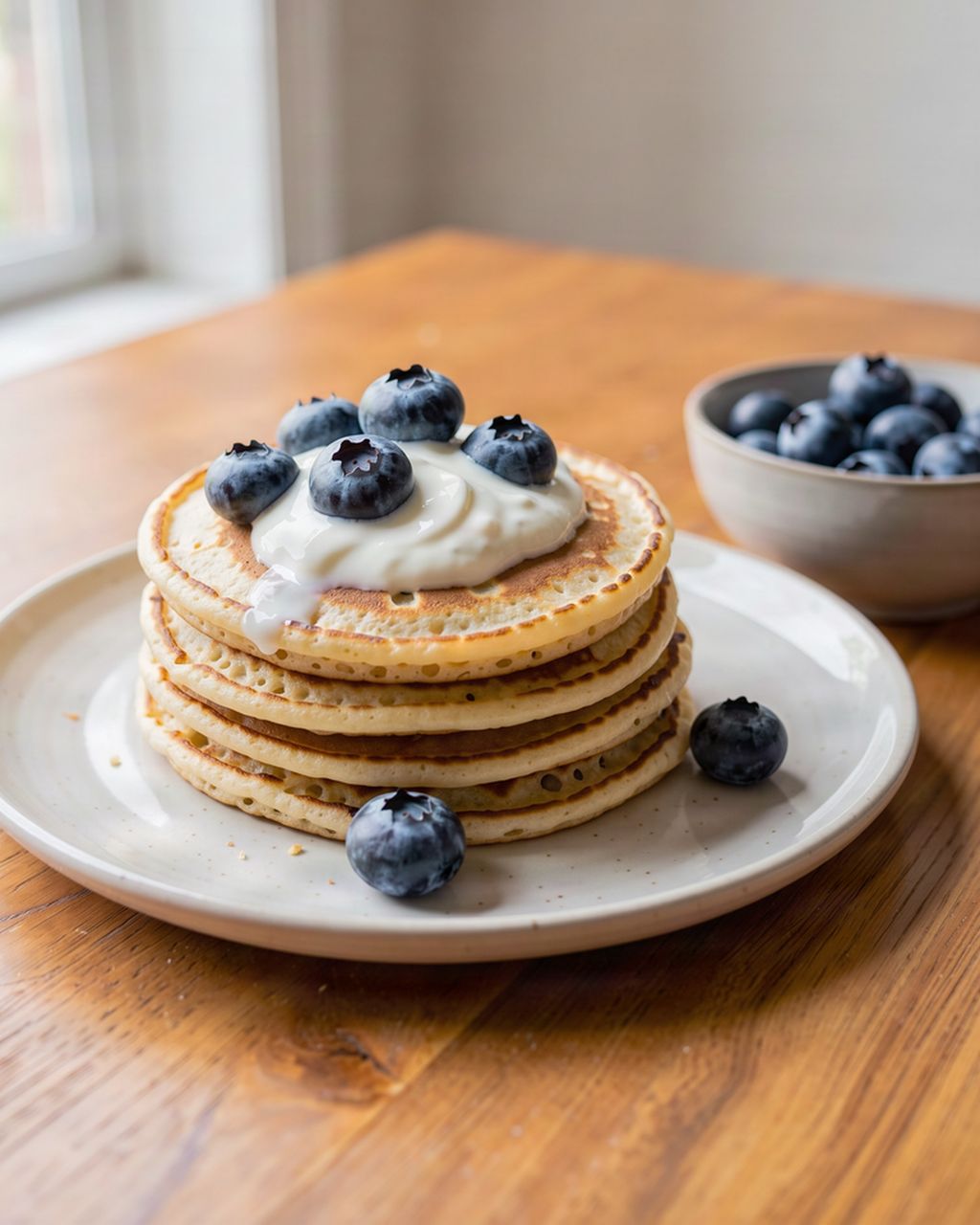
Easy buttermilk pancakes are made with semi-coarse flour. Cultured buttermilk instead of milk gives them a gentle tang that goes with both jam and savory fillings.
Easy buttermilk pancakes
Easy buttermilk pancakes with semi-coarse flour
Six things make the best pancakes: resting the batter, fat right in the batter, the right pan temperature, less batter per pancake, flipping by the edges, and stacking the finished pancakes under a cover. There's no secret ingredient. One by one:
Let the batter rest. At least 30 minutes, ideally an hour in the fridge. The flour swells, the bubbles disappear and the pancakes don't tear. Batter made in the evening for the morning is even better.
Put the fat right into the batter. One to two tablespoons of melted butter per 500 ml milk. The pancakes are then softer, taste buttery and release from the pan on their own.
The pan should be hot, not scorching. When you flick a drop of water on it, it should sizzle and evaporate quickly. If it vaporizes instantly with smoke, the pan is too hot and the pancake will burn outside before it cooks through.
Pour less batter than you think. A thin pancake needs roughly 50–60 ml in a 24 cm pan, so a smaller ladle. Excess batter doesn't spread evenly and the pancake turns rubbery.
Flip by the edges, not by the clock. When the edges start to lift and turn golden on their own and there's no liquid batter left on top, it's time. Earlier and the pancake tears, later and it hardens.
Stack them and cover. Warm pancakes stacked on each other steam one another and stay soft. If you leave them lying singly, the edges dry out and crack.
The biggest help is a good nonstick pan with a low rim that you can easily slip a spatula under. A traditional cast-iron crêpe pan works too, but it must be well seasoned and greased before the first pancake.
Pancakes most often tear because the batter rested too briefly or you flipped too soon; they stick to a pan that isn't hot enough or isn't greased; and they turn rubbery from thick batter or too much batter per pancake. You can spot each of these mistakes on the very first pancake and fix it right at the stove.
It tears when flipped. The batter didn't rest long enough, or you're flipping before the edges lift. Let the rest of the batter stand a while longer and wait to flip until the surface turns matte.
It sticks to the pan. The pan isn't hot enough or the batter lacks fat. Stir a tablespoon of melted butter into the batter, wipe the pan and test it with a drop of water.
It's thick and rubbery. The batter is too thick, or you're pouring too much into the pan. Add a spoonful or two of milk to the batter and use a smaller ladle.
It's burnt outside and raw inside. The pan is too hot. Lower the heat to medium-high and wait a moment for the temperature to settle.
It's pale and tough. The pan is too cold, and the pancake dries out rather than browns. Turn up the heat.
Always fix just one thing and check it on the next pancake. If you change both consistency and temperature at once, you won't know what helped.
The most popular sweet fillings for pancakes are jam or plum butter (povidla), quark, fruit with whipped cream, chocolate or hazelnut spread, and cinnamon sugar with butter. You always fill them the same way: a thin layer over the whole pancake, then roll up or fold into quarters.
Jam and plum butter are the classics you can't go wrong with. Tarter apricot or currant jam is fresher with pancakes than strawberry. Thick homemade plum butter (povidla) won't leak out of the pancake.
Quark filling is a Czech staple. Mix soft quark (tvaroh, a Czech fresh curd cheese) with powdered sugar, vanilla sugar and a spoonful of sour cream into a smooth cream. If you like, stir in raisins soaked in rum or grated lemon zest. Spread it on the pancake, roll it up and serve with melted butter or a fruit sauce.
Fruit should be ripe and cut into small pieces so the pancake can still be rolled. Strawberries, blueberries, banana or peaches hold best with whipped cream or sour cream, which glues them together.
Chocolate and hazelnut spread just need spreading on a still-warm pancake, which melts them slightly. For cinnamon sugar, sprinkle it on a pancake drizzled with melted butter and fold it into quarters.
In autumn, try pumpkin pancakes with salted caramel. The pumpkin isn't in the filling but right in the batter, and the sweetness comes from the caramel on top.
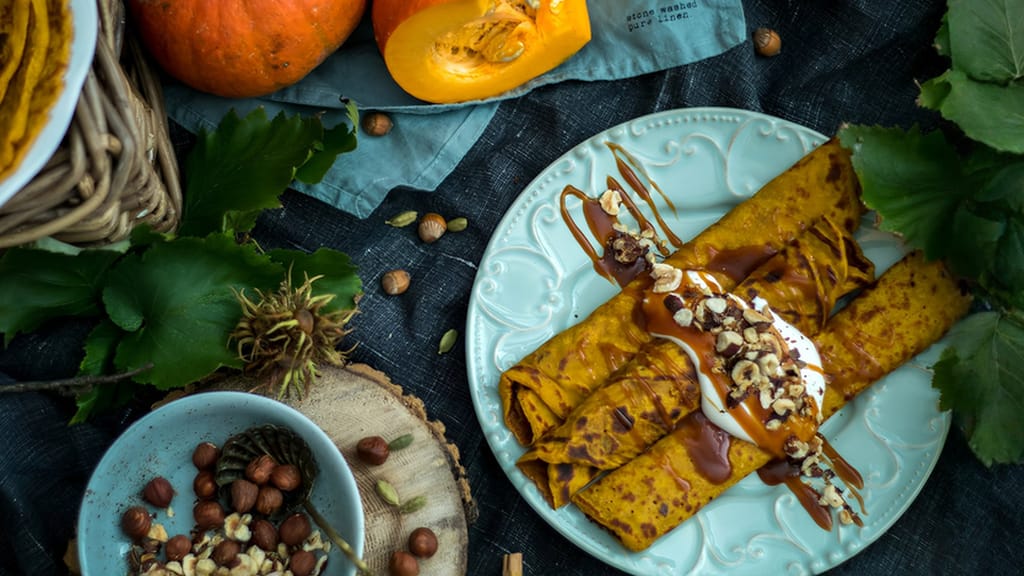
Pumpkin pancakes with salted caramel
Pumpkin pancakes with salted caramel and hazelnuts
Savory pancakes are fried from the same batter as sweet ones, with a bit of extra salt if you like. The simplest is to fill them with ham and cheese, but they really shine when you add herbs right into the batter.
Pancakes with ham and cheese make a quick dinner from what's in the fridge. Put a fried pancake back in the pan, lay a slice of ham and a handful of grated Edam or Gouda on one half and fold it over. Cook it over gentle heat on both sides until the cheese melts. Serve with a pickled gherkin or green salad.
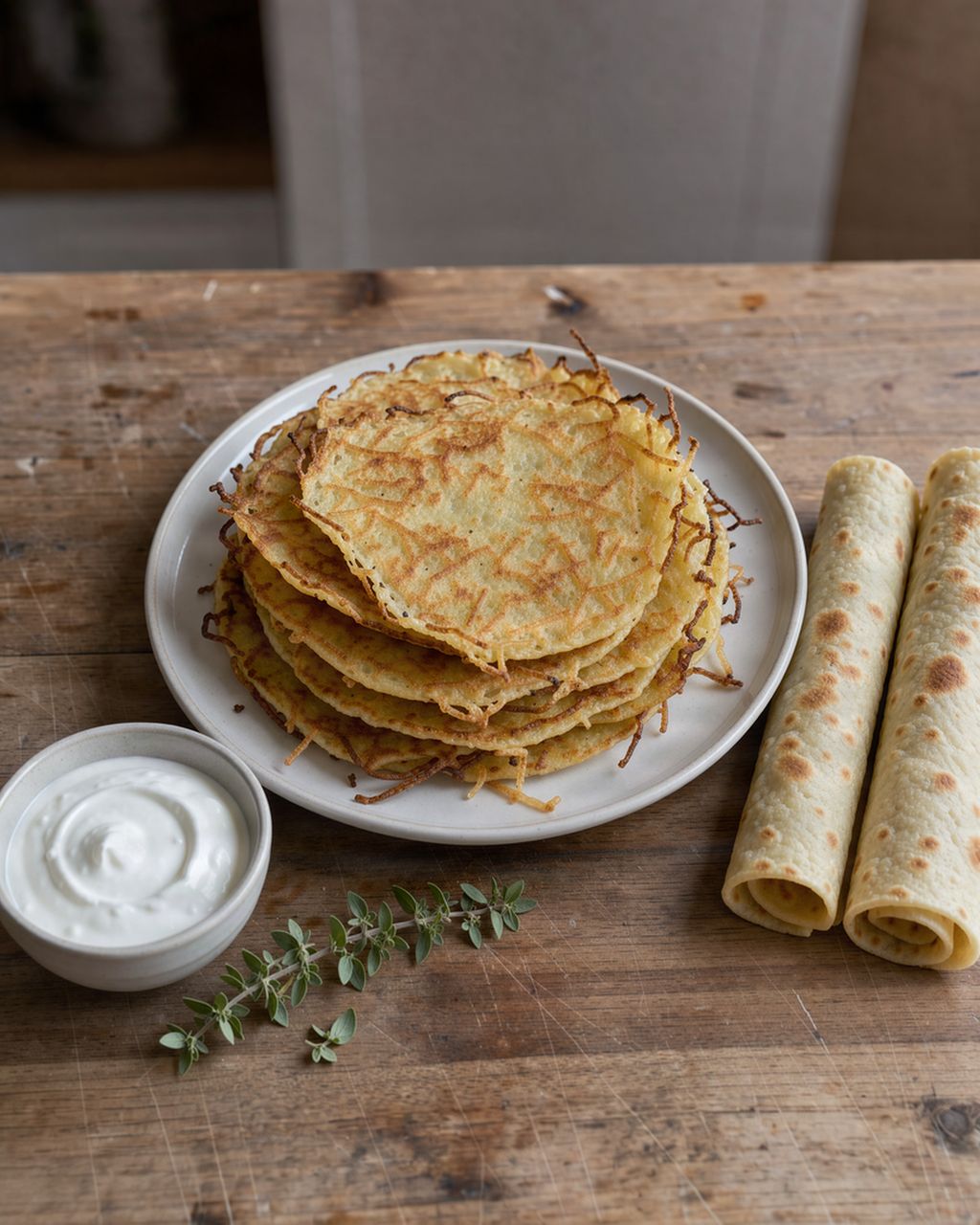
Herb batter is a simple trick: stir a handful of finely chopped chives, parsley or dill into the basic batter. The herbs spread evenly and the pancakes come out speckled with green. Pancakes like these suit savory rolls for a party buffet table.
That's exactly how savory pancakes with dill and trout work: the dill is in the batter and the pancakes are rolled up with marinated trout into slices. The trout is only cured in lemon and stays raw: acid doesn't kill bacteria or parasites, so use fish that has been frozen against parasites (7 days at −20 °C / −4 °F in a home freezer, or bought frozen for raw consumption), and don't serve the rolls to pregnant women, small children, older people or people with weakened immunity.
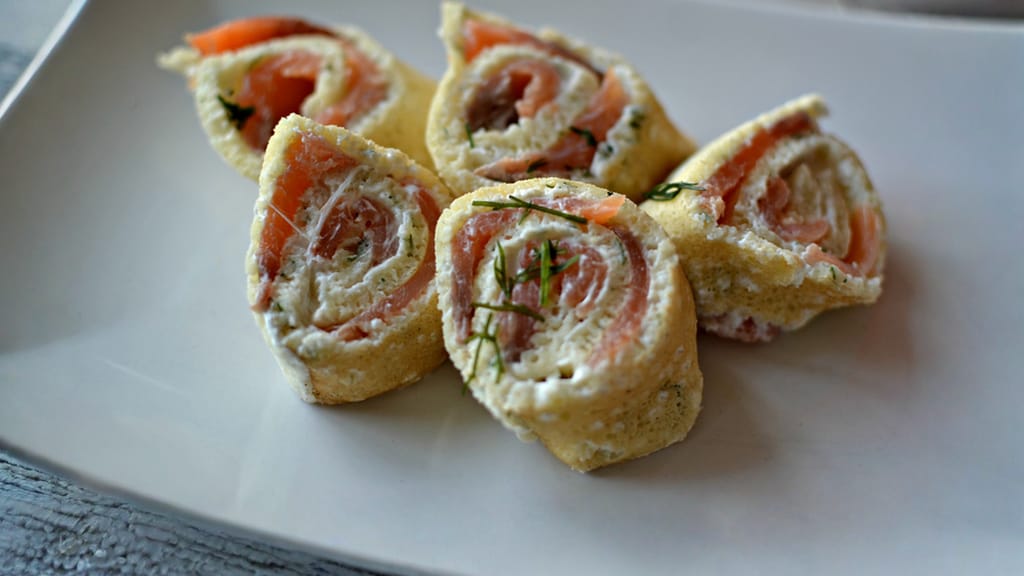
Savory dill crêpes with marinated trout
Savory pancakes with dill and marinated trout
American pancakes are small, thick, fluffy rounds. They're leavened with baking powder or whipped egg whites. The batter is much thicker than for classic palačinky, doesn't spread by itself in the pan, and the pancakes rise to about a centimeter (about ½ in) in height.
Classic palačinky: thin batter, paper-thin pancakes, no leavening, filled and rolled.
Pancakes: thick batter with leavening, thick and airy, stacked and drizzled with syrup.
Pancakes – American Pancakes on Yumsto combine both, baking powder and whipped egg whites, and are ready in about 19 minutes.
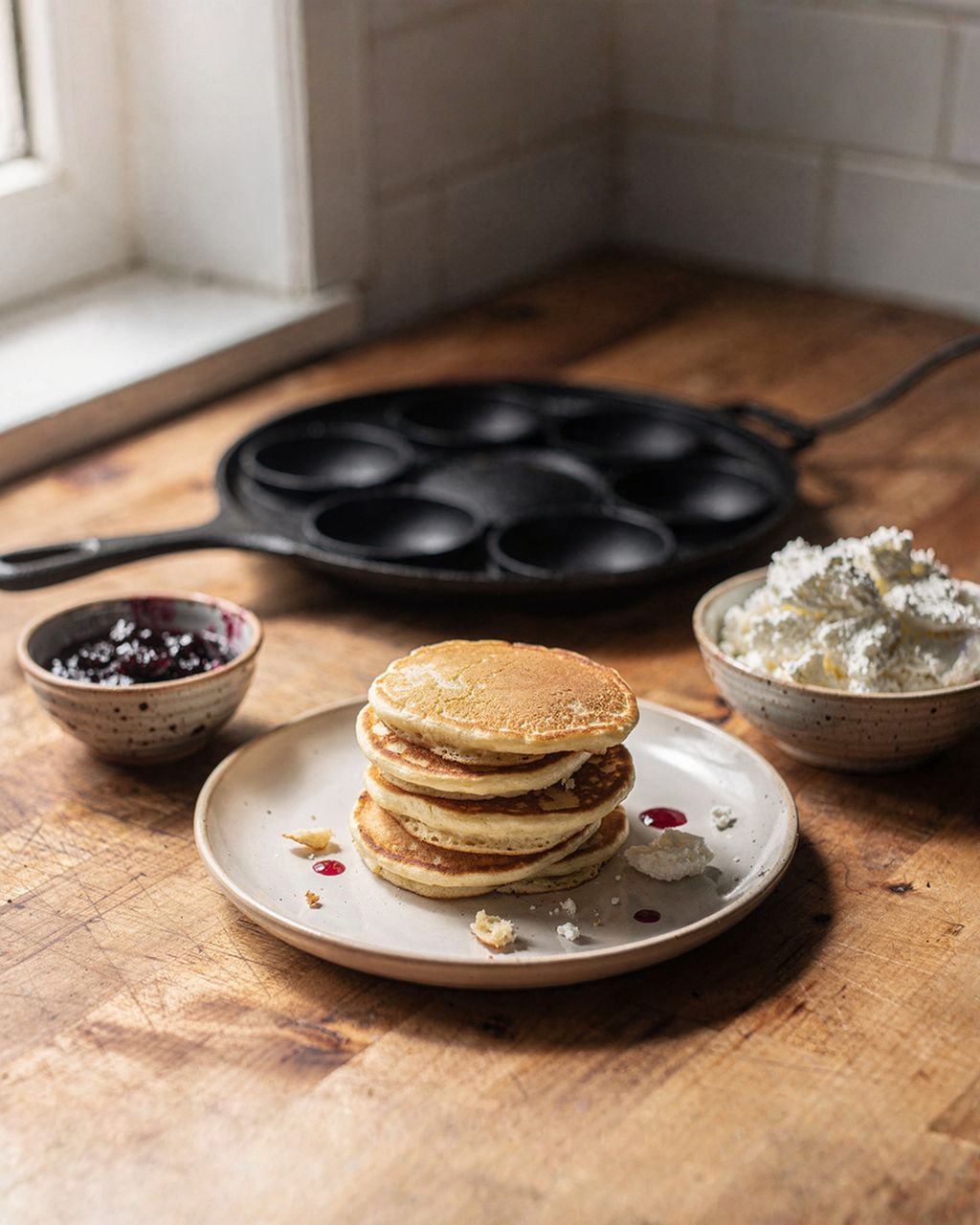
Thicker leavened pancakes have a home-grown relative in Czechia too, lívance (small Czech griddle pancakes). How to make them fluffy and gluten-free is in the article on gluten-free lívance.
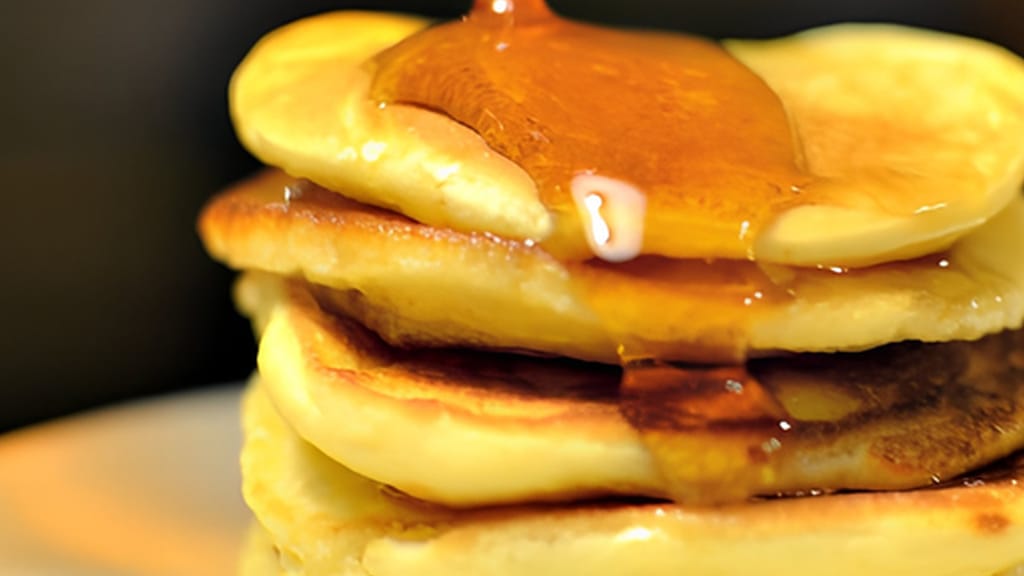
Pancakes – american-style pancakes
American pancakes with maple syrup
Oven pancakes come in two kinds: one big pancake baked in a hot pan, or finished pancakes baked with a custard topping like a casserole. Both save you standing at the stove, and both suit a weekend breakfast or a dessert for a crowd.
A fluffy oven-baked Dutch Baby pancake is baked in a preheated cast-iron pan and puffs up like a soufflé. Don't open the oven door while it bakes, or the pancake will collapse.
Baked pancakes with fruit and cream cheese, by contrast, are classic thin pancakes rolled up with peaches and cream cheese and baked under an egg custard.
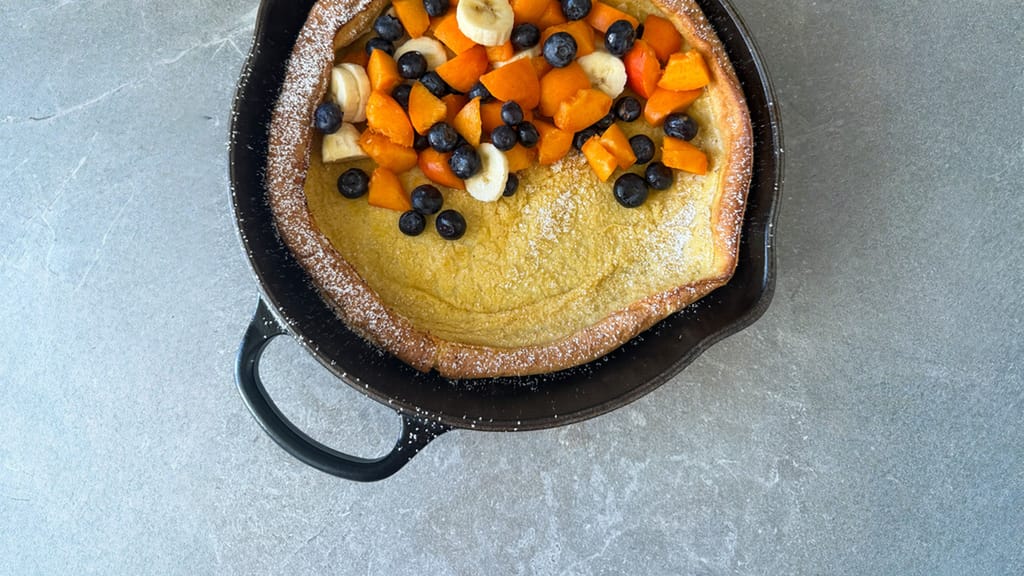
Fluffy oven-baked dutch baby pancake
Dutch Baby: a fluffy oven-baked pancake
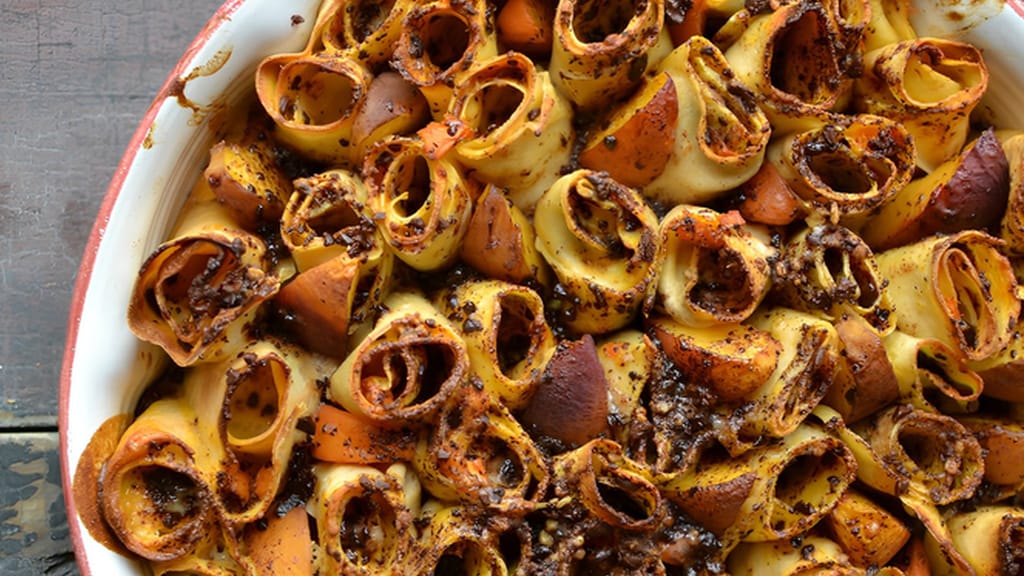
Baked pancakes with fruit and lučina cream cheese
Baked pancakes with peaches and cream cheese
Two famous desserts grow from the same base as ordinary pancakes: French crêpes Suzette in orange sauce and Austrian Kaiserschmarrn (císařský trhanec), a pancake torn into pieces.
Crêpes Suzette with orange sauce rely on very thin pancakes that are warmed through in a caramel sauce with orange juice and liqueur and, depending on the recipe, flambéed. Turn off the extractor hood before you start flambéing.
Kaiserschmarrn (císařský trhanec) has a thicker batter with baking powder, so it puffs up in the pan. The finished pancake is torn into pieces and tossed with apples sautéed in butter.
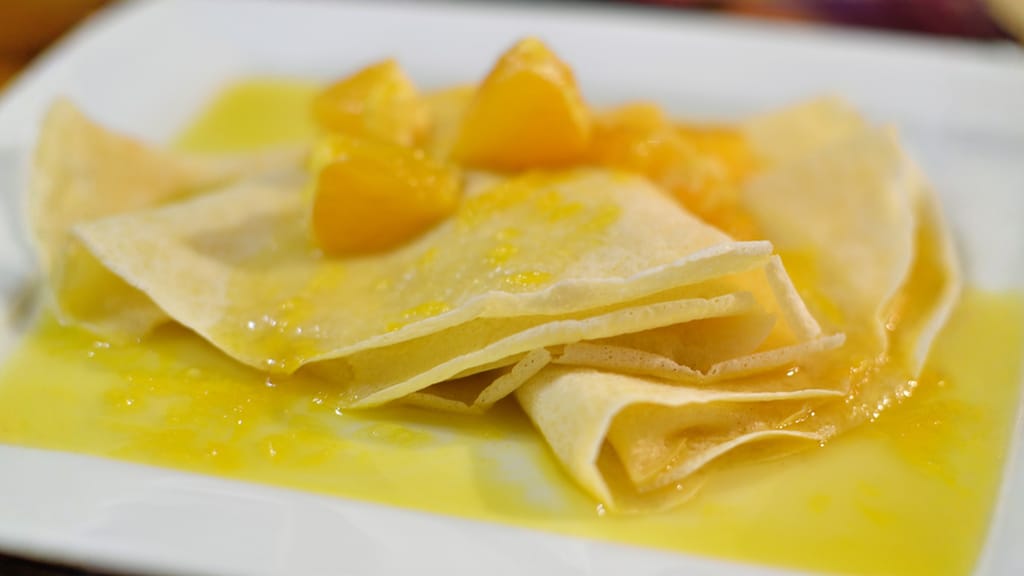
Crêpes suzette with orange sauce
Crêpes Suzette: flambéed pancakes with orange sauce
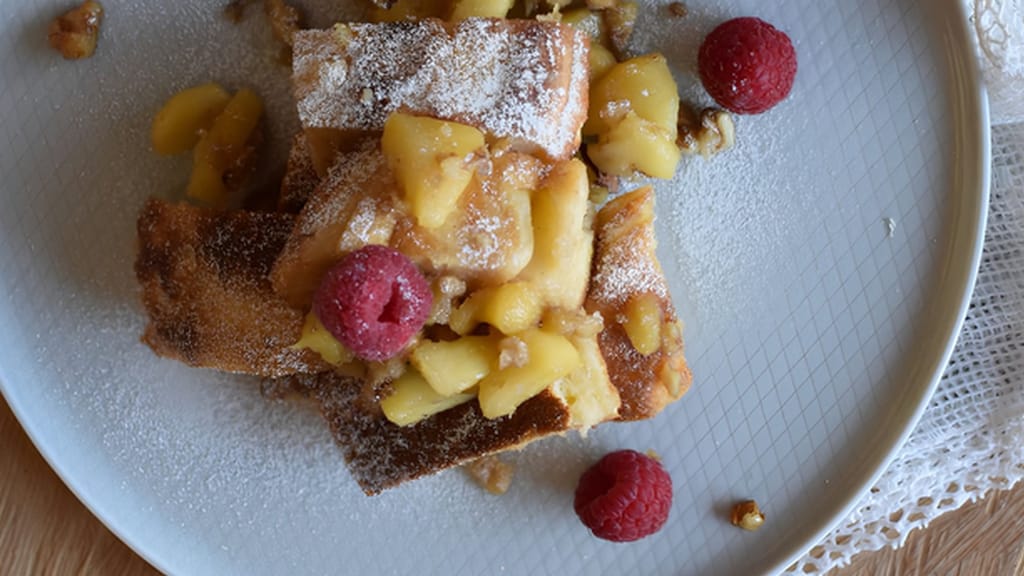
Kaiserschmarrn – emperor's shredded pancake
Kaiserschmarrn: shredded Austrian pancake with apples and nuts
The first pancake fails because the pan hasn't reached a steady temperature yet and there's either too much fat in it or too little. Treat it as a test: it shows you whether the batter is thin enough and the pan hot enough. Then add a splash of milk or adjust the heat, and from the second pancake on it goes smoothly.
For pancakes, it's enough to just wipe the pan with fat, ideally oil or clarified butter, which handles higher heat. Regular butter smells best, but it browns quickly and burns in a hot pan. Lard gives pancakes that typical grandma flavor. If you put the fat right into the batter, a good nonstick pan needs no extra fat at all.
Yes, whole grain pancakes work, but the batter needs more liquid and a longer rest. Whole grain flour absorbs milk more and more slowly, so add roughly 50 to 100 ml extra milk and let the batter stand for at least an hour. The pancakes will be nuttier and more delicate. If they tear, mix whole grain flour half and half with all-purpose flour.
Yes, you can whisk the batter in the evening and fry the pancakes in the morning. Cover it and refrigerate it; overnight the flour absorbs the liquid, and the pancakes are less likely to tear. In the morning, stir the batter, because the flour settles to the bottom, and if it has thickened, thin it with a spoonful or two of milk. How long the batter keeps in the fridge is covered in the article on storing and freezing pancakes.
One recipe worth heating the oven for, one tip, and one deal from the shop. Nothing else.