Classic christmas cookies: delicate linzer cookies
Christmas Cookie Shopping List: What to Buy and How Much
Updated Oct 4, 2026
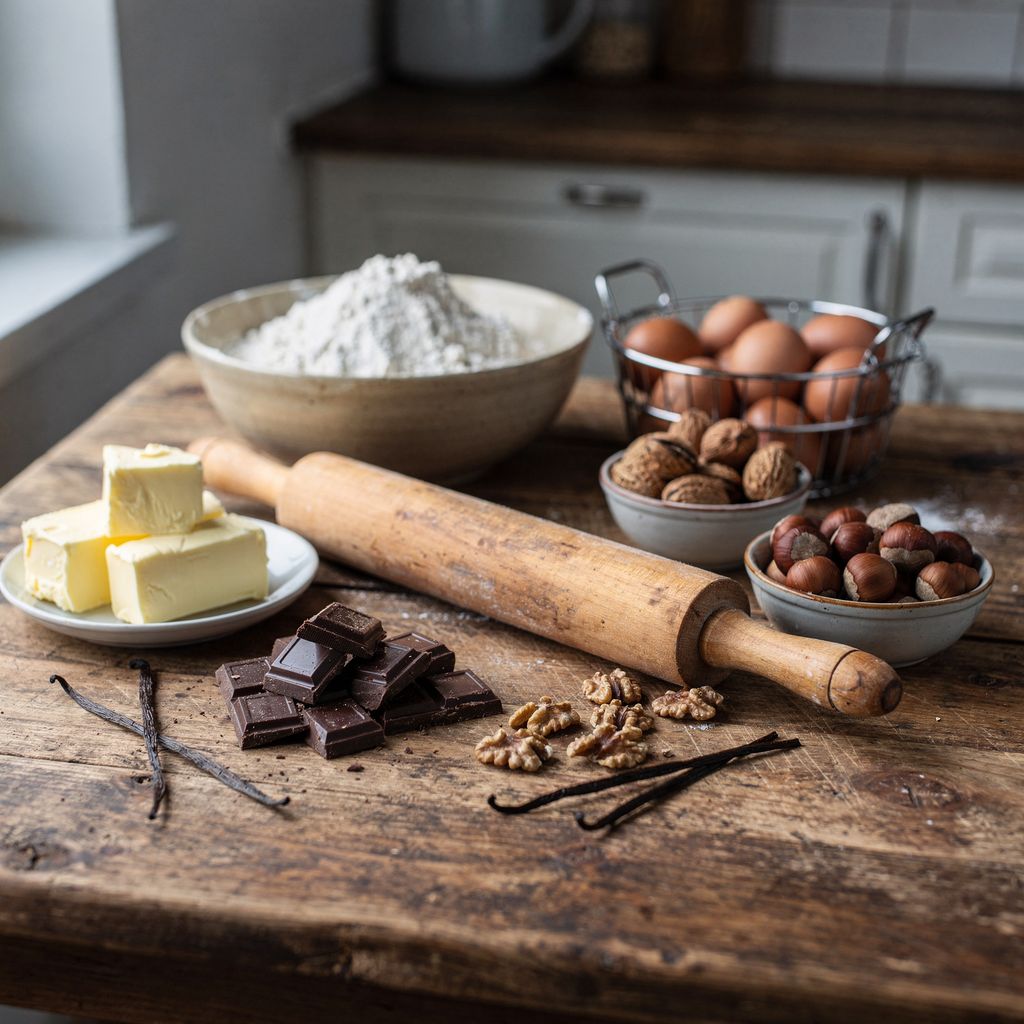
A Christmas cookie shopping list comes down to six staples: butter, plain flour, sugar, eggs, nuts, and chocolate. On top of that, add vanilla, jam, spices with honey, a few decorating essentials, and a quick equipment check. Below you'll find how much of everything to buy for 8–10 types of cookies, where it's worth splashing out, and what to get now so empty shelves don't catch you out in December.
For classic Czech Christmas cookies you need six basic ingredients: butter, plain flour, sugar, eggs, nuts, and chocolate with cocoa. Add vanilla, jam, spices with honey, and something for decorating, and you're set. Almost everything else is just extra for specific recipes.
Butter – you'll use the most of this, in both doughs and fillings.
Plain flour – for linzer cookies, crescents, and cut-out doughs.
Sugar – icing sugar for delicate doughs, caster sugar for meringues and coconut macaroons.
Eggs – mainly yolks for doughs, whites for meringues and icing.
Nuts – walnuts, hazelnuts, almonds; whole and ground.
Chocolate and cocoa – for coatings, fillings, and no-bake cookies.
On top of the basics, add:
Vanilla – pods or good-quality vanilla sugar.
Jam – redcurrant for sandwiching linzer cookies.
Spices and honey – gingerbread spice mix and honey for gingerbread.
Decoration – sprinkles, icing, dried egg white.
For 8–10 types of cookies, plan on roughly 3.5–4.5 kg (7.7–10 lb) plain flour, 2.5–3 kg (5.5–6.6 lb) butter, 2.5–3 kg (5.5–6.6 lb) sugar, and 20–30 eggs. Here's the full list for an average family batch:
Butter: 2.5–3 kg / 5.5–6.6 lb (10–12 blocks of 250 g / 9 oz)
Plain flour: 3.5–4.5 kg / 7.7–10 lb
Icing sugar: 1.5–2 kg / 3.3–4.4 lb (some will go towards coating crescents and into fillings)
Caster sugar: 1 kg / 2.2 lb
Eggs: 20–30
Nuts: 1–1.5 kg / 2.2–3.3 lb total (walnuts, hazelnuts, almonds)
Baking and coating chocolate: 0.5–1 kg / 1.1–2.2 lb
Cocoa: 100–200 g / 3.5–7 oz
Redcurrant jam: 1–2 jars
Honey: 250–500 g / 9 oz–1.1 lb, if you're baking gingerbread
To give you an idea of what one batch takes: classic linzer dough is often made in a 3 : 2 : 1 ratio (flour : butter : sugar) — say, 600 g (1.3 lb) flour, 400 g (14 oz) butter, and 200 g (7 oz) sugar. That single batch alone eats up more than one and a half blocks of butter – which is why butter sits so high on the list.
The most accurate approach is to go through the actual recipes you're planning to bake and add up the quantities yourself. This list is just a buffer so you're not dashing to the shop mid-bake.
Don't skimp on butter (82% fat), plain white flour, or icing sugar for delicate doughs.
Buy real butter, 82% fat. Vegetable baking fats generally have less fat and more water than butter, plus a different fat composition, so the dough is harder to work with, spreads more during baking, and the cookies lose that buttery flavour. Low-fat butter, reduced-fat margarines, and spreadable butter blends (previously sold as "spreadable butter") all contain less fat than proper butter – often significantly less – and simply aren't suited to delicate dough. We cover what happens if you do swap out the butter in what to use instead of butter in Christmas cookies.
Flour: plain and white. For delicate doughs, reach for plain flour – often labelled "plain white flour 00 extra" on the pack. Wholemeal or coarser flour makes the dough grainy and harder to roll out.
Sugar: icing sugar for delicate doughs. It dissolves into the butter without any graininess, so linzer cookies and crescents turn out lovely and fine. Caster sugar belongs in meringues and coconut macaroons. The article icing sugar vs. caster sugar in Christmas cookies explains why it matters.
If you're baking gluten-free, add gluten-free flours and starches to your list – you'll find the right ratios in what to use instead of flour in gluten-free Christmas cookies.
Real vanilla, couverture instead of fatty coating chocolate, and fresh nuts are what decide whether your cookies taste like Grandma's or like something from a box. That's why it's worth spending a bit more on these three.
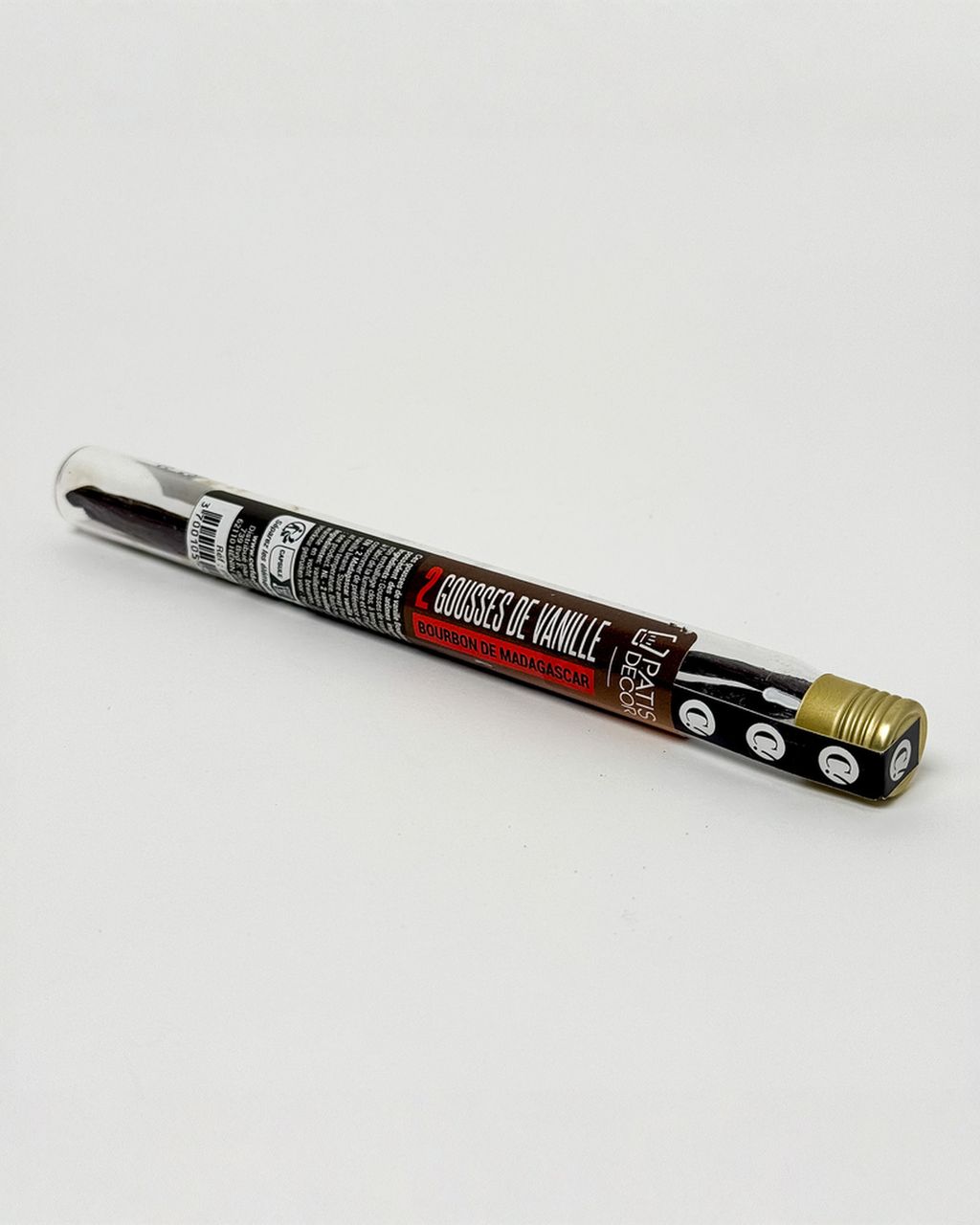
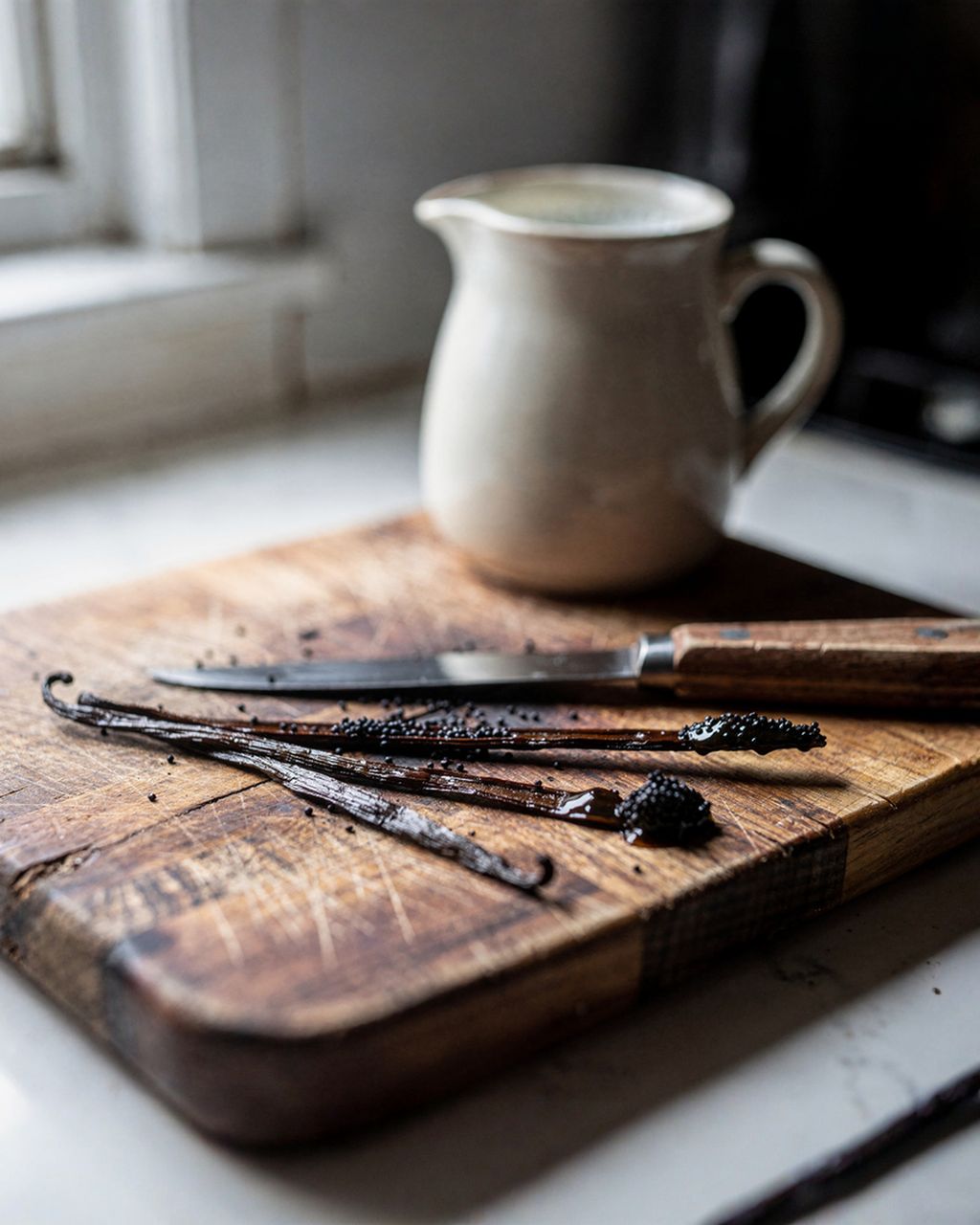
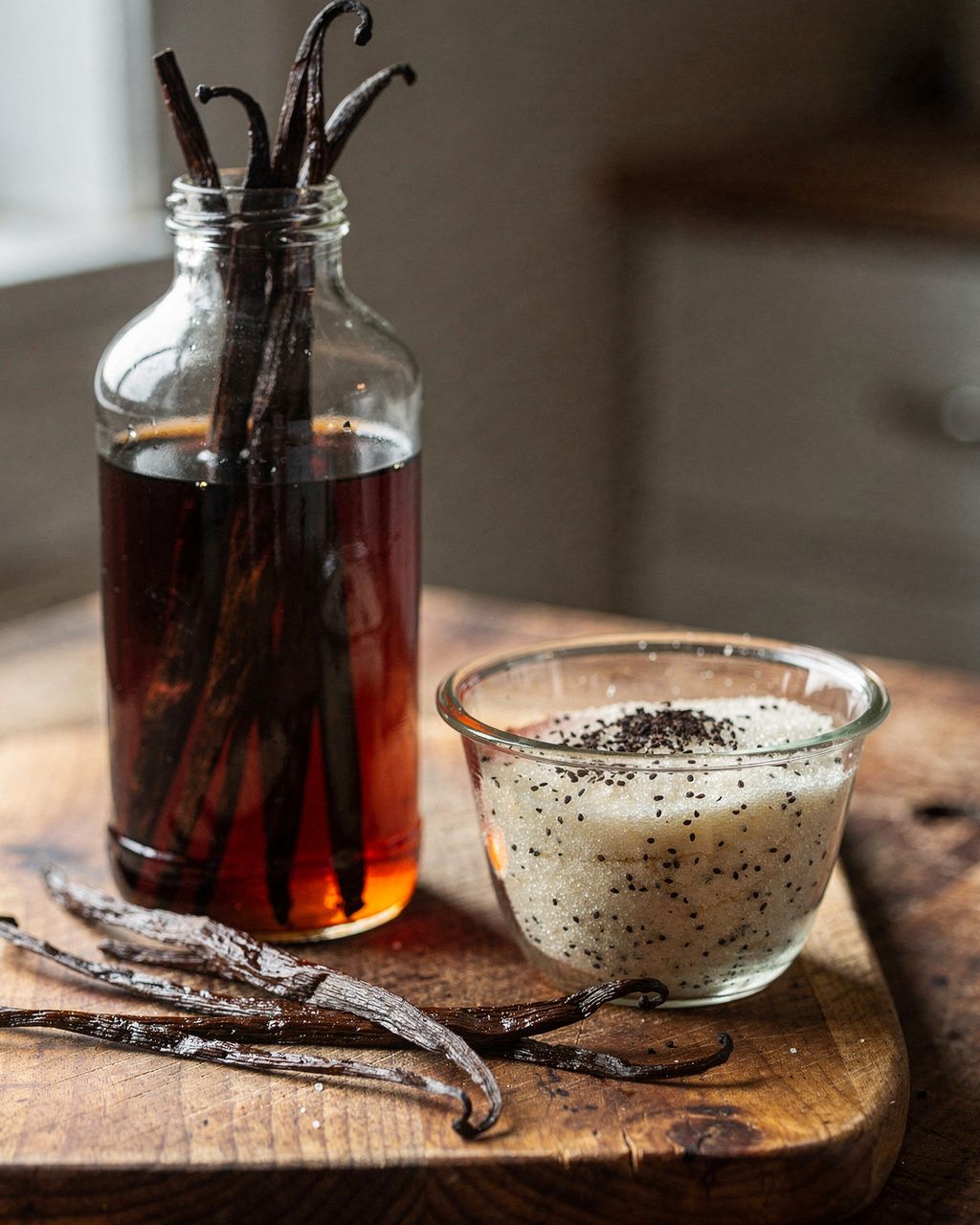
Vanilla. A single real vanilla pod gives crescents and fillings more fragrance than several sachets of vanillin sugar. Scrape out the seeds into the dough, then bury the scraped pod in a jar of sugar. A few weeks later you'll have your own vanilla sugar ready for coating crescents. You'll find pods and other vanilla essentials in our baking vanilla section.
Chocolate. For coatings and no-bake cookies, buy couverture (confectionery chocolate), not fatty coating chocolate. Couverture contains cocoa butter, so once tempered it has a nice shine and melts in the mouth. Fatty coating chocolate sets nicely but tastes greasy. Couverture in small discs also melts more evenly than a broken-up bar.
Nuts. Buy them as fresh as possible and taste them as soon as you get home. They're high in fat, which turns rancid over time – a bitter, soapy aftertaste can ruin an entire batch. Keep an opened pack in the fridge, or freeze it straight away. Ground nuts go rancid faster than whole ones, so it's better to buy them whole and grind them just before baking.
For decorating you need four things: something for icing, something for sprinkling, chocolate for dipping, and a sturdy piping bag with a fine tip.
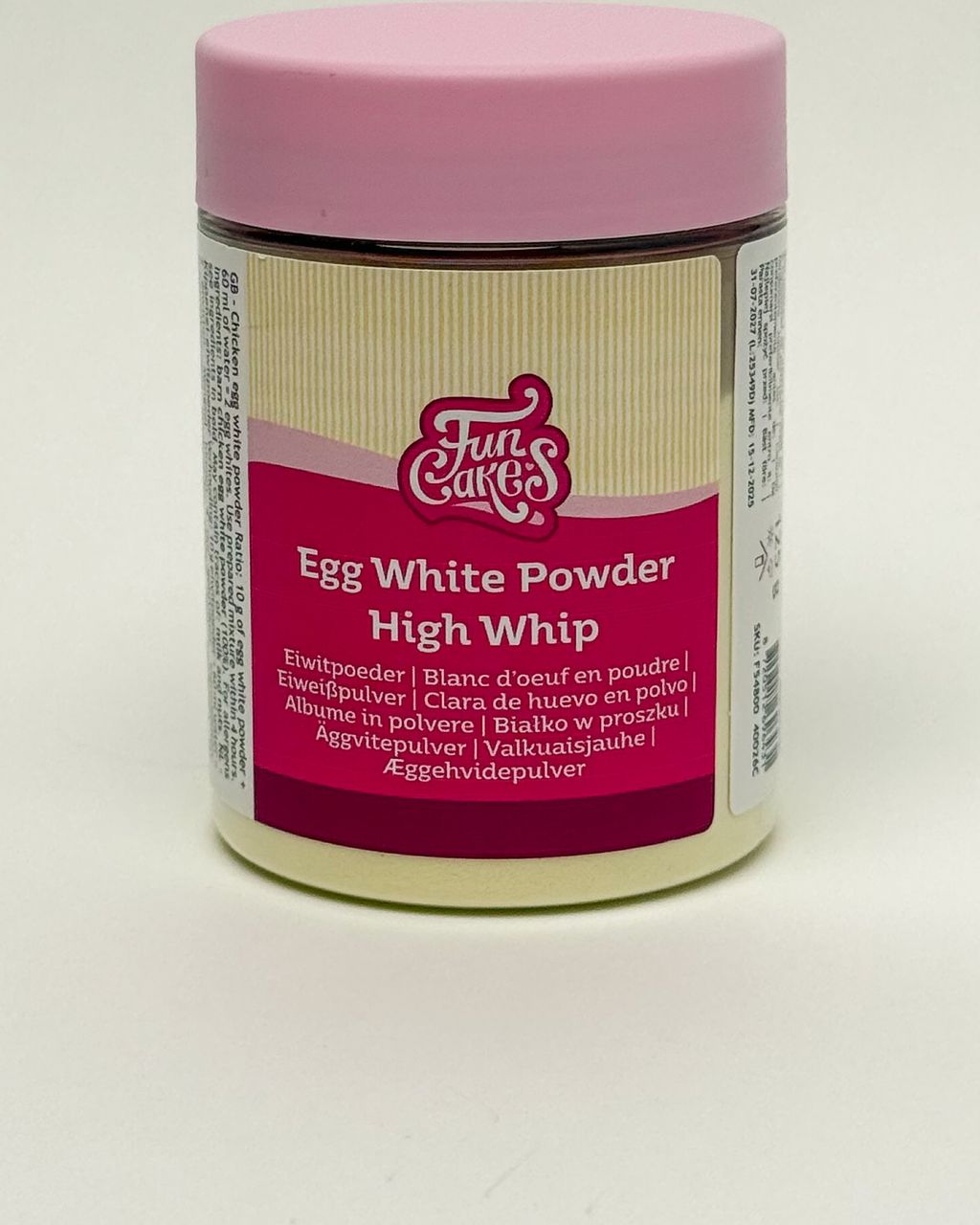
Icing sugar and egg whites, or dried egg white powder, for royal icing. Dried egg white saves you separating eggs, keeps a consistent thickness, and any leftover powder keeps in a tin until next time you bake.
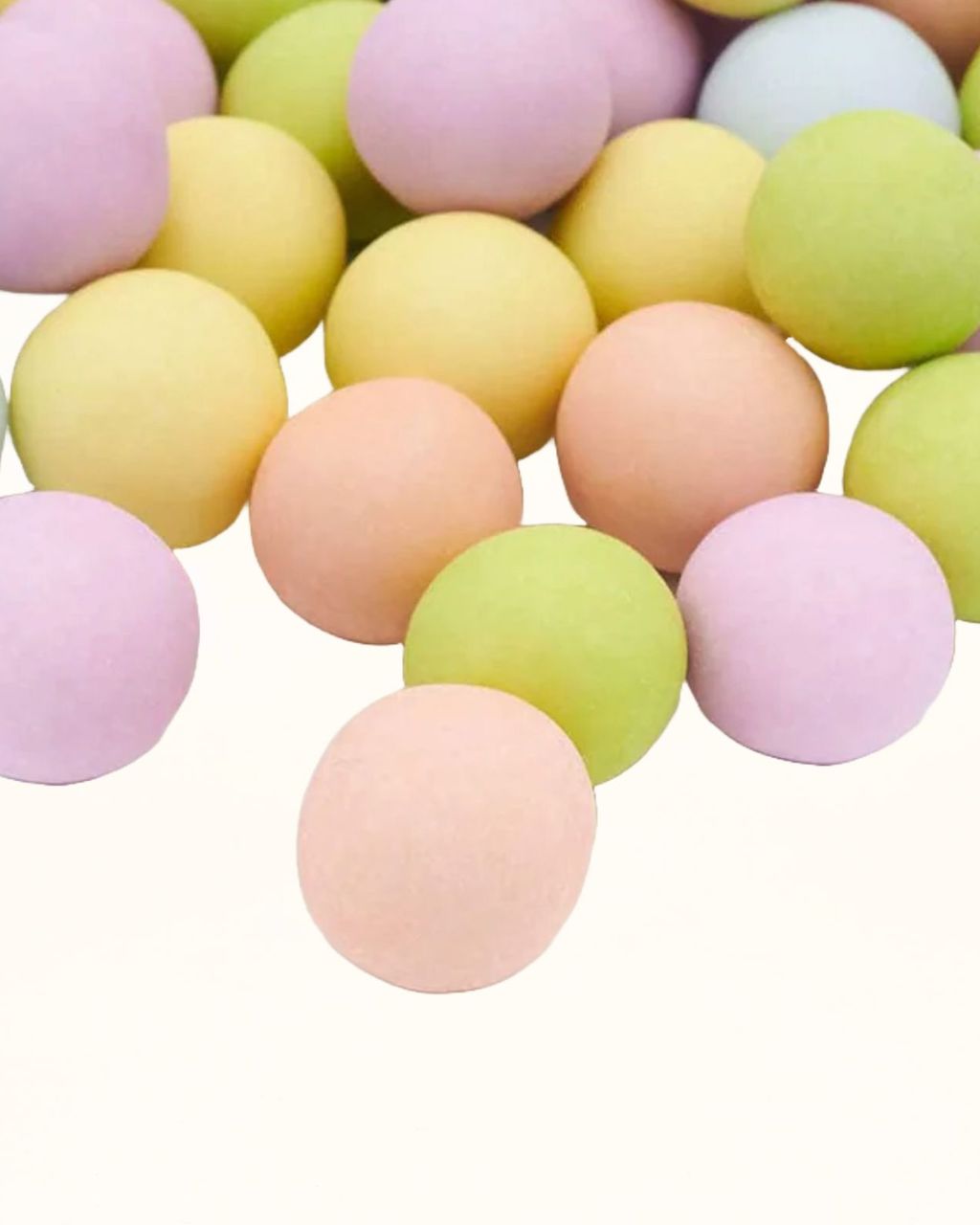
Sugar sprinkles for linzer cookies, "wasp nests", and gingerbread. They stick to fresh icing or to dough brushed before baking.
Couverture for dipping and piping fine lines.
A piping bag with a fine nozzle (or a sturdy sandwich bag with the corner snipped off) for lines and lettering.
For which icing suits what, see the overview types of icing for Christmas cookies and cakes. If you're decorating gingerbread, add the ingredients from icing for gingerbread to your list too.
You'll need at least two baking trays, baking paper or a silicone mat, cutters, moulds, an oven thermometer, and storage tins. Check these before the ingredients – a missing tray will hold you up far more than missing butter.
Baking trays: at least two, so one can cool while the other bakes. The article how many trays to use when baking Christmas cookies at once explains how to rotate them.
Baking paper or a silicone mat.
Cutters: check they're not bent. A blunt edge tears the dough; more on this in how to cut out Christmas cookies.
Moulds for "wasp nests", pracna, or small cases.
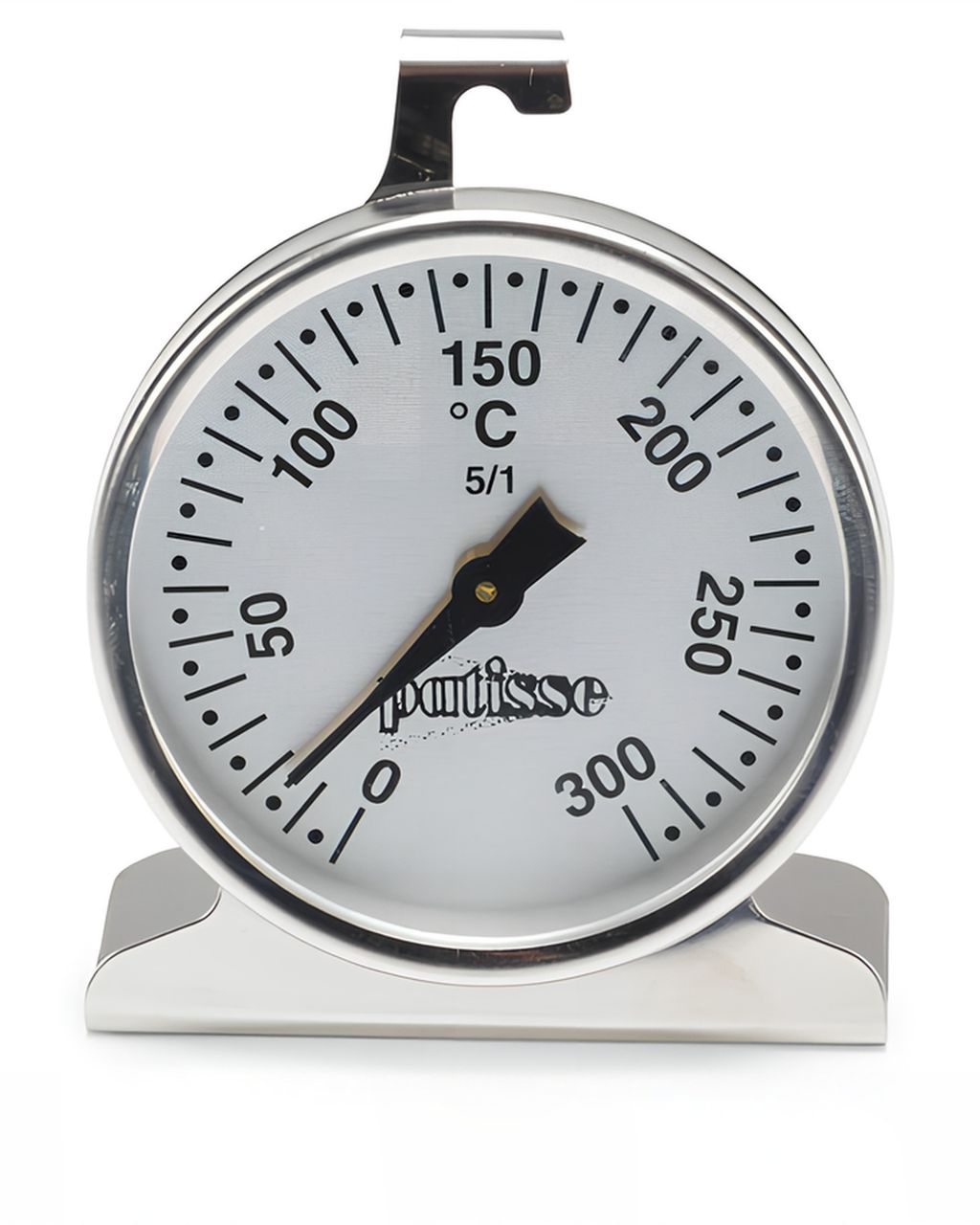
Oven thermometer: plenty of ovens run hotter or cooler than they display, and with cookies every 10°C (18°F) matters. You'll find temperatures by cookie type in what temperature to bake Christmas cookies at.
Tins or boxes for storage. The article how to store Christmas cookies will help you work out how many you'll need.
Buy your cookie ingredients in four waves: long-life items in October, nuts in November, butter whenever it's on offer, and eggs and cream the week before baking.
October–early November: flour, sugar, chocolate, cocoa, vanilla, spices, sprinkles, jam, and any missing equipment. These keep well and tend to sell out or get pricier closer to Christmas.
November: nuts. Freeze them straight away – in the freezer they go rancid much more slowly and keep for roughly a year.
Throughout October–November: butter, whenever it's discounted. Stock up and freeze it, then thaw slowly in the fridge.
The week before baking: eggs and cream for fillings.
For when to bake each type, check the Christmas cookie baking calendar. If you want to bake ahead, also read how to freeze cookies and dough and how long different Christmas cookies keep.
On top of the basics, you'll need redcurrant jam for linzer cookies, ground nuts and real vanilla for crescents, honey, gingerbread spice and bicarbonate of soda for gingerbread, moulds and rum for "wasp nests", and desiccated coconut for coconut macaroons.
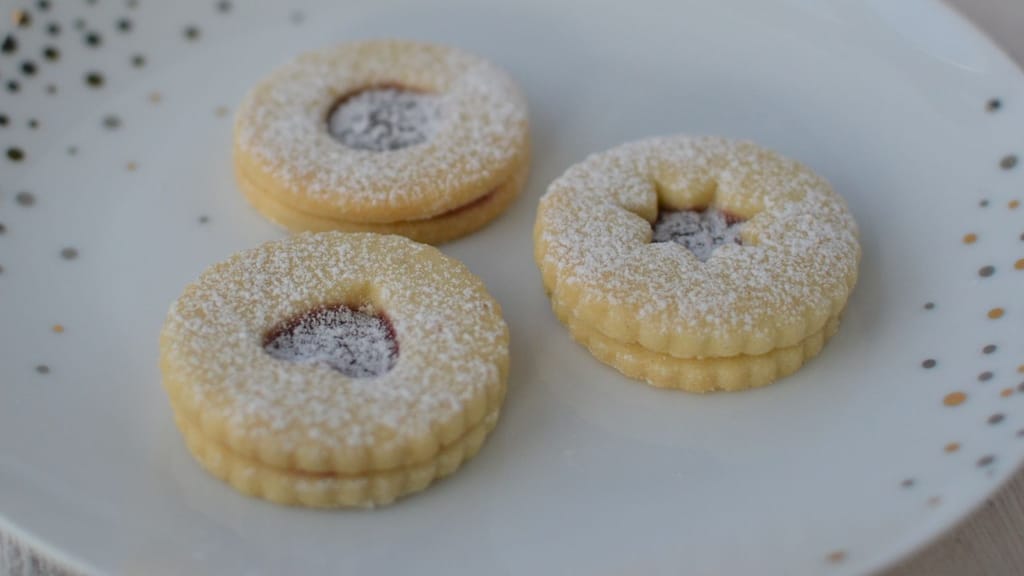
Linzer cookies: redcurrant jam and plenty of butter. Find out how long they keep in linzer Christmas cookies: how long do they keep.
Vanilla crescents: ground almonds or walnuts, real vanilla, and icing sugar for coating.
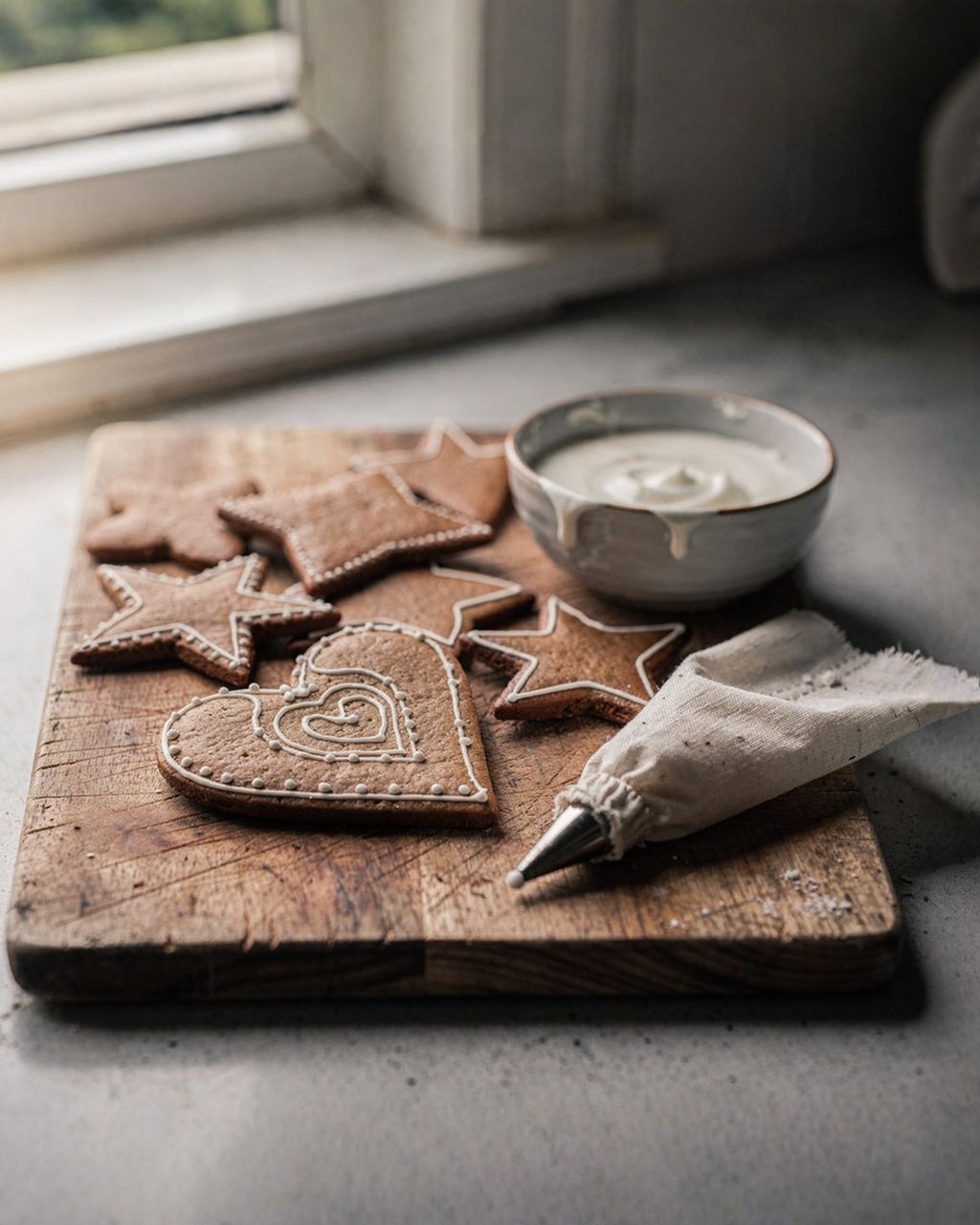
Gingerbread: honey, gingerbread spice, bicarbonate of soda, and icing ingredients. For what to do with them after baking, see how to store gingerbread so it softens.
"Wasp nests": moulds, cocoa, rum, and butter for the filling.
Coconut macaroons: desiccated coconut, egg whites, and caster sugar.
Classic christmas cookies: delicate linzer cookies
Classic crumbly linzer Christmas cookies
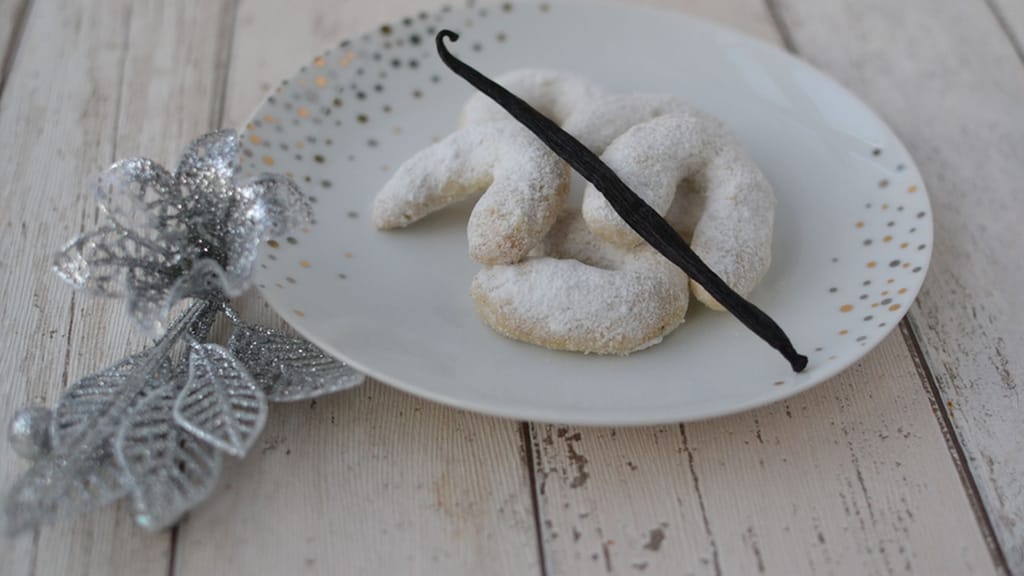
The best christmas cookies? vanilla crescents, of course!
Vanilla crescents with real vanilla
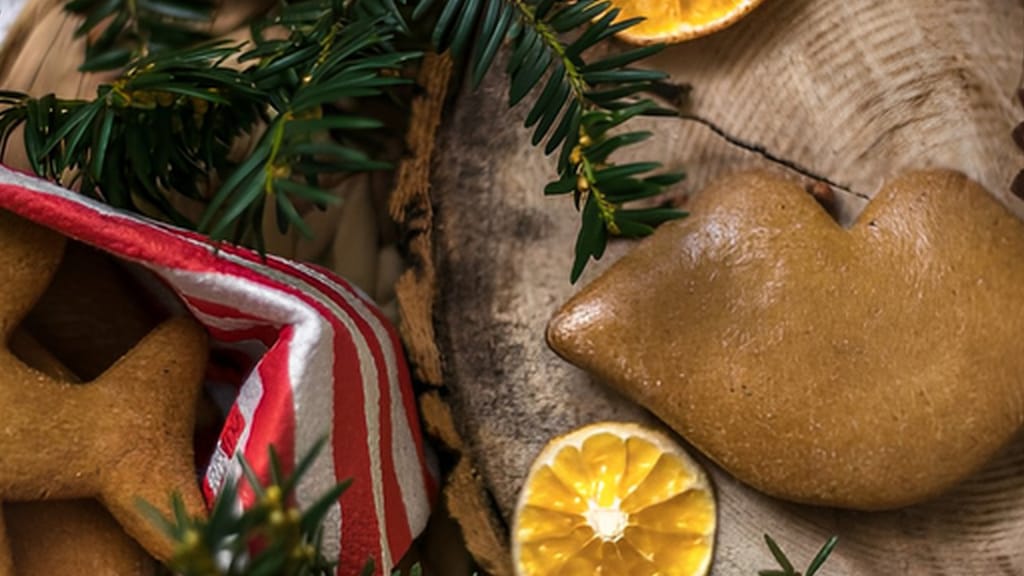
Soft gingerbread cookies
Soft, melt-in-your-mouth Christmas gingerbread
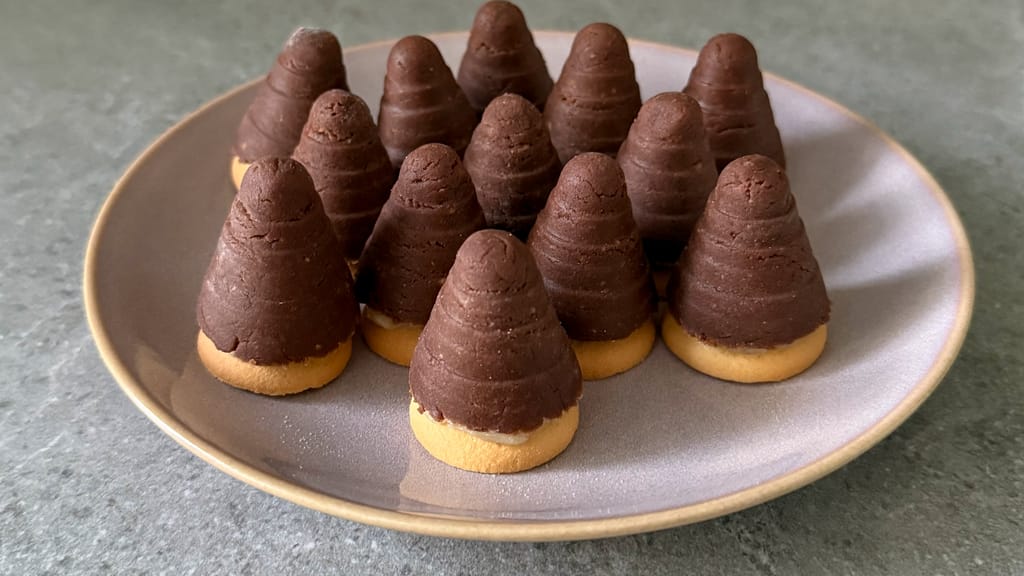
Grandma's traditional wasp's nest cookies with rum cream
Traditional "wasp nests" with rum filling
Vanilla sugar contains real vanilla, while vanillin sugar only has vanillin flavouring, which is usually made synthetically. Vanillin smells simpler and sharper, while real vanilla has a fuller, creamier aroma. In crescents and fillings, where vanilla is the main flavour, you'll notice the difference.
Use leftover egg whites for coconut macaroons, meringues, or royal icing, or freeze them. They'll keep in a sealed container in the fridge for 2–3 days, or in the freezer for several months. Thawed egg whites whip up into stiff peaks just as well as fresh ones.
For one type of cookie, plan on roughly 200–400 g (7 oz–14 oz) of butter, so one to two blocks. Delicate doughs like linzer or vanilla crescents use the most, and fillings for 'wasp nests' add even more. Meringue-based cookies like coconut macaroons don't need any butter at all.
You can use Hera instead of butter for Christmas cookies, but the result will be less buttery and less delicate, and the dough may spread more. Stick with 82% fat butter if you can. If you do have to swap it out, be prepared for the result to change.
If you're baking Christmas cookies for the first time, buy the basics for two or three types: butter, plain flour, icing sugar, eggs, vanilla, and ground nuts. That's enough for both linzer cookies and vanilla crescents. Add redcurrant jam, baking paper, and one cutter, and you're ready to go.
One recipe worth heating the oven for, one tip, and one deal from the shop. Nothing else.