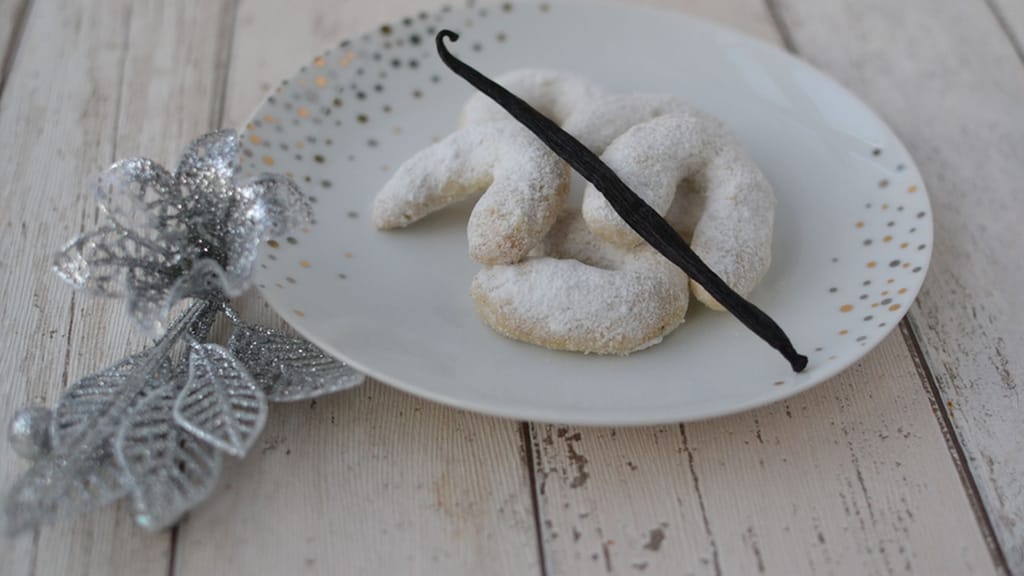
The best christmas cookies? vanilla crescents, of course!
Vanilla Pods: Types, Price, and How to Use Them
Updated Oct 4, 2026
A vanilla pod is the dried, fermented fruit of a Vanilla orchid — and the aroma it gives off is in a completely different league from sachet vanilla sugar. We'll show you how Madagascan, Tahitian, and other vanillas differ, why a single pod costs what it does, and how to split, infuse, and use it right down to the very last scrap.
A vanilla pod is the fruit of a tropical orchid, fermented and dried for several months after harvest. Vanillin and the hundreds of other aromatic compounds that give vanilla its scent only develop during this curing process — a freshly picked green pod barely smells of anything.
Processing happens in four stages, and the traditional method takes roughly 4–6 months, sometimes longer:
Scalding: the green pods are briefly dipped in hot water (around 65°C/149°F) to stop their growth.
Sweating: the pods are wrapped in blankets and left to "sweat." They turn brown and start to develop their aroma.
Drying: over several weeks, the pods are alternated between sun and shade until they lose most of their moisture.
Curing: the pods mature for several months in closed boxes, much like wine ageing.
Two botanical species are used in cooking: Vanilla planifolia (Madagascar, Uganda, Tanzania, Mexico, Indonesia) and Vanilla × tahitensis (Tahiti, and partly Papua New Guinea). Each has its own distinct aroma, so it's worth knowing exactly what you're buying.
Five types of vanilla are most commonly available to buy: Madagascar (Bourbon), Tahitian, Ugandan, Tanzanian, and Papua New Guinea vanilla. They differ mainly in the ratio of vanillin to other aromatic compounds, which is why each one suits different uses.
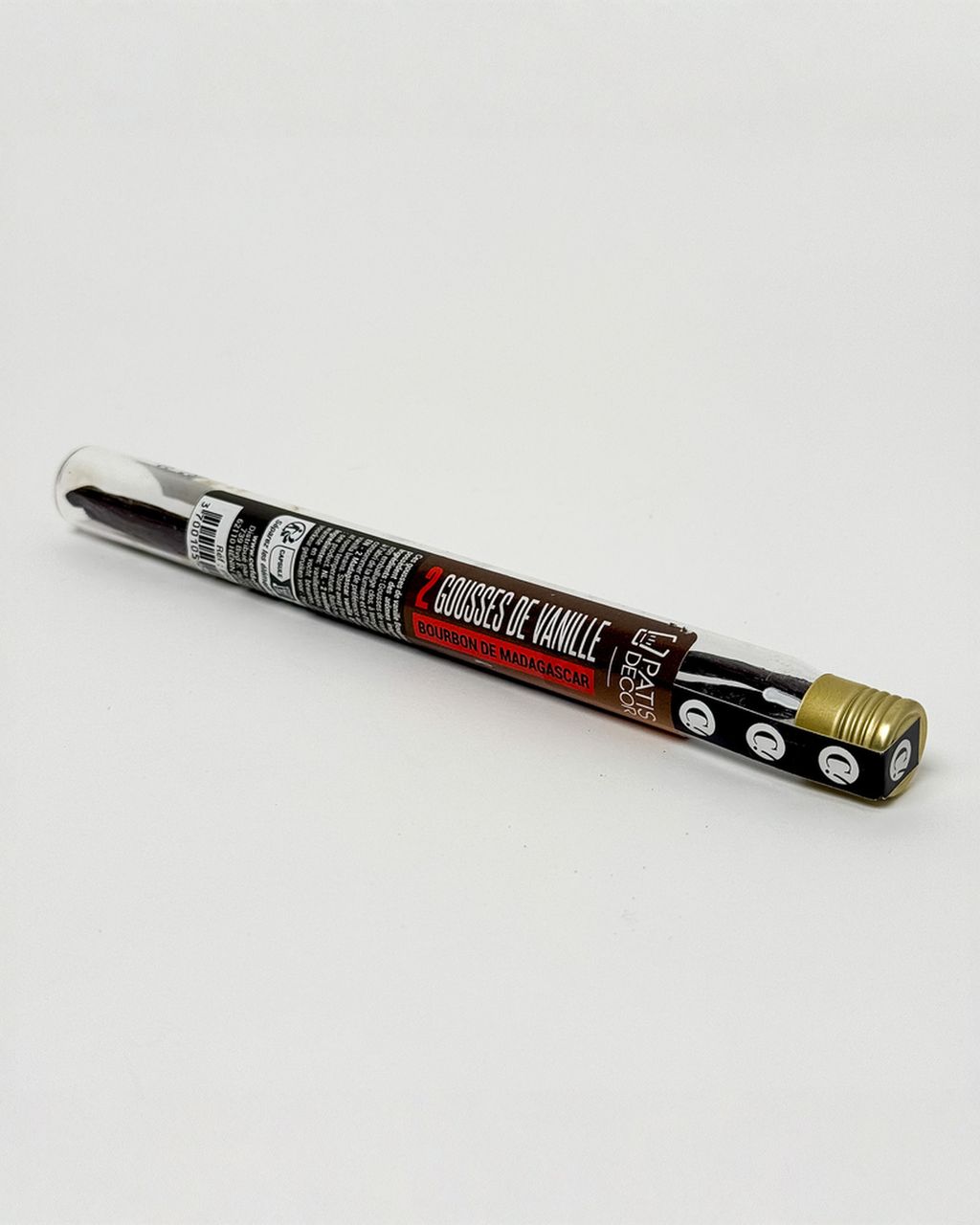
Madagascar vanilla is the classic, most "vanilla-tasting" vanilla. It's sweet and creamy, with notes of cream and a faint smoky undertone. Trade reports suggest Madagascar grows the majority of the world's vanilla. The term Bourbon refers to Vanilla planifolia grown on islands in the Indian Ocean, and comes from the old name for Réunion Island (Île Bourbon).
It's the most versatile choice. It holds up well to heat, so it works beautifully in baking, puddings, and cooked custards. If you're not sure which vanilla to buy, start here.
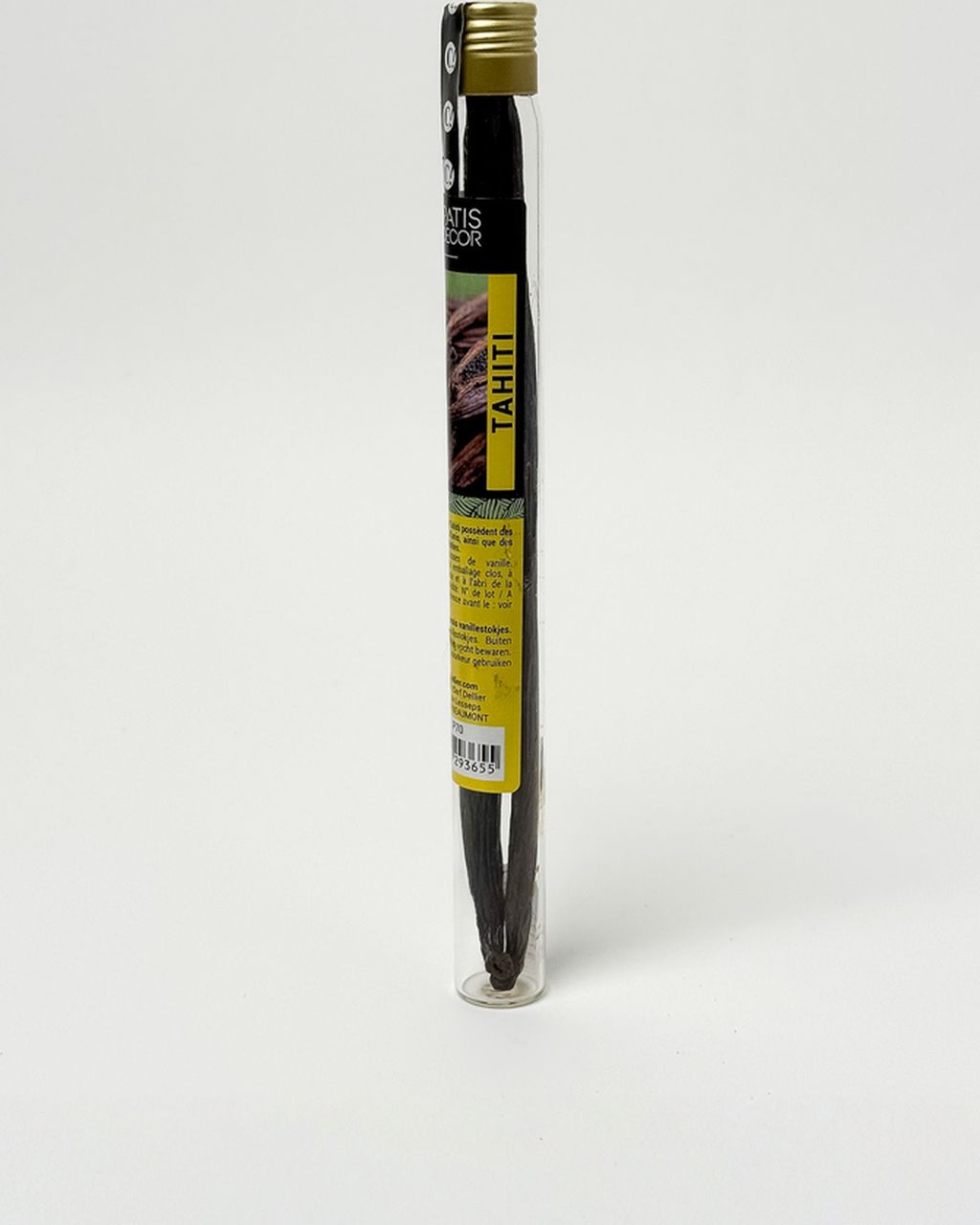
Tahitian vanilla is floral and fruity, with notes of cherry and anise, plus a touch of perfume, and it contains less vanillin than Madagascan vanilla. Analyses put V. tahitensis at roughly 1–2% vanillin by dry weight, compared with 1.7–3.6% for V. planifolia. Tahitian vanilla makes up for this with a much higher level of anisaldehyde and anisyl alcohol — the anise-scented compounds behind its floral character.
The pods tend to be plumper, meatier, and moister, with more seeds and more "pulp" inside. Its delicate aroma, though, fades during long cooking. It really shines cold or at low temperatures: in whipped cream, ice cream, panna cotta, fruit desserts, or any custard that isn't boiled.
Vanilla from Uganda, Tanzania, and Papua New Guinea offers a lesser-known alternative to Madagascan: Ugandan vanilla tends to be rich with chocolatey notes, Tanzanian is close to Bourbon, and Papua New Guinean sits somewhere between Madagascan and Tahitian. What we know about their flavour profiles comes mostly from sellers' descriptions, which don't always agree, so treat this as a general guide rather than a strict rule:
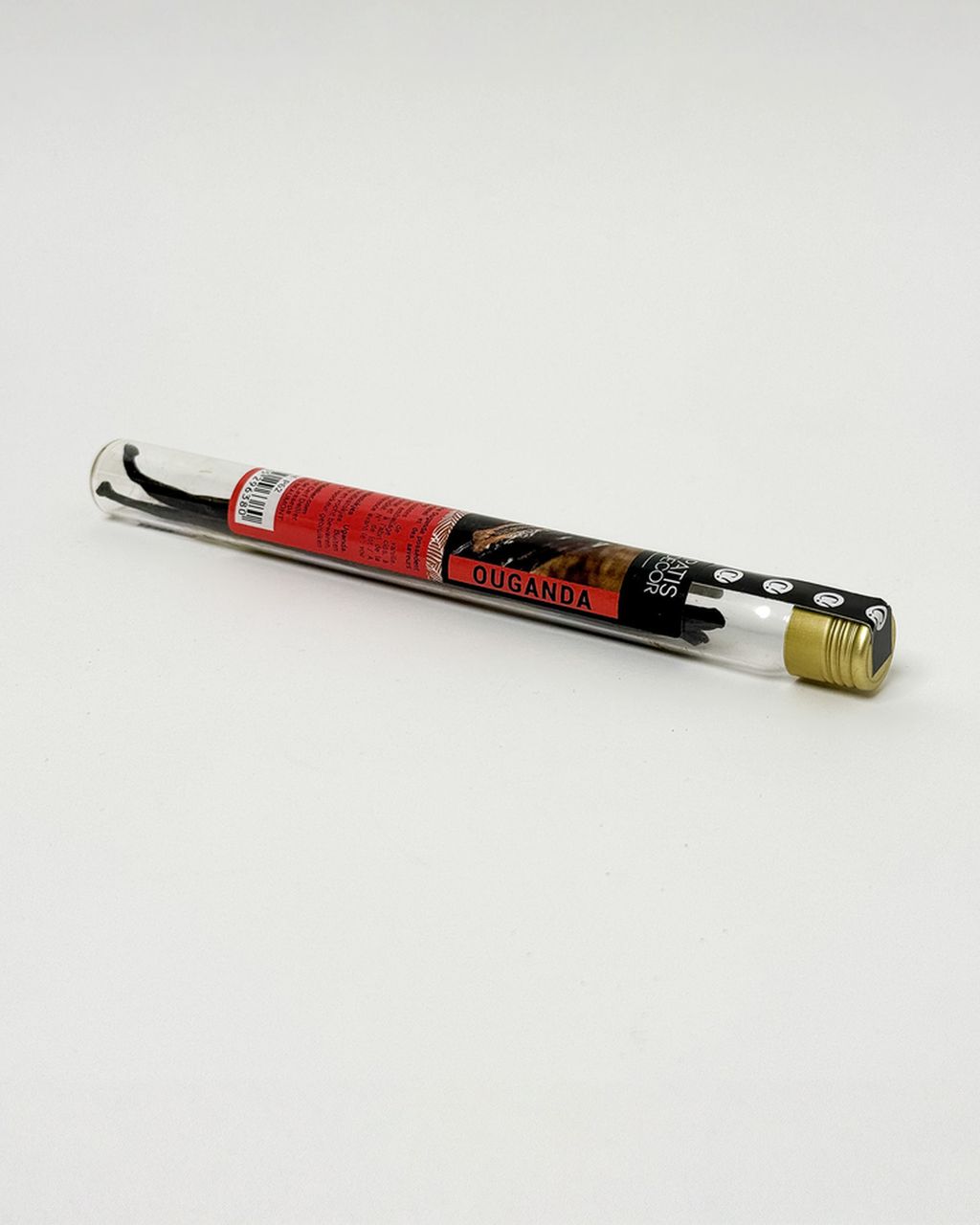
Uganda: V. planifolia, usually described by sellers as full-bodied and rich, with pronounced vanillin and a note reminiscent of milk chocolate. Holds up well in baking and chocolate desserts.
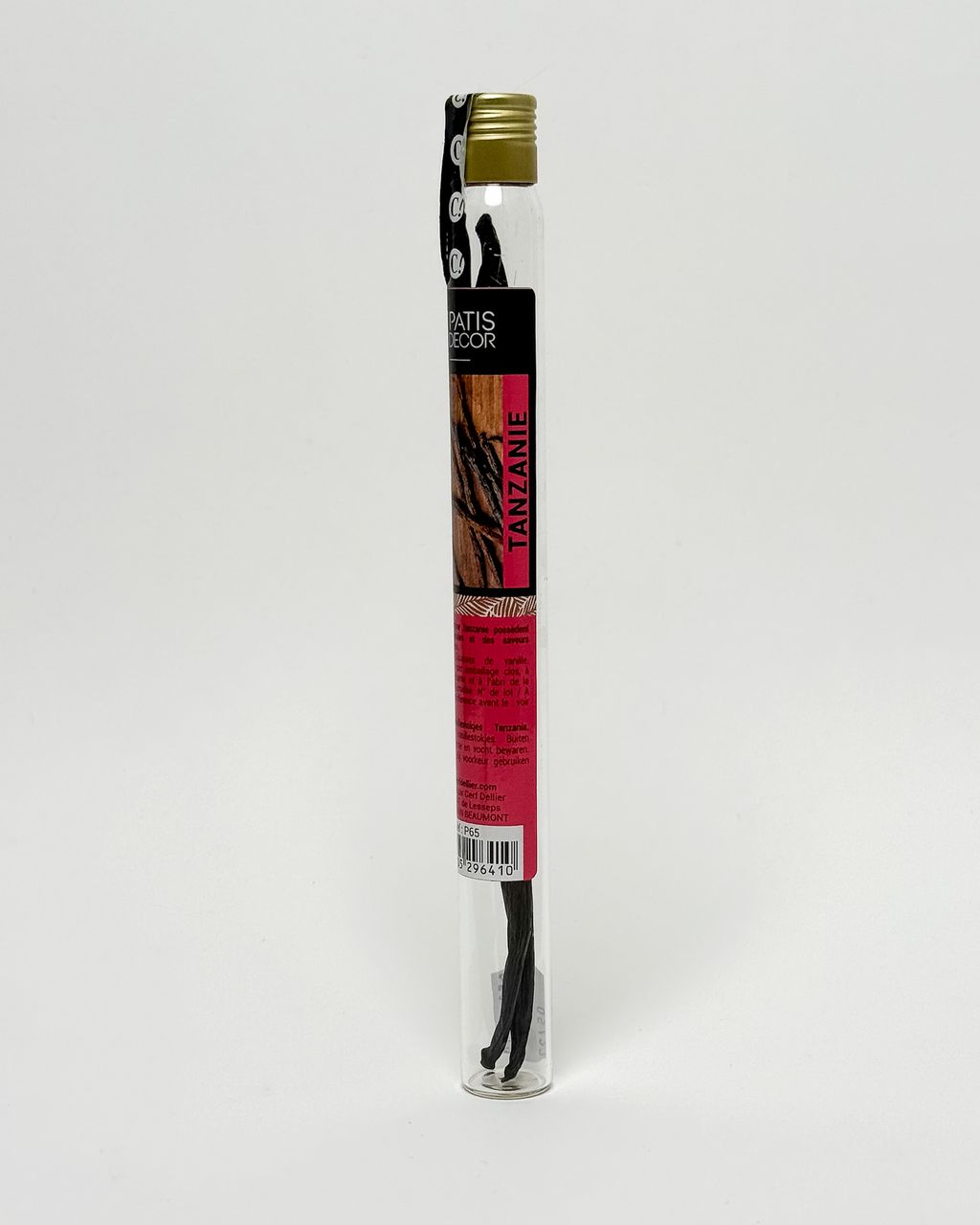
Tanzania: V. planifolia close to Madagascan. Some sellers describe it as fruitier and sweeter, others as darker and denser with a chocolatey note. Good in both custards and baking.
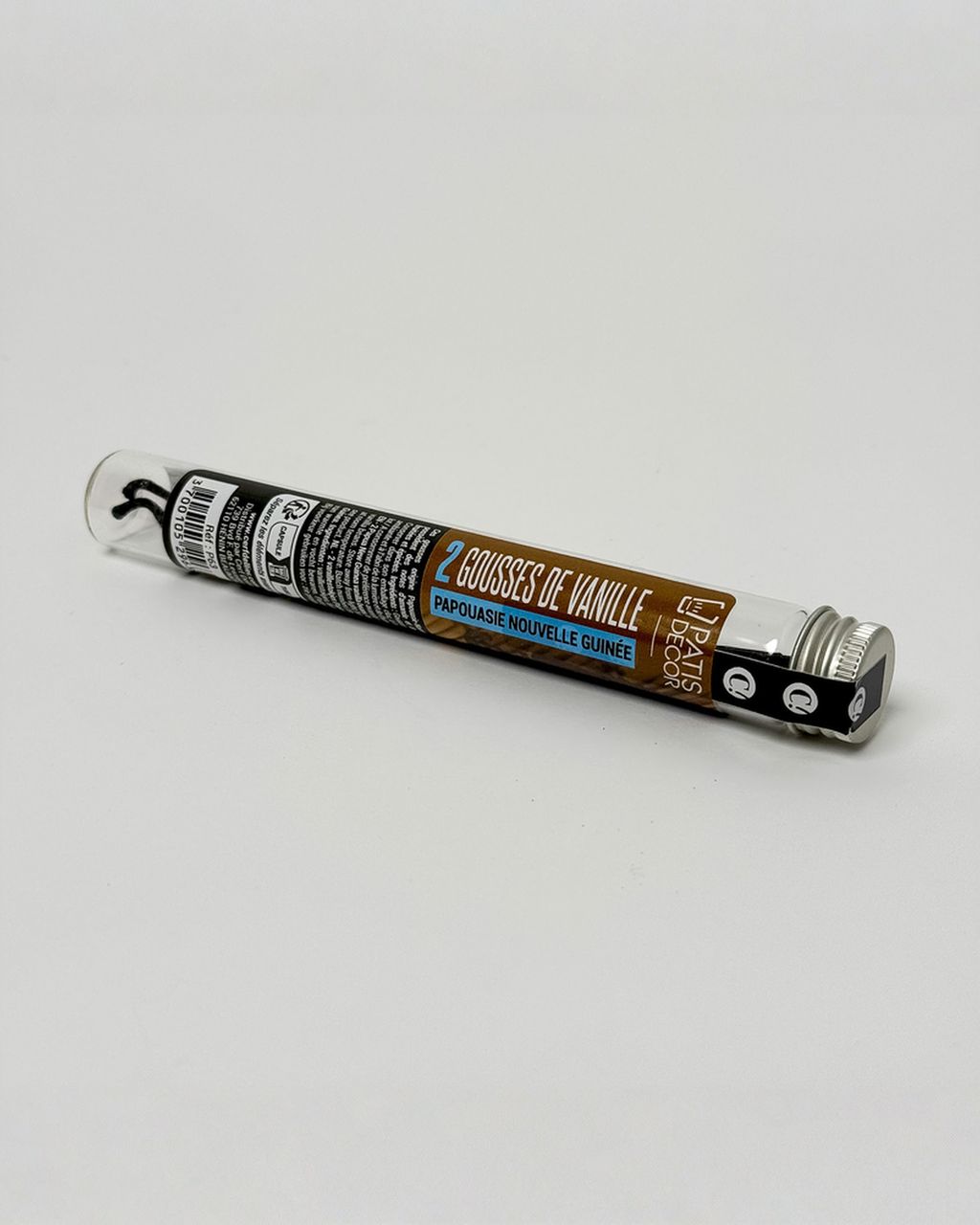
Papua New Guinea: grows both V. planifolia and the Tahitian type, so the aroma tends to sit between the two — creamy with a fruity, slightly floral note. Often cheaper than true Tahitian vanilla and excellent in ice cream and milk-based desserts.
Use Madagascan or Ugandan vanilla for baking and cooked custards, and Tahitian or Papua New Guinean for cold desserts. Quick overview:
Christmas cookies, bundt cakes, sponge cakes: Madagascar Bourbon, Uganda
Pudding, crème brûlée, cooked custard: Madagascar, Tanzania
Ice cream, panna cotta, whipped cream: Tahiti, Papua New Guinea
Fruit desserts, compotes, syrups: Tahiti, Tanzania
Chocolate desserts: Uganda, Madagascar
You'll find the full range of vanilla pods among Yumsto's vanilla selection. If you're unsure, go for Madagascan — you really can't go wrong with it.
Split the pod lengthways, scrape out the seeds, and add both the seeds and the empty pod to your liquid — the aroma lives in the skin too, not just in the seeds.
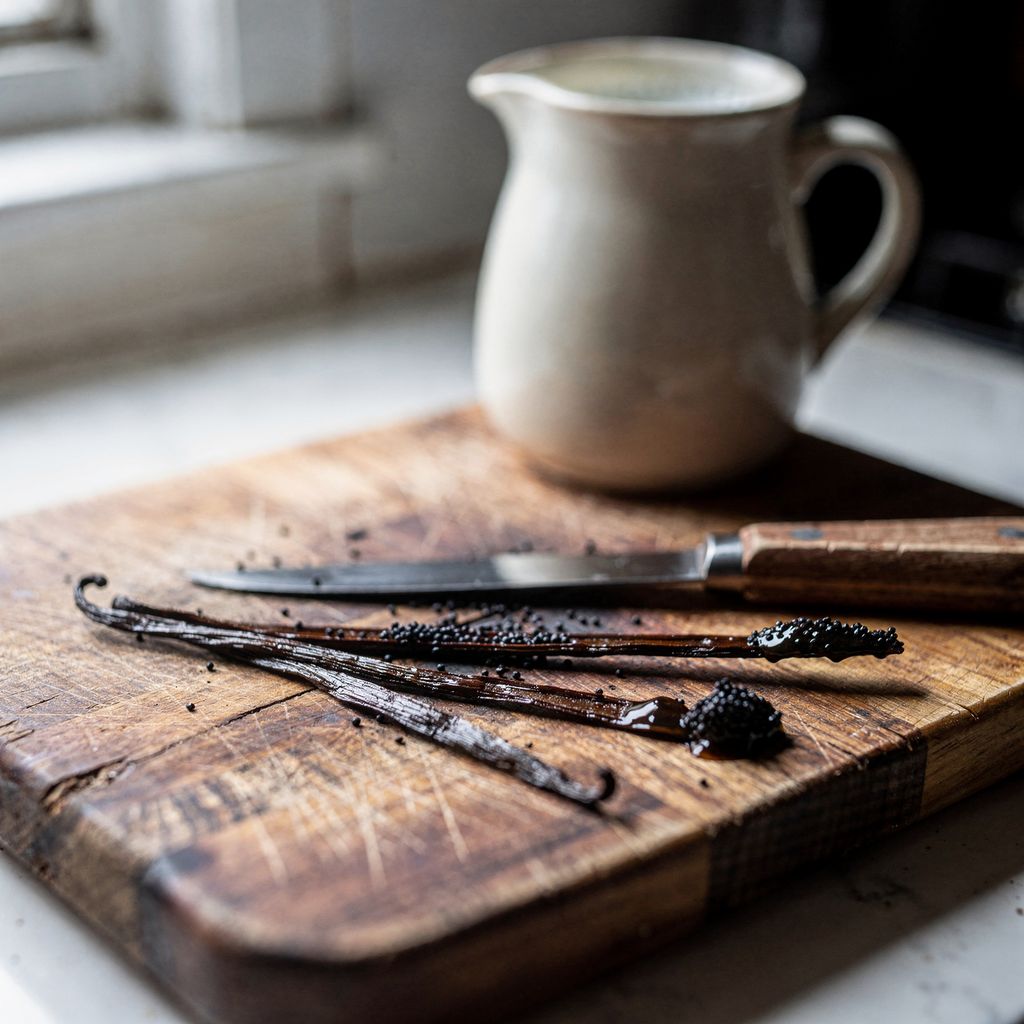
Split the pod. Lay it on a chopping board, hold one end steady, and run the tip of a sharp knife lengthways through it, cutting through just one side, not all the way through.
Scrape out the seeds. Open the pod and run the blunt side of the knife along the inside from end to end. The seeds come out as a sticky black paste.
Infuse. Add the seeds and the pod to milk or cream and heat to 80–85°C (176–185°F), just below boiling. Take off the heat, cover, and leave to infuse for 20–30 minutes. For ice cream or panna cotta, you can even infuse overnight in the fridge.
Remove the pod. Then continue with your recipe.
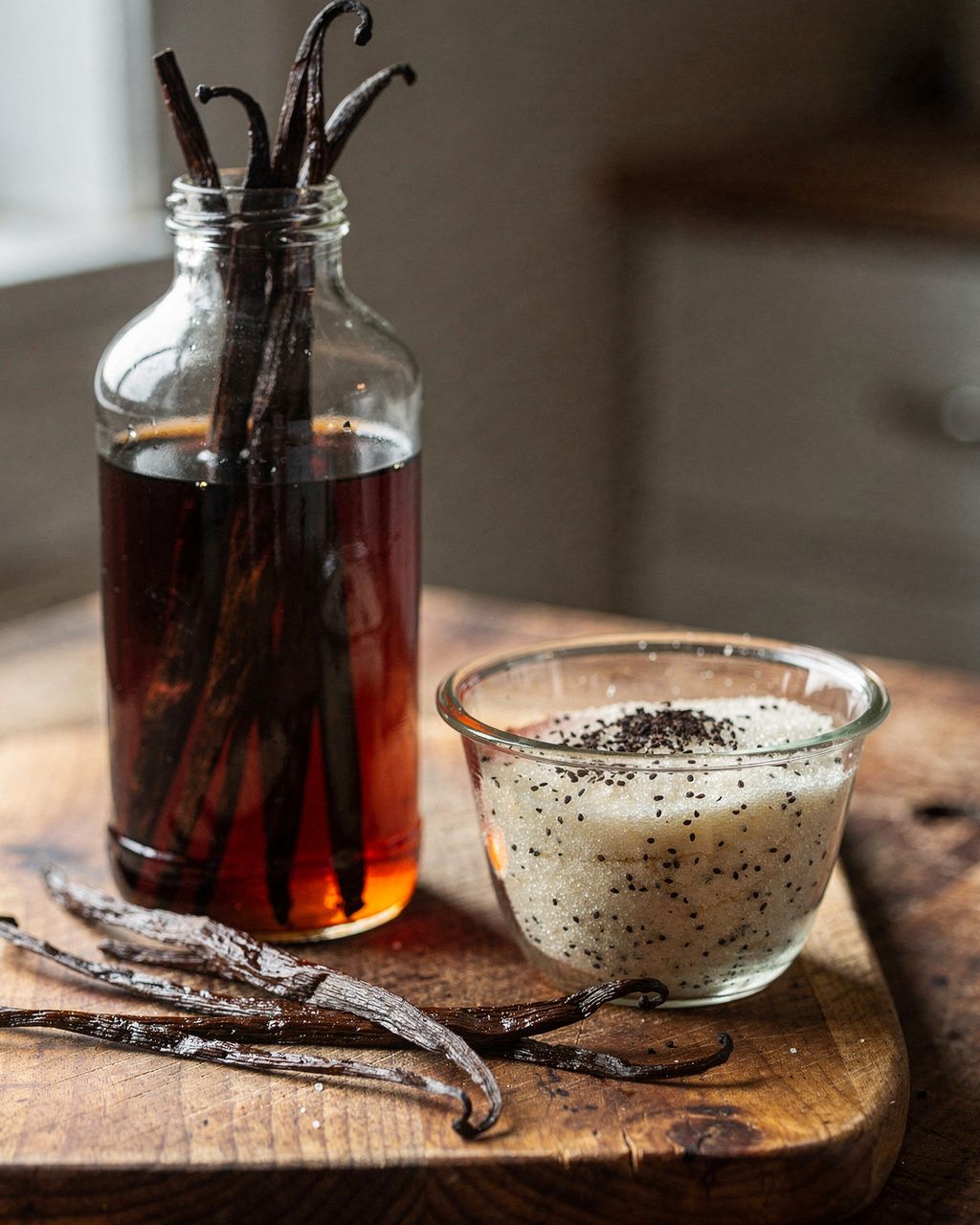
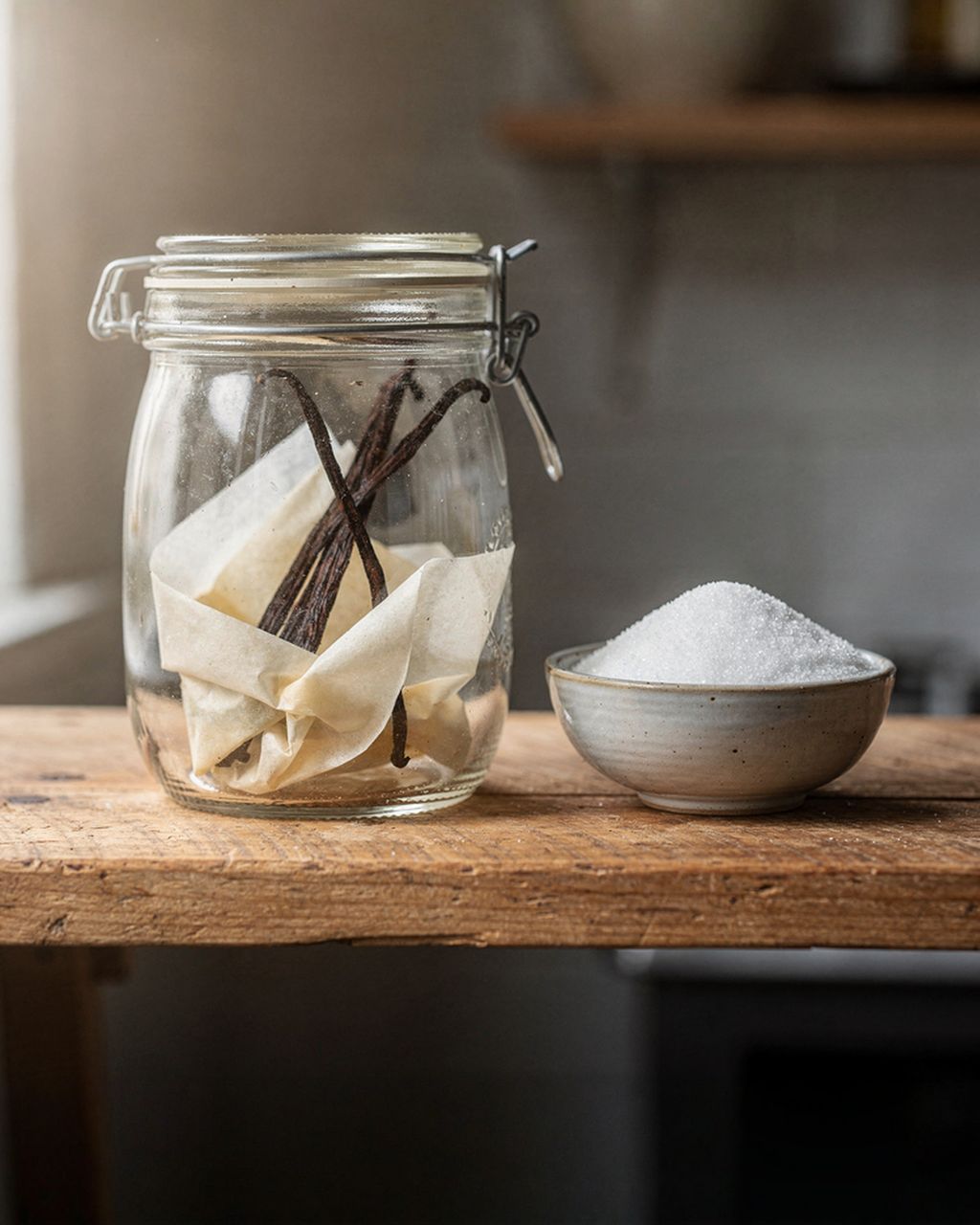
Don't throw it away. Rinse it, dry it, and bury it in sugar. In a few weeks you'll have your own homemade vanilla sugar.
For doughs where nothing gets infused (cookies, biscuits, bundt cake), mix the seeds straight into the butter and sugar. Fat captures the aroma well and carries it through the whole dough.
As a rule of thumb, use 1 pod per 500 ml of milk or cream, or per 500 g of flour in a dough. Common conversions:
1 pod ≈ 1 tablespoon (15 ml) of good-quality vanilla extract (approximate — extracts vary in strength)
1 pod ≈ 1 tablespoon of vanilla paste (approximate — pastes vary in strength, so check the manufacturer's guidance)
For vanilla sugar: 1–2 pods (even already-used ones) per 500 g of sugar
Tahitian vanilla: since the pods are plumper, ¾ of a pod is sometimes enough — but taste as you go
For a strongly vanilla-flavoured ice cream or crème brûlée, you can go up to 2 pods per 500 ml. Beyond that, you won't improve the flavour — you'll just spend more.
Vanilla shines where it has no competition: in simple milk- and butter-based recipes. A classic example is vanilla crescent cookies, which call for both the seeds in the dough and vanilla sugar for coating. Try Tahitian or Papua New Guinean vanilla in homemade strawberry ice cream with basil and vanilla. Madagascan vanilla fills the kitchen beautifully in vanilla millet porridge with forest fruit, where the pod is infused straight into the milk.
The best christmas cookies? vanilla crescents, of course!
Vanilla crescent cookies made with real vanilla pod
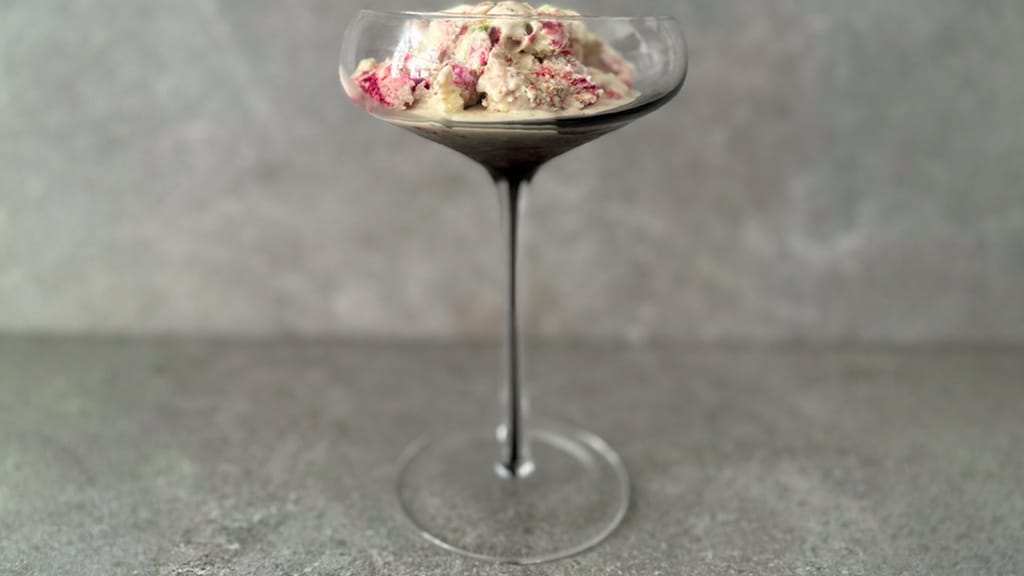
Homemade strawberry ice cream with basil and vanilla
Homemade strawberry ice cream with basil and vanilla pod
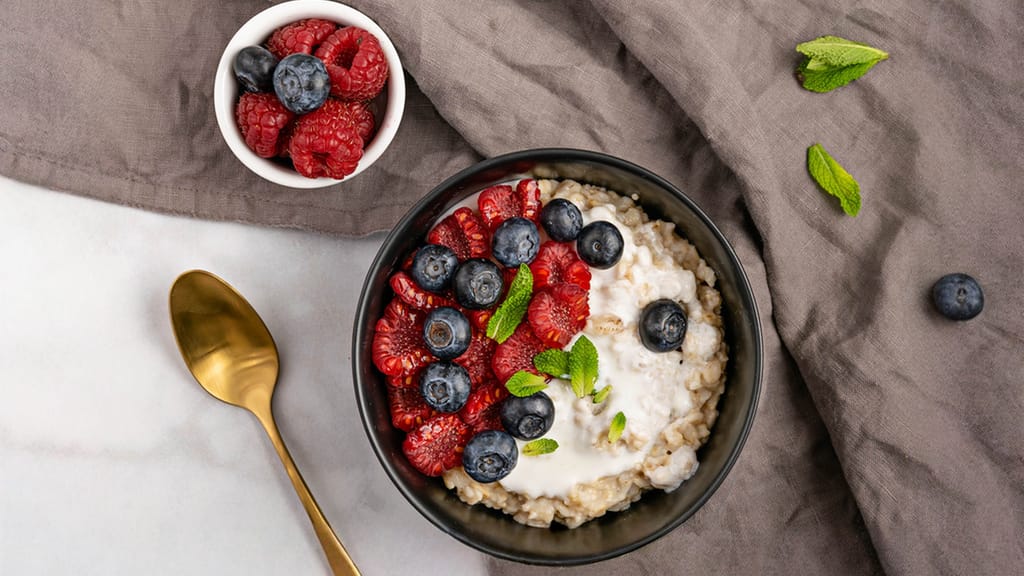
Vanilla millet porridge with forest fruits
Vanilla millet porridge with forest fruit and vanilla pod
The price of a vanilla pod varies by origin, pod length, quality and retailer, and fluctuates considerably over time. It's expensive for four reasons: hand pollination, slow curing, the huge weight loss during drying, and market volatility.
Hand pollination. Outside Mexico, the vanilla orchid has no natural pollinator. Every flower has to be pollinated by hand, on the very day it opens, since each bloom stays open for only a few hours.
Slow curing. It takes around 9 months from flower to ripe pod, followed by another roughly 4–6 months of fermenting and drying — sometimes longer.
Weight loss. During drying, the pod loses most of its water content. According to growers' manuals, around 3–6 kg of green pods yields roughly 1 kg of finished vanilla (a ratio of about 3–6:1, depending on how long and how thoroughly it's dried).
Market volatility. Vanilla prices swing wildly. Trade reports show prices climbing to hundreds of dollars per kilogram around 2018, before falling sharply in recent years due to oversupply.
True Tahitian vanilla from French Polynesia tends to be pricier, since so little of it is grown. A cheap pod that's dry as straw, on the other hand, ends up costing you more in the end, since you'll only get a fraction of the aroma from it.
A good-quality vanilla pod is pliable, glossy, dark brown to black, and smells strong even through the packaging. Here's what to look for:
Flexibility: it should wrap around a finger without snapping. A brittle pod that cracks is overdried or old.
Surface: oily, slightly sticky, with no dry, pale patches.
Length: Grade A (Gourmet) pods tend to be 14–18 cm or longer. Shorter, drier Grade B pods are best suited for making extract.
Aroma: intense and sweet. A musty or smoky, burnt smell is a bad sign.
You might sometimes spot fine white, glossy crystals on a good pod. That's crystallised vanillin — a sign of quality, not spoilage. Mould looks quite different: fuzzy and dull, greyish-white or greenish, with a musty smell to go with it. Throw out any pod like that. To keep your pods soft and pliable, store them properly — the article on how to store vanilla pods covers this in detail.
A vanilla pod gives the fullest flavour. Extract and paste are convenient substitutes made from real vanilla. Vanillin is just one of its hundreds of aromatic compounds, and in vanillin sugar it's usually synthetic.
Vanilla pod: hundreds of aromatic compounds, visible seeds. Best for custards, ice cream, and anything that's infused.
Vanilla extract: pods steeped in alcohol. Handy for doughs, though some aroma is lost during long baking.
Vanilla paste: extract thickened with seeds mixed in. A compromise between convenience and appearance.
Vanillin sugar: sugar flavoured with vanillin, usually synthetic. Smells flat and "sachet-like." Not to be confused with real vanilla sugar made from actual vanilla pods.
Both extract and vanilla sugar are easy to make at home yourself from used pods.
Yes — once you've infused a vanilla pod, you can rinse it, dry it, and use it again, though it will smell a bit weaker the second time. It's perfect for a second infusion in milk, for vanilla sugar, or dropped into a bottle to make extract, where it releases the last of its aroma.
Soak a dry vanilla pod in warm milk, water, or rum for 10–15 minutes — it'll soften back up and you'll be able to split it again. If it's completely rock-hard, blitz it with sugar to make vanilla sugar, or use it to make extract instead.
Yes, used sparingly, vanilla pod also works well in savoury dishes — especially with seafood, pumpkin, carrots, or a butter sauce for fish. Just a small piece of pod is enough; the vanilla should simply round out the flavour, not taste like it's in a dessert.
Stored correctly, a vanilla pod stays soft and fragrant for roughly 1–2 years. Keep it in an airtight container, somewhere dark, at room temperature — not in the fridge, where it dries out and can go mouldy.
One recipe worth heating the oven for, one tip, and one deal from the shop. Nothing else.