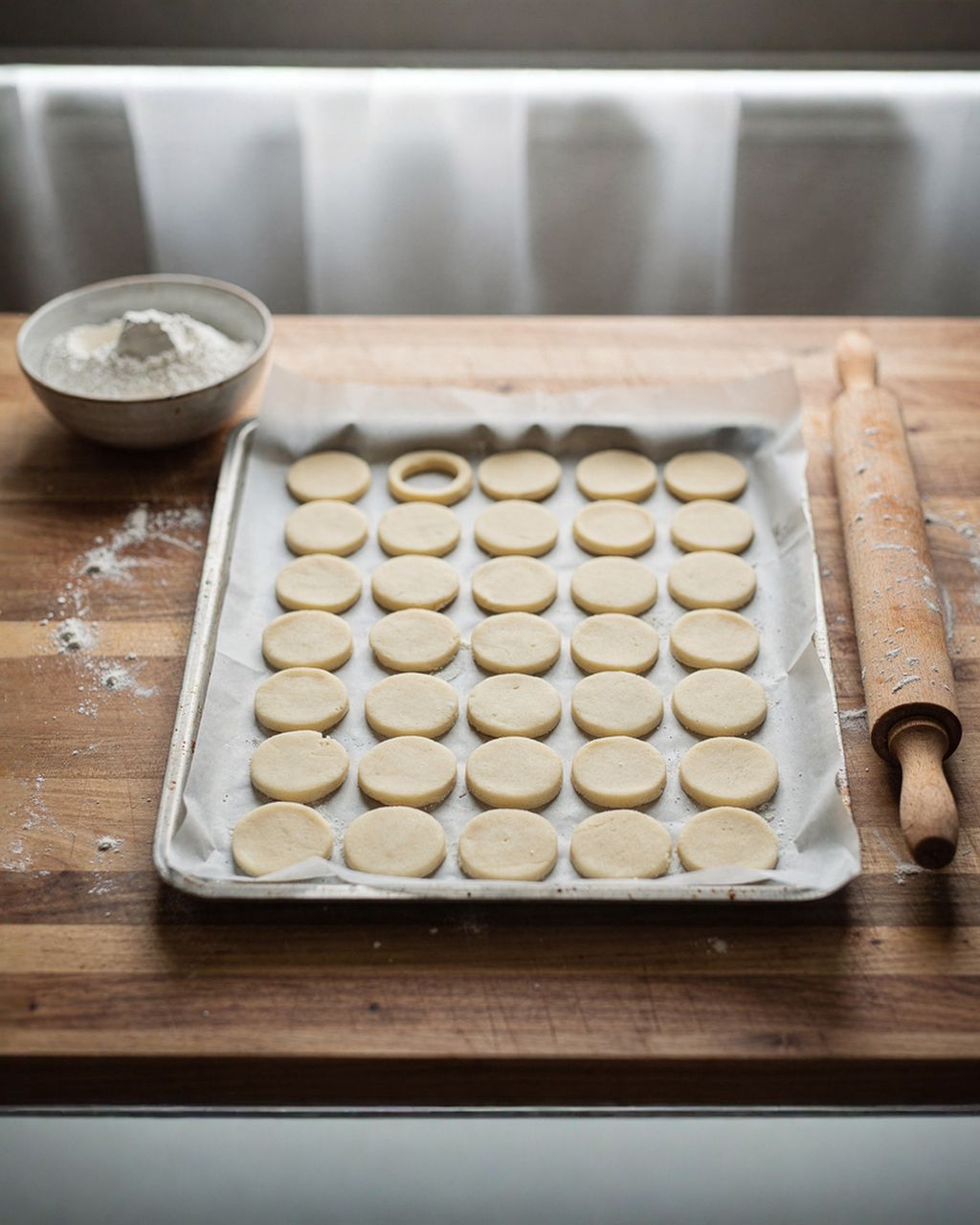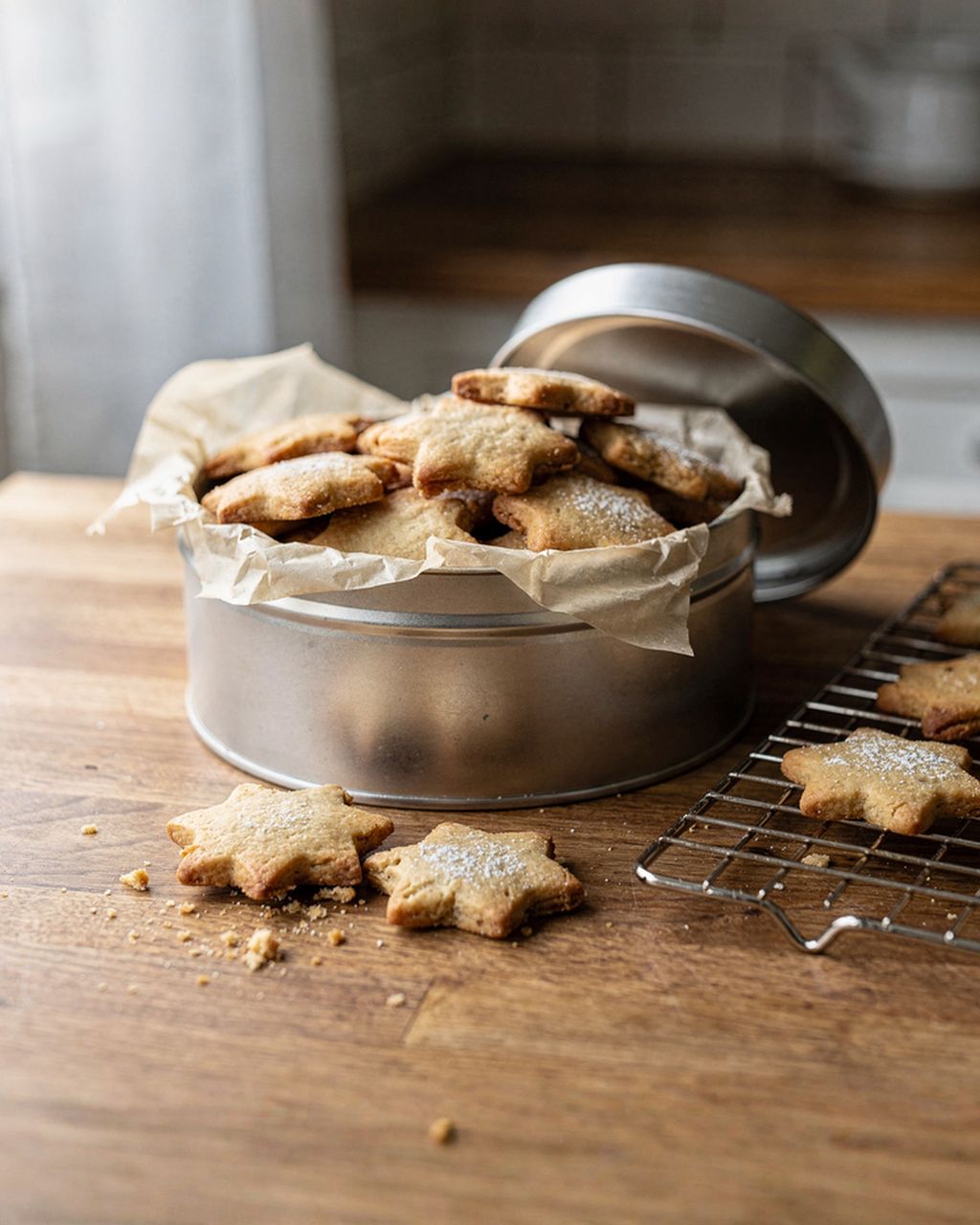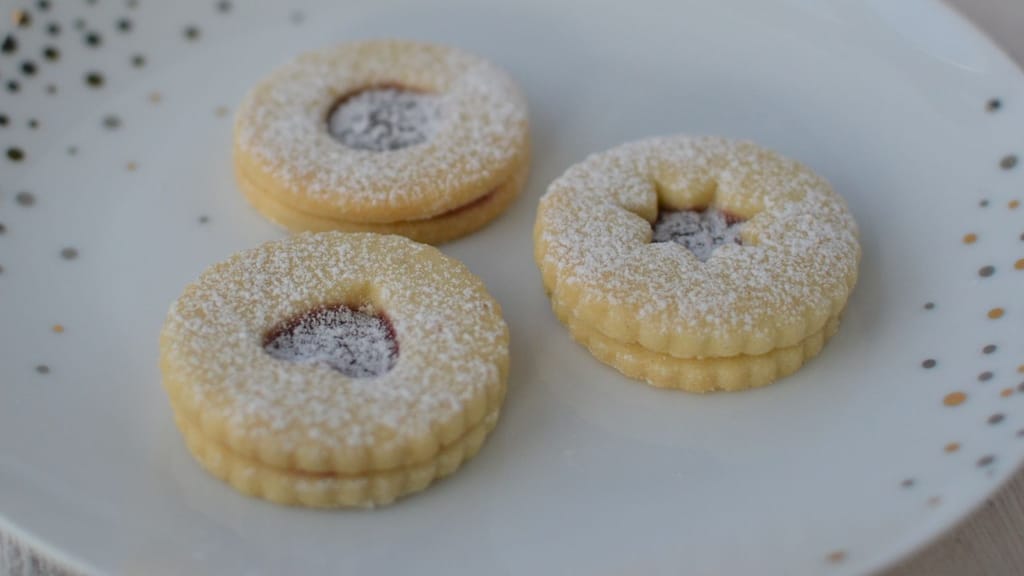
Classic christmas cookies: delicate linzer cookies
What to Use Instead of Flour in Gluten-Free Christmas Cookies: Flours, Starches and Ratios That Work
Updated Sep 17, 2026
You can't replace flour in gluten-free Christmas cookies with just one ingredient – you need a blend. A tried-and-tested base is the 2:1:1 ratio: roughly 50% base flour (rice, buckwheat, oat), 25% starch (corn, tapioca or potato) and 25% ground nuts. Starch gives crumbliness, base flour gives structure, and nuts bring flavor and tenderness. Below you'll find exact ratios for linzer cookies, gingerbread and vanilla crescents, when it's worth reaching for xanthan gum, and which cookies are naturally gluten-free to begin with.
You can replace flour in gluten-free Christmas cookies with five groups of ingredients: rice flour, flavor flours (buckwheat, oat, millet, corn), starches, ground nuts, and a ready-made 1:1 blend. Swapping one-for-one doesn't work – a blend does, and each group plays a different role:
Rice flour – the backbone of the blend, neutral flavor, gives structure. 40–60% of total flour weight.
Buckwheat, oat, millet or corn flour – flavor and color, mainly for gingerbread and cocoa cookies. 20–50%.
Starches (corn, tapioca, potato) – create crumbliness and that melt-in-your-mouth feel. 20–40%.
Ground nuts, almonds and coconut flour – fat, tenderness and flavor. Nuts 10–30% (up to 50% in purely nut-based doughs), coconut flour no more than 10%, since it soaks up water like a sponge.
Ready-made gluten-free 1:1 blend – the quickest option; for cookies, upgrade it by adding 20% ground almonds.
The simplest universal ratio to remember: 2 parts rice flour : 1 part starch : 1 part ground almonds (in other words, 50 : 25 : 25%). For 200 g of wheat flour in a recipe, that's 100 g rice flour, 50 g starch and 50 g almonds. Leave the fat, sugar and eggs unchanged.
One gluten-free flour on its own isn't enough because gluten did two jobs at once – it bound water and held the crumbs together. A different ingredient patches each of those gaps: starch adds crumbliness, nuts add fat and tenderness, base flour adds structure. Any single flour can only do one of those things, which is why you blend them.
Skip this substitution and gluten-free dough crumbles when you roll it out, the finished cookies break more easily, and after a few days they taste starchy. The good news is that Christmas cookies are the most forgiving place in all of baking to go gluten-free. You don't really want gluten in linzer cookies or gingerbread anyway – that's why linzer dough is never kneaded, just quickly brought together. Gluten-free bread is a science; gluten-free cookies are a craft you can nail on the first try.
The base flour forms the body of the dough and shapes the flavor. Pick one main flour depending on the cookie – pale cookies need something neutral, gingerbread can handle something bolder.
Rice flour is the most reliable base for gluten-free Christmas cookies – neutral flavor, plays well with butter, and doesn't overpower vanilla or nuts. Use it at 40–60% of total flour weight.
Its only drawback is grittiness. Coarsely ground rice flour bakes up sandy and crunchy between your teeth. Fix this with two steps: buy finely ground rice flour (look for "finely ground" or "extra-fine" on the label) and let the finished dough rest in the fridge for at least 30 minutes. Rice flour absorbs water more slowly than wheat flour, and that half hour lets it finish hydrating – gluten-free mills recommend this too. That one step makes the biggest difference between "you can tell on the first bite" and "nobody notices at all."
Buckwheat flour belongs in gingerbread, cocoa and nutty cookies, where its nutty, earthy flavor fits right in. Bonus: it gives the dough a brown tint on its own, so you don't need extra cocoa in gingerbread just for color.
On its own, though, it's dominant and heavy. Stick to 30–50% of the blend and fill in the rest with rice flour and starch. Leave it out of pale cookies – linzer or vanilla crescents – it'll overpower them.
Oat flour gives the softest texture of any gluten-free flour and tastes mild, almost sweet. It must be certified gluten-free, though. Oats themselves don't contain gluten, but they're grown, harvested and milled alongside wheat, so regular oats are often cross-contaminated – neither "100% oats" nor "organic" on the label tells you anything about gluten.
Only buy oats labeled "gluten-free." That label may only be used for oats specially grown and processed to keep wheat out, with gluten content under 20 mg/kg. Always check with your doctor or dietitian about whether and how much oats to include.
You can grind your own from certified oat flakes in a coffee grinder in about thirty seconds. Use up to 50% of the blend.
Fine corn flour (not cornmeal or cornstarch) gives cookies a crumbly texture and a warm yellow color. Above 30% it turns dry and sandy, so treat it as a supporting player, not a base.
Millet flour – mild and slightly sweet, behaves similarly to rice flour. A good swap if you want to leave rice out of your cookies.
Chestnut flour – sweet and distinctive, great in gingerbread and chocolate cookies. No more than 20%.
Chickpea and soy flour – leave these out of cookies. Their legume-y flavor doesn't disappear into a buttery dough.
Starch is what gives gluten-free cookies their crumbliness. Without it, cookies turn out hard and dense, no matter which flour you choose. Aim for 20–40% of total flour weight, and it pays to mix two different starches – two starches give a better texture than double the amount of just one.
Corn starch (cornstarch) – the most neutral, gives fine crumbliness. The go-to choice, 20–30%.
Potato starch – holds onto moisture, keeps cookies soft longer. Good for gingerbread.
Tapioca starch – binds the dough together and gives a slight sheen to the surface. Max 15%, or the cookies turn slightly chewy.
Watch the upper limit: above 50% starch, cookies fall apart when you handle them and turn dry in the mouth. That's actually why ready-made gluten-free blends often bake up tasteless – they tend to be overloaded with starch. Stir in a fifth of ground almonds and it's a different story.
Ground almonds, hazelnuts or walnuts are a real asset in gluten-free cookies – they add fat, tenderness and flavor that no starch blend can replicate. In standard cut-out and linzer cookies, use 10–30% of total flour weight.
The exception is nut-based doughs, where nuts are the main flavor – vanilla crescents, for example. There you can go up to 50%, since the recipe already accounts for their fat and there's little water in the dough. The rest still needs to be flour with starch, or the shapes will spread on the baking sheet.
Keep two things in mind:
They brown faster. Bake nut-based dough 10°C (about 18°F) lower than the recipe states, and watch the edges.
They won't firm up the dough on their own. Ground almonds contain no starch, so dough made from almonds alone will spread on the sheet. They work as a stand-alone base only where there's little water and plenty of egg white – macarons, for instance.
Coconut flour is a whole different animal. It absorbs three to four times more water than almond flour, so swapping it in 1:1 is a sure way to end up with a brick. Keep it to a maximum of 10% of the blend, and add one extra egg or 2–3 tablespoons of milk or cream for every 30 g of coconut flour.
One more thing that's easy to overlook: nut flours are high in fat, so they go rancid quickly. Buy them fresh, ideally grind your own, and store them in the fridge.
For 200 g of wheat flour, use 100 g rice flour + 50 g starch + 50 g almonds for linzer cookies; 100 g buckwheat flour + 60 g rice flour + 40 g potato starch for gingerbread; and 100 g ground nuts + 60 g rice flour + 40 g corn starch for vanilla crescents. You're always replacing the total weight of wheat flour called for in the recipe; leave fat, sugar and eggs unchanged unless noted otherwise below.
For every 200 g of wheat flour, use 100 g rice flour, 50 g corn starch and 50 g ground almonds. Keep the butter and egg yolk exactly as the recipe states – here, fat is what holds the dough together in place of gluten.
Let the dough rest in the fridge for at least an hour, ideally overnight. Cold dough rolls out much more easily, and the rice flour loses its grittiness in the meantime. If it still crumbles or turns out hard, the same causes apply as with wheat dough – read up on why linzer dough crumbles and why linzer cookies turn out hard instead of crumbly.
Classic christmas cookies: delicate linzer cookies
Classic crumbly linzer cookies – the base recipe where you swap in the 2:1:1 flour blend
For 200 g of wheat flour, use 100 g buckwheat flour, 60 g rice flour and 40 g potato starch, plus an extra tablespoon of honey. Buckwheat makes up half the blend here – the upper limit it can still carry flavor-wise. Honey binds water and keeps the gingerbread soft where gluten would otherwise do that job.
Gingerbread is actually the most forgiving cookie of all – the honey and spices taste so strong that nobody will notice the gluten-free flour. Don't swap the baking soda for baking powder, and let the dough rest at least overnight. Everything else applies just as it does with wheat-based gingerbread – see why gingerbread goes hard and how to keep it soft.
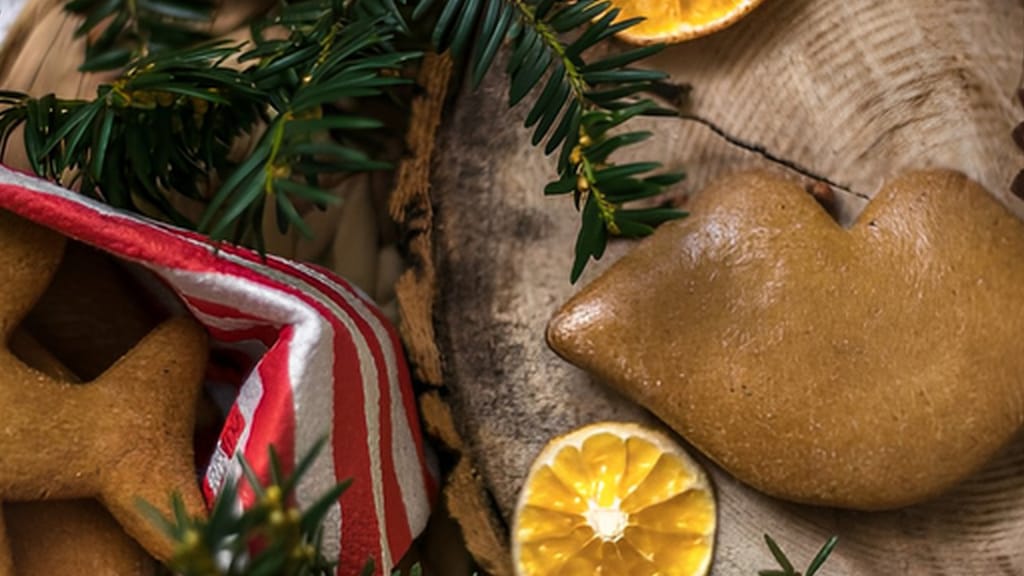
Soft gingerbread cookies
Soft gingerbread cookies – the recipe that takes best to the buckwheat swap
For 200 g of wheat flour, use 100 g ground nuts or almonds, 60 g rice flour and 40 g corn starch. Nuts make up half the blend here, above the usual 10–30% range – but it works for nut-based doughs, since the recipe already accounts for their fat and there's very little water in the dough.
Shape them cold, straight from the fridge – without gluten, dough that's warmed up will crack when you bend it. And don't roll them in vanilla sugar right away – wait two minutes on the baking sheet first; hot gluten-free crescents will fall apart under your fingers.
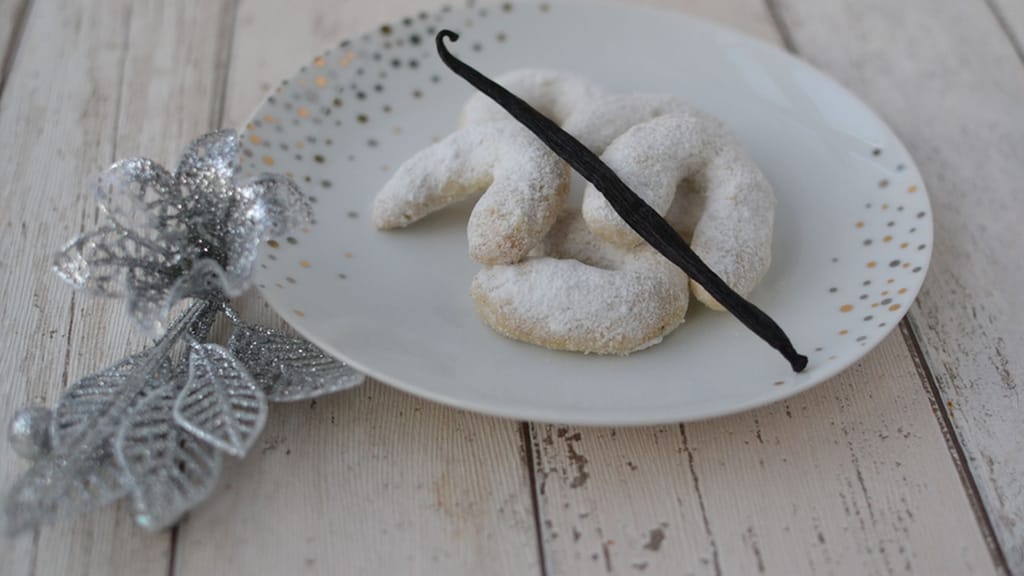
The best christmas cookies? vanilla crescents, of course!
Vanilla crescents – a recipe where all you need to do is recalculate the flour-to-nut ratio
You don't need xanthan gum for most cookies. Butter-based doughs hold together thanks to fat and egg, not gluten, so linzer cookies, crescents and nut-based cookies all manage fine without a binder.
Reach for it only where the dough tears when rolled out and cut – for thin cut-out shapes and for gingerbread. Use 0.5–1 g per 100 g of flour, roughly a quarter teaspoon. More than that gives you a rubbery, chewy texture you can't fix afterward.
Ready-made 1:1 blends usually already contain xanthan gum – in that case, don't add any.
Psyllium doesn't belong in cookies. It binds water beautifully but creates a springy, gel-like texture. Save it for bread.
You can also skip additives entirely: an extra egg yolk, a tablespoon of ground flaxseed mixed with three tablespoons of water, or a tablespoon of curd cheese binds the dough almost as well.
Six habits will get you through gluten-free dough: weigh your ingredients, let the dough rest, roll it between two sheets of parchment, dust with starch instead of flour, lower the oven temperature by 10°C (about 18°F), and let the cookies cool fully on the sheet. Gluten-free dough behaves differently, but predictably – that's the entire difference from wheat dough:
Weigh ingredients, don't measure by the cup. Gluten-free flours vary hugely in density – 100 g of rice flour and 100 g of ground almonds take up completely different volumes.
Let the dough rest for 30–60 minutes in the fridge. The flours finish hydrating, the grittiness disappears, and the dough stops being sticky.
Roll it out between two sheets of parchment. Without gluten, the sheet of dough can't be transferred on a rolling pin; once rolled out, chill it along with the parchment before cutting shapes.
Dust your surface with starch, not flour. Rice flour leaves a white, powdery film on the baked cookies.
Lower the temperature by 10°C (about 18°F) compared to the wheat version – starches and nuts brown faster. Temperatures and times by cookie type still apply here, just dial the oven back a notch.
Let the cookies cool fully on the sheet. Freshly baked gluten-free cookies are soft and break easily; they only firm up once cooled.
The easiest gluten-free cookies are the ones that never contained flour to begin with: macarons, coconut kisses, meringue kisses, coconut balls, marzipan cookies, and no-bake nut and fruit balls.
The only thing to watch for with these is added extras. Coconut kisses with sponge cake crumbs and balls held together with wafers aren't gluten-free, and date and oat balls need certified gluten-free oat flakes.
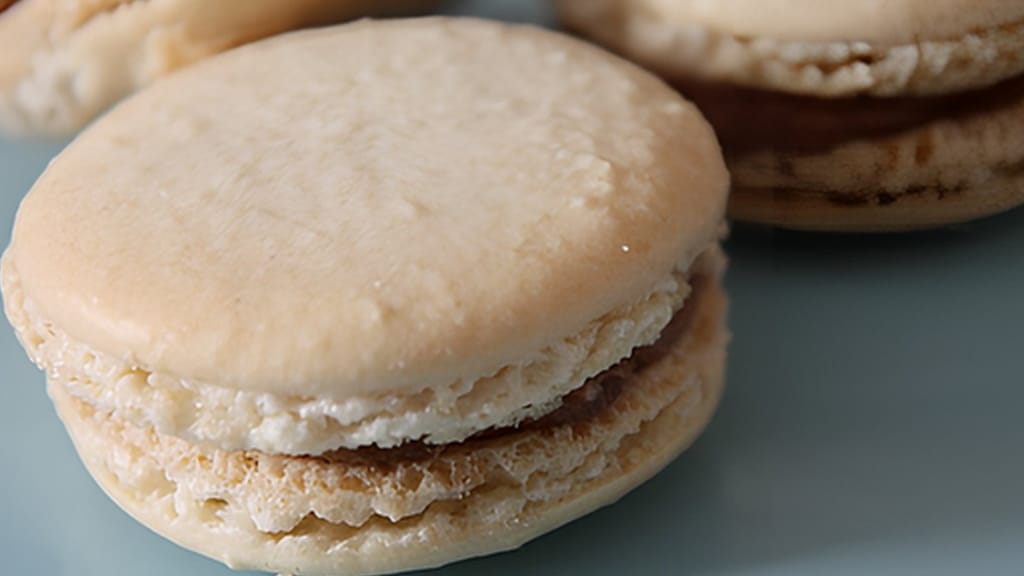
Macarons – the winning recipe
Macarons – cookies made from almond flour and egg whites that never need flour at all
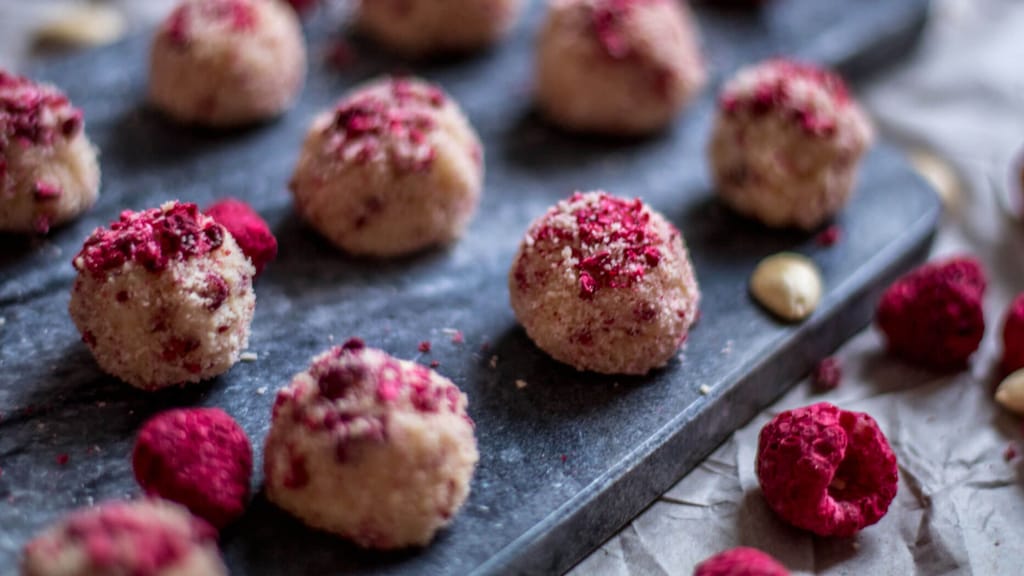
Coconut almond balls with raspberries
Coconut balls with almonds and raspberries – no-bake cookies made from coconut and almonds
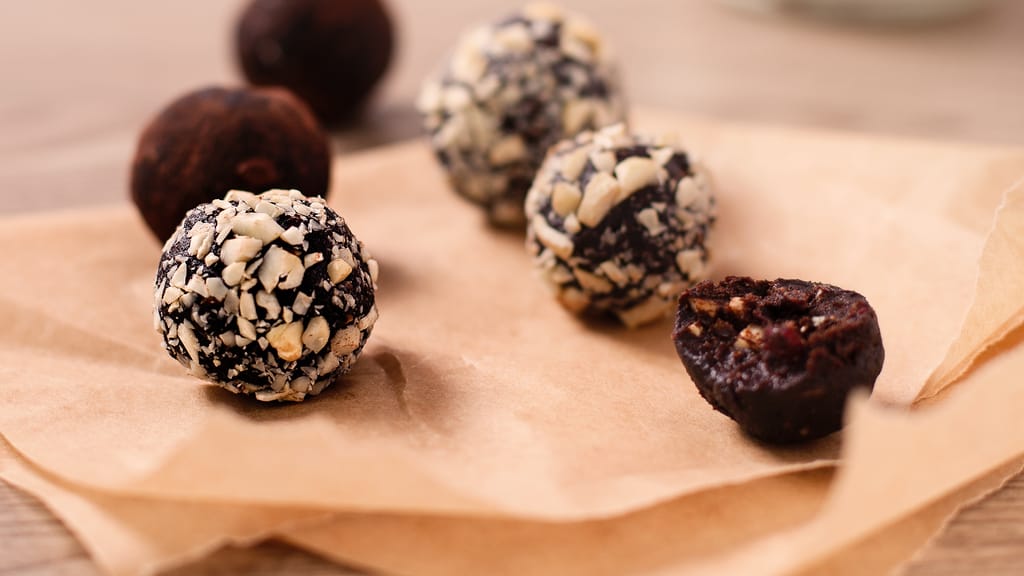
Cocoa date & oat balls
Cocoa oat-and-date balls – no-bake fruit balls; just use certified gluten-free oat flakes
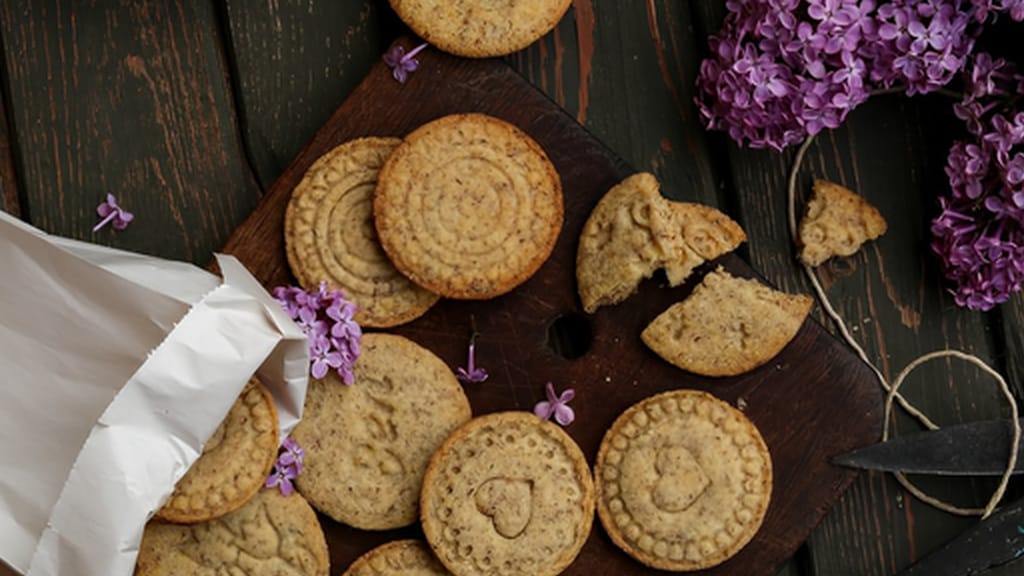
Delicate almond shortbread cookies
Crisp almond cookies – a nut-based dough where swapping in the 2:1:1 flour blend works easiest
Bake gluten-free cookies closer to Christmas, store them airtight, and freeze anything that needs to keep longer – they dry out faster than wheat-based cookies, so timing and storage matter even more here. It helps to check the calendar for when to bake each type of cookie, a guide on how to store cookies so they stay crisp, and how to freeze cookies and dough so they don't turn damp after thawing – for gluten-free dough, the freezer is more of an advantage than a fallback. If you're also looking into other ingredient swaps, check out what to use instead of butter in Christmas cookies.
No, neither spelt nor rye is gluten-free. Spelt is just an older variety of wheat and is just as unsuitable for people with celiac disease as plain flour; rye, barley and Khorasan wheat (kamut) also contain gluten. Gluten-free options include rice, corn, buckwheat, millet, sorghum, quinoa, amaranth, chestnut, nuts, coconut and certified oats.
Yes, but not at the same time. Heat doesn't spread gluten anywhere – the real danger is wheat flour dust in the air, which keeps settling for hours after baking, plus flour residue left in equipment: in a sieve, on a rolling board, in baked-on crumbs on a sheet, or on used baking paper. Don't work with wheat flour in the same kitchen on the same day; bake the gluten-free batch first, on a freshly washed sheet with new parchment, using your own bowl, whisk and towel.
Replace the total weight of wheat flour with the same weight of a 2:1:1 blend – two parts rice flour, one part starch, one part ground almonds. So 300 g of wheat flour becomes 150 g rice flour, 75 g starch and 75 g almonds. Leave the fat, sugar and eggs unchanged, and let the dough rest in the fridge before rolling it out; for thin cut-out shapes, add a quarter teaspoon of xanthan gum per 100 g of flour.
Gluten-free cookies generally don't keep as long as wheat-based ones, and blends heavy on starch dry out fastest. That's because there's no gluten to hold onto moisture the way it normally would, while starch releases that moisture back after a few days. A truly airtight container helps, as does tucking a slice of apple in with gingerbread, and baking closer to Christmas rather than weeks ahead.
Yes, the freezer is actually good for gluten-free dough – during freezing and slow thawing, the flours get a chance to hydrate properly. Wrap the dough tightly in plastic wrap; it'll keep in the freezer for three months. Thaw it overnight in the fridge, never on the counter – gluten-free dough turns damp and sticky on the surface if it warms up too fast.
Gluten-free cookies are generally fine for a wheat allergy too, but watch out for gluten-free blends containing deproteinized wheat starch – that's still made from wheat. A gluten-free diet excludes wheat, rye, barley and contaminated oats, while a wheat allergy only reacts to wheat proteins. The "gluten-free" label means gluten content under 20 mg/kg, but wheat can still be in the ingredients list – if you have a wheat allergy, always check the label and stick to single-grain flours.
One recipe worth heating the oven for, one tip, and one deal from the shop. Nothing else.