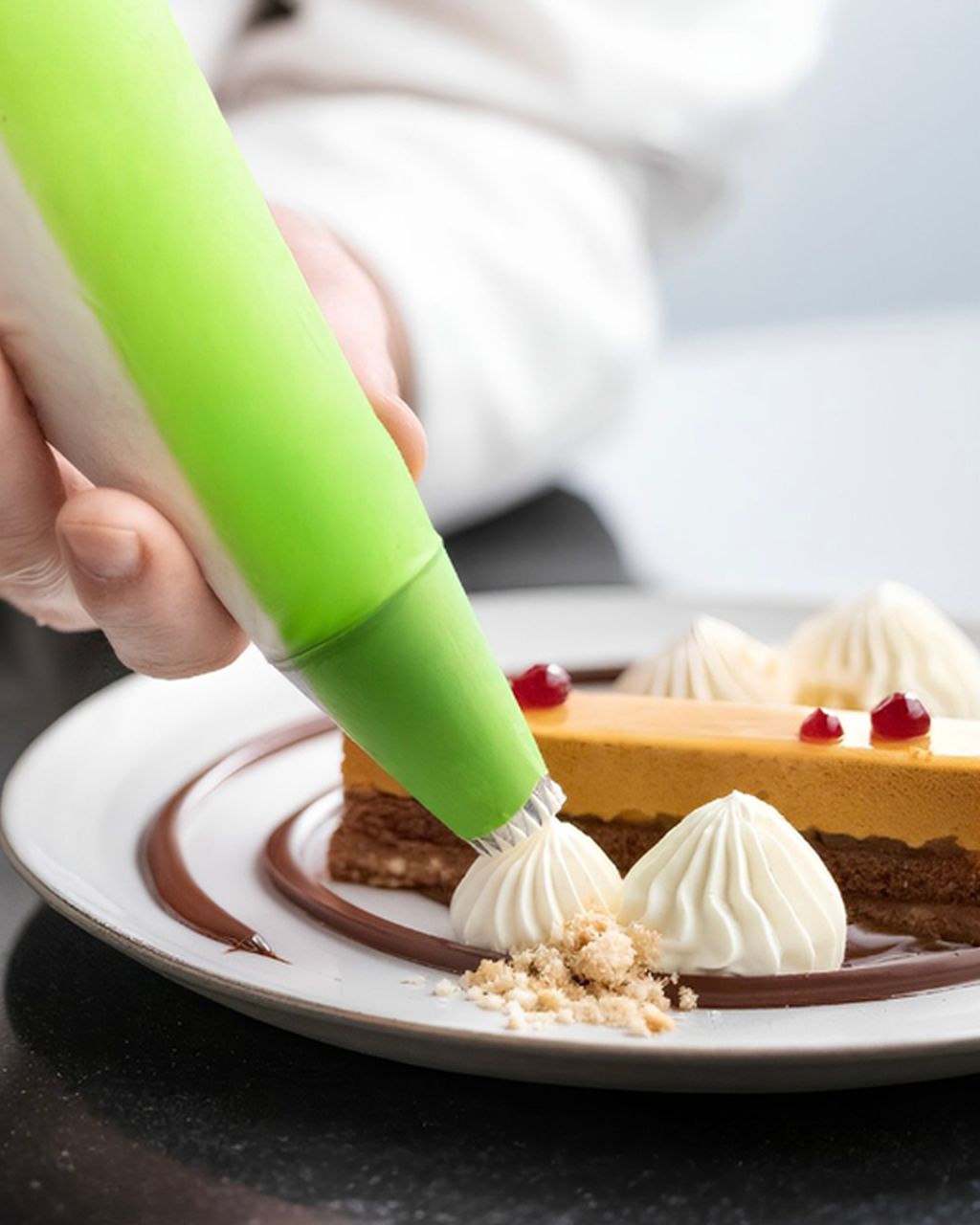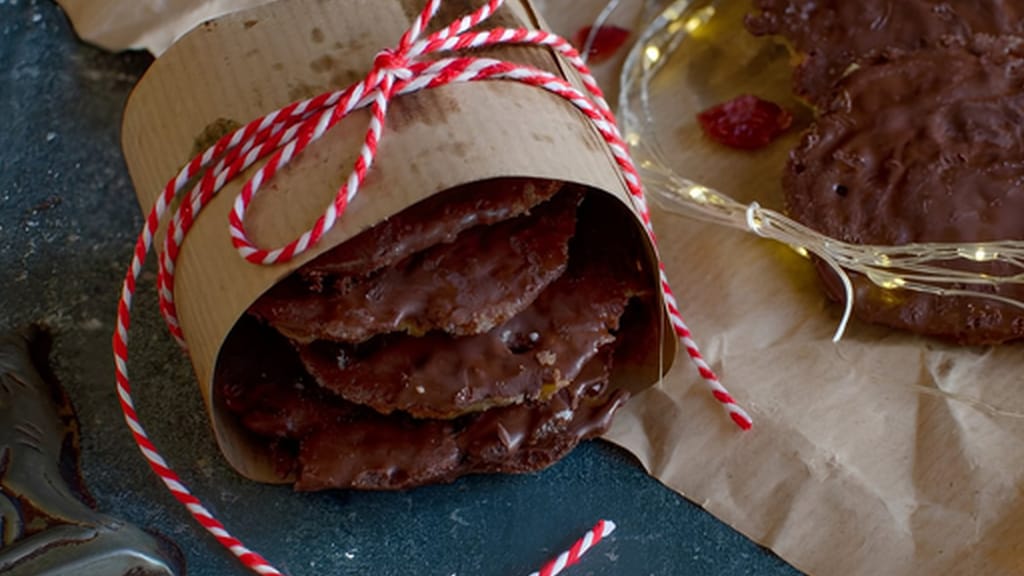
Chocolate-dipped marokánky (hazelnut florentine cookies)
Types of Icing and Glaze for Cookies and Cakes: Ratios and When to Use Each
Updated Sep 25, 2026
Types of icing and glaze for cookies and cakes boil down to six basics: chocolate, ganache, royal icing, sugar glaze (lemon or rum-syrup style), fondant, and mirror glaze. They differ in whether they set hard, how long they keep, and how much work they take. For cookies that'll sit in a tin for weeks, you need an icing that dries firm and doesn't turn sticky. For a cake you'll eat within a couple of days, you can afford a creamy ganache or a glossy mirror glaze. Below you'll find ratios, temperatures, and the most common mistakes for each, so you know exactly which one to reach for.
The main types of icing for cookies and cakes are chocolate, ganache, royal icing, sugar glaze, fondant, and mirror glaze.
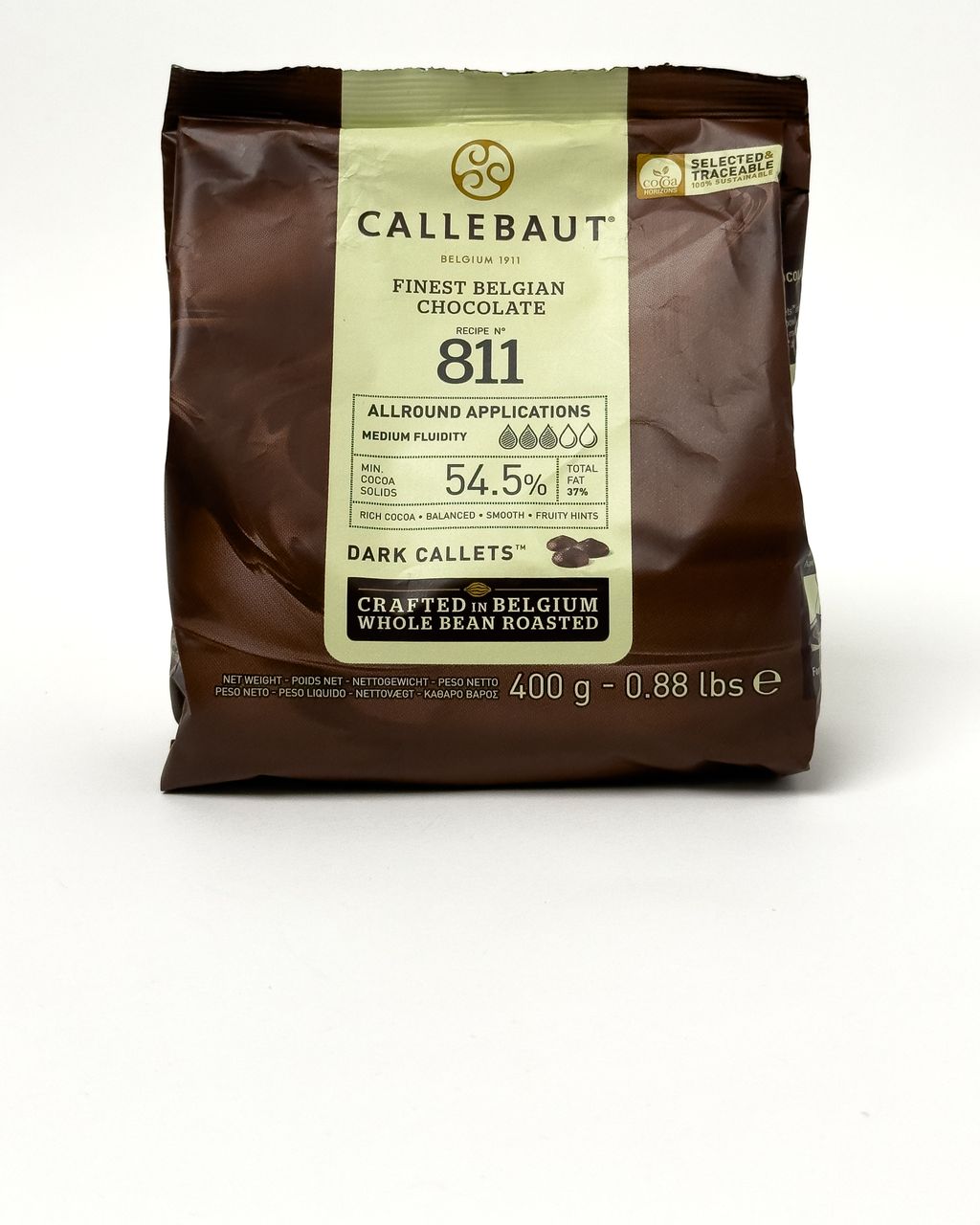
Chocolate coating (tempered, or with a bit of added fat) – for dipping cookies, shortbread lambs, florentines, or a thin coating on a cake.
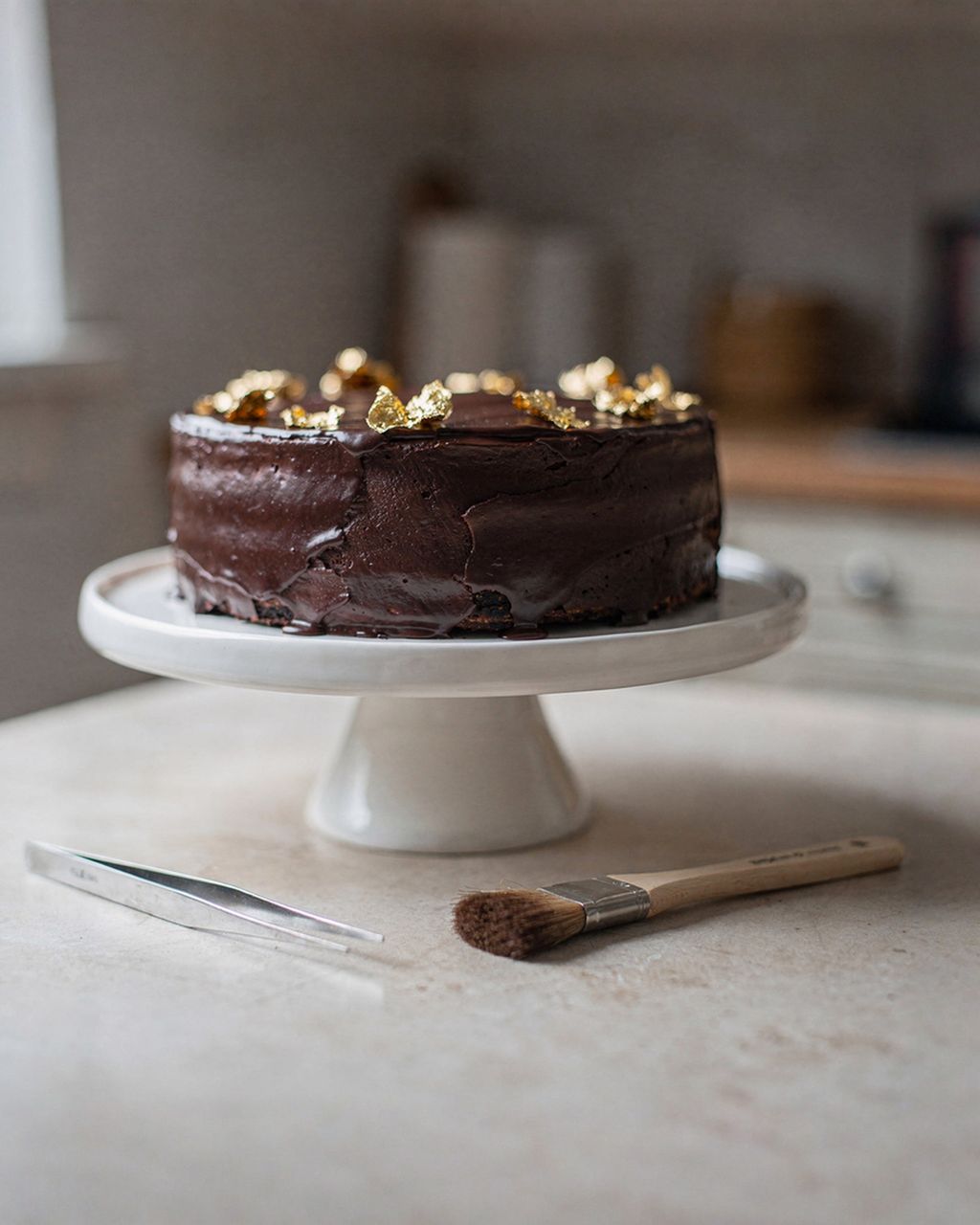
Ganache – chocolate and cream. For cakes, drips, and fillings. Not suitable for cookies stored in a tin, since it contains cream.
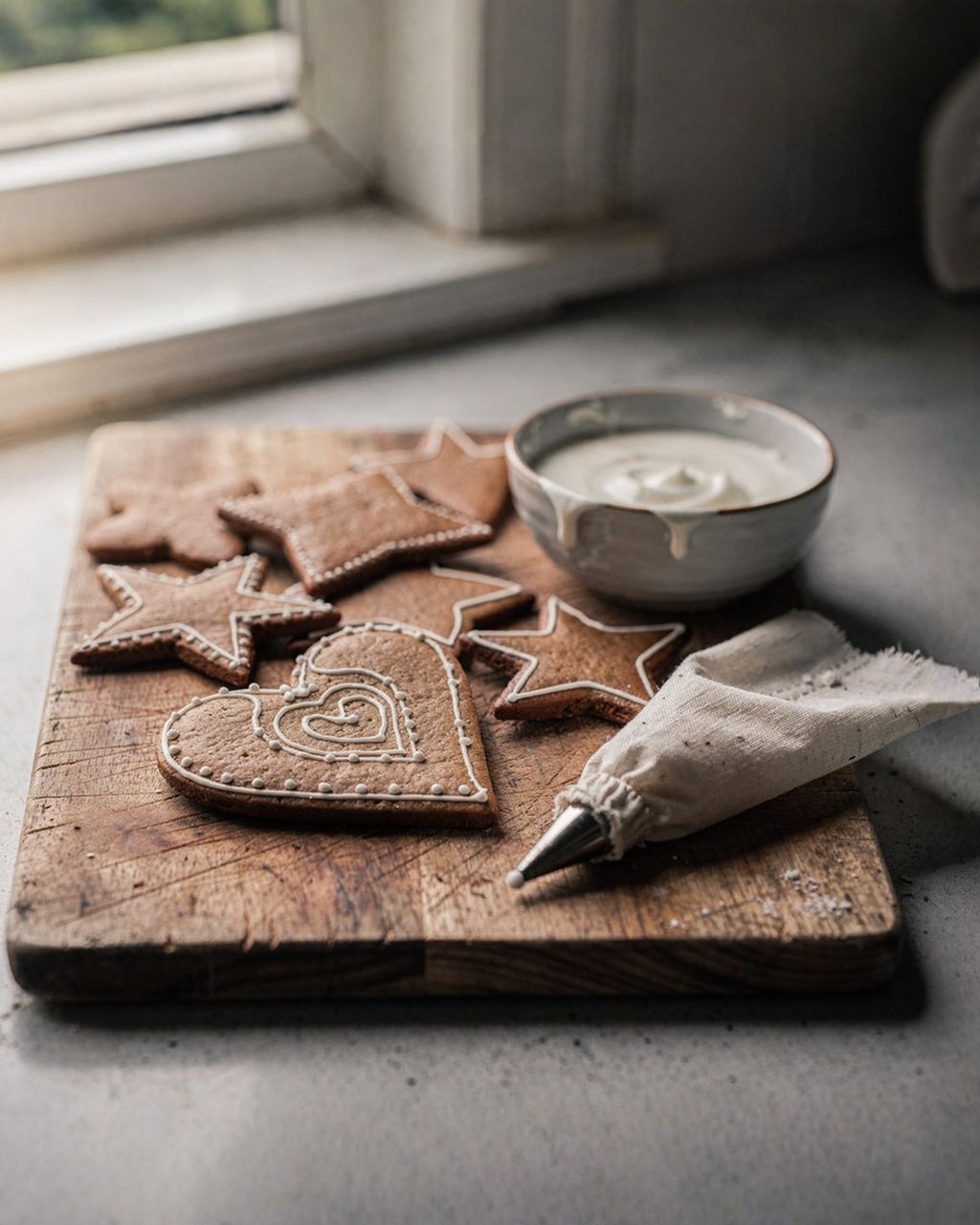
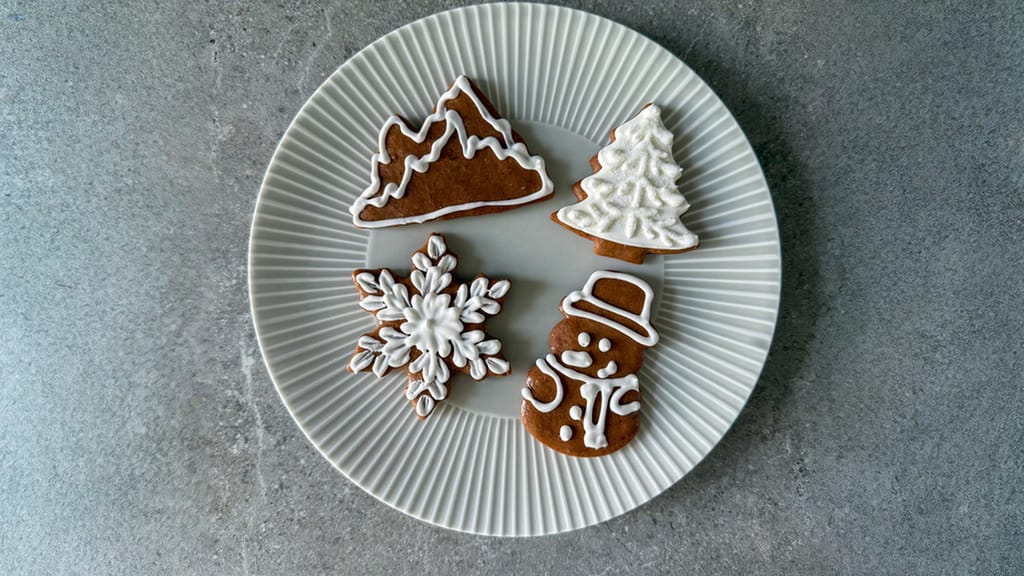
Royal icing (glaze) – egg white and icing sugar. For decorating gingerbread; dries rock hard.
Sugar glaze – icing sugar and a liquid (lemon juice, rum, water). The quickest glaze for bundt cakes, cookies, and slices.
Fondant icing – cooked and worked sugar. A smooth, glossy white finish for classic pastries like choux buns or rum-syrup slices.
Mirror glaze – gelatine, glucose syrup, and chocolate. For frozen cakes and mousse desserts.
Quick rule of thumb: cookies = icings that dry firm (chocolate, royal icing, sugar glaze), cakes = anything goes, just allow for a shorter shelf life with anything containing cream.
Chocolate icing sets with a crisp snap and a glossy shine only when the chocolate has been tempered — or when you help it along with a bit of added fat. Chocolate that's simply melted and re-set tends to turn dull and streaky, and sticks to your fingers.
Tempering is a controlled process of heating, cooling, and reheating so the cocoa butter crystallises in the right form. Couverture manufacturers give roughly these temperatures:
Dark: melt to 50–55°C, cool to 28–29°C, work at 31–32°C.
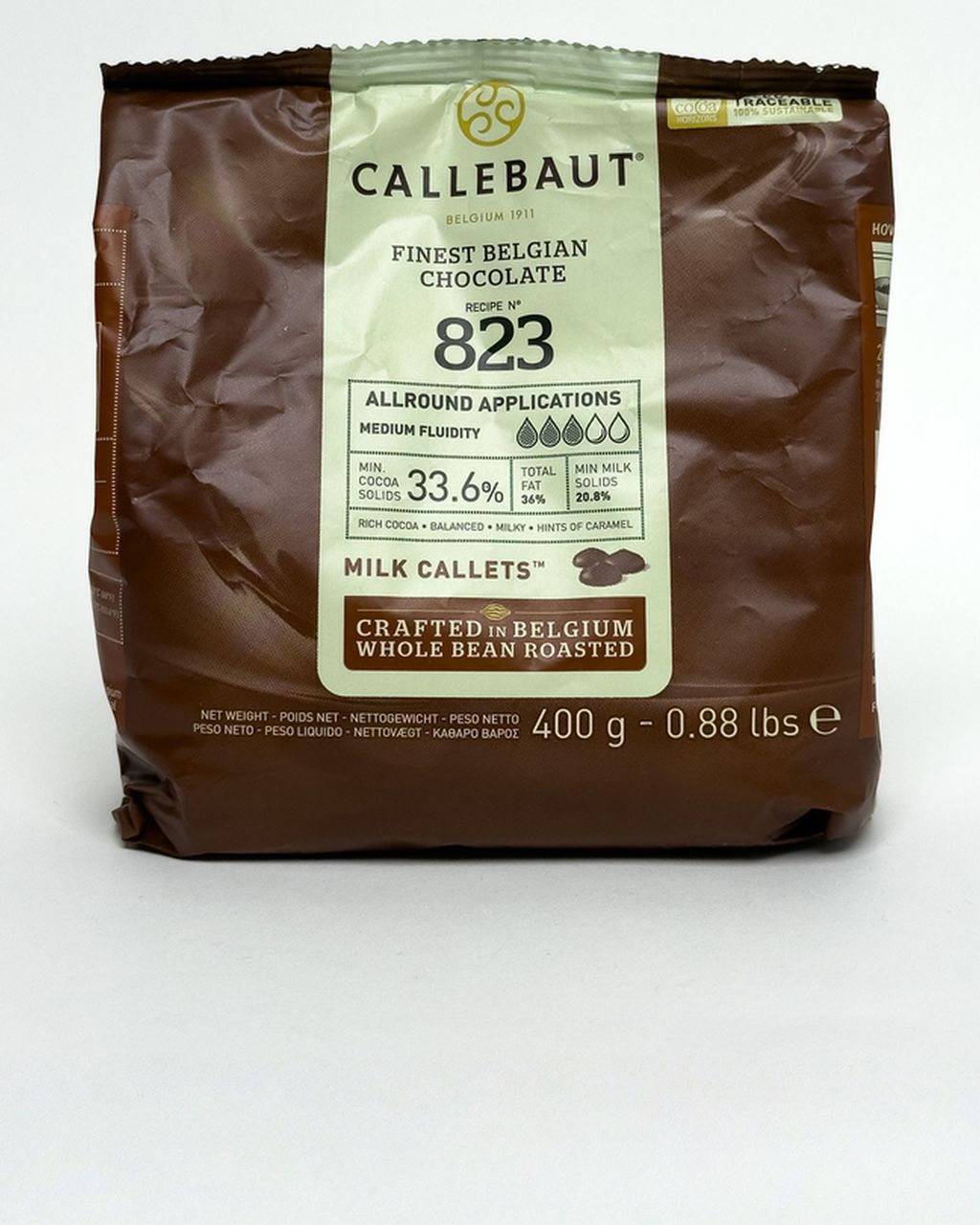
Milk: melt to 45–50°C, cool to 27–28°C, work at 29–30°C.
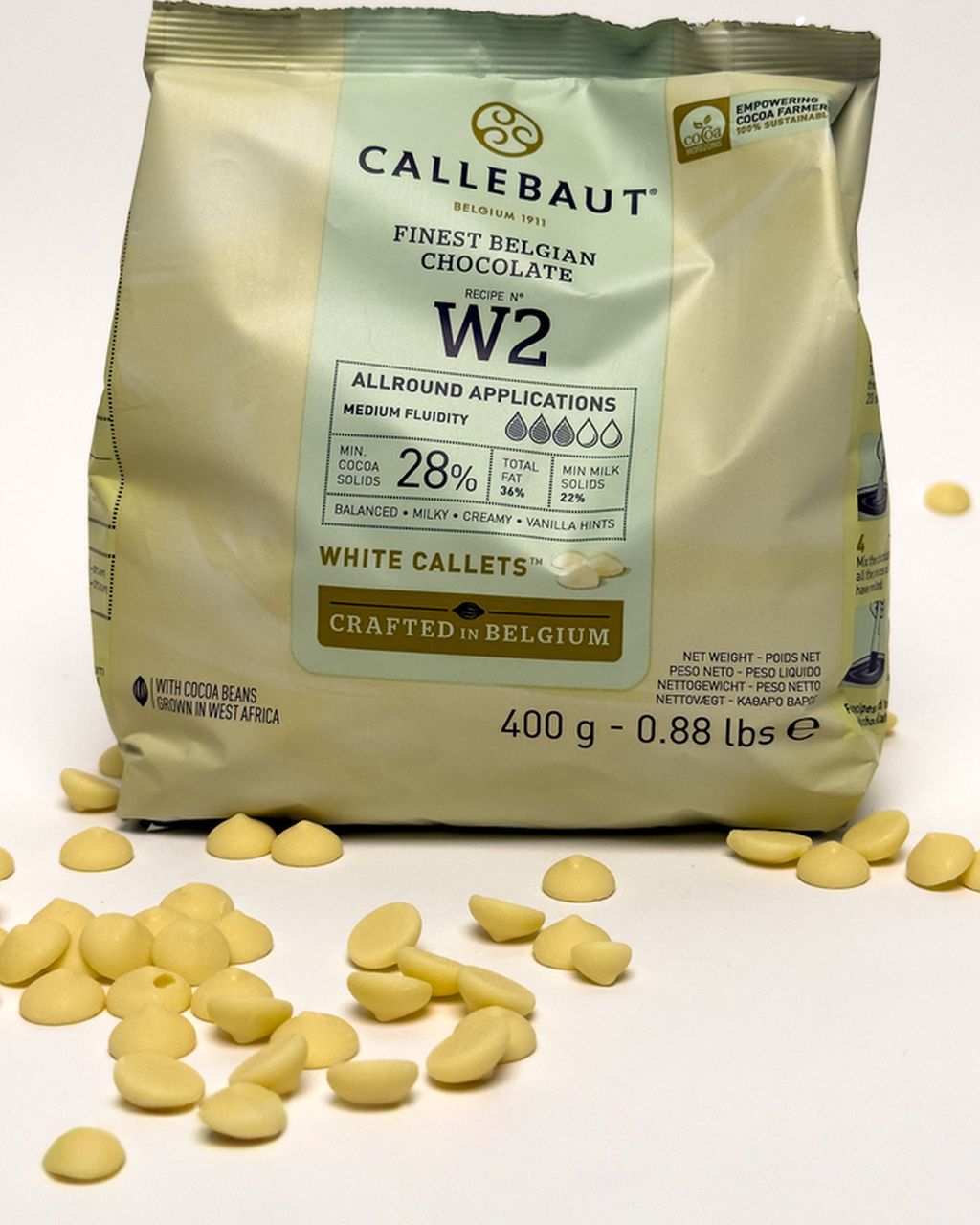
White: melt to 45–50°C, cool to 26–27°C, work at 28–29°C.
The easiest method at home is seeding: melt two-thirds of the chocolate, stir in the remaining third finely chopped, and keep mixing until it drops to the working temperature. Test it by dipping the tip of a knife — properly tempered chocolate sets glossy within a few minutes at room temperature and snaps cleanly.
The shortcut with fat: add 10–20g of coconut oil per 100g of chocolate. The icing flows beautifully, sets without tempering, and keeps its shine — it's just a touch softer and softens sooner in warm rooms. For dipping cookies, this is the best balance of effort and results for most home kitchens.
Ready-made icing with vegetable fat is sold as "confectioner's coating", "cocoa icing", or simply "dark/white icing" — it's not real chocolate. Vegetable fat replaces the cocoa butter in it, so it never needs tempering and always sets — but it tastes flatter and waxier. It's fine for kids' decorating projects, but for cookies you actually care about, reach for real chocolate. One thing to watch: "chocolate icing" on a label actually means real chocolate (couverture) — under Czech regulation No. 490/2025 Sb. (and EU Directive 2000/36/EC), dark chocolate icing must contain at least 35% total cocoa solids, of which at least 31% is cocoa butter and at least 2.5% is fat-free cocoa solids. Milk chocolate icing has its own separate limits in the regulation.
For how to melt chocolate without lumps, see How to Melt Chocolate Without Lumps, and for why each type behaves differently, check our guide to dark, milk, and white chocolate. See chocolate icing in action on florentines with chocolate icing or on a walnut Easter lamb cake with chocolate icing.
Chocolate-dipped marokánky (hazelnut florentine cookies)
Florentines with Chocolate Icing – the Cookie That Shows Off Properly Tempered Chocolate
Ganache is an emulsion of chocolate and hot cream, and its thickness comes down to the ratio — the more chocolate, the firmer it sets. Rough ratios (chocolate : 33% cream):
Dark chocolate icing and drip: 1:1.
Milk chocolate icing: roughly 2:1 — milk chocolate has less cocoa solids, so it needs more chocolate to set firm.
White chocolate icing: roughly 3:1.
Firm ganache for coating and crumb-coating a cake: dark chocolate, 2:1.
Heat the cream until just below boiling, pour it over the chopped chocolate, let it sit for a minute, then stir from the centre outward (or blitz briefly with a hand blender) until smooth and glossy. For a drip, let the ganache cool to 30–32°C — any warmer and it runs straight down onto the plate; any cooler and it clumps at the edge. Always drip onto a chilled cake.
Ganache clings beautifully to a cake, but it doesn't belong on cookies going into a tin — the cream cuts its shelf life down to a few days in the fridge. For more on ratios and uses, see our article Chocolate Ganache: Ratios, Prep, and Uses, and the drip technique step by step in modern cake decorating. A great base to start with is our simple chocolate cake.
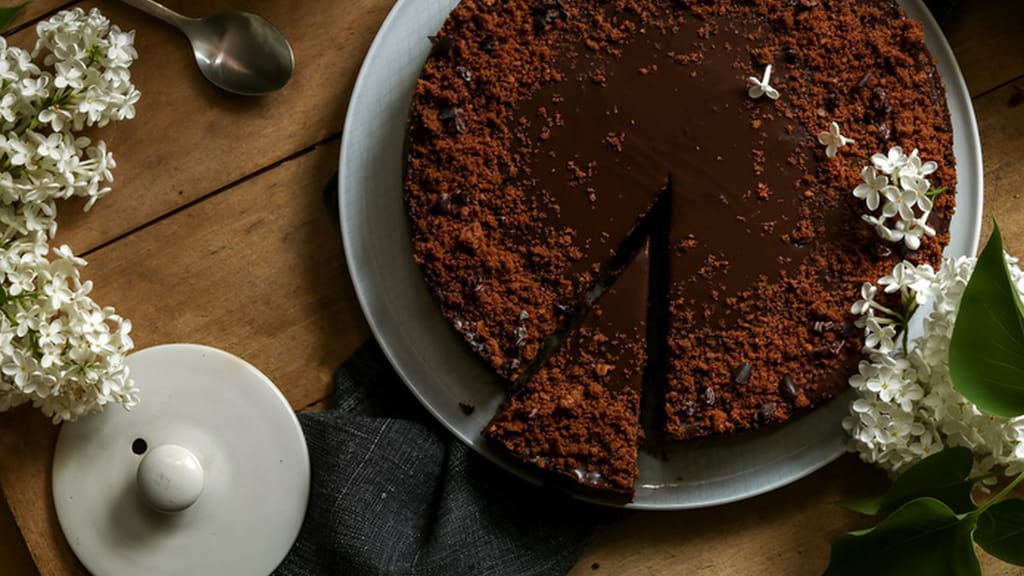
Simple chocolate cake
Simple Chocolate Cake – the Perfect Base for Ganache Icing and Drips
Royal icing is egg white whipped with icing sugar, and it's the hardest-setting icing there is, drying to a matte, rock-solid finish — which is exactly why it's used to decorate gingerbread. Basic ratio: 1 egg white (about 30g) to 200–250g sifted icing sugar and a few drops of lemon juice.
It all comes down to consistency:
For outlines and detail – thick, so it holds a peak that doesn't droop. More sugar.
For flooding areas – thinner; a line drawn with a spoon should smooth back out in about 10 seconds. Add water a drop at a time.
It forms a skin within a few hours and sets completely overnight (6–24 hours depending on thickness and how humid your kitchen is). Colour it with gel colours — liquid ones will water it down too much.
Try it out first on royal icing for cookies, find details on ratios and colouring in our article Royal Icing: Ratios, Consistency, and Colouring, and decorating step by step in gingerbread icing. Gingerbread that suits it well includes super-soft gingerbread cookies or soft honey gingerbread that stays that way.
For linzer cookies, go easy on the icing — they're delicate enough on their own, and a heavy icing will overpower them. A thin line or a tip dipped in chocolate is plenty, as with our classic crumbly linzer cookies. Why linzer dough uses just egg yolk is explained in our article on linzer dough.
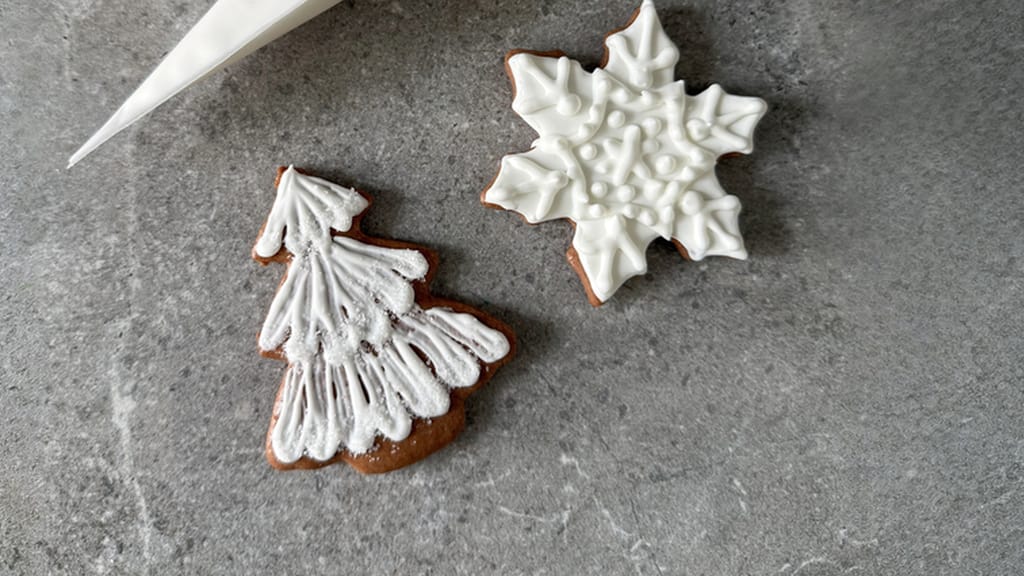
Royal icing for christmas cookies: the base for flawless decorating
Royal Icing for Cookies – the Basic Gingerbread Glaze Recipe
Soft honey gingerbread cookies that never go hard
Soft Honey Gingerbread That Stays That Way – Perfect for Decorating with Royal Icing
Sugar glaze is just icing sugar mixed with a liquid, and it's ready in two minutes. Ratio: 1–1.5 tablespoons of liquid per 100g icing sugar (15–22ml). Add it a teaspoon at a time — the difference between thick and runny is literally a few drops.
Lemon – lemon juice, maybe with a touch of zest. Fresh, slightly translucent, great on bundt cakes, cakes, and cookies.
Rum syrup – rum (or rum flavouring with water) and a drop of red food colouring. The classic finish for rum-syrup slices.
Orange, coffee, fruit-juice – same idea, just a different liquid.
On warm baked goods it soaks in thin and stays translucent; on cooled ones it stays white and opaque. It sets within 1–2 hours, but never dries as hard as royal icing, so don't stack glazed cookies on top of each other. Shine, ratios, and variations are covered in Lemon Glaze: the Perfect Ratio, Shine, and Variations. Sugar glaze is great for finishing iced Christmas cookies or soft glazed cinnamon rolls.
Fondant is a sugar syrup cooked to roughly 115°C and worked into a smooth white mass full of tiny crystals — those crystals are exactly what give it that signature satin shine. Making it from scratch at home is fiddly, so most people buy it ready-made and simply warm it up.
Working temperature is everything: warm fondant in a bain-marie to 32–37°C and never go above 37°C. Overheat it and the fine crystal structure breaks down, leaving the set icing dull and grey. If it's too thick, loosen it with a drop of water, syrup, or liqueur.
Fondant icing belongs on classic pastries like choux buns or rum-syrup slices. It's rarely used on cookies, since it's sweet and heavy.
Mirror glaze is a glossy jelly-like coating made from glucose syrup, sugar, gelatine, condensed milk, and chocolate, poured over a frozen cake. On a warm or merely chilled cake, it will simply run off and won't set.
Pour it at 32–35°C (for dark chocolate versions, more like 35–37°C) — too warm and it's thin and translucent, too cold and it sets in lumps and waves. Before pouring, blitz it with a hand blender kept below the surface to remove air bubbles, then strain it.
It's ideal for mousse cakes and entremets with a smooth finish, but it's overkill for a classic layered cream cake. Find the full step-by-step method in Mirror Glaze: How to Get a Flawless Shine on Cakes.
For cookies that'll sit in a tin for weeks, use chocolate (tempered or with added fat), royal icing, or sugar glaze — they all set firm and won't spoil. Save ganache, buttercream, and whipped cream for cakes.
A few rules that'll save you a headache:
Only ice cookies once they're completely cool. On warm cookies, chocolate will run and glaze will soak straight in.
Let the icing dry fully overnight before packing the cookies away. Otherwise they'll stick together and leave marks on each other.
Layer with baking paper between and store iced varieties separately from soft, moist ones.
Freezing? Freeze them unglazed. Moisture condenses on icing during thawing — chocolate turns a dull grey, and glaze can go patchy or run. Ice them after they've thawed instead.
For how long each type keeps, see our guide to cookie shelf life by type, for storage tips see How to Store Christmas Cookies So They Stay Crisp, and for freezing, check How to Freeze Cookies and Dough. For when to bake each kind — and so when to ice — see our Christmas cookie baking calendar.
Most icing problems come down to one of four causes: temperature, water, humidity, or the wrong ratio.
Chocolate turned grey or streaky after setting – it wasn't tempered (fat bloom), or it picked up moisture (sugar bloom). It's still safe to eat, it just looks off. Next time, temper it or add fat.
Chocolate seized into a lumpy mass – a drop of water or steam got into it. It can't be saved as icing anymore, so use it in batter or a filling instead.
Royal icing won't dry – it's too thin, or your kitchen is too humid. Add more sugar and let it dry somewhere cooler and better ventilated — never in the fridge.
Royal icing is cracking – the layer is too thick, or it dried too fast near a heater.
Ganache has split and gone greasy – it got too hot, or was overmixed. Stir in a spoonful of warm cream and blitz briefly with a hand blender.
Sugar glaze soaked in and disappeared – the baked goods were still warm, or the glaze was too thin.
If your finished chocolate icing is too thick, this will help: how to thin chocolate so it flows better.
Colour chocolate icing with oil-based or powder colours made specifically for chocolate — never gel or liquid ones. The water in ordinary food colouring makes chocolate seize into lumps. White chocolate takes colour best; dark chocolate pretty much swallows it whole.
Without eggs, you can still make cookie icing using chocolate, or a sugar glaze made from icing sugar and lemon juice or water. Both set well and store nicely. If you want a hard white glaze for gingerbread without egg white, aquafaba (the liquid from a tin of chickpeas) works in the same ratio as egg white — it just takes longer to dry.
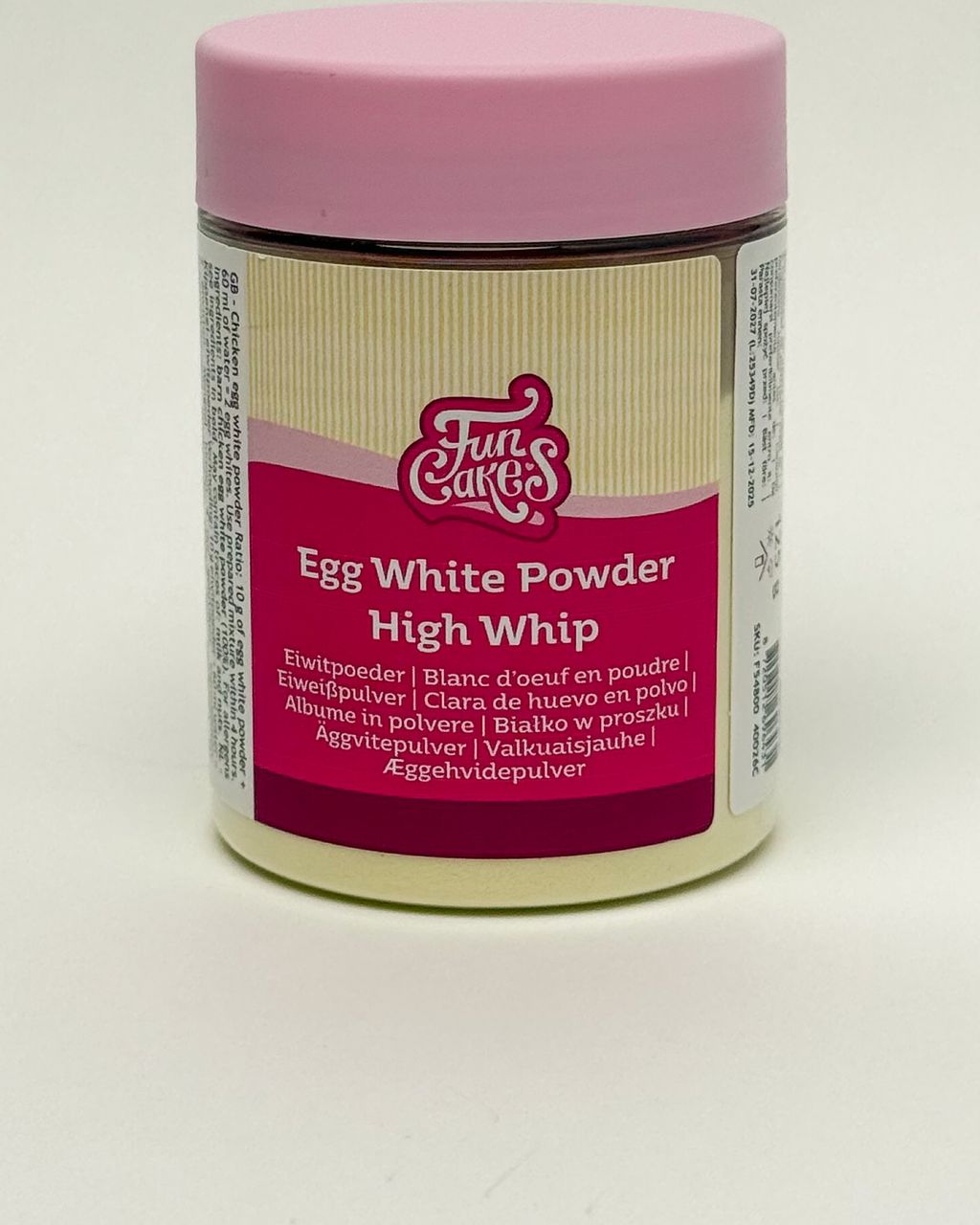
Use up leftover royal icing made with raw egg white within 2–3 days; until then, store it in the fridge in a sealed container with cling film pressed directly onto the surface so it doesn't form a skin. Give it a stir before using, as liquid can separate out. The version made with dried egg white keeps for longer.
For a drip on a 20cm cake, about 100g of dark chocolate and 100ml of cream is enough. For fully coating and crumb-coating a cake, budget for roughly 300–400g of finished firm ganache. It's worth making a bit extra — leftovers are great stirred into cookies or used as a filling.
As a rough guide: 1 egg white with 250g icing sugar (about 280g of royal icing) is enough to outline and flood roughly 25–35 medium gingerbread cookies, or about double that if you're only doing fine outlines. For dipping the tips of about 60 small cookies, budget for 150–200g of chocolate with a bit of fat mixed in. Melt slightly more chocolate than you think you'll need — small amounts cool fast and are harder to dip into.
One recipe worth heating the oven for, one tip, and one deal from the shop. Nothing else.