Choose your cookies

Necessary cookies hold the site together — cart, sign-in, language. Analytics ones show us what works here and what to build your recommendations on. Marketing ones would measure ads outside Yumsto; we're not running any yet. Nothing but the necessary ones runs until you say yes.

How we handle your data

Cookie settings

Health and Nutrition: Guides and Tips

Health and Nutrition: Guides and Tips

Cooking gluten-free, lactose-free and meat-free, protein sources and healthy snacks. Plus cooking around food allergies and what to swap for ingredients that don't agree with you. Kitchen advice, not a substitute for a doctor.

Quick answer

How do I recognize a food allergy?

By timing and repetition: symptoms usually start within minutes to two hours of eating, come back every time after the same food and are triggered by even a small amount. A doctor or allergist confirms the diagnosis.
Frequently asked questions

All articles

  1. Party Snacks for Kids: Savoury, Sweet, Fruit and Drinks

    Party snacks for kids work best when they're small, hand-held and sauce-free: put out 4–6 different kinds, figuring on roughly 2–3 savoury and 2 sweet bites per child, plus half a litre of something to drink. The rest comes down to what survives running around, sticky hands and an hour sitting out on the table. Here's what to make, how much, what you can prep the day before, and what to watch out for with the littlest guests.

  2. Halloween Snacks for Kids: Savoury, Sweet & Drinks for the Party

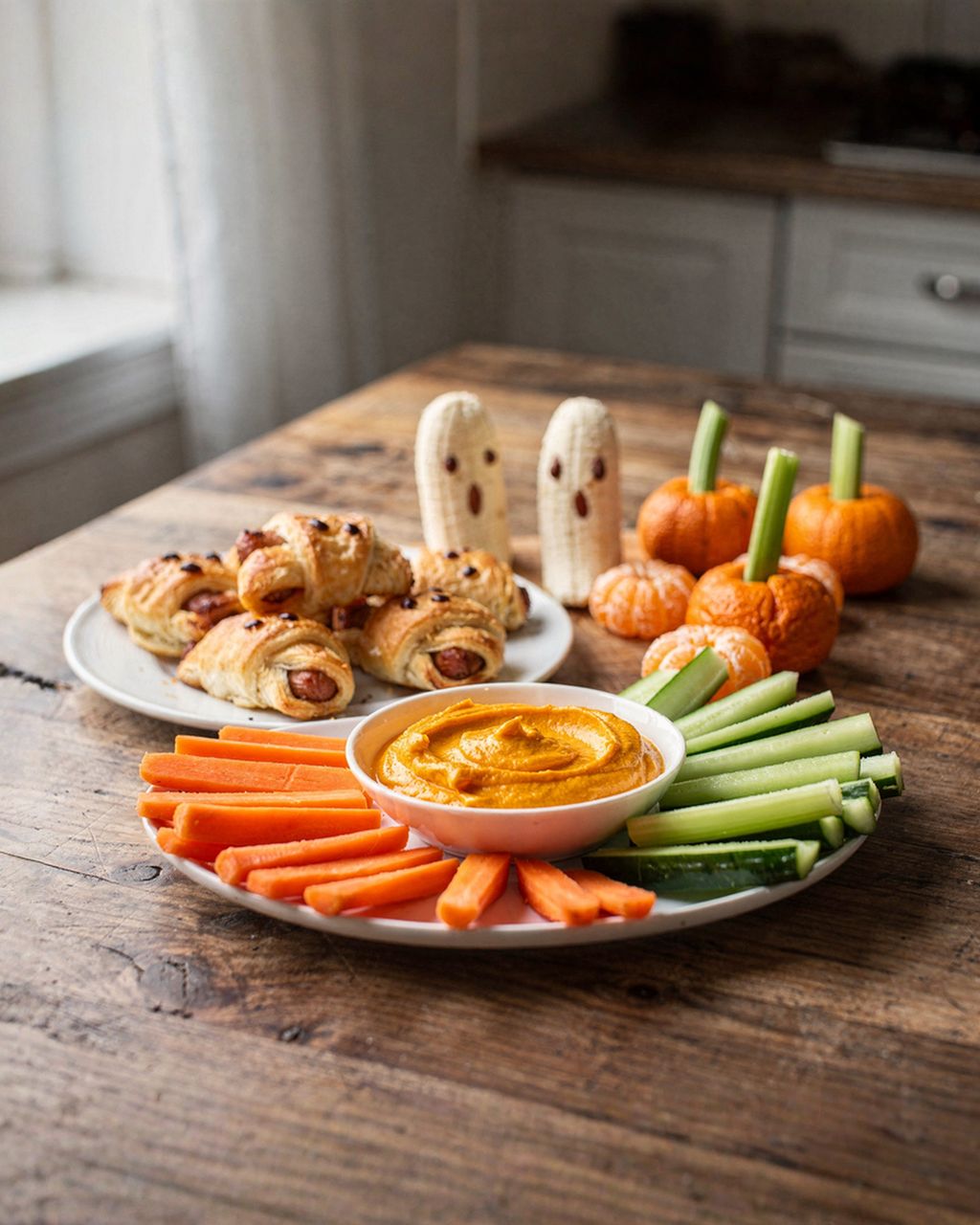
    Halloween snacks for kids follow three rules: two-thirds savoury, one-third sweet, and everything small enough to eat with one hand while the other holds a lantern. The spooky factor doesn't come from a complicated recipe but from the details — two dots for eyes, a strip of dough as a bandage, a green dip with "warts". Below you'll find a full Halloween party menu: how much of what to make, what to prep ahead, and what to watch out for with the littlest guests.

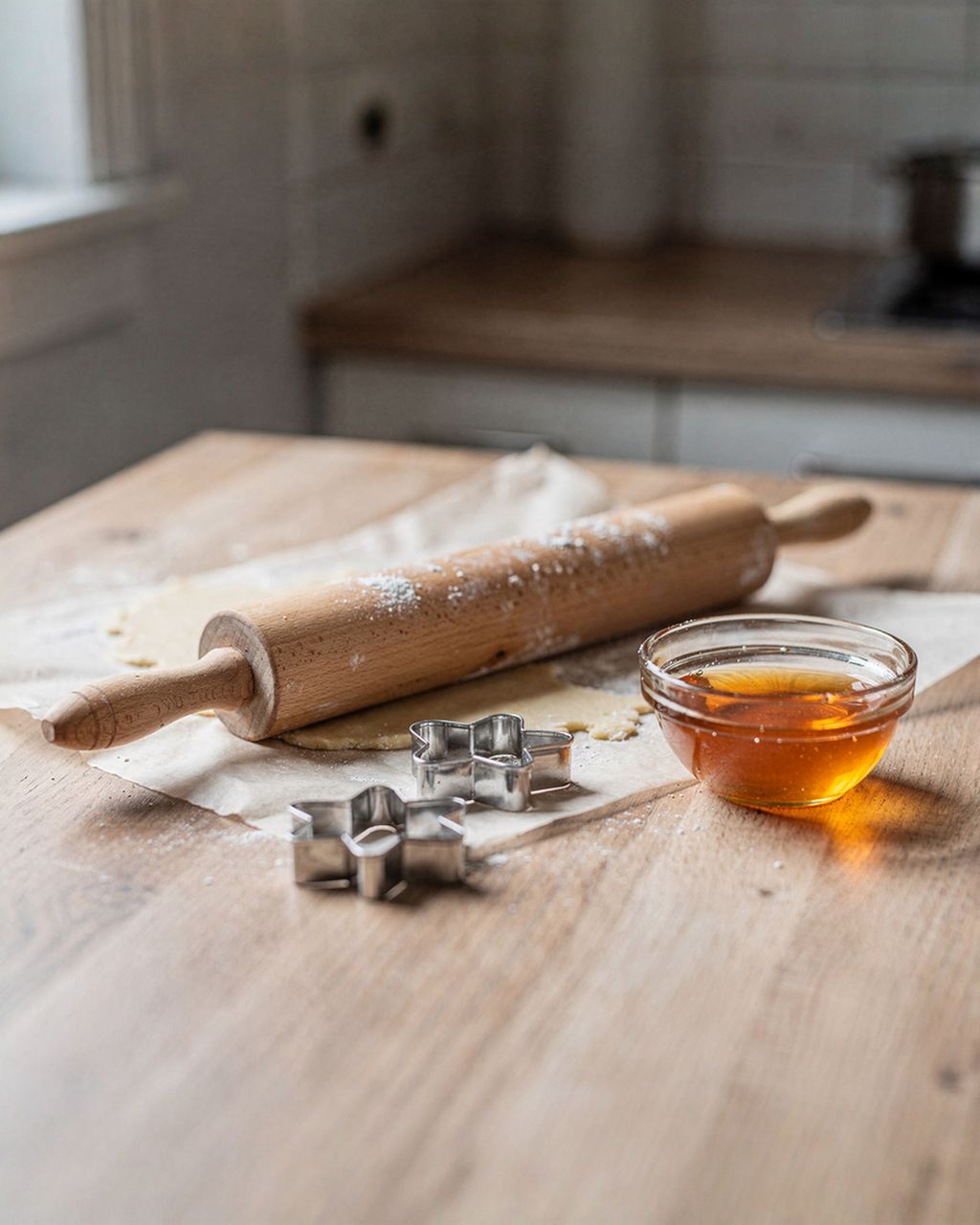
  3. Gluten-Free Bundt Cake: How to Keep It Moist

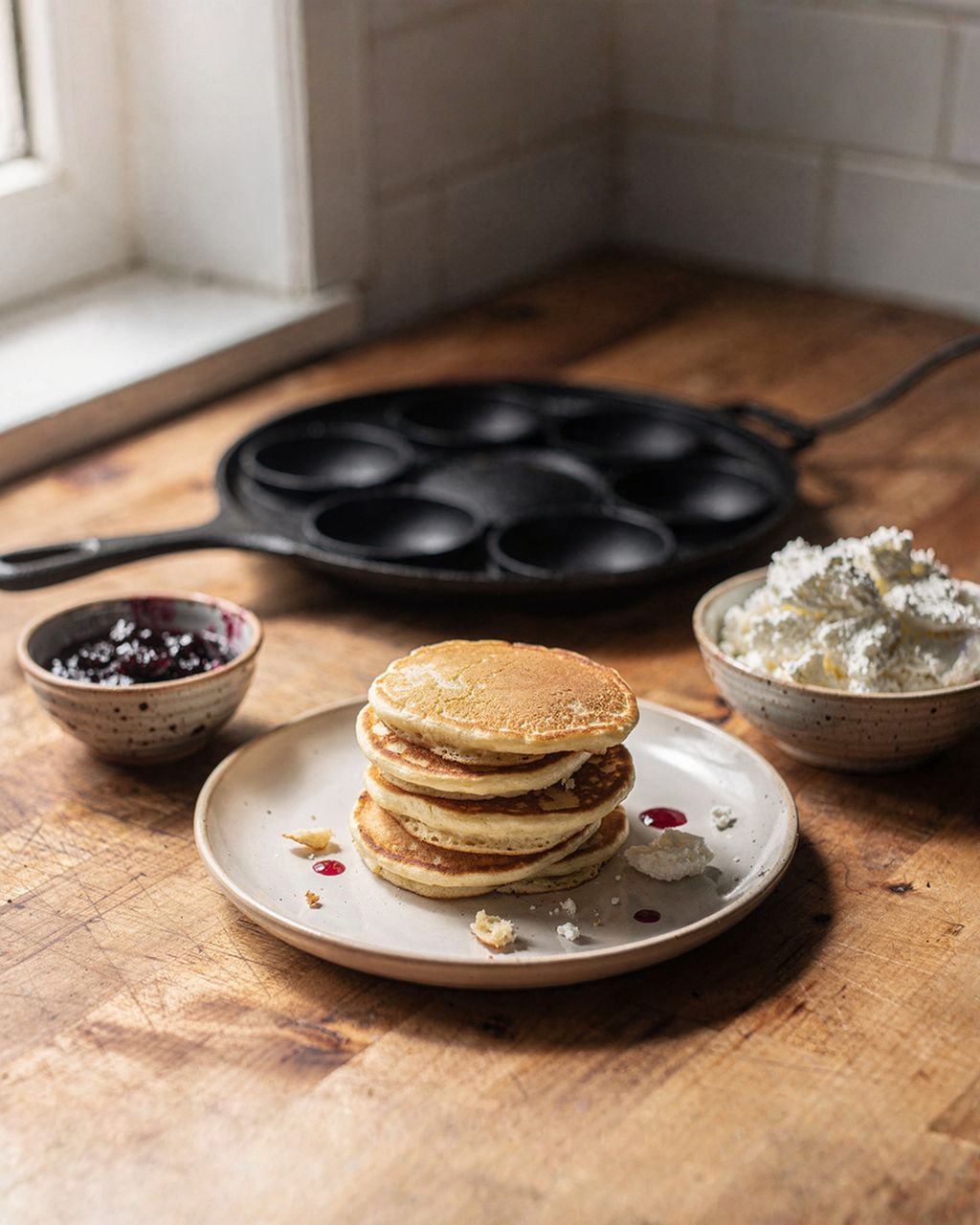
    Gluten-free bundt cake turns out moist when you give it more water and something to hold onto that water: a flour-to-starch blend of roughly 70:30, psyllium or xanthan gum, a moist ingredient like sour cream or grated courgette, oil instead of butter, and a 20–30 minute rest before baking. Without gluten, the batter has no protein network to lock in moisture, so a gluten-free bundt cake goes stale faster than a wheat one. Below we'll walk through each of these five steps — the numbers and the amounts — plus where gluten-free bundt cakes most often fall apart when you turn them out of the tin.

  4. Homemade Fruit Popsicles: Healthy and Additive-Free for Kids and Adults

    Homemade popsicles come together from just three things: blended fruit, a creamy base (yoghurt or coconut milk), and a pinch of sweetener — no artificial colours, preservatives, or added sugar like you'd find in store-bought versions. You can whip them up in ten minutes plus a few hours in the freezer, flavour them exactly how you like, and stay in full control of how much sugar goes in. Below you'll find a foolproof basic ratio, tips for a creamy texture with no ice crystals, and flavour ideas for kids and adults alike.

  5. Healthy Car Snacks: Ideas for Kids and Adults

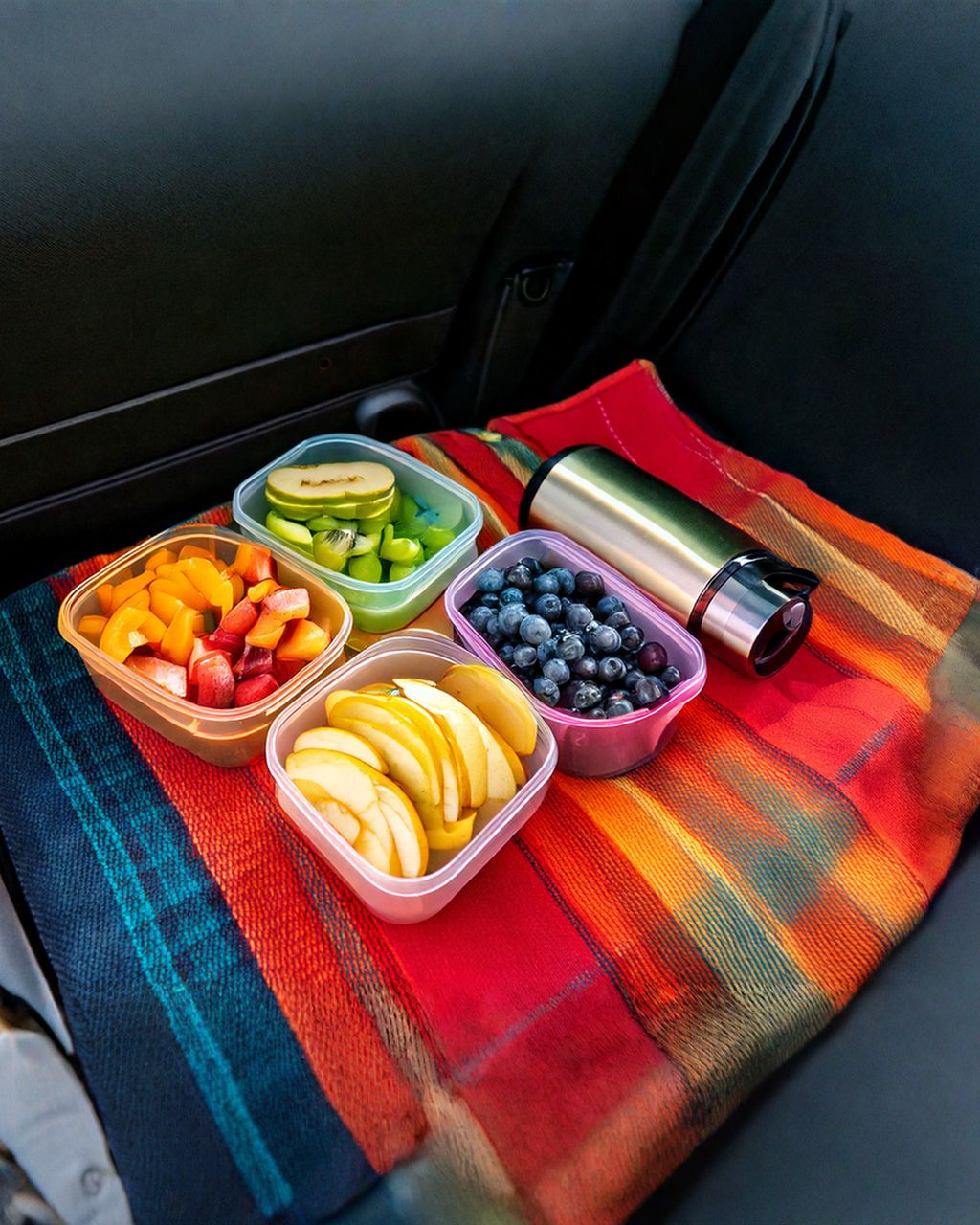
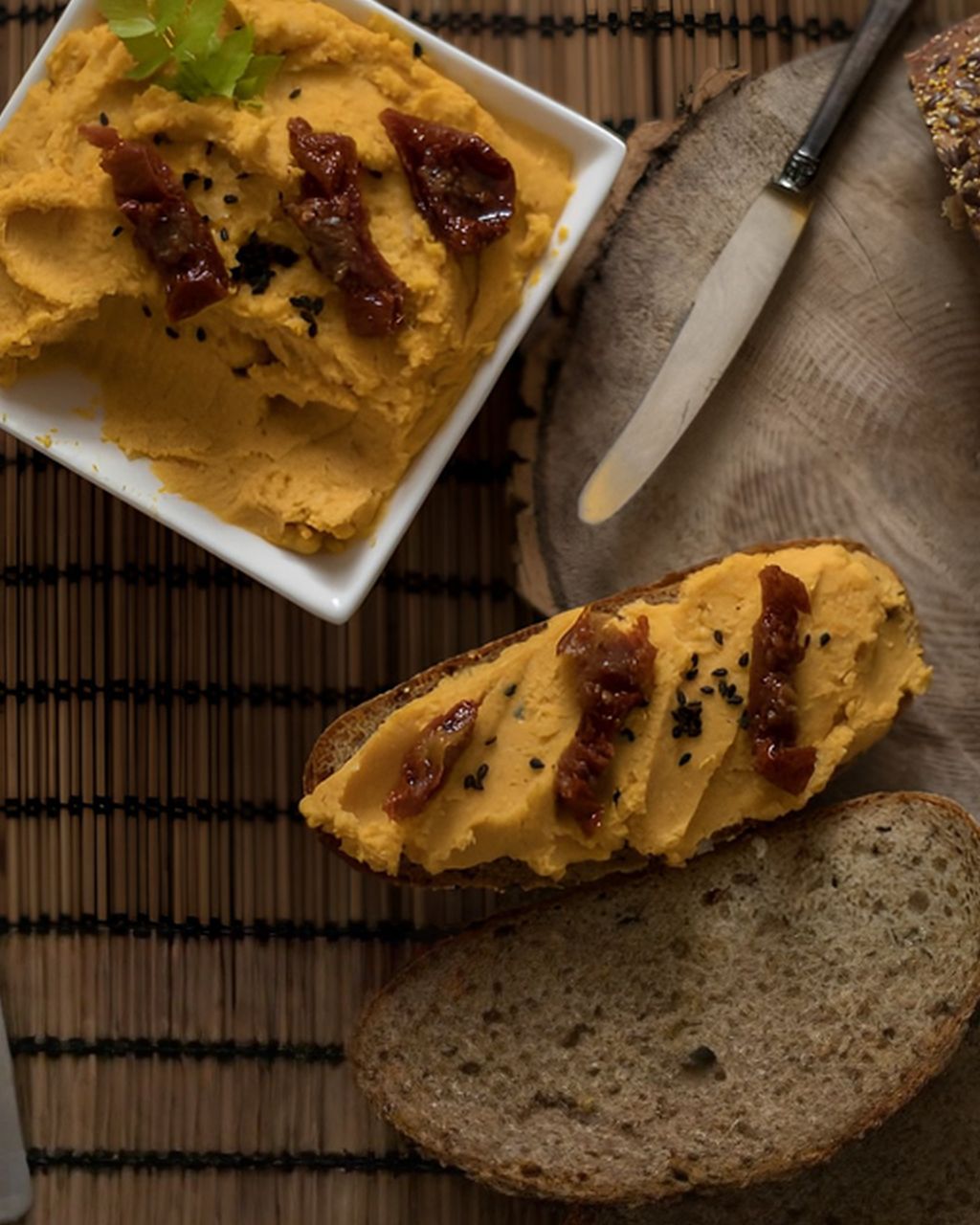
    The best healthy car snacks are built on three things: protein, fibre and healthy fat — nuts, hard cheese, hard-boiled eggs, veggie sticks with hummus, and fruit that can handle the heat. They keep your energy steady without a sugar rollercoaster, don't make a mess, and won't spoil in a hot car. Below you'll find exactly what to pack for kids and grown-ups alike, how to pack it safely for warm weather, and what to drink behind the wheel.

  6. Vegan Protein: Best Sources, Protein Content, and How to Fit It Into Your Diet

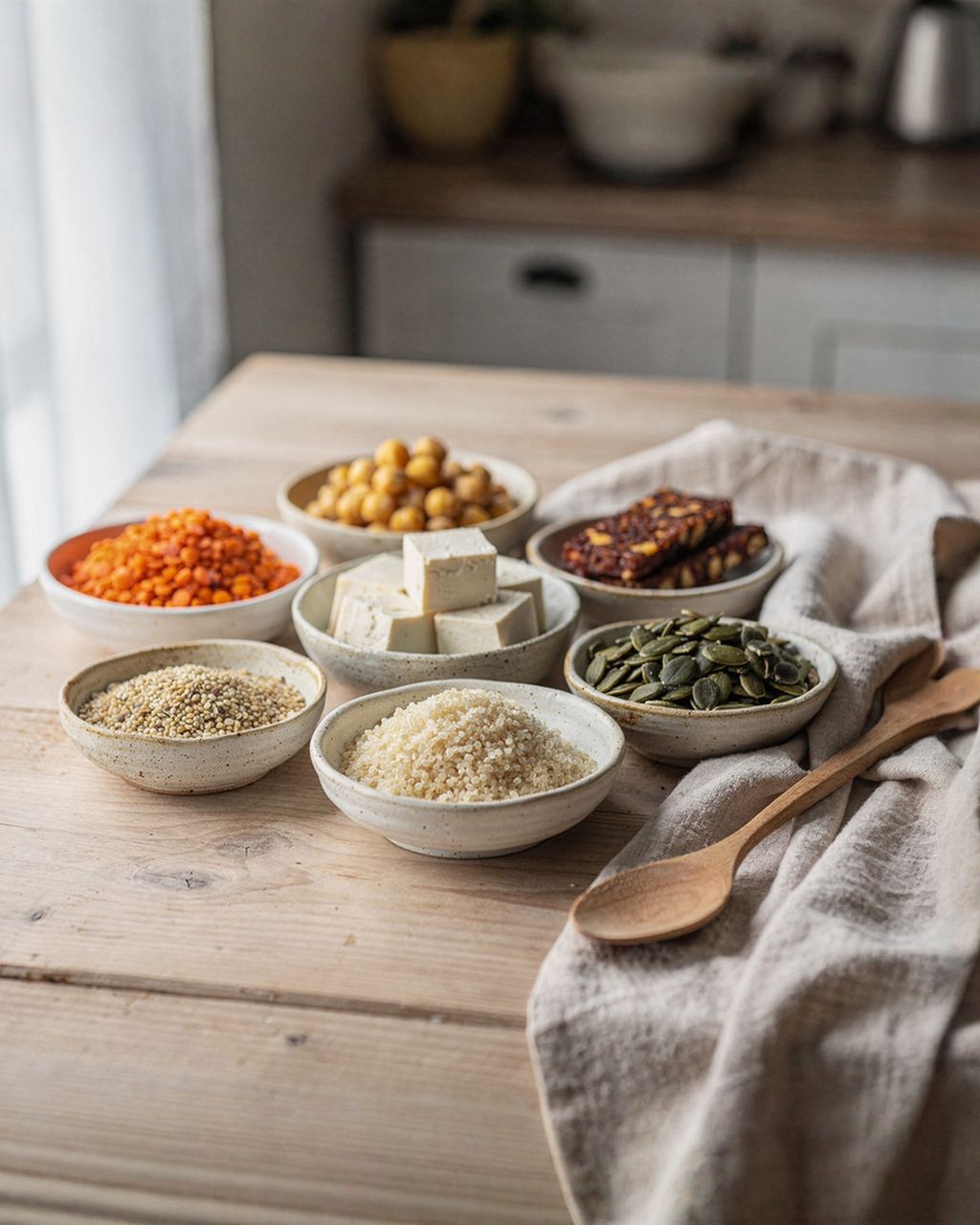
    Vegan protein is protein from plants — soy, legumes, grains, nuts and seeds — and hitting your daily protein target on it is entirely doable, you just need to know where to look. Among ingredients that can carry a whole meal, the biggest hitters are seitan (~20–28 g per 100 g depending on the product), tempeh (~19 g), firm tofu (13–17 g depending on the coagulant), and cooked legumes (around 9 g); seeds pack more per 100 g, but nobody eats them in that quantity. Below you'll find protein values by the portion you'd actually put on your plate, technique tips for each source, the truth about "combining amino acids," and four nutrients you genuinely need to watch on a plant-based diet.

  7. Protein Sources: How Much Each Food Has and How to Cook It Right

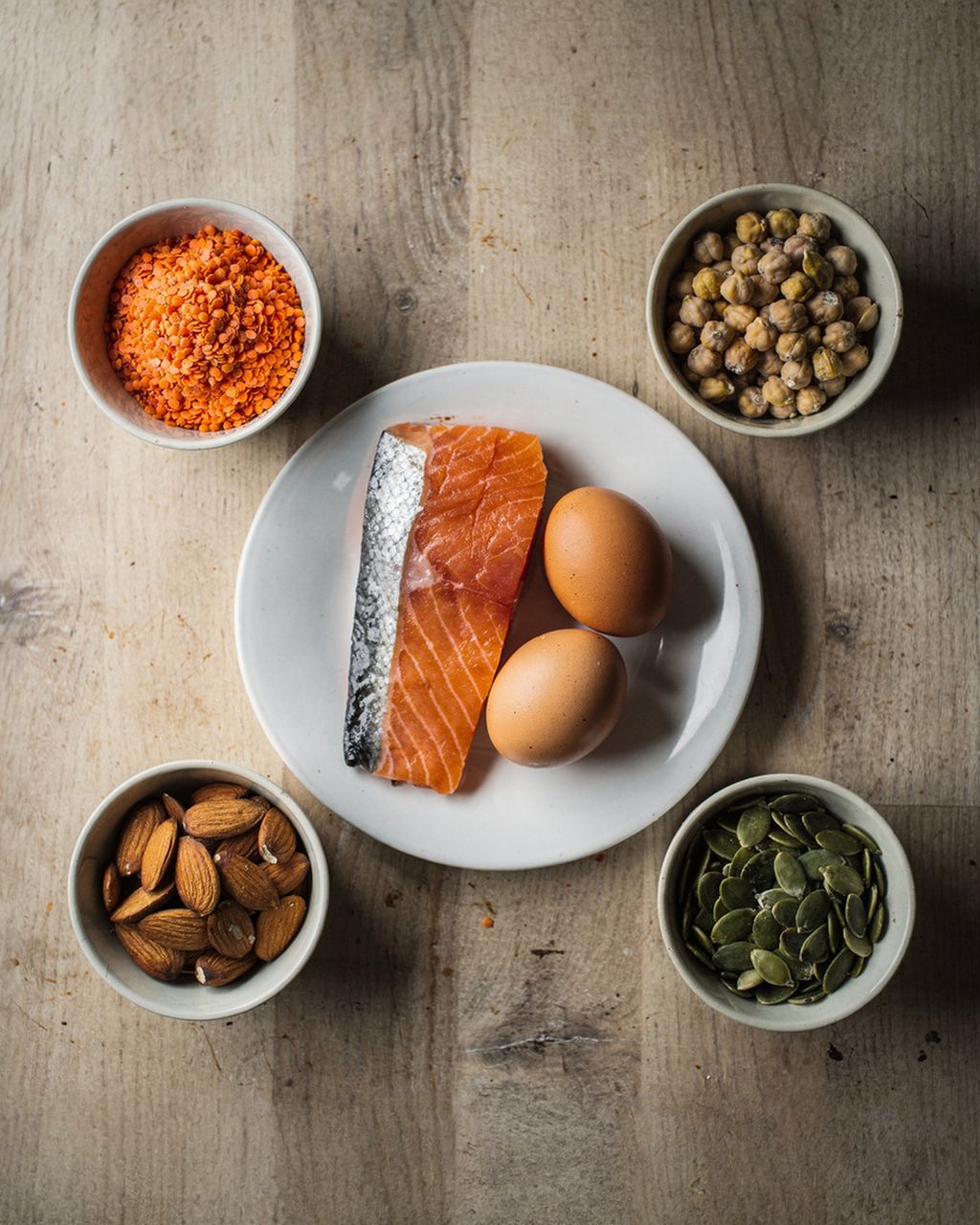
    The best protein sources aren't just chicken breast and protein powder — lentils, cottage cheese, eggs, tofu, tuna, pumpkin seeds and even plain semi-skimmed milk all clear the bar for being labelled a "source of protein" under EU rules. But the real difference between foods isn't mainly about how many grams they pack per 100 g. It's about how much of their energy actually comes from protein — which is why almonds qualify and walnuts don't, even though they have a similar gram count. We'll go through the protein content of all the everyday foods, when something can legally be called a source of protein, which foods pair well together, and what temperatures to use so your chicken doesn't dry out, your eggs don't turn rubbery, and your yoghurt doesn't split in the sauce.

  8. Histamine Intolerance: Symptoms, Diagnosis and Diet

    Histamine intolerance is a food sensitivity that kicks in when your body can't break down histamine fast enough — showing up as headaches, flushing, hives, diarrhoea or a stuffy nose after eating. It's not an allergy, and you can't diagnose it with a single blood test. Current guidance says diagnosis rests on three things: ruling out other causes, a time-limited elimination diet, and — most importantly — a structured food reintroduction that reveals your own personal threshold. This article covers what most 'foods to avoid' lists leave out — why those lists are unreliable, what a blood DAO test can and can't tell you, how much freshness really matters, and how to build a diet that doesn't cut out more than it needs to.

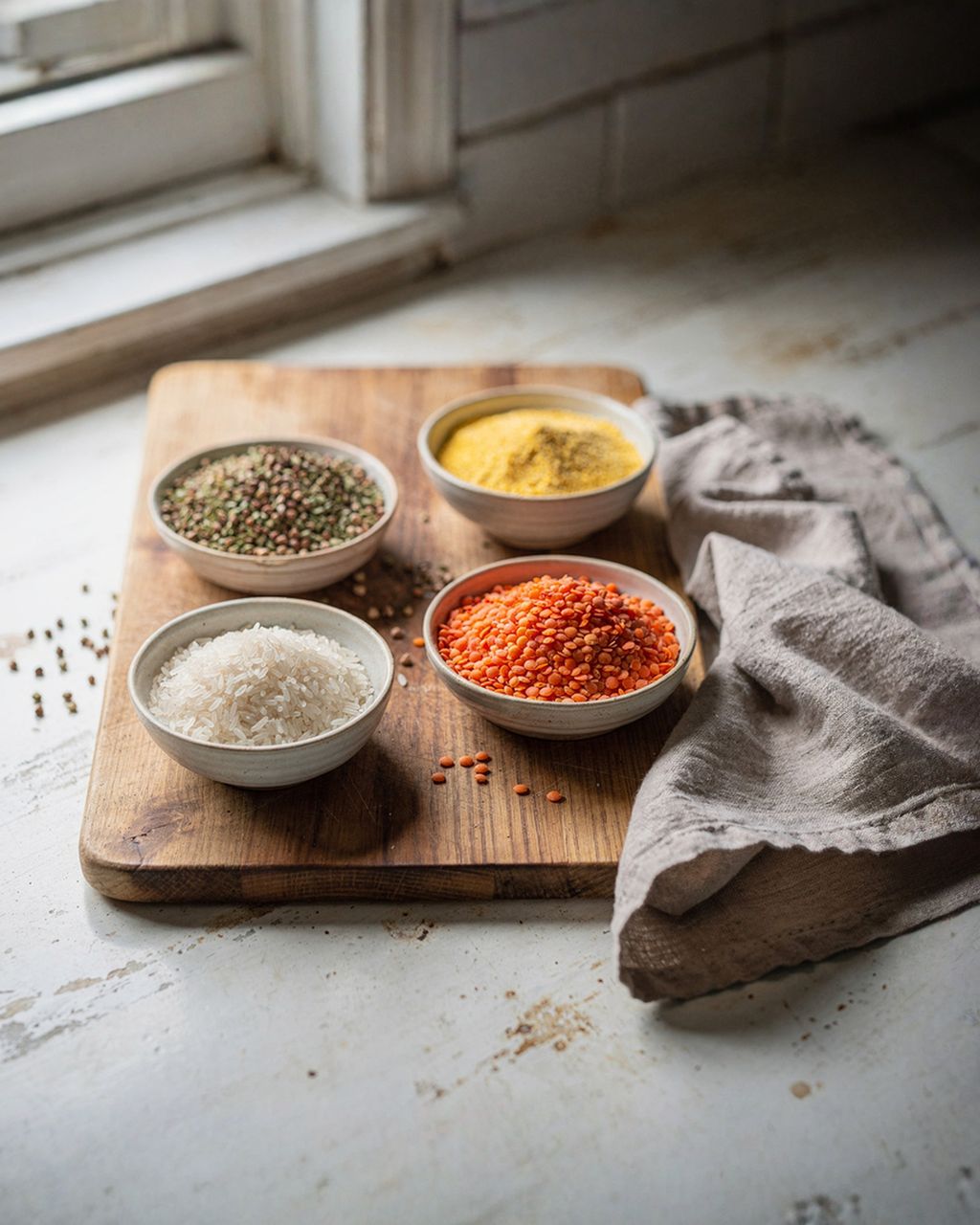
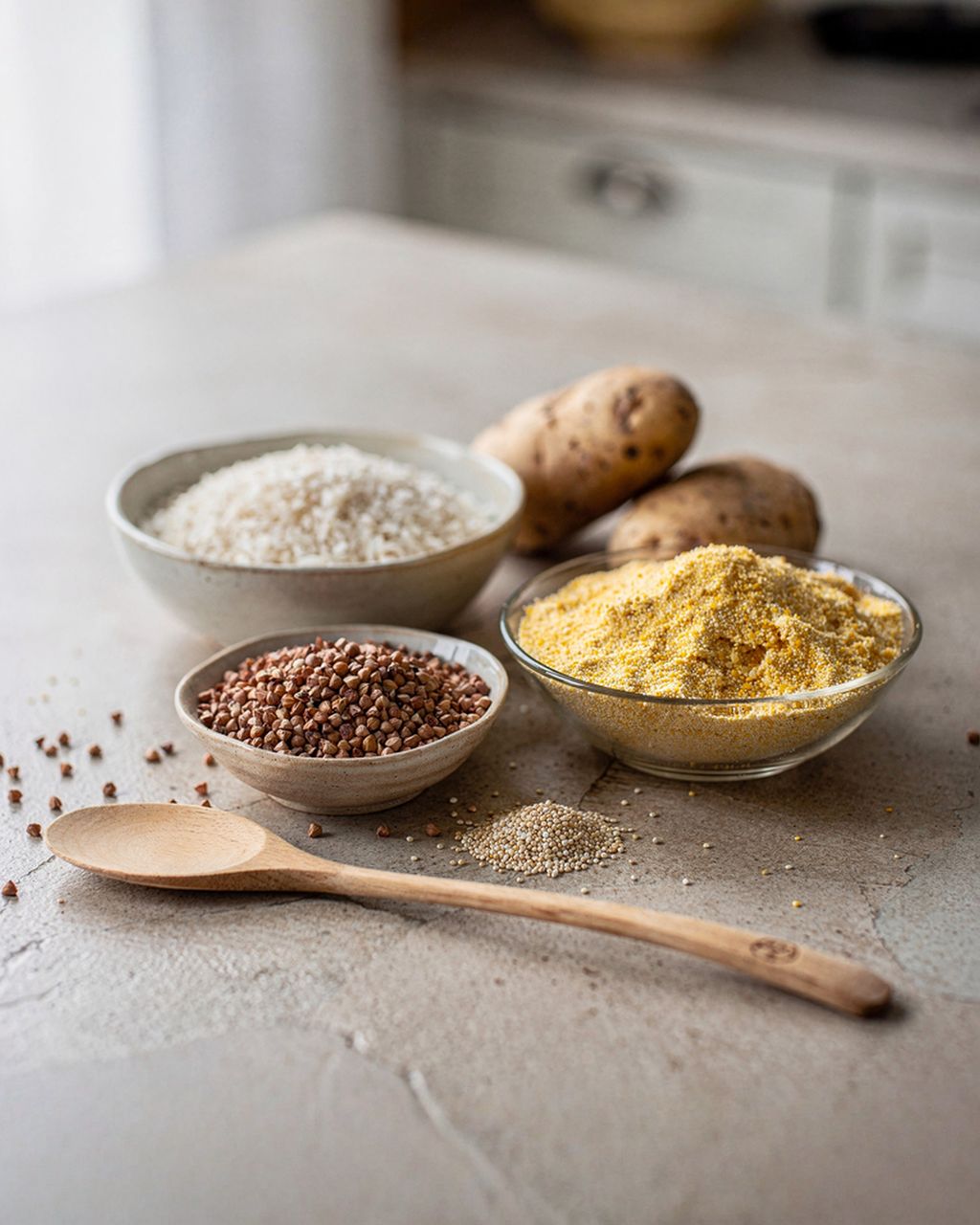
  9. Gluten Allergy: Symptoms, Diagnosis and Living Gluten-Free

    "Gluten allergy" is an umbrella term that actually covers three distinct diagnoses: wheat allergy, coeliac disease, and non-coeliac gluten sensitivity. They differ in mechanism, in the tests used to confirm them, and in how strictly you need to police gluten — mix them up and you end up solving the wrong problem. Here's how they differ, what actually confirms a diagnosis, how to read labels under EU rules, and what you can realistically cook.

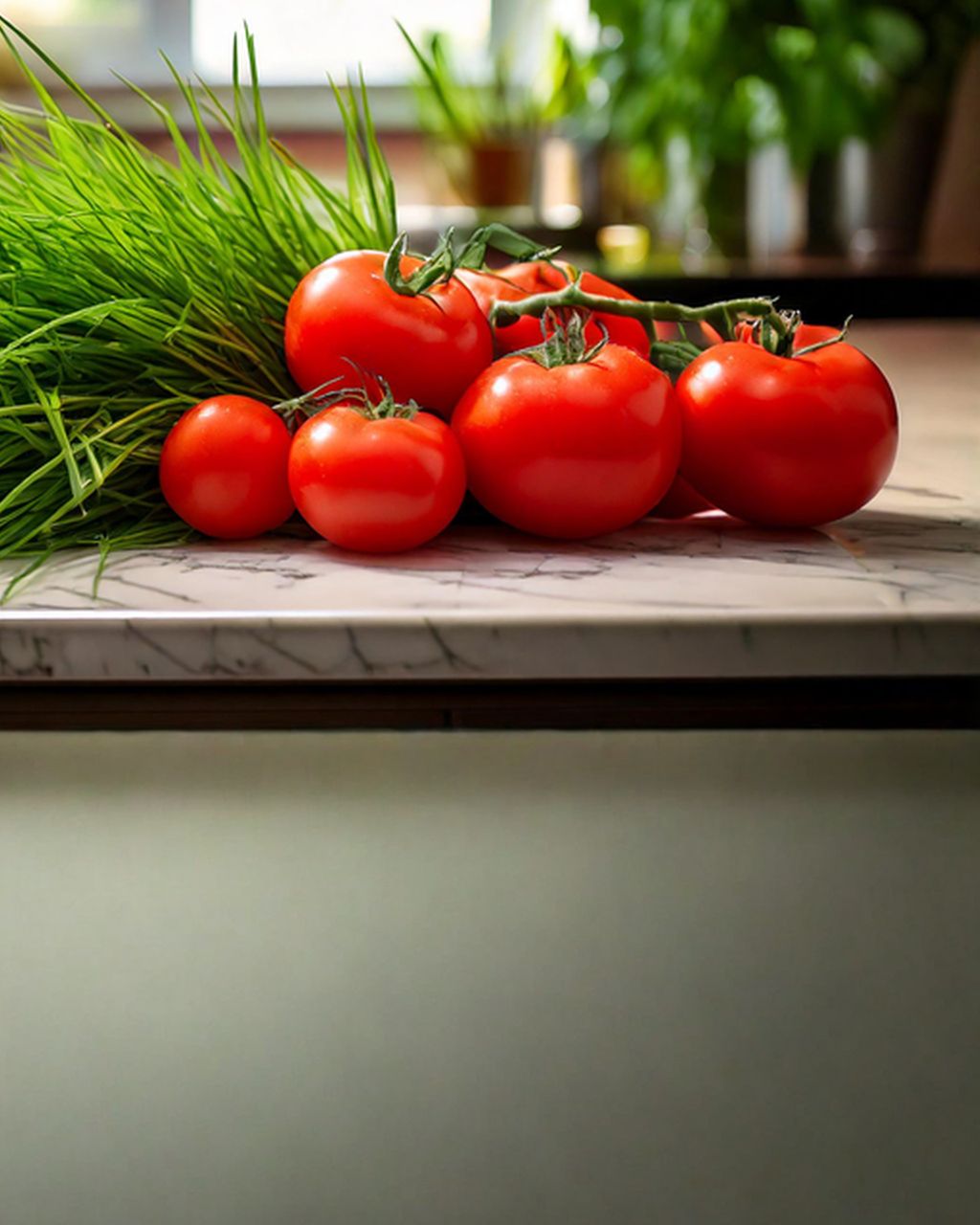
  10. Tomato Allergy: Symptoms, Diagnosis and What to Use Instead

    A tomato allergy is an immune reaction to proteins found in tomatoes — most often showing up as itching in the mouth after eating a fresh tomato, a rash, or digestive upset. It's not a single condition: depending on which protein your body reacts to, you might happily eat tomato sauce yet be unable to tolerate a single bite of fresh tomato. Or the other way round. What matters is whether your particular allergen survives cooking — some break down with heat, others don't.

  11. Wheat Allergy: Symptoms, Diagnosis, and Living Wheat-Free

    A wheat allergy is an IgE-mediated immune reaction to wheat proteins: symptoms typically kick in within minutes to two hours of eating, and in severe cases can escalate to anaphylaxis. It's not celiac disease and it's not gluten intolerance, even though the three get lumped together constantly — and the distinction matters enormously for what you can actually eat. This article walks you through the four forms wheat allergy takes, how it's actually diagnosed, which grains cross-react with wheat, and where wheat hides on ingredient labels. No website or DIY elimination diet can give you a diagnosis — that's an allergist's job. This is what you need to know before you walk into that appointment.

  12. Food Allergies: Symptoms, Diagnosis and What to Do During a Reaction

    A food allergy is your immune system misfiring against a protein in food, and the most reliable way to spot it is timing: symptoms typically appear anywhere from a few minutes to two hours after eating, they show up every single time you eat that food, and even a tiny amount can trigger them. What actually happens varies — hives, swollen lips, vomiting, coughing, and in the worst case, anaphylaxis. Here you'll find what the individual symptoms look like, how an allergy differs from an intolerance, what diagnosis at an allergist actually involves, and what you can realistically do about it in your own kitchen. But the diagnosis itself has to come from a doctor — not from an article, and not from a test you found online.

  13. Lactose Allergy or Intolerance? How to Tell the Difference and Cook Dairy-Free

    There's no such thing as a "lactose allergy" — what almost everyone means by that is lactose intolerance, the inability to properly digest milk sugar. A genuine milk allergy is something else entirely: an immune reaction to casein and whey proteins. This isn't pedantry. It's the difference between still enjoying parmesan and butter, or having to strip even trace amounts of milk out of your kitchen. Here's how to tell the two apart, how much lactose most people can actually handle, where it hides when you least expect it, and what to swap in for milk, cream and yoghurt so your food still tastes the way it should.

Cart