Homemade gingerbread spice: the best fragrant recipe
Gluten-Free Gingerbread Cookies: Why They Crumble and How to Fix It
Updated Sep 25, 2026
Gluten-free gingerbread cookies crumble because the dough lacks gluten — the protein network that holds wheat dough together and lets you roll it out. You have to build in a substitute yourself: a binder (xanthan gum or psyllium), enough honey and liquid, and time for the gluten-free flour to fully hydrate. Do that, then roll the dough between two sheets of parchment and bake it only as long as needed, and your cookies will hold their shape — and soften up like classic gingerbread after a few days in the tin.
Gluten-free gingerbread cookies crumble for five reasons: no binder, dough that's too dry, flour that hasn't hydrated properly, cookies rolled too thin or overbaked. Usually it's a combination of two or three of these.
No binder, or too little. Rice, corn and buckwheat flour don't form gluten. Without xanthan gum, psyllium, or at least eggs, the dough has nothing to hold it together.
Dough that's too dry. Gluten-free flours and starches absorb more liquid than wheat flour. If you take a wheat recipe and swap flours 1:1, the dough turns brittle and cracks at the edges when you roll it.
Dough that hasn't rested. Rice flour absorbs moisture slowly. Freshly mixed dough can look perfectly fine, yet still bake up sandy and crumbly.
Cookies rolled too thin. Under 4 mm, gluten-free gingerbread breaks easily once baked, especially in shapes with thin, delicate points (stars, reindeer antlers).
Overbaking. An overdried cookie loses moisture it will never get back, no matter how long it sits in the tin.
The good news: all of this can be fixed while the dough is still raw, and some of it even after baking.
With gluten-free gingerbread, keep an eye on two things: whether every ingredient's packaging actually says "gluten-free", and whether gluten is hiding in the gingerbread spice mix, baking powder, oats, or buckwheat and millet flour.
The label "gluten-free" may, under EU Implementing Regulation No 828/2014, only appear on food containing no more than 20 mg of gluten per kilogram. A generic "wheat-free" or "naturally gluten-free" claim on packaging doesn't guarantee this limit, so always go by the specific "gluten-free" label. Talk to a doctor about how strict a particular person with coeliac disease needs to be.
With gingerbread, pay special attention to ingredients where you wouldn't expect gluten to hide:
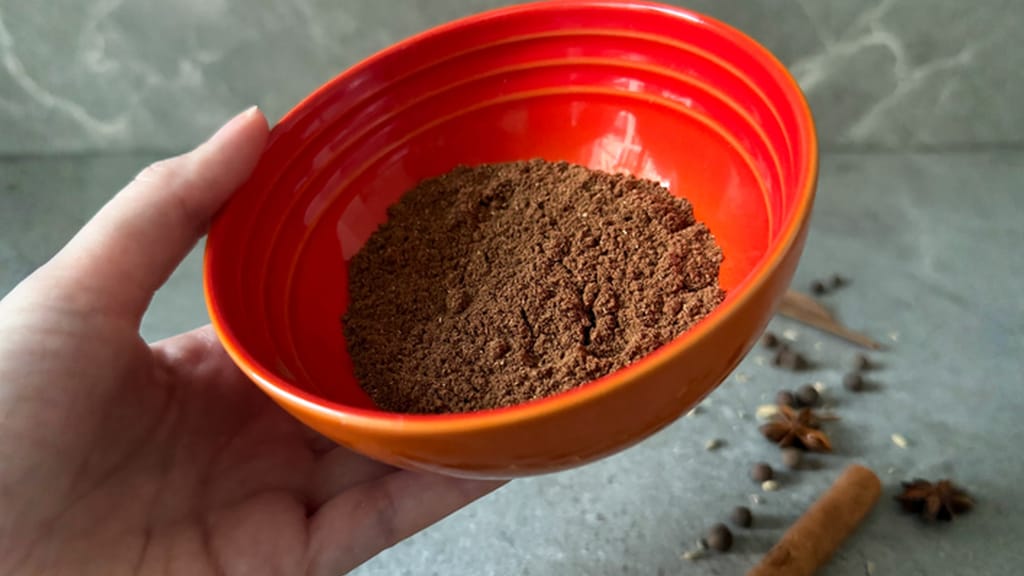
Gingerbread spice mix. Store-bought blends can contain flour as a filler, or be produced in facilities that also process wheat. Look for a "gluten-free" label, or mix your own from pure spices. You'll find the method in our recipe for homemade gingerbread spice mix.
Baking powder. Some brands contain wheat flour or wheat starch. Choose one labelled "gluten-free". Baking soda (sodium bicarbonate) doesn't contain gluten.
Oats and oat flour. Oats are commonly cross-contaminated with wheat. Under Regulation 828/2014, only oats specifically produced to avoid contamination, with gluten content no higher than 20 mg/kg, may carry the "gluten-free" label. Some people with coeliac disease still can't tolerate even this pure oat, so check with a doctor before using it.
Buckwheat and millet flour. These don't contain gluten themselves, but are often cross-contaminated during processing. Here too, go by the "gluten-free" label on the packaging.
One more thing worth being upfront about: gluten-free gingerbread cookies have roughly the same sugar and fat content as the classic version — the only real difference is the absence of gluten. They're not a healthier option. They matter for people who can't eat gluten, such as those with coeliac disease.
Homemade gingerbread spice: the best fragrant recipe
Homemade gluten-free gingerbread spice mix
For gluten-free cut-out gingerbread cookies, use xanthan gum at 0.5–1% of the flour weight (about 1.5–3 g per 300 g flour mix) or psyllium, roughly 1 tablespoon per 300 g flour. Both binders stand in for gluten's elasticity, but each works a little differently.
Xanthan gum gets mixed straight into the dry ingredients. Going above the amount above won't help — the dough turns gummy and the baked cookie ends up tough.
Psyllium (a soluble fibre from psyllium seed husks) gives the dough a stretchiness closer to gluten. It works best if you first mix it with a little warm water or milk and let it sit for about 10 minutes to swell into a thick gel, which you then work into the dough. Use finely ground psyllium — coarse husks leave gritty specks in the cookie.
Egg also binds, but egg alone won't hold a gluten-free cut-out cookie together. Treat it as a helper for xanthan gum or psyllium, not a replacement for either.
Using a store-bought gluten-free baking blend? Check the ingredients list. Many blends already contain xanthan or guar gum, so you'll only need to add a little more, if any at all.
The best results come from a blend of fine flour and starch, for example 60% fine rice flour, 25% potato or tapioca starch, and 15% almond or buckwheat flour. No single gluten-free flour on its own will give gingerbread the right structure.
Rice flour on its own gives a sandy, crumbly texture. Look for the most finely milled version you can find.
Starch gelatinises during baking and helps bind the cookie, but if it makes up more than about a third of the mix, the cookie ends up brittle, like a wafer.
Almond flour adds fat and softness, while buckwheat flour adds flavour and a dark colour that suits gingerbread well.
For a detailed breakdown of flours, starches and ratios that work well in gluten-free baking, see our article What to use instead of flour in gluten-free Christmas baking.
Gluten-free gingerbread dough should have the consistency of soft play dough: it shouldn't stick to your hands, but it also shouldn't crumble apart or crack at the edges when you squeeze it in your palm. This usually needs a bit more liquid than the same recipe made with wheat flour.
Honey is your ally. It binds water and holds onto it even after baking, which is exactly what lets the cookies soften in the tin. Warm the honey to around 40–50°C so it blends in evenly, but don't let it boil.
Does the dough crack at the edges when you shape it into a ball? Work in milk or honey a teaspoon at a time and knead it through.
Is the dough still sticky even after resting? Work in a tablespoon of flour. Keep in mind gluten-free flour absorbs moisture slowly, so the dough will firm up as it rests. Add extra flour only after resting, not right after mixing.
Gluten-free gingerbread dough needs to rest because rice flour, starches and the binder all absorb moisture slowly — and until they do, the dough stays sandy. So leave it wrapped in the fridge for at least overnight, ideally 24 hours. This step is standard advice in gluten-free baking, and it's the cheapest fix for crumbling in the whole process.
Before rolling, let the dough sit at room temperature for 15–30 minutes to soften. Cold, honey-based dough is stiff and breaks apart when rolled, which is easy to mistake for crumbling.
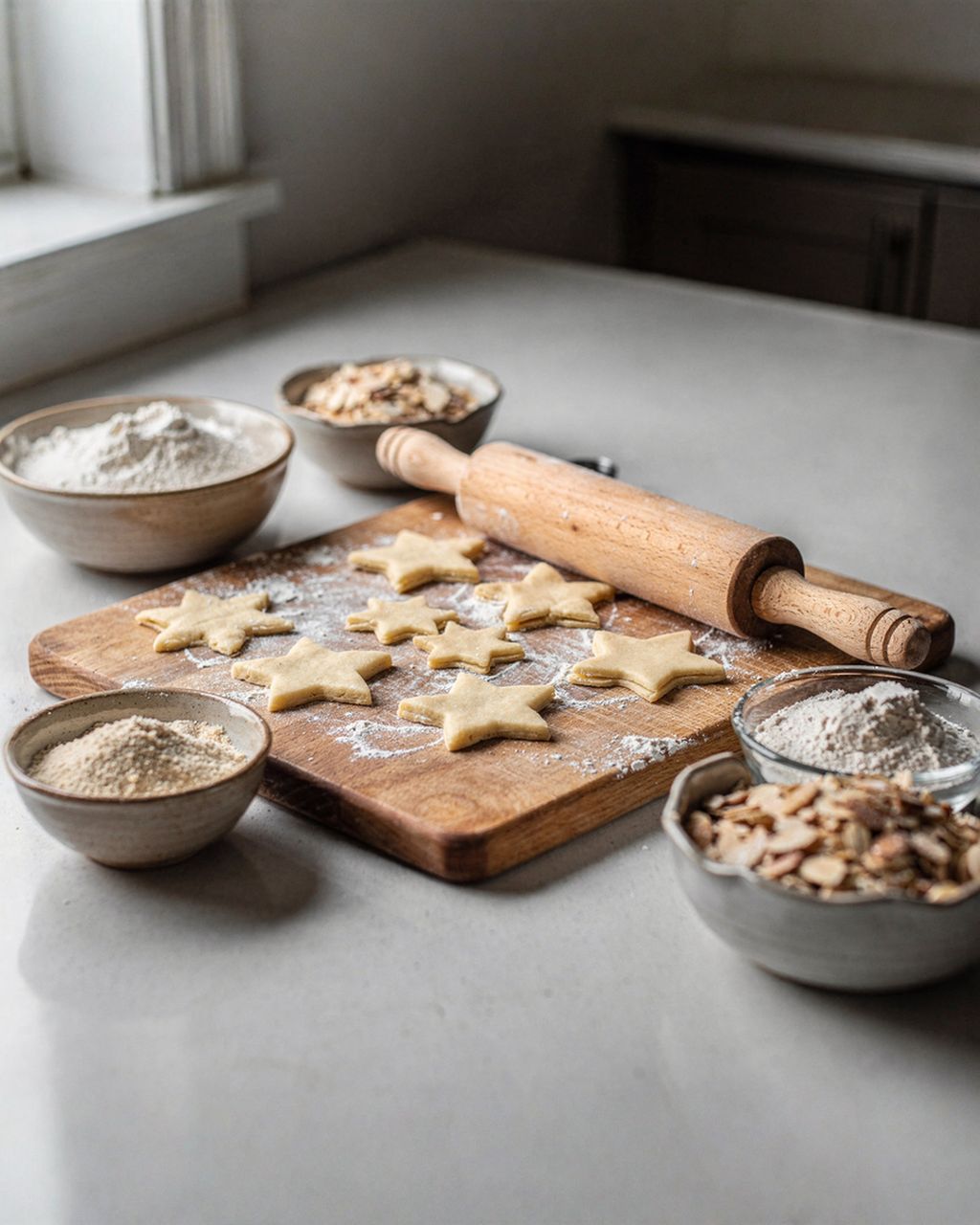
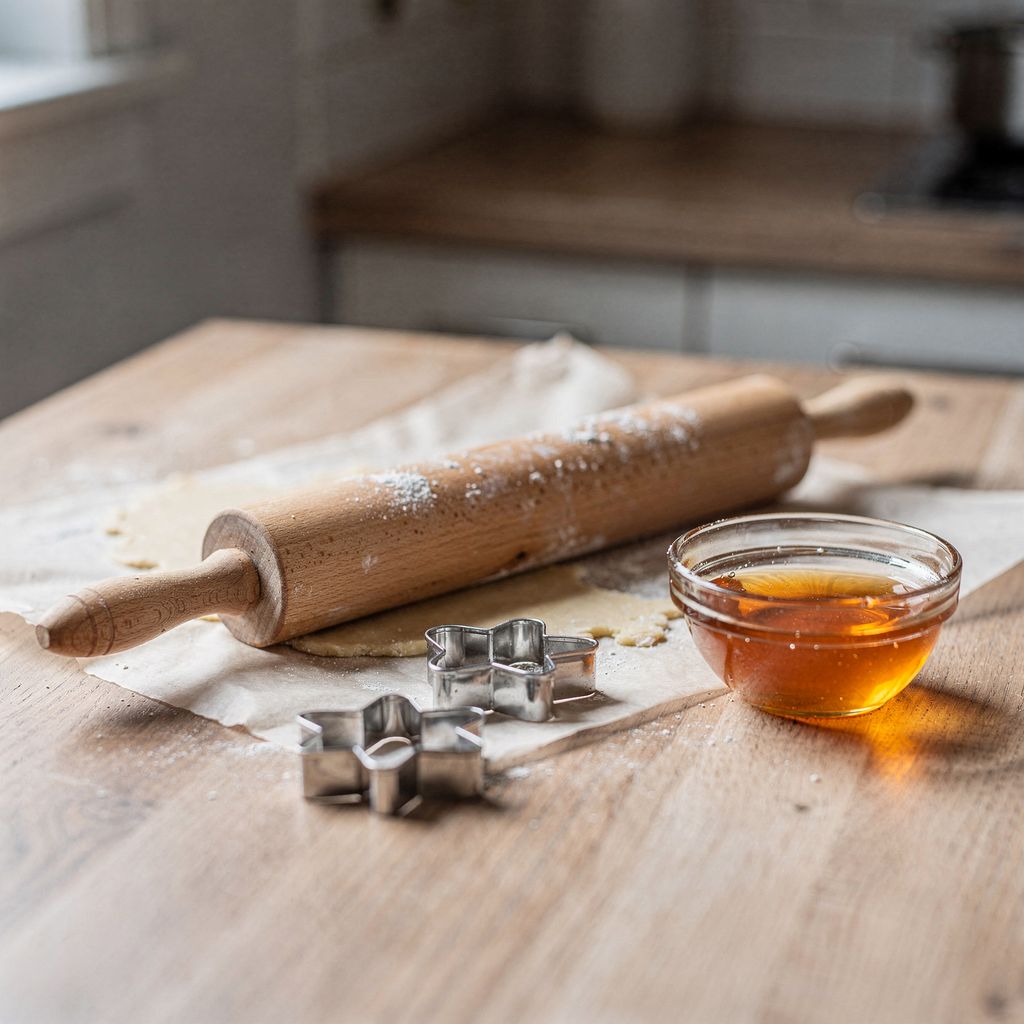
Roll gluten-free gingerbread dough between two sheets of parchment paper to 4–5 mm thick, cut the shapes right on the bottom sheet, and lift away the scraps of dough between the shapes rather than lifting the shapes themselves. That way you never have to handle the cookies by hand at all.
Divide the dough into smaller portions — one big slab is much harder to work with.
Roll between sheets of parchment without dusting extra flour underneath. Extra flour will only dry the dough out.
Cut out the shapes, peel away the excess dough, and slide the parchment with the cookies straight onto the baking sheet.
Before the tray goes into the oven, chill it in the fridge for 10 minutes. Chilled shapes hold sharp edges and spread less.
Knead the scraps back into a ball and roll them out again between the sheets — they can handle it better than wheat dough, since there's no gluten to overwork.
Still finding your cookies spread out on the baking sheet? Our article Why gingerbread cookies spread while baking breaks down the causes.
Take gluten-free gingerbread cookies out of the oven as soon as the edges feel firm and the surface no longer gives when lightly touched, even if the centre still feels a bit soft — they'll finish setting on the hot tray. Dark edges mean they're overbaked and will stay hard and crumbly.
Bake at 160–170°C for roughly 8–12 minutes. That's usually enough for cookies rolled to 4–5 mm; thinner, smaller shapes are done at the lower end of that range. Gluten-free gingerbread tends to finish baking sooner than the wheat version at the same thickness, so start checking earlier than the recipe time suggests. You'll find temperatures and times for different types of Christmas baking in our article What temperature to bake Christmas cookies at.
Let them cool on the tray for 5–10 minutes. Hot gluten-free gingerbread is soft and fragile, and firms up only once it cools. Move it too soon and it will break.
Not sure if they're done? Our article How to tell when gingerbread cookies are baked covers more signs to look for.
If it's the dough that's crumbling, fix it while it's still raw. If it's the baked cookies, either let them soften up, or turn them into something else.
Is the raw dough cracking and falling apart? Work in a tablespoon of warm honey or a little beaten egg, and let it rest again for at least an hour.
Forgot to add a binder to the raw dough? You can still work psyllium mixed with water into finished dough — just let it rest again afterwards.
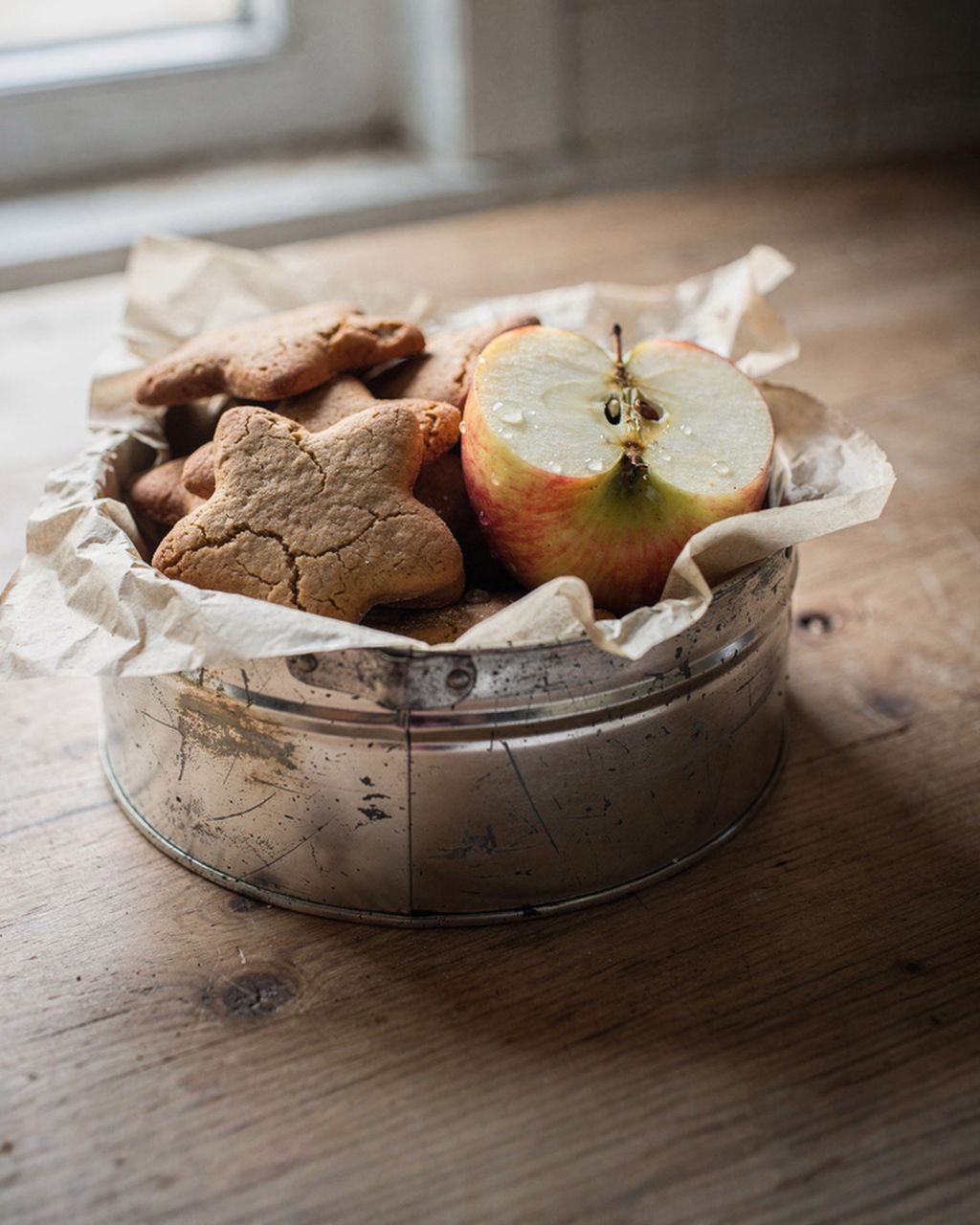
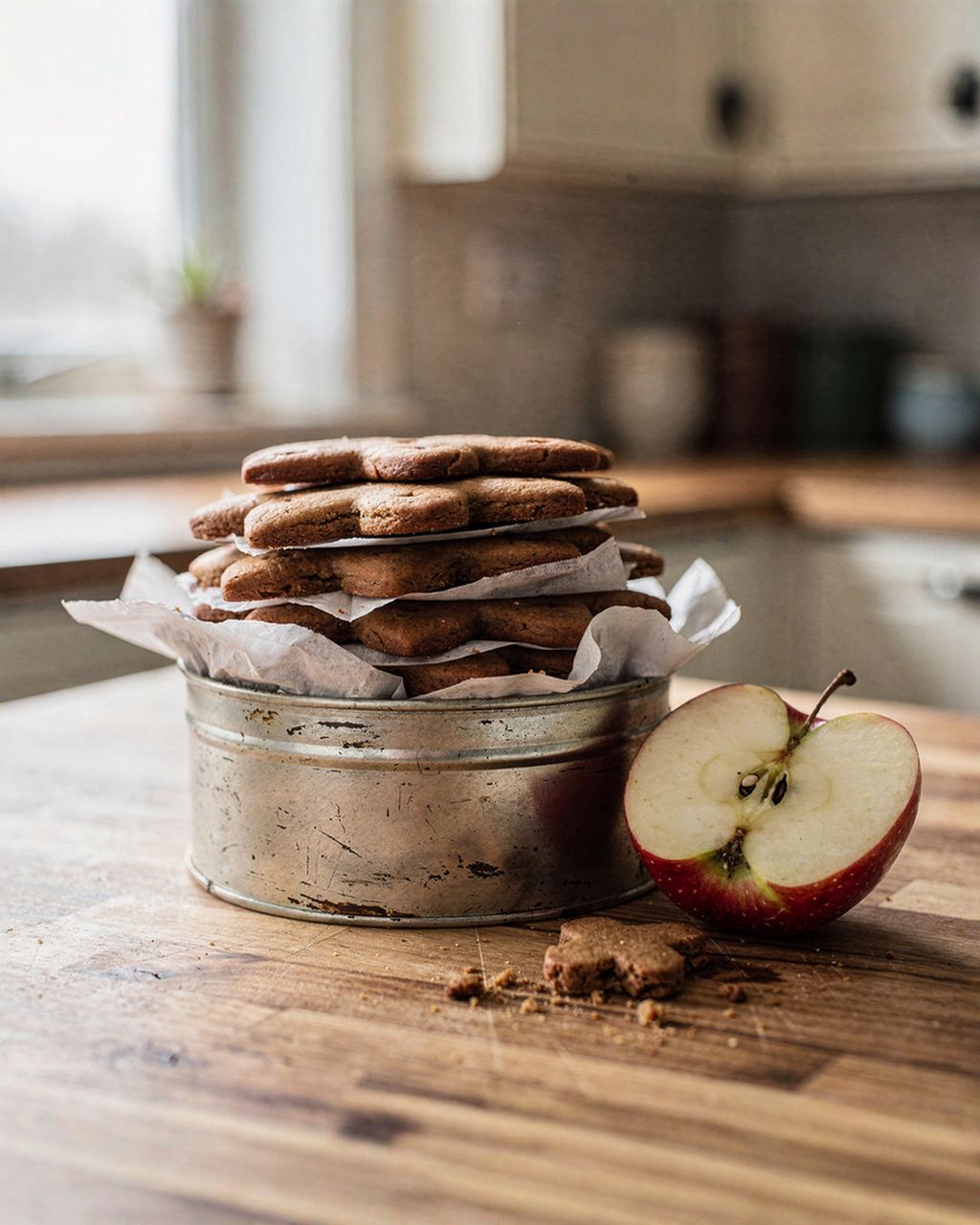
Are the baked cookies hard and breaking apart? Put them in a well-sealed tin with a slice of apple (swap it every 2 days). The honey in them will draw in moisture, and within a few days they'll soften up. Just watch that the apple doesn't start going mouldy.
Broken pieces of baked cookies can be glued back together with icing and hidden with decoration. You'll find how to make and use icing in our article Gingerbread icing.
Total crumbs don't need to go to waste. Crush them up as a topping for yoghurt or fresh cheese, or mix them with butter for a gluten-free cheesecake base.
For comparison, see what soft, moist wheat-flour gingerbread cookies look like in our recipe Soft honey gingerbread cookies that stay soft. Note that this recipe isn't gluten-free — you'll need to adapt it into a gluten-free version using this article.
Yes, you can make gluten-free gingerbread cookies without eggs if you add psyllium or xanthan gum to the dough. Replace the egg with a gel made from about 1 tablespoon of psyllium and 3–4 tablespoons of water, plus a splash of extra milk if needed, and let the dough rest overnight. Egg-free cookies tend to be a bit denser, but they hold their shape just fine.
Yes, gluten-free gingerbread dough freezes well — tightly wrapped, it keeps for about a month. Thaw it slowly in the fridge overnight, then let it sit at room temperature for 15–30 minutes before rolling.
Stored in a well-sealed tin in a cool spot, gluten-free gingerbread cookies typically keep for 2–3 weeks. They're at their best after 3–5 days, once the honey has drawn in moisture and softened them. Keep them separate from other baked treats so gluten-containing crumbs don't sneak in.
Yes — classic royal icing made from egg white and powdered sugar is naturally gluten-free, so it works perfectly on gluten-free gingerbread cookies. Just double-check food colourings, sugar pearls and sprinkles for a "gluten-free" label. Decorate only once the cookies have cooled completely, since icing will run on a warm surface.
One recipe worth heating the oven for, one tip, and one deal from the shop. Nothing else.